
Reclaiming Roots: The Enduring Charm of Born House Planti and Cameroonian Traditions
In a world increasingly shaped by global influences, the preservation of indigenous cultural practices becomes more vital than ever. Traditions, passed down through generations, are the threads that weave the rich tapestry of our identities. They connect us to our ancestors, instill a sense of community, and provide unique rituals that mark significant life events. While some age-old customs face the risk of fading under the tide of modernization, the essence of their spirit often finds a way to endure, particularly through the powerful medium of food.
Recently, my attention was drawn to a compelling article on Joy2Endure, a blog by a cherished sister and friend, which eloquently explored a cherished tradition slowly receding from the Cameroonian cultural landscape: the “Born House” celebration. This deeply meaningful ceremony, often referred to colloquially as “Born House,” is (or was) a beautiful event organized to warmly welcome a new mother and her newborn into the community. It’s a powerful testament to the value placed on new life and communal support, primarily attended by elder women who bring with them a wealth of experience in childbirth and motherhood.
These gatherings are vibrant affairs, filled with the wisdom of matriarchs, heartfelt blessings, and the rhythmic melodies of traditional songs. One such memorable tune, imbued with deep cultural significance and joy, is often sung:
Planti eh, planti eh
Planti for pikin
E sabi sweet
Planti for pikin
E sabi sweet
This chant, roughly translating to “Plantains, oh plantains, plantains for the baby, it tastes sweet,” beautifully encapsulates the connection between sustenance, joy, and new life within the community. Beyond the songs, mothers are showered with practical and symbolic gifts, most notably bars of soap—affectionately called “savon”—intended for washing the baby’s delicate clothes. This gesture signifies purity, care, and the communal responsibility for the well-being of the new family. The baby, a symbol of hope and continuity, is gently passed around, allowing each attendee to offer their blessings and share in the joy. It is, without a doubt, a truly delightful and heartwarming occasion.
The Evolving Landscape of Cameroonian Celebrations
Regrettably, the “Born House” tradition, like many others across the globe, is witnessing a gradual decline. As Cameroonians increasingly embrace Western cultural influences, many are opting for modern alternatives such as elaborate baby showers and grand first birthday anniversaries, which often lack the unique cultural depth and communal spirit of the traditional Born House. While these contemporary celebrations have their own charm, they sometimes inadvertently overshadow the distinct rituals and profound symbolism embedded in indigenous practices. However, amidst this shift, one element remains steadfastly resilient and universally beloved: the legendary “Born House Planti”!
Born House Planti: A Culinary Emblem of Heritage
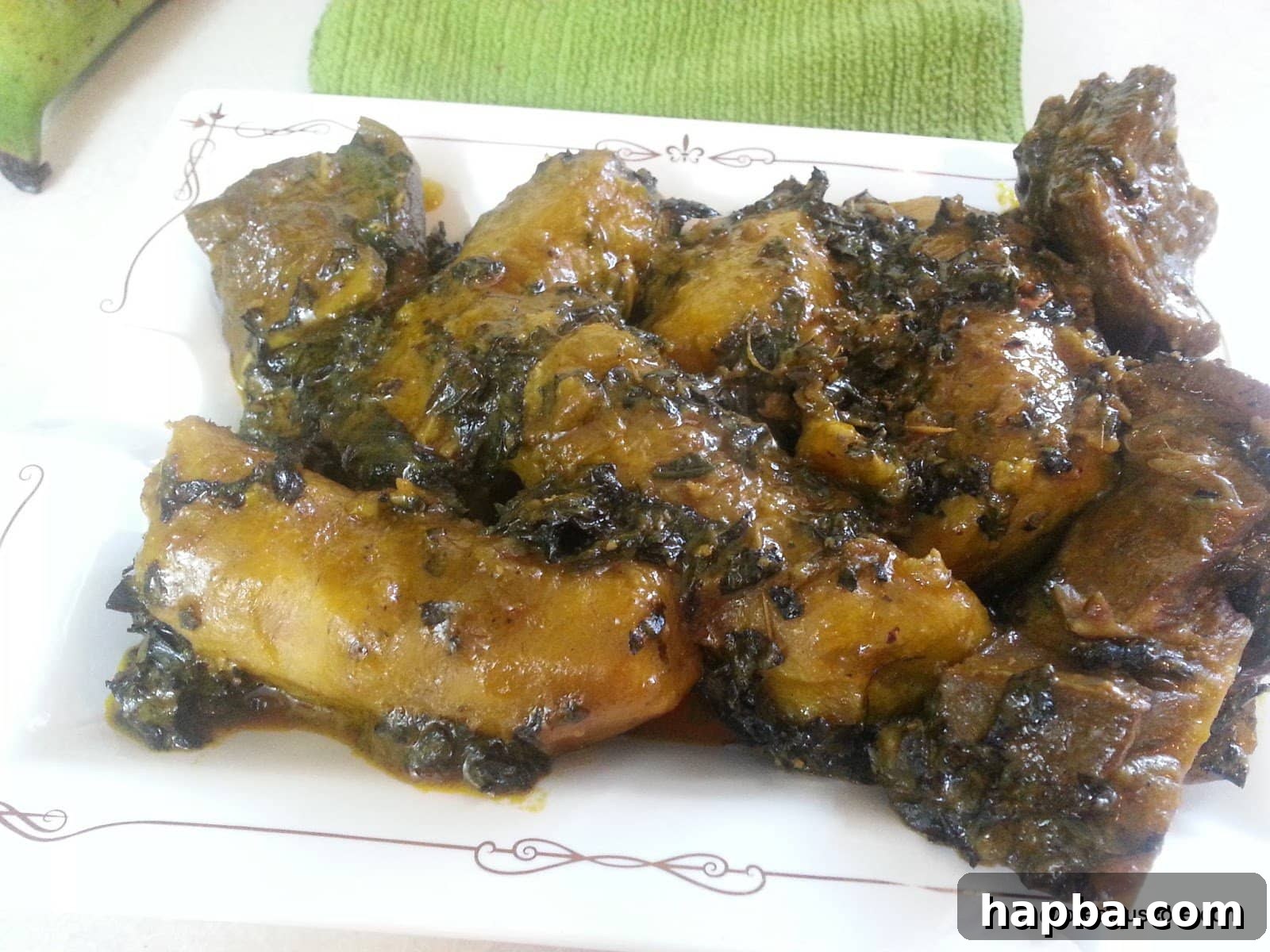
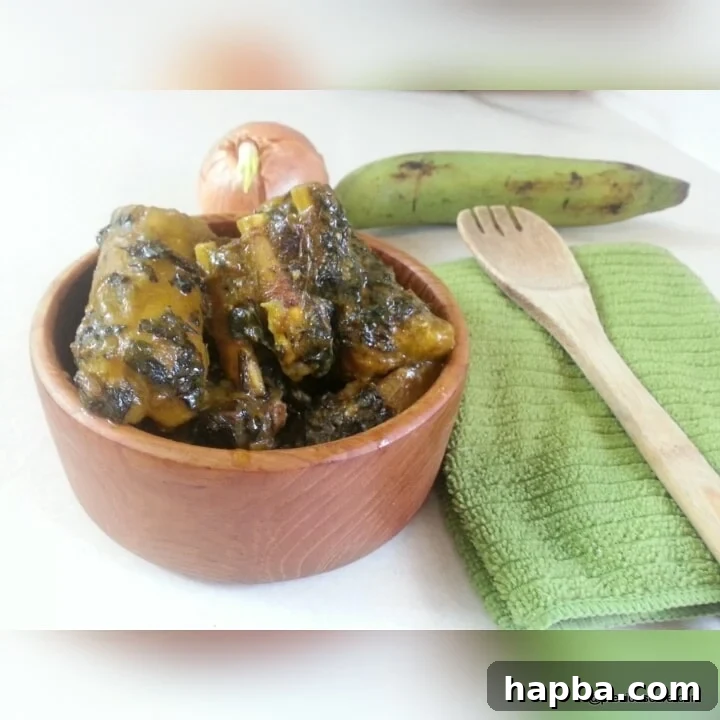
“Born House Planti” is more than just a dish; it is the culinary heart of the Born House celebration. As its name suggests, “Planti” is derived from plantains, the star ingredient of this iconic Cameroonian meal. This savory dish consists primarily of ripe or unripe plantains cooked in rich palm oil, infused with a medley of aromatic ethnic flavors that speak volumes of Cameroon’s diverse culinary heritage.
The significance of Born House Planti extends beyond its delectable taste. According to local lore, plantains hold a profound symbolic meaning in this context. It is believed by some that the baby’s umbilical cord is traditionally buried beneath a plantain tree. As the tree flourishes and bears fruit, these plantains are then harvested and transformed into this special meal. Well-wishers partake in the dish as a symbolic act of blessing the newborn, linking the child’s life to the earth’s bounty and the community’s good wishes. While the exact veracity of this particular legend may vary, its poetic beauty and the deep reverence it inspires for both nature and new life are undeniable. One truth, however, is universally acknowledged: these plantains are absolutely delicious!
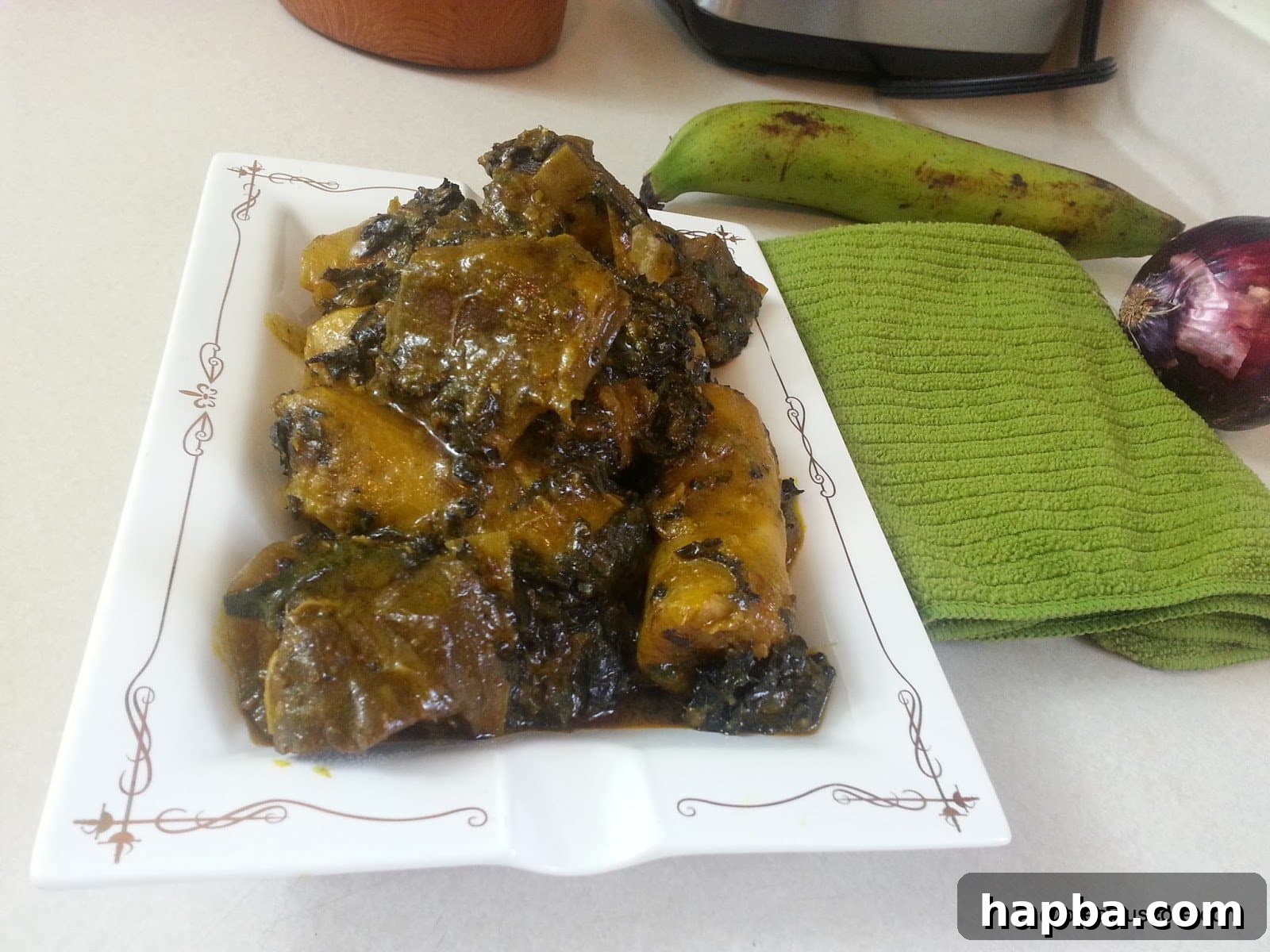
Inspired by the insightful blog post and the undeniable call of my inner foodie, a culinary mission was clear: “Cook Born House Planti! Cook Born House Planti!! Cook!!!” As someone deeply passionate about exploring and savoring diverse flavors, such an invitation from the culinary muses is never refused. Embracing this delicious challenge, I set out to recreate this authentic taste of Cameroon right in my own kitchen. What follows is not just a recipe, but an invitation to connect with a rich cultural narrative through the art of cooking.
Crafting Your Own Born House Planti: An Authentic Cameroonian Recipe
Embark on a culinary journey to Cameroon with this beloved traditional dish. Born House Planti is a comforting, flavorful meal that brings warmth and a taste of heritage to any table.
Preparation Overview
Prep Time: 10 mins
Cook Time: 60 mins
Total Time: 70 mins
Serves: 3
Cook Time: 60 mins
Total Time: 70 mins
Serves: 3
Essential Ingredients
To truly capture the essence of Born House Planti, selecting the right ingredients is key. Each component plays a vital role in building the dish’s distinctive flavor profile.
- 5 unripe plantains: Choose firm, green plantains for the best texture in this stew. They provide a starchy base that absorbs flavors beautifully.
- 1 pound smoked fish and/or meat of choice (I used smoked goat meat): Smoked proteins are crucial for that deep, umami flavor characteristic of Cameroonian cuisine. Smoked goat meat, beef, or fish like mackerel or catfish work wonderfully.
- 1 cup washed bitterleaves: These unique African greens impart a slightly bitter, earthy flavor that is central to the dish. If fresh bitterleaves are unavailable, carefully washed dried ones are a great alternative.
- 1 onion (medium-sized): Adds a foundational sweetness and aromatic base.
- A quarter cup crayfish (ground): A staple in West African cooking, ground crayfish provides an intense seafood flavor and depth that is irreplaceable.
- One and a half cup of palm oil: Beyond its vibrant color, palm oil is essential for its rich, distinctive flavor and smooth texture, truly defining the dish.
- 3 small seasoning cubes (e.g., Maggi/Knorr): These enhance the savory notes and overall taste of the stew.
- 1 tablespoon ground ginger and garlic: Freshly ground ginger and garlic infuse the dish with a fragrant warmth and pungent kick.
- “Country onions” (also known as Ngakanga – use one if you can find it): This indigenous spice offers a unique, aromatic, and slightly pungent flavor that elevates the authenticity of the dish.
- Salt to taste: Essential for balancing and enhancing all the other flavors.
Step-by-Step Cooking Guide for Born House Planti
This recipe guides you through creating Born House Planti, a hearty and flavorful dish, perfect for sharing.
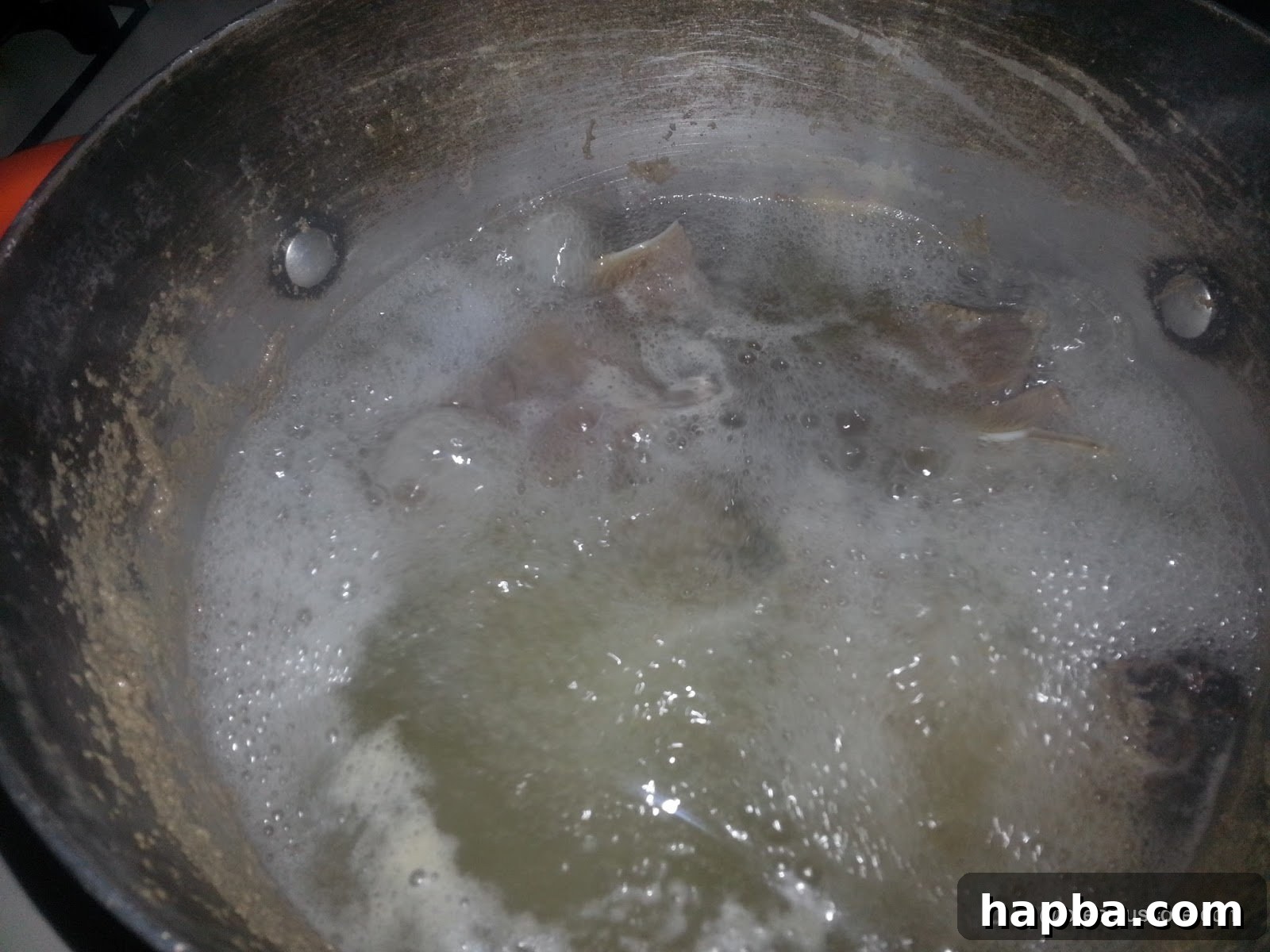
1. Prepare Your Protein and Plantains:
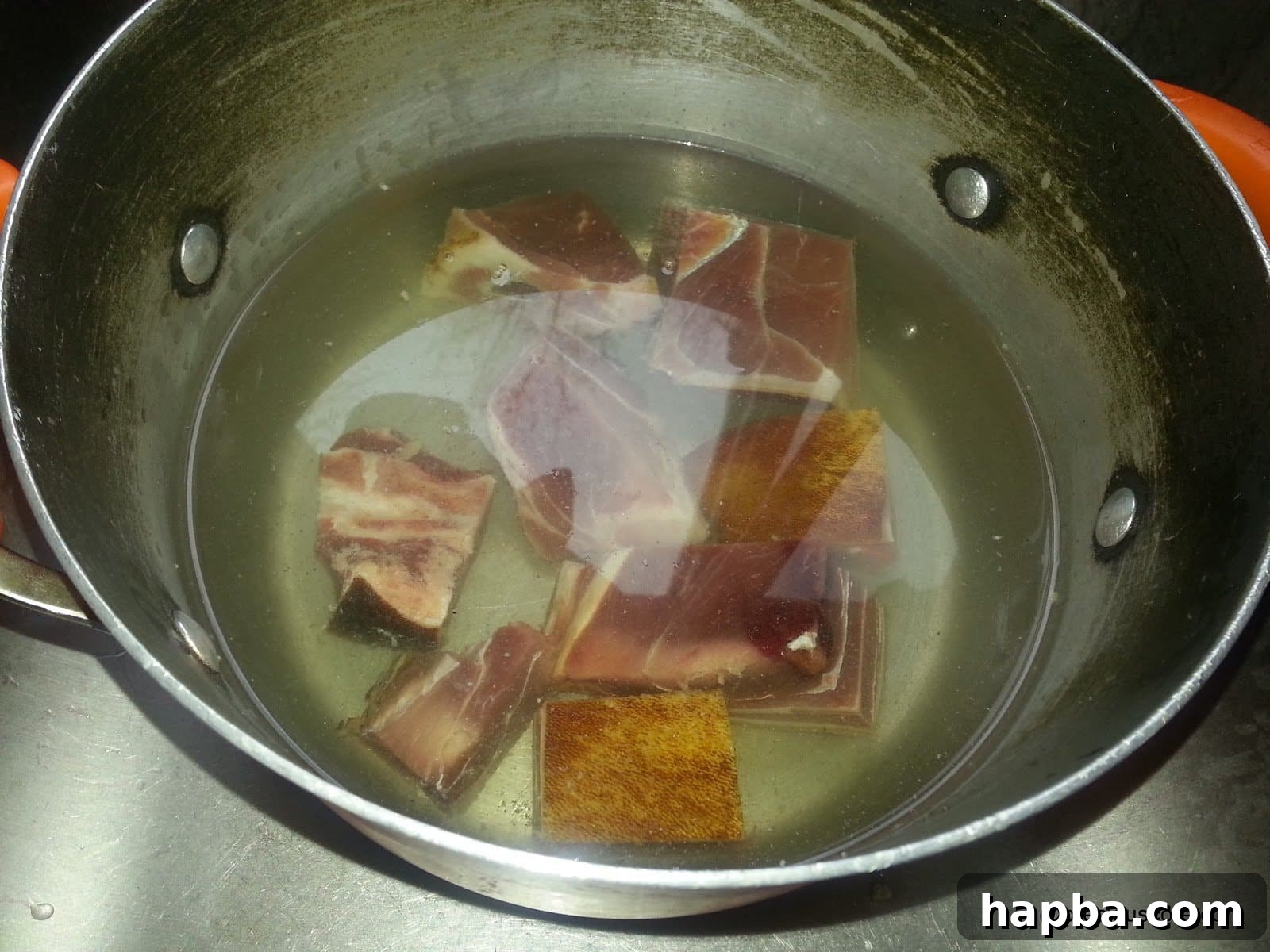
If you’re using smoked meat, begin by boiling it in a pot until it is tender. The water level should just barely cover the meat. If you are using only smoked fish, or if your meat is particularly tender, you can add your peeled plantains directly to the pot with the meat or fish from the start. This allows all the flavors to meld beautifully.
If you’re using smoked meat, begin by boiling it in a pot until it is tender. The water level should just barely cover the meat. If you are using only smoked fish, or if your meat is particularly tender, you can add your peeled plantains directly to the pot with the meat or fish from the start. This allows all the flavors to meld beautifully.
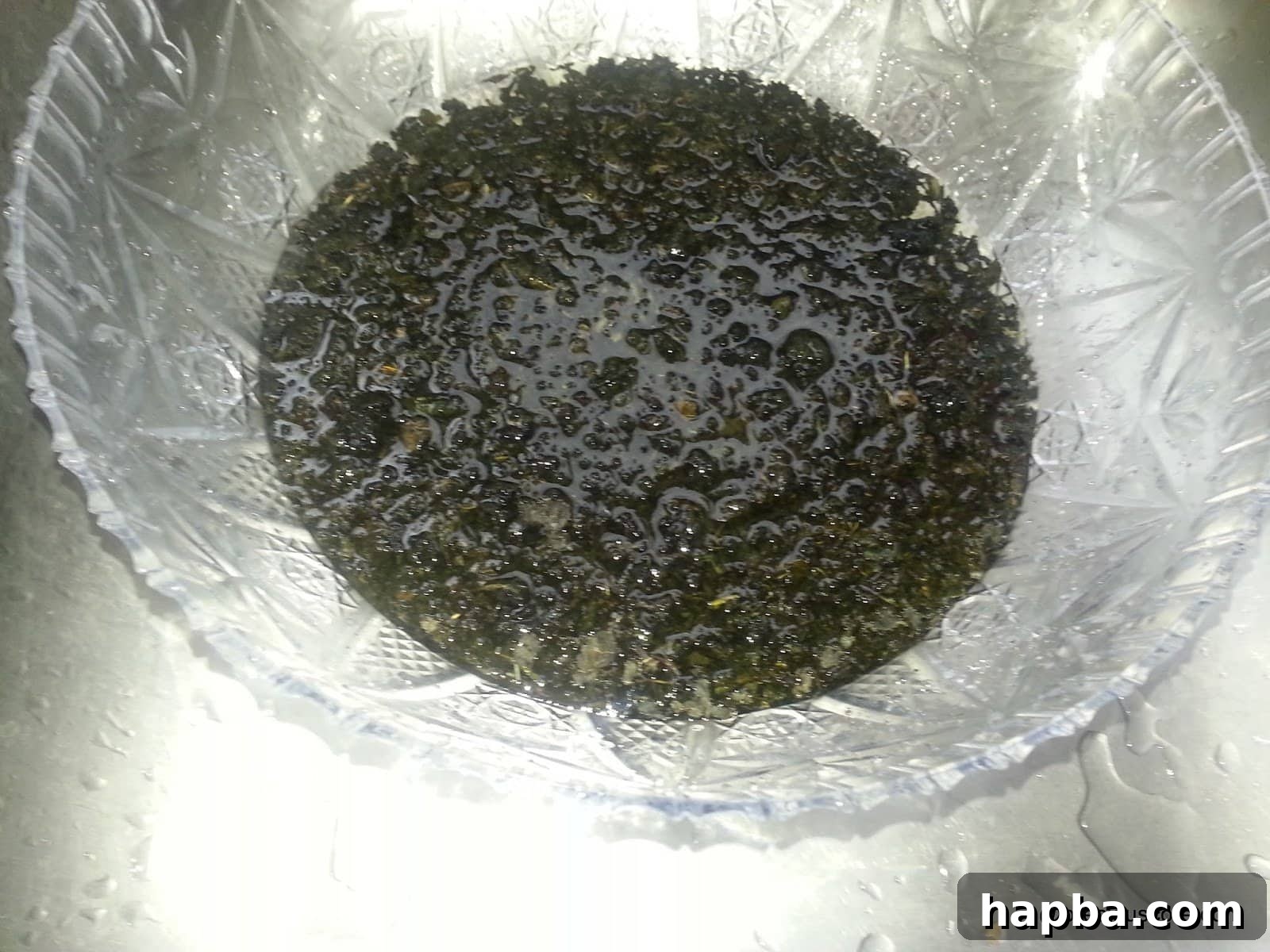
2. Prepare the Bitterleaves:
If you are using dried bitterleaves, they will need to be rehydrated. Soak them in warm water for at least 30 minutes, or even overnight if you plan ahead. This process helps to soften them and reduce some of their bitterness. If you have access to fresh bitterleaves, simply wash them thoroughly, and no soaking is required. For those who can’t find bitterleaves, kale is a suitable substitute, offering a similar slightly bitter profile. If you prefer no bitterness at all, fresh spinach can be used instead, providing a milder green element.
If you are using dried bitterleaves, they will need to be rehydrated. Soak them in warm water for at least 30 minutes, or even overnight if you plan ahead. This process helps to soften them and reduce some of their bitterness. If you have access to fresh bitterleaves, simply wash them thoroughly, and no soaking is required. For those who can’t find bitterleaves, kale is a suitable substitute, offering a similar slightly bitter profile. If you prefer no bitterness at all, fresh spinach can be used instead, providing a milder green element.
3. Peel and Cut Plantains:
While your meat is boiling, peel the unripe plantains. You can choose to leave them whole or cut each plantain into two or three chunky pieces. Cutting them allows them to cook more evenly and makes them easier to manage in the stew.
While your meat is boiling, peel the unripe plantains. You can choose to leave them whole or cut each plantain into two or three chunky pieces. Cutting them allows them to cook more evenly and makes them easier to manage in the stew.
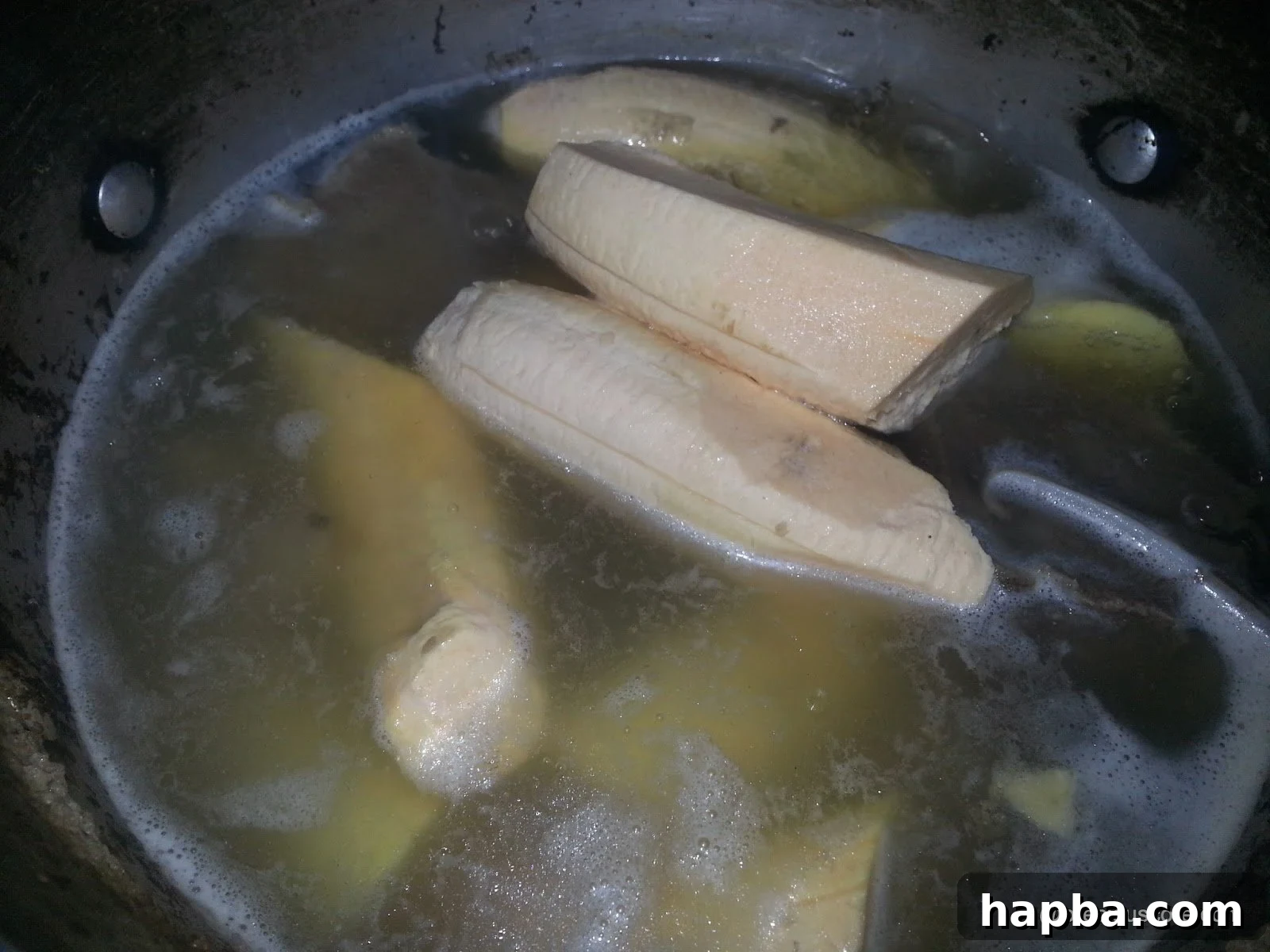
4. Add Plantains to the Pot:
Once your meat is tender or has been simmering for a while, “throw” in the peeled and cut plantains. This casual addition is part of the traditional charm of this hearty one-pot meal.
Once your meat is tender or has been simmering for a while, “throw” in the peeled and cut plantains. This casual addition is part of the traditional charm of this hearty one-pot meal.
5. Introduce Palm Oil:
Next, pour in the vibrant palm oil. Its rich color and distinctive flavor are fundamental to Born House Planti. The oil will begin to infuse all the ingredients, creating a mouth-watering aroma.
Next, pour in the vibrant palm oil. Its rich color and distinctive flavor are fundamental to Born House Planti. The oil will begin to infuse all the ingredients, creating a mouth-watering aroma.

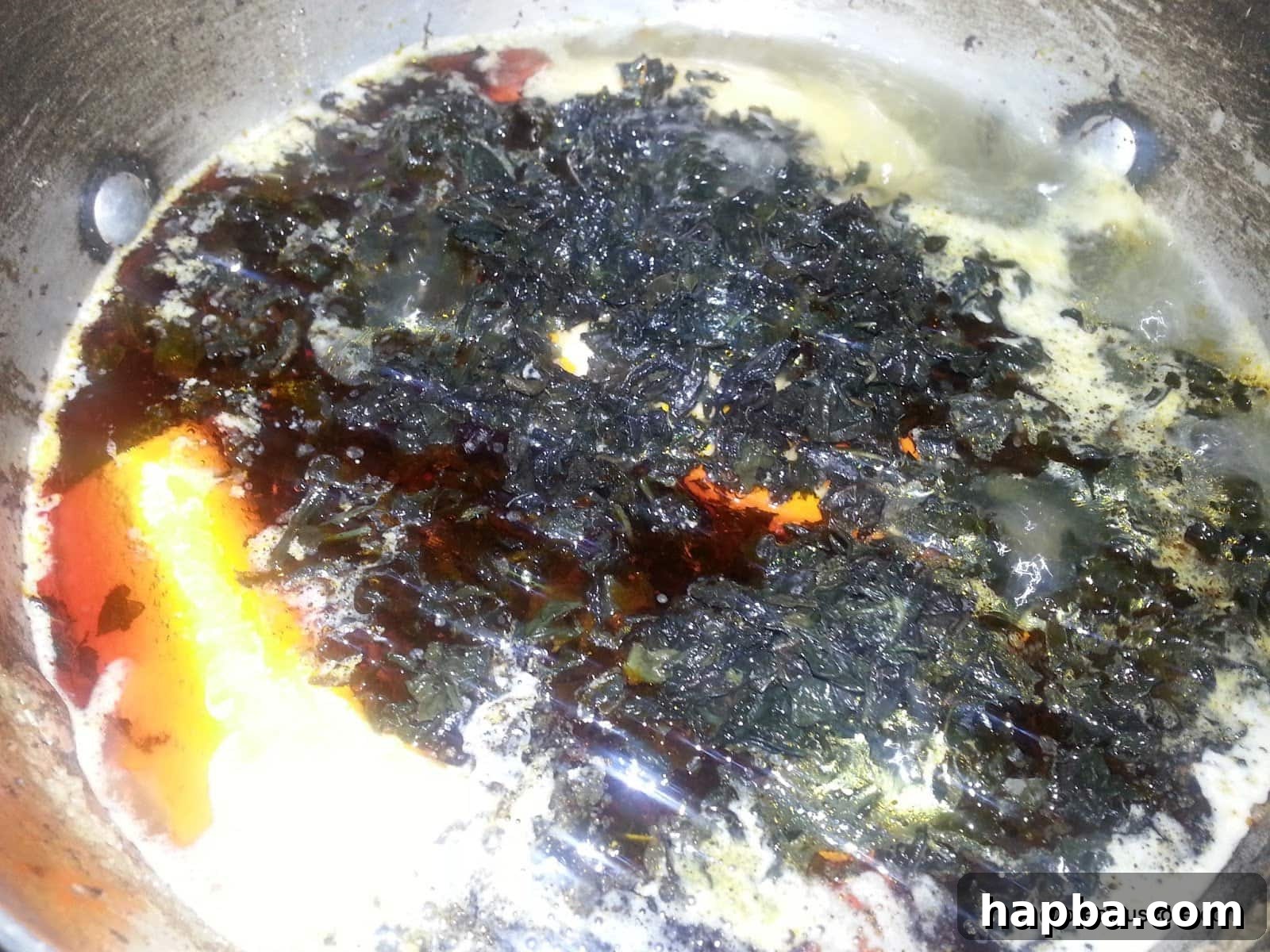
6. Add Bitterleaves:
Now, add the prepared bitterleaves (or your chosen green substitute) into the pot. They will wilt down and release their unique flavors into the stew.
Now, add the prepared bitterleaves (or your chosen green substitute) into the pot. They will wilt down and release their unique flavors into the stew.
7. Incorporate Onions:
Chop the onion coarsely and add it to the simmering pot. The onions will soften and release their sweetness, complementing the other robust flavors.
Chop the onion coarsely and add it to the simmering pot. The onions will soften and release their sweetness, complementing the other robust flavors.
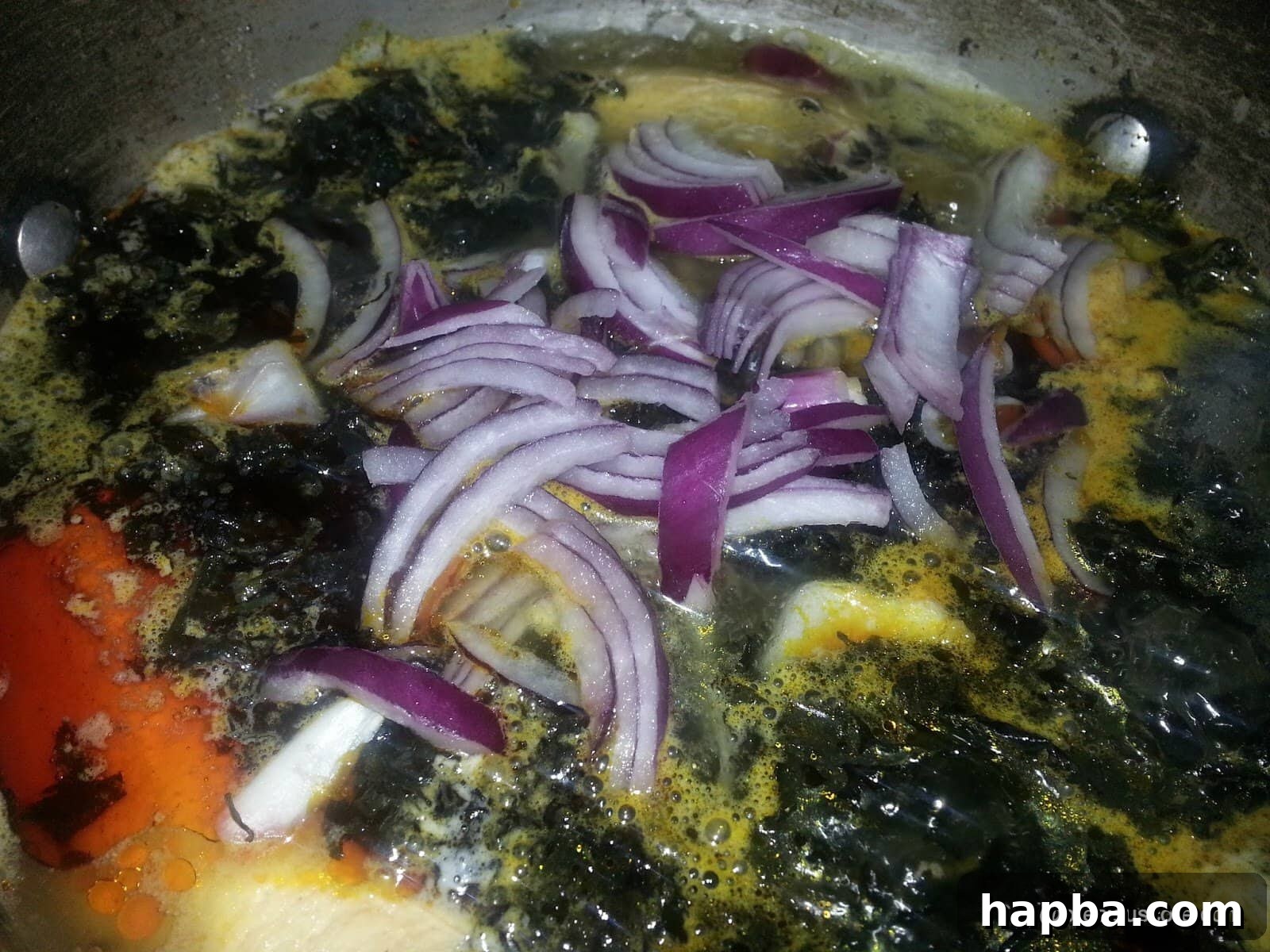
8. Simmer and Season:
Cover the pot and allow this flavorful mixture to simmer gently, letting all the ingredients cook together and their essences marry. After about 15-20 minutes, lift the lid and add the ground crayfish, seasoning cubes, ground ginger and garlic, and the country onion (if using). If you desire a bit of heat, now is the time to add a dash of pepper.
Cover the pot and allow this flavorful mixture to simmer gently, letting all the ingredients cook together and their essences marry. After about 15-20 minutes, lift the lid and add the ground crayfish, seasoning cubes, ground ginger and garlic, and the country onion (if using). If you desire a bit of heat, now is the time to add a dash of pepper.
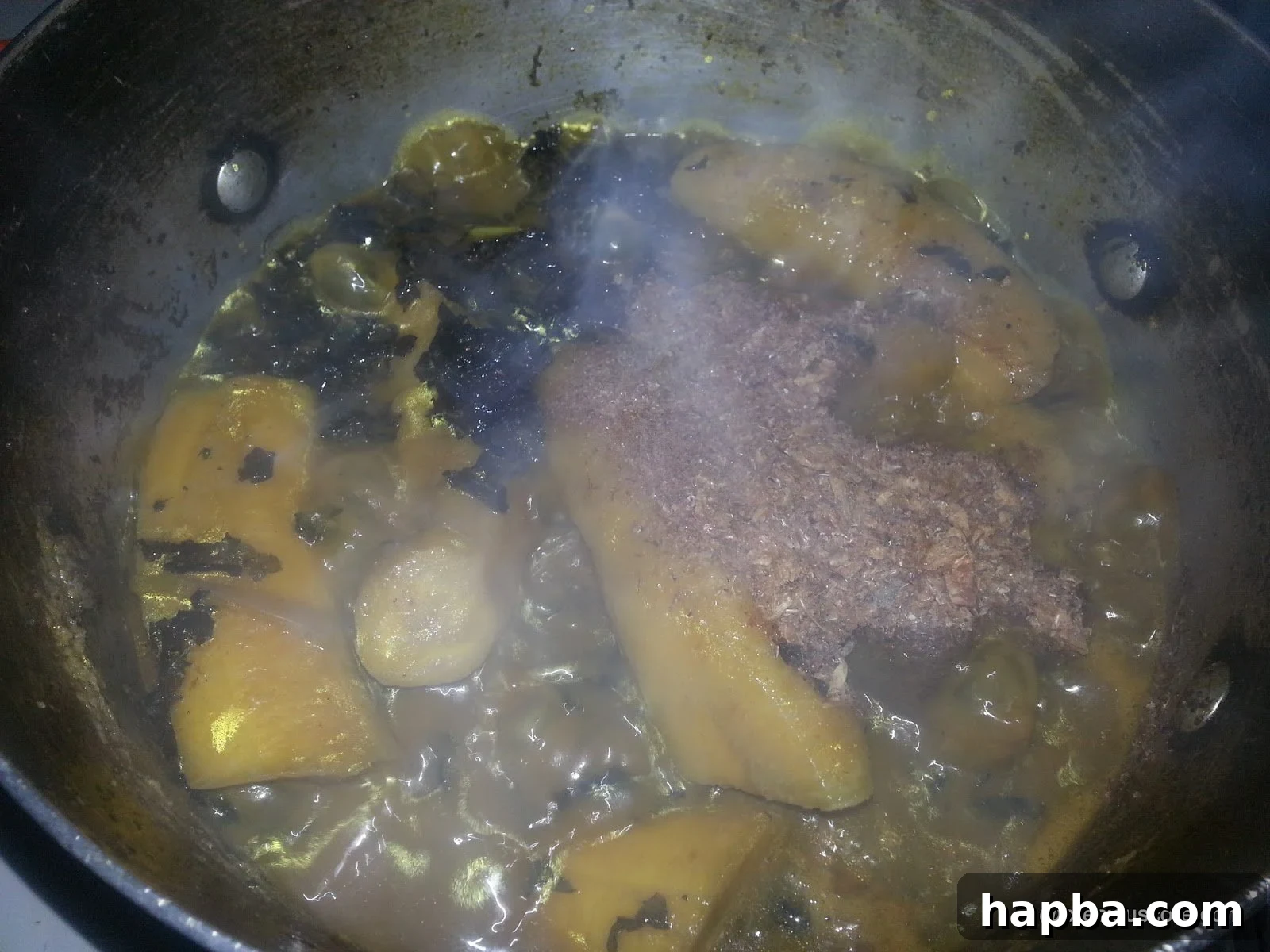
9. The Final Simmer and Taste Test:
Cover the pot once more and let it continue to cook until the plantains are fork-tender and the stew has thickened to your desired consistency. While it simmers, feel free to hum or even dance to the joyful tune: “Planti eh, planti eh. Planti for pikin e sabi sweet!” This joyful energy is part of the tradition! Finally, open the pot and taste to adjust seasonings. Add salt if needed. Your homemade Born House is ready to be celebrated!
Cover the pot once more and let it continue to cook until the plantains are fork-tender and the stew has thickened to your desired consistency. While it simmers, feel free to hum or even dance to the joyful tune: “Planti eh, planti eh. Planti for pikin e sabi sweet!” This joyful energy is part of the tradition! Finally, open the pot and taste to adjust seasonings. Add salt if needed. Your homemade Born House is ready to be celebrated!
Enjoy the rich aromas and the anticipation of this delicious meal. It’s Born House chez toi – in your own home!
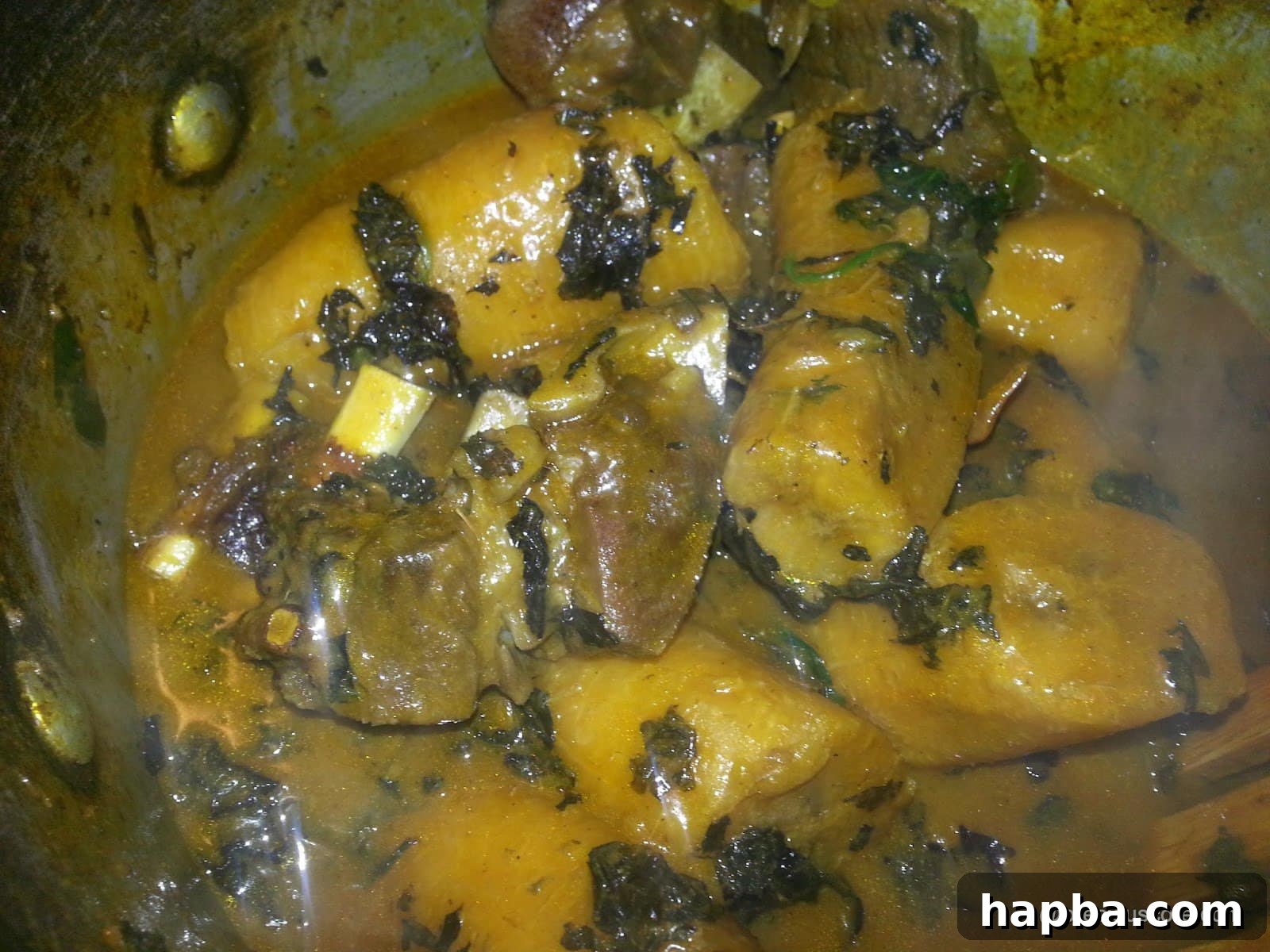
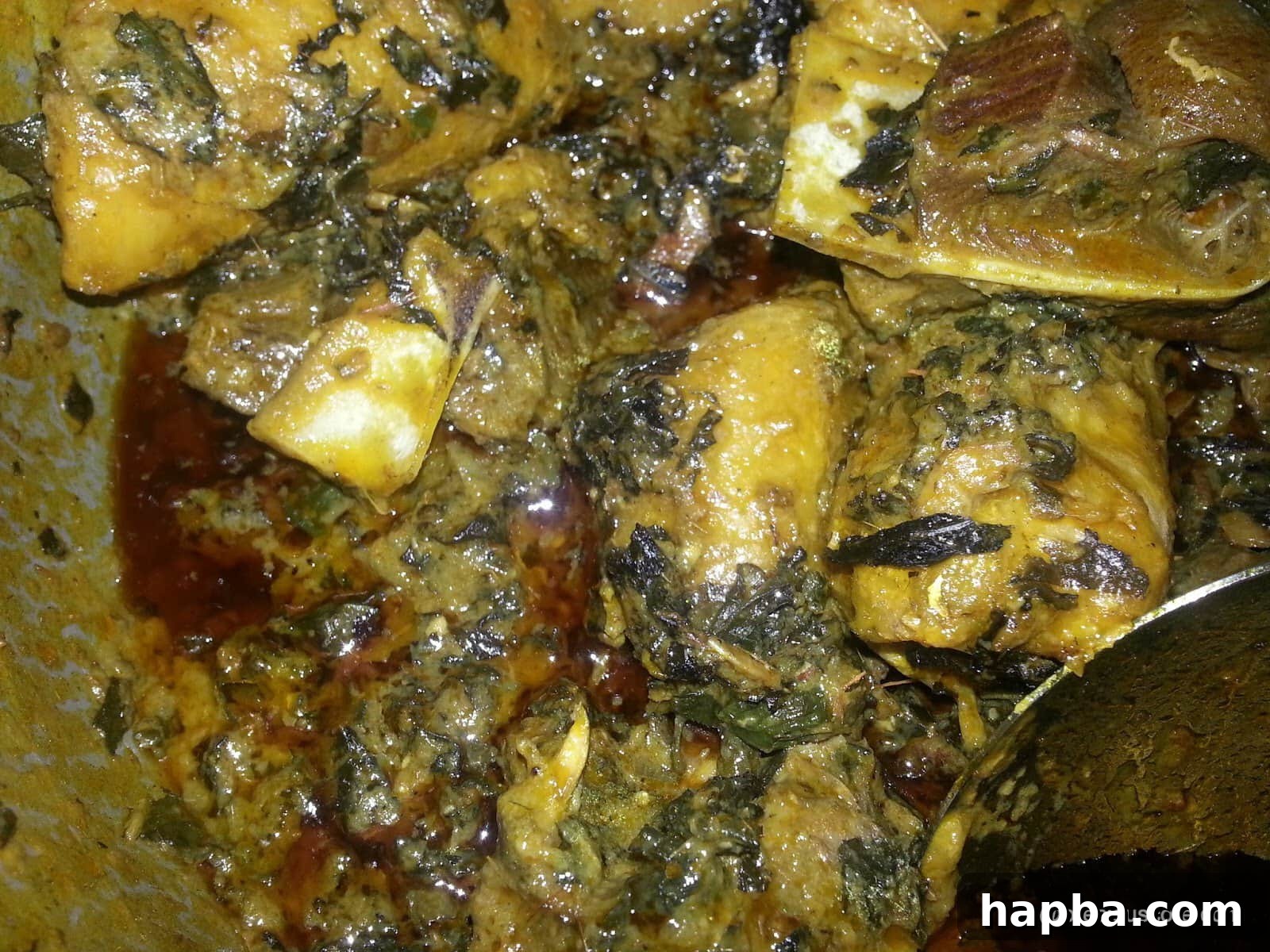
As the Born House Planti rests after cooking, a beautiful transformation occurs: the vibrant palm oil begins to “show forth,” pooling gently on the surface. This is a sign of a perfectly cooked, authentic Born House Planti. What would Born House Planti be without that inviting sheen of ‘oyel’ (oil)? It’s a visual cue to the richness and depth of flavor awaiting.
Chef’s Notes & Pro Tips for Perfect Planti
To ensure your Born House Planti turns out perfectly and truly embodies the authentic taste, keep these expert tips in mind:
- Gentle Handling: A crucial tip for Born House Planti is to avoid stirring the pot excessively while it cooks. Over-stirring can break down the plantains and make the stew mushy. Instead, gently hold both sides of the pot and shake it carefully to distribute the ingredients and prevent sticking. If you absolutely must stir, do so with a wooden spoon, using light, folding motions to preserve the integrity of the plantain pieces.
- Tomatoes are Optional: While some variations of this dish might include tomatoes, many traditionalists prefer it without, as it allows the natural flavors of the plantains, palm oil, and other ethnic spices to truly shine. Feel free to experiment if you like, but for an authentic experience, consider omitting them initially.
- Protein Power: While smoked goat meat and fish are traditional, don’t hesitate to explore other smoked meats like beef or even turkey for different flavor profiles. For a vegetarian or vegan version, consider incorporating smoked tofu or hearty mushrooms to replicate the umami depth.
- Spice It Up: The addition of ground pepper or a habanero pepper can elevate the heat level to your preference. Adjust according to your taste buds.
- Serving Suggestions: Born House Planti is a fulfilling meal on its own, but it also pairs wonderfully with a side of white rice or a simple fresh salad to complement its richness. Serve it warm, garnished with a sprinkle of fresh chopped herbs if desired.
Born House Planti is more than just a recipe; it’s an experience. It’s a delicious portal to a rich cultural heritage, a comforting meal that celebrates life, family, and community. By preparing this dish, you are not just cooking food; you are participating in a tradition, honoring the wisdom of generations, and keeping a vital piece of Cameroonian identity alive. So, gather your ingredients, follow these steps, and prepare to delight in a meal that is both profoundly satisfying and deeply meaningful. Happy born housing and happy cooking!