
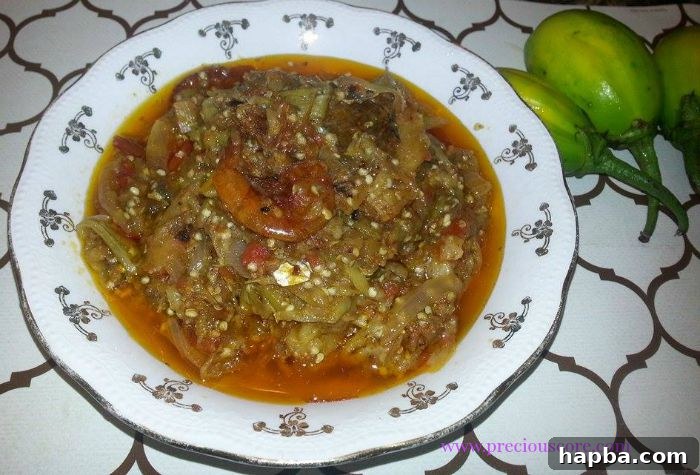
Garden Egg Stew (Njakatu): A Taste of African Heritage
Stepping onto American soil, one often leaves behind familiar flavors, the comforting tastes of home. Among the many adjustments to a new culture, the culinary landscape is perhaps one of the most significant. Back home in Africa, there are countless everyday details no one thinks to tell you about life in America – like the sheer delight of discovering a piece of your heritage in unexpected places. Imagine my uncontainable joy and genuine surprise when, during a leisurely stroll through a bustling local farmers’ market, my eyes landed upon them: fresh garden eggs! It was a moment of pure culinary serendipity, a profound connection to the flavors I cherished from my upbringing, now magically transported thousands of miles away.
This discovery wasn’t just about finding an ingredient; it was about rediscovering a piece of my identity, a link to the vibrant culinary traditions I grew up with. It immediately sparked a longing to recreate some of the most beloved dishes, and at the top of that list was the soul-satisfying Garden Egg Stew, known affectionately as Njakatu in my native Cameroon.
What Are Garden Eggs (Njakatu)? A Culinary Gem Explained
Garden Egg, a versatile and culturally significant fruit, is an essential ingredient in various African cuisines. Colloquially known as Njakatu in Cameroon, it goes by many other names across the continent, including African eggplant, bitter garden egg, and gboma. Scientifically classified as Solanum aethiopicum, it belongs to the esteemed eggplant or aubergine family. Despite its “egg” moniker, its appearance often bears a striking resemblance to a small tomato, with varieties ranging in color from white, green, and yellow to a beautiful purple.
Unlike its larger, sometimes bland, European eggplant cousins, the garden egg boasts a unique flavor profile. When eaten raw, it offers a distinctly pleasant slightly bitter taste, beautifully complemented by a subtle, underlying sweetness. This intriguing balance makes it a versatile ingredient, equally delicious whether enjoyed fresh or cooked into elaborate dishes. Beyond its culinary appeal, garden eggs are also celebrated for their nutritional value. They are a good source of fiber, vitamins (especially Vitamin B complex and Vitamin C), and essential minerals like potassium and magnesium. Furthermore, they contain various phytonutrients and antioxidants, contributing to overall health and well-being. Their low-calorie count and high water content also make them a popular choice in healthy eating.
Cultural Significance and Culinary Traditions Across Africa
The garden egg is far more than just a fruit; it’s a staple deeply woven into the fabric of African culture and tradition. Its presence often signifies hospitality, celebration, and community. In my father’s culture in Cameroon, it’s customary to enjoy his beloved Achu (a traditional Cameroonian delicacy made from cocoyams and a savory yellow soup) with a side of boiled and carefully peeled garden eggs. The tender, subtly bitter eggs provide a perfect counterpoint to the rich, earthy flavors of the Achu, creating a harmonious and unforgettable meal.
Conversely, in my mother’s cultural traditions, garden eggs are frequently consumed raw, often paired with a rich, nutty groundnut paste. This simple yet profound combination is a common sight at cultural events, gatherings, and ceremonies, symbolizing community and shared heritage. I’ve also had the pleasure of witnessing this exact culinary ritual among the Igbos in Nigeria, where raw garden eggs and groundnut (peanut) paste are generously served at various social functions, cementing its status as a communal and celebratory food across different ethnic groups.
Beyond these specific examples, garden eggs find their way into countless other regional dishes. They are often featured in soups, sauces, and stews, providing a distinct flavor and texture that is characteristic of West African cuisine. Their versatility allows them to be incorporated into vegetarian meals or as a hearty accompaniment to various proteins, showcasing the ingenuity and resourcefulness of African cooking.
Crafting the Perfect Garden Egg Stew: Njakatu
While often enjoyed raw or simply boiled, garden eggs truly shine when transformed into a savory stew. This “Garden Egg Stew,” or Njakatu, is a masterpiece of flavor, blending the unique taste of the garden egg with a medley of aromatic ingredients to create a deeply satisfying dish. The secret to a truly exceptional garden egg sauce lies in balancing its slightly bitter notes. To achieve this, be generous with your tomatoes, which lend sweetness and acidity, and especially with crayfish, which imparts an unparalleled umami depth. These ingredients work in harmony to downplay the inherent bitterness of the garden egg, making the stew incredibly palatable and utterly delicious. Come on, let’s dive into the kitchen and stew some Njakatu!
Recipe at a Glance
- Prep Time: 30 minutes
- Cook Time: 30 minutes
- Total Time: 1 hour
- Serves: 4 hungry individuals
Ingredients You’ll Need
- 10 medium-sized Garden Eggs (Njakatu)
- 6 large, ripe tomatoes, diced or blended
- ¾ cup of ground crayfish (for that irresistible umami kick)
- 1 cup dried fish (such as stockfish, shredded) or dried shrimps
- 1 medium-sized onion, finely chopped
- ½ cup vegetable oil or red palm oil (or a delightful combination of both for richer flavor and color)
- 1 large seasoning cube (preferably crayfish flavor, or a good quality all-purpose seasoning)
- Salt to taste
- 1 habanero pepper (or Scotch Bonnet), finely chopped (optional, for those who love a spicy kick)
- Water, as needed for boiling and simmering
Step-by-Step Preparation Guide
Follow these detailed steps to create a truly authentic and mouth-watering Garden Egg Stew:
- Prepare the Garden Eggs: Begin by washing your garden eggs thoroughly. Place them in a pot, cover with water, and boil until they are completely tender. This usually takes about 15-20 minutes, depending on their size. The eggs should be soft enough to mash easily, but not waterlogged. They should look something like this after boiling:
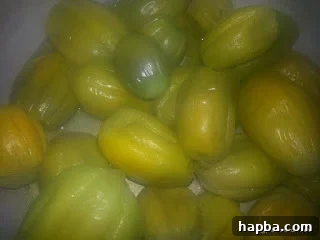
Take another look – their skins should be visibly softened and slightly wrinkled. (Please permit my slightly blurry pictures, the focus here is on the delicious outcome!)

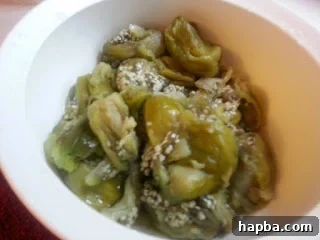
- Peel and Mash the Garden Eggs: Once the boiled garden eggs are cool enough to handle, gently take off their light skins. This step is crucial for a smooth stew. Place the peeled garden eggs in a bowl.
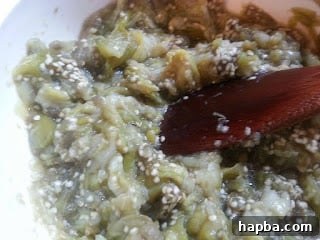
- Lightly Mash: Using a wooden spoon or a potato masher, LIGHTLY mash the peeled garden eggs. The goal is not to create a smooth puree, but rather to break them down while retaining some texture. You want distinct chunks of garden egg in your stew, not a watery paste. They should look like this after being mashed:
- Prepare the Aromatics: In a large pot or skillet, heat your vegetable or palm oil (or both) over medium heat. Add the chopped onions and sauté them until they are translucent and fragrant, developing a lovely golden hue. This step forms the aromatic base of your stew.
- Fry the Tomatoes: Add the diced or blended tomatoes to the pot. Stir well and fry the tomatoes, stirring occasionally, until the raw, acidic taste is lost and the oil begins to separate from the tomato paste. This process, known as “frying down” the tomatoes, deepens their flavor and removes any harshness, creating a rich, sweet tomato base.
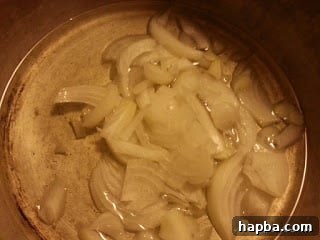
- Introduce Crayfish and Other Ingredients: Now, lightly blend or grind your crayfish if it’s not already powdered. Add the ground crayfish to the pot with the fried tomatoes and stir for just a few seconds. This brief stirring in hot oil releases the intense, ethnic aroma and flavor of the crayfish. However, be vigilant – crayfish burns fast, so you do not want to leave it in for long.
- Add Remaining Components: Quickly add in your remaining ingredients: the chopped habanero pepper (if using), the rehydrated and shredded dried fish or dried shrimps, and the seasoning cube. Stir everything together to combine the flavors.
- Combine and Simmer: Finally, add in the lightly mashed Njakatu to the pot. Stir gently to incorporate it with the tomato and crayfish base. Allow the stew to simmer for about 5 to 7 minutes on low to medium heat, stirring from time to time to prevent sticking and to ensure all the flavors meld beautifully. Taste and adjust for salt as needed.
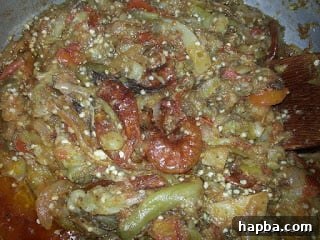
That’s it! Your authentic and flavorful Njakatu stew is ready and waiting to be devoured. The rich aroma filling your kitchen will be a testament to the deliciousness that awaits.
Serving Suggestions: What to Pair with Njakatu Stew
Garden Egg Stew is incredibly versatile and pairs wonderfully with a wide array of starchy accompaniments, making it a perfect meal for any time of day. Here are some popular and traditional serving suggestions:
- Boiled Yams: The classic pairing. The soft, subtly sweet yam provides a perfect canvas for the savory, slightly bitter stew.
- Plantains: Whether boiled for a healthier option or fried until golden brown for a sweeter contrast, plantains are a fantastic choice.
- Cocoyams: Also known as taro, boiled cocoyams offer a distinct earthy flavor and starchy texture that complements the stew beautifully.
- Sweet Potatoes: A slightly sweeter alternative to yams, boiled or roasted sweet potatoes add another layer of flavor.
- Irish Potatoes: Simple boiled or mashed potatoes can also work surprisingly well, especially for those looking for a familiar starch.
- Cassava (Yuca): Boiled cassava, with its firm texture and mild flavor, is another traditional favorite.
- Rice: For a simpler, everyday meal, serve Njakatu stew with plain white rice or even jollof rice for an extra flavor boost.
- Fufu or Eba: For a truly authentic African experience, pair it with a swallow like fufu (made from cassava flour) or eba (made from garri), perfect for scooping up every last drop of the rich stew.
Chef’s Notes & Flavorful Variations
This recipe provides a solid foundation, but cooking is an art, and personalization is key. Feel free to experiment and make this Njakatu stew truly your own:
- Aromatic Boost: To “jazz up” the stew even further, consider adding some freshly ground garlic and ginger to the fried tomatoes. This combination introduces an extra layer of warmth and complexity. I even added some white pepper to mine recently, and it delivered a whole new dimension of rich, nuanced flavor.
- Protein Power: Don’t limit yourself to just dried fish or shrimp. Feel free to add any fish of your choice to make the meal even more exciting and hearty. Smoked fish, fresh fish fillets (added towards the end to prevent breaking), or even pieces of cooked beef or chicken can elevate this dish. I used stockfish and dried shrimps in my version, and the combination was insanely yummy!
- Vegetarian/Vegan Option: To make this stew vegetarian or vegan, simply omit the dried fish/shrimps and adjust the seasoning. You can add more vegetables like spinach, kale, or bell peppers to compensate for the texture and nutrients. Mushroom powder or nutritional yeast can be used to boost the umami flavor in place of crayfish.
- Spice Level: Adjust the amount of habanero pepper to your preference. If you prefer less heat, use a smaller amount or omit it entirely. For more heat, add another pepper or a pinch of cayenne.
- Oil Choice: While vegetable oil works, red palm oil not only imparts a beautiful reddish hue but also a distinct, nutty flavor that is traditional in many West African stews. Combining both can offer the best of both worlds.
- Fresh Herbs: A sprinkle of fresh parsley or cilantro at the very end can add a fresh, vibrant finish to your stew.
Conclusion: A Taste of Home, Wherever You Are
Bringing a taste of Africa to your kitchen, wherever you are in the world, is a truly rewarding experience. This Garden Egg Stew, or Njakatu, is more than just a recipe; it’s a culinary journey, a connection to vibrant cultures, and a celebration of rich, authentic flavors. The joy of cooking this dish, from finding the humble garden eggs to savoring the final, fragrant stew, is immense. It’s a testament to the power of food to transcend borders and bring a little bit of home, tradition, and happiness into our lives. We hope you enjoy preparing and devouring this delightful African delicacy as much as we do. Lots of love from our kitchen to yours!