
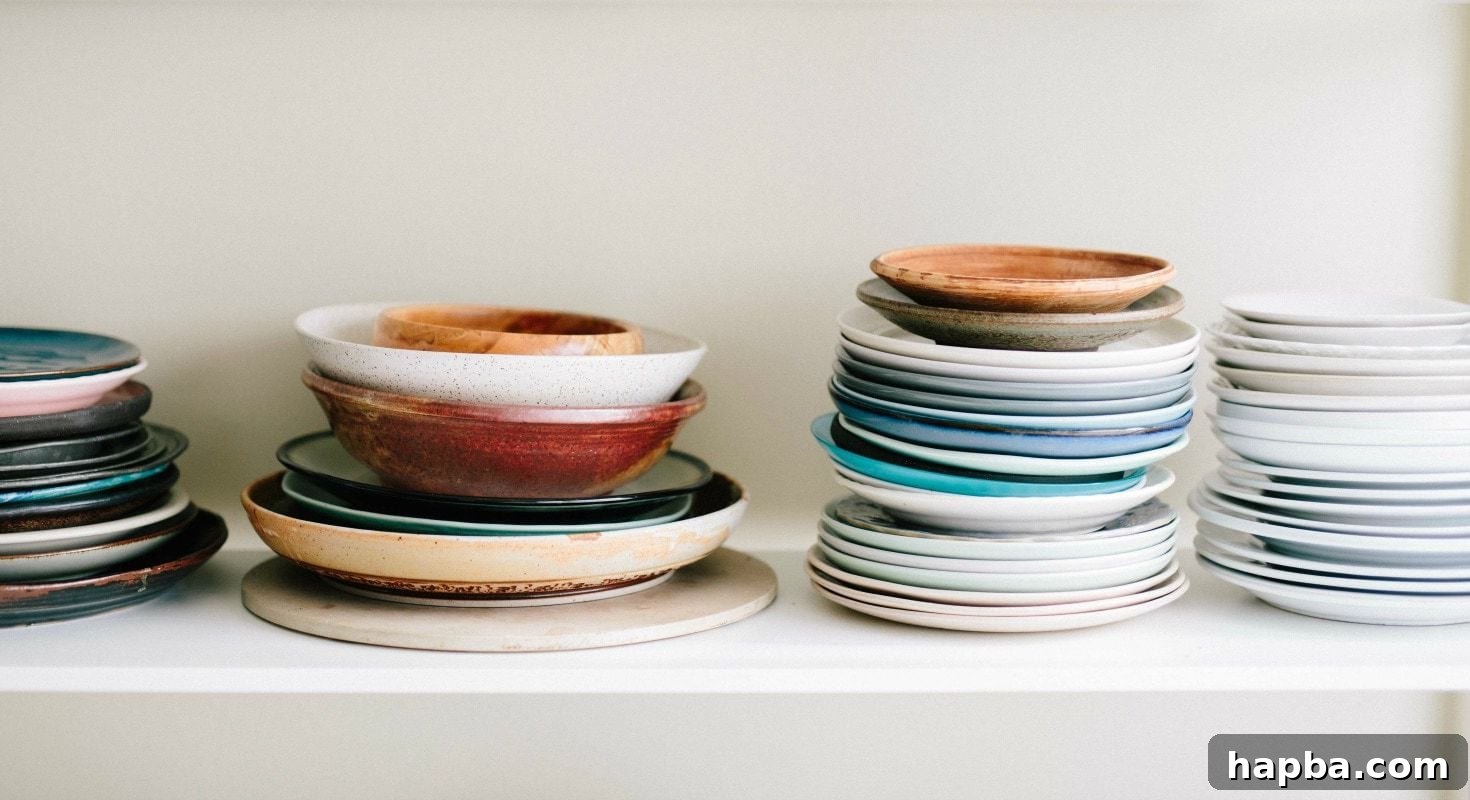
Welcome back, dear friends, to the beginning of my transformational journey into minimalism! As I shared previously, I’m embarking on a 7-week adventure, dedicating each Tuesday to chronicling my progress toward a more intentional and clutter-free lifestyle. And where better to kick off this inspiring endeavor than in the very heart of my home: the kitchen?
For so many of us, the kitchen isn’t just a place for cooking; it’s a hub of activity, a gathering spot, and often, an unwitting repository for a multitude of items. I, for one, spent a significant portion of my life within the comforting confines of my kitchen, only to see it gradually transform from a functional space into an overwhelming dumping ground. The sheer volume of accumulated things was suffocating, and I knew it was time for a radical change. The moment I committed to decluttering this crucial space, a wave of anticipation washed over me. Now, having navigated the process, I can tell you the results are nothing short of liberating. My kitchen now feels lighter, functions more efficiently, and no longer exudes that sense of overwhelming chaos. Let me walk you through how I achieved this remarkable transformation.
Embracing Minimalism: Why Your Kitchen Needs a Declutter
Before diving into the “how,” it’s crucial to understand the “why.” Our kitchens are more than just four walls and a stove; they are the epicenters of nourishment, creativity, and connection. Yet, when they become overrun with unnecessary items, they can quickly become sources of stress and inefficiency. A cluttered kitchen can hinder your ability to cook, find what you need, and even enjoy the simple act of preparing a meal. It can stifle creativity and make you feel perpetually behind. Embracing minimalism in the kitchen isn’t about deprivation; it’s about reclaiming space, time, and mental clarity. It’s about creating an environment that supports your well-being, inspires healthy habits, and fosters a sense of calm. My own kitchen, once a vibrant space, had become a testament to accumulated chaos, impacting my mood and productivity. The decision to declutter was a decision to reclaim my peace.
The Decluttering Process: A Step-by-Step Guide to a Lighter Kitchen
My approach to decluttering was systematic and rooted in a clear principle: if it hasn’t served a purpose recently, it’s time to let it go. This wasn’t just about tidying; it was about making deliberate decisions about every single item that resided in my kitchen.
Setting the Stage: The ‘Three-Month Rule’ and Sorting Boxes
To begin, I strategically placed two large empty boxes in the center of my kitchen. These weren’t just any boxes; they were the designated vessels for liberation. My golden rule for the initial purge was simple yet profoundly effective: anything I had not used in the past three months was immediately designated for removal. This timeframe might seem short to some, but it’s incredibly revealing. For most kitchen items, a three-month period provides ample opportunity for use, especially if you cook regularly. If an item sat dormant for that long, it clearly wasn’t essential for my daily life. This rule cut through decision fatigue, offering a clear guideline for what stayed and what went. It’s a powerful filter that quickly illuminates what truly adds value versus what merely occupies valuable real estate.
Box One Unpacked: Unveiling Unused Kitchenware
As I systematically went through drawers and cabinets, Box Number 1 began to fill with a surprising array of items. It was a stark visual representation of my past habits and unnecessary acquisitions:
- Trays: I discovered an alarming number of serving trays. While a couple are useful for entertaining or carrying meals, I certainly didn’t need a collection that could cater to a small banquet. I kept only the most versatile and frequently used ones; the rest were destined for donation.
- Portion Control Plates for the Kids: These were purchased with the best intentions, aiming to guide healthy eating habits. However, in practice, I used them perhaps once. I quickly realized that teaching my children about balanced portions didn’t require specialized crockery, and these plates merely took up precious cabinet space. They were a well-intentioned but ultimately unused item.
- Baskets: I confess, I’ve always been drawn to the aesthetic appeal of pretty baskets. They look lovely in home décor magazines! Yet, the ones I found lurking in my cabinets were not serving any practical purpose beyond collecting dust. They weren’t organizing anything; they were just occupying space. I realized that functional storage is key, and if a basket isn’t actively helping me organize, it’s just more clutter.
- Seasonal and Novelty Items: This category included Christmas-themed containers, festive drinking cups, and even a weight-loss calorie-counting book that had seen little to no action. These items, bought for specific occasions or aspirations, often outlive their usefulness or simply never get used. They represent a significant portion of the “just in case” clutter that accumulates over time. Letting them go felt incredibly freeing.
Box Two Reveals: Liberating Glassware and Mugs
Box Number 2 contained primarily fragile items, carefully wrapped in paper shopping bags to prevent breakage during transit. Apart from a stray plastic cup that somehow found its way to the top, this box was a testament to the sheer volume of redundant drinkware I possessed.
I uncovered about ten drinking glasses that had gone untouched for years. My rationale for keeping them was always, “What if guests come over?” Yet, in the past three years, these specific glasses had not seen the light of day. This “just in case” mentality is a huge driver of clutter. If I haven’t needed them in three years, it’s highly unlikely I’ll suddenly need all of them in the future. The relief of letting them go was immense.
Similarly, my tea mug cabinet was overflowing to the point where I had to stack mugs precariously, often doubling them up to make them fit. The irony was not lost on me: I only ever drink from one mug at a time! Why was I holding onto dozens of mugs when a functional set of a few would suffice? This realization was truly liberating. It’s a powerful reminder that our possessions should serve our actual needs, not imagined scenarios or past sentiments. Removing the excess created instant space and visual calm.
Conquering the Plate Cabinet: Finding Balance
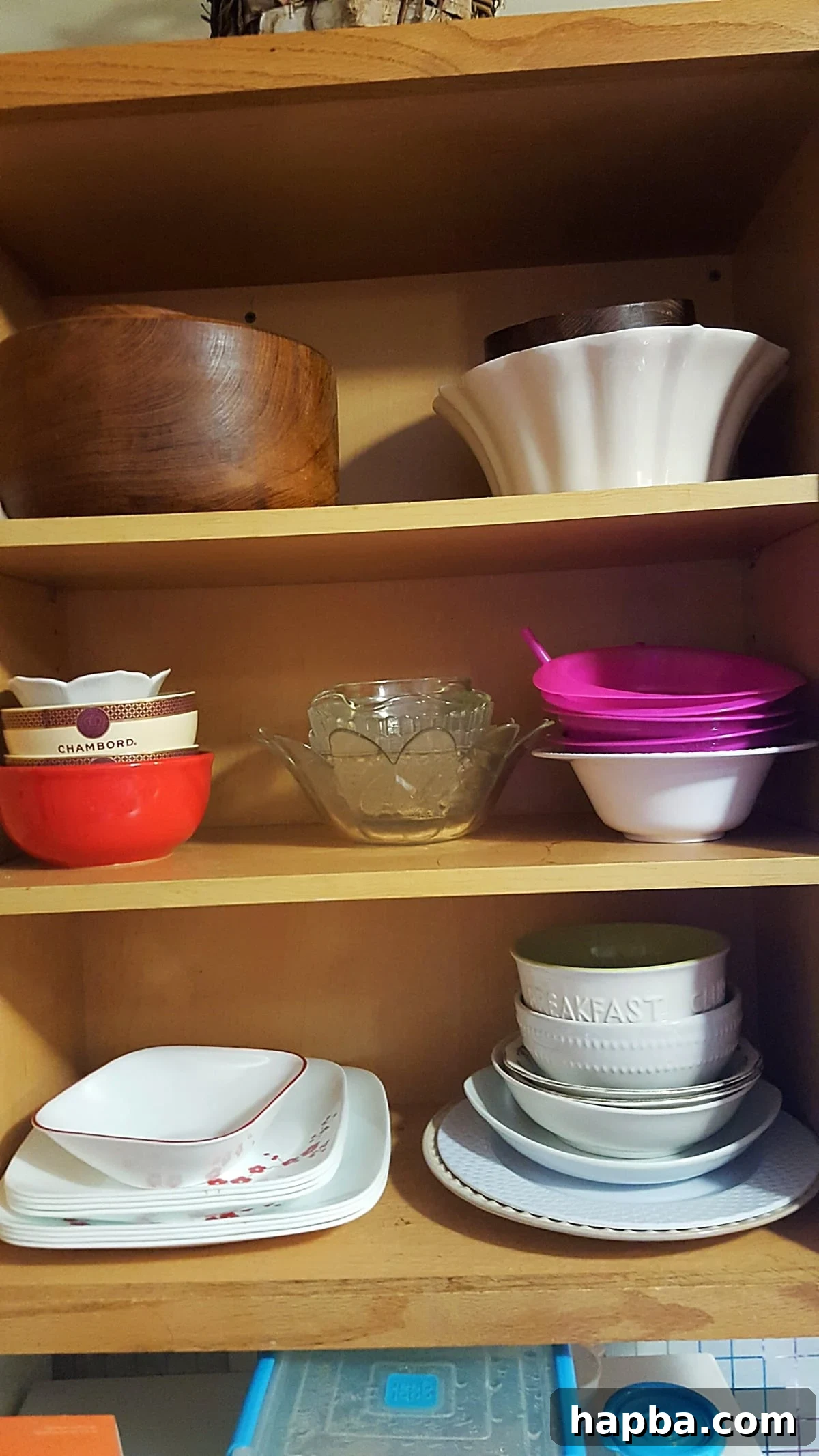
My plates cabinet was another area of significant struggle. It was an arduous task to fit everything inside, often requiring careful balancing acts and strategic stacking. The rule I applied here was simple: if there’s no space for it, it has to go. I drastically reduced my collection, retaining only one complete dinner matching set for everyday use and a selection of bowls. Many of these bowls now serve a dual purpose, functioning both for meals and as aesthetically pleasing props for my food photography – a practical justification for their existence. The result is a cabinet that is not only organized but also easily accessible, transforming a source of frustration into one of efficiency.
Reclaiming Counter Space: Bidding Farewell to Unused Appliances
Appliances can be major space hogs, especially if they are rarely used. My coffee maker was a prime example. While functional, it sat on the counter almost perpetually idle. My husband, Mr. N, had used it once, and the coffee sat undrunk for days. We simply aren’t avid coffee drinkers. For the rare occasion I crave coffee, instant coffee is quick, convenient, and requires no bulky machinery. The decision to remove the coffee maker freed up valuable counter space and eliminated a visual clutter point. This principle extends to many specialized kitchen gadgets: if an appliance isn’t used frequently, consider if a simpler alternative exists or if it’s truly worth the space it occupies.
The Destination: What Happens to Your Decluttered Items?
The contents of both boxes, filled with perfectly usable items, are destined for a local thrift store. Donating these items not only clears my space but also gives them a second life, benefiting others and promoting a more sustainable consumption cycle. Beyond the donatable items, I also filled several trash bags with broken items, expired goods, and things that were genuinely unusable. These bags filled up surprisingly quickly, highlighting just how much true waste accumulates over time.
Profound Lessons from My Kitchen Decluttering Journey
The process of decluttering my kitchen was more than just tidying up; it was a deeply insightful experience that taught me several valuable lessons:
- Decluttering Takes Time: This is not a task to be rushed. I spent approximately three days meticulously going through every cupboard, drawer, and shelf in my kitchen, and I still have one drawer pending! If you’re embarking on this journey, understand that it’s an investment of time, often extending beyond a mere 20-minute clean-up. Unless, of course, you already possess a truly minimalist kitchen that only requires a light purge—in which case, high five, you’re ahead of the game!
- Decluttering Goes Hand-in-Hand with Cleaning and Organizing: These three activities are intrinsically linked. As you remove items, you naturally expose surfaces that need wiping, shelves that require cleaning, and spaces that beg for thoughtful reorganization. It’s an opportunity for a comprehensive refresh.
- Decluttering Feels Incredibly Good: After the initial hard work, the sense of accomplishment and the feeling of lightness are unparalleled. It’s a literal breath of fresh air, transforming a once overwhelming space into one of calm and functionality. This emotional payoff is a huge motivator.
- Decluttering is Not the End; It’s a New Beginning: This is perhaps the most crucial lesson. A successful decluttering effort requires a fundamental shift in mindset. To maintain a minimalist space, you must commit to mindful consumption. This means consciously choosing not to buy more things that aren’t necessities. Without this ongoing commitment, you risk falling back into the cycle of clutter. It’s an ongoing practice of intentionality.
Now, my kitchen holds only what I absolutely need and genuinely use. But this isn’t a one-time event; it’s the start of a continuous process. In about three months, I plan to revisit my cupboards for another purge, refining my selection and ensuring every item truly earns its place. The feeling of lightness this brings is remarkable! It offers practical benefits too; moving house, whenever that happens, will be significantly easier with fewer possessions to pack. It’s a win-win situation!
Beyond Decluttering: A Holistic Shift Towards Healthier Living
Interestingly, the discipline of decluttering my physical space organically extended to other areas of my life, particularly my food choices. The same intentionality I applied to kitchen items, I began to apply to what I put into my body. This holistic shift has been profoundly impactful:
Mindful Food Choices: Nourishing Your Body and Soul
- No More Refined Sugar: This was a significant change. I’ve transitioned entirely to unrefined sugar. While it comes with a higher price tag—often three times that of refined sugar—the health benefits are undeniable. I use it for baking and any other sweetening needs, sometimes opting for natural honey as an alternative. This choice reflects a deeper commitment to nourishing my body with wholesome ingredients.
- Prioritizing Organic and Whole Foods: Living in America, I became increasingly aware of the prevalence of highly processed and genetically modified ingredients in many food products. Initially, I purchased items without much scrutiny, but now, I meticulously check labels, ensuring products are certified “organic” before they enter my cart. This change also led me to shop more frequently at stores like Whole Foods Market, where quality organic produce and products are readily available. It’s an investment in long-term health.
- Abundance of Fruits and Vegetables: My daily diet now emphasizes a generous intake of fruits and vegetables. I feel a distinct sense of unease if a day passes without consuming a substantial amount of fresh produce. To facilitate this, I make sure my home is always well-stocked with a variety of colorful fruits and vegetables, making them easily accessible for snacking throughout the day. I’ve also rekindled my love for creating vibrant and nutritious salads, which have become a staple in my meal planning.
Your Journey Awaits: Next Steps and Community Engagement
So, there you have it, friends: my kitchen is decluttered, optimized, and now truly feels like the light and inviting heart of my home. The entire experience has left me feeling not only lighter physically but also mentally and emotionally much better. I sincerely hope this detailed account inspires you to embark on your own decluttering journey, whether it’s in your kitchen or another area of your home. If you’re seeking additional inspiration or specific kitchen organizing tips, you might find valuable insights in a previous post I wrote about my kitchen makeover.
As one chapter closes, another begins. Next up on my minimalist agenda is my wardrobe. I eagerly anticipate the cleansing process, ridding it of all the unworn, unneeded clothes that have accumulated over time. Be sure to check back next Tuesday, January 31st, for a full report on my wardrobe transformation. For those who can’t wait, an update on my minimalist wardrobe decluttering journey is now live!
In the meantime, I would love to hear from you! Do you have any invaluable kitchen maintenance tips you swear by? Or perhaps some thoughts and reflections on my decluttering journey? Please share them in the comments section below. Your insights and experiences are always welcome!