
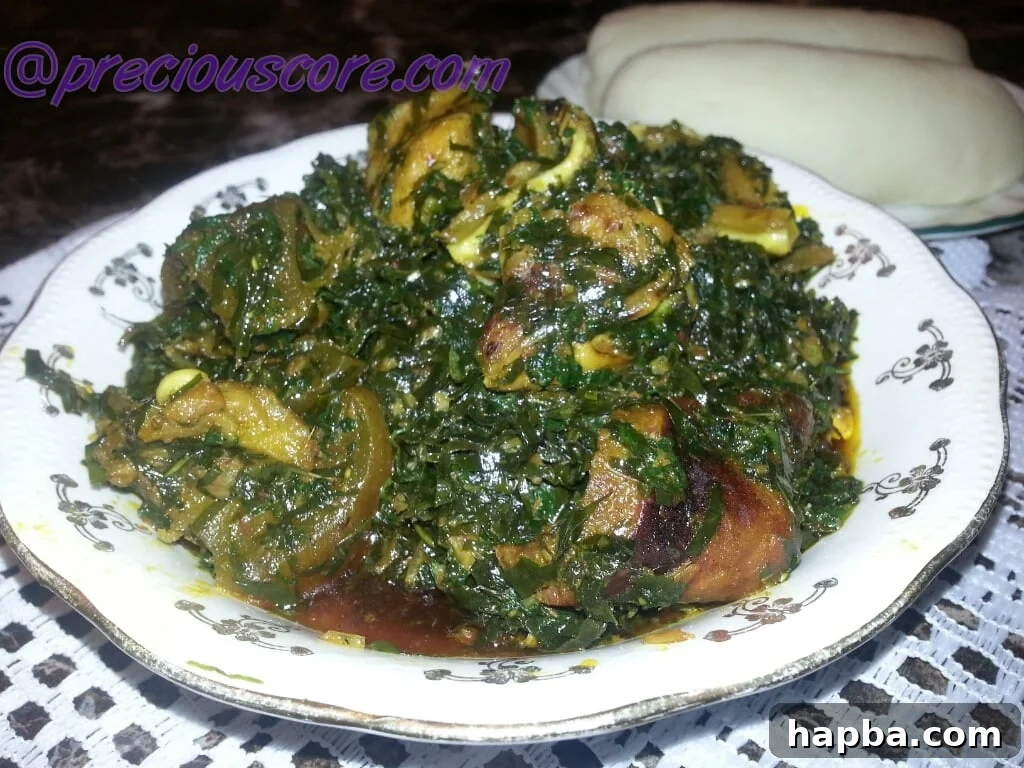
Experience the Authentic Taste of Cameroon: The Ultimate Eru Recipe
There are certain dishes that transcend mere meals, becoming cherished culinary experiences that unite families and evoke a profound sense of home. For my family, Eru is precisely that dish. From the youngest to the oldest, the moment Eru graces our table, the promise of no leftovers is almost certainly guaranteed. Just a few weeks ago, I was filled with immense joy when my thoughtful parents sent a special care package all the way from home, brimming with dried Eru leaves and potent crayfish. This delivery was particularly delightful, knowing it would be a while before my next visit to an African store to procure these essential ingredients. My parents, in their endearing way, had meticulously labeled each pack with my name, reminiscent of preparing me for boarding school – a sweet gesture that underscored their love and the value of these precious ingredients. You can see the carefully packed ingredients below, a testament to their care.
What Exactly is Eru? A Culinary Journey Through West Africa
Eru is more than just a meal; it’s a vibrant expression of Cameroonian culinary heritage. This prized wild plant is meticulously harvested from the lush forests of Cameroon, where it thrives in its natural habitat. Its distinct flavor and texture form the heart of this iconic dish, making it a staple in many households. While Eru is deeply rooted in Cameroon, its presence extends across West Africa, particularly into Nigeria.
Eru’s Identity Across West Africa: Ukazi, Afang, and Edika Ikong
In Nigeria, the Eru leaf goes by other familiar names such as Ukazi or Afang. It’s the star ingredient in the renowned Afang soup, a delicacy primarily prepared by the Cross Rivers State natives. While Afang soup shares a striking resemblance to Eru, there are nuanced differences that distinguish them. Afang soup tends to be more “soupy” in consistency, and the Ukazi leaves are often finely ground or pounded before preparation, resulting in a different textural experience. Another delectable soup that bears a strong visual and perhaps even ancestral likeness to Eru is Edika Ikong, also a cherished creation of the Calabar people in Cross Rivers State, Nigeria. Indeed, the parallels are so strong that one might affectionately call Eru the venerable grandmother of Afang! Having savored both, I can attest to the unique character of each, recognizing the wisdom of the “mama” and the vibrancy of the “pikin.”
Nutritional Powerhouse: The Health Benefits of Eru and Waterleaf
Beyond its incredible taste, Eru is also celebrated for its impressive nutritional profile. The Eru leaves themselves are rich in dietary fiber, vitamins, and minerals, contributing to a healthy digestive system and overall well-being. When paired with waterleaf (or spinach), as is common in the traditional recipe, the dish becomes a powerhouse of nutrients. Waterleaf is an excellent source of vitamins A and C, iron, and calcium, known for its antioxidant properties and its ability to boost immunity. Together, these leafy greens create a meal that is not only satisfying and delicious but also remarkably healthy, making Eru a smart choice for those seeking nutritious and flavorful African cuisine.
The Undeniable Appeal of Eru: Why Everyone Loves This Delicacy
I am yet to encounter anyone who genuinely dislikes this magnificent delicacy. Eru possesses an almost magnetic allure, capable of momentarily suspending polite etiquette. Imagine a bustling party where Eru is served, and a responsible individual, upon noticing the dish is nearly depleted, might just find themselves momentarily forgetting the queue, driven by an irresistible urge to secure a serving. Such is the profound love and devotion people hold for this dish. Its rich, earthy flavors combined with a satisfying texture make it an unforgettable experience. In the following sections, I will guide you through crafting the perfect Eru every time, but first, let’s delve into some crucial “Eru Don’ts” – essential guidelines for maintaining the authenticity and integrity of this beloved meal.
Mastering the Art of Eru: Essential Tips for Authenticity
Achieving the perfect Eru requires adherence to a few fundamental principles. These aren’t just arbitrary rules; they are time-tested practices passed down through generations, ensuring the dish maintains its authentic flavor and texture. Pay close attention to these guidelines, as they are key to a truly exceptional Eru.
- The “Dry Soup” Principle: Managing Moisture is Key: Unlike many conventional soups, Eru is characterized by its relatively dry consistency. It’s imperative not to add extra water after the Eru leaves have been introduced to the pot. While you absolutely need water to tenderize your chosen meats or fish, ensure that this liquid has largely evaporated or been significantly reduced before you incorporate the spinach or waterleaf. These leafy greens are naturally rich in moisture and will provide all the necessary liquid for the Eru to soften and cook beautifully, contributing to its signature texture.
- The Sacred Role of Crayfish: An Indispensable Flavor: My mother’s words echo with wisdom: “Crayfish is the soul of Eru.” This statement couldn’t be more accurate. The unique, pungent, and umami-rich flavor of crayfish is absolutely irreplaceable in Eru. No amount of dried fish, however flavorful, can replicate the depth and authenticity that crayfish brings to this dish. It is a non-negotiable ingredient that truly defines the taste profile of Eru.
- The Onion Debate: Preserving Traditional Authenticity: While onions are a foundational ingredient in many West African stews and soups, they have no place in traditional Eru. I’ve encountered some recipes that mistakenly include onions, but for an authentic Eru, they are entirely out of place. The natural flavors of the Eru leaves, combined with crayfish and palm oil, are complex and robust enough on their own. Adding onions would alter its traditional taste profile, detracting from its unique character.
- Embrace Tradition: Eating Eru with Your Hands: (Okay, I’m just kidding on this one, but seriously, for the full authentic experience, many enjoy Eru with their hands!)
With these crucial tips in mind, let’s get ready to cook, people! Prepare to embark on a culinary adventure that will bring the true taste of Cameroon right into your kitchen.
The Ultimate Eru Recipe: A Step-by-Step Guide to Cameroonian Perfection
Creating an authentic Eru is a rewarding experience, culminating in a dish that is both hearty and incredibly flavorful. Follow these precise instructions to prepare a meal that will impress everyone at your table.
Ingredients for Authentic Eru:
- 6 cups of Eru/Ukazi leaves (fresh or dried)
- 3 bags/bundles of fresh spinach or waterleaf, thoroughly washed and chopped
- 2-3 pounds of assorted meat/fish of choice (e.g., beef skin/canda, beef stripes/towel, goat meat, smoked fish, stockfish, snails, or a combination)
- 2 cups of ground crayfish (finely blended for maximum flavor)
- 3 cups of rich palm oil, plus an additional half cup of canola or groundnut oil
- 1 crayfish seasoning cube (e.g., Maggi Crevette, for enhanced umami)
- 1 Habanero pepper (or Scotch Bonnet), finely minced (optional, for heat)
- Salt to taste
Detailed Method for Preparing Eru:
Step 1: Prepare the Eru Leaves
If you are using dried Eru leaves, begin by placing them in a bowl and soaking them thoroughly in warm water for at least 20-30 minutes. This process helps to rehydrate and soften the leaves, making them easier to cook and digest. Once softened, drain them well, squeezing out any excess water. If using fresh Eru, simply wash thoroughly and chop.
Step 2: Prepare and Boil the Meats
Thoroughly wash your chosen meats. Place them into a large cooking pot. I opted for a flavorful combination of beef skin, locally known as canda, and beef stripes, often called towel. Add just enough water to cover the meat, along with a pinch of salt. Bring to a boil and allow to simmer until the meat is tender but not overcooked. Ensure the water has almost completely dried up before proceeding.
Step 3: Prepare the Waterleaf/Spinach
While your meat is boiling, carefully wash and finely chop your spinach or waterleaf. Set it aside. These greens will provide essential moisture and a fresh, vibrant flavor to the Eru.
Step 4: Incorporate Spinach and Eru
Once your meat is tender and the cooking liquid has reduced, season it with salt to your preference. Add the chopped spinach or waterleaf directly into the pot with the meat. Stir well. You’ll notice the spinach quickly wilting and shrinking, releasing its natural moisture, as shown below.
Now, add the drained Eru leaves to the pot. The small amount of liquid released from the spinach will be sufficient to soften the Eru without making the dish watery, maintaining its signature “dry” consistency.
Step 5: Add Fish and Seasonings
Next, add your fish. I had some pre-boiled stockfish on hand, which I simply flaked and tossed in. If using fresh fish, ensure it’s cooked through before adding. Mix gently to combine all ingredients.
Step 6: Final Touches: Oils and Crayfish
Pour in the palm oil, followed by the canola or groundnut oil. Add the crayfish seasoning cube and, finally, the generous amount of ground crayfish. Chef’s Tip: Mixing palm oil with a neutral oil like canola or groundnut oil is a clever trick to prevent the Eru from becoming stiff or hard when it cools, maintaining its delightful texture even as leftovers.
Stir everything together thoroughly, ensuring all ingredients are well combined and coated in the vibrant red palm oil. Allow it to simmer for another 5-10 minutes over low heat, letting the flavors meld beautifully. And voilà, your exquisite Eru is ready to be served!
Serving Suggestions and Cultural Pairings for Eru
Eru is traditionally enjoyed with a variety of starchy accompaniments, which perfectly complement its rich, savory flavors. The most common pairings include Water Fufu (Akpu), Garri (Eba), or the classic Pounded Yam. These swallows are not just side dishes; they are integral to the Eru experience, providing a neutral base that allows the vibrant flavors of the Eru to shine. The act of “swallowing” these staples with Eru is a unique cultural experience, often enjoyed communally and with hands, adding to the authenticity of the meal. Mr. N’s expertly prepared fufu is a perfect example:
Tips for Eru Newcomers and Variations
Troubleshooting Common Eru Issues
- Too Watery? If your Eru turns out too watery, it likely means too much liquid was left from the meat, or the spinach didn’t sufficiently release its moisture before the Eru was added. To fix, you can gently simmer it uncovered for a little longer to allow excess moisture to evaporate.
- Lacking Flavor? Ensure you’ve used enough crayfish; it’s the primary flavor enhancer. A little more salt or an additional seasoning cube can also help, but always taste as you go.
- Leaves Not Soft Enough? If using dried Eru, ensure it was soaked long enough. For both fresh and dried, a slightly longer simmer after adding the Eru can help tenderize the leaves.
Personalizing Your Eru: Spice Levels and Protein Choices
While strict adherence to tradition is recommended for a truly authentic taste, feel free to personalize your Eru within reasonable bounds. If you enjoy a fiery kick, don’t hesitate to add a bit more Habanero or Scotch Bonnet pepper. For protein, feel free to experiment with combinations of beef, goat meat, assorted offals, or even adding smoked turkey for an extra layer of flavor. Just remember, the essence of Eru lies in its leaves, crayfish, and palm oil, so keep those core ingredients sacred!
We hope this comprehensive guide inspires you to try your hand at preparing this beloved Cameroonian dish. Eru is not just food; it’s a celebration of culture, family, and robust flavors. If you venture into making this delightful meal, please do come back and share your experience by dropping a comment below. We’d love to hear your stories and how your Eru turned out. Enjoy every savory bite!