
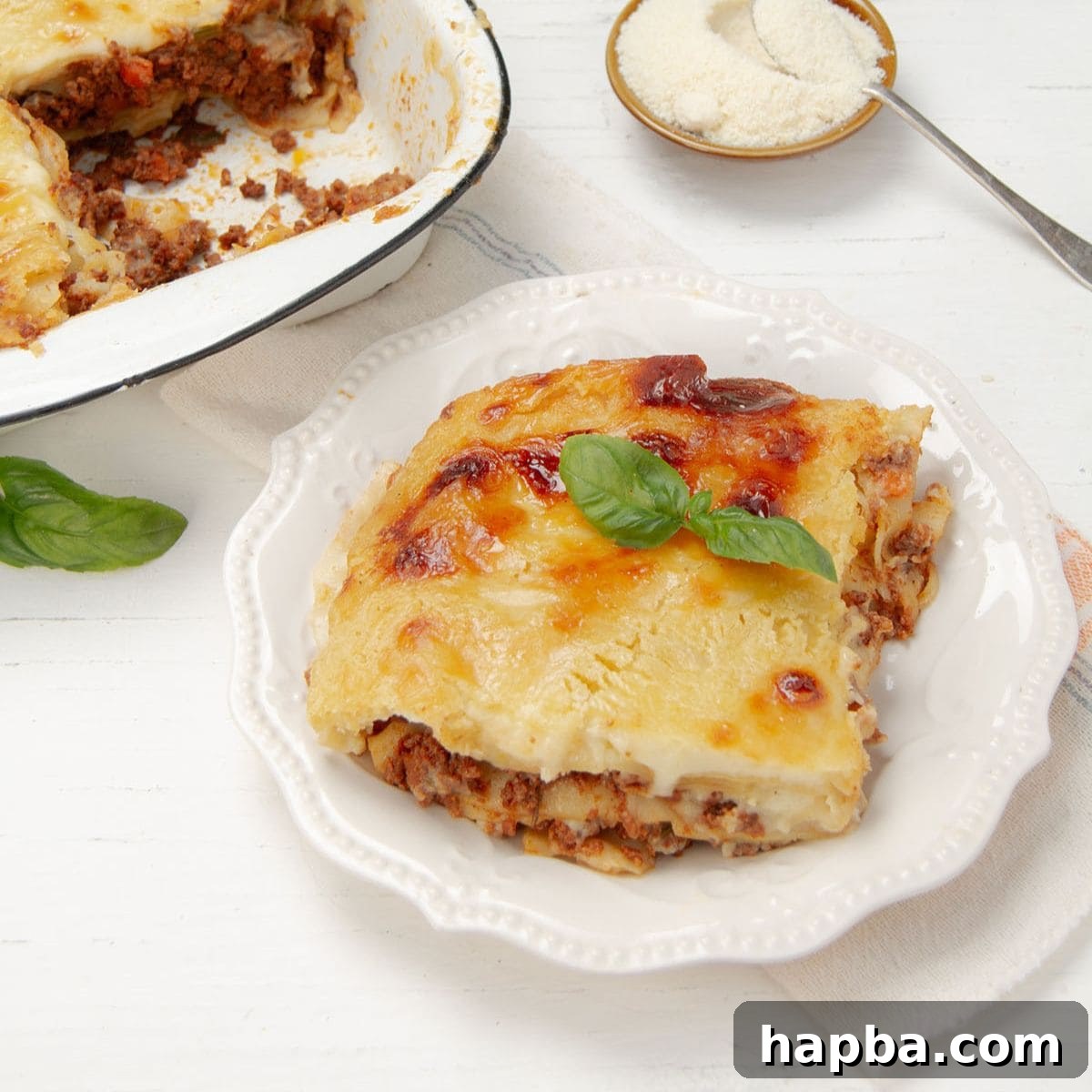
Imagine succulent layers of tender pasta generously embraced by a rich, slow-simmered Bolognese sauce, all brought together with an impossibly creamy, homemade béchamel. This is the essence of true Italian comfort food: the renowned Lasagna with Béchamel Sauce. A dish as deeply rooted in culinary history as it is profoundly delicious, offering a taste of tradition in every perfect bite.
Whether you’re planning an intimate dinner, a grand Sunday supper, hosting a gathering, or celebrating major holidays like Christmas or Thanksgiving, this authentic lasagna recipe is guaranteed to impress. It’s a dish that feeds not just the body, but also the soul, making every occasion feel special.
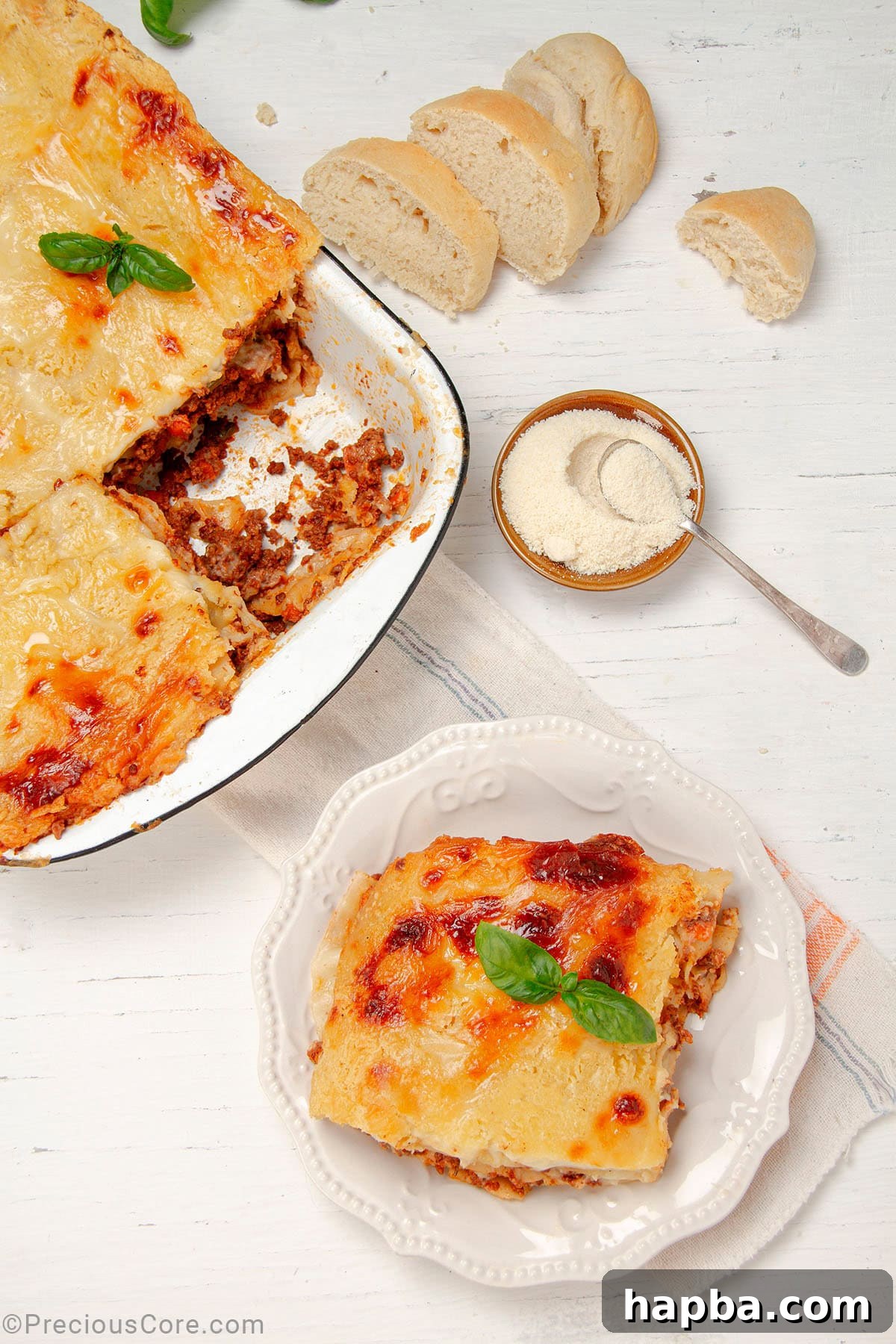
Unlike many Americanized versions that rely on ricotta or cottage cheese, our classic lasagna recipe stays true to its Italian heritage by featuring a luxurious béchamel sauce. This creamy white sauce is the secret to an unbelievably smooth texture and rich flavor that elevates homemade lasagna to a new level of culinary excellence. It’s truly the best lasagna recipe you’ll ever make, proving that sometimes, tradition knows best.
Serve this exquisite béchamel lasagna alongside complementary dishes for a truly memorable meal. Pair it with Easy Homemade French Bread for dipping into the luscious sauces, a vibrant Cucumber Tomato and Onion Salad for a refreshing contrast, or delightful Garlic Butter Rolls. For vegetable sides, consider Fried Carrots or lightly sautéed greens. This comprehensive spread creates a comforting dinner, perfect for effortlessly feeding a hungry crowd and creating lasting memories.
Table of Contents
- The Enduring Legacy of Authentic Italian Lasagna
- Why This Lasagna Recipe Stands Apart
- Essential Ingredients for Your Classic Lasagna
- For the Velvety Béchamel Sauce
- Crafting the Rich Bolognese Sauce
- Assembling the Layers
- Mastering the Art of Homemade Béchamel Sauce
- Troubleshooting Common Béchamel Challenges
- Crafting the Perfect Bolognese (Ragu) Sauce
- Assembling Your Magnificent Lasagna
- Delicious Variations and Substitutions for Lasagna
- Expert Tips for Lasagna Perfection
- Perfect Pairings: What to Serve with Lasagna
- Explore More Family-Friendly Dinner Ideas
- Lasagna with Béchamel Sauce Recipe Card
The Enduring Legacy of Authentic Italian Lasagna
The history of lasagna is as rich and layered as the dish itself. Its origins trace back to ancient Greece, where a rudimentary dish known as “Laganon” featured alternating layers of pasta and sauce. This culinary concept was later embraced and refined by the Romans as their empire expanded, evolving over centuries into the beloved, authentic Italian dish we know today. Lasagna is not merely food; it is a culinary monument, a testament to enduring traditions that have delighted palates for millennia.
For many, lasagna transcends its ingredients to symbolize abundance, comfort, and unity. It evokes images of bustling family gatherings, celebratory feasts, and the simple joy of sharing a hearty meal. As someone blessed with a large family, I understand the profound importance of preparing dishes that are not only delicious but also universally adored. Lasagna, with its soft, yielding texture and robust flavors, fits this role perfectly. Children, in particular, are captivated by its mild yet satisfying taste, often making it a unanimous favorite at the dinner table.
What makes this dish truly remarkable is its completeness. Each forkful delivers a harmonious blend of protein from the savory meat, essential dairy from the creamy béchamel, and vital nutrients from fresh vegetables. It’s a wholesome meal in one magnificent pan. I frequently bring a generously sized tray of homemade lasagna to friends’ gatherings – a dish that bakes slowly in the oven, filling the air with intoxicating aromas, setting the perfect relaxed backdrop for conversation and laughter on a peaceful Sunday afternoon.
Why This Lasagna Recipe Stands Apart
The creation of Lasagna with Homemade Béchamel is a genuine labor of love, but every thoughtful step, every simmer, and every stir is undeniably worth the effort. To truly unlock its potential, I often prepare the Bolognese sauce the night before. This allows the complex flavors to meld and deepen, transforming into an even more exquisite ragu. Whether cooked slowly in a traditional heavy-bottomed pot or allowed to lovingly simmer for 6 hours in a crockpot, you’ll discover how this extended cooking time elevates your lasagna to a level of “simmered-all-day” deliciousness that is simply unparalleled.
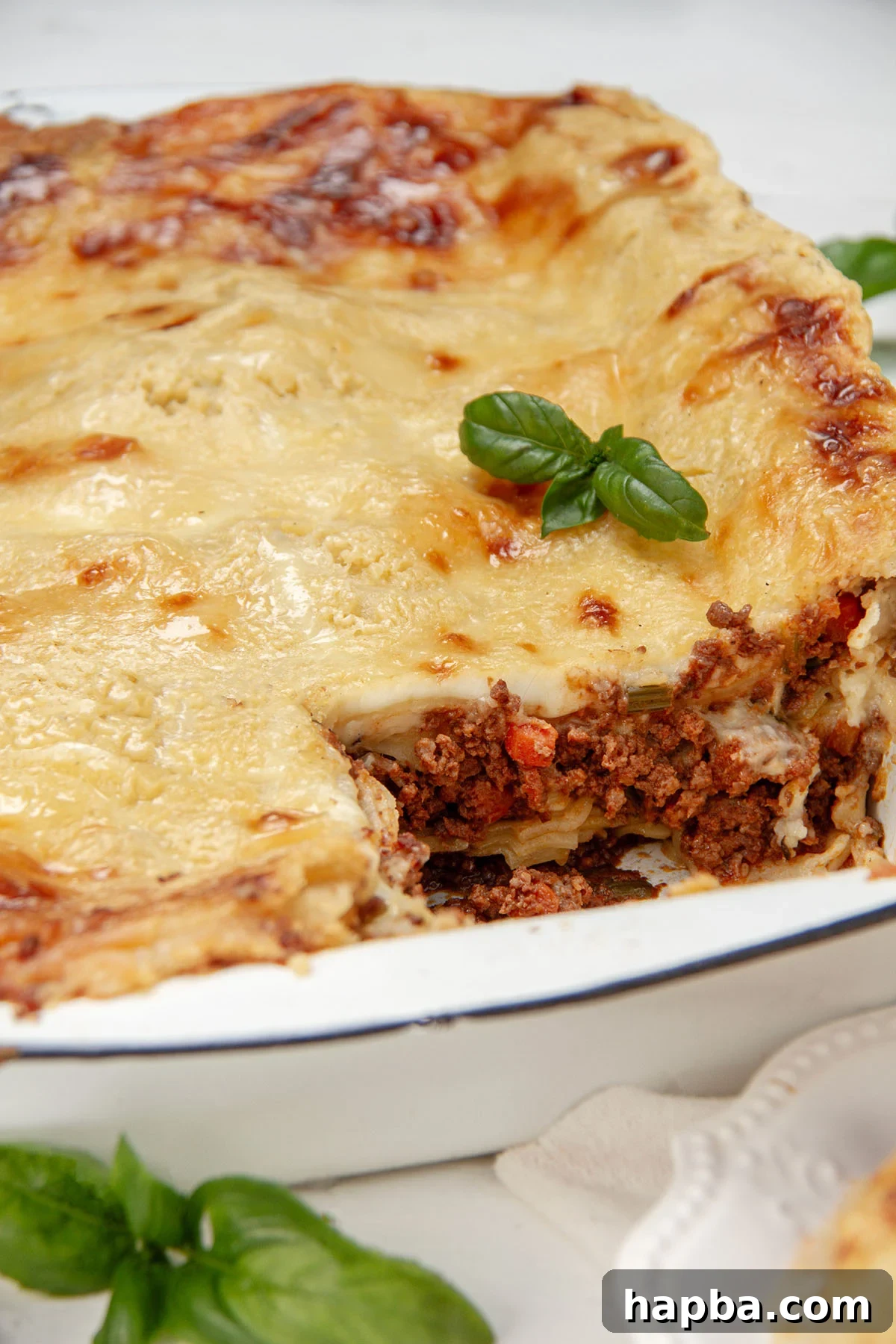
For my family, the consistency of the Bolognese sauce ingredients is key to its beloved flavor. I always start with a classic mirepoix – a finely diced aromatic base of onion, carrot, and celery. This fundamental blend, a cornerstone in French cuisine, provides an exquisite foundation for the ground meat, infusing it with subtle sweetness and depth. Beyond the mirepoix, I incorporate grated fresh tomatoes and a concentrated tomato paste for rich, authentic tomato flavor. Simple yet effective seasonings, including a fragrant bay leaf and a touch of dried oregano, complete this robust meat sauce. Only after the Bolognese has developed its full character do I turn my attention to crafting the homemade béchamel. Follow the detailed, step-by-step instructions below to create this unforgettable Lasagna with Béchamel Sauce.
Essential Ingredients for Your Classic Lasagna
Crafting the best lasagna requires quality ingredients for each component: the creamy béchamel, the rich Bolognese, and the perfectly layered assembly. Here’s a breakdown of everything you’ll need to create this culinary masterpiece:
For the Velvety Béchamel Sauce
The foundation of a truly authentic lasagna lies in a perfectly executed béchamel. You’ll need:
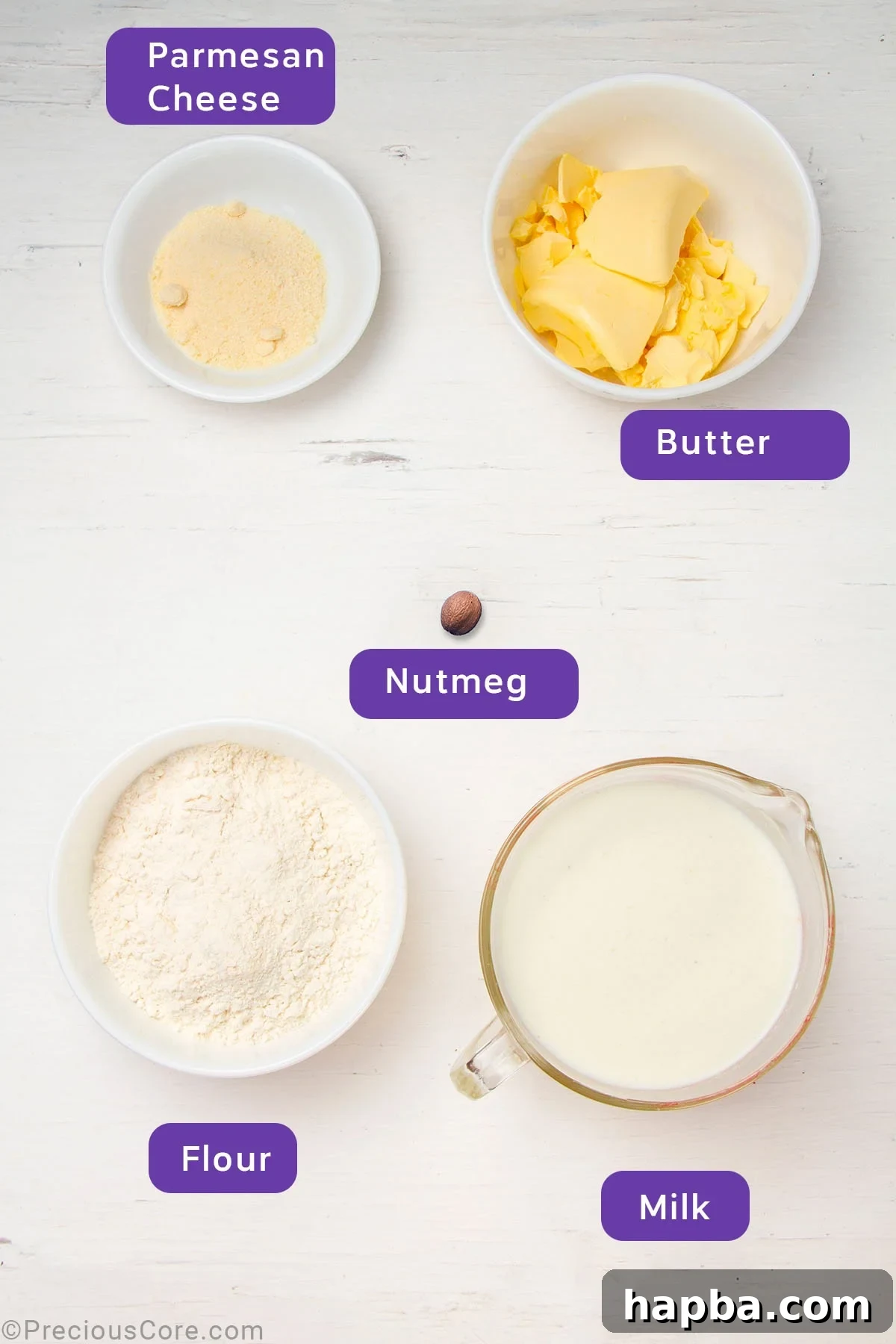
- **Butter and All-Purpose Flour:** In equal parts, these form the essential roux, the thickening agent for your béchamel.
- **Whole Milk:** The liquid base, adding richness and creaminess.
- **Nutmeg:** A traditional seasoning that provides a subtle, warm aroma to béchamel.
- **Parmesan Cheese:** A final touch for an extra layer of savory depth and a hint of saltiness.
- **Salt and Pepper:** To taste, ensuring the sauce is perfectly seasoned.
A full list of exact measurements can be found on the comprehensive recipe card below.
Crafting the Rich Bolognese Sauce
The flavorful heart of this lasagna is its slow-cooked Bolognese sauce. Gather these ingredients:
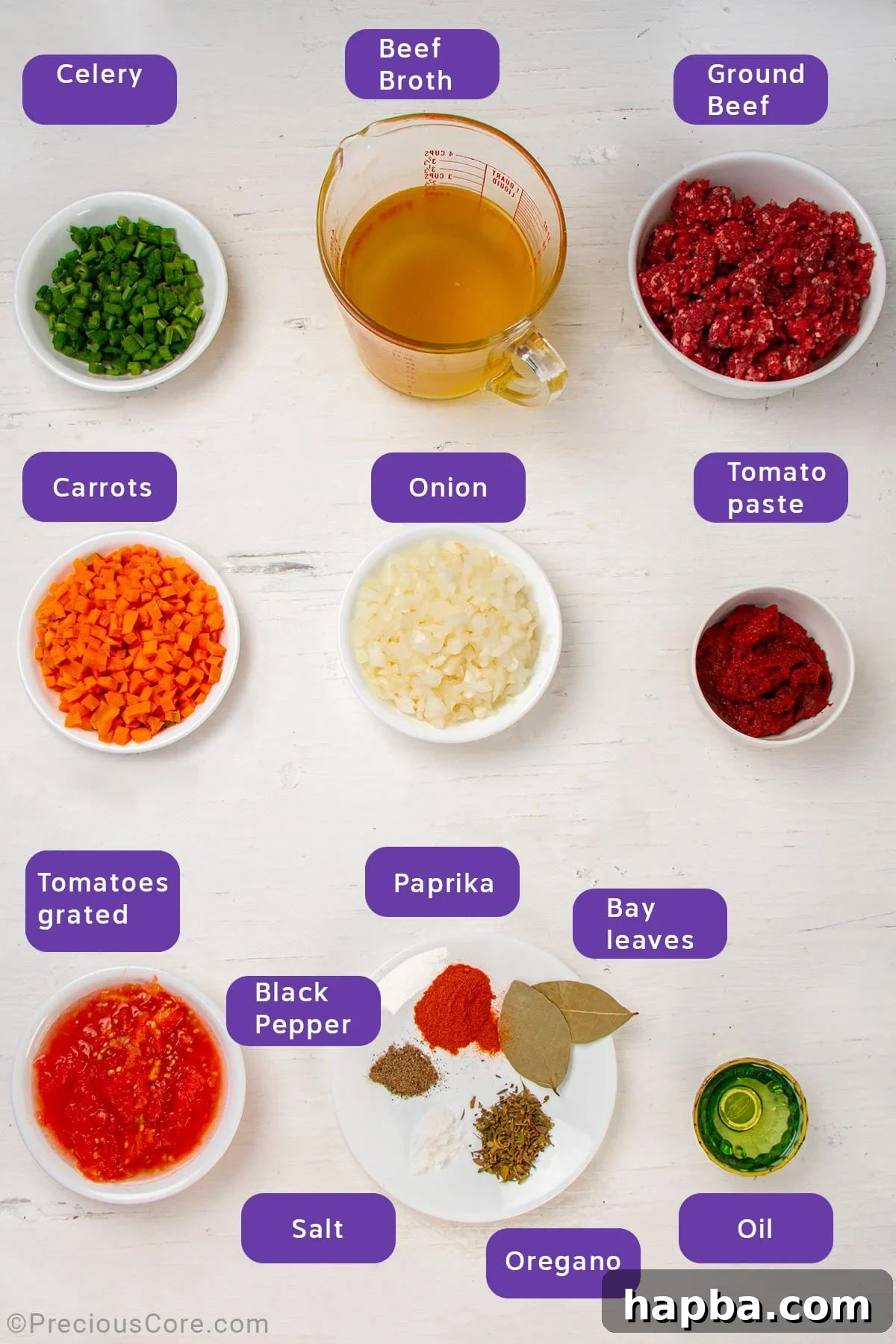
- **Olive Oil:** For sautéing the aromatics.
- **Mirepoix (Onion, Carrot, Celery):** The foundational trio for deep flavor.
- **Ground Beef:** The star protein, providing a hearty texture. For a richer flavor, consider a mix of ground beef and pork.
- **Grated Tomatoes (or Crushed Canned Tomatoes):** For a fresh, bright tomato base.
- **Tomato Paste:** Adds concentrated tomato flavor and richness.
- **Beef Broth:** To simmer the sauce to perfection, tenderizing the meat and blending flavors.
- **Bay Leaves, Dried Oregano, Paprika, Salt, and Black Pepper:** Essential seasonings that define the classic Bolognese taste.
Assembling the Layers
With your sauces prepared, assembling the lasagna is the exciting final stage. You’ll need:
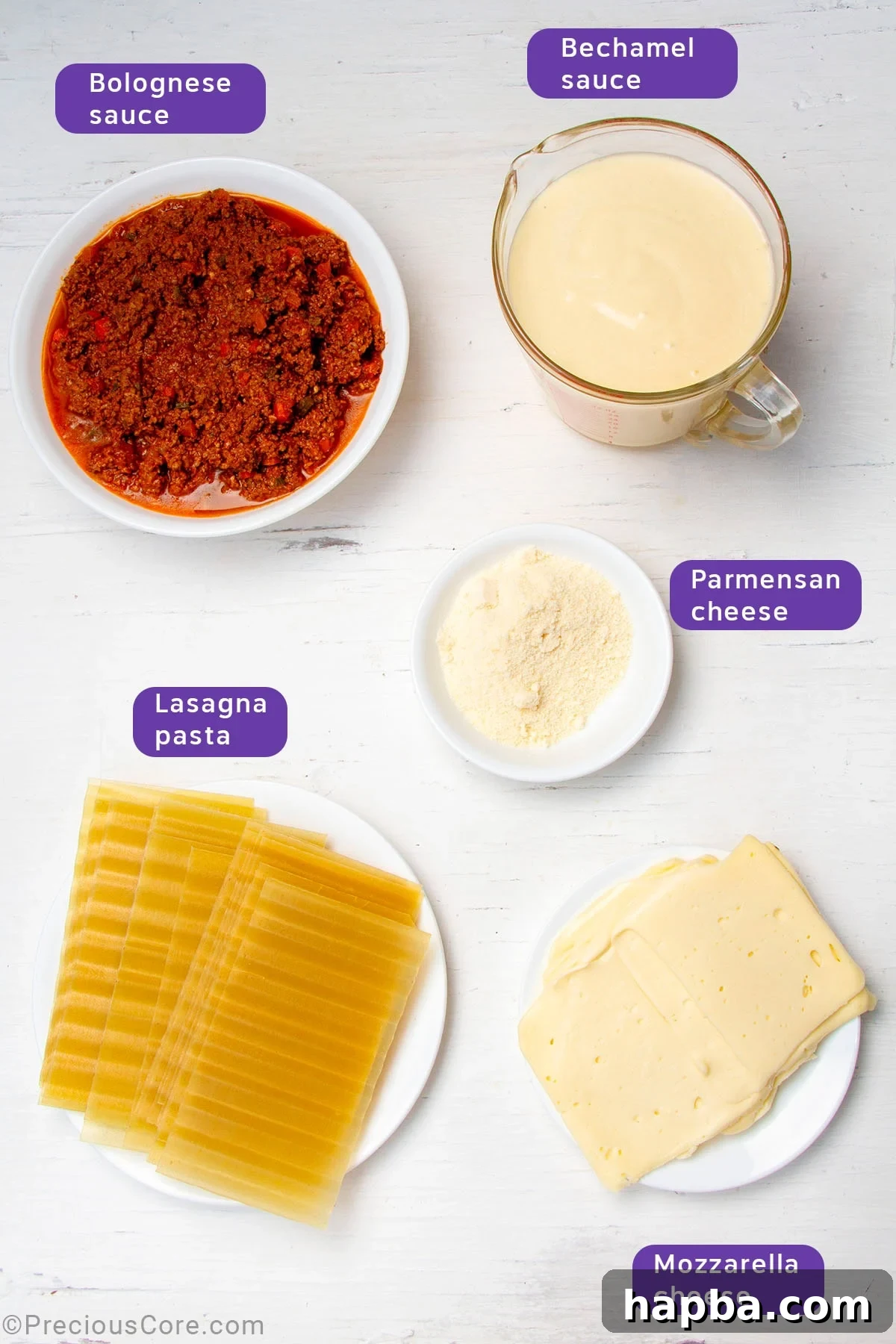
- **Lasagna Sheets (or Lasagna Noodles):** Opt for no-boil sheets to save time, or traditional pasta if you prefer.
- **Prepared Bolognese Sauce:** Your rich meat sauce, cooled slightly.
- **Prepared Béchamel Sauce:** Your creamy white sauce, cooled slightly to prevent it from being too runny.
- **Shredded Mozzarella Cheese:** For that irresistible gooey, melted layer.
- **Shredded Parmesan Cheese:** For a golden, crispy topping and savory depth.
- **Butter:** A small amount for greasing your baking dish.
For the comprehensive list of all ingredients, including precise measurements, please refer to the detailed recipe card conveniently located at the end of this article.
Mastering the Art of Homemade Béchamel Sauce
Béchamel sauce, one of the five French mother sauces, is far simpler to prepare than its elegant name suggests. Its velvety texture and delicate flavor are crucial for an authentic, no-ricotta lasagna. Here’s how to create this culinary magic:
- The journey to perfect béchamel begins with precise measurements. You’ll need equal parts of butter and flour to create the roux. For this recipe, we’ll use 250 grams of each. Begin by gently melting the butter in a large, heavy-bottomed saucepan over medium heat. Ensure it’s fully melted but not browned.
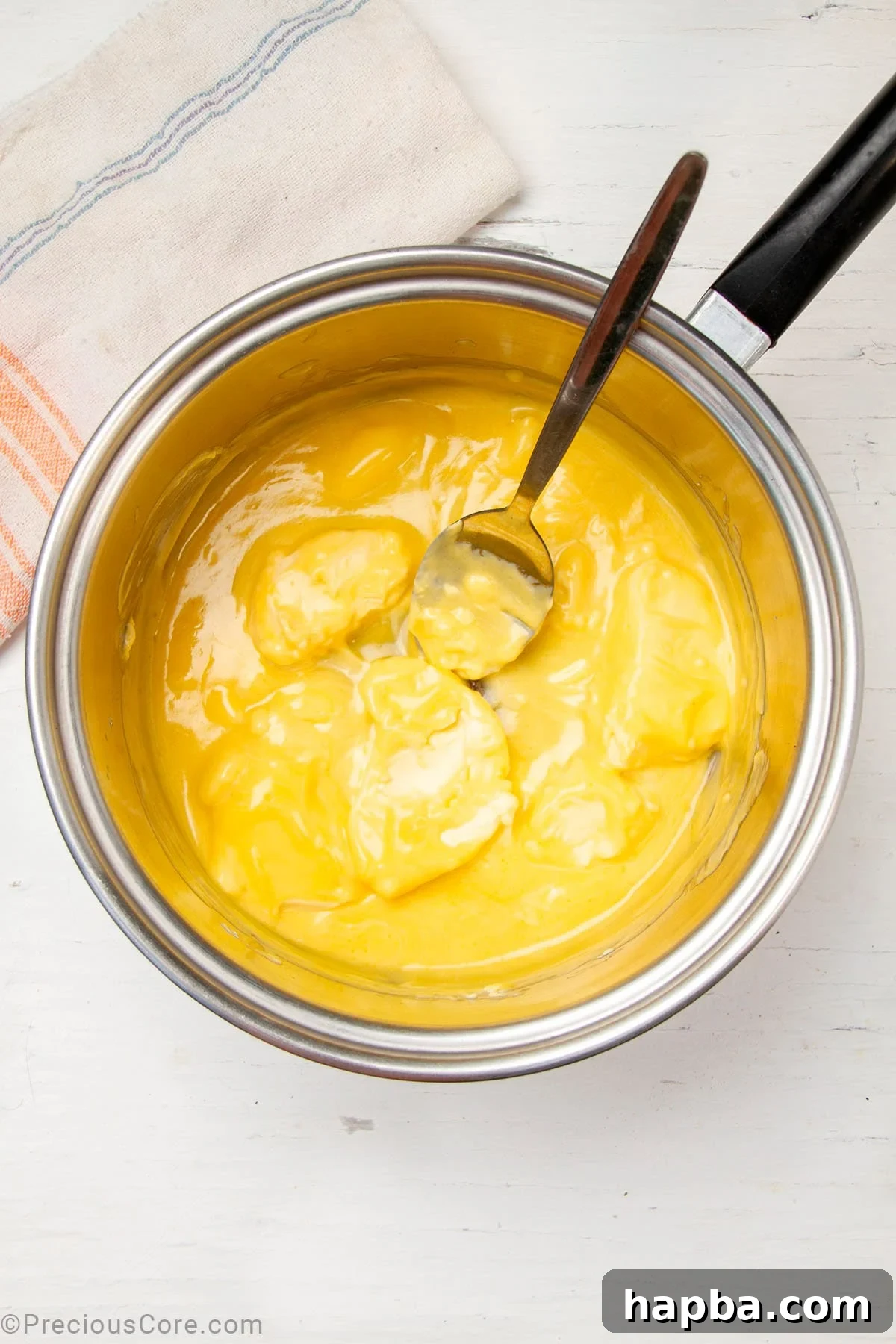
- Once the butter is melted, add the measured flour, stirring vigorously and continuously with a whisk. This step is critical as it combines the butter and flour to form a thick, lumpy mixture known as a roux. Continue cooking the roux for 2-3 minutes, stirring constantly, until it turns a light golden color and smells slightly nutty. This cooks out the raw flour taste.
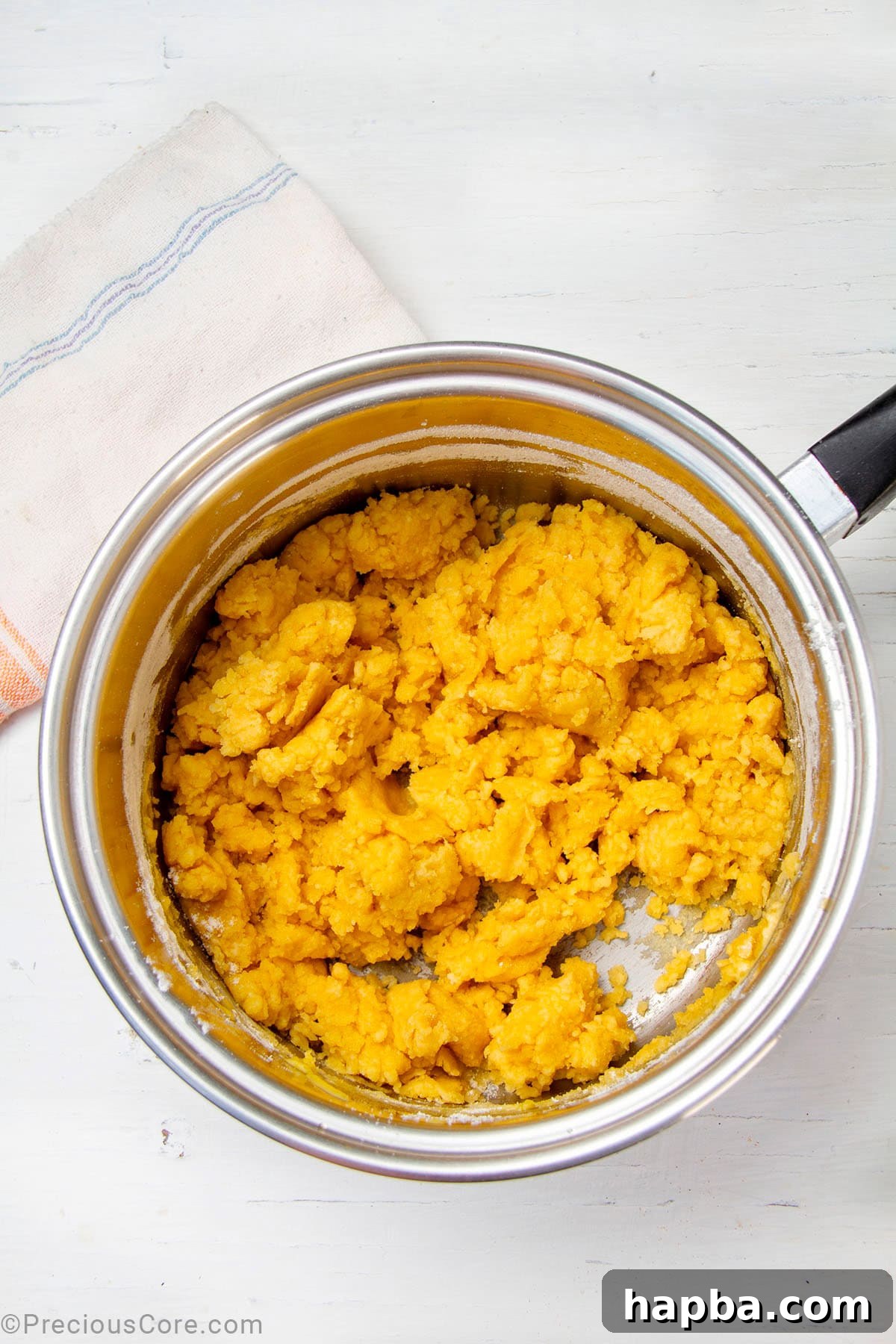
Top Tip for a Smooth Béchamel: To guarantee a lump-free béchamel sauce, always add whole milk gradually and whisk continuously as you pour. This helps the flour absorb the liquid smoothly without clumping.
- Next, immediately begin adding warm milk, pouring it in gradually while stirring with a whisk. The milk should be warm (not cold) to help prevent lumps and promote a smooth consistency. The mixture will initially look very thick, then gradually loosen as you add more milk.
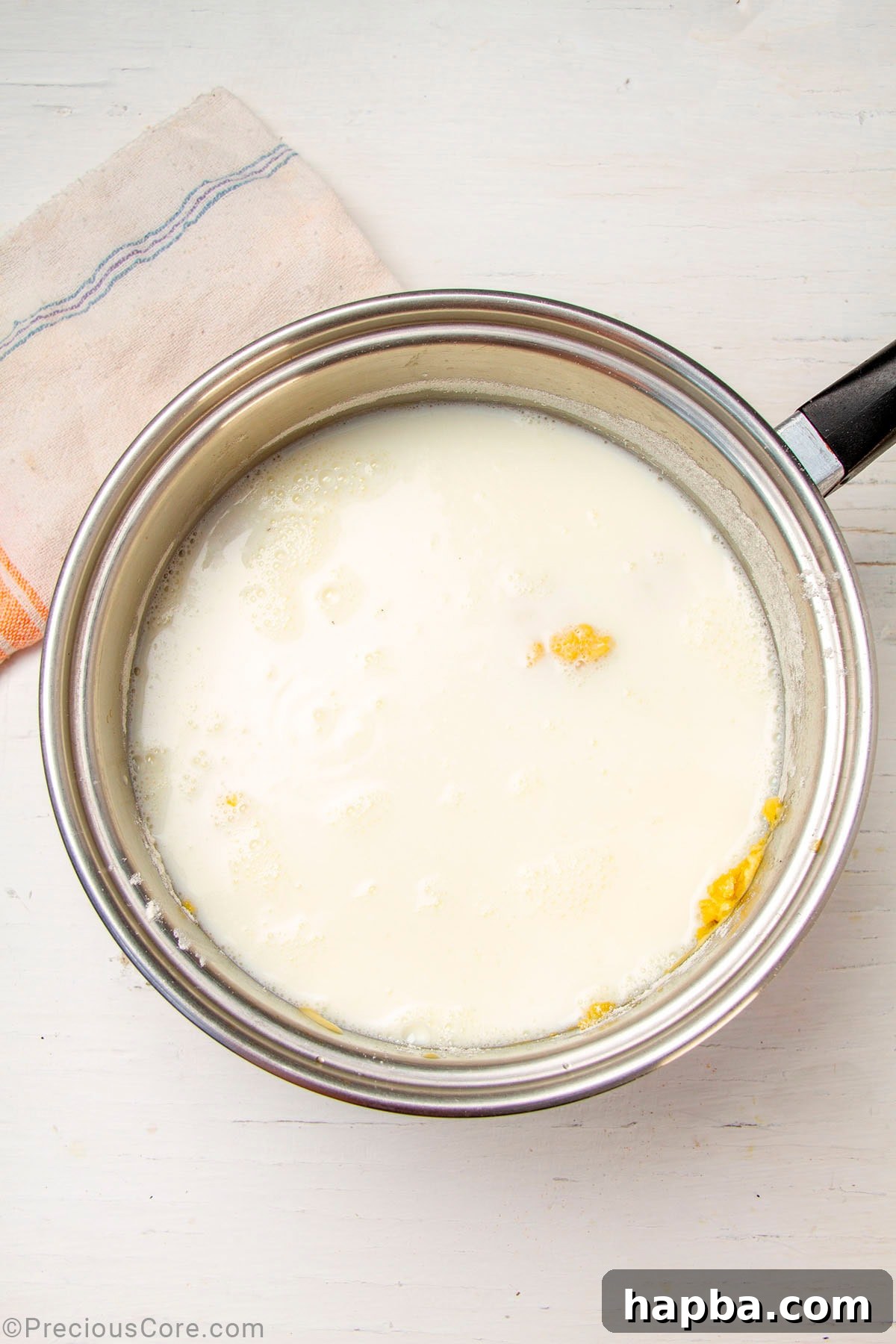
- As if by magic, the vigorous whisking will cause any small lumps to disappear, transforming the mixture into a silky-smooth liquid. Continue to cook and stir until the sauce begins to thicken, becoming noticeably creamier. A good indicator of readiness is when the sauce is thick enough to coat the back of a wooden spoon.
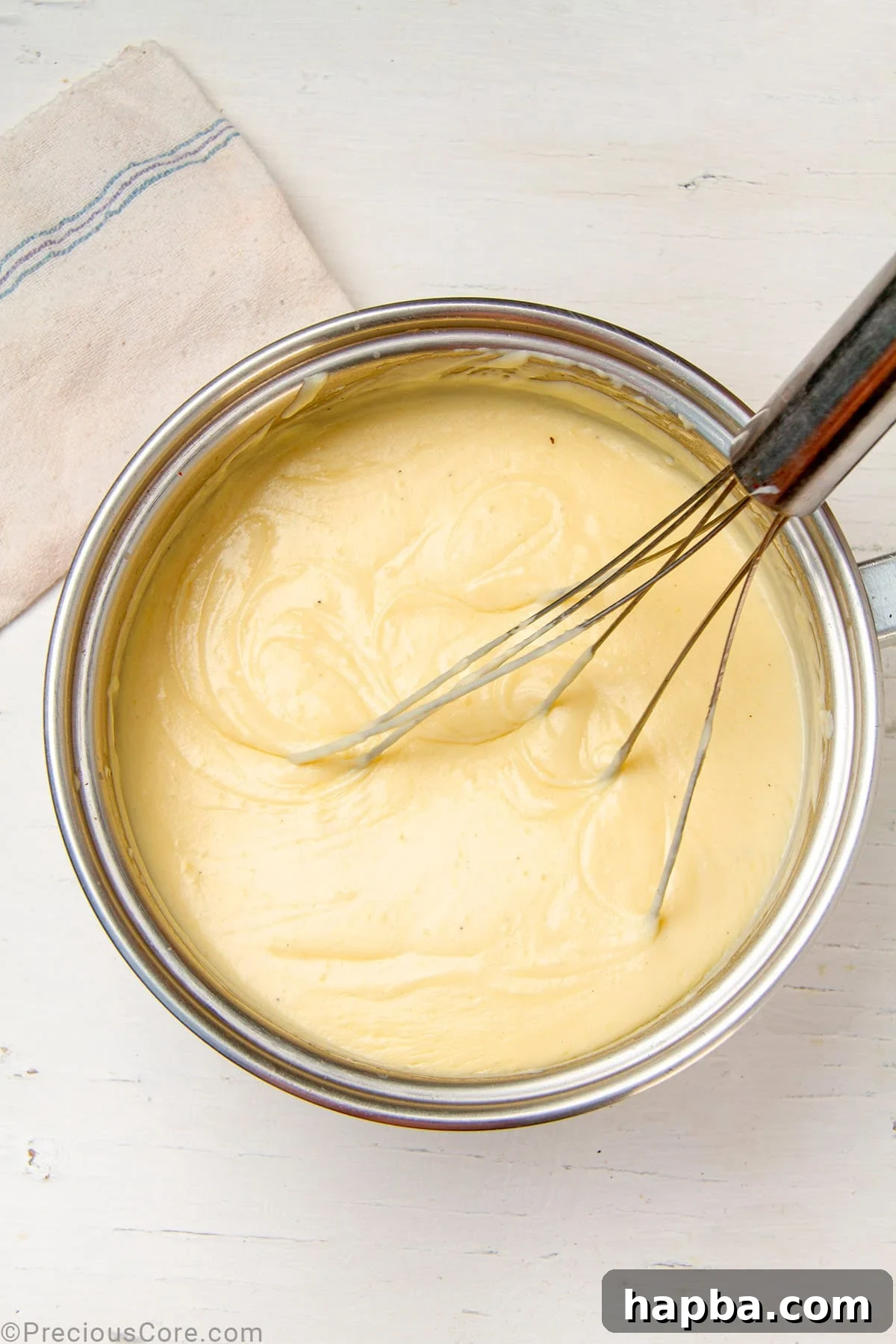
- At this point, turn off the heat to prevent over-thickening or scorching.
- To complete the classic béchamel flavor, stir in about a quarter cup of freshly grated Parmesan cheese and a delicate pinch of nutmeg. Adjust with a pinch of salt to taste.
Essential Béchamel Precaution: From the moment you start making the béchamel, ensure all ingredients are within reach. Critically, never stop stirring the bottom of the pot. Continuous stirring prevents the sauce from sticking and forming a burnt crust, which can be challenging to salvage and could ruin the entire batch.
Troubleshooting Common Béchamel Challenges
Even experienced cooks can encounter minor mishaps when making béchamel. Here are common issues and how to swiftly resolve them, ensuring your sauce is always perfect:
- Lumps in the Sauce: If your béchamel sauce has lumps, it usually means the flour wasn’t fully incorporated with the butter or the milk was added too quickly without enough whisking. Don’t panic! Simply pour the sauce into a blender or use an immersion blender until it’s perfectly smooth. Then, return it to a clean pot and continue cooking over low heat, stirring, until it reaches your desired consistency.
- Burnt Bottom: If you notice a hard layer forming at the bottom of the pot, immediately remove the pot from the heat. Carefully taste the béchamel from the top, avoiding the burnt section. If it doesn’t have a burnt flavor, quickly transfer the unaffected béchamel to a fresh, clean pot. Be extremely careful not to scrape the burnt bits from the bottom. Discard the burnt residue and continue cooking in the new pot.
- Hardened Top Layer (Skin): If you prepare your béchamel (or even the meat sauce) a day in advance and a thick, hardened skin forms on top (often due to not covering it adequately with plastic wrap directly on the surface), simply warm the sauce over low heat. Once it loosens slightly, add a splash more milk or broth and use a whisk or an immersion blender to re-emulsify and smooth it out. Covering the sauce surface directly with plastic wrap while it cools can prevent this problem in the future.
Crafting the Perfect Bolognese (Ragu) Sauce
A truly great lasagna starts with a deeply flavorful Bolognese sauce, or ragu, that has been patiently simmered to perfection. This rich meat sauce is the heart of the dish. Here’s how to create a robust and aromatic Bolognese:
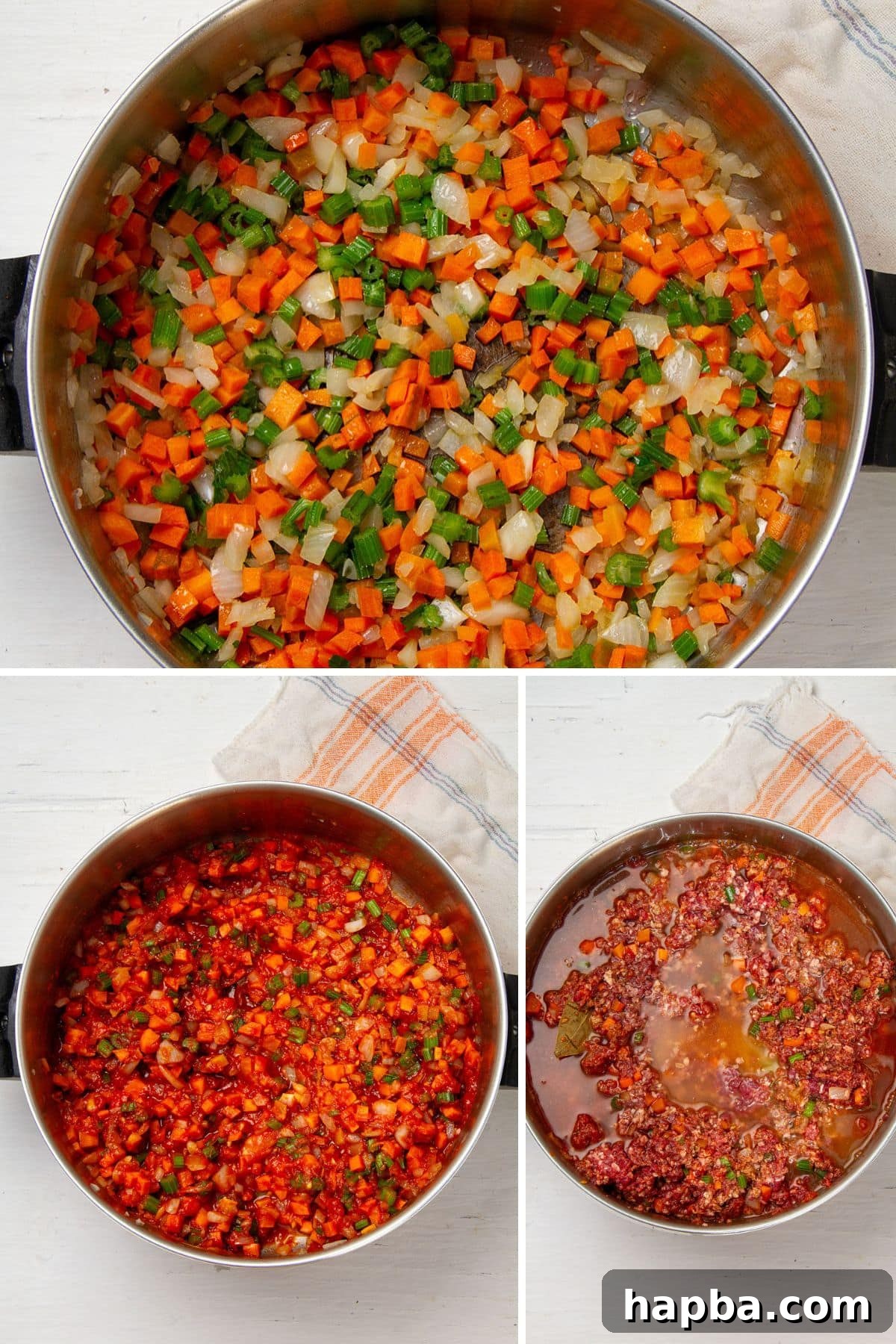
- Build the Aromatic Base: In a large, heavy-bottomed pot or Dutch oven, heat olive oil over medium-high heat. Add your finely chopped carrots, celery, and onions (the mirepoix). Sauté these vegetables until they are soft and translucent, typically 5-7 minutes. This step is crucial for building deep flavor.
- Introduce the Tomato Foundation: Stir in the grated or crushed tomatoes along with the concentrated tomato paste. Mix thoroughly, allowing the tomato paste to cook for a minute or two to deepen its flavor. You can also use good quality tomato sauce as a substitute for grated tomatoes.
- Brown the Ground Beef: Add the ground beef to the pot, breaking it apart with a spoon as it cooks. Continue cooking until the beef is fully browned and no longer pink. Drain any excess fat if necessary, but leave a little for flavor.
- Simmer to Perfection: Pour in the beef broth and add the bay leaves, dried oregano, black pepper, paprika, and salt. Bring the mixture to a gentle boil, then reduce the heat to low. Let the sauce simmer uncovered for at least 1.5 to 2 hours, or even longer (up to 6 hours for maximum flavor development). Stir occasionally to prevent sticking and to ensure all the flavors meld beautifully. The longer it simmers, the more tender the meat becomes and the richer the sauce tastes.
The goal is a thick, rich, and deeply flavored meat sauce that will lovingly coat every strand of pasta in your lasagna.
Assembling Your Magnificent Lasagna
With your homemade béchamel and rich Bolognese sauces ready, the moment arrives to assemble your glorious béchamel lasagna. For convenience and to save time, I highly recommend using no-boil lasagna noodles. Before you begin layering, always ensure your meat sauce is deliciously juicy, never dry. If it has thickened too much or dried out during simmering, simply stir in a little more water or beef broth until it reaches a desirable consistency.
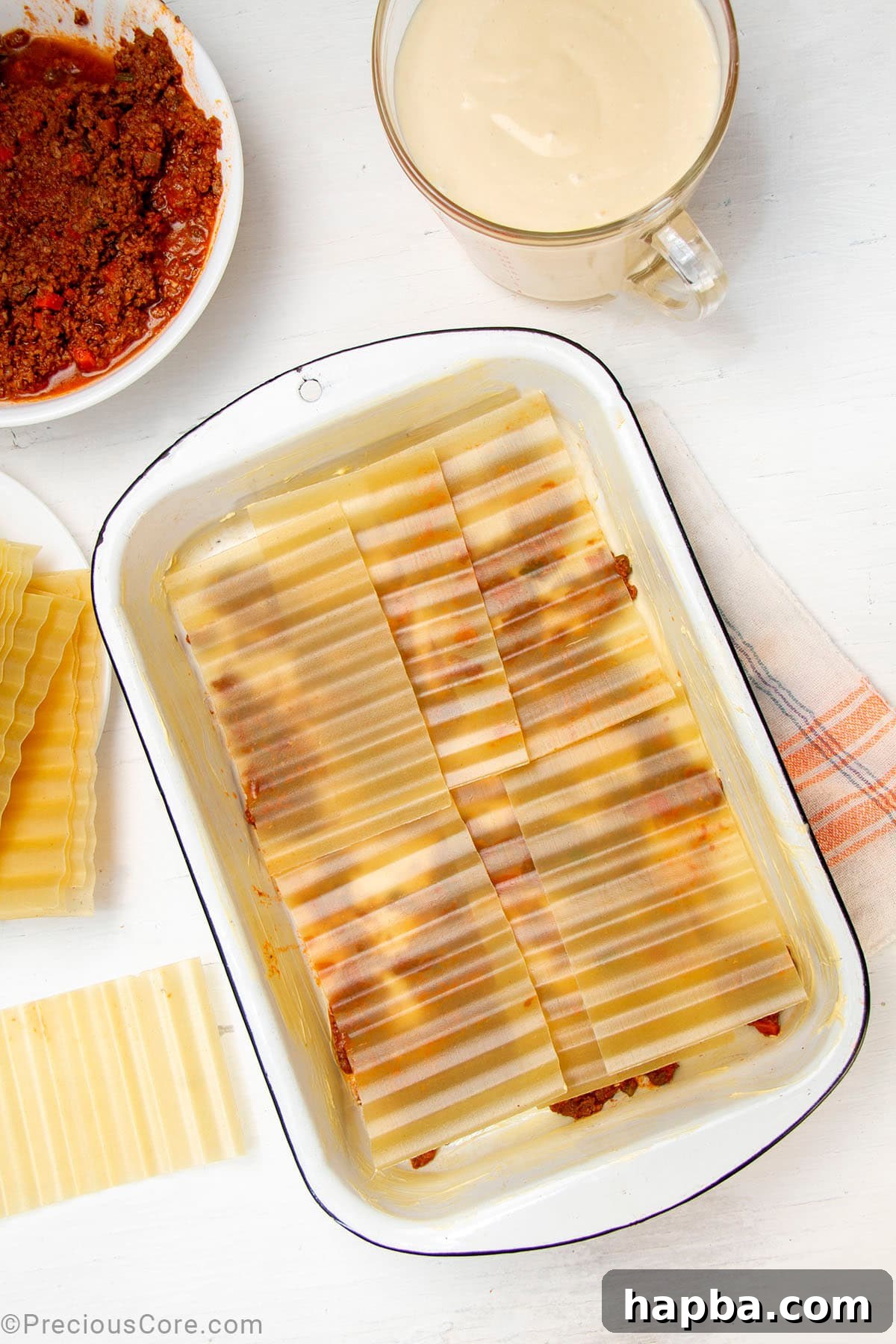
- Prepare the Baking Dish: The very first step is to lightly grease a large baking dish (a 9×13 inch dish works perfectly) with a teaspoon of butter. Then, spread a thin, even layer of the Bolognese meat sauce at the base. This initial layer prevents the pasta from sticking and keeps the bottom of your lasagna deliciously soft and moist.
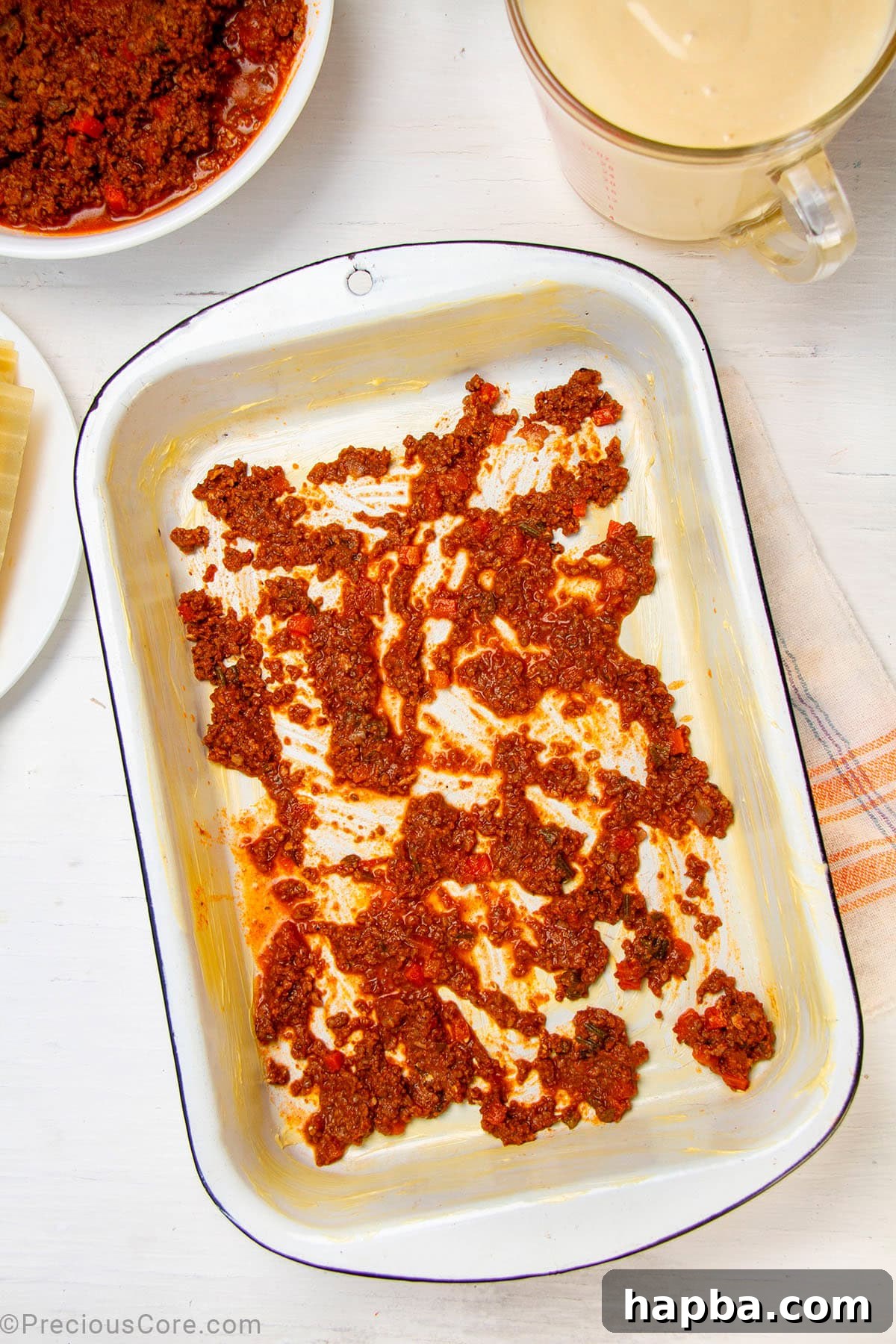
- Lay the First Pasta Layer: Now, carefully place your first layer of lasagna pasta sheets over the meat sauce. I often opt for a double layer of pasta for a heartier texture, which my husband particularly enjoys. However, a single layer is perfectly fine if that’s your preference or if you’re aiming for more layers overall.
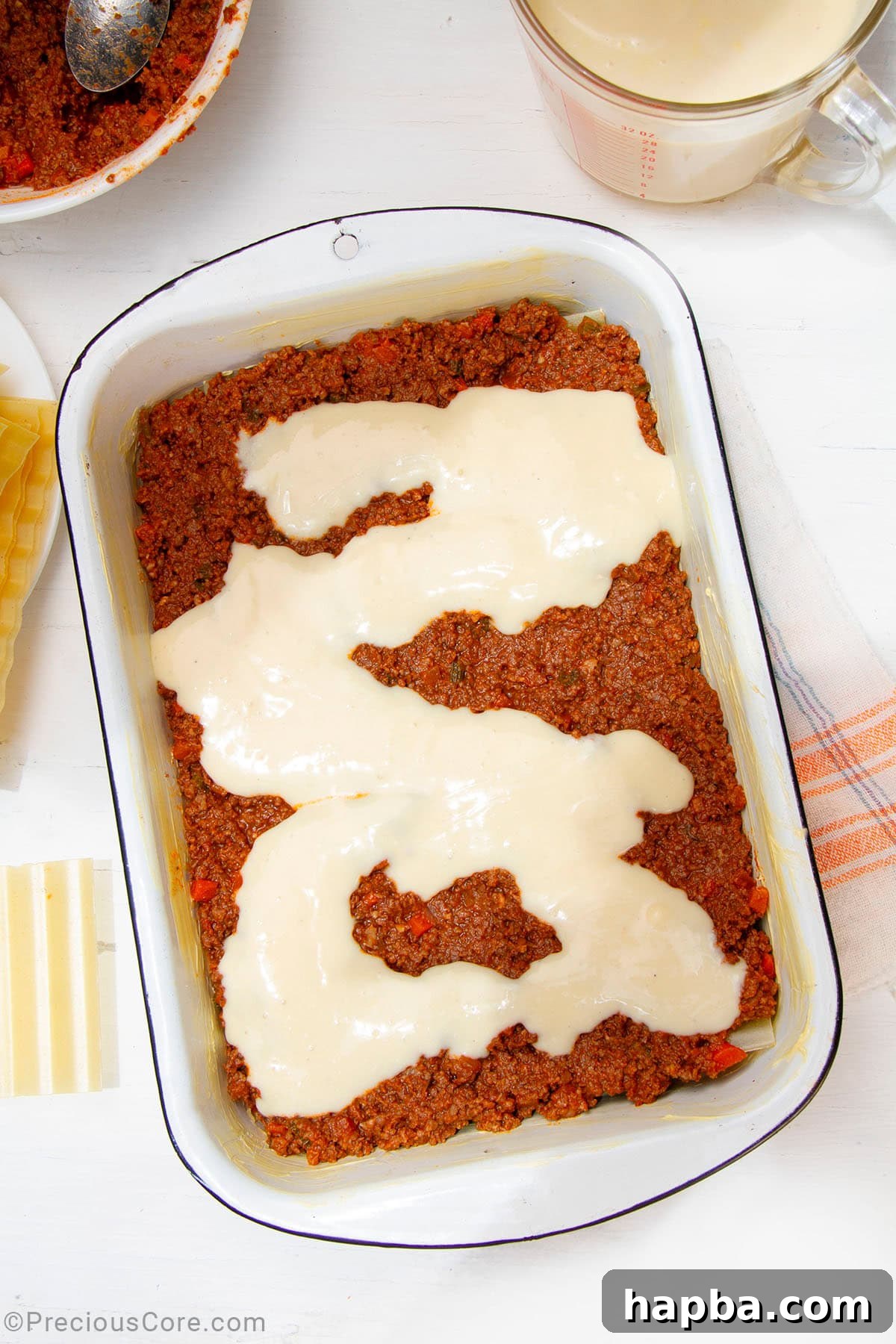
- Add Meat and Béchamel: Next, evenly spread a generous layer of the rich Bolognese meat sauce over the pasta. Follow this with a liberal spreading of the creamy béchamel sauce. While some like to add a layer of mozzarella cheese at this stage, I personally prefer to reserve all the cheese for the very top, allowing it to create a magnificent golden crust (it’s truly a matter of personal taste!).
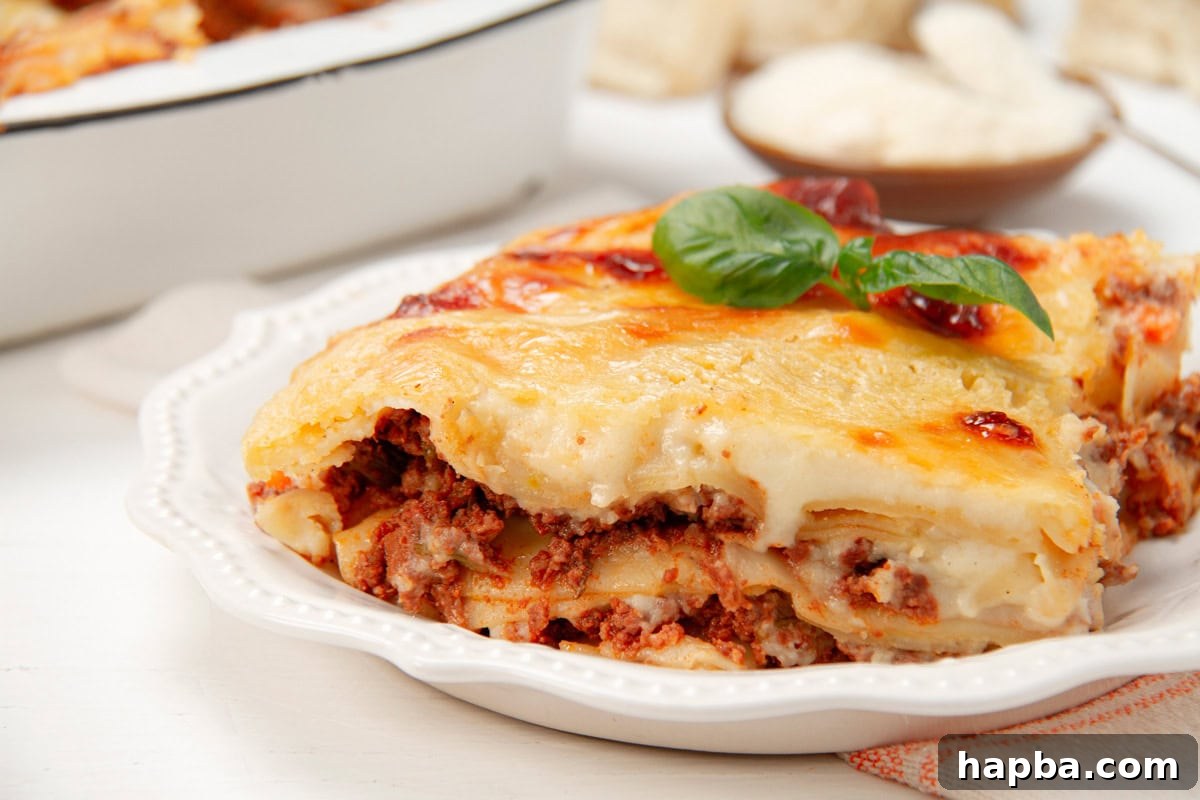
- Repeat and Finish: Continue to repeat this layering process—pasta, Bolognese, then béchamel—three or four times, depending on the depth of your baking dish and your desired lasagna height. The grand finale should always be a layer of pasta, generously topped with béchamel, and then a lavish sprinkle of cheeses. I love to use a delightful mix of shredded mozzarella for its meltiness and grated Parmesan (or Parmigiano Reggiano for a more authentic touch) for its sharp, savory notes and beautiful golden-brown finish.
Time-Saving Tip: Opt for oven-ready (no-boil) lasagna sheets. These pre-cooked pasta layers go straight into the oven, eliminating the need for an extra boiling step and significantly reducing preparation time.
If you enjoy creative pasta dishes, also explore our delicious recipe for Plantain Lasagna.
Delicious Variations and Substitutions for Lasagna
Lasagna is incredibly versatile, offering countless opportunities for customization beyond the classic béchamel and Bolognese. Here are some exciting variations and substitutions worth exploring to tailor your lasagna to any taste or dietary preference:
- Traditional Bolognese Blend: For an even richer and more complex flavor in your meat sauce, try mixing equal parts ground beef and ground pork. This combination is highly traditional in many authentic Italian ragu recipes and adds a depth of flavor that is truly remarkable.
- Pesto Infusion: Introduce a vibrant, herbaceous twist by incorporating pesto. You can stir a few tablespoons of your favorite pesto into either the Bolognese meat sauce during simmering or gently fold it into the béchamel sauce for a delightful basil and pine nut essence.
- Vegetable-Forward Lasagna: For a lighter or vegetarian option, replace traditional pasta layers with thinly sliced zucchini or eggplant. Grill or lightly pan-fry the vegetable slices first to remove excess moisture and prevent a watery lasagna. This creates a delicious, low-carb alternative.
- Explore Different Pastas: While classic lasagna sheets are standard, don’t hesitate to experiment with fresh pasta for a more tender texture, or even alternative pasta types like gluten-free noodles for dietary needs. Some creative cooks even use wide, flat egg noodles for a different mouthfeel.
- Cheese Exploration: Beyond mozzarella and Parmesan, consider adding layers of provolone, fontina, or even a smoked scamorza for unique flavor profiles. A dollop of fresh ricotta (if you *do* want to try a different style) or mascarpone can also be blended into the béchamel for extra creaminess, though it deviates from the classic béchamel-only approach.
- Spice it Up: For those who enjoy a little heat, add a pinch of red pepper flakes to your Bolognese sauce.
Expert Tips for Lasagna Perfection
Achieving a truly perfect Lasagna with Béchamel Sauce requires attention to detail. Follow these expert tips and tricks to ensure your homemade lasagna is nothing short of spectacular:
- Finely Chop Your Mirepoix: For the Bolognese sauce, it’s crucial to cut the carrot, celery, and onion as small and uniformly as possible. Avoid large chunks of carrot especially, as they can take longer to soften and may disrupt the sauce’s smooth texture. A finely diced mirepoix melts into the sauce, creating a seamless flavor base.
- Slow Cook Your Bolognese: Patience is key for a truly flavorful meat sauce. Ensure the ground meat and vegetables are exceptionally tender by cooking the Bolognese sauce for at least two hours, preferably longer. Stir occasionally to prevent sticking and to encourage the vegetables to break down and release their sweetness into the sauce.
- Adjust Sauce Consistency: Throughout the simmering process, monitor the meat sauce’s liquid content. If it appears to be drying out too much, add a bit more water or beef broth. Always adjust the seasoning, especially salt, at the very end of cooking, as flavors will concentrate over time.
- Constant Whisking for Béchamel: When making the béchamel, continuous stirring with a whisk is non-negotiable until it reaches your desired thickness. If you need to step away from the stove for any reason, immediately turn off the heat and remove the pot. You can resume cooking and whisking later without fear of scorching.
- The Parmesan Boost: For an exceptionally rich and classic béchamel, stir in a generous couple of tablespoons of freshly grated Parmesan cheese at the very end. This adds a wonderful savory depth and enhances the creaminess.
- Allow Lasagna to Rest: After baking, resist the urge to slice into your lasagna immediately. Letting it rest for at least 10-15 minutes allows the layers to settle and the sauces to firm up slightly. This prevents the lasagna from collapsing when cut, resulting in cleaner, more appealing slices.
- Serve with Fresh Bread: Nothing complements a hearty Lasagna with homemade béchamel better than warm, crusty bread. Our Easy Homemade French Bread is an ideal companion for soaking up every drop of delicious sauce. Consider baking both simultaneously for a wonderfully convenient and complete meal.
Perfect Pairings: What to Serve with Lasagna
This exquisite homemade lasagna is a meal in itself, but pairing it with the right side dishes can elevate your dining experience even further. Here are some fantastic accompaniments:
Refreshing Sides to Complement Rich Lasagna
Homemade Milk Bread
Cucumber Tomato and Onion Salad
Sautéed Vegetables
Garlic Butter Rolls
Pan Fried Brussels Sprouts With Bacon
Garlic Butter Green Beans
Explore More Family-Friendly Dinner Ideas
If you’re looking for more delicious and wholesome meals that the whole family will adore, explore these fantastic dinner recipes:
Garlic Butter Chicken Pasta
Steak and Pasta
Lemon Butter Salmon
If you make this irresistible Lasagna with Béchamel Sauce, please consider leaving a star rating below. Your feedback helps others discover and enjoy this wonderful recipe, and I always love hearing from you! Thank you!
Lasagna with Béchamel Sauce
Pin Recipe
Rate
Print Recipe
Equipment
- 9 by 13 inch baking dish
Ingredients
Bolognese Sauce
- 2 tbsp olive oil
- 2 celery stalks (finely chopped, 120 g)
- 2 medium onions (finely chopped, 300 g)
- 2 medium carrots (finely chopped, 400 g)
- 2 pounds ground beef (900 g)
- 4 cups grated tomatoes (about 8 medium tomatoes, sub with canned crushed tomatoes)
- 6 tbsp tomato paste
- 4 cups beef broth (1 l)
- 2 bay leaves
- 1 tsp dried oregano
- Black pepper to taste
- 1/2 tsp paprika
- 1 tsp salt
Béchamel Sauce
- 250 g all-purpose flour (2 cups)
- 250 g butter (17 tablespoons)
- 6 cups whole milk (1.4 liters)
- 1/4 cup Parmesan cheese (30 g, grated)
- Pinch of grated nutmeg
- Pinch of salt (as needed)
Assembling the Lasagna
- 1 tsp butter (for greasing pan)
- Prepared bolognese sauce
- Prepared béchamel sauce
- 24 lasagna pasta sheets
- 2 cups shredded mozzarella cheese (200 g)
- 1 cup shredded Parmesan cheese (100 g)
Instructions
-
Sauté Vegetables: Heat oil in a large pot over medium heat. Add the chopped onion, celery, and carrots. Cook until the vegetables are soft and the onion is translucent, about 5-7 minutes.
-
Add Tomatoes and Paste: Stir in the grated tomatoes and tomato paste. Mix well to combine.
-
Cook Meat: Add the ground beef to the pot. Cook, breaking it apart with a spoon, until browned and cooked through, about 8-10 minutes.
-
Simmer: Pour in the beef broth, then add the bay leaves, oregano, black pepper, paprika, and salt. Bring the mixture to a boil, then reduce the heat and let it simmer uncovered for 1.5 hours, stirring occasionally.
-
Make Roux: In a large saucepan, melt the butter over medium heat. Once melted, add the flour and stir continuously to form a roux. Cook for 2-3 minutes until slightly golden.
-
Add Milk: Gradually add the warm milk, whisking constantly to prevent lumps. Continue to cook, stirring constantly, until the sauce thickens and coats the back of a spoon.
-
Season and Finish: Remove the saucepan from heat and stir in the grated Parmesan cheese and nutmeg. Season with a pinch of salt if needed. Set aside.
-
Preheat Oven: Preheat your oven to 375°F (190°C). Grease a large baking dish with the teaspoon of butter.
-
Layering: Spread a thin layer of Bolognese sauce at the bottom of the prepared baking dish. Cover with a layer of lasagna sheets. Spread a layer of bolognese sauce over the pasta, followed by a layer of béchamel sauce. Repeat these layers (pasta, bolognese, béchamel) until you have 3-4 layers, ending with a layer of béchamel sauce on top.
-
Add Cheese: Sprinkle the shredded mozzarella and grated Parmesan evenly over the top.
-
Bake: Cover the dish with aluminum foil and bake in the preheated oven for 30 minutes. Remove the foil and bake for an additional 15 minutes, or until the top is golden and bubbly.
-
Rest and Serve: Let the lasagna rest for 10-15 minutes before cutting and serving.
Notes
- You could halve all the ingredients for the béchamel sauce and still have a generous amount for the lasagna. If you make the full amount and have leftovers, serve it with pasta, vegetables, fish, or steak.
- This lasagna often tastes even better the next day! To reheat, I recommend covering it with foil and heating it in a 350°F (175°C) oven until thoroughly heated through.
How To Fix Common Mistakes With Béchamel Sauce
- Lumps: If there are lumps in your sauce, blend it with an immersion blender or in a regular blender until smooth. Then, return it to a clean pot to finish cooking until it reaches the desired consistency.
- Burnt Bottom: If a hard layer forms at the bottom, taste the béchamel. If it doesn’t taste burnt, immediately remove it from the heat and transfer it to another pot without scraping the bottom.
- Hardened Top Layer: If you make the meat sauce and béchamel a day before and a hard layer forms on top (which happens if not covered tightly with plastic wrap), add a bit more milk or broth and blend it again until smooth.
Nutrition
Additional Info