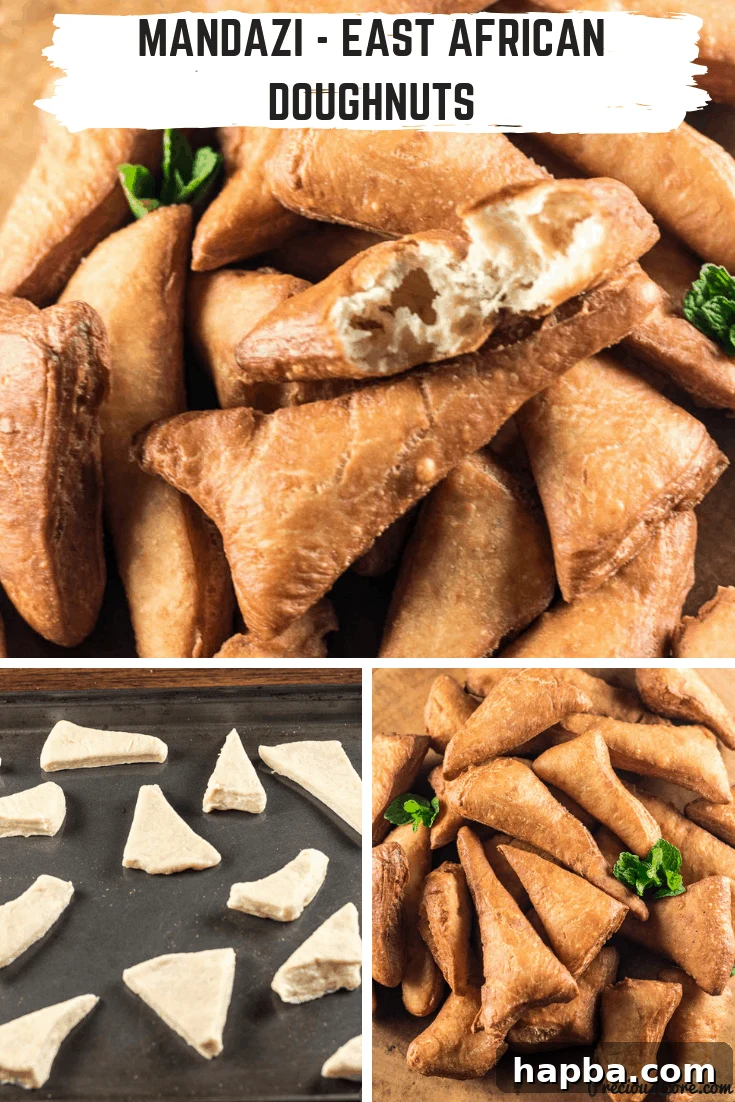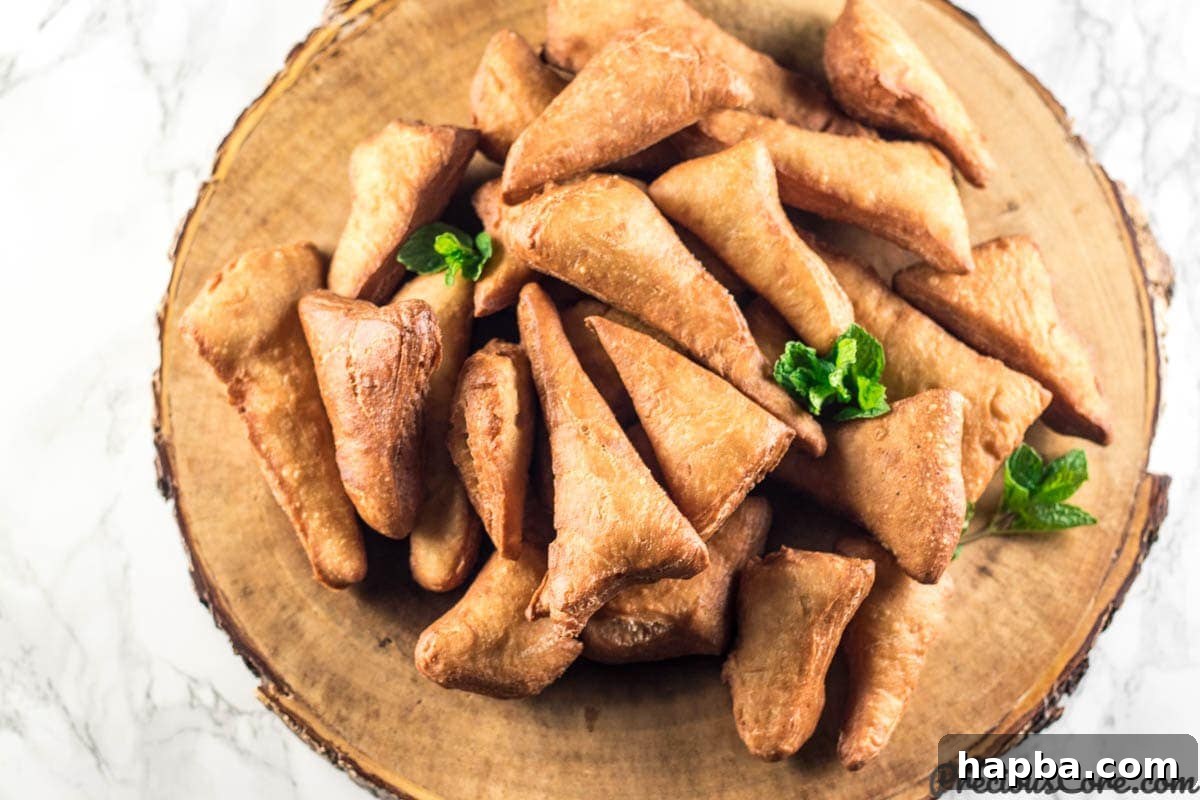
Mandazi: East African Doughnuts – A Culinary Journey of Flavor and Tradition
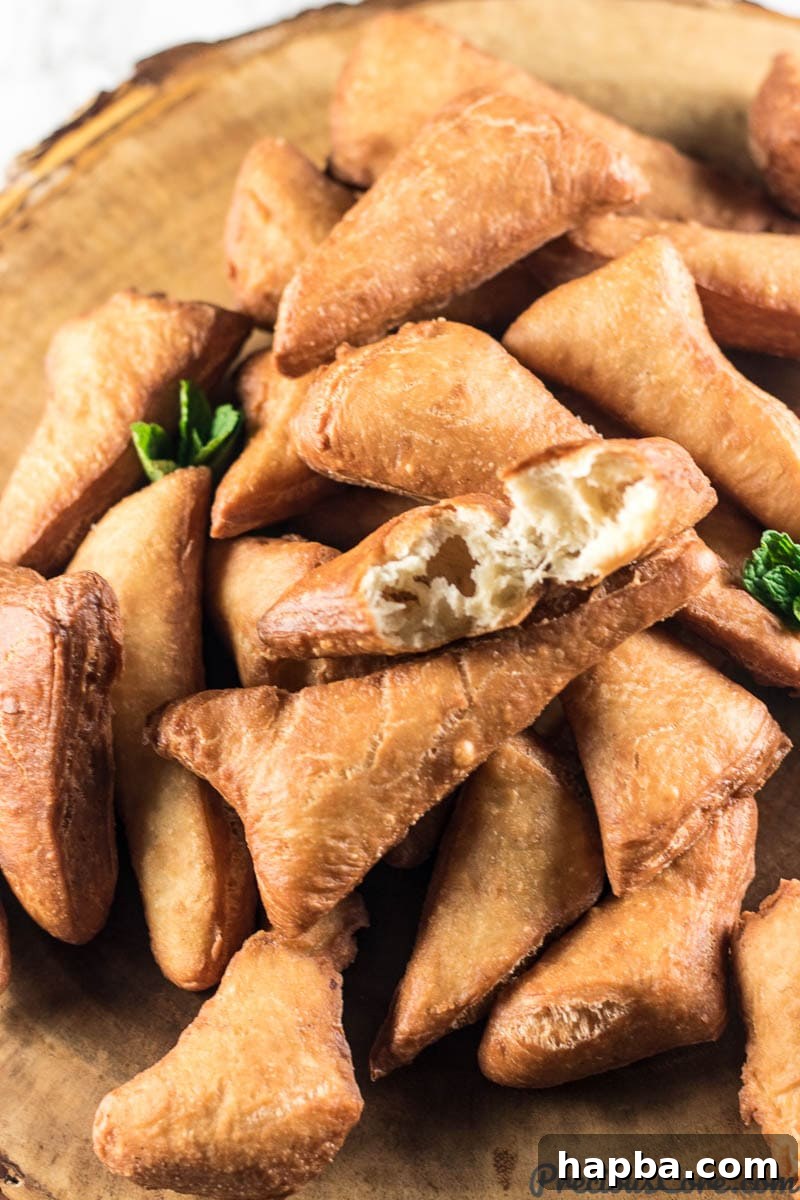
Embark on a delightful culinary adventure to East Africa with Mandazi, the beloved doughnuts that capture the essence of the region’s rich food culture. These exquisite pastries are renowned for their perfectly balanced texture: a slightly crunchy, golden-brown exterior giving way to a soft, airy, and fluffy interior. Sweet but never overly so, Mandazi offer a comforting taste that perfectly complements a hot cup of tea or freshly brewed coffee, making them an ideal treat for any time of day. This is more than just a recipe; it’s an invitation to experience a cherished tradition, a treat you’ll undoubtedly want to master and make again and again.

My culinary explorations into the vibrant and diverse world of African cuisine have been incredibly rewarding. From the aromatic depths of Pilau (Rice Pilaf) to the refreshing crispness of Kachumbari (tomato onion salad), each dish tells a story, a narrative of flavors, ingredients, and community. Today, we delve into the heart of East African comfort food with Mandazi, a staple that embodies both simplicity and profound satisfaction. Get ready to awaken your senses as we uncover the secrets to these irresistible doughnuts.
Cooking is often a journey of discovery, not just of new recipes, but also of practical solutions that make the process more enjoyable and accessible. In today’s fast-paced world, finding time for grocery shopping, especially with a busy family, can be a challenge. Online grocery delivery services have truly transformed the way many of us approach meal preparation, saving precious hours that would otherwise be spent navigating aisles. This convenience allows adventurous home cooks, like myself, to easily source a wider array of ingredients, from everyday staples to unique spices and exotic produce, without the added stress of a lengthy store visit. It means more time in the kitchen, experimenting with exciting new flavors, and bringing authentic dishes from around the globe right to your table.
With such convenience, sourcing a diverse range of ingredients for new and exciting recipes has become incredibly straightforward. And for today’s Mandazi recipe, this ease has brought to my kitchen a new, indispensable culinary companion: cardamom. This remarkable spice, often hailed as the “Queen of Spices,” has a captivating aroma and a versatile flavor profile that elevates both savory and sweet dishes. Its inclusion in Mandazi is not merely an addition; it’s a transformation, imparting an authentic depth and a truly special taste that transports you straight to the bustling markets and warm kitchens of East Africa.
Cardamom truly is a revelation! When you discover a spice capable of breathing life into a variety of dishes, from the savory notes of Pilau to the delightful sweetness of these doughnuts, you know you’ve found a culinary gem. In this Mandazi recipe, cardamom isn’t just an ingredient; it’s the heart of its unique character, infusing it with a distinctive, aromatic flavor that is authentically Kenyan and deeply satisfying. This spice introduces a subtle yet profound warmth, a fragrant whisper that makes each bite memorable.
But the magic doesn’t stop there. Imagine pairing the vibrant essence of cardamom with the comforting warmth of cinnamon. The result? Mandazi that are absolutely extraordinary, an explosion of flavor that will leave you craving more. This harmonious blend creates a sensory experience that is truly out of this world. The aroma alone is intoxicating, a fragrant invitation to indulge. I find myself constantly reaching for another, not just to eat, but to simply inhale the delightful scent – cardamom, oh my, it smells so incredibly good!
Take it from someone who may have overindulged a little (my stomach might be slightly protesting, but my taste buds are singing praises): these East African doughnuts are utterly divine! Their appeal is universal, and my own children wholeheartedly agree. They devoured them with an enthusiasm that only truly delicious food can inspire. While a parent’s instinct might be to limit treats, sometimes it’s wonderful to allow for a little indulgence, especially when the reward is such pure culinary joy.
So, without a doubt, you absolutely must try making this Mandazi recipe. You’ll be rewarded with doughnuts that boast a delightful crunch on the outside, a wonderfully soft and airy texture on the inside, and a sweetness that is perfectly calibrated, making them an ideal companion for your morning coffee or afternoon tea. They are more than just a snack; they are a comforting embrace in every bite.
There’s a special kind of satisfaction that comes from creating and enjoying treats as exceptional as Mandazi. If I’m going to indulge in carbohydrates, it simply must be for something truly special, and these Mandazi are phenomenal. They stand proudly alongside other beloved African fried dough delights, such as my African Twisted Doughnuts, the delectable Puff Puff, or the rich Cameroonian Gateau. Mandazi are incredibly versatile; they are the perfect treat to bring to a potluck, impress your guests, satisfy an impromptu doughnut craving, or even kickstart your morning as a delightful breakfast pastry. And seriously, if there’s an essential oil blend combining cinnamon and cardamom, consider me first in line to buy it!
What is Mandazi? Exploring East Africa’s Favorite Doughnut
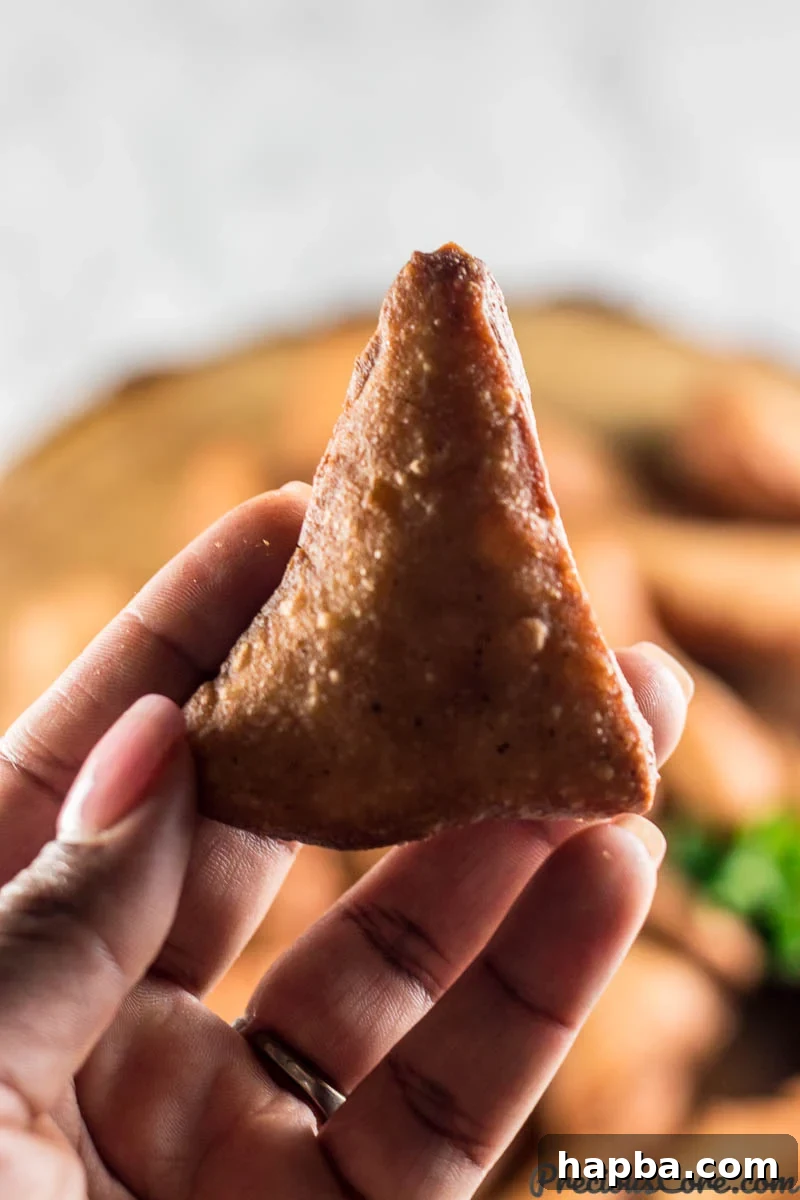
Mandazi is widely recognized as the quintessential East African doughnut, a deep-fried dough snack that holds immense popularity across countries like Tanzania, Kenya, and Uganda. Often referred to as Swahili Coconut Doughnuts, Mandazi are more than just a sweet treat; they are a cultural cornerstone, frequently enjoyed for breakfast, as a snack with tea, or during festive gatherings. While “Mandazi” is the most common name, you might also encounter them under regional variations such as Dabo, Dahir, Mahamri, Mamri, or Maandazi, each name reflecting the rich linguistic tapestry of the region. The unique appeal of Mandazi lies in its characteristic triangular or diamond shape, differentiating it from round, hole-in-the-middle Western doughnuts, and its distinctive blend of spices.
The core ingredients for crafting authentic Mandazi typically include all-purpose flour, granulated sugar, rich coconut milk, and a leavening agent (commonly baking powder or yeast). An egg often contributes to the dough’s tenderness and rich texture. However, what truly sets Mandazi apart is the aromatic touch of ground cardamom, which provides its signature flavor. Some variations also incorporate ground cinnamon to enhance the warm spice profile, while others might add shredded coconut flakes for an extra burst of coconutty goodness, further enriching their tropical essence. The choice of oil for frying, often a neutral vegetable oil, is also crucial for achieving that desired golden, crispy finish.
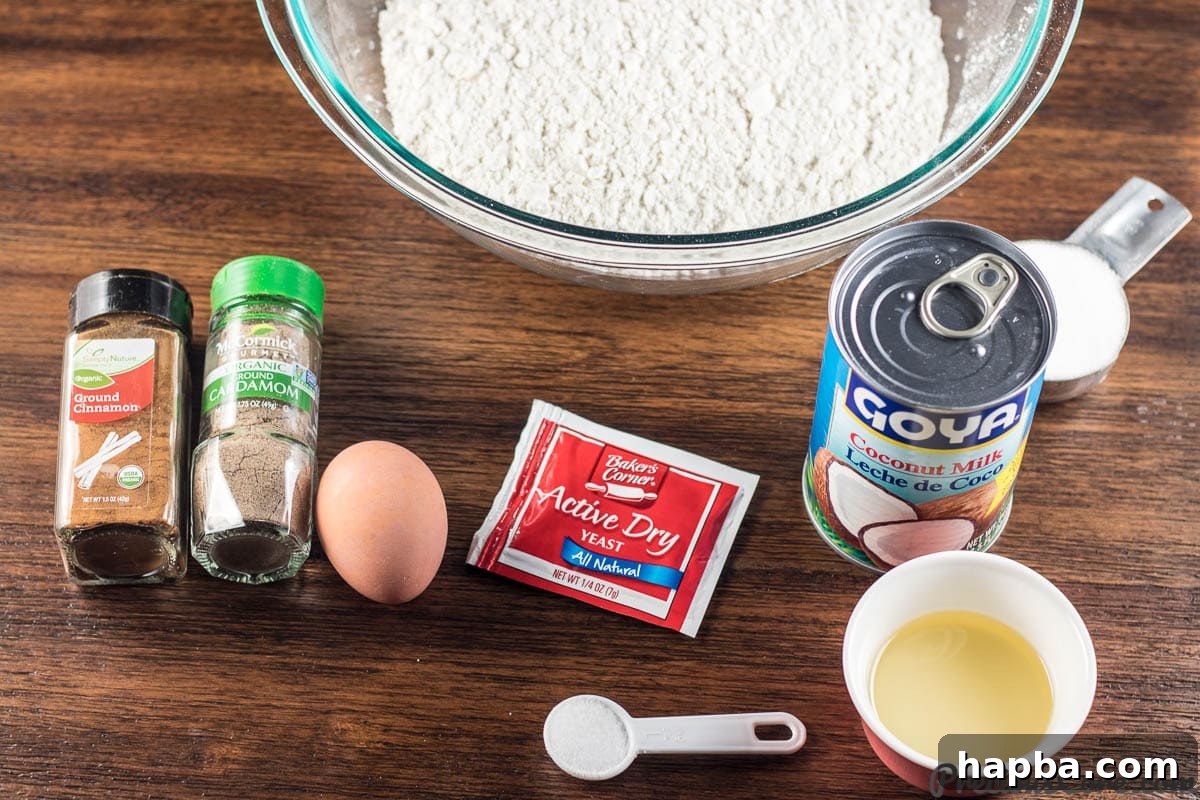
How to Make Mandazi: Your Guide to Perfect East African Doughnuts
Creating Mandazi at home is a rewarding experience that brings the flavors of East Africa right to your kitchen. Follow these steps carefully to achieve doughnuts that are crunchy on the outside and wonderfully fluffy on the inside.
Step 1: Activate the Yeast and Combine Wet Ingredients. In a spacious bowl, begin by combining the active dry yeast with lukewarm water. Allow the yeast to bloom for a few minutes, indicating its activity. Next, incorporate the sugar, egg, and coconut milk into the mixture. Whisk these wet ingredients thoroughly until well combined and smooth, ensuring the sugar begins to dissolve.
Step 2: Form the Dough with Spices. Gradually add the all-purpose flour, ground cardamom, ground cinnamon, and salt to the wet mixture. Using a sturdy spoon or your hands, mix until a cohesive dough starts to form. The dough should be soft and slightly sticky at this stage, indicating proper hydration.
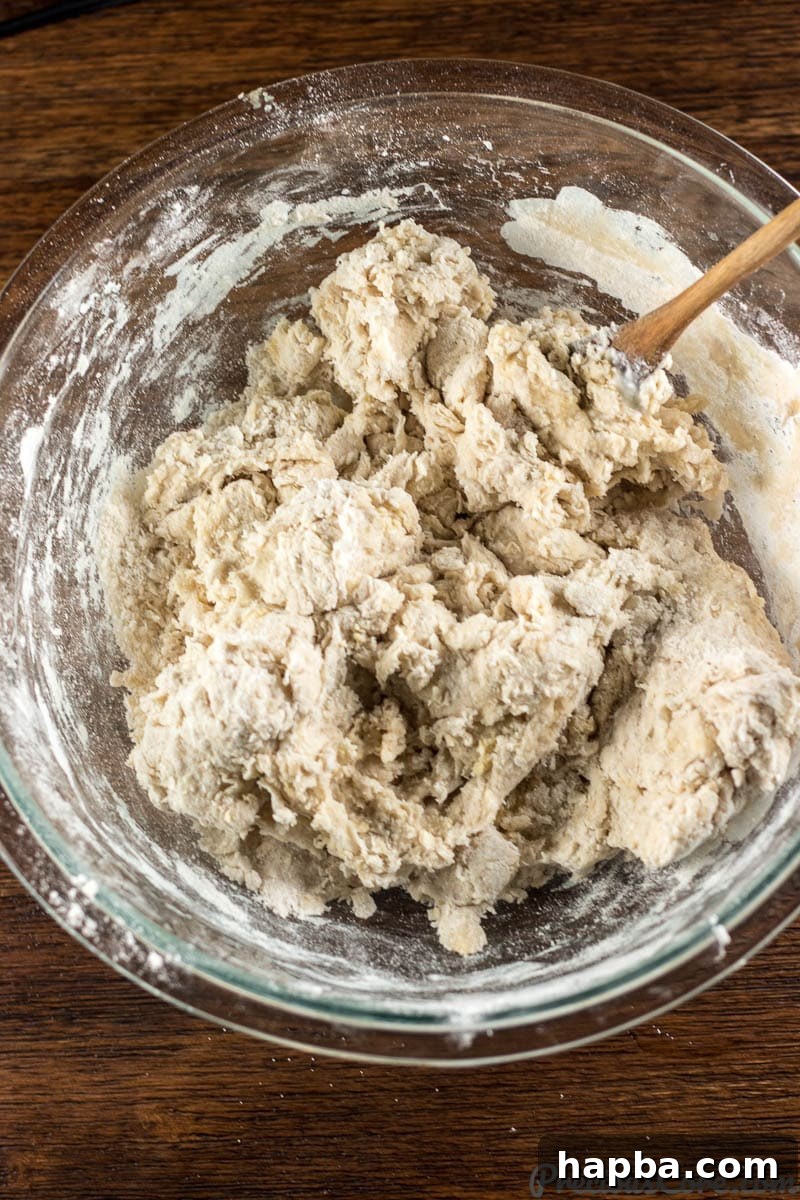
Step 3: Knead the Dough to Perfection. Transfer the dough onto a lightly floured surface. Knead the dough vigorously for approximately 3 to 5 minutes. The goal is to develop the gluten, making the dough smooth and elastic. Be mindful not to add too much flour during kneading; a slightly sticky dough is preferable to a dry, hard one, as excessive flour can result in tough Mandazi. Continue kneading until the dough feels pliable and holds its shape.
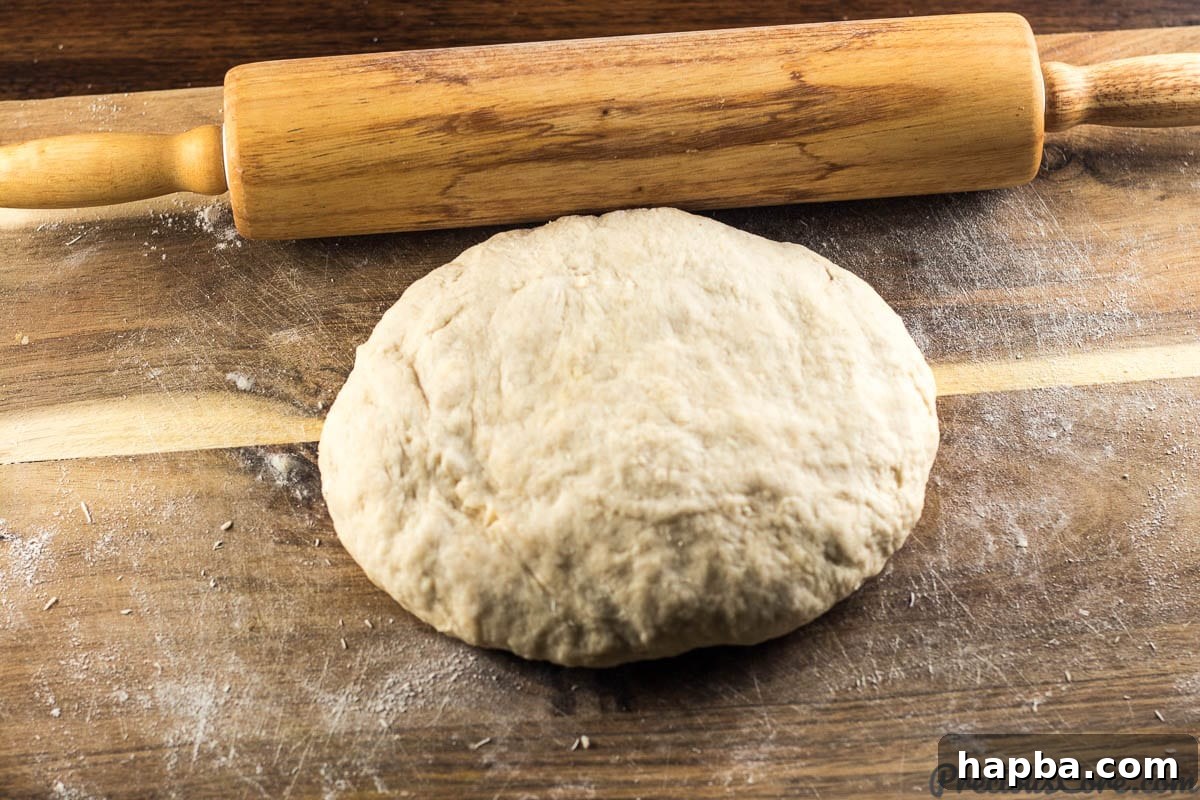
Step 4: Roll and Cut the Dough. Lightly flour your work surface again. Using a rolling pin, roll out the kneaded dough into an even rectangle, approximately 1/4 inch thick. Once rolled, use a knife or a pizza cutter to first cut the dough into squares. Then, cut each square diagonally across, transforming them into traditional Mandazi triangles or diamonds. This distinctive shape not only adds to their charm but also ensures even cooking.
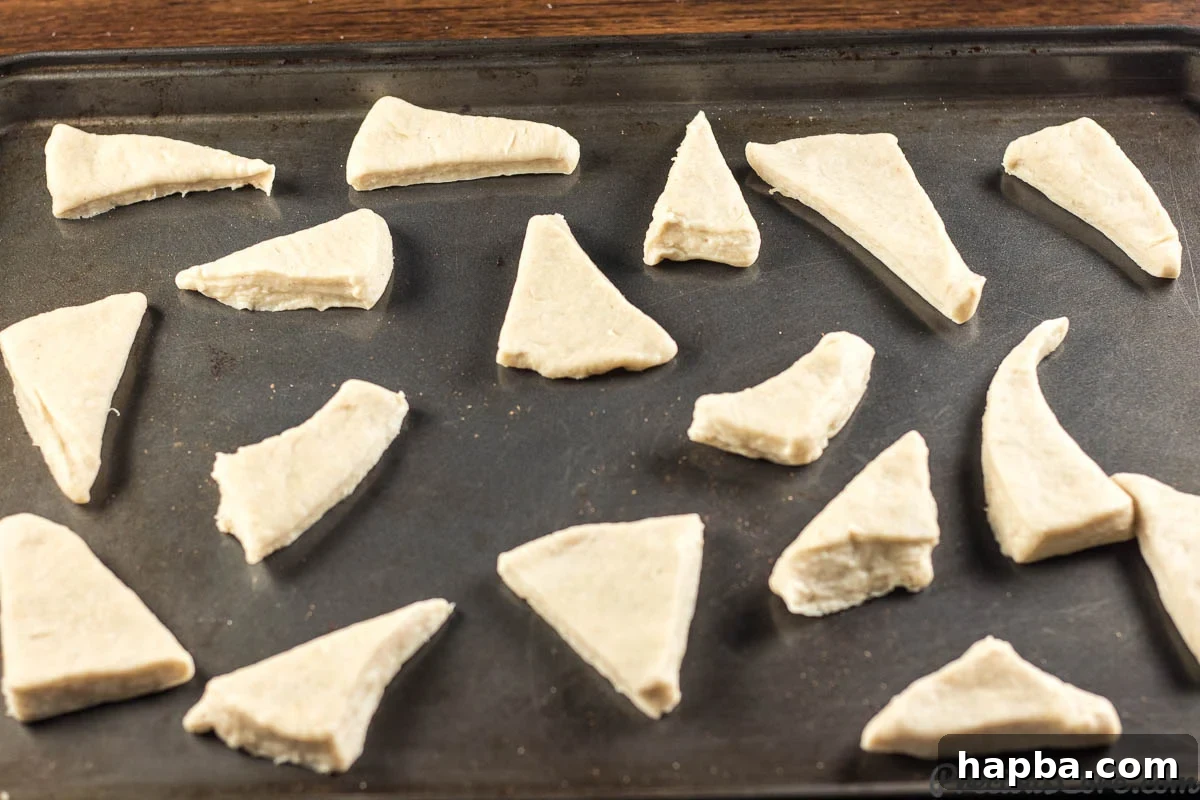
Step 5: Allow to Rest (Short Proof). Arrange the cut Mandazi dough pieces on a floured tray or parchment paper. Let them rest for about 20 minutes. This short proofing period allows the yeast to activate further, contributing to a lighter, airier texture once fried. While traditional doughnuts often undergo a longer proof, Mandazi are designed for quicker preparation, allowing you to enjoy them sooner.
Step 6: Deep Fry to Golden Perfection. In a deep pan or pot, pour enough oil to reach a depth of 3 to 4 inches. Heat the oil to a medium-high temperature, ideally around 350-375°F (175-190°C). Carefully place a few Mandazi pieces into the hot oil, ensuring not to overcrowd the pan. Fry for approximately 1-2 minutes on each side, or until they puff up and turn a beautiful golden brown. Once cooked, remove them with a slotted spoon and transfer to a plate lined with paper towels to drain any excess oil.
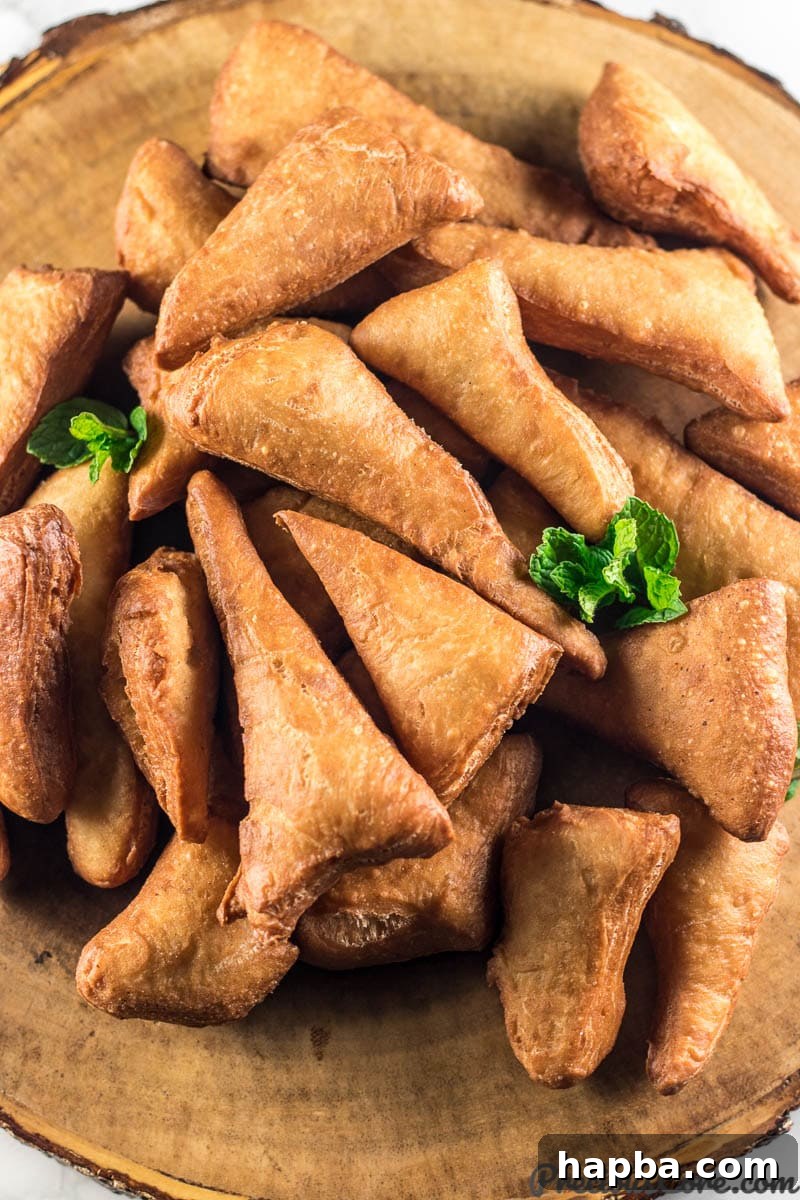
Serve your warm, freshly made Mandazi immediately with your favorite tea or coffee for an authentic East African culinary experience. The irresistible aroma and delightful taste are best enjoyed fresh!
Troubleshooting: What Makes Mandazi Hard and How to Avoid It?
One common concern when making Mandazi is them turning out hard or tough. The primary culprit for this undesirable texture is almost always the addition of too much flour during the kneading process. Mandazi dough is meant to be soft, supple, and slightly stretchy, allowing it to expand beautifully when fried. When you over-flour the dough, it becomes dense and loses its elasticity, resulting in a hard final product. To prevent this, always add flour gradually while kneading, only sprinkling in just enough to prevent excessive stickiness. The dough should still feel a little tacky but manageable. Trust the process, and embrace a slightly sticky dough for Mandazi that are delightfully crunchy on the outside and wonderfully soft on the inside.
Can I Make Mandazi with Self-Raising Flour?
Absolutely, you can! Self-raising flour is a convenient alternative if you have it on hand. If you choose to use self-raising flour to make your Mandazi, you should omit the active dry yeast and any additional baking powder from the recipe. Self-raising flour already contains a leavening agent (typically baking powder and salt), so adding more would lead to an altered texture and potentially an off-flavor. Adjusting your recipe to account for the pre-mixed leavener in self-raising flour will still yield delicious, fluffy Mandazi.
Explore More Delightful Doughnut Recipes
If you’ve fallen in love with the comforting taste of Mandazi, you’ll be thrilled to discover more irresistible doughnut recipes that are perfect for any occasion. From classic sugar-coated varieties to unique African twists and coconut-infused delights, there’s a fried pastry for every craving. Expand your baking repertoire and try these fantastic recipes:
Sugar Coated Donuts
African Doughnuts – Twisted Doughnuts
Coconut Doughnuts Recipe
Cameroon Doughnuts Recipe

Mandazi (East African Doughnuts)
10
30
20
1
50 doughnuts
Ingredients
- 4 cups all-purpose flour
- 1/4 cup granulated sugar
- 1 cup coconut milk
- 2 1/4 teaspoons active dry yeast
- 1 large egg
- 3 tablespoons oil (e.g., corn oil)
- 1/2 teaspoon ground cardamom
- 1/2 teaspoon ground cinnamon
- 1 teaspoon salt
- 1/2 cup lukewarm water
Instructions
- 1. Place lukewarm water in a bowl then add the yeast to it. Add sugar, egg, milk and stir well. Add the flour, cinnamon, cardamom and salt then stir to form a dough.
- 2. Place the dough onto a floured board and knead, sprinkling flour as needed (avoid over sprinkling flour as this will yield a hard dough). Knead until the dough comes together. It’s okay if it is still slightly sticky.
- 3. Flour a board then form dough into a ball and place on it. Roll out into a rectangle that is 1/4 inch thick. Cut the rolled out dough into squares then cut the squares across into triangles.
- 4. Let the cut-out dough rest for 20 minutes.
- 5. Pour oil in a pan up to 3 or 4 inches deep. Heat up oil then fry the doughnuts for about 2 minutes on each side until golden brown.
- 6. Serve warm with tea or coffee.
Notes
Nutrition
Serving: 1 doughnut
- Calories: 60kcal
- Carbohydrates: 9g
- Protein: 1g
- Fat: 2g
- Saturated Fat: 1g
- Polyunsaturated Fat: 0.3g
- Monounsaturated Fat: 1g
- Trans Fat: 0.003g
- Cholesterol: 3mg
- Sodium: 49mg
- Potassium: 27mg
- Fiber: 0.4g
- Sugar: 1g
- Vitamin A: 5IU
- Vitamin C: 0.1mg
- Calcium: 3mg
- Iron: 1mg
Additional Info
Course: Breakfast, Dessert
Cuisine: African, East African
Calories: 60
Tried this recipe?
Mention @preciouscore or tag #PreciousCore!