
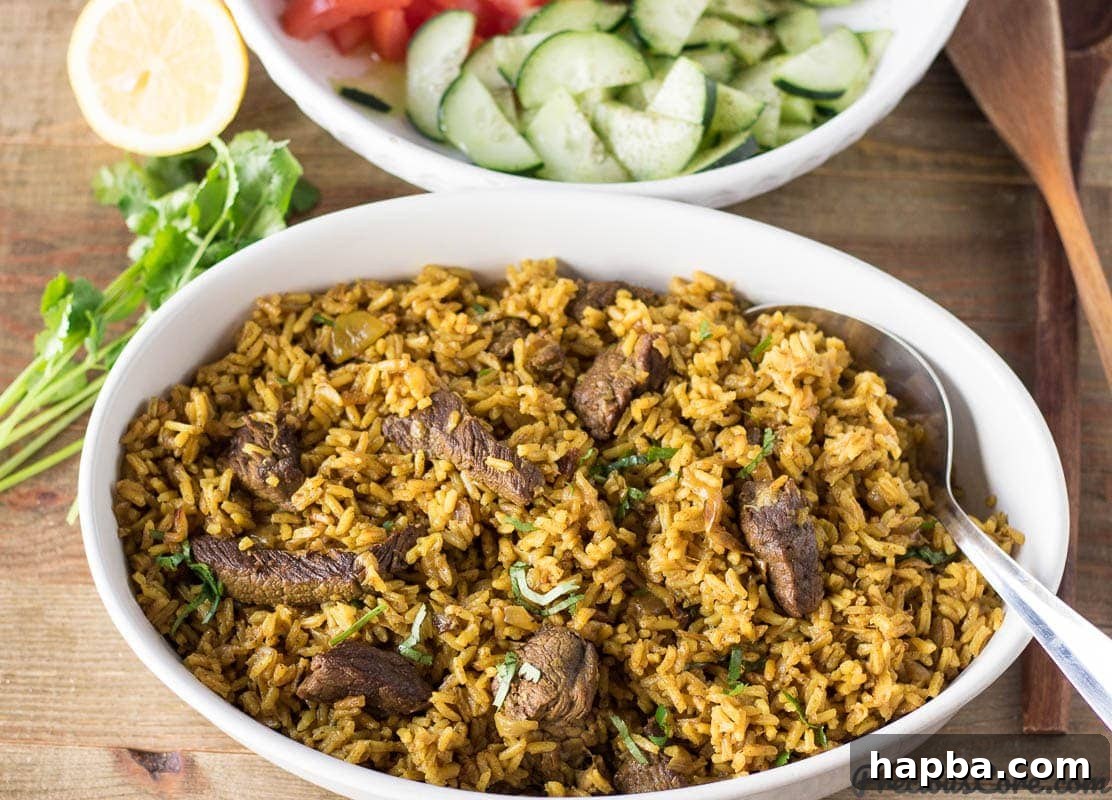
Authentic East African Pilau: A Fragrant One-Pot Spiced Rice Dish
Prepare to tantalize your taste buds with Pilau, a truly iconic and fragrant one-pot rice meal that embodies the heart and soul of East African cuisine. This exquisite dish features long-grain rice meticulously cooked in a rich, aromatic broth, generously infused with a symphony of warming spices. The resulting aroma alone is enough to transport you straight to the vibrant kitchens of Kenya, where Pilau holds a place of honor at every gathering.
More than just a meal, Pilau is a culinary institution across East African countries, most notably Kenya, where it’s a conspicuous presence at parties, celebrations, and cherished family meals. Its profound popularity stems from its deeply satisfying flavor profile, combining savory notes with a complex spice blend that sings on the palate. Often referred to as Pilaf in other culinary traditions, East African Pilau distinguishes itself through its unique spice blend and preparation. Gather your essential spices and a good quality long-grain rice, and let’s dive into crafting this unforgettable East African delight!
What Makes East African Pilau So Special?
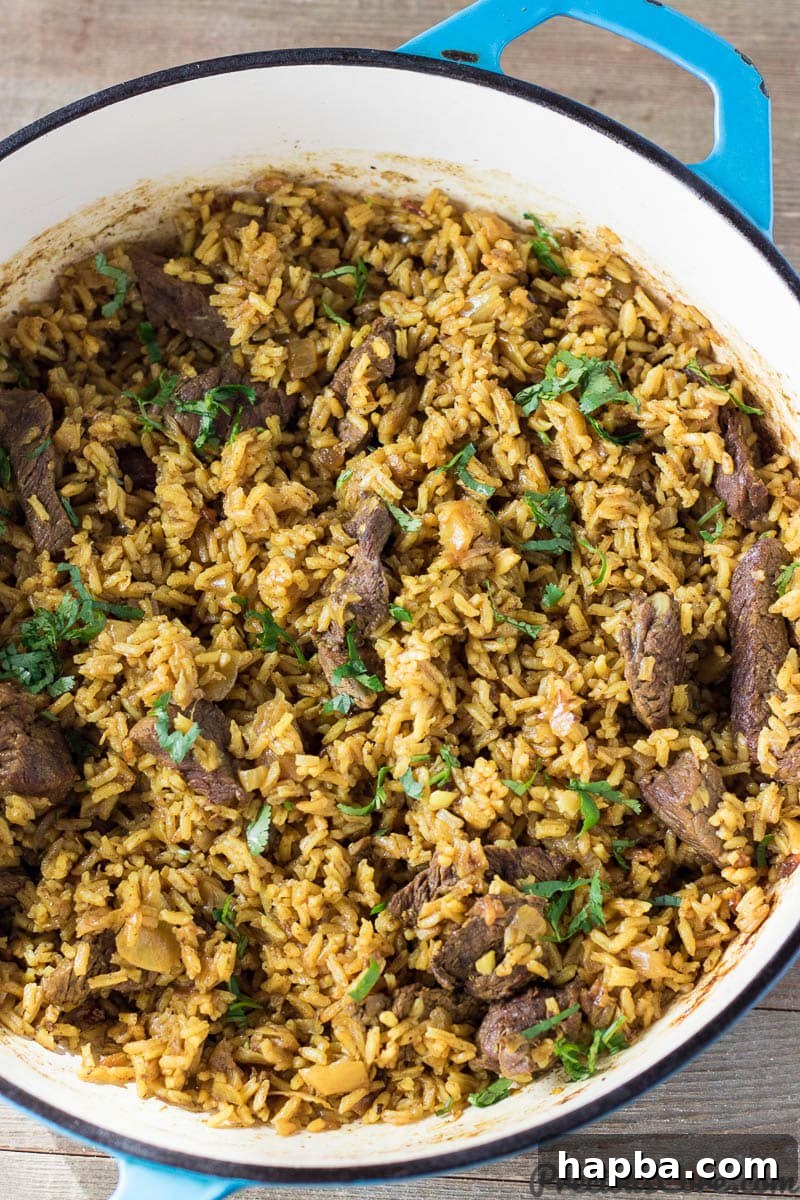
East African Pilau is a masterful demonstration of how simple ingredients can be transformed into something truly extraordinary through the artful use of spices. Unlike plain boiled rice, Pilau’s magic lies in cooking the rice directly within a flavorful broth, allowing each grain to soak up the aromatic essences. This method yields a deeply flavorful, tender, and subtly colored rice that serves as a perfect canvas for the spices and any added proteins.
While often drawing comparisons to other beloved rice dishes like West Africa’s Jollof Rice, Pilau offers a distinctly different culinary experience. Jollof rice is typically characterized by its vibrant red hue and tangy tomato base. Pilau, on the other hand, embraces a more earthy and warm flavor profile, deriving its characteristic brown color and intoxicating fragrance from a unique blend of whole and ground spices such as cardamom, cumin, cinnamon, and turmeric. It’s this intricate spice blend that defines the soul of East African Pilau, setting it apart as a truly unique and cherished dish.
This particular recipe focuses on a classic rendition: Beef Pilau. The beef, browned with caramelized onions and a medley of spices, infuses the entire dish with a rich, savory depth that is incredibly comforting. However, the versatility of Pilau is one of its greatest strengths. If beef isn’t your preference, feel free to substitute with chicken for a lighter, equally delicious alternative. For those who follow a plant-based diet, a vegan Pilau is incredibly easy to achieve; simply omit the meat, and rest assured that the generous quantity of fragrant spices will ensure a meal bursting with flavor and satisfaction.
The Perfect Accompaniment: Kachumbari and Beyond
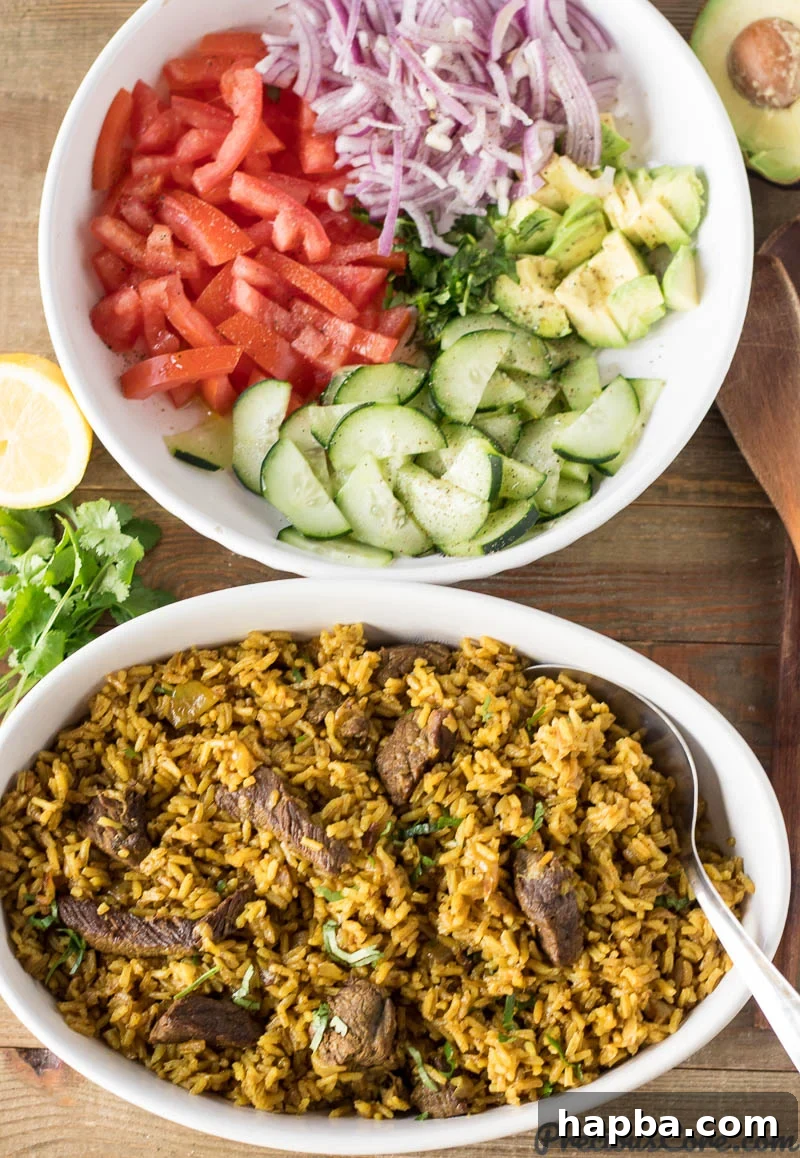
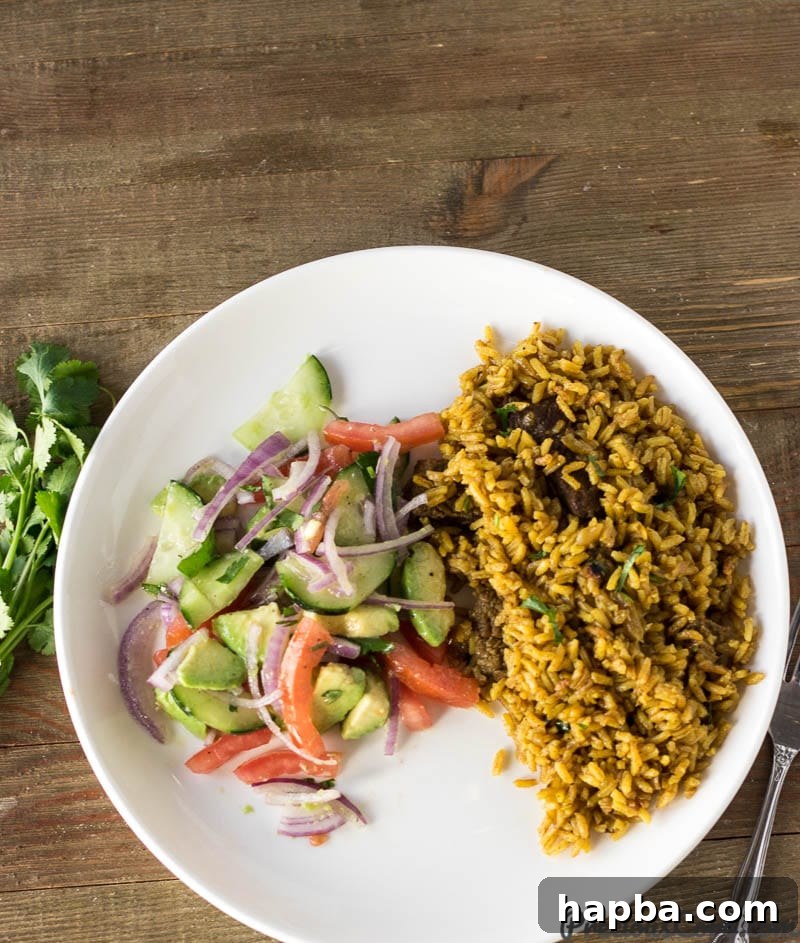
To truly savor an authentic East African Pilau experience, serving it with Kachumbari is non-negotiable. This vibrant Kenyan tomato and onion salad acts as the perfect counterpoint to the rich, warm flavors of the Pilau. Its fresh, zesty, and slightly tangy profile, often enhanced with fresh cilantro and a squeeze of lime, provides a refreshing palate cleanser that beautifully balances the aromatic spices of the rice. The crisp texture of Kachumbari offers a delightful contrast to the soft, fluffy Pilau, elevating the entire meal.
While Kachumbari is the traditional choice, Pilau is also wonderfully versatile when it comes to pairings. You could also serve it alongside a simple green salad dressed with a light vinaigrette, or a cooling yogurt raita. Grilled vegetables, such as bell peppers or zucchini, can add extra nutrients and texture. For those who enjoy an extra layer of flavor and heat, a homemade chili sauce or a sprinkle of fresh chopped bird’s eye chilies can provide an exhilarating kick that complements the robust spices of the Pilau. Whatever your choice, the goal is to create a harmonious meal that highlights the central role of this magnificent spiced rice.
Mastering the Flavor: Essential Spices and Rice Selection for Pilau
The secret to an exceptional Pilau lies in its aromatic spice blend. While family recipes may vary, certain spices are fundamental to achieving the characteristic East African taste. The cornerstone of a rich Pilau flavor profile typically includes:
- Cumin: Provides an essential earthy and warm base, often used both whole and ground for layered flavor.
- Coriander: Adds a delicate, sweet, citrusy, and slightly peppery note that brightens the spice blend.
- Cardamom: A truly defining spice in Pilau, offering a highly aromatic, sweet, and distinctly floral fragrance that is instantly recognizable and deeply cherished.
- Cinnamon: Contributes a comforting warmth and a subtle hint of sweetness, beautifully balancing the savory elements of the dish.
- Turmeric: Imparts a beautiful golden hue to the rice and adds a subtle, earthy undertone.
- Black Pepper: Essential for a gentle, underlying heat and overall depth of flavor.
- Bay Leaf: Infuses the cooking broth with a delicate, herbaceous aroma, enhancing the overall complexity.
Many traditional Pilau recipes also incorporate whole cloves or star anise for an even more complex aroma, or utilize a pre-made “pilau masala” spice mix, which expertly blends these and other regional spices. The critical step is to allow these spices, along with garlic and ginger, to “bloom” by lightly toasting them in hot oil or butter with the onions. This process releases their full aromatic potential, laying a robust flavor foundation for the entire dish.
The choice of rice is equally crucial for achieving the perfect Pilau texture. Long-grain rice varieties, such as Basmati or Jasmine, are highly recommended. These types of rice are prized for their ability to cook up fluffy and distinct, preventing the dish from becoming sticky or clumpy. The ideal outcome is individual, tender grains that have fully absorbed the rich flavors of the broth without becoming mushy.
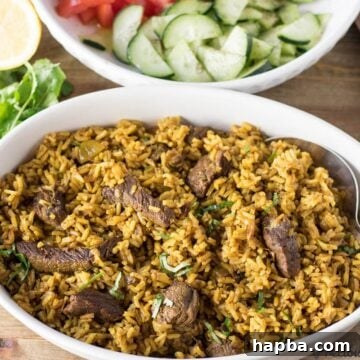
Classic Beef Pilau: An East African Delight
15 mins
30 mins
45 mins
4 servings
Ingredients
- 2 cups long grain rice (approx. 370g)
- 1/2 pound beef – chopped into 1 inch pieces (approx. 1/4 kg, suitable for stewing)
- 2 large onions – chopped
- 3 garlic cloves – peeled and crushed
- Half inch ginger root – peeled and crushed
- 1 teaspoon turmeric powder
- 1/4 teaspoon cinnamon powder
- Half teaspoon coriander powder
- Half teaspoon cardamom powder
- Half teaspoon cumin powder
- 1 teaspoon salt (or to taste)
- 1/4 teaspoon black pepper
- 1 bay leaf
- 4 tbsp butter (or cooking oil for a dairy-free option)
Instructions
-
In a large, heavy-bottomed pot or Dutch oven, melt the butter (or heat cooking oil) over high heat. Add the chopped onions and cook them, stirring frequently, until they achieve a deep golden brown color and caramelize. This crucial step develops a significant portion of Pilau’s characteristic flavor and color, taking approximately 8-10 minutes. Watch closely to prevent burning.
-
Once the onions are beautifully browned, add the crushed garlic and ginger to the pot. Stir continuously for about 1 minute. This allows these fresh aromatics to “bloom” in the hot fat, releasing their intense fragrance and infusing the base of the dish with more complex notes.
-
Next, incorporate all the powdered spices: turmeric, cinnamon, coriander, cardamom, and cumin. Stir for another minute, allowing the dry spices to lightly toast and become fragrant. Then, add the beef pieces to the pot, stirring well to ensure they are thoroughly coated with the spice mixture. Cook the beef, stirring occasionally, until it is evenly browned on all sides and mostly cooked through. The beef will release its own juices, aiding in its cooking. If the liquid evaporates too quickly, you may add about half a cup of water to prevent sticking and ensure even cooking.
-
While the beef continues to cook, thoroughly wash the long-grain rice under cold running water. Continue rinsing until the water runs completely clear, typically requiring 4-5 washes. This process removes excess starch, which is essential for achieving fluffy, separate grains of rice. To the pot with the beef and spices, add 3 cups of water. Then, gently stir in the washed rice, salt, black pepper, and bay leaf. Bring the entire mixture to a vigorous rolling boil over high heat.
-
Once the pot reaches a strong boil, immediately reduce the heat to its absolute lowest setting. Cover the pot tightly with a lid and allow the Pilau to cook undisturbed for approximately 15 minutes, or until all the water has been completely absorbed by the rice. It is crucial to resist the temptation to lift the lid or stir during this phase, as doing so releases steam and can negatively affect the final texture of the rice.
-
After 15 minutes, turn off the heat but keep the pot covered tightly. Allow the Pilau to rest for an additional 5-10 minutes. This resting period is vital, as it allows the steam to redistribute evenly throughout the rice, resulting in even fluffier and perfectly cooked grains. Finally, gently fluff the rice with a fork before serving warm, ideally with a side of fresh Kachumbari.
Recipe Notes & Tips for Perfect Pilau
2. Mastering the Water Ratio: The exact amount of water needed can sometimes vary slightly depending on the specific type and brand of rice you use, as well as environmental factors. This recipe is optimized for 2 cups of regular long-grain rice with 3 cups of water, which reliably yields perfectly fluffy results. If you opt for a different variety of rice, always consult the cooking instructions provided on its packaging as a primary guide. The fundamental technique for achieving perfectly cooked, separate grains is to maintain very low heat after the initial boil, allowing the rice to absorb the liquid slowly and evenly. For more in-depth guidance on consistent rice cooking, explore this helpful resource on cooking fluffy rice every time.
3. The Ideal Rice Choice: For an authentic and aesthetically pleasing Pilau, long-grain rice varieties like Basmati or Jasmine are strongly recommended. Their ability to remain individual and fluffy post-cooking is key, ensuring that the grains are tender and perfectly flavored without becoming sticky or clumpy.
4. Versatile Protein Options & Vegan Adaptation: If you prefer an alternative to beef, chicken pieces can be used, requiring only a slight adjustment to the browning time. For a completely delicious and satisfying vegan Pilau, simply omit the beef from the recipe. The robust blend of spices ensures that the plant-based version loses none of its vibrant flavor. To add more substance and nutritional value to a vegan Pilau, consider stirring in chopped carrots, potatoes, or peas along with the rice.
5. The Art of Browning Onions: Do not rush the process of browning the onions. This step is foundational for developing the deep, rich, and savory base flavor that defines Pilau, and it also contributes significantly to the dish’s characteristic color. Patience here will be greatly rewarded with a more complex and authentic taste. Cook them until they are well caramelized, but careful not to burn them, as burnt onions can impart a bitter taste.
Nutrition Information (per serving)
Carbohydrates: 80g |
Protein: 18g |
Fat: 19g |
Saturated Fat: 10g |
Polyunsaturated Fat: 1g |
Monounsaturated Fat: 6g |
Trans Fat: 1g |
Cholesterol: 69mg |
Sodium: 725mg |
Potassium: 402mg |
Fiber: 2g |
Sugar: 2g |
Vitamin A: 361IU |
Vitamin C: 5mg |
Calcium: 59mg |
Iron: 2mg
Additional Information
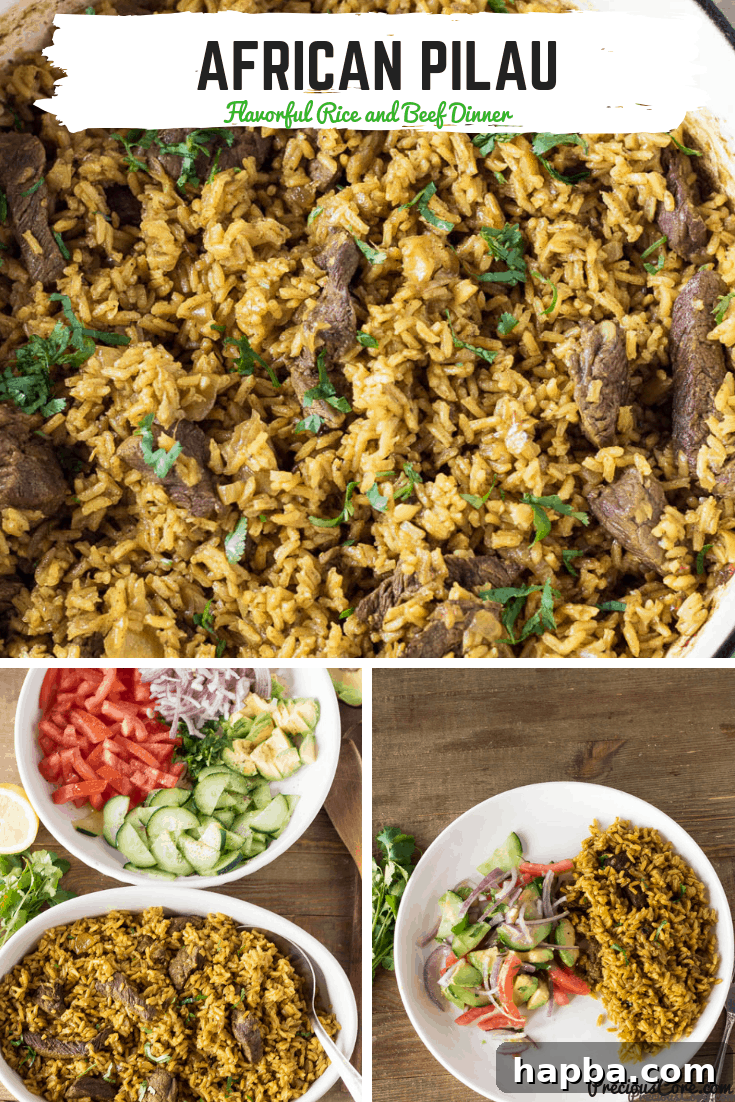
Why East African Pilau Deserves a Spot in Your Kitchen
East African Pilau is far more than just a rice dish; it’s a testament to a rich cultural heritage and a celebration of robust, aromatic flavors. It offers a deeply satisfying and comforting culinary experience that resonates with people from all walks of life. Whether you’re an adventurous home cook eager to explore global cuisines or simply seeking a hearty, flavorful meal for your family, mastering Pilau is a rewarding endeavor that will introduce you to an exciting world of taste.
From the bustling spice markets of Zanzibar to the family dinner tables in Nairobi, Pilau brings people together with its universally appealing taste and comforting presence. It’s an ideal dish for a festive gathering, a special family dinner, or even a soulful weeknight meal when you crave something truly distinctive. The beauty of this recipe lies in its relatively straightforward preparation, yielding profound flavors through a thoughtful layering of ingredients and a patient cooking process. The slow infusion allows the rice to fully absorb the rich essence from the browned beef and fragrant spices, culminating in a dish that truly surpasses the sum of its individual components.
We sincerely hope this comprehensive guide inspires you to confidently prepare this authentic East African Pilau in your own kitchen. It promises not only a delicious and memorable meal but also a delightful glimpse into the vibrant culinary traditions of Kenya and its neighboring countries. Enjoy the creative process of bringing this fragrant masterpiece to life, and savor every exquisite bite of this East African culinary jewel!