
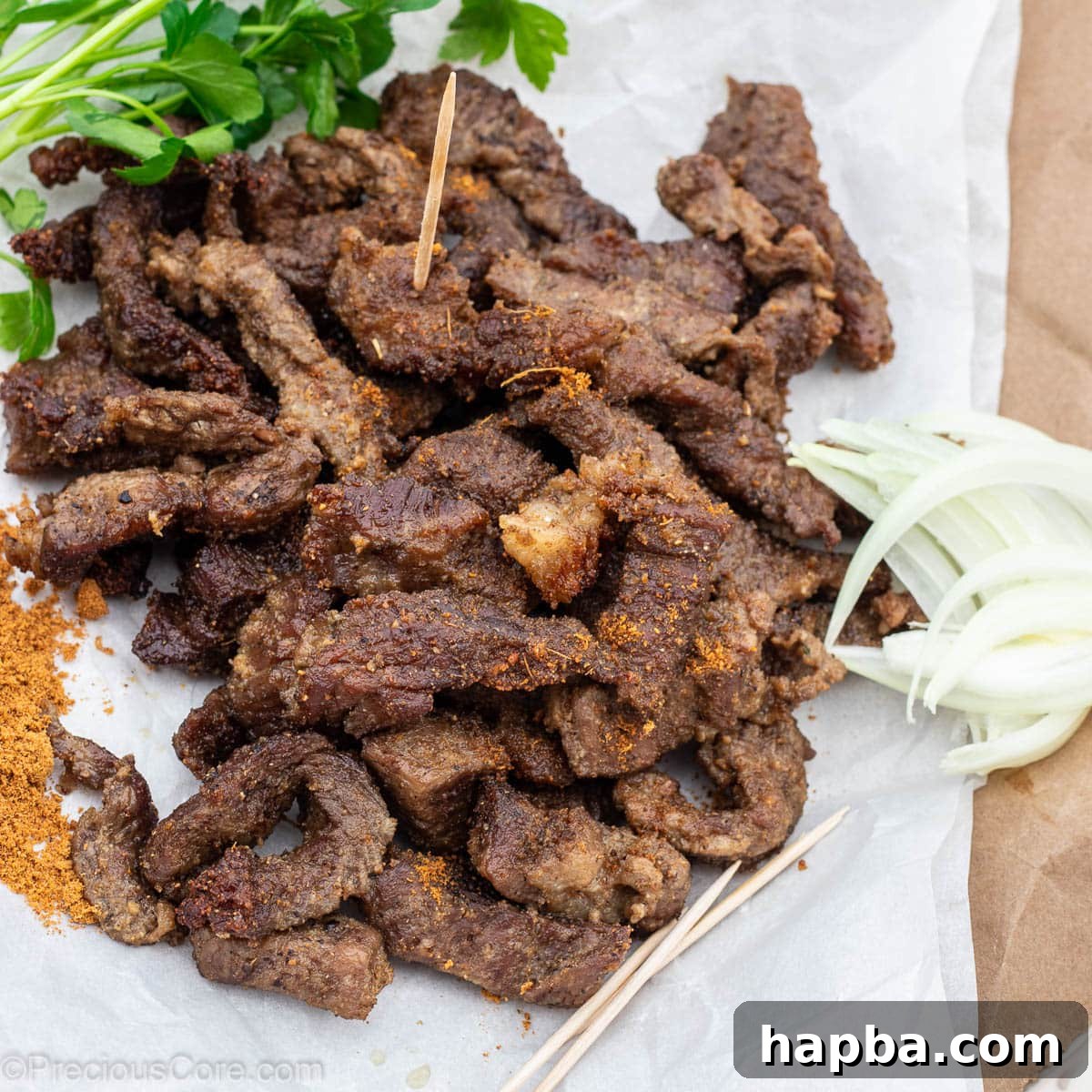
Prepare your taste buds for an unforgettable culinary journey to the vibrant streets of Cameroon with our authentic Cameroonian Soya recipe. This intensely flavorful, smoky, and spicy grilled beef is renowned as the crown jewel of West African street food. Forget complicated skewers – this incredibly easy method allows you to create succulent bite-sized pieces of Soya in under 30 minutes, making it the perfect appetizer, snack, or main course for any occasion. Get ready to experience the rich, aromatic spices and tender texture that define this beloved Cameroonian delicacy!
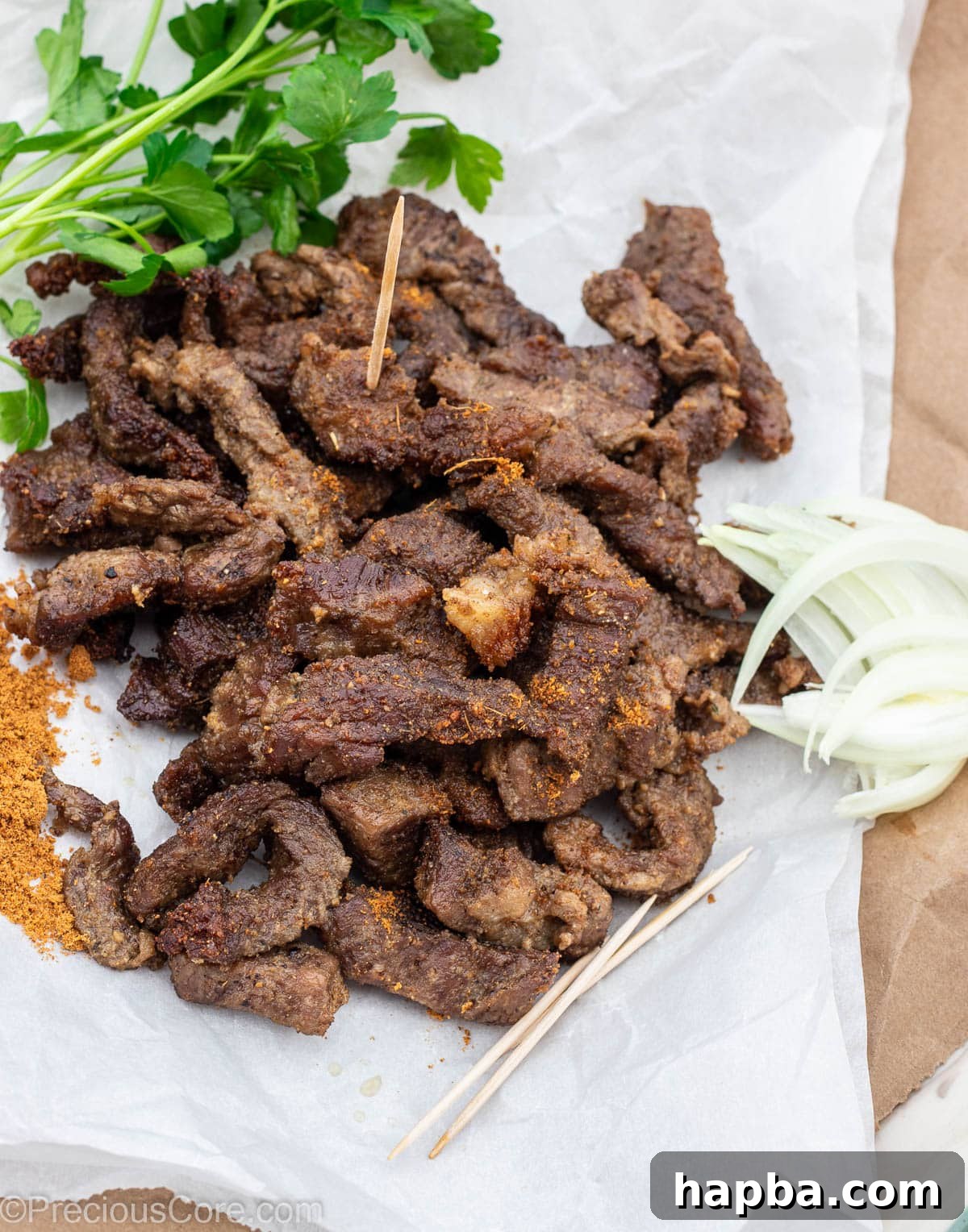
There’s nothing quite like ending a busy week with the satisfying flavors of homemade Soya. It’s a dish that embodies celebration and relaxation, perfect for sharing with friends and family. This particular recipe, a fantastic adaptation I recently learned, simplifies the traditional process by eliminating the need for skewers. This ingenious trick significantly cuts down on prep time, making it accessible for home cooks without compromising on that authentic street food taste. So, grab your favorite beverage, let the irresistible aroma fill your kitchen, and let’s embark on this delicious adventure!
For a visual guide to perfecting this dish, be sure to watch the dedicated Cameroonian Soya recipe video, linked conveniently in the recipe card below.
If you’re eager to explore more vibrant African flavors, don’t miss these complementary recipes: our comprehensive Beef Suya Recipe (With Homemade Suya Spice), a guide to making your own Homemade Suya Spice (essential for that authentic kick!), and our irresistible African Pepper Sauce, which pairs exquisitely with Soya.
Table of Contents
- What Is Cameroonian Soya?
- Why You’ll Love This No-Skewer Soya
- Essential Ingredients for Authentic Cameroonian Soya
- Step-by-Step: Making Cameroonian Soya Without Skewers
- Serving Suggestions for Cameroonian Soya
- Expert Tips for the Best Soya
- Cameroonian Soya: Frequently Asked Questions
- Discover More Cameroonian Recipes
- More Irresistible Beef Recipes to Try
- Full Cameroonian Soya Recipe Card
What Is Cameroonian Soya?
Cameroonian Soya, affectionately known as “Brochettes” in French-speaking Cameroon, is a quintessential grilled meat dish that commands a special place in the hearts of Cameroonians and West Africans alike. Far more than just grilled meat, Soya represents a cultural staple, often enjoyed at bustling street corners, vibrant markets, and festive gatherings. Traditionally, this highly sought-after delicacy features thinly sliced beef, goat, or chicken, meticulously seasoned and then grilled, either threaded onto skewers or cooked as small steak pieces. The distinctive smoky aroma wafting from roadside grills is an undeniable invitation to indulge in this spicy, tender, and utterly addictive street food.
Soya, alongside other popular items like Puff Puff and Beans, forms the backbone of Cameroon’s vibrant street food scene. It’s a dish deeply ingrained in daily life, serving as a quick snack, a hearty appetizer, or even a casual meal. The magic of Soya lies in its unique flavor profile, primarily derived from “Soya Spice” or “Soya Pepper” – locally known as “kankan.” This isn’t just any spice blend; it’s a meticulously crafted mixture, typically featuring roasted peanuts, pungent ginger, fiery hot peppers, garlic, and an array of other aromatic spices. This blend creates an explosion of flavors that is both complex and incredibly satisfying, offering a perfect balance of heat, earthiness, and savory goodness.
While Soya is beloved across Cameroon and beyond, its origins are often traced back to the Hausa tribe, predominantly found in Northern Cameroon and Northern Nigeria. This shared heritage explains why similar grilled meat dishes, known as “Suya,” are equally popular in Nigeria, albeit with slight regional variations in spice blends and preparation techniques. Regardless of its exact lineage, Cameroonian Soya stands out for its bold flavors and the unique communal experience of enjoying it fresh off the grill.
Why You’ll Love This No-Skewer Soya
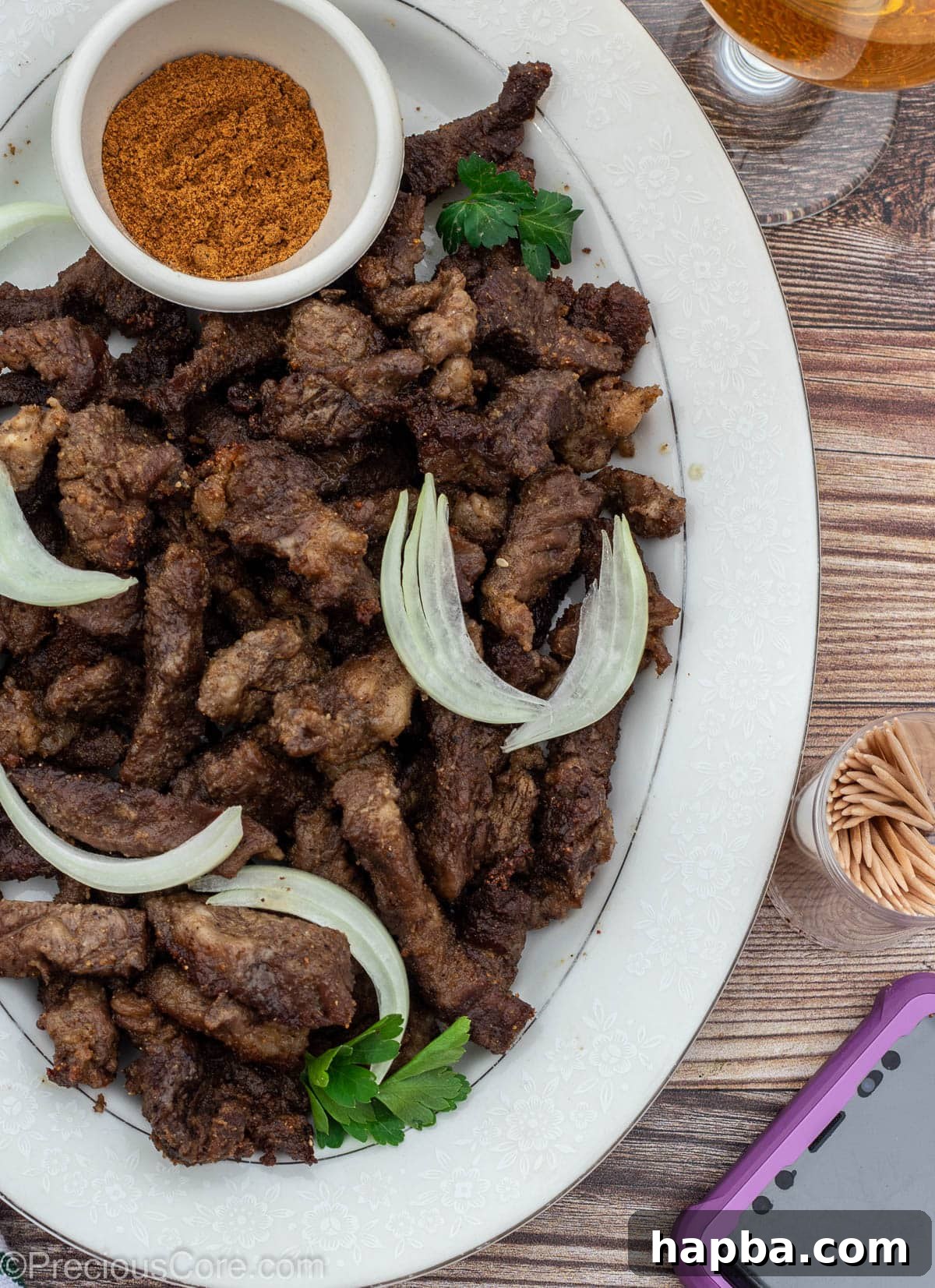
This particular rendition of Cameroonian Soya offers numerous benefits that make it an absolute must-try for both seasoned Soya enthusiasts and newcomers to African cuisine. Firstly, the “no-skewer” approach revolutionizes the traditional preparation, eliminating the often tedious and time-consuming step of threading meat onto skewers. This means you can achieve that authentic Soya flavor and texture with significantly less effort and a quicker turnaround, perfect for weeknight meals or spontaneous cravings.
Secondly, cooking in the oven’s broil function provides a fantastic alternative to an outdoor grill, especially for those living in apartments or facing unfavorable weather. The broiler’s intense top-down heat perfectly mimics the charring and smoky finish of traditional grilling, resulting in beautifully browned and tender meat. This method also allows for consistent cooking and easier monitoring, ensuring your Soya is cooked to perfection every time. The simplicity and efficiency of this recipe make it an approachable gateway to enjoying the rich and complex flavors of Cameroonian cuisine right in your own kitchen.
Essential Ingredients for Authentic Cameroonian Soya
While the core of Cameroonian Soya relies on just beef, soya spice, and a touch of oil, elevating this dish to its full, mouthwatering potential requires a thoughtful selection of additional ingredients. Each component plays a crucial role in building the layered flavors and achieving the tender, juicy texture that makes Soya so irresistible. Here’s a breakdown of the key ingredients for maximum flavor and an authentic experience:
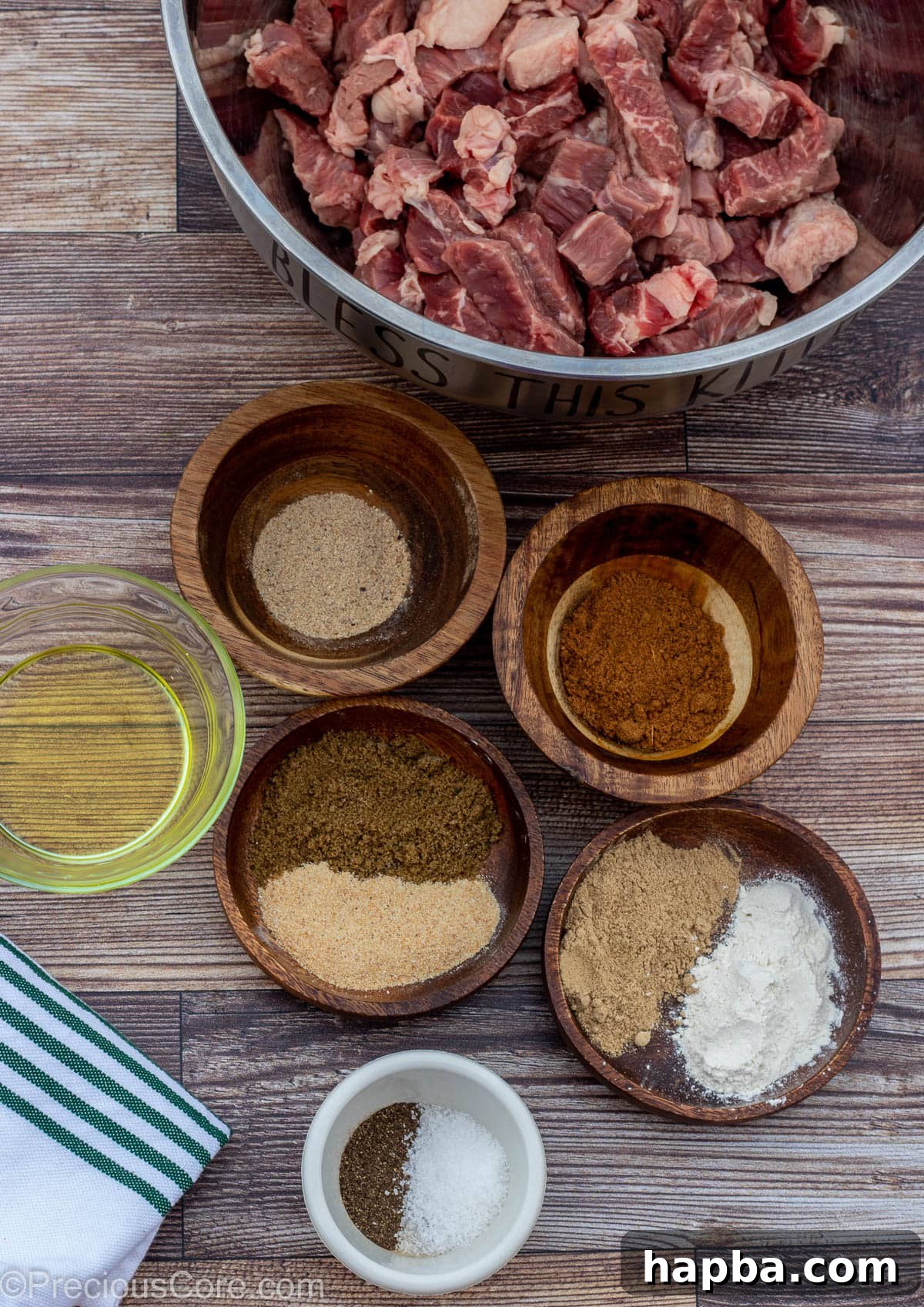
- Beef: The quality and cut of beef are paramount for a tender and flavorful Soya. Opt for a cut with a generous amount of fat marbling, such as Beef Chuck Steak or Beef Chuck Roast. The fat, known locally as “tandong,” renders during cooking, basting the meat from within and contributing immensely to its succulence and rich flavor. Thinly slicing the beef against the grain is also key to achieving tender bites.
- Soya Spice (or Soya Pepper / Kankan): This is the soul of Cameroonian Soya. Soya spice, colloquially referred to as “kankan” in Cameroon and “suya spice” in Nigeria, is a complex and aromatic blend. It typically consists of ground roasted peanuts, ginger, garlic, hot peppers (like cayenne or bird’s eye chili), onion powder, and other proprietary spices. This unique blend provides the smoky, spicy, and nutty flavor profile that defines Soya. You can find pre-made soya spice online, at most African grocery stores, or make your own homemade soya spice for the freshest taste.
- Olive Oil or Any Neutral-Tasting Oil: A good quality oil, such as olive oil, vegetable oil, or canola oil, is essential for several reasons. It helps to bind the spices to the meat, ensures an even distribution of flavors, and adds crucial moisture, preventing the beef from drying out during the high-heat broiling process.
- Dried Spices: Beyond the soya spice, a foundational blend of dried garlic powder, ginger powder, and onion powder acts as a flavor booster. These pantry staples intensify the savory notes and depth of the meat, creating a more robust and aromatic base for the unique soya spice.
- “Contri Onion” Powder (Rondelles): This is a special, authentic ingredient that truly sets Cameroonian Soya apart. Known as “Rondelles” in English, contri onion is a round, pungent spice that, when blended into a pale white powder, imparts a unique, earthy, and distinctly ethnic flavor profile that is hard to replicate. It adds an irreplaceable depth of deliciousness to Soya. While optional, it’s highly recommended for an authentic taste. You can often find contri onion powder at local African specialty stores or through online African food retailers.
- Bouillon Powder: Adding chicken or beef bouillon powder is a chef’s secret for taking the flavor of Soya to the next level. It introduces an umami richness and an extra layer of savory depth, enhancing the overall meatiness and complexity of the dish without overpowering the other spices.
- Salt and Ground Black Pepper or White Pepper: These fundamental seasonings are crucial for balancing all the other vibrant flavors. I often prefer white pepper for its slightly milder heat and less visible specks, which allow the colors of the other spices to shine.
Important note for those with allergies: Traditional Soya spice contains peanuts. If you have a peanut allergy, it is crucial to use a peanut-free homemade blend or source a specific allergy-friendly soya spice that omits peanuts, or you could simply leave it out and still enjoy a delicious grilled meat with other spices.
Refer to the detailed recipe card below for precise ingredient quantities and measurements!
Step-by-Step: Making Cameroonian Soya Without Skewers
Achieving perfectly tender, flavorful Cameroonian Soya at home, even without skewers, is simpler than you might imagine. Follow these detailed steps to create a dish that rivals any street food vendor:
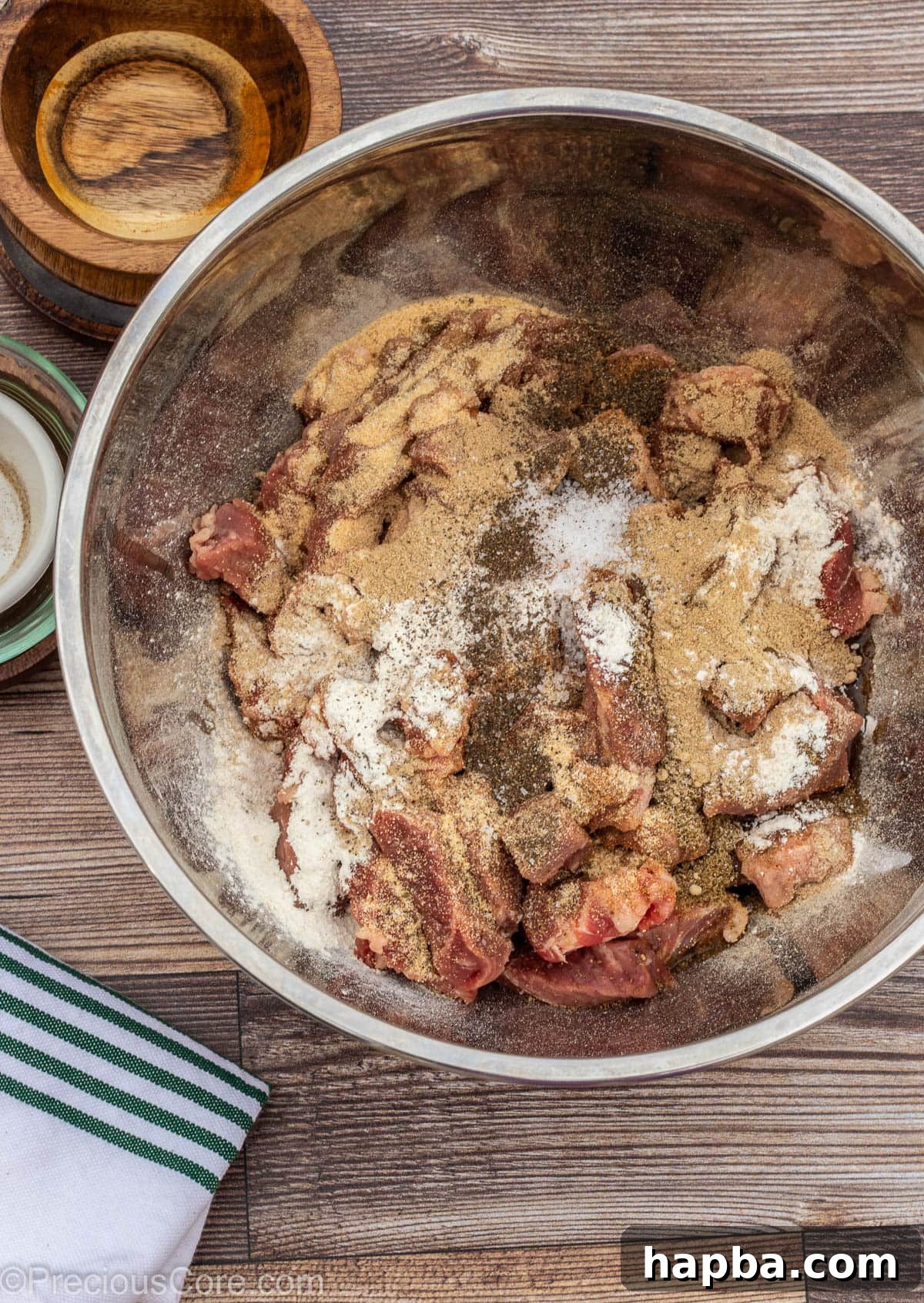
1. Prepare the Beef: Begin by thinly slicing your chosen beef cut (like chuck steak or roast) into bite-sized pieces. Aim for uniform thickness to ensure even cooking. Transfer the sliced beef to a large mixing bowl. Now, add the olive oil (or your chosen neutral oil) and all the dried spices: soya spice, garlic powder, ginger powder, onion powder, beef bouillon powder, “contri onion” powder, salt, and black pepper. The oil helps to moisten the meat and ensures the spices adhere beautifully.
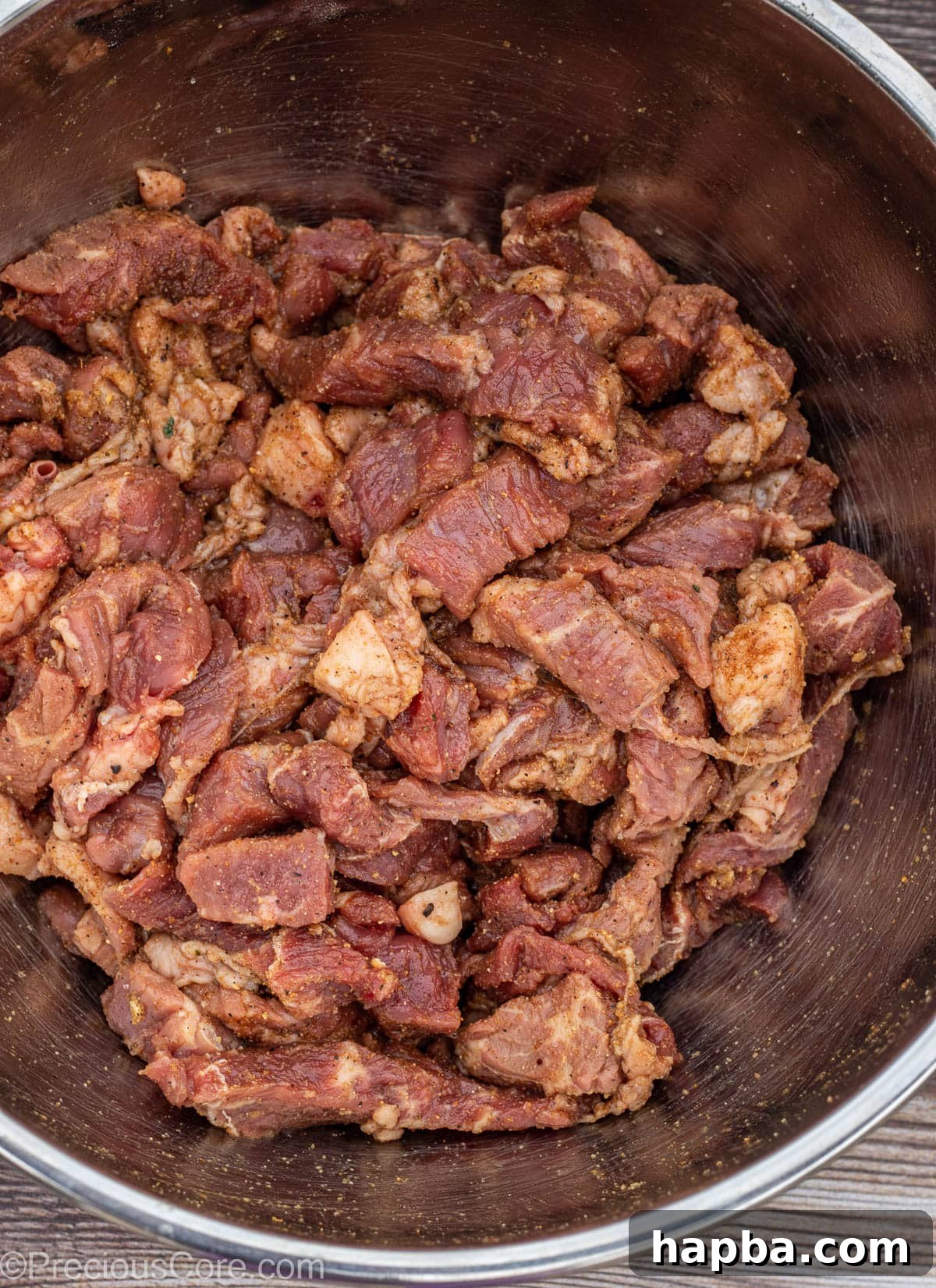
2. Season Thoroughly: Using your hands (gloves recommended to avoid chili residue and ensure hygienic mixing), toss the beef and spices vigorously. Ensure every single piece of beef is thoroughly and evenly coated with the spice mixture. This crucial step guarantees that each bite of Soya will be bursting with flavor. Allow the meat to marinate for at least 15-30 minutes if time permits, or even longer in the refrigerator for deeper flavor penetration, though it’s still delicious cooked immediately.
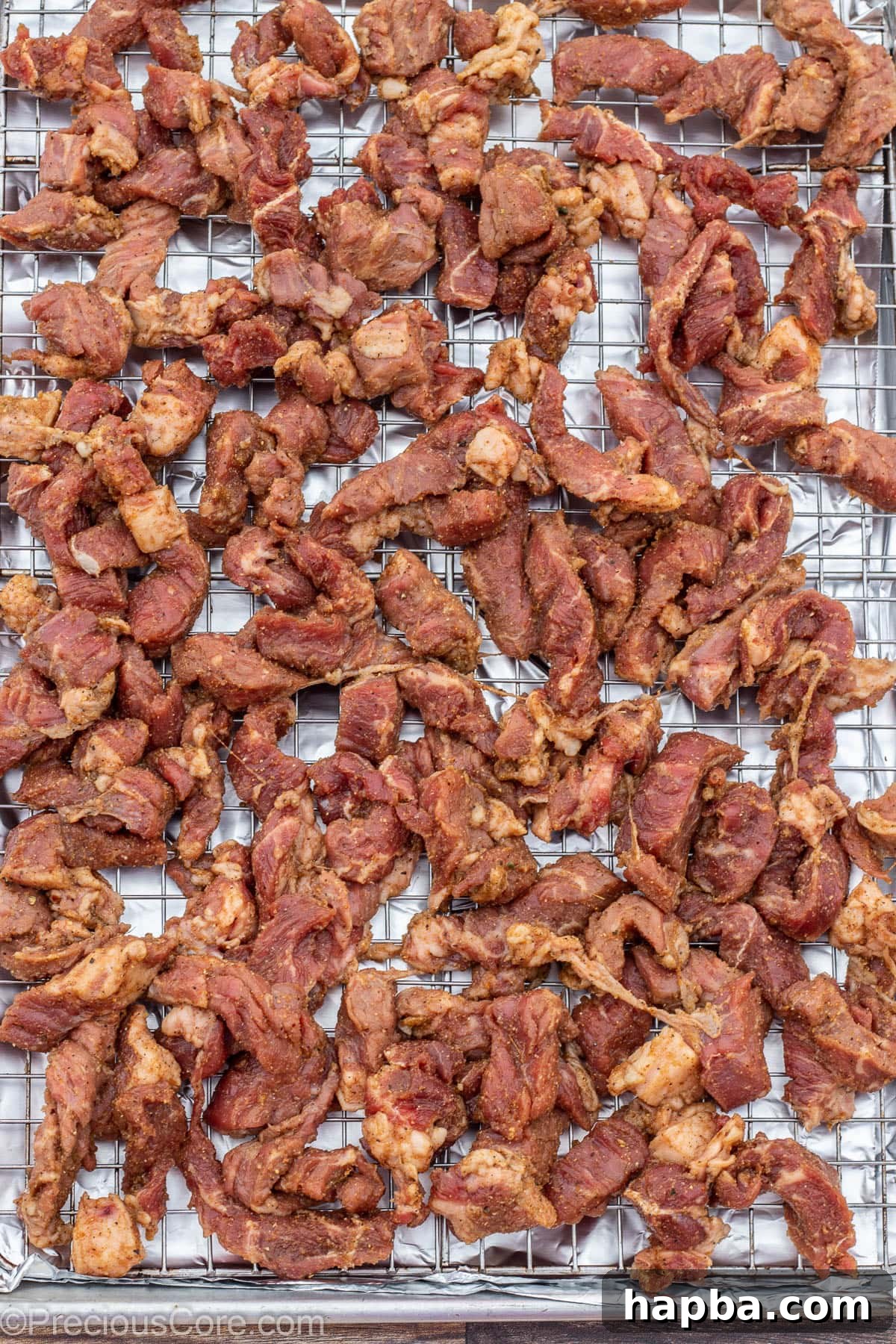
3. Prepare for Broiling: Line a large baking sheet with aluminum foil for easier cleanup. Place a wire baking rack on top of the foiled baking sheet. This setup is essential as it allows air to circulate around the meat, promoting even cooking and helping to achieve that desirable grilled char, while also allowing excess fat to drip away. Evenly distribute the seasoned beef pieces across the rack in a single layer, making sure not to overcrowd the pan. Give each piece a little space for proper broiling.
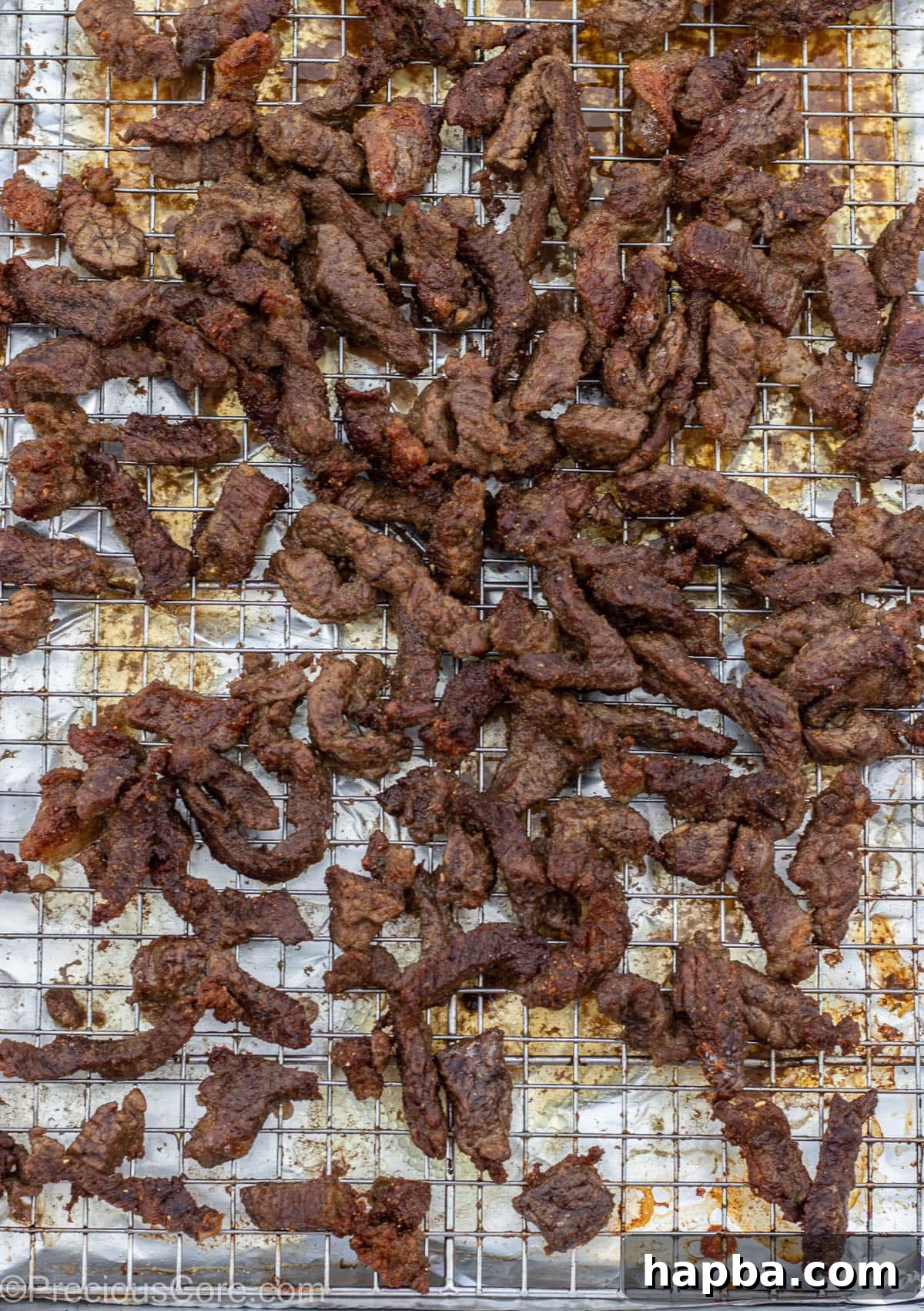
4. Broil to Perfection: Preheat your oven to the BROIL function on a LOW setting. Place the baking sheet with the beef into the preheated oven. Let the Soya cook under the broiler for approximately 15 minutes. The low broil setting ensures the meat cooks through without burning too quickly. After 15 minutes, carefully remove the sheet pan from the oven. Using tongs, flip each piece of beef to the other side (do your best to flip as many as possible). Return the pan to the oven and allow it to broil for another 5 minutes, or until the meat is beautifully charred and cooked to your desired doneness. Keep a very close eye on it during this final stage, as broilers can vary in intensity and meat can burn quickly.
For alternative methods and variations, don’t forget to explore our recipes for Cameroonian Soya made with fresh spices and a traditional Cameroonian Soya grilled on an outside grill.
Serving Suggestions for Cameroonian Soya
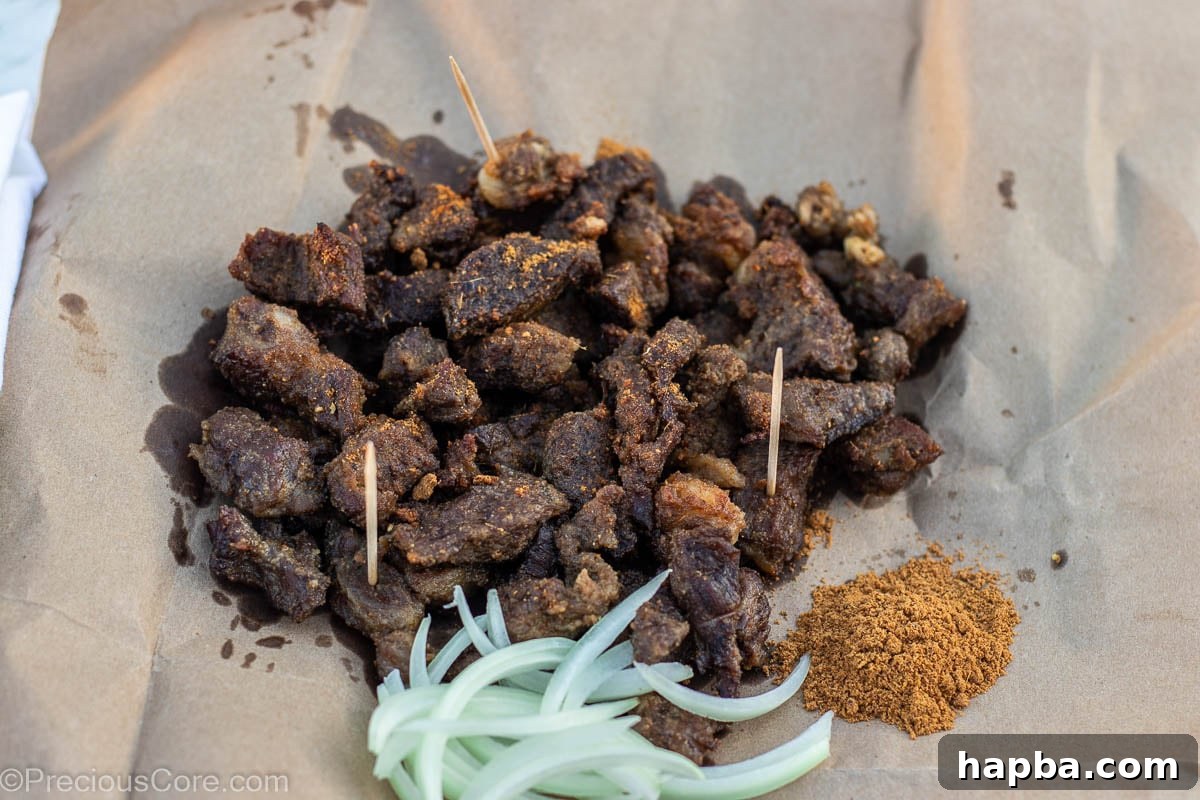
The experience of enjoying Cameroonian Soya is elevated by its traditional accompaniments. The most common and beloved pairing involves serving the freshly grilled Soya with a generous side of thinly sliced raw onions and an extra sprinkle of homemade suya spice for an added burst of flavor and texture. For those who crave an extra kick, a dollop of vibrant Cameroonian pepper sauce (hot sauce) is absolutely essential. The coolness and crispness of the fresh onions provide a refreshing counterpoint to the rich, spicy grilled meat, cleansing the palate with every bite.
When combined with the fiery pepper sauce, the flavors harmonize in an exquisite dance that makes it incredibly challenging to stop eating! This dish is not just a snack; it’s a versatile culinary delight. It serves as a fantastic appetizer for parties, a show-stopping Christmas Menu Idea, or even a flavorful main course when served alongside rice, plantains, or a simple salad. The tender, spiced beef, combined with the zing of fresh onions and the heat of chili, creates a truly unforgettable dining experience that embodies the spirit of Cameroonian hospitality.
Expert Tips for the Best Soya
To ensure your homemade Cameroonian Soya turns out perfectly every time, keep these expert tips in mind:
- Master the Broiler Setting: Always ensure your oven is set to the BROIL function on a LOW setting. The broiler utilizes the top heating element to deliver intense, direct heat, effectively mimicking the high temperatures of an outdoor grill. A low setting is crucial to prevent the meat from burning on the outside before it’s cooked through on the inside, allowing for a delicious char without overcooking.
- Constant Vigilance is Key: When using the broiler, never walk away from your oven. Meat can go from perfectly charred to burnt in a matter of seconds due to the intense heat. Keep a close eye on your Soya throughout the cooking process, checking frequently and flipping as needed to ensure even browning and prevent any scorching.
- Fat is Flavor: The secret to truly delicious Soya lies in the meat’s fat content. Select a cut of beef that has a good amount of marbling. This fat renders down during cooking, infusing the meat with incredible juiciness, tenderness, and a depth of flavor that leaner cuts simply cannot achieve. Don’t be afraid of a little “tandong”!
Fun fact: The desirable fat marbling in beef is locally known as “tandong” in Cameroon, a term that speaks to its importance in achieving the perfect Soya.
Cameroonian Soya: Frequently Asked Questions
African Soya, often referred to as Suya in Nigeria and sometimes as Brochettes in other West African nations, is a popular street food consisting of grilled meat. It’s renowned for its smoky flavor, spicy seasoning, and tender texture. Typically, the meat (most commonly beef, but also goat or chicken) is thinly sliced or cubed, generously coated in a unique spice blend (Soya spice or kankan), and then grilled over an open flame or under a broiler until perfectly cooked. It’s a culinary highlight across the region, celebrated for its irresistible taste and aromatic appeal.
Absolutely! While beef is the most traditional choice for Cameroonian Soya, this versatile recipe works wonderfully with other proteins. You can certainly use chicken (breast or thighs work well), pork, lamb, or even goat meat. The key is to slice the meat thinly and ensure it has some fat content to keep it juicy. Adjust the cooking time slightly based on the type and thickness of the meat you choose. The robust Soya spice blend beautifully complements a variety of meats.
Don’t let the lack of pre-made Soya spice deter you! You have a few options. Firstly, you can easily make homemade soya spice using readily available ingredients like roasted peanuts, ginger, garlic, and various chili powders. This ensures freshness and allows you to adjust the spice level to your preference. Alternatively, you can still create a delicious grilled meat by using a generous blend of garlic powder, ginger powder, onion powder, paprika, cayenne pepper, and a pinch of ground cumin and coriander. While it won’t be the exact traditional Soya flavor, it will still yield a fantastic and spicy grilled dish.
Yes, you can certainly prepare parts of the Cameroonian Soya in advance. The meat can be seasoned with the Soya spice and other ingredients and left to marinate in the refrigerator for up to 24 hours. This actually helps to deepen the flavors and tenderize the meat further. However, for the best results, it’s recommended to grill the Soya just before serving to ensure optimal freshness, tenderness, and that desirable smoky char.
Any leftover Cameroonian Soya should be stored in an airtight container in the refrigerator for up to 3-4 days. To reheat, you can warm it gently in the microwave, or for a crisper texture, briefly place it back under the broiler or in a hot pan until heated through. Be careful not to overcook it when reheating to maintain its tenderness.
P.S. For another fantastic recipe where Soya spice shines, check out my Epic Grilled Chicken Wings, also made with this incredible spice blend!
Discover More Cameroonian Recipes
It brings me immense joy to share the authentic flavors and cherished recipes I grew up with. Witnessing someone recreate a dish from my culture, inspired by my posts, is truly heartwarming! Thank you for joining me on this culinary journey. Here are more incredible Cameroonian recipes that are sure to delight your palate and bring a taste of Cameroon to your home:
- Cameroonian Jollof Rice (my mama’s authentic recipe)
- Sweet Fried Plantains (a beloved breakfast staple or side dish)
- Groundnut Soup (a rich and hearty peanut stew, full of flavor)
- Poulet DG (an insanely delicious chicken and plantain dish, a true classic)
More Irresistible Beef Recipes to Try
If you’re a fan of beef and looking for more mouthwatering ways to incorporate it into your meals, explore these fantastic recipes from my collection. From quick stir-fries to hearty stews, there’s something here for every beef lover:
- Beef And Vegetable Stir Fry
- Beef Fried Rice
- Nigerian Beef Stew
- Pan Seared Ribeye Steaks
If you make this Cameroonian soya recipe, please leave a star rating and comment below. Your feedback means the world to me, and I love hearing from you!
Cameroonian Soya
5 from 2 votes
10 minutes
20 minutes
30 minutes
6
servings
Print Recipe
Ingredients
- 3 pounds beef chuck steak with a lot of marbling
- 2 tablespoons olive oil or any neutral tasting oil
- 2 teaspoons soya pepper or soya spice
- 2 teaspoons garlic powder
- 2 teaspoons onion powder
- 2 teaspoons ginger powder
- 2 teaspoons beef bouillon powder
- 1 teaspoon “contri onions” powder rondelles* note 1
- 1 teaspoon salt
- ½ teaspoon black pepper
- More soya spice for garnish
- Thinly sliced onions for garnish
Instructions
-
Preheat oven to Low Broil. Remember, the broil function uses the top heating element of the oven to grill your food, so keep an eye on it!
-
Line a large sheet pan with aluminum foil for easy cleanup, then place a wire baking rack directly on top of the foil. This setup allows for even cooking and dripping.
-
Cut the beef into thin, bite-sized slices. Aim for consistency in thickness for even cooking.
-
Place the sliced beef in a large mixing bowl. Add the olive oil, soya spice, ginger powder, garlic powder, onion powder, bouillon powder, salt, and black pepper. Toss vigorously to ensure all the spices evenly coat every piece of beef.
-
Arrange the seasoned beef in a single layer on the prepared baking rack, ensuring there’s a little space between each piece for optimal broiling. Avoid overcrowding the pan.
-
Place the baking sheet into the preheated oven and let it broil on low for 15 minutes. After 15 minutes, carefully remove the pan from the oven and turn the beef slices to the other side. Return it to the oven and continue to broil for another 5 minutes, or until the meat is beautifully charred and cooked through.
-
Once cooked, remove the pieces of meat and arrange them on a serving platter. Garnish generously with thinly sliced onions and an extra sprinkle of soya spice on the side. Serve warm and enjoy immediately!
Video
Notes
2. Air Fryer Method: This no-skewer Soya recipe is also fantastic when prepared in an air fryer! Simply arrange the seasoned beef in a single layer in your air fryer basket and cook at a high temperature (around 375-400°F or 190-200°C), flipping halfway through, until crispy and cooked to your liking. Adjust cooking times based on your specific air fryer model.
3. Choosing Your Beef: The secret to truly tender and flavorful Soya is using a cut of beef with good fat marbling. This fat, locally called “tandong” in Cameroon, renders during cooking, ensuring juicy and succulent results. Beef chuck steak or chuck roast are excellent choices for their balance of flavor and tenderness.
Nutrition
Carbohydrates: 2g |
Protein: 44g |
Fat: 31g |
Saturated Fat: 12g |
Polyunsaturated Fat: 3g |
Monounsaturated Fat: 17g |
Trans Fat: 2g |
Cholesterol: 157mg |
Sodium: 746mg |
Potassium: 795mg |
Fiber: 1g |
Sugar: 0.2g |
Vitamin A: 37IU |
Vitamin C: 0.3mg |
Calcium: 47mg |
Iron: 5mg
Additional Info
Appetizer, Snack
African, Cameroonian
461
Tried this recipe?
Mention @preciouscore or tag #PreciousCore!