
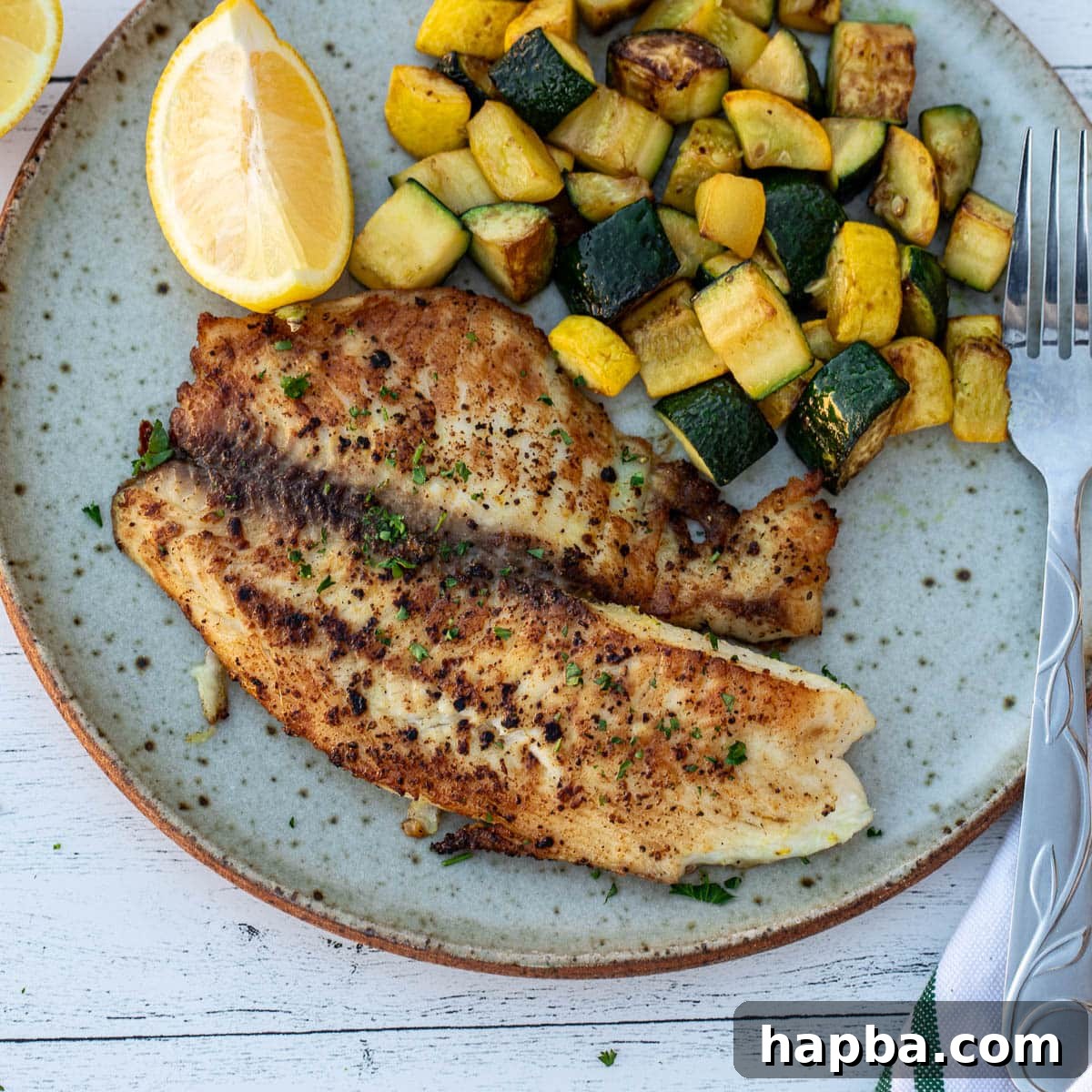
Lemon Pepper Tilapia: Your Ultimate Guide to a Quick & Flavorful Fish Dinner
Discover the secret to a perfectly flaky, zesty, and incredibly flavorful tilapia dish that comes together in a flash! This Lemon Pepper Tilapia recipe is a true culinary gem, promising a delicious and healthy meal on your table in just 15 minutes. With a harmonious blend of bright lemon, pungent pepper, and subtle garlic notes, this dish is designed to tantalize your taste buds and impress your family, all with minimal effort.
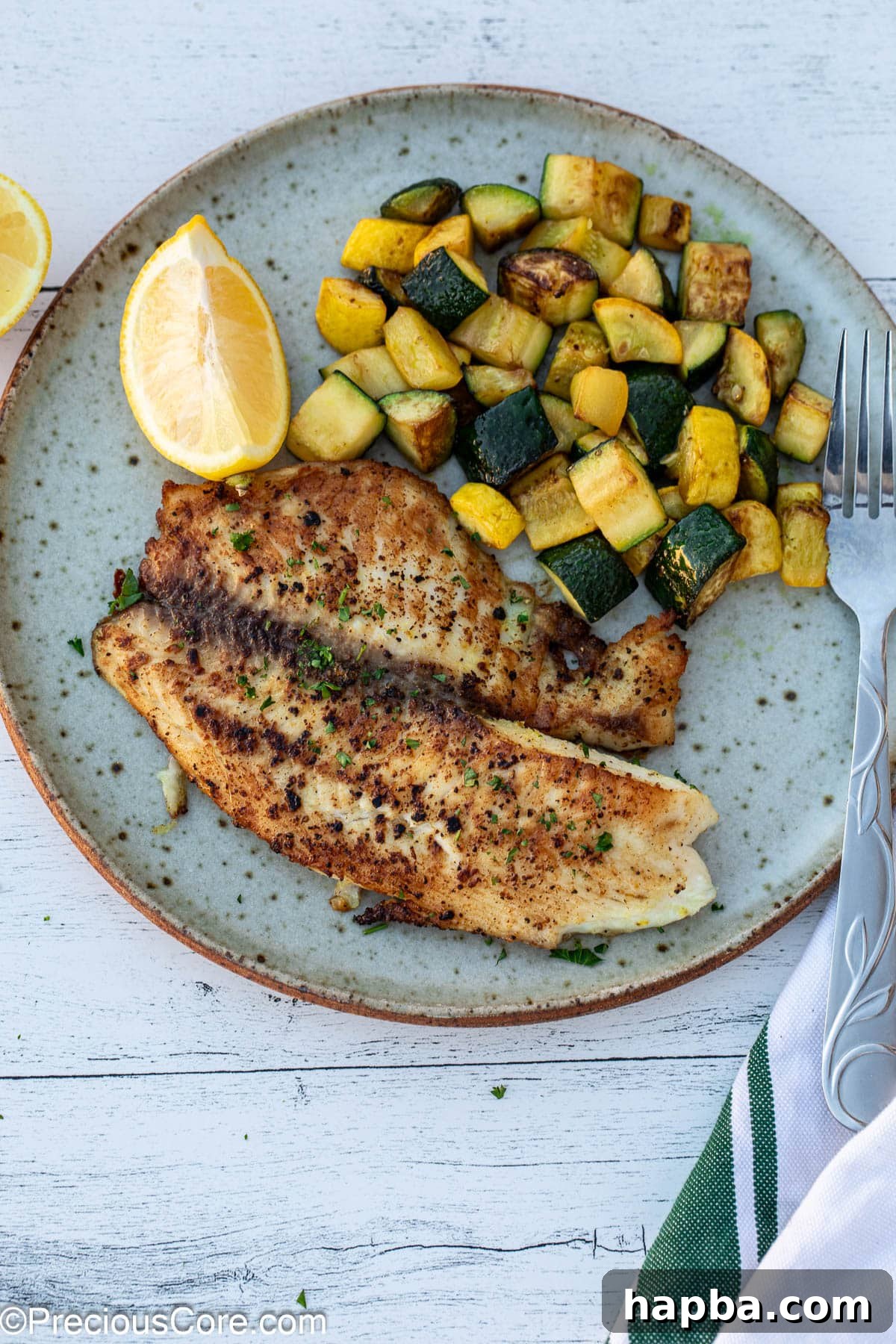
Tilapia, known for its mild flavor and tender white flesh, serves as an ideal canvas for vibrant seasonings. When prepared correctly, it transforms into a succulent entrée suitable for any occasion, from casual weeknight dinners to more special gatherings. Its inherent versatility means it pairs beautifully with a wide array of side dishes, allowing you to easily customize your meal according to your preferences and what you have on hand. Imagine serving this alongside fluffy rice, crisp sautéed vegetables, or even tucked into warm tortillas for delicious fish tacos. This recipe ensures you and your loved ones will adore its simplicity and delightful taste.
Table of Contents
- The Perfect Lemon Pepper Tilapia Recipe
- Why This Recipe Stands Out
- Essential Ingredients for Zesty Tilapia
- Step-by-Step Guide: Crafting Your Lemon Pepper Tilapia
- Creative Twists: Substitutions and Variations
- Pro Tips for Flawless Tilapia
- Mastering Tilapia Thawing
- Storing and Reheating Leftover Tilapia
- Frequently Asked Questions
- Serving Suggestions: What to Pair with Lemon Pepper Tilapia
- More Delicious Tilapia Recipes to Explore
- Lemon Pepper Tilapia Recipe Card
The Perfect Lemon Pepper Tilapia Recipe: A Culinary Delight
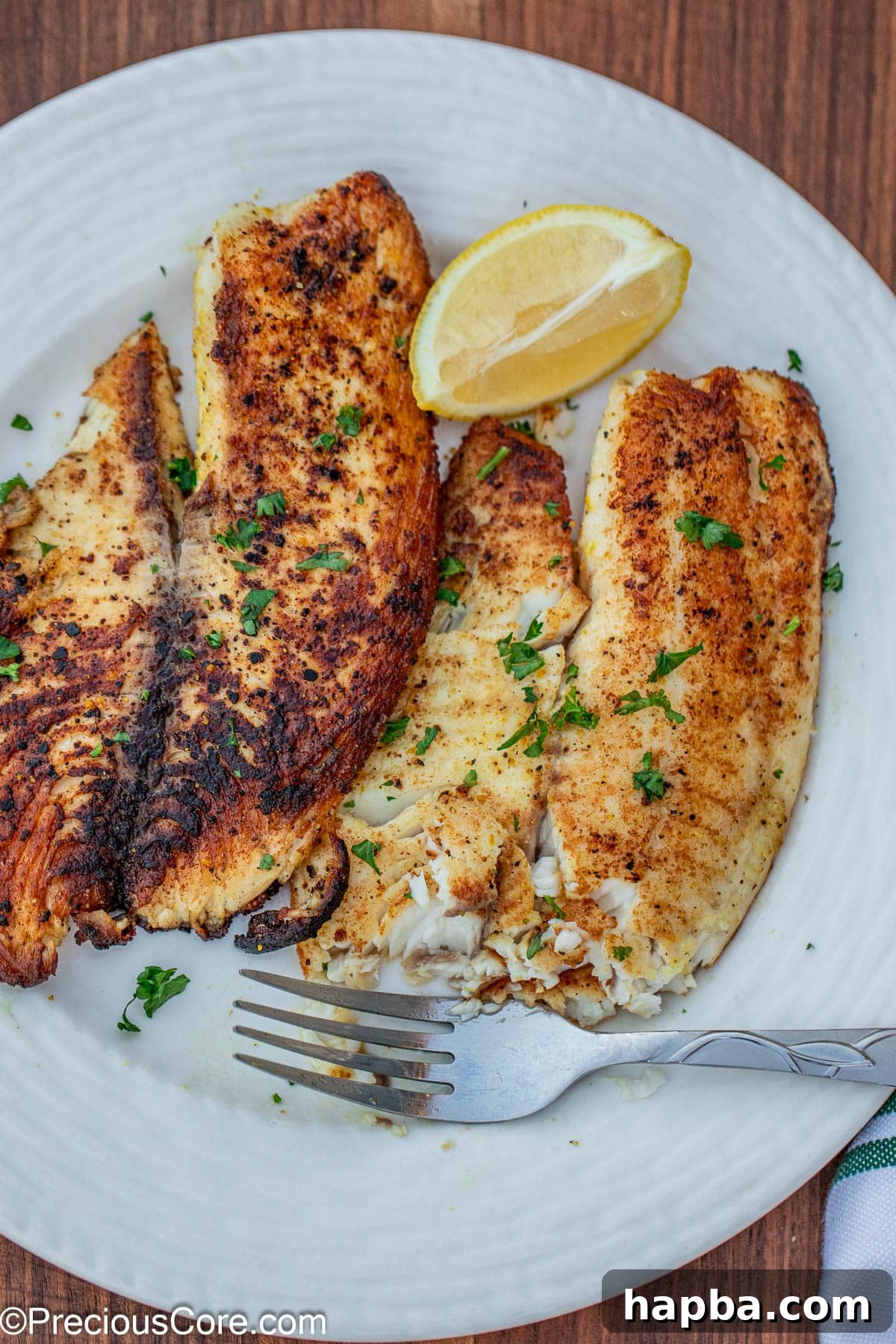
We are thrilled to share this exquisite lemon pepper tilapia recipe, a testament to how simple ingredients can yield extraordinary flavors. Each bite delivers a wonderfully flaky texture, bursting with a vibrant citrusy and peppery taste, complemented by subtle undertones of garlic. It’s a truly delightful experience for your palate, offering both freshness and depth without being overwhelming.
Beyond its incredible taste and texture, responsibly farmed tilapia stands out as an exceptionally affordable and sustainable protein source. This makes it a brilliant choice for families, especially when you need to feed multiple hungry mouths without breaking the bank. Our recipe is designed to serve four, but its straightforward measurements make it incredibly easy to scale up or down, ensuring you can always prepare the perfect amount for your table.
Why This Recipe Stands Out (Key Benefits)
- Effortless & Lightning-Fast: In today’s fast-paced world, finding a meal that’s both delicious and quick is a huge win. This lemon pepper tilapia recipe is the epitome of low-effort cooking. With just 5 minutes of active prep time and a mere 10 minutes on the stove, it seamlessly fits into even the most hectic schedules. It’s the perfect solution for those evenings when your energy levels are low, but your desire for a homemade, wholesome meal remains high. Say goodbye to complicated dinners and hello to culinary simplicity.
- Nutritious & Wholesome: Lemon pepper tilapia isn’t just tasty; it’s a fantastic cornerstone for a healthy and balanced diet. Tilapia is a lean protein source, rich in essential nutrients like potassium, vitamin B12, and niacin. These contribute to overall well-being, supporting everything from nerve function to energy metabolism. Its mild nature allows you to pair it with a diverse range of equally healthy sides – think steamed greens, quinoa, or a colorful salad – making it easy to maintain a nutritious eating streak.
- Irresistibly Simple Flavors: Sometimes, the most profound flavors come from the simplest combinations. This recipe celebrates that philosophy. The delicate, mild taste of tilapia provides a perfect canvas, allowing the bright, tangy notes of lemon, the subtle kick of black pepper, and the savory depth of garlic to shine through. The result is a harmonious flavor profile that is satisfying without being overpowering. This makes it an excellent choice for diners of all ages and preferences, ensuring everyone at the table can genuinely enjoy every bite.
Essential Ingredients for Zesty Tilapia
Creating delicious Lemon Pepper Tilapia requires just a handful of quality ingredients. Here’s what you’ll need and why each component is vital:
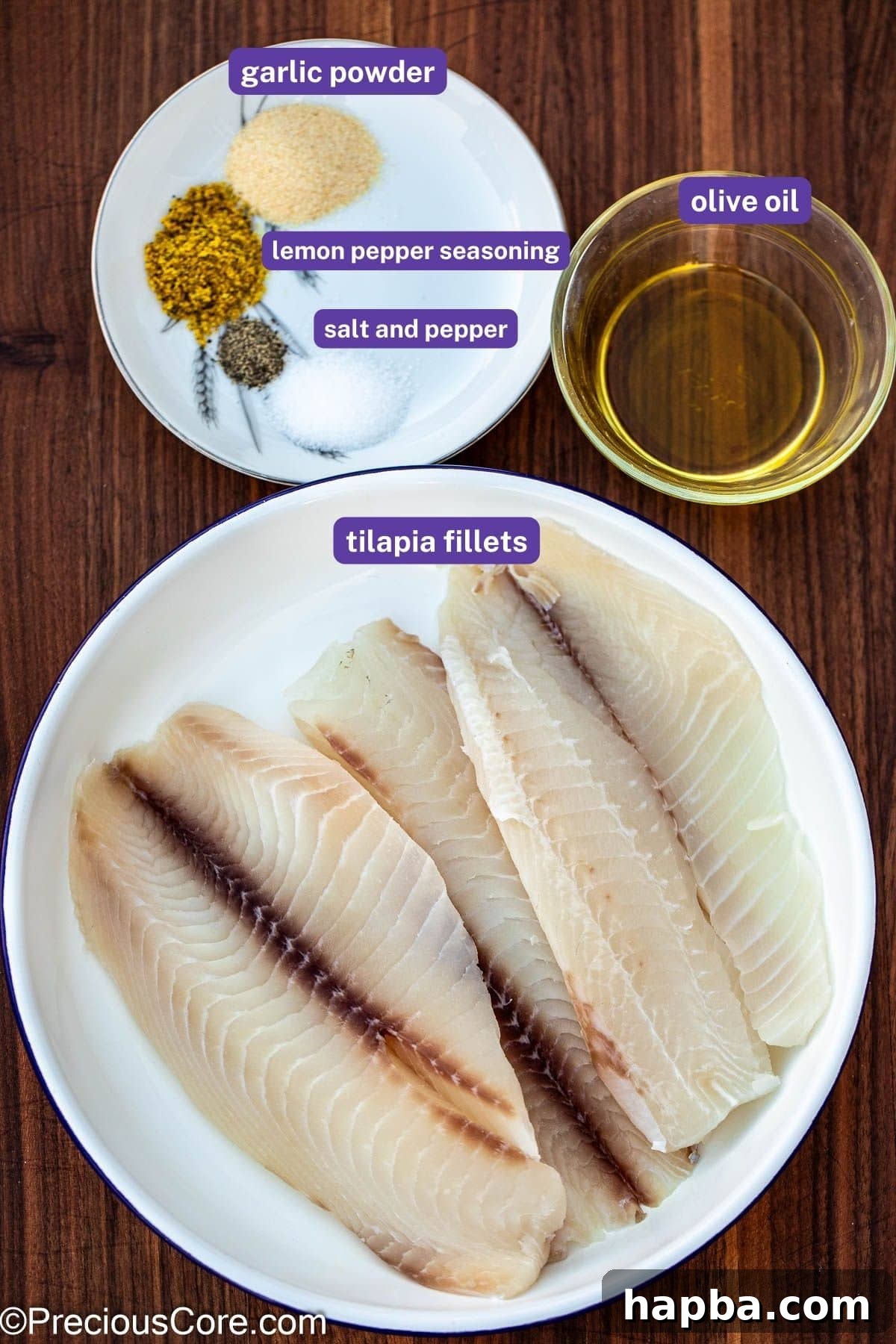
- Tilapia Fillets: The star of our dish! For the best results, opt for fresh tilapia fillets that feel firm and resilient to the touch. If using frozen, ensure they are completely thawed before cooking. Unevenly thawed fish will cook inconsistently, leading to a less desirable texture. Choosing responsibly farmed tilapia is also a great way to support sustainable seafood practices.
- Salt-Free Lemon Pepper Seasoning: This seasoning blend is where much of the dish’s signature flavor comes from. Using a salt-free version gives you complete control over the sodium content, allowing you to season the fish perfectly to your taste without over-salting. The bright, tangy lemon and pungent, aromatic pepper create an enticing zest that wonderfully complements the mildness of tilapia.
- Garlic Powder: A foundational spice that adds a warm, savory depth to the fish. Garlic powder enhances the overall flavor profile, creating a more complex and satisfying experience without overpowering the lemon and pepper. It’s a staple in many cuisines for its ability to elevate simple dishes.
- Salt: Essential for bringing out the natural flavors of the tilapia and balancing the other seasonings. Adjust to your preference, keeping in mind the lemon pepper seasoning might already contain salt if you opt for a non-salt-free variety.
- Black Pepper: Beyond the lemon pepper seasoning, a touch of freshly ground black pepper adds another layer of mild heat and aromatic complexity. It provides a subtle bite that perfectly complements the citrus notes.
- Olive Oil: Used to coat the skillet, olive oil plays a crucial role in achieving that beautiful golden-brown crust and preventing the fish from sticking. Its mild, fruity flavor also subtly enhances the taste of the tilapia. You can also use other high-heat oils like avocado oil if preferred.
Step-by-Step Guide: Crafting Your Lemon Pepper Tilapia
Creating this flavorful Lemon Pepper Tilapia is surprisingly simple. Follow these steps for a perfect, quick dinner:
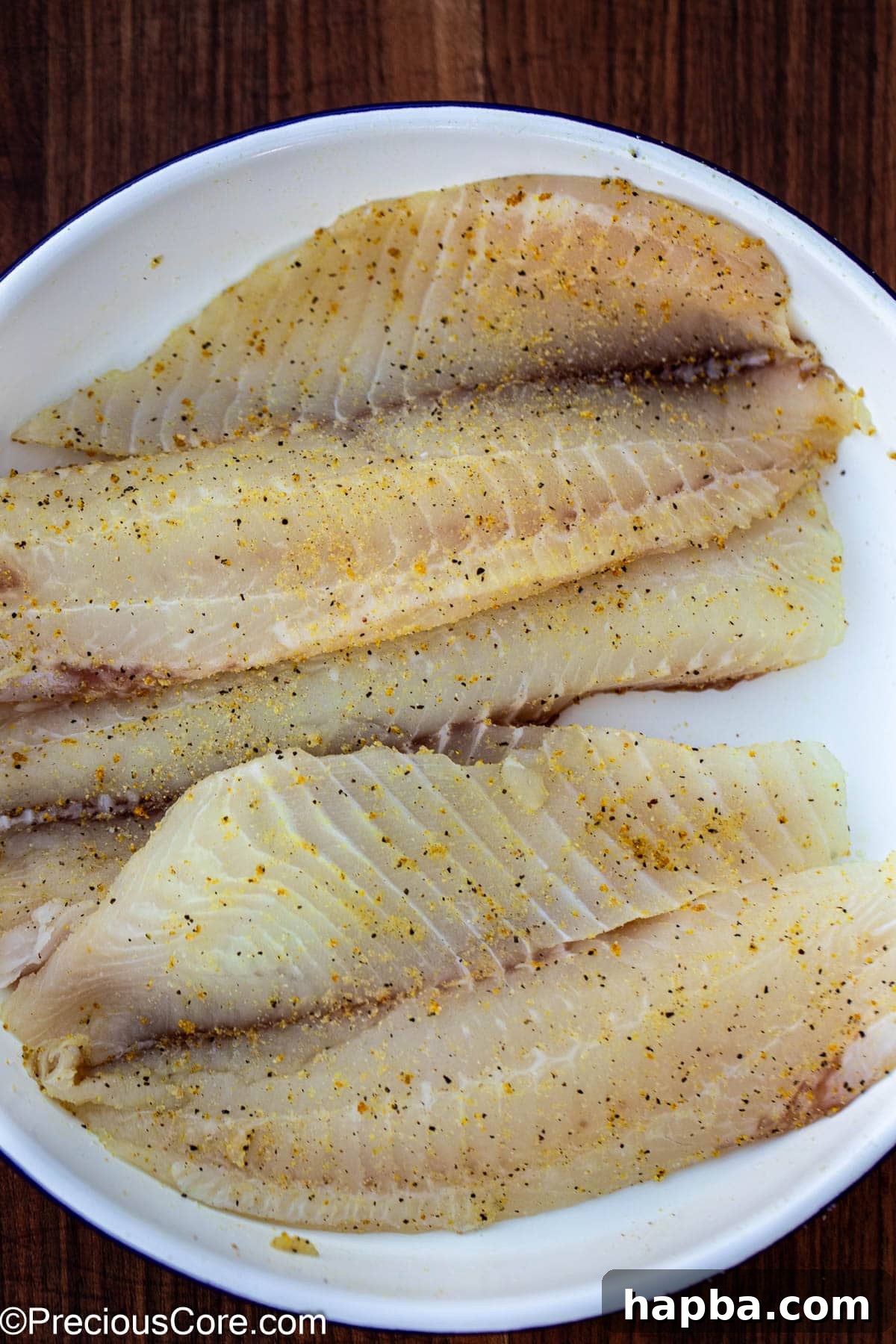
- Prepare the Tilapia: Begin by thoroughly patting dry both sides of your tilapia fillets with paper towels. This crucial step removes excess moisture, which is essential for achieving a beautiful, crispy crust when searing. Once dry, generously and evenly coat each fillet with your chosen seasonings: salt, black pepper, salt-free lemon pepper seasoning, and garlic powder. Ensure all surfaces are well-covered for maximum flavor.
- Heat the Skillet: Place a cast iron skillet (or another heavy-bottomed, non-stick pan) over medium heat. Allow the pan to heat for a few minutes until it’s hot. Then, add the olive oil, letting it shimmer gently for about 1-2 minutes. The oil should be hot enough to sizzle when the fish is added, but not smoking, which indicates it’s too hot and can burn the oil and fish.
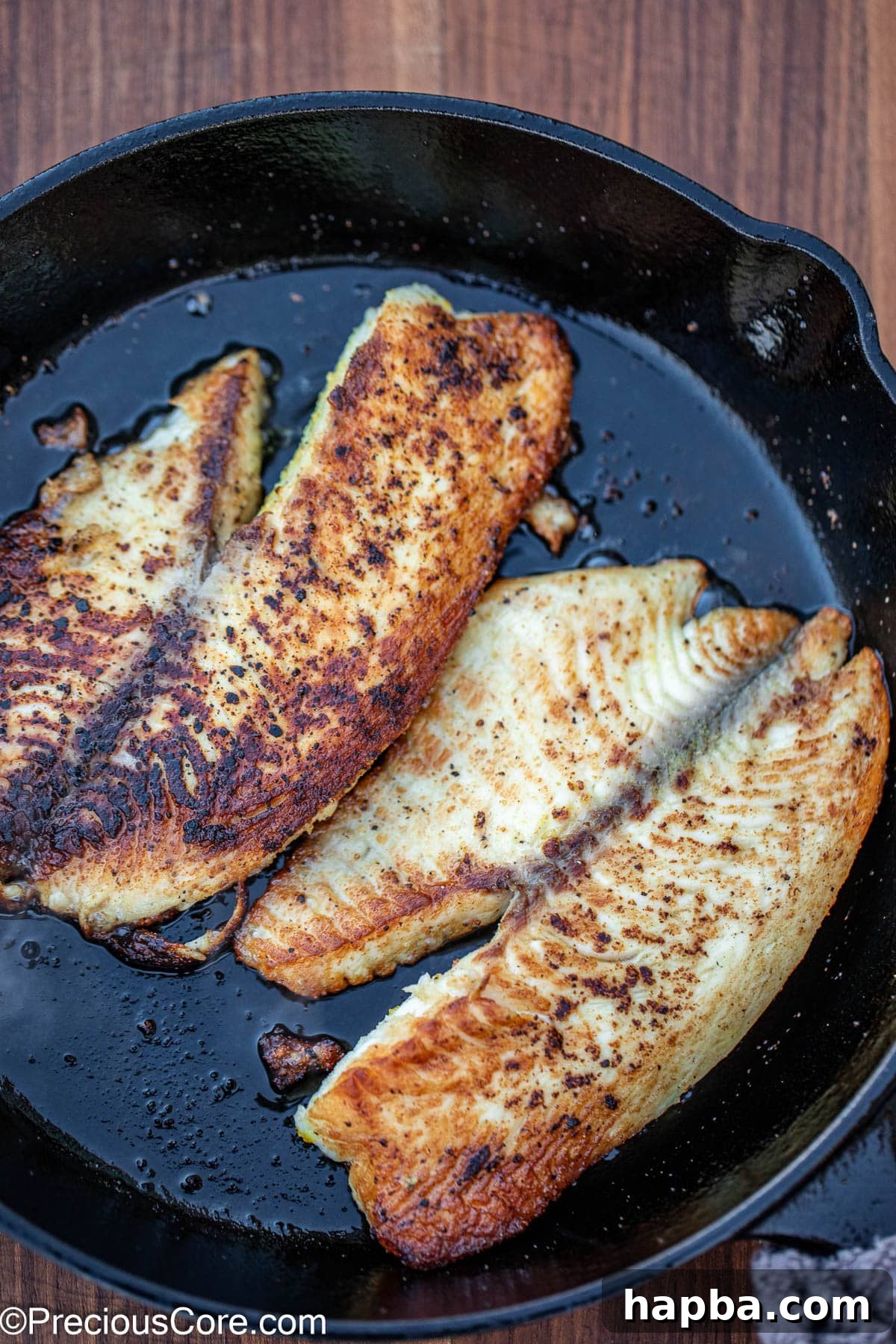
- Cook to Golden Perfection: Carefully place the seasoned tilapia fillets into the hot skillet. Cook for approximately 3 minutes on each side. The goal is a beautiful golden-brown crust and fish that is opaque throughout and flakes easily with a fork. If your skillet is smaller, cook the fillets in two batches to avoid overcrowding the pan, adding a little more oil if necessary for the second batch. Overcrowding can lower the pan temperature and prevent proper searing.
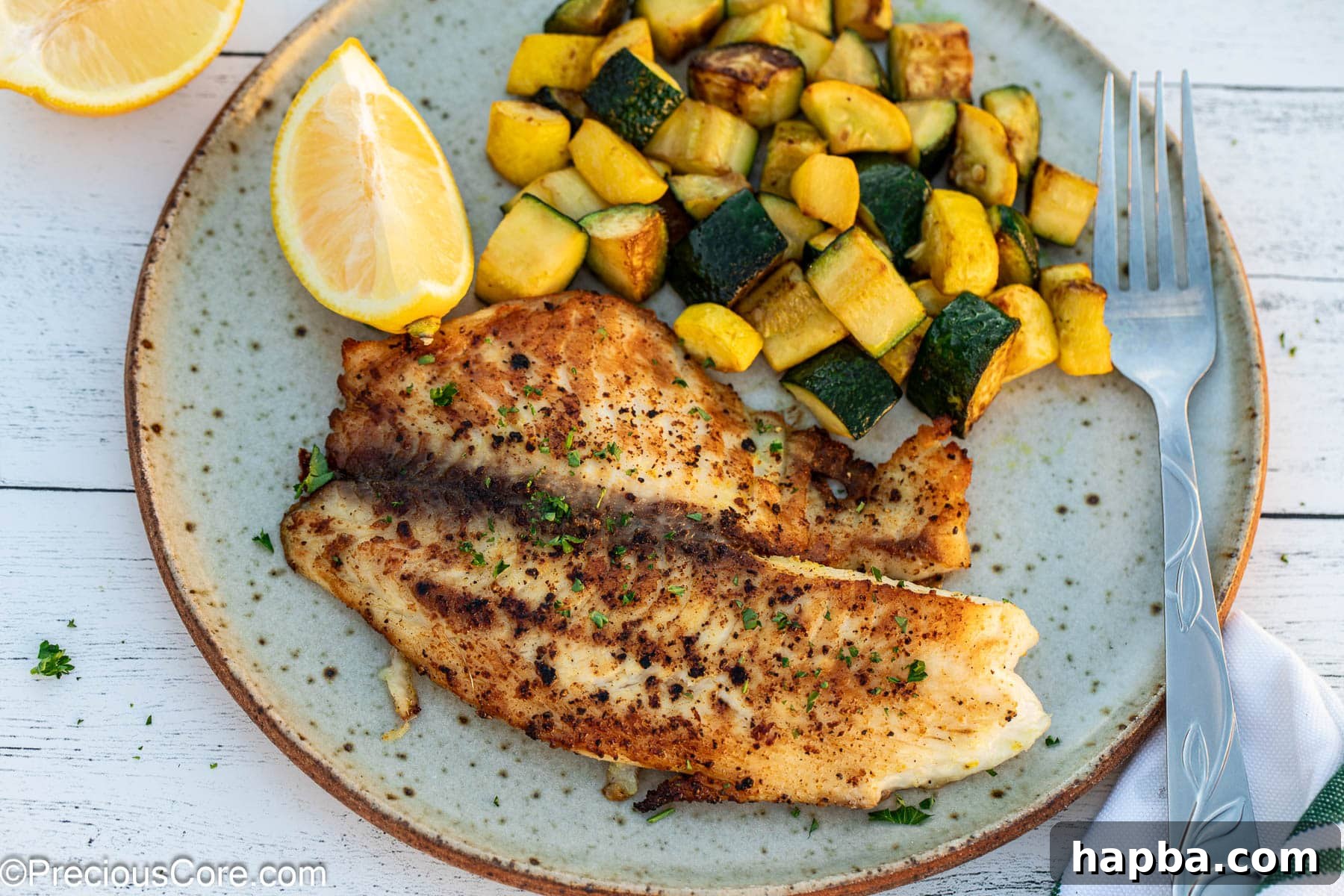
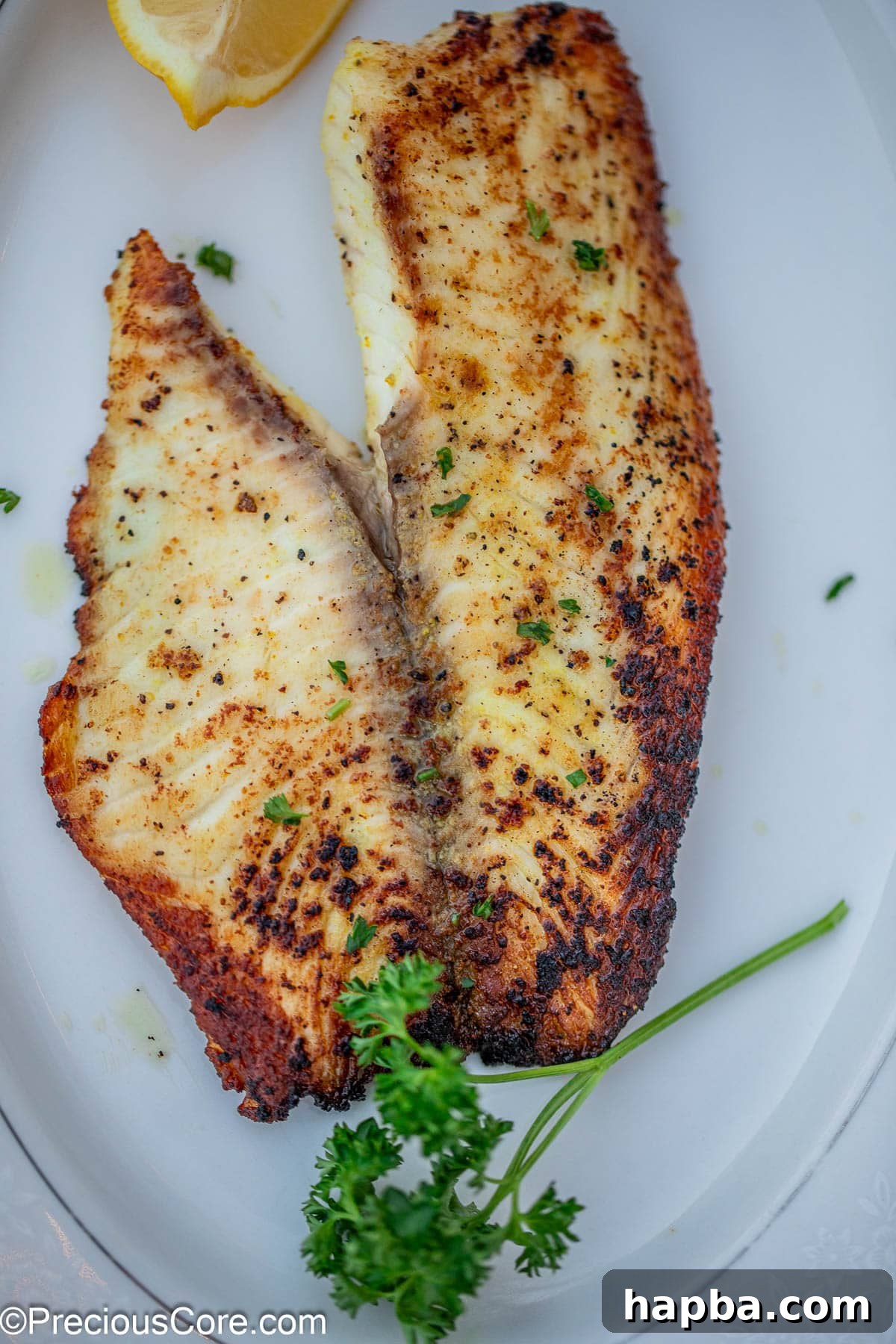
- Serve Immediately: Once cooked, transfer the fillets to serving plates. Lemon Pepper Tilapia is best enjoyed warm and fresh to fully appreciate its flaky texture and vibrant flavors.
Creative Twists: Substitutions and Variations
While this lemon pepper tilapia recipe is fantastic as is, don’t hesitate to experiment with these creative substitutions and variations to tailor it to your taste:
- Lemon Pepper Seasoning: If you can’t find a salt-free lemon pepper blend, using a standard one is perfectly fine. Just be mindful to reduce the amount of additional salt you add to the tilapia to prevent over-salting.
- Butter instead of Olive Oil: For an extra layer of rich flavor, unsalted butter can be used in place of olive oil. Just be sure to keep the heat set to medium to prevent the butter from burning and developing a bitter taste. A mix of butter and olive oil also works wonderfully.
- Introduce Capers: The briny, tangy flavor of capers is a match made in heaven with lemon. Add a tablespoon or two of drained capers to the pan during the last minute or two of cooking the tilapia. Spoon these flavorful capers over the fish when serving for an added burst of taste and texture.
- Amplify Fresh Lemon Flavor: For an even bolder citrus profile, incorporate fresh lemon in multiple ways. Sprinkle fresh lemon zest over the fish along with the seasonings before cooking. You can also add thin lemon slices to the pan during the last few minutes of cooking, allowing them to soften and release their aromatic oils. A final squeeze of fresh lemon juice over the cooked tilapia just before serving always brightens the dish.
- Herbaceous Additions: Fresh herbs like chopped parsley, dill, or chives can add a delightful freshness. Stir them in just before serving or sprinkle them as a garnish.
- Spicy Kick: If you enjoy a little heat, a pinch of red pepper flakes added with the seasonings can give the tilapia a subtle spicy edge that complements the lemon and pepper beautifully.
- Different Cooking Methods: While pan-searing provides a wonderful crust, you can also bake or air fry tilapia. For baking, preheat your oven to 400°F (200°C), arrange seasoned fillets on a baking sheet, and bake for 12-15 minutes or until flaky. For air frying, preheat to 375°F (190°C) and cook for 8-10 minutes, flipping halfway.
Don’t forget to explore other delicious fish recipes like our Lemon Butter Tilapia and baked Garlic Butter Tilapia for more culinary inspiration.
Pro Tips for Flawless Tilapia
Achieving perfectly cooked tilapia every time is easy with these expert tips:
- Selecting Quality Fish: Before you even start cooking, ensure your tilapia is fresh. Look for fillets that are firm and resilient to the touch. They should have a clean, mild smell – an “off” or overly fishy odor is a sign of spoilage. Avoid any fillets that appear sticky or discolored.
- The Right Spatula Makes a Difference: When it comes to flipping delicate fish, a large, thin fish spatula is your best friend. Its design allows it to easily slide under the fillet without breaking it apart. Small or thick spatulas can make flipping difficult and lead to broken pieces. If you’re not confident with one, don’t hesitate to use two spatulas for extra support.
- Avoid Overcooking at All Costs: Tilapia cooks quickly, and overcooking is the most common mistake. Cook it just until the flesh turns opaque throughout and easily flakes with a fork. The minimum safe internal temperature for fish is 145°F (63°C). You can remove it from the heat slightly before reaching this temperature, as carryover cooking will continue to cook it to perfection.
- Pat Dry for the Perfect Crust: This step might seem minor, but patting the fish thoroughly dry with paper towels is absolutely essential. Any excess moisture on the surface of the tilapia will create steam in the hot pan, preventing the formation of that desirable crispy, golden-brown crust.
- Ensure Even Thickness: If your tilapia fillets vary significantly in thickness, consider gently pounding the thicker parts with a meat mallet (covered with plastic wrap) to create a more even thickness. This ensures consistent cooking throughout the fillet.
- Don’t Overcrowd the Pan: Cooking too many fillets at once can drop the pan’s temperature, leading to steaming instead of searing. Cook in batches if necessary, ensuring each fillet has enough space to cook evenly and develop a beautiful crust.
Mastering Tilapia Thawing
If you’re starting with frozen tilapia fillets, proper thawing is key to ensuring even cooking and optimal texture. While planning ahead is always best, there are safe and quick methods:
Overnight Refrigerator Thaw (Recommended): The safest and most recommended method is to transfer your frozen tilapia fillets to a plate or shallow dish and place them in the refrigerator overnight. This allows them to thaw slowly and evenly, typically taking 8-12 hours depending on thickness. Always keep them wrapped or covered to prevent cross-contamination.
Quick Cold Water Method: If you’re short on time, you can quickly thaw tilapia using cold water. Place the individually wrapped (or in a sealed plastic bag) fillets in a large bowl or sink filled with cold tap water. The water should be cold, not lukewarm or hot. Change the water every 30 minutes to ensure it remains cold and to speed up the thawing process. Thinner fillets may thaw in as little as 30 minutes, while thicker ones could take up to an hour.
Important Safety Note: It is crucial never to use warm or hot water to thaw fish. While it may seem like it would accelerate the process, it rapidly brings the fish into the “danger zone” (between 40°F and 140°F, or 4°C and 60°C) where harmful bacteria can multiply rapidly. Similarly, avoid thawing raw fish in the microwave unless you plan to cook it immediately, as it can start to cook unevenly in places.
Storing and Reheating Leftover Tilapia
While this dish is absolutely at its best when enjoyed immediately, sometimes leftovers happen, and that’s perfectly fine! Proper storage and reheating techniques are essential to maintain its quality.
Storing Leftovers: Tilapia has a mild flavor and can easily absorb other smells and flavors from your refrigerator. To keep it fresh and prevent it from taking on unwanted odors, allow the cooked fish to cool completely, then transfer it to an airtight container. Refrigerate promptly. When properly stored, cooked lemon pepper tilapia will remain fresh for up to three days.
Reheating Leftovers: Avoid using the microwave for reheating tilapia. Microwaving fish can easily lead to a rubbery, unpleasant texture and can dry it out rapidly. For the best results, we recommend reheating your leftover tilapia in a preheated oven or a skillet.
- Oven Method: Preheat your oven to 350°F (175°C). Place the tilapia fillets on a baking sheet. For a crispy crust, you can lightly brush or rub a small amount of olive oil on the surface of the fish. Heat for 8-12 minutes, or until thoroughly warmed through. Be careful not to overcook it; remove it from the oven as soon as it’s heated to your liking.
- Skillet Method: Heat a non-stick skillet over medium-low heat with a tiny bit of olive oil or butter. Place the tilapia in the skillet and cover it. Gently warm for 5-7 minutes, flipping once, until heated through. This method also helps preserve moisture and can restore some of the crust.
Frequently Asked Questions
While some people choose to soak fish in milk, it isn’t strictly necessary for tilapia. Tilapia is already a very mild-flavored fish, so it doesn’t typically possess a strong “fishy” odor that milk is often used to neutralize. The theory behind soaking fish in milk is that the casein protein in milk binds to compounds that cause fishy odors, resulting in a milder smell and taste. However, if you do decide to soak it, ensure you pat the fish thoroughly dry afterward. If not properly dried, the excess moisture can make the fish mushy when cooked, which is undesirable for a flaky fillet.
Several factors can contribute to fish sticking to the pan. Firstly, the right equipment and temperature are crucial. Using a well-seasoned cast iron skillet or a good quality non-stick pan is highly recommended. Ensure your pan is hot enough before adding the oil, and then ensure the oil itself is hot and shimmering before the fish goes in. If the heat is too high, the fish can burn and stick immediately. On the other hand, if the heat is too low, the fish won’t form a crust quickly, and it will bond with the pan. The key is also patience: don’t try to flip the fish too soon. Once the tilapia has formed a proper golden-brown crust, it will naturally release from the pan with ease. If you attempt to flip it prematurely, it simply isn’t ready.
No, rinsing tilapia before cooking is generally unnecessary and can actually be counterproductive. Most commercially processed fish is already rinsed during the filleting and packaging process. Furthermore, rinsing raw fish in your kitchen sink can increase the risk of cross-contamination. Bacteria from the raw fish can splash onto countertops, utensils, and other surfaces, potentially spreading foodborne illnesses. If you’re concerned about cleanliness, simply patting the fish dry with paper towels is sufficient and safer.
The best way to tell if tilapia is cooked is by checking its internal temperature and visual cues. Insert an instant-read thermometer into the thickest part of the fillet; it should read 145°F (63°C). Visually, the flesh will turn opaque throughout and should flake easily when gently prodded with a fork. It will also separate from itself rather than resisting.
While it is technically possible to cook frozen tilapia, it’s highly recommended to thaw it first. Cooking frozen fish directly can lead to uneven cooking, where the outside cooks too quickly while the inside remains undercooked or thaws slowly, resulting in a rubbery texture. Thawing ensures a more even cook and a superior final texture.
Serving Suggestions: What to Pair with Lemon Pepper Tilapia
Lemon Pepper Tilapia is wonderfully versatile and pairs well with a variety of side dishes. Here are some of our favorite recommendations to complete your meal:
Sautéed Vegetables
Garlic Herb Rice
Sautéed Peppers
Mango Avocado Salsa
More Delicious Tilapia Recipes to Explore
If you love tilapia as much as we do, be sure to check out these other fantastic recipes that showcase its versatility and delicious flavor:
Pan Seared Tilapia
Lemon Butter Tilapia
Garlic Butter Tilapia
Oven Grilled Tilapia
Love the vibrant flavor of lemon pepper? Expand your culinary repertoire with our Lemon Pepper Turkey Wings and Lemon Pepper Chicken Drumsticks.
If you make this recipe, please leave a star rating below. Your rating helps others find the recipe, plus we love hearing from you! Thank you!
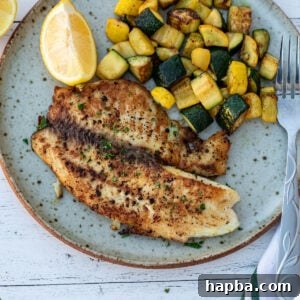
Lemon Pepper Tilapia
Lemony tasty tilapia, with just a few ingredients! This Lemon Pepper Tilapia is ready in 15 minutes!
Print Recipe
Ingredients
- 1 pound tilapia fillets (3-4 fillets)
- ½ teaspoon salt
- ⅛ teaspoon black pepper
- 1 teaspoon salt-free lemon pepper seasoning
- 1 teaspoon garlic powder
- 2 tablespoons olive oil
Instructions
- Pat dry both sides of the tilapia fillets and season evenly with salt, pepper, lemon pepper seasoning, and garlic powder.
- Heat a cast iron skillet on medium heat. Add the oil and heat up for 2 minutes. Add the seasoned fillets to the pan and cook for 3 minutes on each side. If using a smaller skillet, cook in 2 batches, adding more oil during the second batch.
- Serve warm with your favorite sides.
Notes
If you use lemon pepper seasoning that contains salt, reduce the amount of salt added to the recipe.
Nutrition
Carbohydrates: 1g |
Protein: 9g |
Fat: 8g |
Saturated Fat: 1g |
Polyunsaturated Fat: 1g |
Monounsaturated Fat: 5g |
Cholesterol: 21mg |
Sodium: 313mg |
Potassium: 145mg |
Fiber: 0.2g |
Sugar: 0.02g |
Vitamin A: 3IU |
Vitamin C: 0.01mg |
Calcium: 8mg |
Iron: 0.4mg
Tried this recipe?
Mention @preciouscore or tag #PreciousCore!