
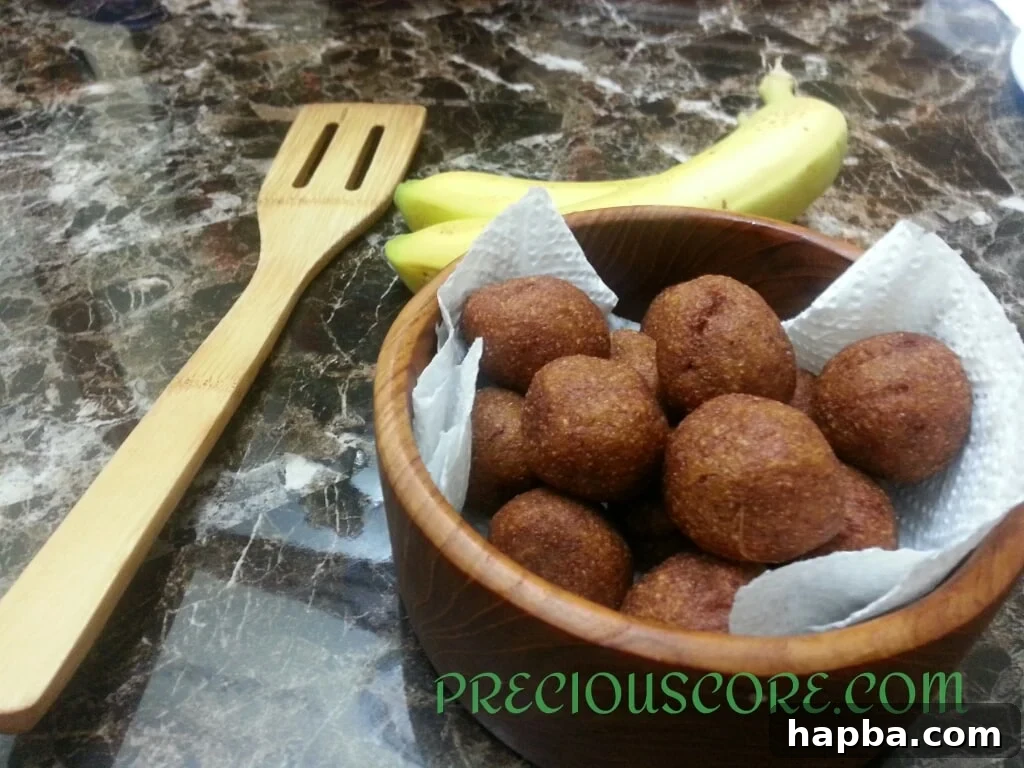
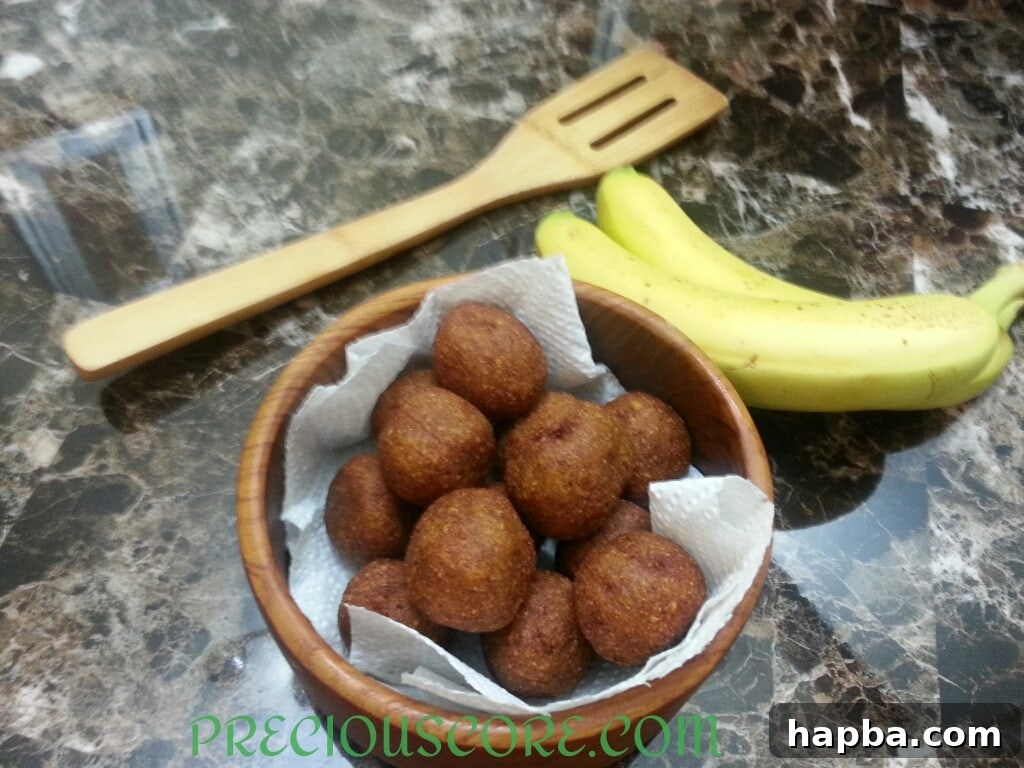
Accra Banana: A Delicious Journey into West African Banana Fritters
Step into the vibrant culinary world of West Africa, and you’ll inevitably encounter the irresistible allure of Accra Banana. Known in culinary circles as Banana Fritters, this delightful snack holds a special place in the hearts and palates of many, particularly in Cameroon where it’s affectionately known by its local name. More than just a simple treat, Accra Banana represents a fusion of sweet, savory, and satisfying flavors, making it a beloved street food, breakfast item, or a comforting snack enjoyed any time of the day.
Imagine perfectly ripe bananas transformed into golden, crispy on the outside, and tender on the inside fritters. That’s the magic of Accra Banana. While many cultures boast their own versions of banana fritters, the West African rendition, often incorporating cassava or its derivative, garri, offers a unique textural and flavor profile that sets it apart. It’s a dish that embodies simplicity, comfort, and the rich culinary heritage of the region.
If you’re looking to explore authentic West African flavors or simply want a new, exciting way to enjoy bananas, then this Accra Banana recipe is your perfect starting point. Get ready to embark on a culinary adventure that promises to delight your taste buds and leave you craving more of these exquisite fritters.
The Essence of Accra Banana: More Than Just Bananas
At its core, Accra Banana is a celebration of the humble banana. However, what truly elevates these fritters is the traditional incorporation of cassava, a starchy root vegetable staple across much of Africa. Cassava, often referred to as “yuca” in many international stores, provides a distinctive binding and textural element that differentiates these fritters from their counterparts made solely with flour.
Traditionally, Accra Banana is crafted using freshly grated cassava. This method imparts a rustic charm and a slightly denser, chewier texture. However, culinary innovation often finds ways to simplify beloved recipes without compromising on flavor or authenticity. This is where garri comes into play. Garri, a popular West African food product, is essentially processed, fermented, and toasted cassava granules. It offers an incredibly convenient substitute for fresh cassava, allowing home cooks to achieve a similar delicious result with significantly less effort.
The beauty of using garri lies in its ability to quickly absorb moisture and bind ingredients, creating a perfectly manageable batter. So, for those who appreciate efficiency in the kitchen without sacrificing taste, opting for garri is a smart and perfectly legitimate choice. It ensures that the spirit of the traditional recipe, with its cassava foundation, remains intact, making these fritters accessible to everyone.
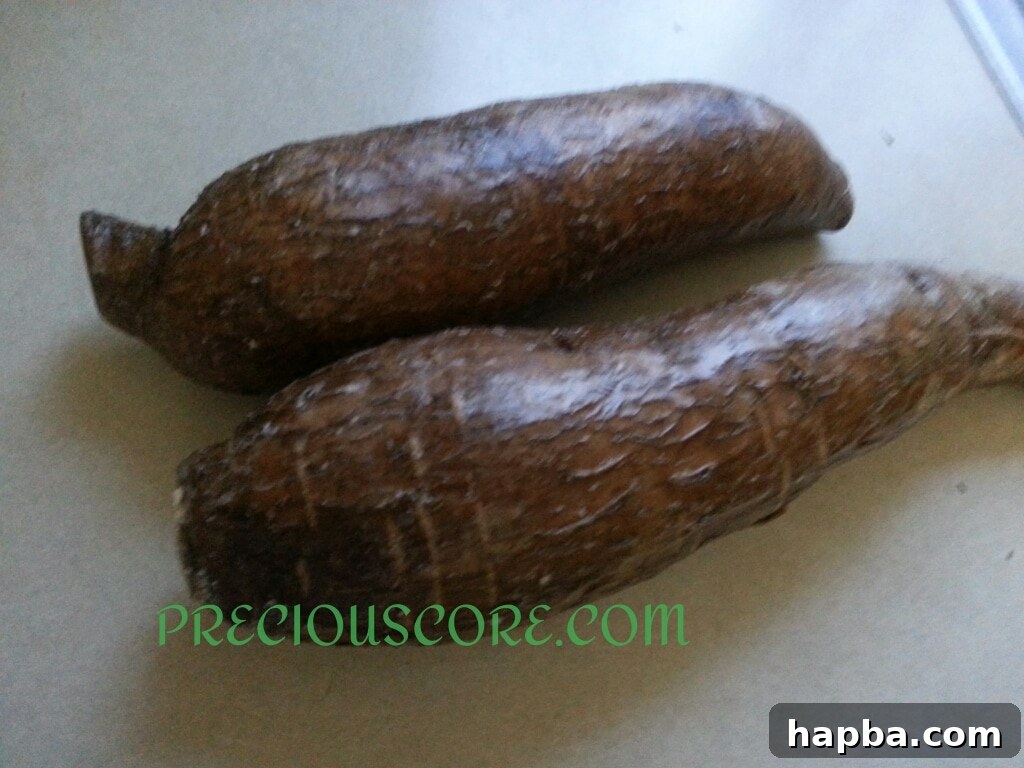 |
| Cassava, the traditional base. |
Why Choose Garri for Your Accra Banana?
For many cooking enthusiasts, balancing authenticity with convenience is key. While the traditional method involving grated cassava is undoubtedly delicious and deeply rooted in culinary history, modern life often calls for quicker solutions. This is precisely why garri has become a beloved ingredient for making Accra Banana. Garri, being a product derived from cassava, ensures that the essential flavor and texture profile of the fritters are maintained, bridging the gap between tradition and practicality.
Using garri streamlines the preparation process significantly. Instead of the time-consuming task of peeling, grating, and pressing fresh cassava, you simply measure out the garri and mix it directly with your mashed bananas. This simple swap saves precious time, making Accra Banana a feasible and delightful option even on busy weekdays. The garri swells as it absorbs the banana mixture’s moisture, creating a perfect consistency for frying without the need for additional flour or excessive binding agents.
The result? Crispy, golden fritters with a wonderfully soft interior that carry the subtle earthy notes of cassava, beautifully complemented by the sweetness of ripe bananas. Serve these with a vibrant pepper sauce, and you’re not just having a snack; you’re indulging in a sensory experience that transports you straight to cloud nine. The combination of sweet fritters and spicy sauce is a testament to the dynamic flavors of West African cuisine.

Your Easy Guide to Making Accra Banana with Garri
Ready to whip up a batch of these glorious banana fritters? This simplified recipe, using garri, makes it incredibly accessible for anyone to enjoy the taste of West Africa right in their own kitchen. Follow these steps, and you’ll have delicious Accra Banana in no time!
ACCRA BANANA RECIPE
Prep time: 5 mins
Cook time: 10 mins
Total time: 15 mins
Serves 2
Ingredients
- 2 very ripe bananas
- 3/4 cup of garri
- Salt to taste
- 1/2 litre vegetable or palm oil for frying
Important Tip: Choose Your Bananas Wisely
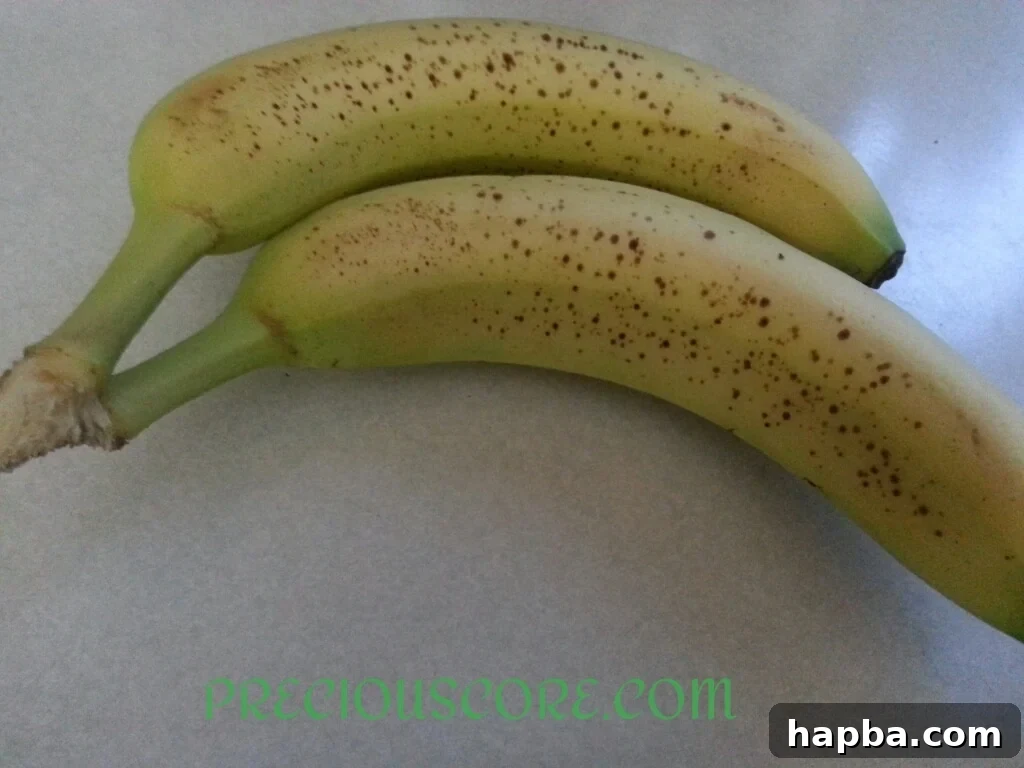
The secret to truly flavorful Accra Banana lies in the ripeness of your bananas. Opt for very ripe bananas, ideally those that have started to develop dark spots on their peels. These bananas are naturally sweeter, softer, and much easier to mash or blend into a smooth paste. Their intense banana flavor will shine through in your fritters, creating a more delicious and authentic taste.
Step-by-Step Instructions
1. Prepare the Bananas: Begin by peeling your very ripe bananas. Mash them slightly with a fork or potato masher, then transfer them into a blender. Add about half a cup of water to the blender. Process until you achieve a perfectly smooth, creamy paste. This ensures there are no chunky bits in your fritters, leading to a consistent texture.

2. Transfer and Observe: Pour the smooth banana paste from the blender into a mixing bowl. Don’t be alarmed if the mixture starts to take on a slightly darker hue; this is a natural oxidation process that occurs with bananas and is perfectly normal. It will not affect the taste or quality of your fritters.
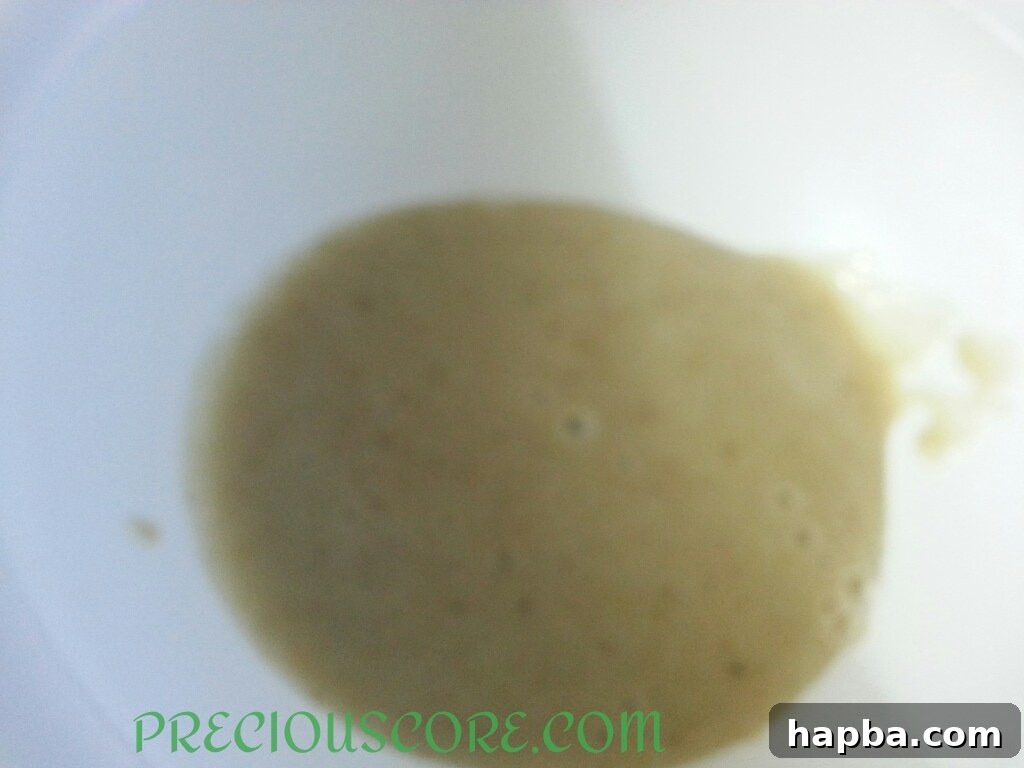
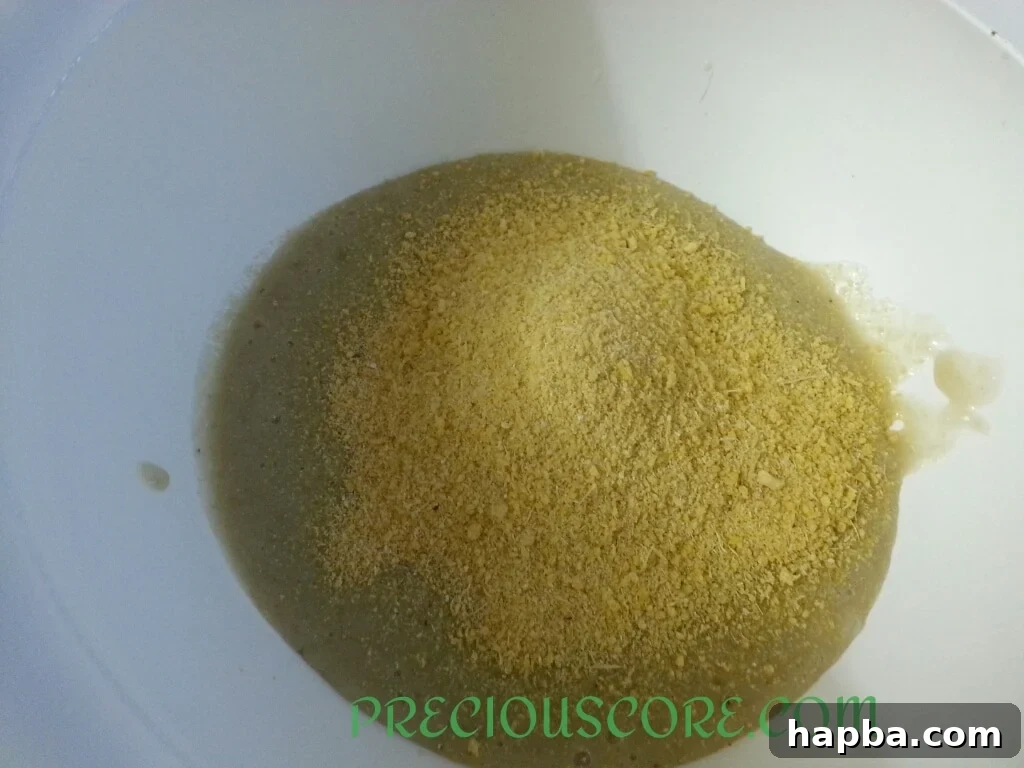
3. Combine with Garri and Salt: Now, add the garri to the banana paste in the bowl. Sprinkle in a pinch of salt. The salt helps to balance the sweetness of the bananas and enhances the overall flavor of the fritters.
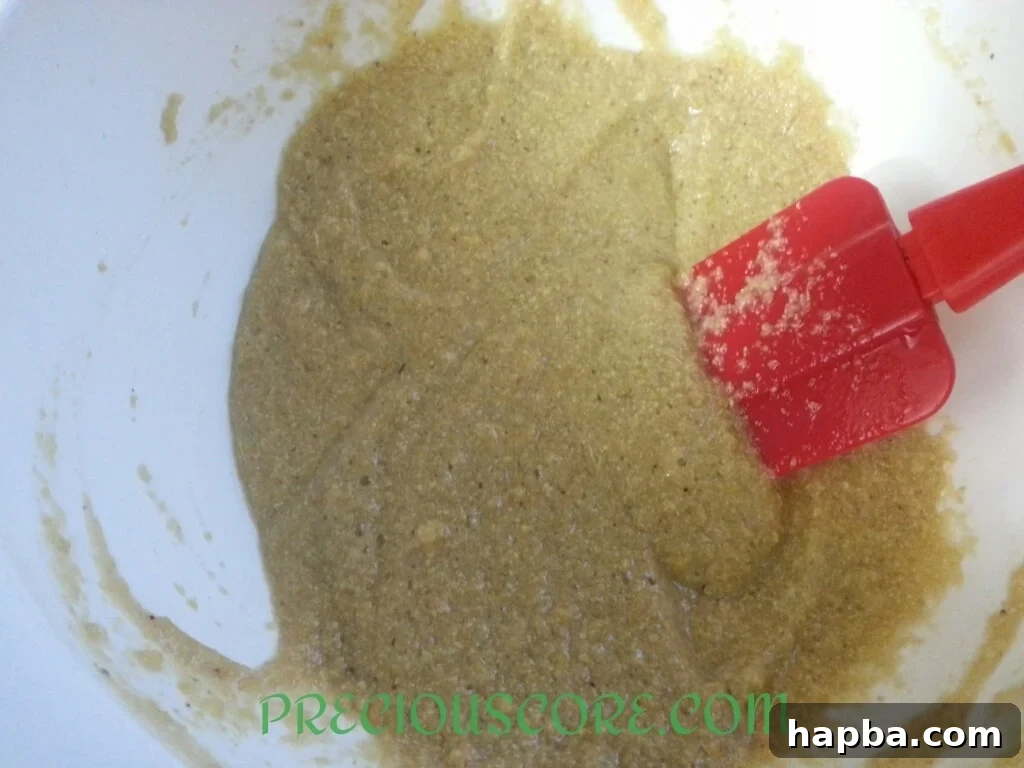
4. Stir and Rest: Give the mixture a good, thorough stir until the garri is fully incorporated into the banana paste and no dry pockets remain. Once mixed, let the batter sit for approximately five minutes. This crucial resting period allows the garri to absorb the liquid from the bananas, causing the mixture to thicken and harden to a scoopable consistency. This prevents the fritters from disintegrating when they hit the hot oil.
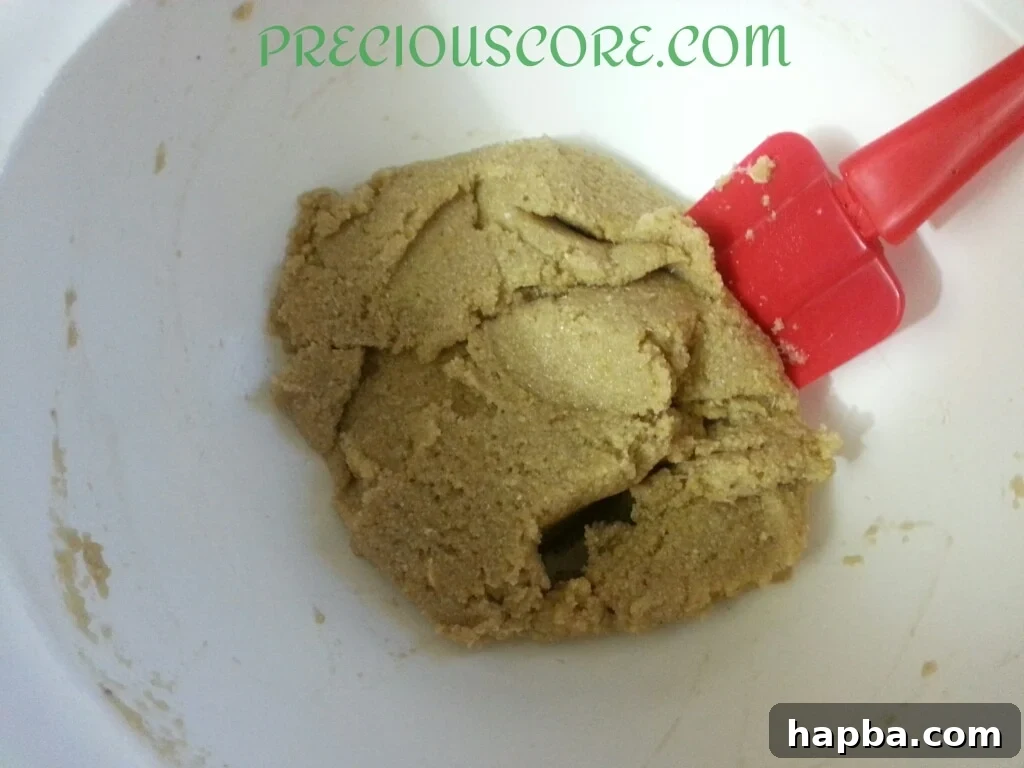
5. Heat the Oil: While the batter rests, heat your chosen oil (vegetable or palm oil) in a deep pot or frying pan over medium heat. Ensure there’s enough oil for the fritters to be partially submerged. A good indicator that the oil is ready is when a small drop of batter sizzles immediately upon contact.
6. Fry the Fritters: Once the oil is hot and the batter has thickened, use a spoon or your hands (if you can handle the stickiness) to form small balls or irregular shapes from the batter. Carefully drop them into the hot oil. Be mindful not to overcrowd the pan; fry in batches to maintain the oil temperature and ensure even cooking. Overcrowding can lower the oil temperature, leading to greasy fritters.
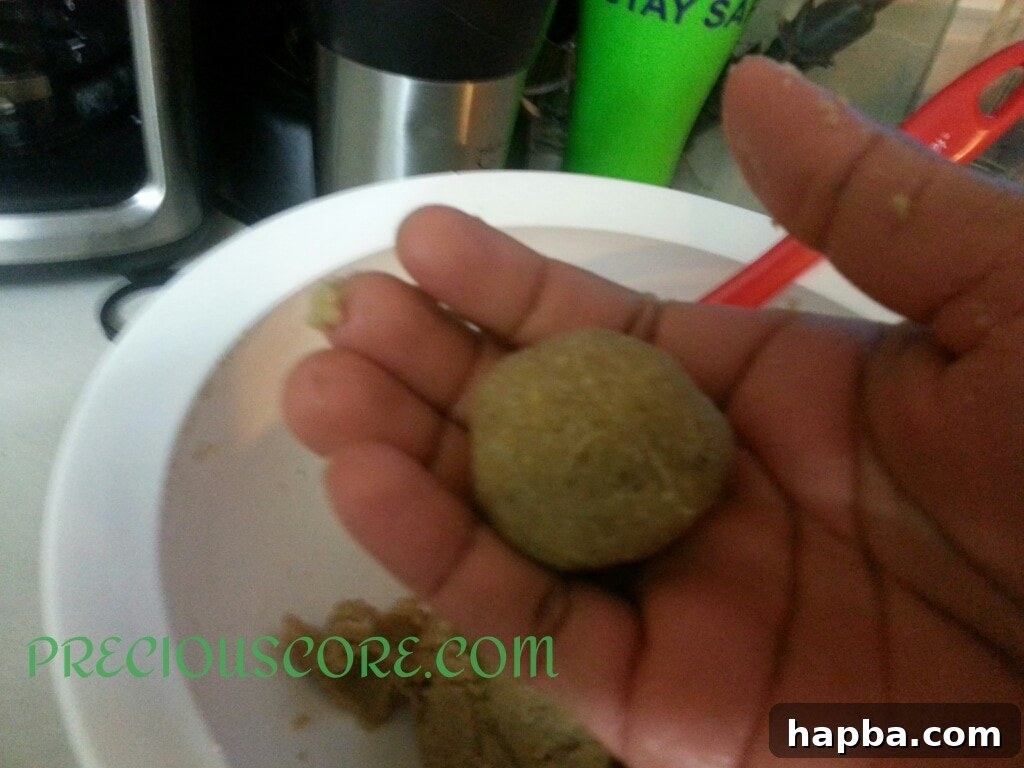
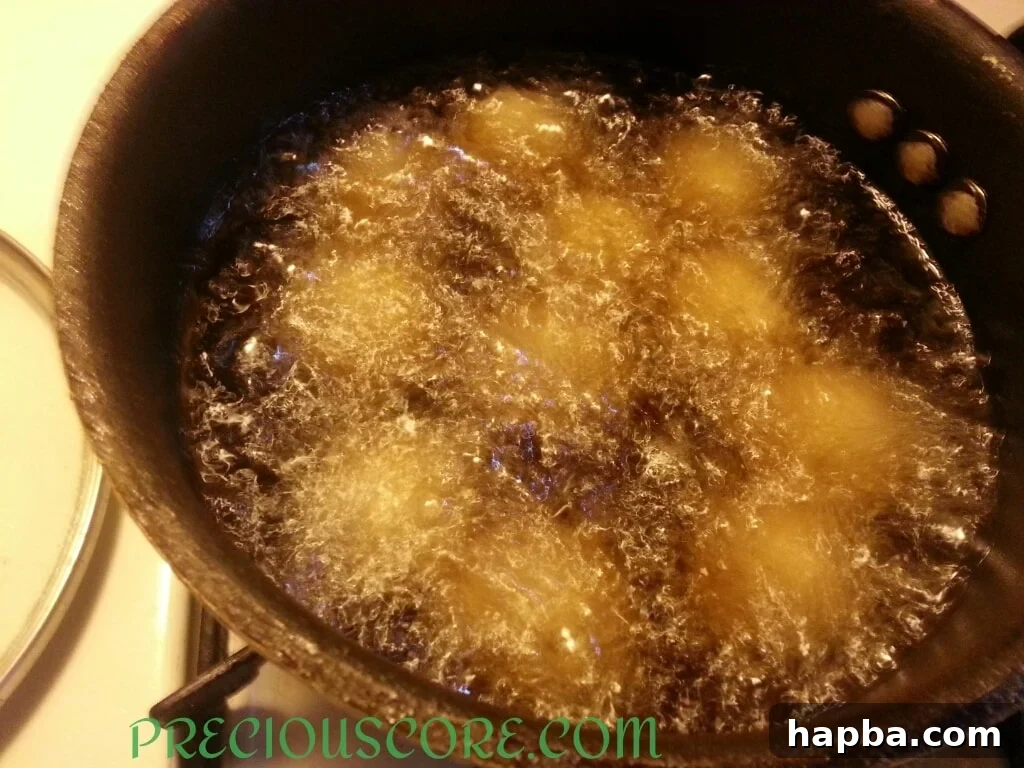
7. Achieve Golden Perfection: Allow the fritters to fry, turning them occasionally, until they develop a beautiful, deep golden-brown color on all sides. This indicates they are crispy on the outside and thoroughly cooked through.
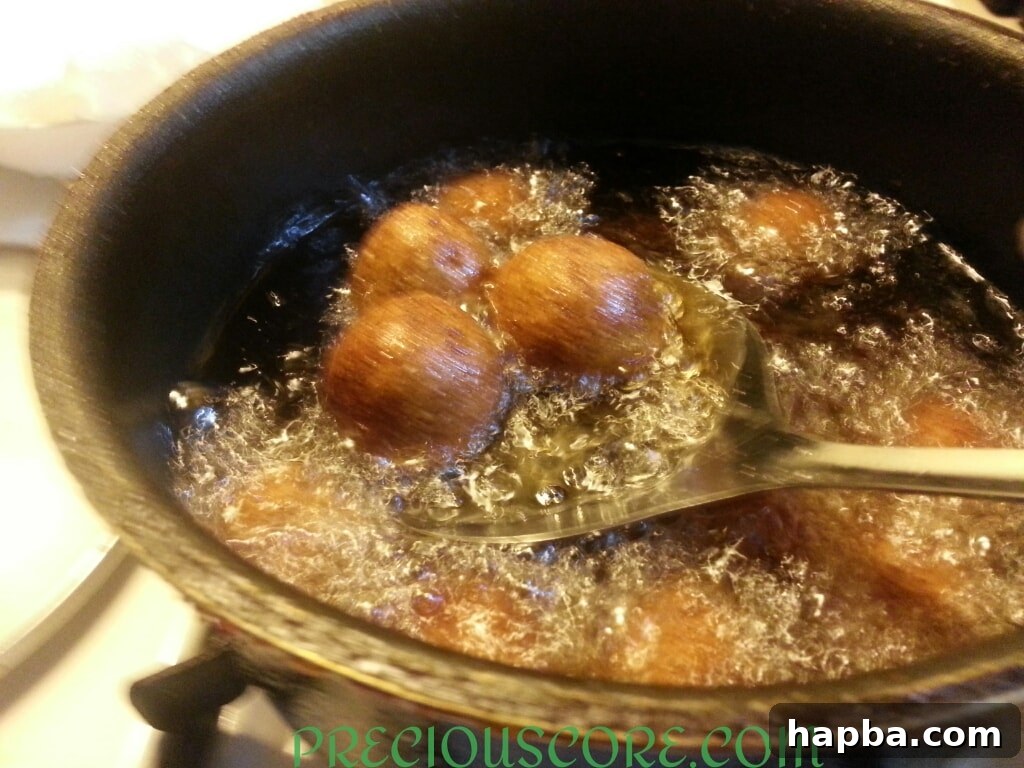
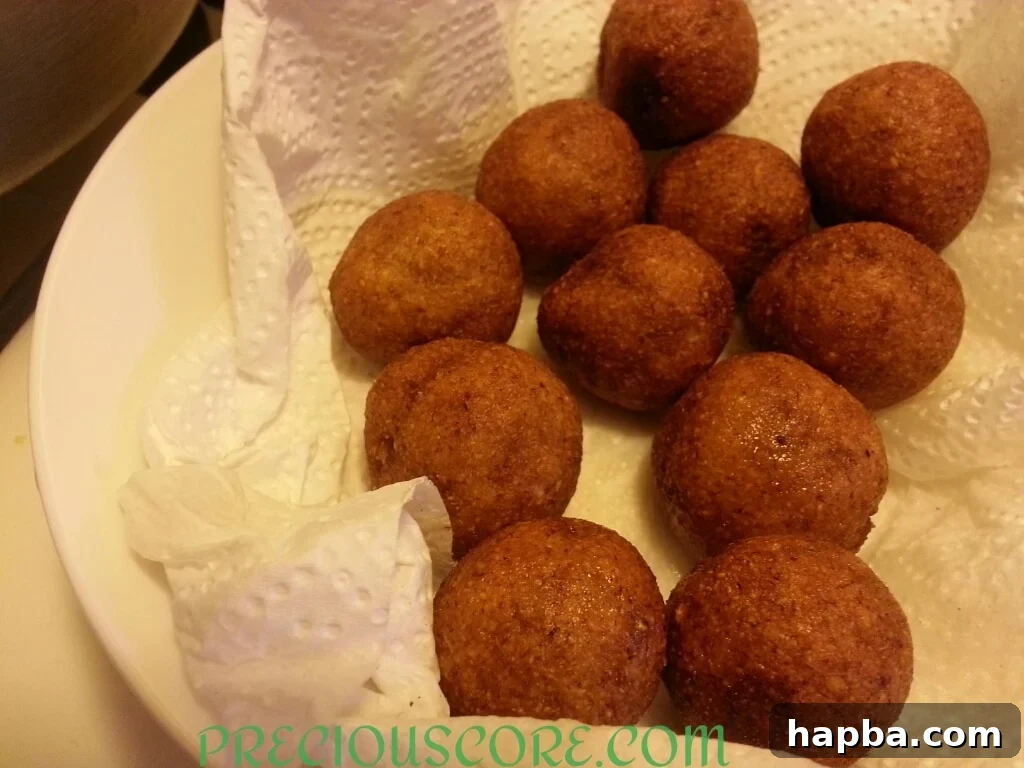
8. Drain and Serve: Once cooked, use a slotted spoon to remove the fritters from the oil. Place them on a plate lined with paper towels or a wire rack to drain any excess oil. This step is essential for maintaining their crispness and preventing them from becoming greasy.
Enjoying Your Accra Banana: Serving Suggestions and Variations
Your freshly made Accra Banana fritters are now ready to be enjoyed! They are incredibly versatile and can be paired with a variety of accompaniments. The most popular and highly recommended serving method is alongside a zesty pepper sauce. The delightful contrast between the sweet, slightly savory fritters and the spicy, tangy sauce creates an explosion of flavors that is truly unforgettable. It’s a combination that tantalizes the taste buds and showcases the depth of West African cuisine.
Beyond pepper sauce, Accra Banana can also be enjoyed with a hot cup of tea or coffee for a fulfilling breakfast, or simply as a standalone snack. Some even enjoy them as a light dessert. Don’t hesitate to experiment with what you love!
Notes and Traditional Variations
While our garri-based recipe offers convenience, it’s wonderful to understand the traditional roots and other popular variations:
- The Traditional Cassava Method: If you wish to experience the most authentic version, grate fresh cassava and mix it with mashed (not blended) bananas. For this method, mashing the bananas with a wooden spoon or pounding them in a mortar creates a different, more fibrous texture than blending. This traditional approach yields fritters with a distinct chewiness and a deeper, earthier cassava flavor.
- Cornmeal (Kendeh) Variation: Another delightful way to prepare these fritters is by using cornmeal, locally known as “kendeh” in some regions. Kendeh refers to the coarse part of ground corn. For this variation, you would typically add one cup of cornmeal and a tablespoon of all-purpose flour to two blended bananas. The cornmeal creates a lighter, slightly grainier texture. Due to its lighter consistency, this mixture is usually scooped with a spoon directly into the hot oil for frying.
Make Your Own Delicious Pepper Sauce
To complement your Accra Banana, here’s a simple recipe for a vibrant and flavorful pepper sauce:
Combine one red habanero pepper (or a milder chili if preferred), three cloves of garlic, about half an inch of fresh ginger, and half a small onion. Blend these ingredients into a smooth paste. Transfer the paste to a small pot and season with salt and half a seasoning cube (bouillon cube). Bring the mixture to a boil. Once it starts boiling, reduce the heat to a simmer, add a tablespoon of vegetable oil, and let it simmer for just one minute. The oil helps to mellow the raw chili taste and adds a glossy finish. This quick sauce will elevate your Accra Banana experience significantly!
Beyond Accra Banana: Exploring West African Flavors
Accra Banana is just one shining example of the rich and diverse culinary landscape of West Africa. If you’ve enjoyed making and tasting these delightful fritters, you’re likely to appreciate other similar savory and sweet treats from the region.
P.S – If you loved this recipe, you might also like this one:
Accra Beans Recipe
Exploring traditional recipes like Accra Beans, a popular fritter made from black-eyed peas, offers another delicious glimpse into the savory side of West African street food. Each dish tells a story, offering a unique combination of ingredients and cooking techniques that have been passed down through generations. Dive deeper and discover the wonderful world of West African cooking!