
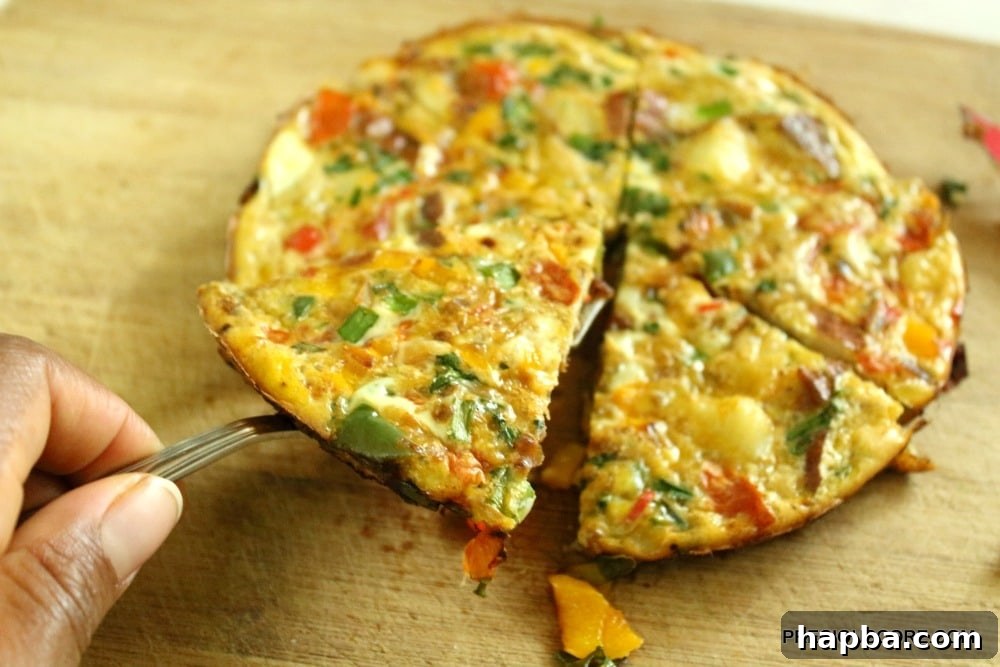
Delicious & Easy Vegetable Frittata: Your New Go-To Breakfast (or Brunch!)
There are some dishes that transcend a simple meal, becoming a source of pure joy and even a friendly rivalry. For me, a recent morning began with just such a culinary masterpiece: a vibrant vegetable frittata. The moment it emerged from the oven, fragrant and inviting, a playful skirmish ensued between Mr. N and me over who would claim the larger portion. It’s a testament to how incredibly simple, yet utterly delightful, this dish truly is.
Frittatas are often called “glorified omelets,” but they are so much more versatile and forgiving. This particular recipe is a shining example, proving that you don’t need exotic ingredients or complicated techniques to create something truly memorable. At its heart, a frittata is a harmonious blend of whisked eggs, fresh vegetables, and your choice of seasonings, all cooked in a single pan. It’s a fantastic way to transform humble ingredients into a star dish, and an excellent solution for using up those leftover veggies that are patiently waiting in your fridge.
My initial plan for this frittata revolved around a generous amount of spinach, but alas, my fridge had other ideas – the spinach was nearing the end of its fresh journey. Undeterred, I pivoted to the other colorful inhabitants of my crisper drawer: crisp bell peppers, aromatic cilantro, and fresh green onions. This adaptability is one of the frittata’s greatest strengths, allowing you to customize it based on what you have on hand, minimizing waste and maximizing flavor.
What Makes a Frittata So Special?
The frittata stands out as a culinary hero for several compelling reasons. Firstly, its **simplicity** is unmatched. It’s a dish that even novice cooks can master with confidence, requiring minimal effort for maximum reward. You don’t need advanced knife skills or complex cooking methods; just a good pan and fresh ingredients.
Secondly, its **versatility** is truly remarkable. While it makes for an elegant and satisfying breakfast or brunch, a frittata is equally delightful for a light lunch or even a quick dinner. Its ability to incorporate almost any vegetable, cheese, or even cooked meats makes it incredibly adaptable to various tastes and dietary preferences. It’s a perfect canvas for culinary creativity, allowing you to experiment with different flavor profiles every time you make it.
Beyond its ease and adaptability, the frittata is also a **nutritional powerhouse**. Packed with protein from eggs and essential vitamins and minerals from a medley of vegetables, it offers a balanced and wholesome meal. It’s a fantastic way to sneak more greens and other healthy produce into your diet, especially for those who might be hesitant to eat vegetables on their own. Serving it alongside fresh fruit or a simple green salad further enhances its nutritional value, transforming it into a complete and filling meal that will keep you energized throughout the day.
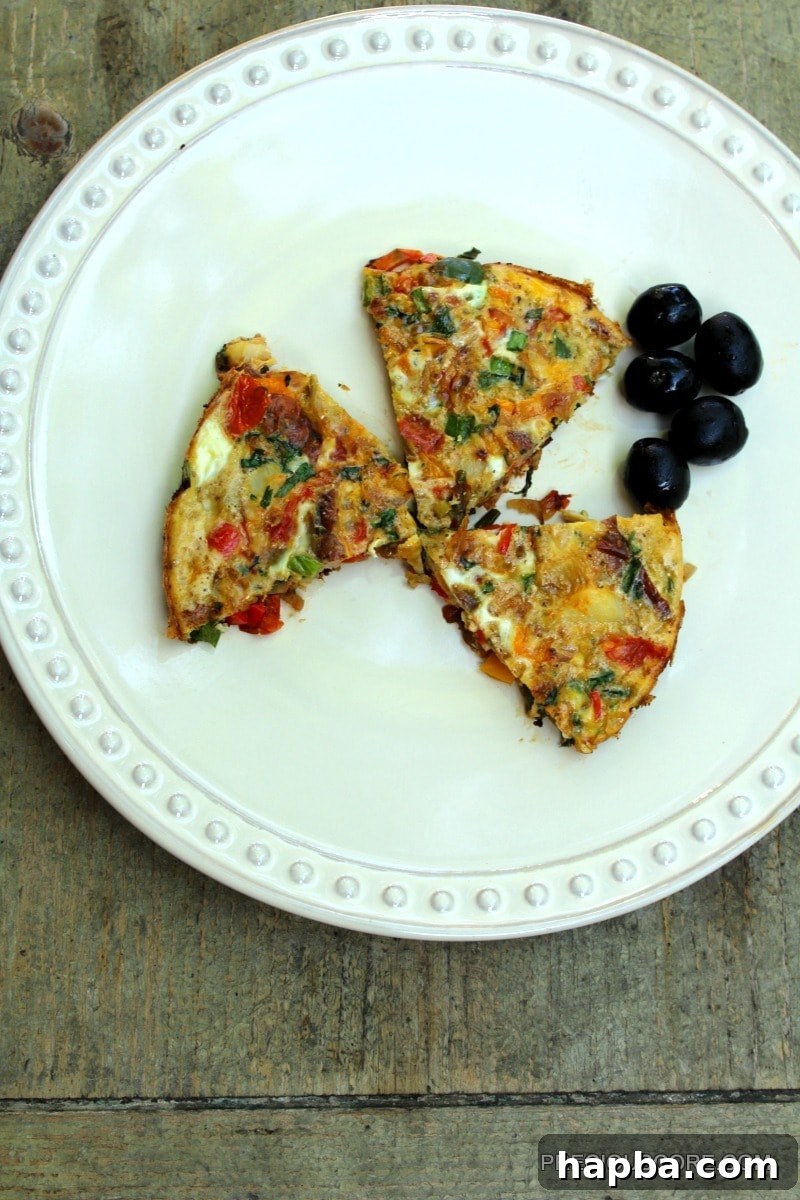
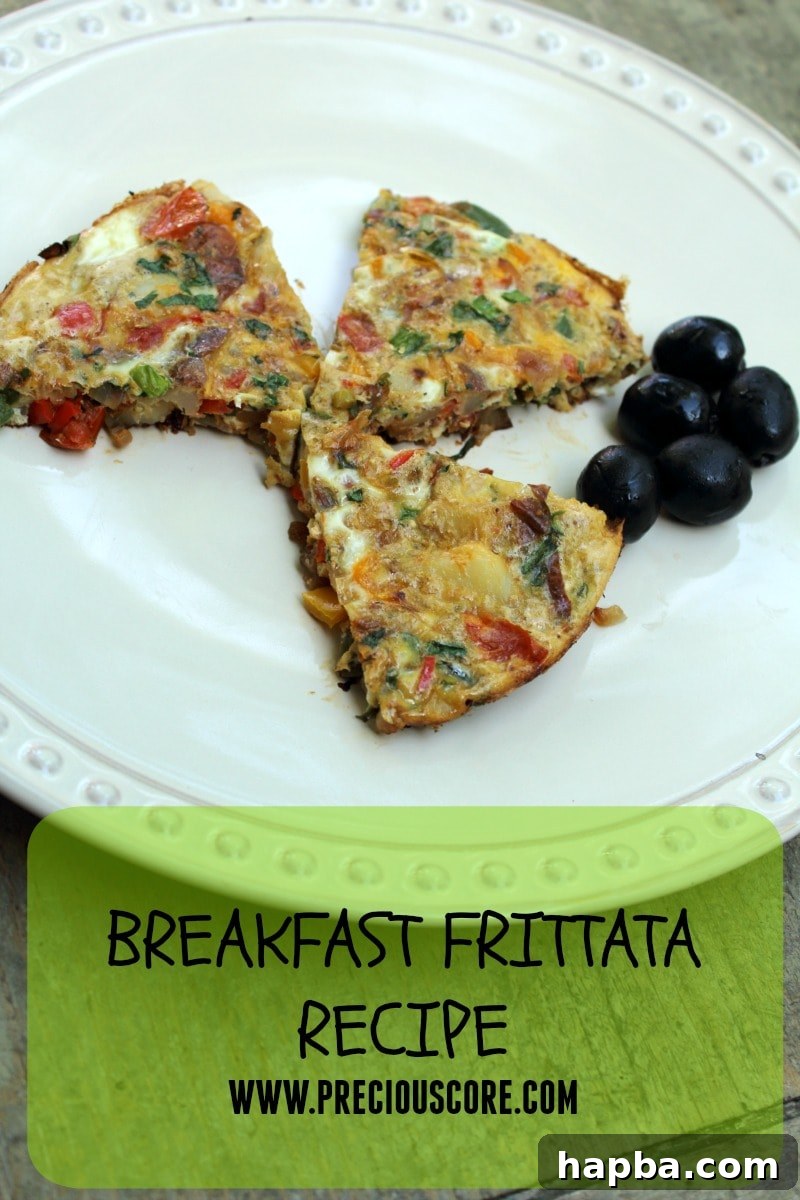
For me, a frittata often feels incomplete without a savory side, and on this occasion, a handful of pitted olives provided the perfect briny counterpoint. I confess, I could happily devour an entire jar of those wonderfully oval delights every single day! They add a burst of flavor that complements the rich eggs and earthy vegetables beautifully.
Crafting Your Perfect Frittata: The Core Ingredients
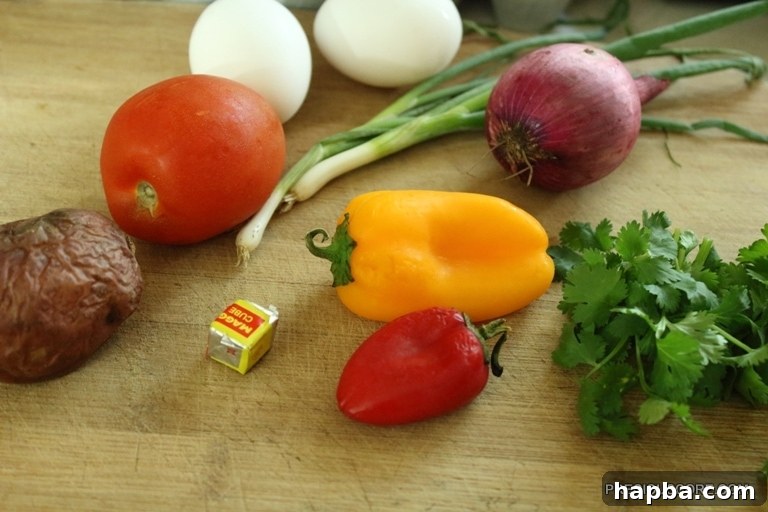
Creating a delicious frittata begins with a selection of fresh, high-quality ingredients. While this recipe offers a fantastic starting point, remember that the beauty of a frittata lies in its flexibility. Feel free to adapt these suggestions based on what’s available and what you love.
The Essential Trio: Eggs, Onions, and Tomatoes
- Eggs: The foundation of any frittata. Fresh, large eggs provide the creamy texture and rich flavor that defines this dish. Aim for organic or free-range if possible for the best taste and nutritional profile.
- Onions: Sautéed onions form the aromatic base, adding a subtle sweetness and depth of flavor that is crucial. A small onion is often enough, but feel free to adjust to your preference.
- Tomatoes: Fresh tomatoes add a burst of acidity and juiciness that brightens the entire frittata. Diced tomatoes soften beautifully when sautéed, releasing their flavors into the pan.
My Vegetable Medley: Bell Peppers, Cilantro, and Green Onions
For this particular frittata, I leaned on a vibrant mix of vegetables that delivered on both color and taste:
- Colored Bell Peppers: I used a mix of colors to add visual appeal and a range of mild, sweet flavors. Red, yellow, and orange bell peppers are fantastic, but even a simple green bell pepper will work wonderfully, offering a slightly more herbaceous note.
- Cilantro: This herb brings a fresh, citrusy, and slightly peppery punch that elevates the overall aroma and taste of the frittata. If you’re not a fan of cilantro, parsley or chives make excellent substitutes.
- Green Onions: Adding both a mild onion flavor and a touch of freshness, green onions are a great addition, especially when chopped and stirred in at the end or used as a garnish.
The Star Addition: Potatoes
While optional, potatoes add a wonderful heartiness and texture to a frittata, making it even more filling and satisfying. I opted for baked Irish potatoes, prepared earlier in the morning. Baking them slowly caramelizes their natural sugars, adding a unique depth. Alternatively, boiled potatoes work just as well and can significantly cut down on prep time. Don’t be shy about leaving the skin on your potatoes – it’s packed with fiber and nutrients!
Seasoning for Flavor
A good frittata doesn’t require a complex spice rack. A simple seasoning cube (like Maggi), along with salt and ground white pepper, often provides all the flavor needed. White pepper, in particular, offers a subtle warmth without the black specks, making it my personal favorite for egg dishes. For those who enjoy a bit of heat, a finely chopped habanero or chili pepper can be a thrilling addition.
Step-by-Step Guide to a Flawless Frittata
Follow these simple steps to create a show-stopping frittata that’s sure to impress!
1. Prepping Your Produce for Success
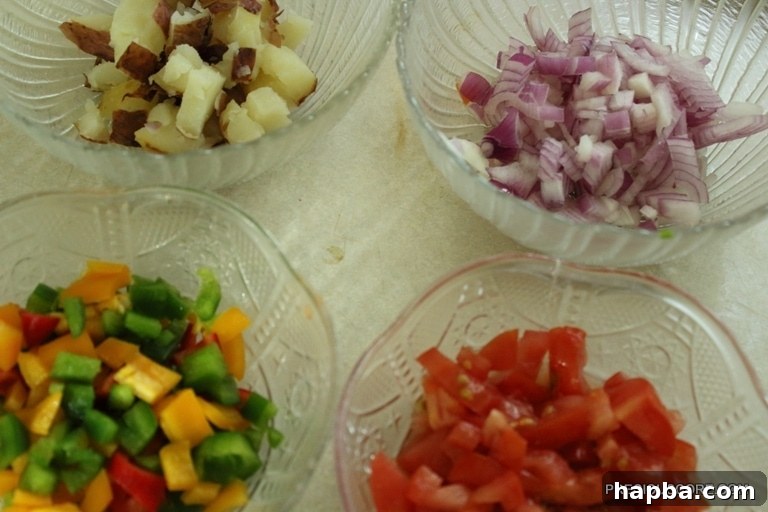
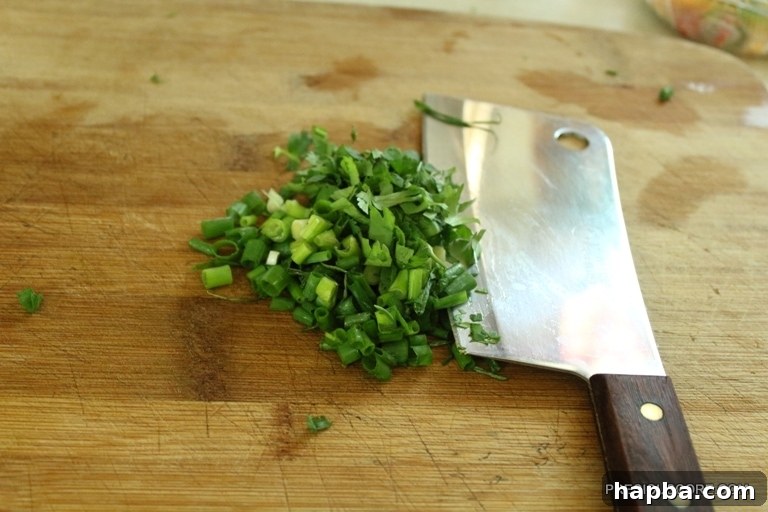
The first step to any great meal is thoughtful preparation. Begin by dicing your baked (or boiled) potato, onion, and tomato into bite-sized pieces. Remember, for added fiber and nutrients, there’s no need to peel the potato! Next, finely chop your fresh cilantro and green onions. Keep each ingredient in separate bowls for easy assembly later. This mise en place approach ensures a smooth and enjoyable cooking process.
2. Sautéing the Aromatics
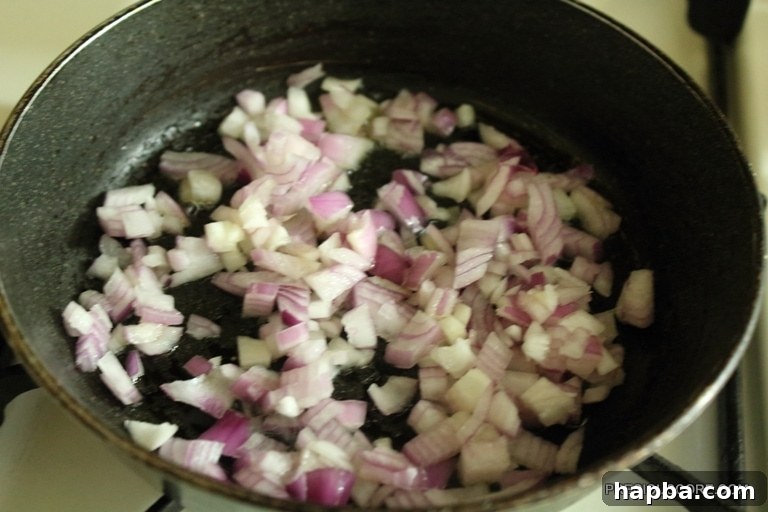
Place an oven-proof skillet (this is key for transitioning from stovetop to oven) over medium heat. Add a tablespoon of good quality olive oil and let it heat gently until shimmering. Once warm, add your diced onions and sauté them until they become beautifully translucent and fragrant, typically about 3-5 minutes. This step releases their sweet flavors and forms the aromatic foundation for your frittata.
3. Incorporating Your Veggie Medley
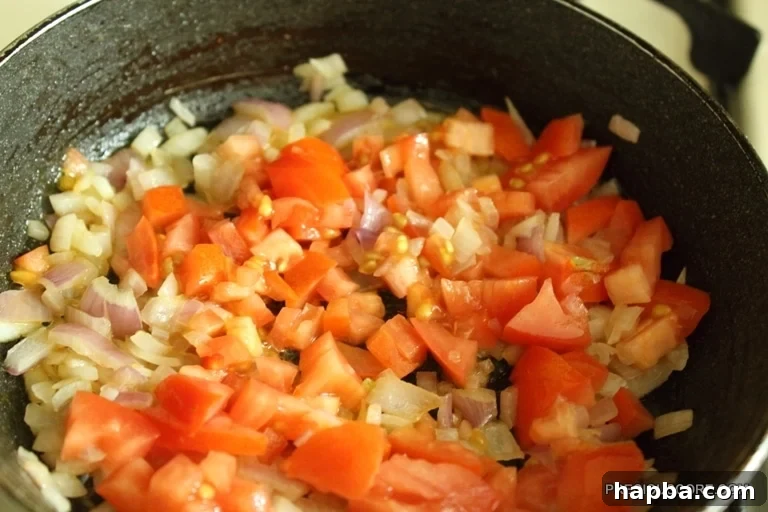
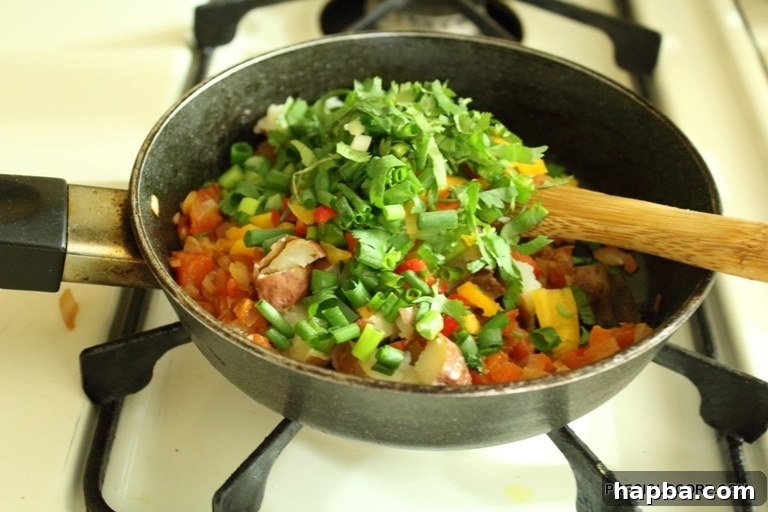
Next, add the chopped tomatoes to the skillet with the onions. Sauté for another two minutes, allowing the tomatoes to soften slightly and release their juices. Then, it’s time to introduce the heart of your frittata: the diced potatoes, bell peppers, cilantro, and green onions. Stir all these wonderful vegetables together, ensuring they are well combined and evenly distributed across the bottom of the skillet. The vibrant colors and fresh aromas at this stage are truly delightful – a preview of the deliciousness to come!
4. Crafting the Perfect Egg Mixture
While your vegetables are mingling in the pan, prepare your egg mixture. In a separate bowl, crack your eggs. Add the seasoning cube, a generous pinch of salt, and a pinch of ground white pepper. White pepper offers a clean, subtle heat that I find enhances egg dishes beautifully, but feel free to omit it if you prefer. For those who love a kick, now is the time to add a tiny amount of finely chopped hot pepper like habanero or chili. Whisk the eggs vigorously until the yolks and whites are fully combined and slightly frothy. This ensures a light and airy texture in your finished frittata.
5. The Final Bake: From Stovetop to Oven
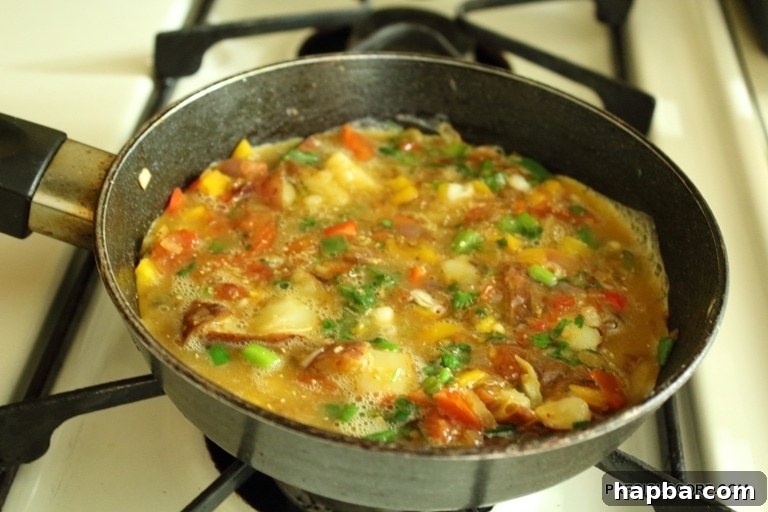
Once your egg mixture is ready, pour it evenly over the beautiful garden of vegetables in your skillet, making sure every corner and crevice is coated. Allow the frittata to cook on the stovetop for about a minute, just until the edges begin to set. This initial setting helps create a sturdy base. Meanwhile, preheat your oven to 350 degrees Fahrenheit (approximately 176 degrees Celsius). Carefully transfer the skillet to the preheated oven. Bake for about 10 minutes, keeping a close eye on it to prevent over-browning. The frittata should be just set in the center and lightly puffed. Oh, the anticipation at this point is almost unbearable!
Beyond the Basics: Frittata Variations & Tips
The real magic of a frittata lies in its adaptability. Once you’ve mastered the basic technique, the possibilities for customization are virtually endless. Think of your frittata as a culinary canvas, eagerly awaiting your creative touch.
Endless Customization: Make It Your Own
- Cheese Please! A sprinkle of shredded cheese – cheddar, mozzarella, Parmesan, or a blend – stirred into the egg mixture or melted on top during the last few minutes of baking adds incredible richness and flavor.
- Meaty Delights: Cooked and crumbled bacon, diced ham, breakfast sausage, shredded chicken, or even smoked salmon can be folded into the vegetable base for a more substantial meal.
- Vegetable Wonderland: Don’t limit yourself to the vegetables in this recipe. Consider adding sautéed mushrooms, zucchini, bell peppers, asparagus, or even sweet potatoes. Remember, if adding high-water content vegetables like mushrooms or zucchini, it’s best to sauté them first to remove excess moisture and prevent a watery frittata.
- Herbaceous Accents: Fresh herbs like parsley, chives, thyme, or oregano can introduce different aromatic notes. Add them at the same time as the cilantro or sprinkle them over the top just before serving.
- Spice It Up: A pinch of smoked paprika, a dash of red pepper flakes, or a hint of garlic powder can transform the flavor profile.
- Seasonal Swaps: Embrace seasonal produce! In spring, think asparagus and fresh peas. In summer, cherry tomatoes and basil. Fall brings squash and kale, while winter might call for roasted root vegetables.
Expert Tips for Frittata Success
- The Right Pan: An oven-proof, non-stick skillet or a well-seasoned cast-iron pan is essential. This allows for seamless transfer from stovetop to oven and easy release.
- Don’t Overcrowd the Pan: While it’s tempting to pack in as many vegetables as possible, ensure there’s enough room for the eggs to bind everything together and cook evenly.
- Pre-cook Harder Vegetables: Any dense vegetables like potatoes, carrots, or broccoli should be lightly cooked or steamed before adding them to the frittata mixture to ensure they are tender.
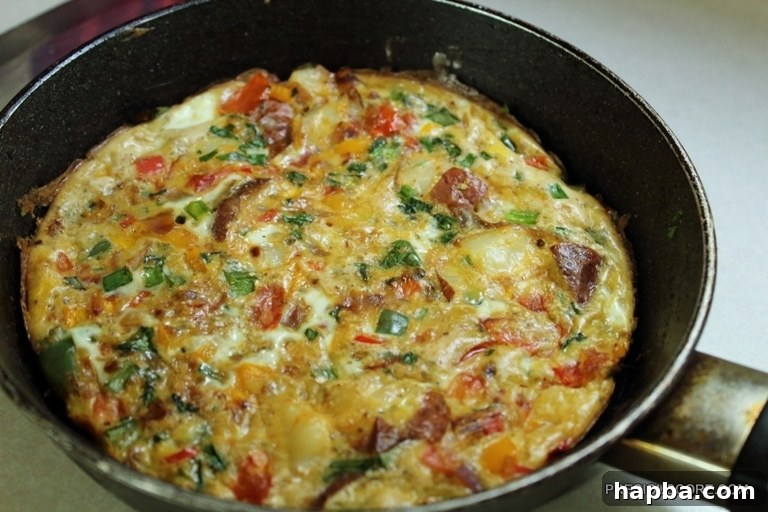
- Watch for Doneness: The frittata is cooked when the center is set and no longer jiggly, and the edges are lightly golden. Overcooking can lead to a dry, rubbery texture.
- Rest Before Serving: Allow the frittata to rest for a couple of minutes after removing it from the oven. This helps it firm up and makes it easier to slice neatly.
- High-Quality Eggs: The better the eggs, the better your frittata will taste. Opt for fresh, large eggs from a reputable source.
Serving Your Masterpiece
Once your frittata emerges from the oven, golden and fragrant, the hardest part is waiting for just a moment before diving in. This beautiful dish is incredibly versatile in how it can be served. After letting it sit for a couple of minutes to firm up, I carefully removed it from the pan, taking a moment to admire its vibrant colors and perfect texture. There’s something truly satisfying about presenting a dish that looks as good as it tastes!
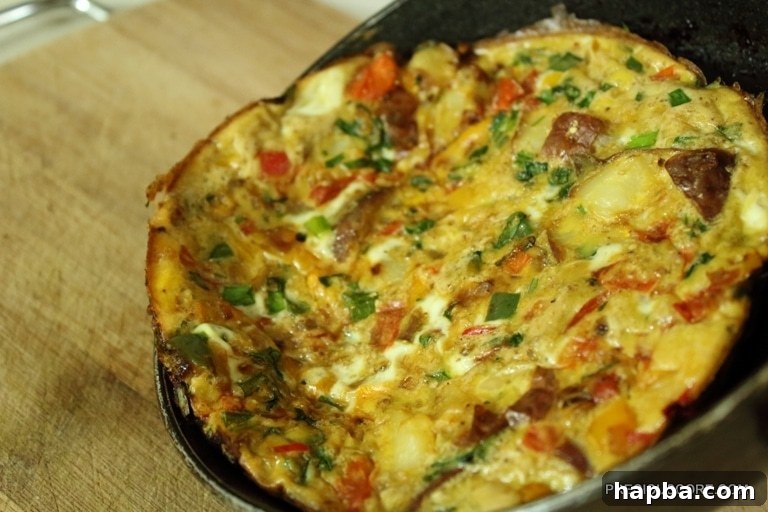

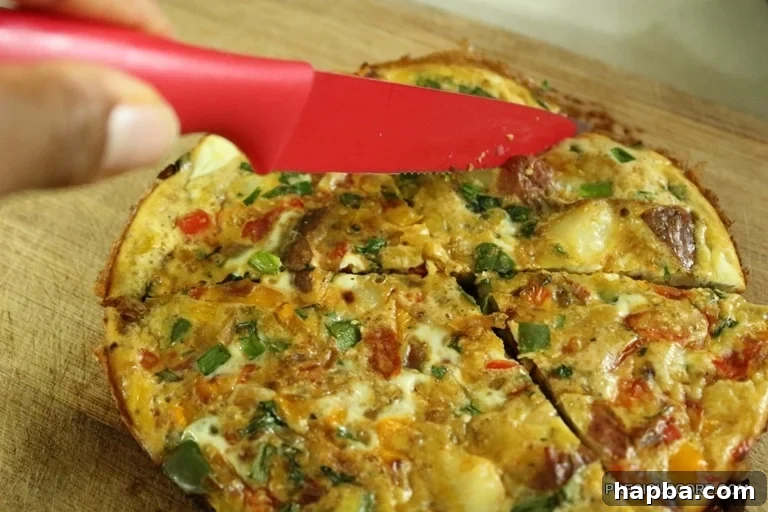
I then sliced it into elegant wedges, ready to be enjoyed. The frittata is wonderful on its own, but it truly shines when paired with simple accompaniments. A side of fresh fruit, a crisp green salad, or even some extra olives can transform it into a more substantial and refreshing meal. Imagine a weekend brunch spread, with this frittata taking center stage, surrounded by fresh berries, crusty bread, and a steaming cup of coffee. It’s perfect for any time of day, offering a satisfying and wholesome option that caters to various palates. And yes, Mr. N and I did engage in another friendly battle for the last slice!
Storage and Reheating
One of the best things about a frittata is how well it keeps! If you happen to have any leftovers (which is a big “if” with this recipe!), store them in an airtight container in the refrigerator for up to 3-4 days. To reheat, you can gently warm individual slices in the microwave for 1-2 minutes until heated through, or place them on a baking sheet and reheat in a preheated oven at 300°F (150°C) for about 10-15 minutes, or until warmed to your liking. It’s a fantastic option for meal prep, providing quick and easy breakfasts or lunches throughout the week.
Printable Recipe Card: Easy Vegetable Frittata
Easy Vegetable Frittata
by Precious Nkeih (www.preciouscore.com) | August 16, 2016
This versatile frittata recipe transforms everyday ingredients into a glorious breakfast, lunch, or brunch dish. It’s a flavorful, easy-to-make egg and vegetable creation that’s perfect for using up leftovers and customizing to your taste.
Ingredients
- 2 large eggs
- 1 tablespoon olive oil
- 1 medium tomato, diced
- 1 small onion, diced
- 1 large or 2 small bell peppers (any color), diced
- 1 seasoning cube (e.g., Maggi)
- 2 stems green onions, chopped
- 1 handful fresh cilantro, chopped
- 1 medium baked or boiled Irish potato, diced (skin on for extra nutrients!)
- Pinch of salt (to taste)
- Pinch of ground white pepper (optional, to taste)
- Optional: Finely chopped hot pepper (habanero or chili) for heat
Instructions
- Prepare Ingredients: Dice the baked or boiled potato, onion, tomato, and bell peppers. Keep them in separate bowls for easy access. Chop the fresh cilantro and green onions.
- Sauté Onions: Place an oven-proof skillet over medium heat. Pour in the olive oil and let it heat. Add the diced onion and sauté until translucent, about 3-5 minutes.
- Add Tomatoes: Stir in the chopped tomato and sauté for another two minutes, allowing it to soften slightly.
- Combine Veggies: Now, add the diced potatoes, bell peppers, cilantro, and green onions to the skillet. Mix well to combine all the vegetables.
- Prepare Egg Mixture: In a separate bowl, beat the eggs together with the seasoning cube, salt, and ground white pepper (if using). If adding hot pepper, stir it in now.
- Pour Egg Mixture: Pour the whisked egg mixture evenly over the vegetables in the skillet, ensuring all ingredients are coated.
- Set & Bake: Let the frittata cook on the stovetop for about 1 minute, just until the edges begin to set. Transfer the skillet to a preheated oven at 350°F (176°C). Bake for approximately 10 minutes, watching carefully to prevent over-browning. The center should be set but still moist.
- Serve: Remove the frittata from the oven and let it rest in the pan for 2 minutes. Carefully slide it out onto a cutting board, slice into wedges, and serve warm. Enjoy!
Details
Prep time:
Cook time:
Total time:
Yield: 2 servings
This recipe is truly awesome! It’s designed to be adaptable, so don’t hesitate to throw in whatever ingredients you love or have on hand: shredded carrots, different types of cheese, leftover shredded chicken, or any other vegetable that calls to you from your fridge. The possibilities are endless. And seriously, don’t forget to add a humble potato like I did – it makes all the difference! Enjoy the process of creating your own personalized, delectable frittata!