

Accra Beans: A Journey from Cravings to Culinary Delight (Black-Eyed Peas Fritters)
My culinary love story with Accra Beans began unexpectedly during my second pregnancy. Before then, these crispy, savory fritters were just another street food. But pregnancy, with its unique way of amplifying tastes and desires, transformed them into an irresistible craving, an almost addictive delight that I simply couldn’t get enough of. This profound connection to Accra beans was an experience etched into my memory, shaping my appreciation for this vibrant West African snack.
During that period, I was teaching part-time at a private university, conveniently located near the bustling Great Soppo market in Buea, within Cameroon’s picturesque South West region. Lectures often coincided with market days, creating the perfect opportunity for my post-class ritual. I would practically sprint to the market, eager to purchase a generous portion of freshly fried Accra beans from a particular vendor. The anticipation was so intense that waiting until I got home was often out of the question. Many a taxi ride became a makeshift dining room as I eagerly unwrapped my plastic bag and indulged in the warm, flavorful fritters. Even today, long after the pregnancy hormones have subsided, my deep affection for Accra beans remains as strong as ever. It’s a testament to the enduring appeal of this simple yet incredibly satisfying dish.
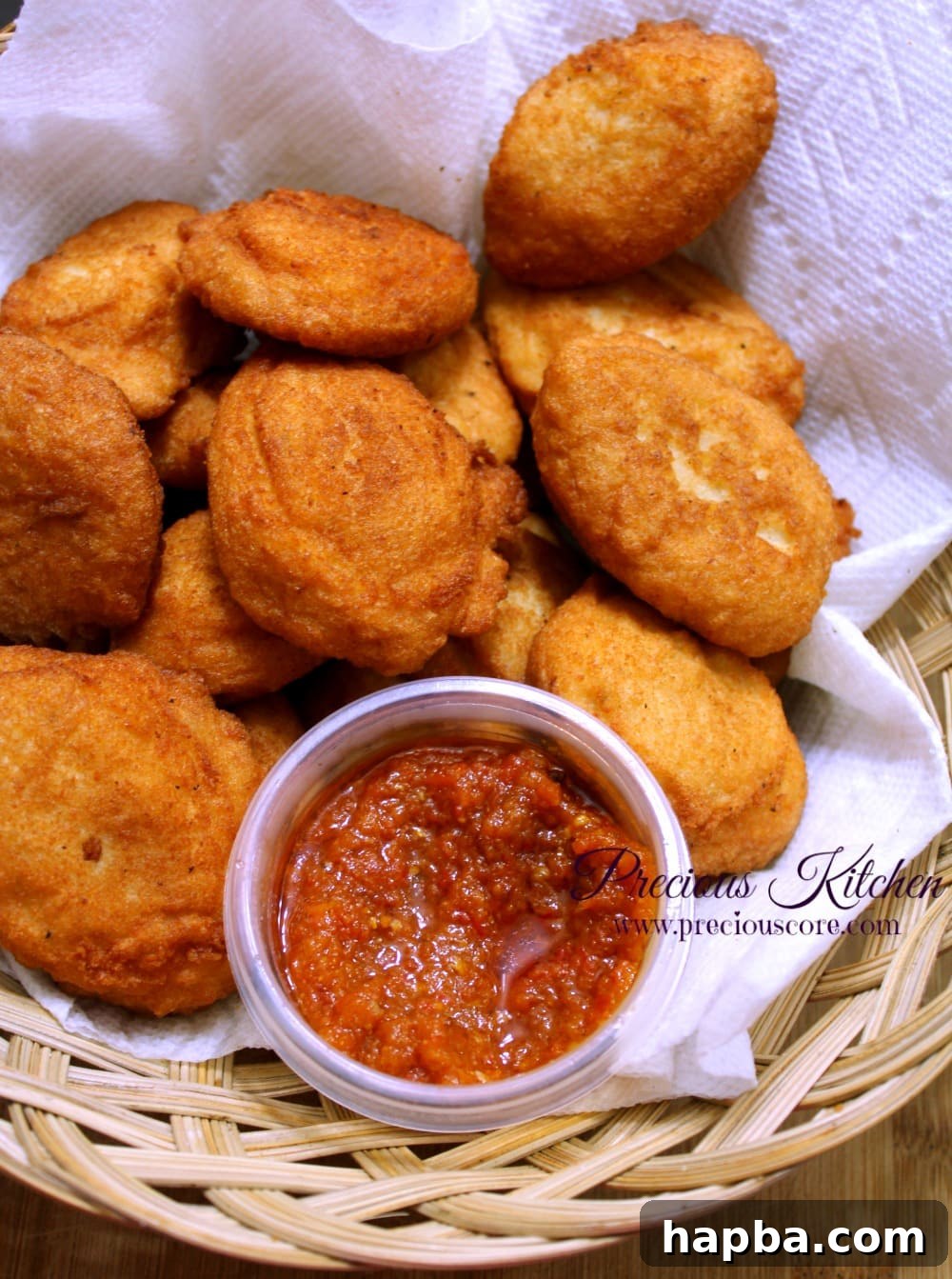 |
| Oh honey! The irresistible crunch. |
Unveiling the Magic of Accra Beans (Akara / Black-Eyed Peas Fritters)
When you develop such a profound love for a dish, it feels almost natural, a rite of passage even, to learn how to prepare it yourself. While the convenience of street vendors like “Mami Accras” is a joy, there will always be occasions when the craving strikes, and only a homemade batch will suffice. The most exciting aspect is that you don’t need to be on the African continent to recreate these culinary treasures! The star ingredient, black-eyed peas (also known as Koki beans in Cameroon), is remarkably accessible and can be found in most grocery stores worldwide, typically in the beans or pulses aisle. Trust me, delicious Koki beans are closer than you think.
Accra, or Akara as it’s known in Nigeria, is more than just a snack; it’s a cultural cornerstone, a vibrant part of the culinary landscape across West Africa. In Cameroon, it’s a ubiquitous street food, expertly hawked by vendors, sold in small food kiosks, and universally cherished. These “chops” offer a phenomenal way to transform simple black-eyed peas into a rich, flavorful, and incredibly satisfying dish. The traditional process involves carefully peeling the black-eyed peas, soaking them in water for several hours to soften, then grinding them into a smooth, thick paste before deep-frying them to golden perfection.
While the authentic experience hinges on fresh, hand-ground beans, some variations exist. Occasionally, powdered black-eyed peas are mixed with water and used as a substitute for the freshly ground version. Indeed, my initial attempts at making this beloved snack were with powdered Koki beans, thoughtfully sent to me by my sweet mother. While the powdered version yields a delicious result, it often has a slightly different texture compared to those made with fresh beans. For an unparalleled taste and texture, I unequivocally prefer fresh beans any day, any time! Yes, the preparation takes a bit longer, requiring patience and effort, but I promise, each golden-brown, crispy bite makes every moment of that endeavor utterly worthwhile.
In broader culinary terminology, this delightful snack is often referred to as “Black Eyed Peas Fritters.” However, if you’re a *contri geh* (a term of endearment for a local or rural girl) like me, you’ll affectionately call it “Accra Beans” if you’re Cameroonian, or “Akara” if you’re Nigerian. Make sure your mouth opens wide and your pronunciation is spirited when you say it! I’ve heard whispers that other countries also have their versions, though I haven’t yet embarked on extensive research to confirm their unique takes on this versatile legume fritter.
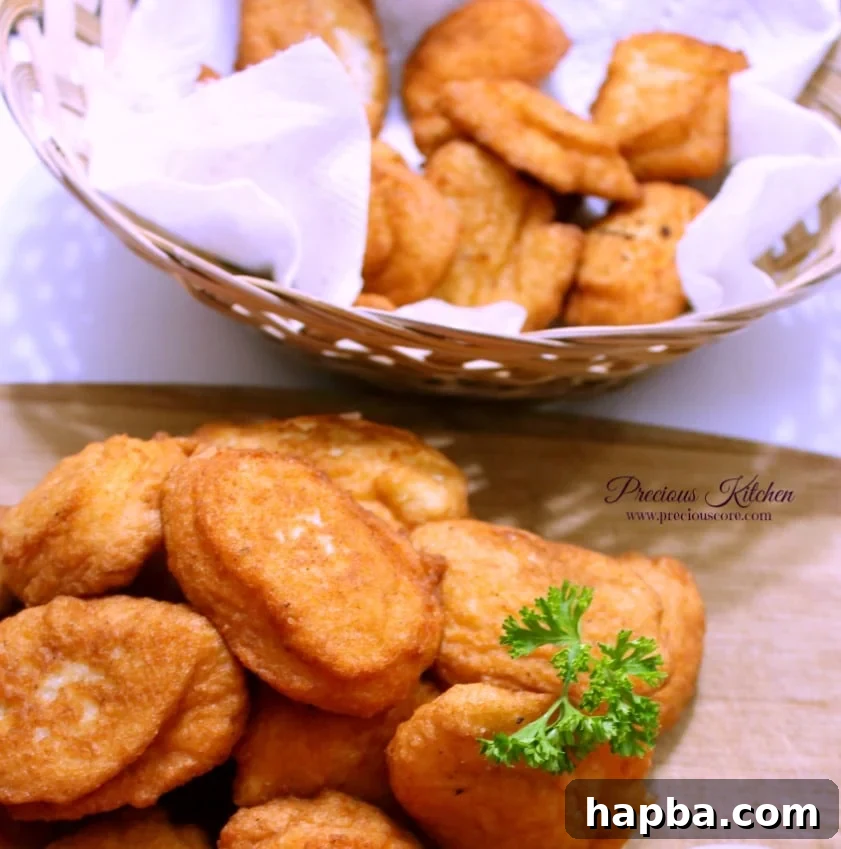 |
| Oh baby! Golden perfection. |
The Versatility of Accra Beans: More Than Just a Snack
These fritters, when freshly made, boast a delightful textural contrast: wonderfully crunchy and golden on the outside, giving way to a soft, fluffy interior. Their versatility knows no bounds; Accra beans can grace your table as an appetizing starter, a hearty breakfast dish, or simply a satisfying snack at any time of day.
For breakfast, a popular pairing is with Pap (a smooth, light porridge made from fermented corn) or Custard. The creamy consistency of the porridge perfectly complements the savory crispness of the fritters, creating a balanced and energizing start to your day. Another beloved way to enjoy them, particularly among Cameroonians, is as a unique sandwich filling. Imagine biting into soft bread, generously stuffed with warm, flavorful Accra beans – it’s a combination that has earned countless praises. For me, however, they typically serve as a phenomenal snack, often accompanied by my legendary killer pepper sauce. The spicy kick of the sauce elevates the humble fritter to an extraordinary culinary experience.

Crafting Your Own Accra Beans: A Step-by-Step Guide
Embarking on the journey to make Accra beans at home is a rewarding experience. You’ll only need a handful of essential ingredients: Koki beans (black-eyed peas), a medium-sized onion, salt, and vegetable oil for frying. The magic truly begins with the preparation of the beans.
Step 1: Peeling and Soaking the Beans for Perfect Texture
The most crucial step in achieving the desired light and fluffy texture of Accra beans is properly peeling the black-eyed peas. While it might seem daunting, it’s quite simple. Start by soaking your chosen quantity of beans in plenty of water for about five minutes. This softens the skins slightly. Next, transfer the soaked beans to a blender and pulse them for just one to two minutes. The goal here isn’t to grind the beans, but rather to gently agitate them enough to loosen and crack their skins.
Once pulsed, pour the beans into a large bowl and add a generous amount of water. The loosened skins, being lighter, will float to the surface. Carefully skim these floating skins off using a colander or your hands. Repeat this process of adding water and draining the skins until virtually all of them are removed. Don’t worry if a few stubborn skins remain; a small number won’t affect the final product. For any beans that are still whole with skins attached, a gentle rub between your palms under water can help remove them. After peeling, let the cleaned beans soak in fresh water overnight, or for a minimum of six hours. This extended soak is vital for softening the beans completely, making them easier to blend into a smooth paste.
Step 2: Blending the Paste to the Right Consistency
The following morning, drain the soaked beans thoroughly. Now comes the blending. Combine the drained beans with half a medium-sized, roughly chopped onion in your blender. The key here is to use *very little* water – just enough to get the blades moving. You’re aiming for a really thick, smooth paste, not a watery batter. If your blender has a smaller compartment, I highly recommend using it; I’ve found it to be much more effective in achieving that desired creamy consistency, especially for smaller batches. It might take a bit of patience, blending in small batches and scraping down the sides occasionally, but a perfectly smooth, thick paste is crucial for light, airy fritters. If you happen to have a food processor, it’s an even better tool for this step, as it can often grind the beans with almost no water, mimicking the traditional mortar and pestle method more closely.
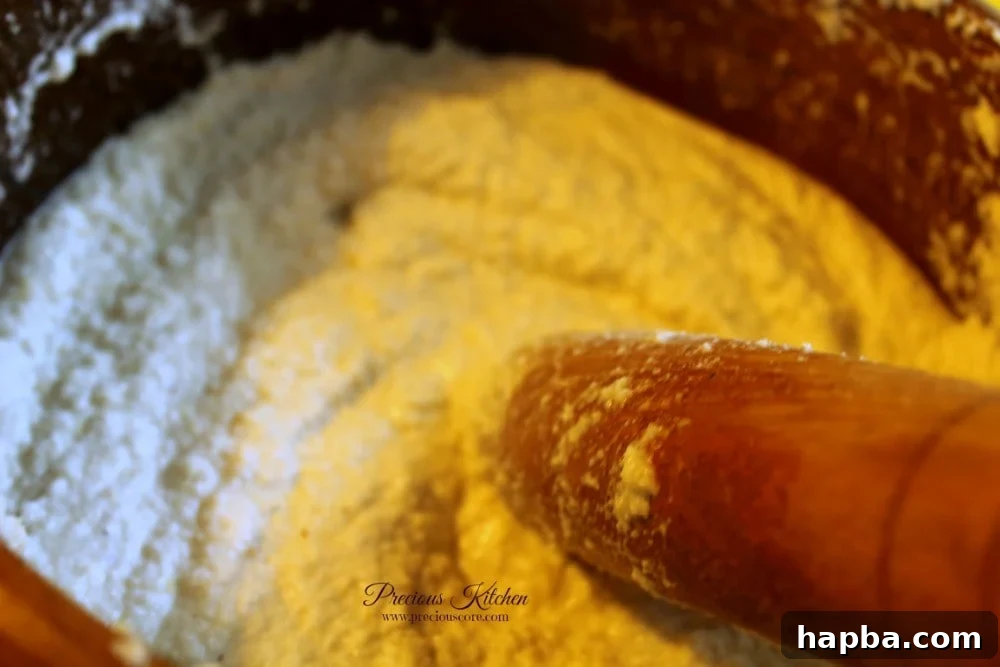
Step 3: Aerating the Batter and Preparing for Frying
Pour your freshly ground bean paste into a large bowl. Now, for another critical step: aeration. Add a good teaspoon of salt to the paste. Start stirring the mixture vigorously in a circular motion. This continuous stirring helps to incorporate air into the batter, making it lighter and preventing your Accra beans from turning out dense and heavy after frying. This process is essential for achieving that characteristic fluffy interior. Continue stirring for several minutes until the batter looks visibly lighter and somewhat expanded.
Halfway through your stirring, it’s time to prepare your frying oil. Place a deep pot or skillet on medium-high heat and add enough vegetable oil to allow the fritters to float without touching the bottom. Ensure the oil heats up properly. Once your batter is thoroughly aerated and your oil is heating, taste a tiny bit of the batter for saltiness. It should taste slightly saltier than you would normally prefer for cooked food, as some saltiness will be neutralized during frying. If it’s merely “just enough” salt at this stage, your final Accra beans might taste bland.
Step 4: Frying Your Golden Accra Beans to Perfection
Before frying the entire batch, it’s always a good idea to perform a test fry. Use a flat-headed cooking spoon to scoop out a small amount of the dough and gently drop it into the hot oil. This single scoop acts as your temperature gauge and quality check.
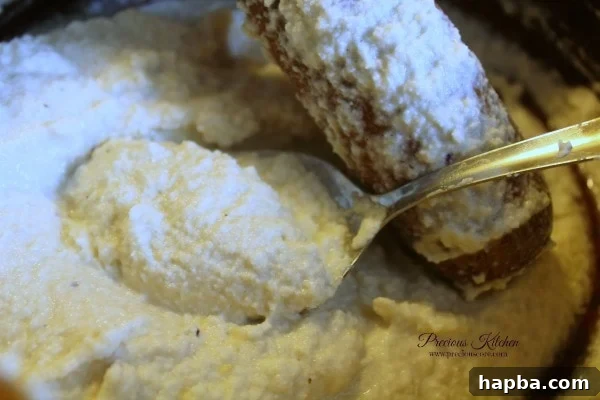
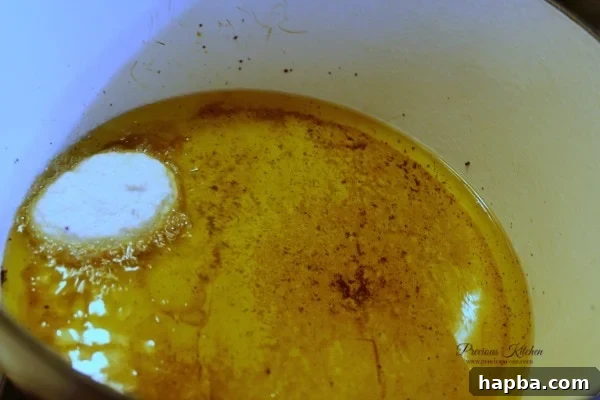
If the test fritter fries well – meaning it quickly turns a beautiful golden brown color without burning too fast or soaking up too much oil – then you know your oil is at the perfect temperature. At this point, I often do a little mental victory dance! Flip the test fritter to cook evenly on both sides.
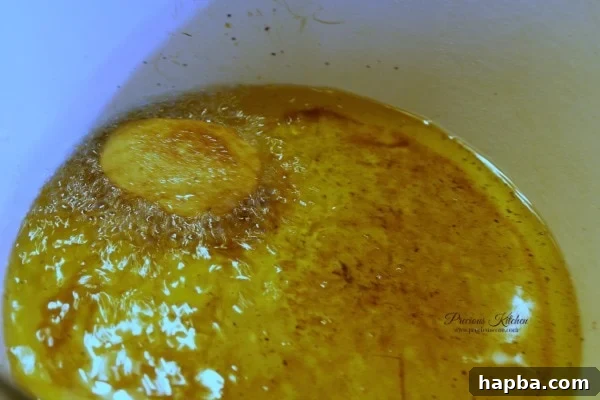
Once you’re satisfied with the test fritter, proceed with the rest of the batter. Carefully scoop spoonfuls of the dough and drop them into the hot oil. Be mindful not to overcrowd your pot; frying in batches allows the fritters to cook evenly and maintain the oil temperature. Overcrowding can lower the oil temperature too much, leading to greasy, soggy fritters.
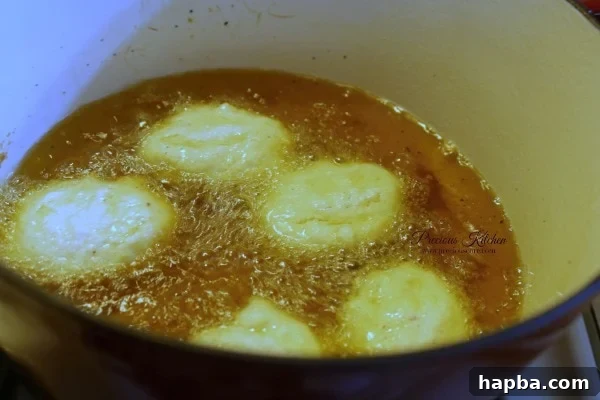
Let them fry on each side for about two minutes, or until they achieve that perfect golden-brown hue. You’ll notice they tend to swell slightly as they fry, a sign of a well-aerated batter.
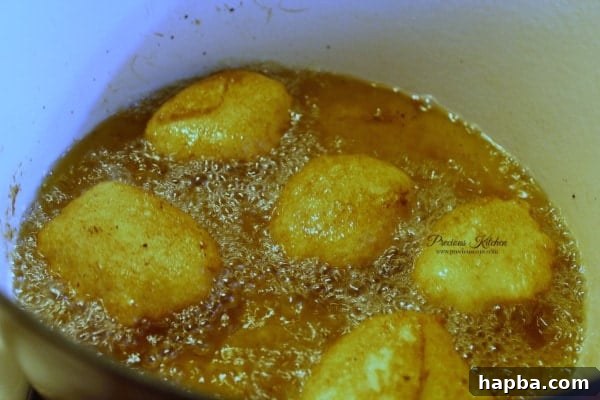
Once cooked, remove the Accra beans from the oil and place them on a plate lined with paper towels to absorb any excess oil. At this stage, it’s almost impossible to resist! Grab one, let it cool slightly, and take a divine bite – you’ve earned it!
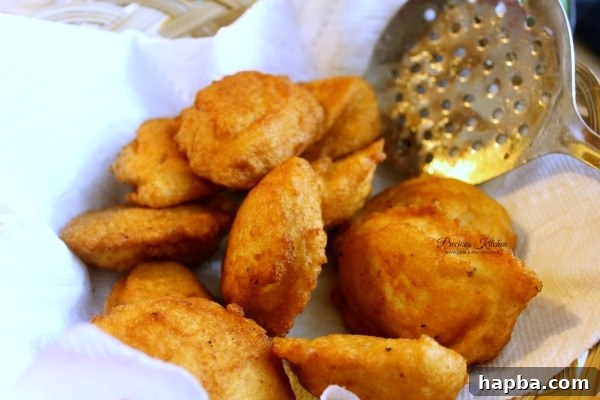
And don’t forget the truly phenomenal pepper sauce to munch with your freshly made Accra beans. It’s the perfect complement, adding a layer of exciting flavor and heat. Below, you’ll find the printable recipe for your convenience!
Printable Recipe: Accra Beans (Black-Eyed Peas Fritters)
Accra Beans (Black-Eyed Peas Fritters)
by Precious Meshi Nkeih (www.preciouscore.com) July-19-2016
A delicious Cameroonian vegan snack made out of black-eyed peas, crispy on the outside and soft on the inside.
Ingredients
- 2 cups black-eyed peas (koki beans)
- Half a medium-sized onion
- 1 teaspoon salt
- 2 cups vegetable oil (for deep frying)
Instructions
- Step 1: Peeling the Beans
Soak the black-eyed peas in 4 cups of water for 5 minutes. Transfer them to a blender and pulse for approximately 2 minutes to loosen and remove the bean skins. Be careful not to grind the beans at this stage; you’re only trying to get the skins off. Pour the pulsed beans into a large bowl, add about 8 cups of fresh water. The loosened skins will float to the top. Carefully pour the water and floating skins through a colander to discard them. Repeat this process until most of the skins are gone. A few remaining skins are perfectly fine. For any stubborn beans still with skins, gently rub them between your hands. After peeling, soak the cleaned beans in four cups of fresh water overnight, or for about 6 hours. - Step 2: Blending the Paste
The next morning, drain the soaked beans thoroughly. Place the beans and the chopped half onion into a blender. Blend with VERY LITTLE water until you achieve a perfectly smooth, thick paste. I recommend crushing the beans first without water, then adding a minimal amount of water to help them transform into a paste. If your blender has a small compartment, use it for best results, blending in small batches to ensure smoothness. This step requires patience, but a smooth, thick batter is key. If you have a food processor, use it to grind the beans without water; it’s ideal for achieving the traditional consistency. - Step 3: Aerating the Batter and Heating Oil
Pour your ground bean paste into a large bowl. Add 1 teaspoon of salt. Begin stirring the mixture vigorously in a circular motion. This essential step incorporates air into the batter, preventing the fritters from becoming dense and ensuring a light, fluffy texture. While you are stirring, place your frying pot on medium-high heat and add the vegetable oil to heat up. Continue stirring the batter until it looks visibly lighter and has increased slightly in volume. The batter should taste slightly saltier than usual, as some saltiness will reduce during frying. - Step 4: Frying the Accra Beans
Once the oil is hot (test with a single spoonful of batter; it should sizzle and turn golden brown quickly), begin scooping the batter with a spoon and gently dropping it into the hot oil. Fry on medium heat. Do not overcrowd the pot; fry in batches to maintain oil temperature and ensure even cooking. Fry each side for about 2 minutes, or until they are beautifully golden brown. The fritters will puff up slightly as they cook. - Step 5: Draining and Serving
Remove the fried Accra beans from the oil and place them on a plate lined with paper towels to absorb any excess oil. Serve hot, either on their own, with traditional Pap or Custard for breakfast, as a delicious sandwich filling, or accompanied by your favorite spicy pepper sauce. Enjoy your homemade, flavorful Accra beans!
Details
Prep time:
Cook time:
Total time:
Yield: About 20 fritters
Important Notes and Tips for Success
Here are a few additional tips to ensure your Accra Beans turn out perfectly every time:
- You do not need to add seasoning cubes (like Maggi or Knorr) to Accra beans. The natural flavor of the black-eyed peas, combined with onion and salt, is perfectly sufficient and authentic.
- For those who enjoy a bit of heat, you can add some fresh chili pepper to the beans before grinding them. This is entirely optional and can be adjusted to your preferred spice level.
- Achieving Light Fritters: The most common pitfall is dense fritters. Ensure your batter is blended very smoothly and is thick, and do not skimp on the circular stirring. This aeration is key to incorporating enough air for a light, fluffy interior.
- Oil Temperature: If the oil isn’t hot enough, the fritters will soak up too much oil and become greasy. If it’s too hot, they will burn on the outside while remaining raw inside. The test fritter step is crucial for getting this just right. Medium-high heat is generally ideal.
- Batch Frying: Always fry in batches. Overcrowding cools the oil and leads to uneven cooking and greasy fritters. Give each fritter space to cook beautifully.
Enjoy the process of making these delightful Accra Beans, a taste of West African culinary tradition right in your own kitchen!