
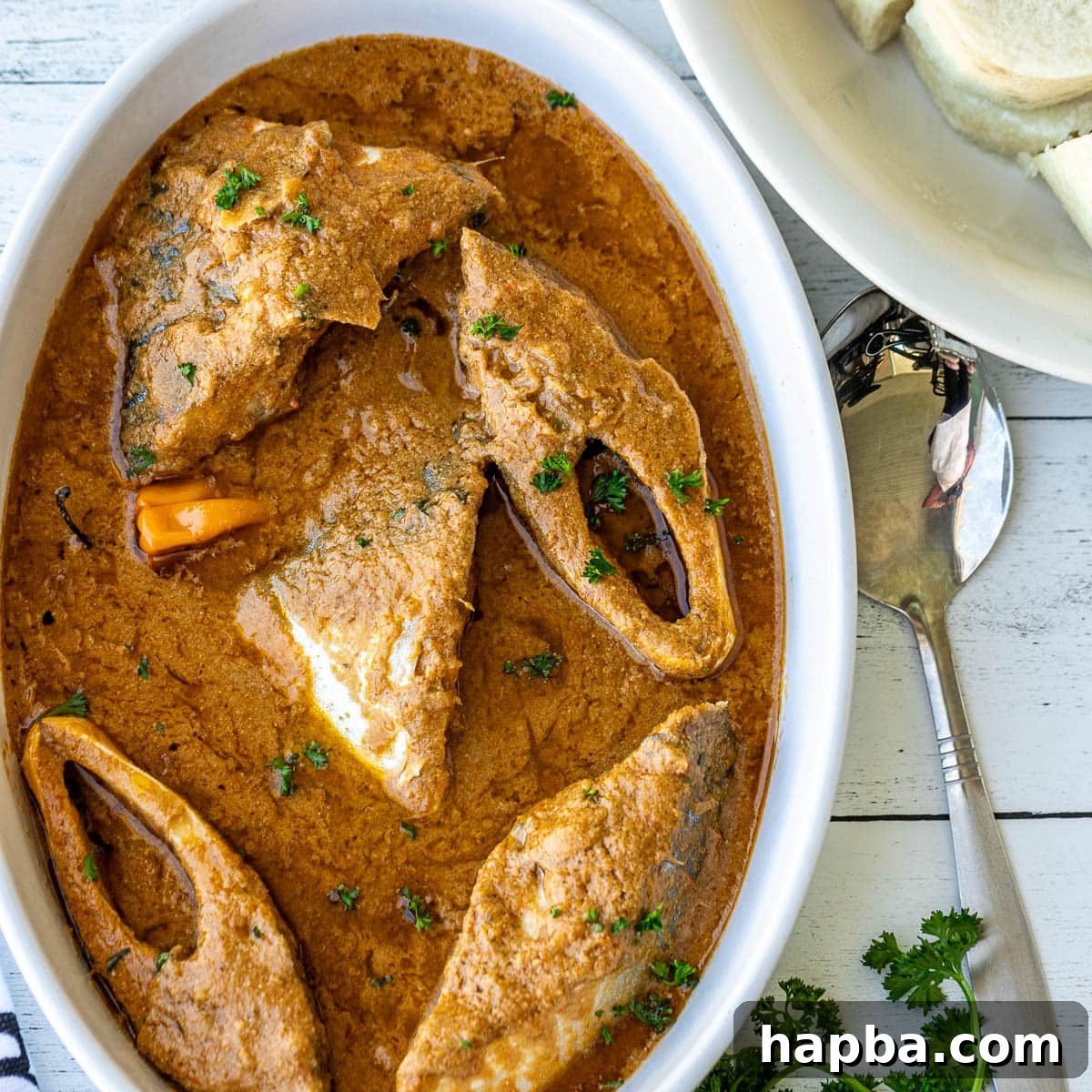
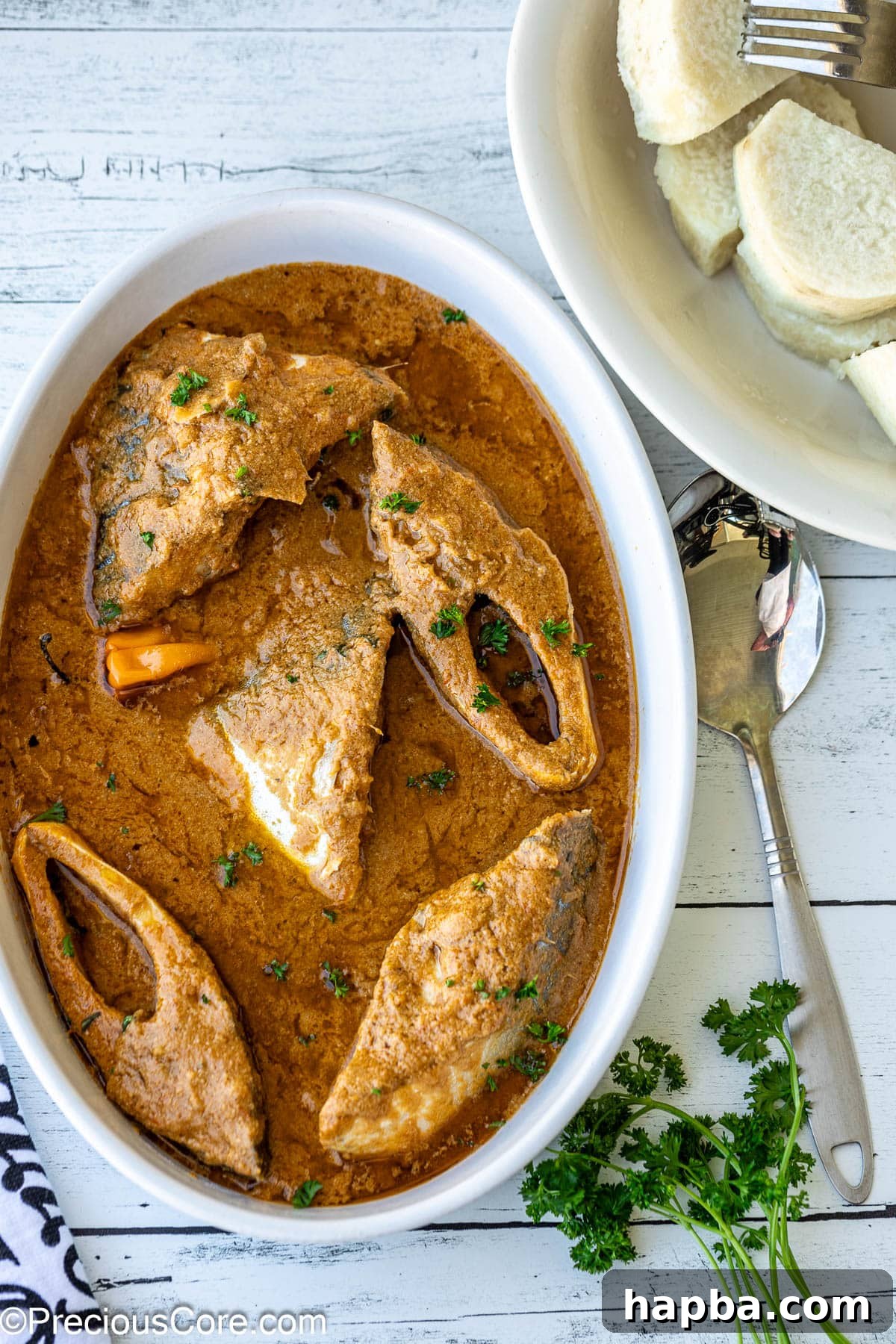
Embark on a culinary journey to the heart of West Africa with this exquisite Cameroonian Njangsa Sauce, often celebrated as Njangsa Stew. This traditional dish is renowned for its irresistibly creamy texture and profound umami flavor, derived from a unique blend of indigenous ingredients. It’s a versatile main course that pairs magnificently with staples like soft boiled plantains, hearty African white yams, or fluffy rice, making it an ideal choice for any meal, from a casual weeknight dinner to a festive gathering.
The true magic of this sauce lies in its star ingredient: **Njangsa seeds**. These distinctive, orange-hued kernels are not just visually appealing; they are the secret to the sauce’s characteristic creaminess and earthy, nutty flavor profile. Known by various names across different regions, such as Njangsa, Njangsang, Djangsang, or even Njansa in some local dialects, these seeds are a cornerstone of Cameroonian cuisine. Scientifically identified as Ricinodendron Heudelotii, Njangsa is a valuable oil kernel extensively utilized for its culinary prowess and nutritional benefits throughout West and Central Africa.
Beyond this delightful stew, Njangsa seeds play a crucial role in other iconic Cameroonian dishes. They are an essential component of authentic Cameroonian Pepper Soup, where they contribute a rich, thickening element and a layer of complex flavor. Furthermore, Njangsa is often incorporated into marinades, adding an extra “oomph” to recipes like Cameroonian Roasted Fish, infusing the protein with its unique nutty essence. Sourcing this exceptional ethnic ingredient is often straightforward; most well-stocked African grocery stores or international markets carry Njangsa seeds, either whole or ground, making this authentic taste accessible to everyone.
Whether you are a seasoned enthusiast of African cuisine or an adventurous home cook looking to explore new flavors, this authentic Njangsa sauce recipe promises an unforgettable experience. Its depth of flavor and comforting creaminess make it an instantly beloved dish, perfect for sharing with family and friends. Prepare to be amazed by this insanely delicious culinary masterpiece!
Table of Contents
- Why You’ll Adore This Njangsa Sauce
- The Star Ingredient: Njangsa Seeds
- The Essential Ingredients
- How to Master Njangsa Sauce
- Visual Guide: Watch How To Make It
- Creative Variations for Njangsa Sauce
- Frequently Asked Questions About Njangsa
- Explore More Cameroonian Recipes
- Authentic Cameroonian Njangsa Sauce Recipe
Why You’ll Adore This Njangsa Sauce
- Unforgettable Flavor and Creaminess: The moment this sauce touches your palate, you’ll understand its allure. It boasts a deeply satisfying umami flavor, harmoniously balanced with a subtle nuttiness and a luxurious, creamy texture that coats the mouth beautifully. Cameroonian cooking is celebrated for its masterful use of fresh herbs and spices, creating dishes with unparalleled depth – and this Njangsa stew is a shining example of that culinary philosophy.
- A Perfect Introduction to African Cuisine: For those new to the vibrant flavors of African cooking, this Njangsa stew serves as an excellent gateway. It’s surprisingly straightforward to prepare, making it accessible even for novice cooks. The most intensive part of the preparation, cleaning the fish, can often be handled by your fishmonger, simplifying the process even further and allowing you to focus on developing those exquisite flavors.
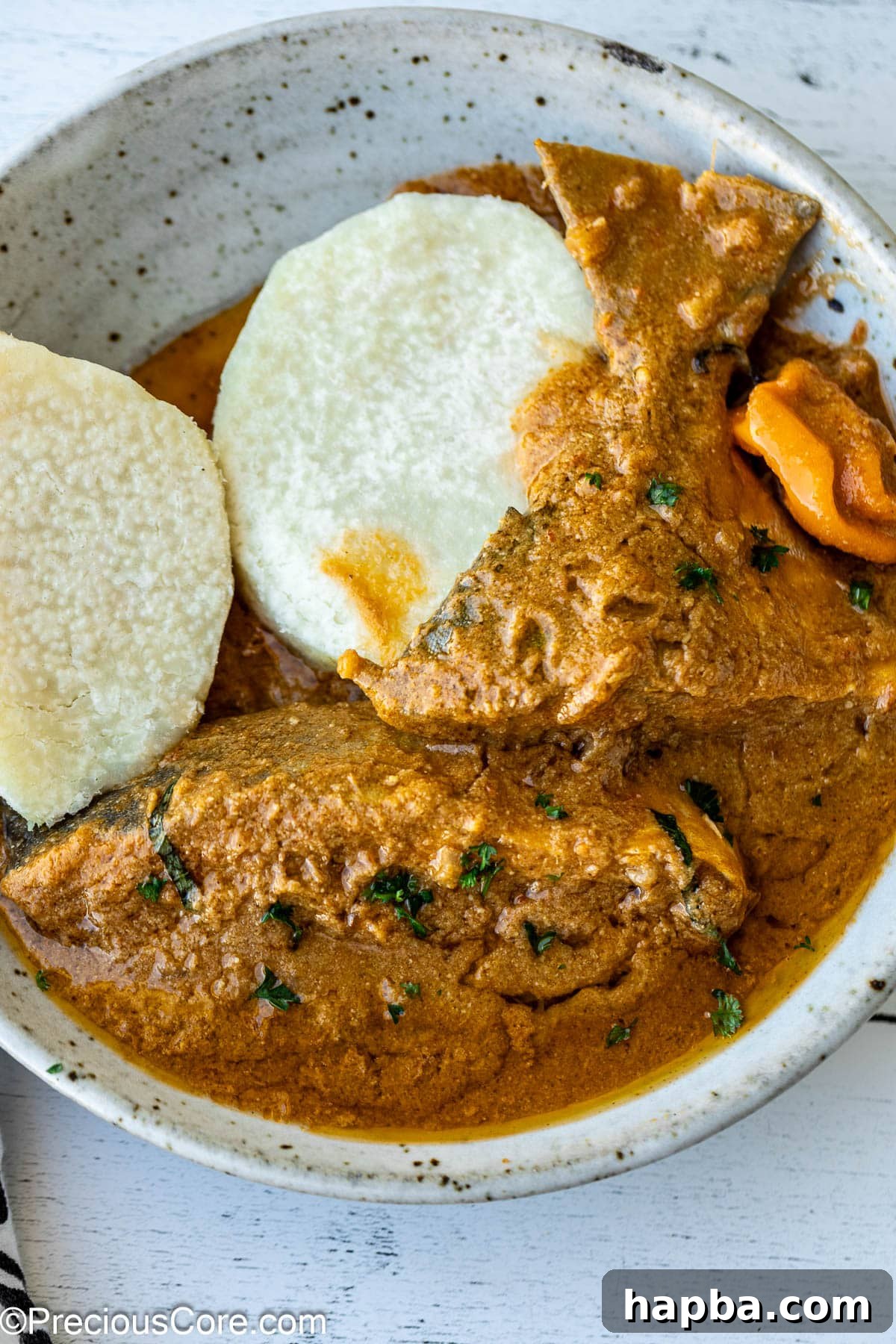
- Incredible Versatility: One of the greatest attributes of Njangsa sauce is its adaptability. It pairs wonderfully with a wide array of side dishes. Serve it traditionally with fluffy boiled rice, sweet or savory boiled plantains, or authentic African white yams (distinct from their American counterparts), boiled taro (also known as cocoyams), or even potatoes. Its rich and flavorful profile elevates any accompaniment, transforming a simple meal into a memorable feast.
The Star Ingredient: Njangsa Seeds
Njangsa seeds, also known as Essessang in Cameroon, Akpi in Cote d’Ivoire, and Okhuen in Nigeria, are derived from the tropical tree Ricinodendron Heudelotii. These seeds are celebrated for their unique ability to impart a thick, creamy consistency and an earthy, nutty, and slightly bitter flavor to stews and soups. When ground, they transform into a paste that forms the heart of this iconic Cameroonian sauce. The rich oil content in Njangsa seeds also contributes to their distinctive taste and nutritional value, making them a staple in West and Central African cooking. Finding these precious seeds is key to recreating the authentic flavor of Njangsa sauce. Look for them in African specialty stores, international grocery markets, or reputable online retailers specializing in African ingredients. Don’t be shy to call ahead and inquire about their stock.
The Essential Ingredients
Crafting the perfect Cameroonian Njangsa Sauce requires a thoughtful selection of fresh, high-quality ingredients. Here’s a detailed look at what you’ll need to create this culinary masterpiece:
For the Perfectly Seasoned Fish:
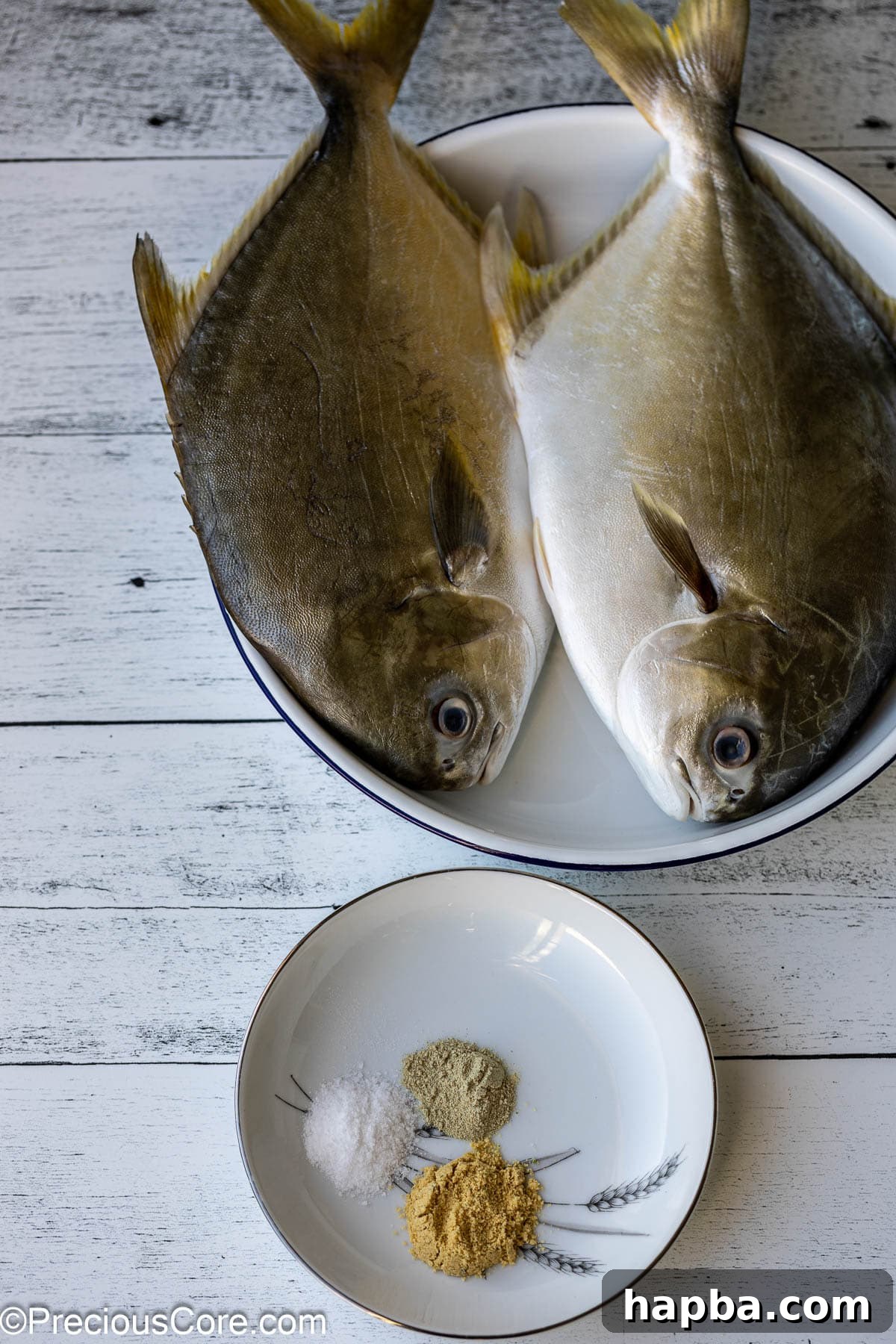
- Fish: While whole pompano is an excellent choice for this stew due to its firm texture and mild flavor, feel free to experiment with other varieties of whole fish. Mackerel, snapper, trout, sea bass, sea bream, or tilapia are all fantastic alternatives. Using whole fish is highly recommended, as the bones infuse the sauce with an unbeatable depth of flavor as it gently simmers, creating a richer, more authentic taste.
- Simple Seasoning: A basic yet effective blend of salt, white pepper, and chicken bouillon powder (or a traditional Maggi seasoning cube) is all it takes to give the fish a flavorful head start before it is introduced to the simmering sauce. This initial seasoning ensures every bite of fish is tender and robustly flavored.
For the Aromatic Cameroonian Njangsa Sauce:
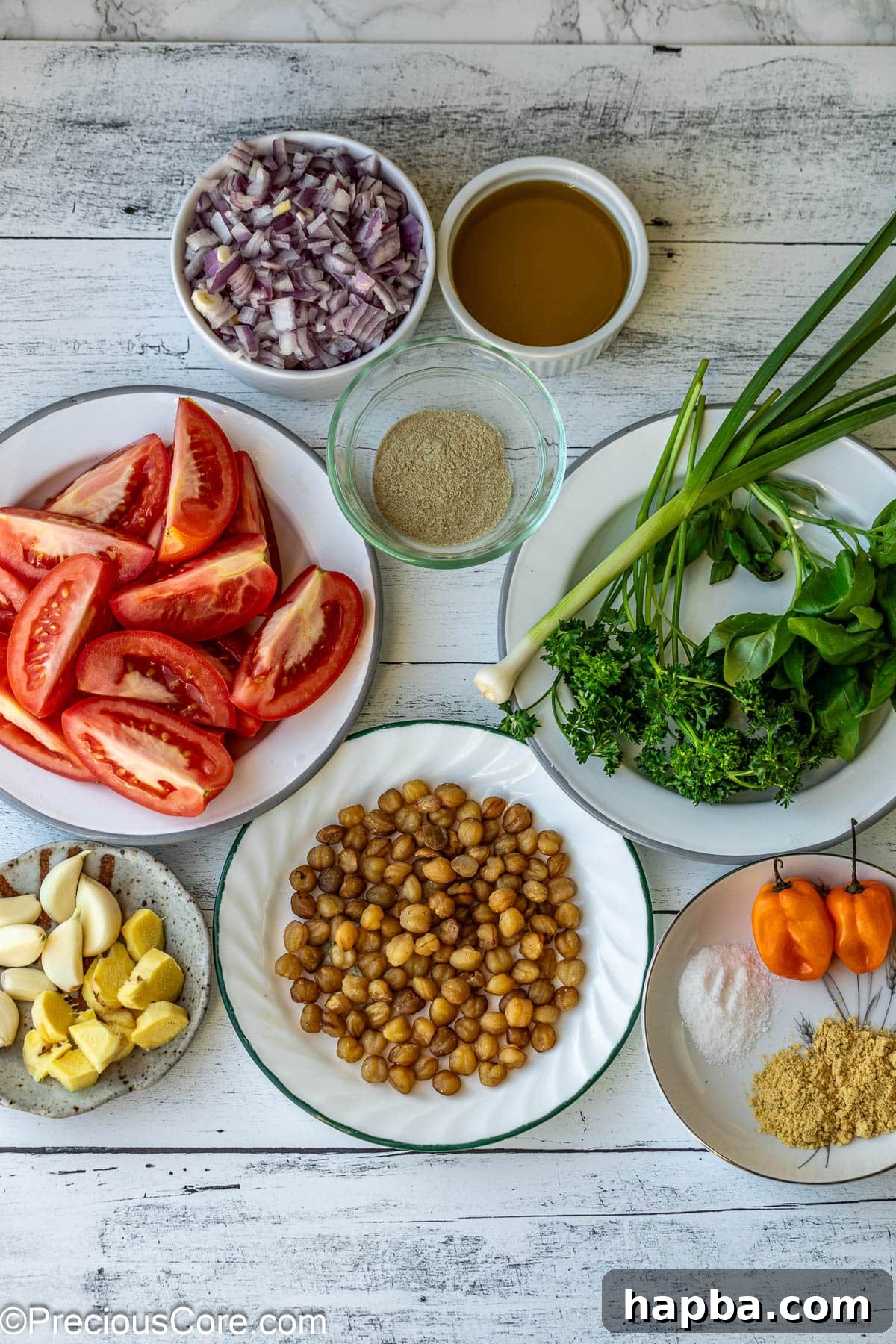
- Njangsa Seeds: As mentioned, these are the cornerstone of the recipe. Their unique nutty, earthy flavor and thickening properties are what define this stew. Ensure you procure fresh, good-quality seeds from a reliable African market or online vendor.
- Oil: A neutral-tasting oil is preferred to allow the authentic flavors of the Njangsa and other spices to shine through. Olive oil works beautifully, but vegetable oil, canola oil, or avocado oil are excellent alternatives.
- Garlic and Ginger: Freshly peeled and diced garlic and ginger are indispensable. Their pungent, aromatic notes are crucial for complementing the fish and enhancing the overall flavor profile of the sauce. Avoid pre-minced versions for the best, most vibrant taste.
- Fresh Herbs (“Green Spices”): In Cameroonian culinary tradition, a blend of “green spices” elevates every dish. This typically includes a vibrant combination of parsley, celery, leeks, or green onions. These herbs contribute a fresh, verdant aroma and a complex layer of flavor that is essential to the sauce’s authenticity. For a more detailed guide on preparing this flavorful blend, refer to my Green Seasoning Recipe.
- Tomatoes: Ripe Roma tomatoes are ideal due to their lower acidity and firm flesh, which breaks down beautifully to form a rich, savory base for the sauce. They provide a foundational sweetness and tang that balances the other strong flavors.
- Onions: Diced onions are sautéed to create a fragrant base, releasing their sweet aromatics before the other ingredients are added.
- Habanero Peppers: For those who appreciate a fiery kick, habanero peppers (or scotch bonnet peppers) add a significant level of heat. Adjust the quantity according to your spice preference, or omit if you prefer a milder stew.
- Salt and Bouillon Powder: These are crucial for seasoning the sauce to perfection, enhancing the natural flavors of all the ingredients.
- Water: Used to adjust the consistency of the sauce, ensuring it reaches that desirable, thick yet flowing texture.
For a precise list of ingredients with exact measurements, please refer to the comprehensive recipe card located at the bottom of this article.
Top Tip: Selecting and Preparing Your Fish Make sure you choose the freshest fish available for this recipe. The flesh should be firm to the touch, and it should have a clean, oceanic smell, not a foul or strong odor. For effortless preparation, don’t hesitate to ask your fishmonger to clean, gut, and cut the fish into steaks for you, saving valuable time in the kitchen.
How to Master Njangsa Sauce
Creating this flavorful Njangsa sauce is an enjoyable process, broken down into a few manageable steps. Follow this guide to achieve a perfectly creamy and delicious stew:
- Prepare the Fish with Precision: Begin by thoroughly cleaning and gutting your chosen fish. If using a whole fish, trim the fins with kitchen scissors and carefully slice it into steaks. Rinse each piece under cold running water until the water runs completely clear, ensuring no impurities remain. Season the fish generously with salt, white pepper, and chicken bouillon powder (or a Maggi seasoning cube), then set it aside to allow the flavors to meld while you prepare the sauce base.
- Build the Flavorful Base: In a medium-sized pot, heat the olive oil (or your chosen neutral oil) over medium-high heat until it shimmers. Add the diced onions and sauté them for about a minute until they become fragrant and slightly translucent, releasing their sweet aroma. Next, add the blended tomato paste to the pot. Allow the tomatoes to cook undisturbed for at least 5 minutes, which helps to deepen their flavor and reduce acidity. Stir and continue cooking for another 5 minutes, or until the tomatoes begin to stick slightly to the bottom of the pot, indicating they are well cooked down.
- Infuse with Njangsa and Green Spices: In a blender, combine the Njangsa seeds, leeks (or green onion), parsley, basil, garlic, and ginger with one cup of water. Blend until you achieve a smooth, well-combined paste. Pour this aromatic blended spice mixture into the pot with the cooked tomatoes. Rinse your blender with approximately 3 cups of water to capture any remaining spice paste, then add this to the pot. Stir thoroughly to ensure all ingredients are well incorporated. Add the habanero peppers (if using, for a spicy kick) along with the remaining salt and bouillon powder. Stir once more to combine these final seasonings.
- Gentle Simmering with Fish: Carefully place the seasoned fish steaks into the pot, nestling them gently into the simmering sauce. Cover the pot and allow the stew to cook for about 10 to 15 minutes, or until the fish is completely cooked through and flakes easily. During this cooking process, avoid stirring the pot vigorously, as this can cause the delicate fish to break apart. Instead, periodically and gently spoon some of the simmering sauce over the fish to keep it moist and ensure even cooking and flavor absorption.
- Final Adjustments and Serving: Taste the Njangsa sauce and adjust the seasoning as needed, adding a pinch more salt or bouillon if desired. If you prefer a thinner sauce, you can add a little more water, then re-taste and adjust seasoning. Garnish your freshly cooked Njangsa sauce with fresh sliced basil or minced parsley for an added touch of freshness and visual appeal. Serve immediately with your preferred accompaniment, such as perfectly boiled rice, tender plantains, or rich African white yams.
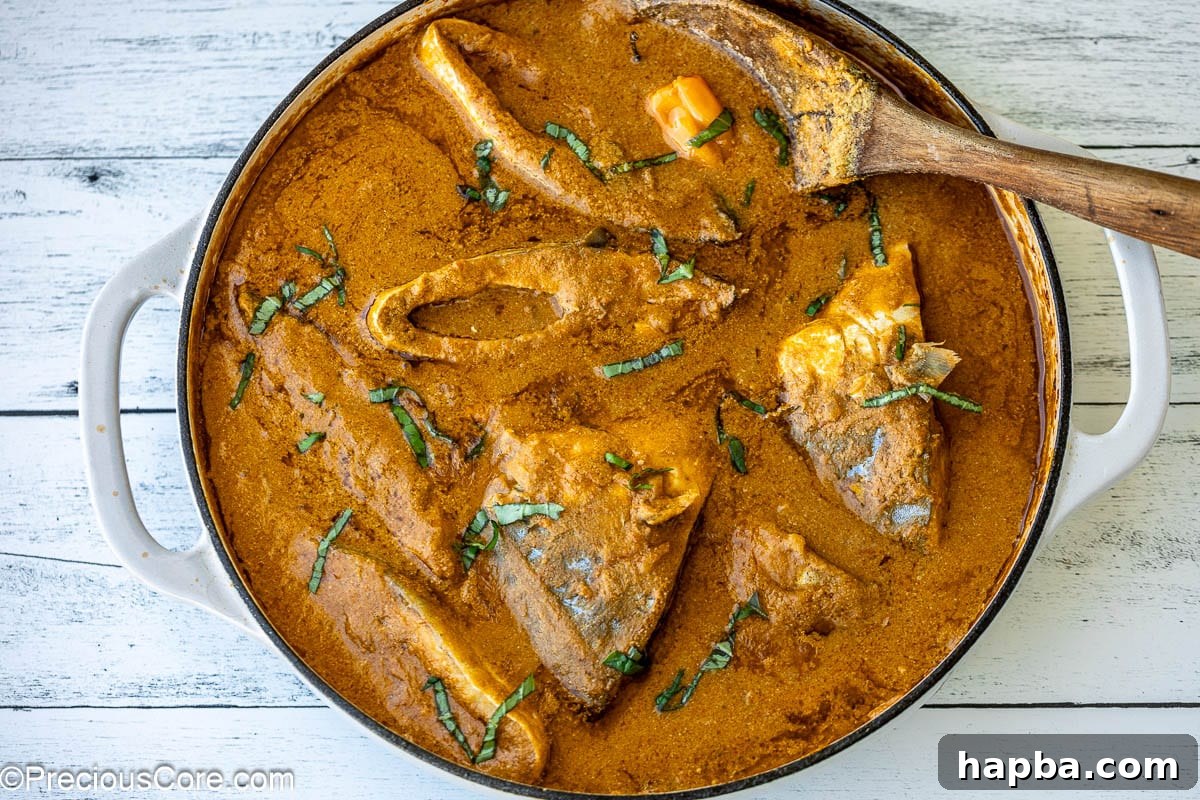
Chef’s Note: Handling the Fish Gently Once the fish has been added to the pot, it’s crucial to resist the urge to stir vigorously. This delicate protein can easily break apart. Instead, use a large spoon to gently baste the fish with the sauce, ensuring it cooks evenly and absorbs all the delicious flavors without compromising its structure.
Visual Guide: Watch How To Make It
Sometimes, seeing is believing, and for a complex dish like Njangsa Sauce, a visual demonstration can be incredibly helpful. I’ve created a comprehensive YouTube video to walk you through each step of preparing this authentic Cameroonian delicacy. Watch the video below to see the process firsthand and gain valuable tips and tricks. Please consider subscribing to my YouTube channel, Precious Kitchen, for more delicious African recipes and culinary insights. Your support helps me continue sharing these treasured recipes!
Subscribe to my channel
Subscribe
Creative Variations for Njangsa Sauce
While the traditional Njangsa sauce with fish is undeniably delicious, this recipe is incredibly adaptable, allowing for creative variations to suit different tastes and dietary preferences. Here are some ideas to switch up your Njangsa sauce:
- Alternate Proteins: If fish isn’t your preference, this sauce is equally delightful with other proteins. Consider using bone-in chicken cuts, such as chicken thighs and drumsticks, which add richness to the stew. Pork, particularly pork trotters for their gelatinous texture, or tender beef chunks can also be excellent choices. Remember that changing the protein will affect cooking times; chicken, pork, and beef typically require longer simmering than fish to become tender.
- Spice it Up: For those who crave a fiery kick, incorporating more heat is simple. Blend one or two habanero peppers (or scotch bonnet peppers for intense heat) directly with your other herbs and spices before adding them to the sauce. This infuses the entire stew with a delightful warmth. Adjust the number of peppers to achieve your desired level of spice.
- Experiment with Different Herbs: The “green spices” are flexible. While parsley, leeks, and basil are standard, feel free to add other aromatic herbs to your blend. Celery leaves offer a crisp, fresh note, while a touch of thyme can introduce a subtle earthy undertone. This allows you to customize the herbaceous profile of your Njangsa sauce. My dedicated green seasoning recipe provides a fantastic base for these experiments.
- Vegetarian/Vegan Option: For a meat-free version, simply omit the fish and use vegetable broth instead of water or bouillon. You can add hearty vegetables like spinach, okra, or eggplant towards the end of the cooking process for a satisfying plant-based Njangsa stew.
Frequently Asked Questions About Njangsa
Njangsa offers a distinctly earthy, nutty, and slightly bitter flavor, often described as having a unique umami quality. Once blended into a sauce or stew, it contributes a luxurious creaminess and helps to thicken the consistency, imparting a rich, wholesome taste that is truly distinctive and hard to compare to other common ingredients.
The scientific name for Njangsa is Ricinodendron Heudelotii. It is an oily seed derived from a tree commonly found across tropical West and Central Africa. While “Njangsa” is its most recognized name in Cameroon, it is known by several other local names, reflecting its widespread use: Essessang (Cameroon), Akpi (Cote d’Ivoire), Bofeko (Zaire), Wama (Ghana), Okhuen (Nigeria), Kishongo (Uganda), and Munguella (Angola). There isn’t a single common English translation, so it’s best known by its indigenous names.
Whole Njangsa kernels should be stored in an airtight container in a cool, dry place, away from direct sunlight and humidity. When stored properly, they can maintain their freshness and potency for up to one year. Once ground, it is best to use them relatively quickly or store them in the refrigerator or freezer to preserve their flavor and prevent spoilage.
Njangsa seeds are known for their nutritional benefits, rich in healthy fats, protein, and minerals. When combined with fresh fish, vegetables, and aromatic spices, Njangsa sauce can be a highly nutritious meal. The use of fresh ingredients contributes to a wholesome and balanced diet, making it a delicious and healthy choice for your table.
Explore More Cameroonian Recipes
Jollof Rice With Chicken
Green Seasoning Recipe
How To Make Puff Puff
If you try this delightful recipe, please take a moment to leave a star rating below. Your feedback and ratings are incredibly valuable, helping other food enthusiasts discover this amazing dish. I absolutely love hearing from you and seeing your culinary creations! Thank you for your support!
Want to save this recipe?
Enter your email below and we’ll send the recipe straight to your inbox!
Cameroonian Njangsa Sauce
20
25
45
6 servings
Pin Recipe
Rate
Print Recipe
Ingredients
FOR THE FISH
- 2 pounds whole fish I used pompano
- ½ teaspoon salt
- 1 teaspoon chicken bouillon powder or 1 Maggi seasoning cube
- ¼ teaspoon ground white pepper
FOR THE SAUCE
- ½ cup olive oil or any neutral tasting oil
- 1 medium onion diced
- 4-5 large Roma tomatoes cut into chunks
- 7 garlic cloves peeled
- 3 inches ginger root peeled and diced
- 4 sprigs parsley
- 4 sprigs basil
- ½ a large leek or 1 green onion
- 2 teaspoons ground white pepper
- ½ cup Njangsa seeds obtainable from an African market
- 1 teaspoon salt
- 2 teaspoons chicken bouillon powder or 2 small Maggi seasoning cubes
- 2 habanero peppers or scotch bonnet peppers (optional, for heat)
- Sliced basil or minced parsley for garnishing
Instructions
-
1. Prep the fish: Trim the fins of the fish with kitchen scissors and cut the fish into steaks. Remove the entrails and rinse thoroughly under cold water until the water runs clear. For convenience, you can ask your fishmonger to clean and gut the fish for you.
-
2. Season the fish: Season the prepared fish with ½ teaspoon salt, ¼ teaspoon white pepper, and 1 teaspoon chicken bouillon powder (or one small Maggi seasoning cube). Allow the seasoned fish to rest while you proceed with preparing the sauce base.
-
3. Sauté onions and cook tomatoes: Add ½ cup olive oil to a medium pot and set it over medium-high heat. Once the oil is shimmering, add the diced medium onion and sauté for about a minute until it becomes fragrant. Blend the 4-5 large Roma tomatoes into a smooth paste and add to the pot. Let the tomatoes cook undisturbed for 5 minutes, then stir and continue to cook for another 5 minutes, or until the tomatoes start to thicken and slightly stick to the bottom of the pot.
-
4. Blend and add spices: In a blender, combine the ½ a large leek (or 1 green onion), 4 sprigs parsley, 4 sprigs basil, 7 garlic cloves, 3 inches ginger root, and ½ cup Njangsa seeds with 1 cup of water. Blend until completely smooth. Pour this blended spice mixture into the pot with the cooked tomatoes. Rinse the blender with about 3 cups of water and add this liquid to the pot. Stir well to combine all ingredients. Add the 2 habanero peppers (if using, whole or blended for more heat), 1 teaspoon remaining salt, and 2 teaspoons remaining bouillon powder. Stir again.
-
5. Cook the fish: Carefully add the seasoned fish steaks to the pot, arranging them gently within the sauce. Cover the pot and let it simmer for approximately 10 to 15 minutes, or until the fish is fully cooked through and opaque. To avoid breaking the fish, refrain from stirring. Instead, occasionally spoon some of the sauce over the fish as it cooks.
-
6. Adjust and serve: Taste the sauce and adjust seasoning or thickness as needed. If you desire a lighter sauce, thin it out with a little water and re-taste to check for salt balance. Garnish generously with fresh sliced basil or minced parsley. Serve your delicious Cameroonian Njangsa Sauce hot with boiled rice, plantains, or African white yams.
Video
Notes
Tomatoes: Roma tomatoes are highly recommended for their lower acidity and meaty texture, which create a richer sauce base. However, if Roma tomatoes are unavailable, any ripe, flavorful tomato variety will work.
Fresh Spices: The use of fresh garlic, ginger, and green herbs is paramount in this recipe. Their vibrant, pungent aromas and flavors are key to the sauce’s authentic taste. Taking the time to peel and prepare fresh spices will significantly enhance the final dish.
Njangsa Sourcing: Njangsa seeds are integral to this recipe. If you cannot find them at your local African market, explore online specialty stores that import West African ingredients.
Nutrition
Carbohydrates: 7g |
Protein: 34g |
Fat: 27g |
Saturated Fat: 4g |
Polyunsaturated Fat: 3g |
Monounsaturated Fat: 14g |
Cholesterol: 76mg |
Sodium: 910mg |
Potassium: 628mg |
Fiber: 2g |
Sugar: 3g |
Vitamin A: 446IU |
Vitamin C: 14mg |
Calcium: 37mg |
Iron: 1mg
Additional Info
Tried this recipe?
Mention @preciouscore or tag #PreciousCore!