
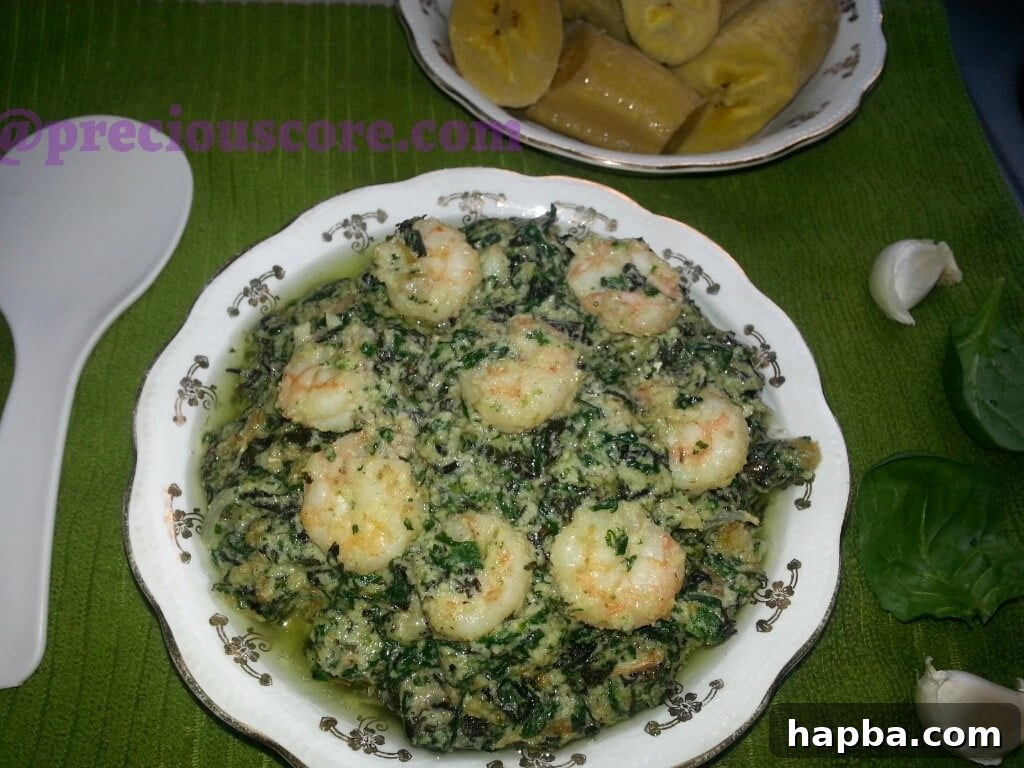
Mastering Ndole: The Ultimate Cameroonian Bitterleaf and Groundnut Stew
Ndole – the mere mention of this dish evokes a symphony of flavors and cherished memories for anyone familiar with Cameroonian cuisine. This iconic meal, deeply rooted in the Littoral region of Cameroon, represents a harmonious culinary marriage of earthy bitterleaf, creamy groundnuts (peanuts), and a rich medley of proteins. More than just a dish, Ndole is a cultural emblem, a staple at celebrations, and a comforting presence in homes across the nation.
What Makes Ndole a Culinary Gem?
At its heart, Ndole is a vibrant stew that beautifully balances distinct flavors and textures. The star ingredients are bitterleaf (Vernonia amygdalina), known for its detoxifying properties and characteristic bitter edge, and groundnuts, which provide a creamy, nutty base. This combination, enhanced by robust proteins and aromatic spices, creates a dish that is both complex and incredibly satisfying.
For many, Ndole is synonymous with special occasions – holidays, family gatherings, and important ceremonies. Its presence on the table signifies warmth, hospitality, and a taste of home. But you don’t need a special event to enjoy this crowd-pleaser; it’s perfect for any meal, promising an unforgettable gastronomic experience even for first-time cooks.
The Bitterleaf and Spinach Dynamic
While bitterleaf is non-negotiable for authentic Ndole, its characteristic bitterness can be a strong flavor for some. In this recipe, we embrace a clever strategy to manage this: combining dried bitterleaf with fresh spinach. The spinach not only adds a lovely fresh quality and an extra boost of nutrients but also helps to naturally neutralize some of the bitter intensity, resulting in a more balanced and universally appealing flavor profile. If you prefer a milder version, you could opt for more spinach, or even use only spinach, but for a truly authentic Ndole experience, the bitterleaf is essential.
Protein Powerhouse: Customizing Your Ndole
Ndole’s versatility shines through in its protein options. Traditionally, it’s often prepared with beef or succulent beef feet, which impart a deep, savory flavor and rich texture. However, the beauty of Ndole lies in its adaptability. This time, working with what was readily available, we opted for a delightful seafood rendition, incorporating stock fish and tender shrimps. This choice creates an equally amazing, lighter yet incredibly flavorful version of the dish.
Don’t be afraid to experiment! Whether you prefer the robustness of various cuts of beef, the smoky notes of smoked fish, or the delicate sweetness of seafood like shrimp, Ndole welcomes your personal touch. The key is to use what you have and what you love – the dish will still be outstanding. For those not keen on seafood, rest assured that traditional meat options work perfectly and are just as delicious.
NDOLE RECIPE: A Step-by-Step Guide to Cameroonian Perfection
Cook time: 30 minutes
Total time: 1 hour
Serves: 4-6
Ingredients You’ll Need:
- 2 cups of peeled groundnuts (peanuts)
- 3 cups of bitterleaf and/or spinach (adjust ratio based on preference)
- Half teaspoon of baking soda (for blanching vegetables, optional but recommended)
- 1/4 cup coarsely blended crayfish
- 2 pounds of your chosen protein: boiled beef, beef feet, smoked fish, stock fish, or shrimps
- 5 cloves of garlic, minced
- 1 inch of fresh ginger, grated
- 1 Maggi Crevette (crayfish seasoning cube)
- 2 regular seasoning cubes (Maggi or Knorr)
- 1 large onion, divided
- 1 cup of vegetable oil
- 1 habanero pepper (optional, for heat)
- Salt to taste
Here’s How to Craft Your Irresistible Ndole:
Step 1: Preparing Your Greens
If you’re using dried bitterleaf, begin by soaking it in warm water for at least 15-20 minutes. This rehydrates the leaves and helps to soften them, preparing them for the blanching process. If you’re fortunate enough to have fresh bitterleaf, you can skip this initial soaking step. Once your bitterleaf is soaking (or if it’s fresh), finely chop your spinach and set it aside.
Step 2: Cooking the Groundnuts
Place your peeled groundnuts in a pot and add just enough water to slightly cover them. Bring to a gentle boil and cook until they are tender. The goal is to cook them thoroughly without over-softening, and to leave minimal water in the pot – this remaining liquid will be crucial for achieving the perfect consistency when blending.
Once cooked, you should have tender groundnuts with very little cooking liquid remaining. This liquid, rich in peanut flavor, will be incorporated into the blending process, enhancing the overall taste of your Ndole.
Step 3: Preparing Your Protein
If you’re using shrimps, season them lightly with a pinch of salt and a dash of white pepper (if desired). Allow them to marinate while you continue with the other steps. For beef, beef feet, or fish, ensure they are already boiled and tender, and keep their flavorful stock handy.
Ensure your spinach is neatly chopped, ready to be blanched quickly.
Step 4: Blanching the Vegetables
Bring a pot of water to a rolling boil. Add a pinch of salt and the baking soda. The baking soda is a traditional trick that helps vegetables retain their vibrant green color and can also aid in softening bitterleaf, similar to how local “Akangwa” or “Kangwa” (limestone) is used. However, be mindful that some research suggests baking soda may reduce certain nutrients, so if this is a concern, you can omit it. Once the water is boiling, add your bitterleaf (soaked if dried) and stir. The baking soda will cause the water to foam slightly.
Test the bitterleaf for tenderness with your fingertips. It should be soft but not mushy.
Once the bitterleaf reaches desired softness, add the chopped spinach and immediately turn off the heat. Allow the spinach to sit in the hot water for no more than two minutes. Overcooking spinach will make it too soft and compromise its texture. Notice the beautiful contrast in color between the rehydrated bitterleaf and the fresh spinach – a visual treat!
Immediately drain the blanched vegetables into a colander and rinse them thoroughly under cold running water. This crucial step halts the cooking process, preserving their texture and vibrant green color. After rinsing, use both hands to firmly squeeze out as much excess water as possible from the vegetables. Transfer them to a clean bowl and set aside.
Step 5: Blending the Groundnut Base
Peel the garlic and ginger. Chop half of the large onion. Combine the cooked groundnuts, minced garlic, grated ginger, half of the chopped onion, and the optional habanero pepper in a blender. If using a smaller blender compartment, you might need to blend in batches. Add a little of the groundnut cooking water (or clean water if none is left) to aid blending, ensuring a smooth but not watery consistency.
Blend the mixture until it reaches a “perfection” that is slightly coarse, resembling ground egusi mixed with water, rather than a completely smooth paste. This texture is ideal for Ndole.
Step 6: Building the Flavors
Now, direct your attention to the pot containing your boiled protein (beef, fish, etc.) and its flavorful stock. For this recipe, we’re using stock fish, affectionately nicknamed “Stocky” for its beloved status. In Cameroon, stock fish is also known locally as “Mukanjo.” The rich broth from your protein forms the essential liquid base for your Ndole.
Bring the protein and stock to a boil, then carefully add the blended groundnut mixture. Stir well to combine and continue to simmer. As it cooks, a wonderful aroma will begin to fill your kitchen – a sign that delicious things are unfolding!
Stir in the coarsely blended crayfish. Crayfish is a cornerstone of West African cuisine, adding an incredible depth of umami and a unique savory flavor that is indispensable to authentic Ndole.
Next, gently fold in your blanched and squeezed bitterleaf and spinach. Mix thoroughly until the vegetables are evenly distributed throughout the creamy groundnut base.
Give everything a good, gentle mix. Allow the stew to simmer for about 5 minutes, letting the flavors meld beautifully. Then, turn off the heat.
Step 7: Final Seasoning and Aromatics
Introduce the Maggi Crevette, a crayfish-flavored seasoning cube that amplifies the umami of the crayfish. Add the other regular seasoning cubes (Maggi or Knorr) to the pot. Stir well and taste the stew, adjusting salt and seasoning as needed to achieve a perfectly balanced flavor. This stage is crucial for ensuring your Ndole is seasoned to perfection.
Remember the remaining half onion? Dice it finely. Heat the vegetable oil in a skillet over medium heat. Add the chopped onions and sauté them until they are translucent and fragrant. This step infuses the oil with a sweet, savory onion flavor that will be poured over the Ndole.
If you’re making the seafood version, add your marinated shrimps to the sautéed onions. Cook them briefly until they turn a beautiful pink color, indicating they are perfectly cooked and tender.
Carefully pour the sautéed onions and cooked shrimps (if using) over your prepared pot of Ndole. Stir everything gently to incorporate the aromatic oil and any additional proteins. The Ndole is now ready to be enjoyed!
Behold! Your authentic Cameroonian Ndole is complete, boasting a rich aroma and vibrant appearance.
Serving Your Delicious Ndole
Ndole is incredibly versatile and pairs wonderfully with a variety of staples. Traditionally, it’s served with boiled plantains (ripe or unripe), boiled yams, or miondo (fermented cassava sticks). However, its rich, savory profile also makes it an excellent accompaniment to boiled rice or garri (eba). Feel free to experiment and find your favorite combination!
For this meal, ripe plantains were the chosen accompaniment. The sweet notes of the plantain provide a delightful contrast to the savory Ndole. Its irresistible allure is such that you might find yourself too impatient to wait for your plantains to cook to absolute perfection – that’s the powerful magic of Ndole!
Notes for a Healthier Indulgence:
For those seeking a healthier twist on this delightful dish, consider reducing or entirely omitting the vegetable oil used in the final sautéing step. The groundnuts themselves provide a rich, natural oil, ensuring your Ndole remains flavorful and satisfying even with less added fat.
If you embark on this culinary journey and try out this authentic Ndole recipe, please don’t hesitate to share your experience and feedback. Your thoughts are truly appreciated!
Happy cooking, and enjoy the rich flavors of Cameroon!