
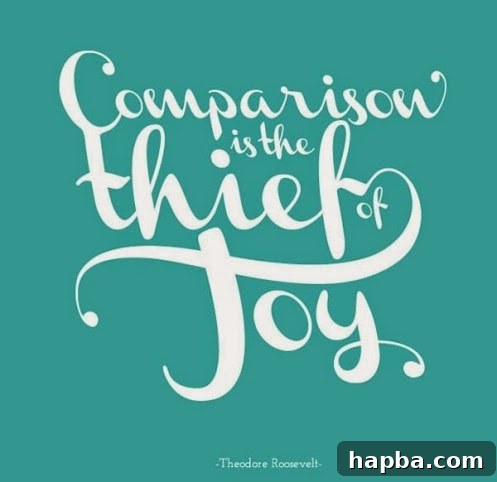
In the intricate tapestry of human connections, few threads are as delicate, yet as crucial, as those forming our most intimate relationships. Marriage, in particular, thrives on a foundation of trust, understanding, and mutual appreciation. However, a silent saboteur often lurks in the shadows, threatening to unravel this very fabric: comparison. It’s a natural human tendency to look at others, to gauge where we stand, but when this gaze turns inward towards our partnerships, it can sow seeds of discontent and destruction. This article delves into the insidious nature of comparing your relationship to others, exploring its profound impact and offering pathways to cultivate a marriage rooted in contentment and genuine connection, free from the traps of external judgment and unrealistic expectations.
Consider an everyday scene that unfolds in countless homes, a simple exchange that quickly spirals into a painful lesson on the dangers of relationship comparison:
The Echoes of Envy: A Tale of Two Households
A gentle rap on Susan’s door is met with a cheerful, “Yes, come in!” Eposi steps inside, her eyes immediately drawn to the vibrant array of groceries Susan is busily sorting, fresh from shopping bags and boxes. A seemingly innocent conversation begins, but beneath the surface, a dangerous current of comparison is already gathering strength, poised to disrupt Eposi’s peace and her own household.
Eposi: “My friend, it looks like you just returned from the market. You’ve certainly bought a lot!”
Susan: “Yes, I did! My husband gave me money to buy all these groceries for the house. We’re stocking up for the entire week, ensuring we have everything we need.”
Eposi: “Good for you, my friend. You’re truly fortunate. My own husband, that man, only gives me a paltry 3,000 Francs for a whole week!” (She emphasizes the meager sum by holding up three fingers, her voice tinged with bitterness.) “I often wonder what he actually does with all the money he earns, because it certainly doesn’t come my way to support our home.”
Susan: “My sister, I genuinely thank God for my husband. He consistently provides me with 20,000 Francs for food every single week. Because of his generosity, we hardly ever lack good food in this house, and I can always afford to buy fresh, healthy ingredients for our meals.”
As their conversation continues, Eposi’s initial envy quickly blossoms into outright bitterness, each of Susan’s innocent boasts serving to deepen Eposi’s resentment towards her own husband. She becomes utterly consumed by a corrosive jealousy, intensifying her feelings of inadequacy and unfairness regarding her own situation. By the time her visit concludes, Eposi is seething, convinced that her husband is ‘good-for-nothing’ compared to Susan’s, and she is determined to confront him. That evening, the simmering tensions erupt with devastating force.
“When are you going to start doing things like a real man in this house?” she yells, her voice laced with fury and frustration. She barely gives Peter a chance to breathe, let alone formulate a reply. Before her visibly startled husband, who often struggles to find his words under pressure, can even gather his thoughts, Eposi launches another devastating verbal attack. “Susan’s husband gives her a generous 20,000 Francs every week for shopping, but all you give me is 3,000! Just 3,000 miserable Francs, Peter, do you hear me?”
The sting of this public comparison, coupled with Eposi’s accusatory tone, pushes Peter to his breaking point. In a fit of uncontrolled rage, he lunges forward, delivering a sharp slap to her face. The once peaceful home descends into chaos, a painful and regrettable battle of harsh words and physical blows. This harrowing scene, sadly, serves as a poignant illustration of the typical consequences when one partner holds their relationship up against the seemingly perfect facade of another, forgetting the unique dynamics that define their own bond.
The Perilous Pitfalls of Relationship Comparison
While the story above illustrates a woman comparing her husband’s financial provision, it’s crucial to acknowledge that men are equally susceptible to this damaging habit. They might compare their wives’ appearance, domestic skills, career success, or even their demeanor to those of their friends’ partners, leading to similar feelings of inadequacy, resentment, and strained marital harmony. The fundamental truth, often overlooked in our comparison-driven society, is that no two marriages are truly identical. Even identical twins, sharing the same DNA and upbringing, forge unique paths in life and develop distinct personal relationships. Therefore, attempting to superimpose the dynamics, expectations, or perceived perfections of one relationship onto another is not only futile but profoundly detrimental to the health and longevity of your own partnership.
Unrealistic Benchmarks: Movies, Social Media, and the Illusion of Perfection
One of the most insidious and pervasive sources of comparison in the modern age comes from various forms of media, both traditional and digital. Movies, with their expertly crafted narratives, often present an idealized, almost fantastical version of romance and partnership. You might watch a charismatic protagonist treat his wife like royalty, showering her with grand gestures and fulfilling every romantic fantasy. After witnessing such cinematic perfection, your own husband, who diligently works to support your family, shows love in practical, everyday ways, and is doing his best, might suddenly appear inadequate, even beastly, in comparison. What we often forget is that the ‘perfect gentleman’ on screen is merely an actor, performing a role for which he is handsomely paid, and whose real-life relationships might be far from ideal – perhaps even marked by multiple divorces, as is often the case in Hollywood.
Similarly, social media platforms have become fertile ground for rampant relationship comparison. People meticulously curate their online personas, showcasing only the highlights of their lives: extravagant vacations, expensive gifts, picture-perfect date nights, and seemingly effortless domestic bliss. This carefully constructed facade creates a powerful illusion of perpetual happiness and perfection, making ordinary, everyday relationships feel dull, insufficient, and lacking. We rarely, if ever, see the struggles, the compromises, the disagreements, or the sheer hard work that goes into maintaining any real, authentic relationship. This constant barrage of seemingly perfect lives leads to what psychologists call upward social comparison, where individuals feel worse about their own circumstances because they perceive others to be unequivocally better off, fostering a sense of dissatisfaction and envy.
Eroding Trust, Intimacy, and Self-Esteem
When you constantly compare your partner to someone else, you inherently communicate a profound lack of appreciation, satisfaction, and acceptance. This insidious habit slowly but surely erodes the trust, intimacy, and emotional safety that are absolutely vital for a healthy and thriving relationship. Your partner may begin to feel perpetually judged, inadequate, unloved, and like they can never truly measure up. Such debilitating feelings can quickly lead to defensiveness, emotional withdrawal, decreased self-esteem, and a deep sense of insecurity within the relationship. Instead of being a safe haven where both partners feel cherished and understood, the relationship becomes a battleground where one partner constantly feels measured against an impossible, external standard, inevitably leading to emotional distance.
The Destructive Cycle of Dissatisfaction and Conflict
Comparison is a direct and almost guaranteed pathway to chronic dissatisfaction. It fosters a pervasive mindset of always wanting more, of always feeling that something fundamental is missing from your life and your relationship. This relentless discontentment, left unchecked, inevitably leads to persistent conflict and escalating arguments. Like Eposi’s destructive outburst, accusing your partner of not measuring up to someone else’s standards is deeply hurtful, unfair, and rarely, if ever, leads to positive change or constructive dialogue. Instead, it breeds deep-seated resentment, not just in the accused partner, but also in the accuser, who remains trapped in a vicious cycle of envy, unmet expectations, and growing unhappiness. The emotional energy spent on comparison could be far better invested in nurturing and improving the unique relationship you already have.
Cultivating Contentment: Strategies for a Healthier and Happier Relationship
Breaking free from the debilitating chains of comparison requires a conscious, consistent, and compassionate effort. It involves shifting your perspective, reframing your thoughts, and actively choosing to nurture your unique bond. Here are some actionable strategies to help you cultivate genuine contentment and significantly strengthen your relationship:
1. Focus Inward and Deeply Appreciate Your Partner
Instead of gazing outwards at others’ lives, turn your attention inward to your own relationship. What are your partner’s unique strengths, admirable qualities, and consistent efforts? Actively practice gratitude by regularly acknowledging and verbalizing your appreciation for what they specifically bring to your relationship and your life. Recognize that love manifests in diverse forms – some partners express it through grand gestures, while others demonstrate it through quiet support, diligent work, thoughtful actions, or unwavering loyalty. Celebrate these individual and authentic expressions of love rather than trying to force them into a predefined, external mold. Keep a gratitude journal focusing on your partner and relationship if that helps.
2. Communicate Effectively, Not Accusatorily or Comparatively
If you have specific needs, desires, or concerns in your relationship, communicate them directly, respectfully, and constructively. Instead of making hurtful comparisons like, “Why can’t you be more like Susan’s husband?”, try phrasing your concerns as personal feelings and needs. For example, “I sometimes feel stressed about our finances, and I would genuinely appreciate it if we could sit down and discuss ways to manage them together, as a team.” Frame your desires as personal needs and opportunities for joint problem-solving, not as criticisms rooted in comparison. Open, honest, and vulnerable communication builds understanding and intimacy, while accusations and comparisons build impenetrable walls.
3. Set Realistic and Healthy Expectations
Understand and internalize the fact that no relationship, no matter how perfect it appears on the surface or in online posts, is without its challenges, imperfections, or periods of mundane routine. Every couple faces struggles, disagreements, compromises, and moments of boredom. Let go of the fantasy of a perpetually perfect, conflict-free relationship and embrace the reality of a partnership that is built through consistent effort, mutual compromise, shared growth, and unwavering commitment. True love isn’t about constant fireworks or an absence of challenges; it’s about steadfast devotion, resilience, and choosing each other through all of life’s seasons.
4. Limit Exposure to Toxic Social Media and Media Consumption
Be mindful and intentional about the content you consume, especially on social media. If certain social media accounts, romantic comedies, or celebrity news outlets consistently leave you feeling inadequate, jealous, or dissatisfied with your own relationship, consider consciously limiting your exposure to them. Remember that what you see online is almost always a carefully curated highlight reel, meticulously edited and filtered, not the full, unedited, and often messy story of someone’s real life. Prioritize your mental and emotional well-being by choosing what narratives you allow into your mind.
5. Embrace Your Unique Journey and Cultivate Contentment
Your relationship is a unique and evolving journey, shaped by your shared history, individual values, distinct personalities, and collective experiences. There is no single, one-size-fits-all model for happiness or success in marriage. Stop wishing you were someone else, or that your partner was Mr. X or Mrs. Y. Instead, focus your energy on actively building the best possible, most authentic version of your own relationship. Work on yourself, address your personal insecurities, and consciously contribute positively to your partnership. Remember the profound wisdom found in Philippians 4:11, as Biblical Paul advised: “I have learned to be content whatever the circumstances.” This profound contentment isn’t about settling for less; it’s about finding deep peace and genuine joy in your present reality, appreciating what you truly have rather than constantly coveting what others seemingly possess. It’s about building your own kingdom, not admiring someone else’s.
Conclusion: Building a Relationship on Your Own Authentic Terms
The allure of comparison is undeniably strong, fueled by societal pressures, idealized media portrayals, and our innate human desire for validation and perceived status. However, succumbing to this temptation only breeds chronic unhappiness, unnecessary conflict, and a fundamental disconnect from the intrinsic beauty and profound uniqueness of your own relationship. Every partnership possesses its own distinct rhythm, its own unique strengths, its own inherent challenges, and its own path to fulfillment. By consciously shifting your focus from external benchmarks and fleeting perceptions to internal appreciation, fostering open and honest communication, setting realistic expectations, and embracing the authentic journey you share, you can effectively safeguard your relationship from the corrosive effects of comparison. Celebrate your partner for exactly who they are, cherish the one-of-a-kind journey you’re on together, and dedicate yourselves to building a love story that is authentically and uniquely yours – one that doesn’t need to measure up to anyone else’s to be profoundly fulfilling, enduring, and deeply satisfying. True happiness in marriage stems not from endlessly searching for a “perfect” partner or an “ideal” relationship, but from perfectly loving, cherishing, and nurturing the extraordinary partner and relationship you already have.