
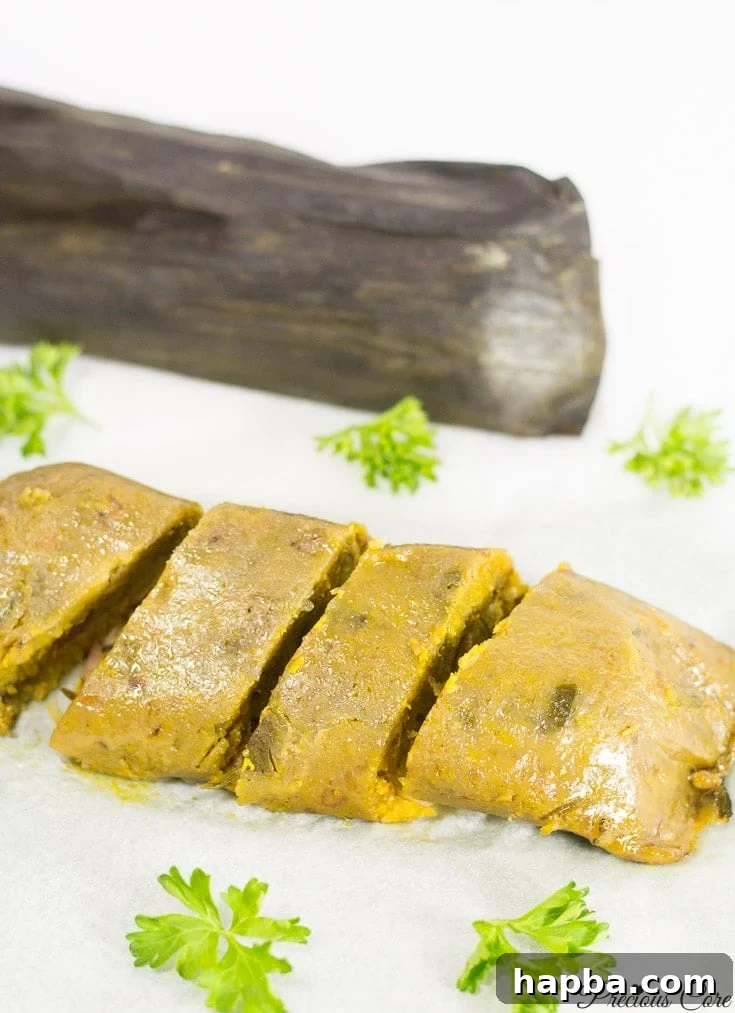
Two years ago, I shared the very first recipe on this blog, and it holds a special place in my heart. You can still glimpse that initial post and my admittedly archaic photography from back then. Over time, as requests poured in from our amazing community, it became clear that this beloved dish deserved a comprehensive video tutorial. So, I produced a step-by-step guide for this incredible creation known as Kwacoco Bible. While the origin of the “Bible” in its name remains a delightful mystery to many, one thing is certain: this flavorful combination of grated cocoyams, expertly mixed with savory ingredients, wrapped in aromatic banana leaves, and steamed to perfection, is truly exceptional. It’s an intensely delicious Cameroonian delicacy that promises a unique taste adventure.
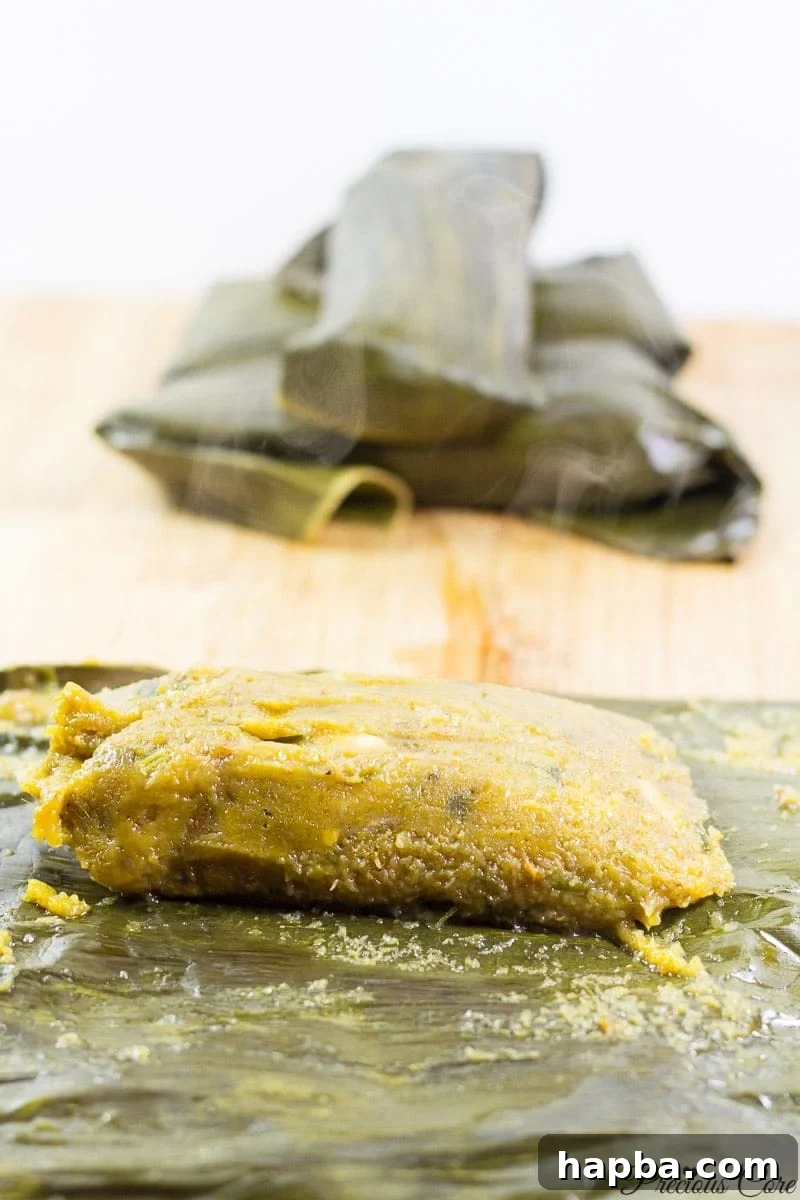
Kwacoco Bible: An Authentic Cameroonian Delicacy
Kwacoco Bible is more than just a meal; it’s a culinary emblem, deeply rooted in the traditions of the Bakweri people of Cameroon. This staple dish is a testament to the rich cultural heritage and resourceful cooking techniques found throughout West Africa. If you’re eager to delve deeper into its captivating history and cultural significance, I invite you to revisit my original post, which shares a delightful backstory. Traditionally, Kwacoco Bible is meticulously wrapped in fresh banana leaves, imbuing it with a distinct aroma and subtle sweetness. However, for those who might find banana leaves challenging to source, aluminum foil serves as a perfectly acceptable and widely used alternative, ensuring that everyone can enjoy this fantastic dish. The detailed recipe, outlining every step from preparation to serving, awaits you at the end of this post.
Unveiling the Layers of Kwacoco Bible: More Than Just Food
To truly appreciate Kwacoco Bible, one must understand its components and the craftsmanship involved. At its core, it’s a harmonious blend of grated cocoyams (also known as taro or eddo), infused with a medley of seasonings, often including smoked fish, crayfish, and rich palm oil. This mixture is then carefully portioned and enveloped in its signature wrap, whether it be a tender banana leaf or foil, before undergoing a gentle steaming process. The result is a moist, dense, and incredibly savory pudding-like dish that’s both comforting and satisfying. The name “Bible” remains an intriguing part of its identity, with various theories but no definitive explanation, adding to the mystique of this cherished meal. Some speculate it might be due to the way it’s wrapped and sealed, reminiscent of a book, or perhaps its foundational role in Bakweri diets.
This traditional dish is not just a daily meal for the Bakweri community; it frequently graces tables during special occasions, family gatherings, and celebrations. It represents community, heritage, and the heartwarming flavors passed down through generations. Preparing Kwacoco Bible is an act of love and patience, often involving communal effort in peeling, grating, and wrapping, making it a truly social food experience. Its unique texture and robust flavors make it a favorite for many, symbolizing the warmth and generosity of Cameroonian hospitality.
The Heart of the Dish: Mastering Cocoyams (Taro)
Cocoyams, or taro, are the foundation of Kwacoco Bible, lending it its characteristic texture and subtle earthy flavor. These starchy root vegetables are staples in many tropical regions, prized for their versatility and nutritional value. When selecting cocoyams for this recipe, look for firm, unblemished tubers. Freshness is key, as older cocoyams can sometimes be stringy or less flavorful. Peeling cocoyams requires a bit of care, as some varieties can cause skin irritation; it’s advisable to wear gloves or oil your hands before handling them.
Once peeled, the cocoyams are traditionally grated into a smooth, thick paste. This manual grating process is often considered essential for achieving the perfect consistency, though modern cooks frequently turn to food processors for efficiency. If using a food processor, ensure you process them until they form a very fine, uniform paste, almost like a thick batter. This smooth consistency is crucial for the Kwacoco to bind together and achieve its desired soft yet firm texture after steaming. Cocoyams are not only delicious but also offer a good source of dietary fiber, vitamins, and minerals, making Kwacoco Bible a nourishing addition to any diet. If fresh cocoyams are unavailable, some recipes suggest using taro root, which is a close relative, or even mixing with other starchy root vegetables, though the authentic flavor profile may vary slightly.
A Symphony of Flavors: Key Ingredients and Their Role
The rich flavor of Kwacoco Bible comes from a carefully selected blend of ingredients, each contributing to its distinctive taste profile.
- Palm Oil: This vibrant red oil is indispensable in Cameroonian and wider West African cuisine. Beyond its beautiful hue, palm oil imparts a unique, slightly nutty flavor and a smooth richness that defines many traditional dishes. For Kwacoco Bible, a lightly warmed palm oil helps it to blend seamlessly with the grated cocoyams, ensuring an even distribution of flavor and a moist final product. It’s also a source of Vitamin A and E.
- Smoked Fish: The addition of smoked fish, typically flaked, provides a deep umami flavor and a savory backbone to the dish. The smoky notes complement the earthiness of the cocoyams beautifully. Different types of smoked fish can be used, with local preferences often dictating the choice. Ensure it’s deboned and flaked finely to integrate well into the paste.
- Crayfish: Roughly blended crayfish is another powerhouse ingredient, offering an intense seafood flavor that enriches the overall complexity of Kwacoco Bible. It’s a common seasoning in West African cooking, adding a pungent, savory depth that is hard to replicate.
- Seasoning Cubes (Maggi): These small, concentrated seasoning cubes are a ubiquitous condiment in many African kitchens, used to enhance the savory notes of dishes. While “Maggi” is a popular brand, any similar bouillon cube can be used. They provide a quick and effective way to add a baseline of saltiness and savory flavor. For a more natural approach, you can substitute with a good quality vegetable or fish bouillon and additional salt to taste.
- Salt: Essential for balancing all the flavors, salt is added to personal preference. It brings out the natural sweetness of the cocoyams and the savoriness of the fish and crayfish.
- Scotch Bonnet Pepper: For those who appreciate a kick, one scotch bonnet pepper adds a vibrant heat. This potent chili is characteristic of many African dishes. If you prefer a milder taste, you can use less, deseed it, or substitute it with a less fiery pepper like habanero or even a pinch of cayenne pepper.
- Cocoyam Leaves (or Spinach): Incorporating chopped cocoyam leaves (or spinach as an accessible alternative) introduces a layer of freshness, slight bitterness, and added nutritional value. They soften beautifully during steaming, blending into the cocoyam mixture while providing a pleasant textural contrast and a boost of greens.
The Art of Wrapping: Banana Leaves vs. Aluminum Foil
The wrapper is an integral part of Kwacoco Bible, not just for containment but also for imparting flavor and authenticity.
Traditional Method: Banana Leaves
Using banana leaves is the traditional and preferred method for cooking Kwacoco Bible. These large, pliable leaves release a unique, subtle aroma during steaming that infuses the cocoyam mixture, giving the dish an incomparable depth of flavor. Before use, banana leaves typically need to be prepared:
- Cleaning: Wipe the leaves thoroughly with a damp cloth to remove any dirt or debris.
- Softening: To make them pliable and prevent cracking, briefly pass the leaves over an open flame or dip them in boiling water for a few seconds. This process makes them easier to fold without tearing.
- Cutting: Cut the softened leaves into manageable portions, roughly 8-10 inches square, depending on the desired size of your Kwacoco portions.
The leaves also act as a natural, biodegradable packaging, making the experience of unwrapping a Kwacoco Bible a delightful part of the meal.
Practical Alternative: Aluminum Foil
For those living in regions where fresh banana leaves are scarce, aluminum foil offers a convenient and effective substitute. While it won’t impart the same subtle fragrance as banana leaves, it performs the essential function of tightly encasing the cocoyam mixture, allowing it to steam evenly and retain moisture. When using aluminum foil:
- Cut into squares: Cut sheets of heavy-duty aluminum foil into similar sizes as you would banana leaves.
- Double layer (optional): For larger portions or to ensure no leakage, you might consider using a double layer of foil.
- Seal tightly: Ensure the foil wraps are sealed well to prevent water from entering during steaming, which could make the Kwacoco watery.
Whether you choose the traditional banana leaves or the practical aluminum foil, the goal is to create a sealed packet that allows the Kwacoco Bible to steam perfectly, locking in all its delicious flavors and creating that signature moist texture.
AND press play below to watch me making some.
Kwacoco Bible
4.50 from 2 votes
30
1
1 30
8 servings
Pin Recipe
Rate
Print Recipe
Ingredients
- 7 medium cocoyams (taro)
- 1 cup palm oil – lightly warmed
- 1 cup smoked fish – flaked
- 1 cup crayfish – roughly blended
- 3 small seasoning cubes (Maggi)
- 1/2 teaspoon salt
- 1 scotch bonnet pepper
- 1/2 bunch cocoyam leaves (or spinach) – chopped
Instructions
-
Peel the cocoyams carefully. Once peeled, use a grater to transform them into a smooth, consistent paste. Alternatively, for a quicker process, you can use a food processor to achieve the desired fine texture (refer to the video for visual guidance on consistency).
-
In a large bowl, combine the grated cocoyam paste with the salt, seasoning cubes (Maggi), lightly warmed palm oil, chopped spinach or cocoyam leaves, and flaked smoked fish. Mix all ingredients thoroughly until they are well incorporated and form a uniform, savory mixture.
-
Prepare your cooking pot by lining the bottom with a layer of banana leaves or aluminum foil to prevent burning and add flavor. Take approximately 3/4 cup of the cocoyam mixture and wrap it securely in individual portions of banana leaves or aluminum foil. Carefully arrange these wrapped portions into the prepared pot.
-
Once all the Kwacoco wraps are in the pot, cover them with another layer of banana leaves or aluminum foil to seal in the steam and flavors. Add water to the pot, ensuring it reaches about halfway up the height of the wrapped portions. Bring to a boil, then reduce heat and let it cook gently for approximately one hour.
-
During the cooking process, check the water level every 15 minutes. Add more hot water as needed to prevent the pot from drying out and the Kwacoco from burning. After one hour of cooking, allow any remaining water in the pot to completely dry up before turning off the heat. This step helps to achieve the perfect texture.
-
Once cooked, carefully unravel the Kwacoco Bible from its wraps. Serve warm and enjoy this delightful Cameroonian delicacy.
Notes
Nutrition
Calories: 394kcal
|
Carbohydrates: 20g
|
Protein: 13g
|
Fat: 29g
|
Saturated Fat: 14g
|
Polyunsaturated Fat: 3g
|
Monounsaturated Fat: 10g
|
Cholesterol: 72mg
|
Sodium: 579mg
|
Potassium: 755mg
|
Fiber: 3g
|
Sugar: 1g
|
Vitamin A: 2105IU
|
Vitamin C: 11mg
|
Calcium: 77mg
|
Iron: 1mg
Additional Info
Main Course
Cameroonian
394
Tried this recipe?
Mention @preciouscore or tag #PreciousCore!
Serving Suggestions and Enjoying Your Kwacoco Bible
The moment of truth arrives when you finally unwrap your perfectly steamed Kwacoco Bible. The aroma alone is enough to make your mouth water. This versatile dish can be enjoyed on its own as a hearty snack or a light meal, but it truly shines when paired with complementary sides. As noted in the recipe, a rich Canda Stew is an outstanding accompaniment, offering a burst of additional flavors and textures that elevate the entire dining experience. The tender, savory Kwacoco contrasts beautifully with the often spicy and robust flavors of a well-prepared stew.
Beyond Canda Stew, Kwacoco Bible pairs wonderfully with other Cameroonian stews such as a vibrant tomato stew, a hearty vegetable soup, or a simple yet flavorful fish sauce. Some enjoy it with a side of sautéed greens or a fresh salad to add a crisp counterpoint. For a truly authentic experience, serve it warm, allowing the rich palm oil and smoky flavors to be at their peak. It’s a dish that invites you to savor each bite, reflecting the warmth and rich culinary traditions of Cameroon. Don’t be shy to experiment with your own favorite stews or sauces; the Kwacoco Bible’s subtle base allows it to absorb and complement a wide array of flavors. This dish isn’t just sustenance; it’s an invitation to explore the depth and diversity of African cuisine.
A Timeless Delicacy: Embrace the Flavors of Cameroon
From its humble beginnings as my first blog post to becoming a beloved staple in many homes, Kwacoco Bible continues to captivate with its unique blend of simple ingredients and profound flavors. It embodies the essence of Cameroonian cuisine – rich, comforting, and deeply connected to cultural heritage. Whether you’re a seasoned chef or an adventurous home cook, preparing this dish offers a delightful journey into the heart of African culinary traditions.
We hope this expanded guide provides you with all the insights and inspiration needed to recreate this exceptional dish in your own kitchen. There’s a certain magic in grating cocoyams, mixing the vibrant spices, and carefully wrapping each portion, knowing you’re participating in a culinary tradition that spans generations. So, roll up your sleeves, gather your ingredients, and prepare to be enchanted by the timeless allure of Kwacoco Bible. Share your creations, connect with fellow food enthusiasts, and continue celebrating the incredible diversity of global flavors.