
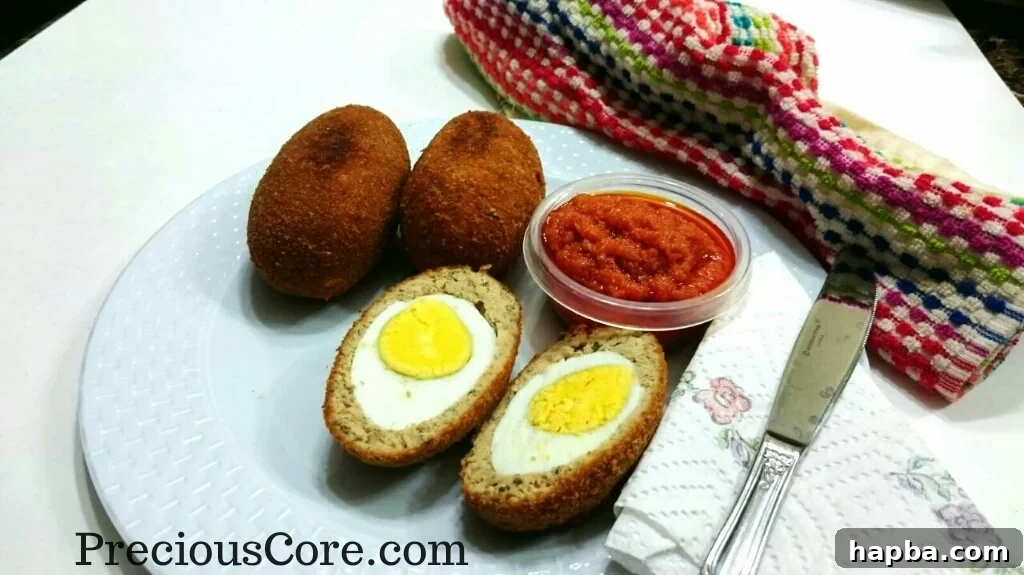
Cameroon Scotch Eggs: A Unique Fish-Coated Delight & A Heartfelt Tribute
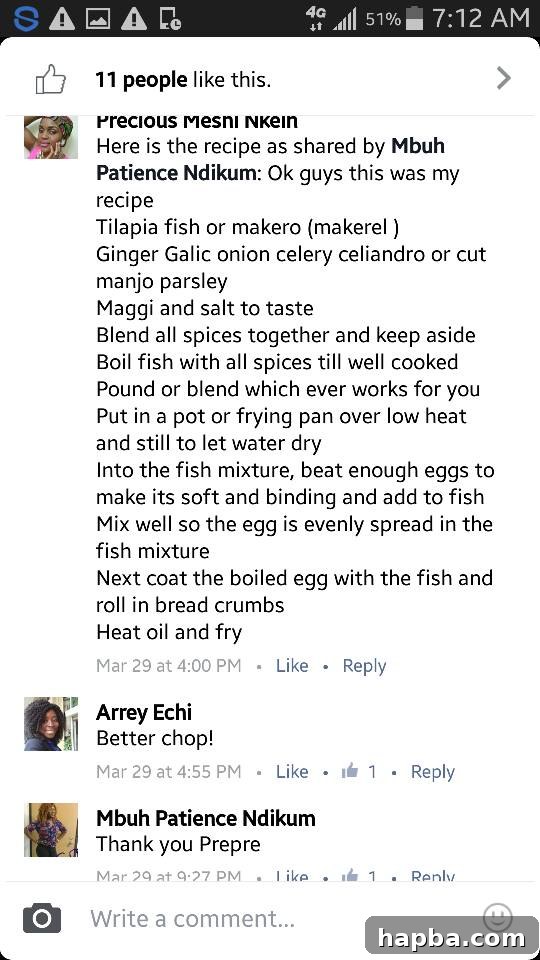
In the expansive and diverse world of cuisine, some recipes transcend mere sustenance, becoming a profound expression of memory, love, and cultural heritage. This recipe for Cameroon Scotch Eggs is precisely that – a vibrant, delicious tribute to a cherished friend, Mbuh Patience Ndikum, whose life was tragically cut short in a motor accident. Patience, a true culinary enthusiast and a beacon of joy, generously shared this innovative fish-coated Scotch Egg recipe with our vibrant online food community. Her ingenious approach left behind a legacy of flavor and friendship, inspiring many to recreate her delightful creation.
While the traditional Scotch Egg typically features a hard-boiled egg encased in seasoned sausage meat and then deep-fried or baked, Patience introduced us to an entirely new dimension: a delicate, flavorful fish coating. This adaptation not only offers a lighter, distinct taste but also eliminates the need for flour in the coating process, simplifying the preparation without compromising on texture or richness. The result is a Scotch Egg that is incredibly easy to make, remarkably good-looking, and undeniably delicious. It stands as a testament to her creativity and generosity, and an invitation to all who encounter this recipe to share in her enduring spirit.
The Global Journey of the Scotch Egg: From British Pub to Cameroonian Innovation
The Scotch Egg, a beloved British classic, traces its origins back to the 18th century, with Fortnum & Mason often credited with its invention as a luxurious picnic item for travelers. Traditionally, these savory delights consist of a hard-boiled egg wrapped in seasoned sausage meat, coated in breadcrumbs, and then fried or baked until golden. Over centuries, this humble snack has traveled across continents, inspiring countless regional variations and culinary interpretations. From the pub staple in the UK to diverse adaptations in global cuisines, the Scotch Egg has proven its versatility and enduring appeal as a hearty, portable snack.
However, Patience’s version introduces a truly groundbreaking twist that sets it apart from conventional recipes. While I have previously explored making Scotch Eggs with meat and even baked variations coated with flour, this fish-coated rendition stands out as the easiest, most visually appealing, and utterly delicious I have ever made. It departs from the conventional by using seasoned, de-boned fish—often canned salmon or mackerel—as the primary coating. This clever substitution not only imbues the Scotch Egg with a unique, savory flavor profile but also makes it an excellent option for those seeking an alternative to meat-based snacks or for those who appreciate the delicate taste of seafood. This innovation transforms the Scotch Egg from a mere snack into a culinary experience, reflecting a beautiful fusion of tradition and inventive spirit, deeply rooted in the vibrant food culture of Cameroon.
This recipe is more than just instructions; it’s a heartfelt way to honor Patience’s memory, her profound love for food, and her infectious desire to share delicious creations with others. As you prepare these delightful balls, remember the joy and kindness she brought into the lives of her friends and family. Let each bite be a celebration of her life and her enduring culinary legacy, a delicious way to keep her spirit alive in our kitchens and hearts.

To truly complement the richness and unique flavor of these fish Scotch Eggs, I highly recommend serving them with a vibrant, homemade pepper sauce. The zesty, spicy kick of a well-made pepper sauce cuts through the richness of the fried egg and fish, creating a perfectly balanced flavor sensation that awakens the palate. While the recipe for my specific pepper sauce is still in the works and will be shared soon, feel free to pair these with your favorite homemade chili dip, a tangy mayonnaise, a fresh tomato salsa, or even a simple squeeze of fresh lime juice for an added burst of freshness. The versatility of these Scotch Eggs makes them a fantastic accompaniment to various condiments.
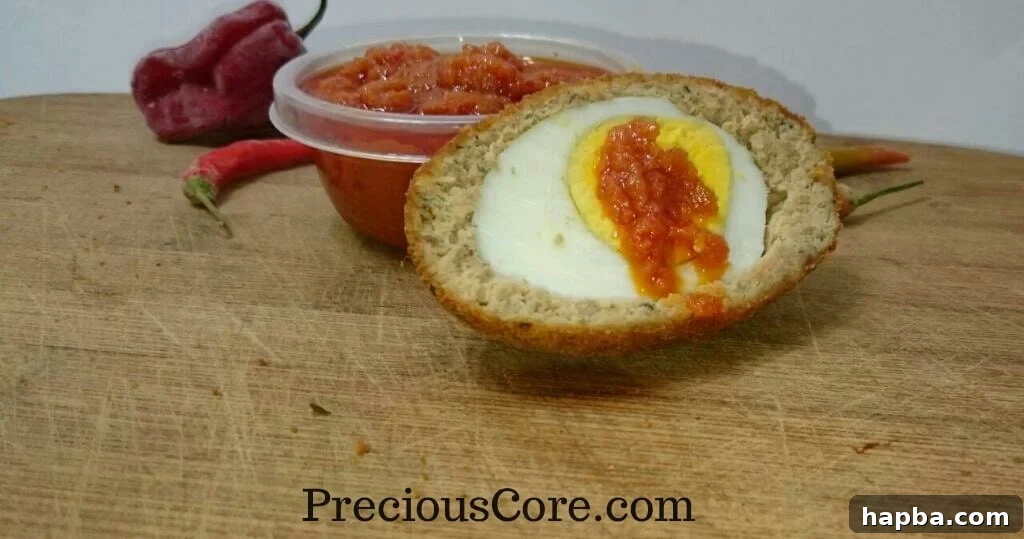
Patience’s Inspired Fish Scotch Egg Recipe: Ingredients and Method
This recipe is meticulously adapted from the brilliant mind of Mbuh Patience Ndikum, offering a simpler, yet incredibly flavorful approach to Scotch Eggs. The key lies in the seasoned fish coating, which is both tender and wonderfully aromatic, providing a distinct taste that will surprise and delight. Here’s a comprehensive guide on what you’ll need and how to prepare these delightful bites, ensuring each one is a perfect tribute to her culinary genius.
Ingredients:
- 6-8 large hard-boiled eggs, perfectly peeled and ready for coating
- 2 (14.75 oz / 418g) cans of pink salmon (or any preferred canned fish like tuna or mackerel), thoroughly drained, seasoned, cooked, and completely de-boned. If opting for fresh fish, ensure it is cooked, flaked, and well-seasoned with salt, pepper, and a touch of bouillon for enhanced flavor.
- 2 large eggs, lightly beaten (these will act as a crucial binder for the fish mixture)
- 2-3 cloves of garlic, freshly minced, or 1 teaspoon of high-quality garlic powder
- 1-inch piece of fresh ginger, finely grated, or 1 teaspoon of aromatic ginger powder
- 2 tablespoons of fresh parsley, finely chopped (or consider other fresh herbs like cilantro, chives, or even spring onion for varied flavor)
- Salt and freshly ground black pepper to taste, adjusted to your preference
- 1 cup of fine breadcrumbs (Panko breadcrumbs are highly recommended for an extra layer of crispiness and a lighter texture)
- High-quality vegetable oil for deep frying (ensure you have enough oil to fully submerge the Scotch Eggs for even cooking)
Step-by-Step Preparation Guide:
- Prepare the Fish Mixture: In a large, spacious mixing bowl, gently mash the pre-cooked, seasoned, and thoroughly de-boned fish. If you’re using canned salmon, you’ll find the bones are often soft enough to mash directly, but always ensure all larger bones and skin are meticulously removed for a smooth consistency. The fish should ideally already be seasoned from its cooking process, but this is your chance to adjust with a pinch of salt and pepper if needed.
- Add Aromatics and Binder: To the mashed fish, generously add the freshly minced or powdered garlic, the grated or powdered ginger, and the finely chopped fresh parsley. These aromatics are essential for infusing the fish coating with a delightful fragrance and profound flavor. Next, crack and add the two lightly beaten large eggs into the bowl with the fish mixture. These beaten eggs are a crucial binder, helping the fish mixture hold its shape securely around the hard-boiled eggs during the cooking process.
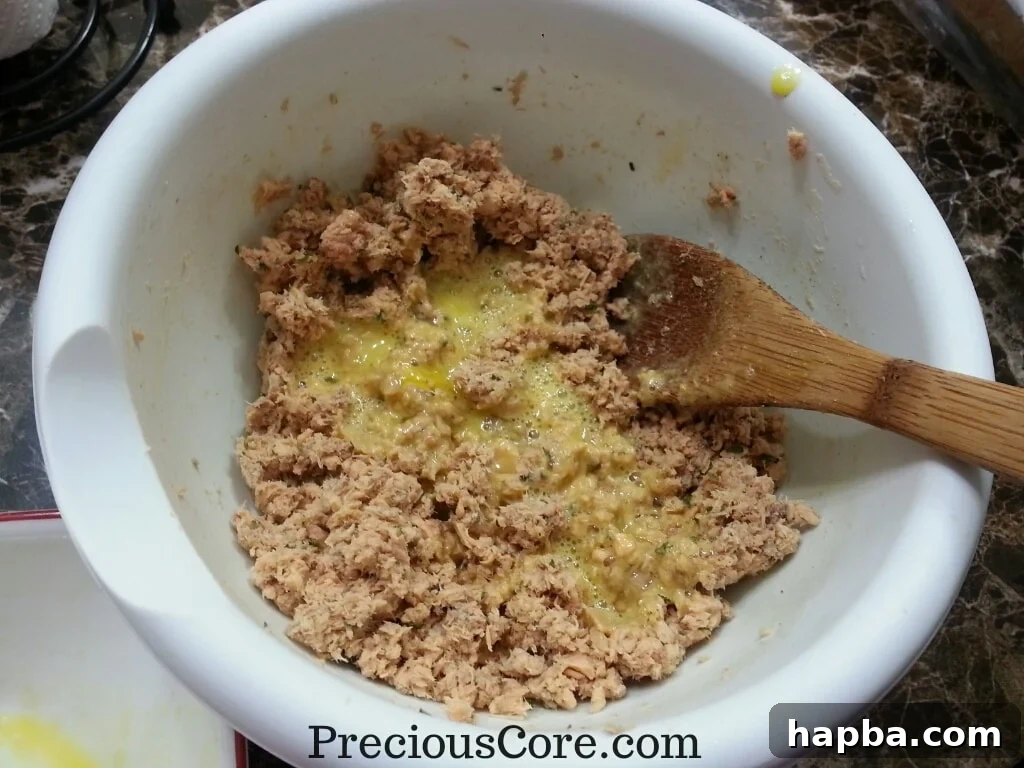
- Mix Thoroughly: Using your clean hands or a sturdy mixing spoon, combine all the ingredients in the bowl with a good, thorough mix. Ensure that the garlic, ginger, herbs, and beaten eggs are evenly incorporated throughout the entire fish mixture. The consistency should be well combined and relatively cohesive, forming a pliable paste, but not overly wet or crumbly. Take a small portion and taste-test to adjust seasoning with additional salt and pepper as needed, ensuring it’s perfectly flavored.
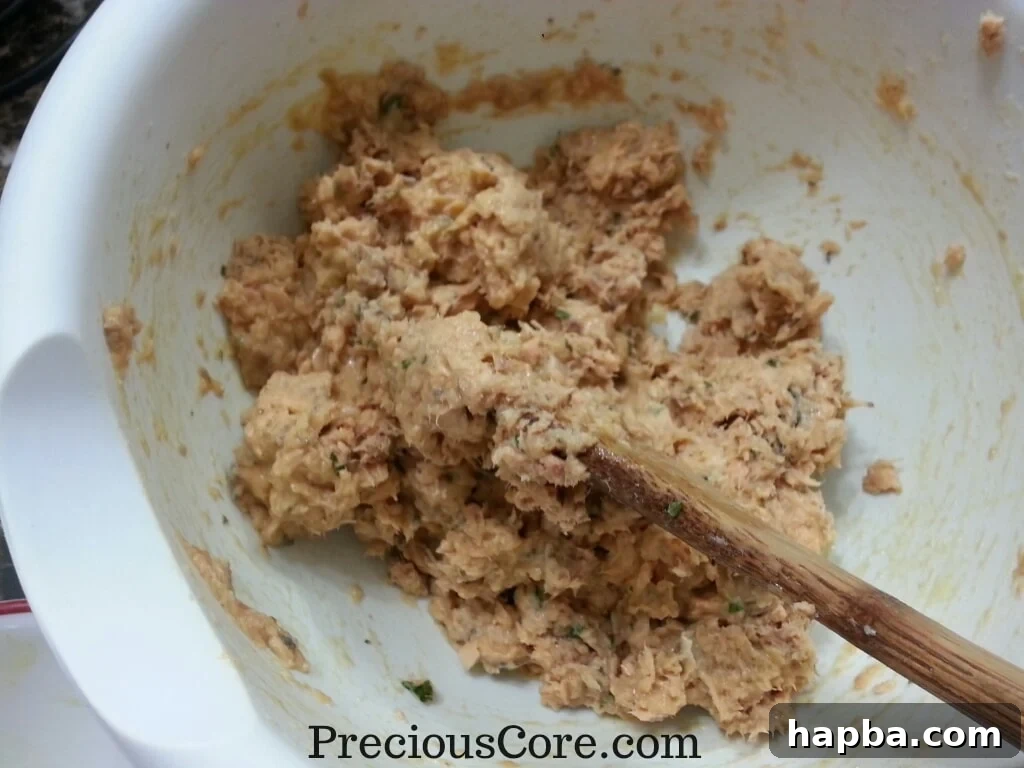
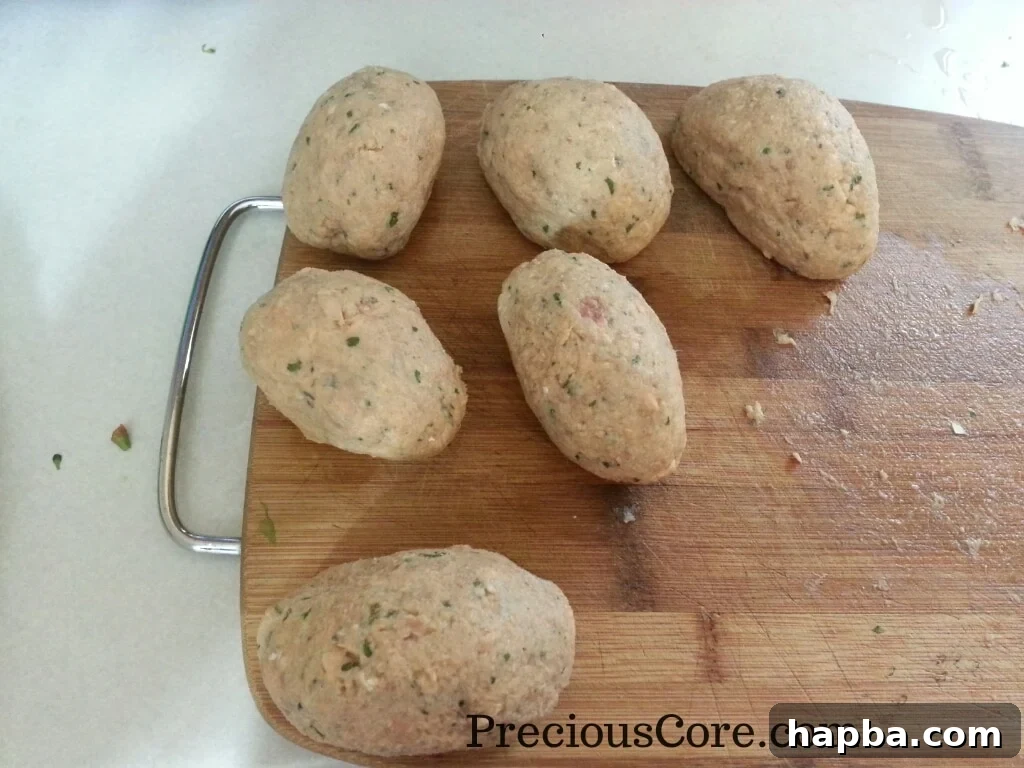
- Prepare for Coating: Take a generous portion of the prepared fish mixture, roughly enough to fully encase one hard-boiled egg. Flatten it into an oval or round patty in the palm of your hand. The patty should be consistently thick enough to completely cover the egg without being too thin or breaking apart during the molding process.
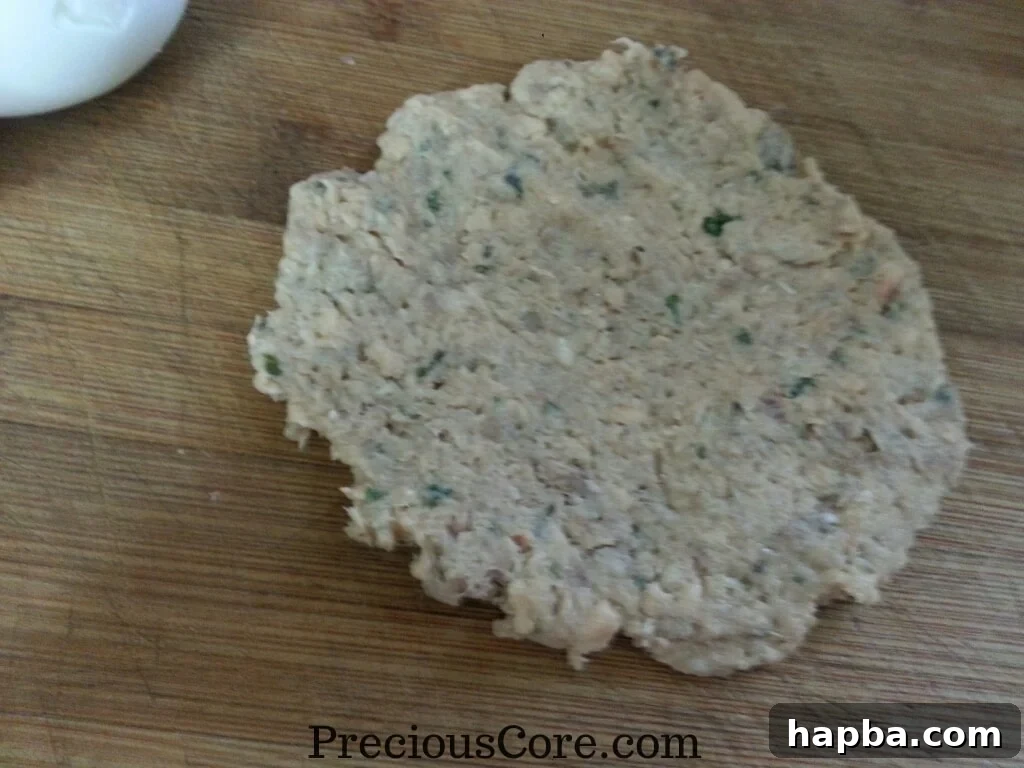
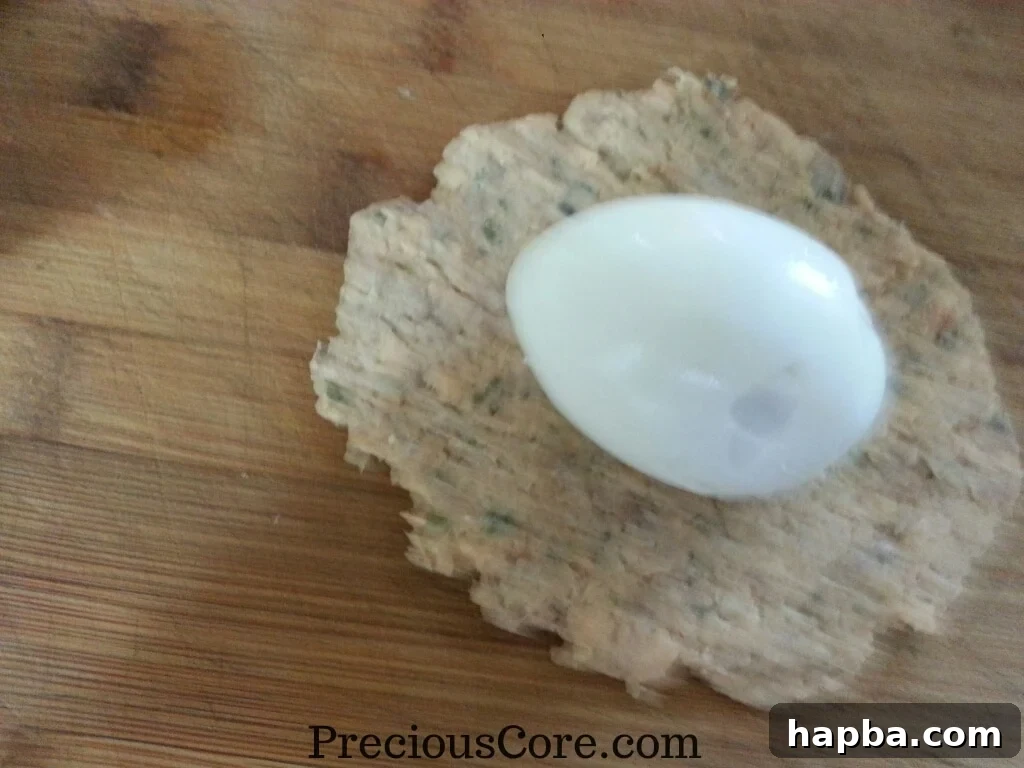
- Coat the Eggs: Carefully place one peeled hard-boiled egg right in the center of the flattened fish mixture.
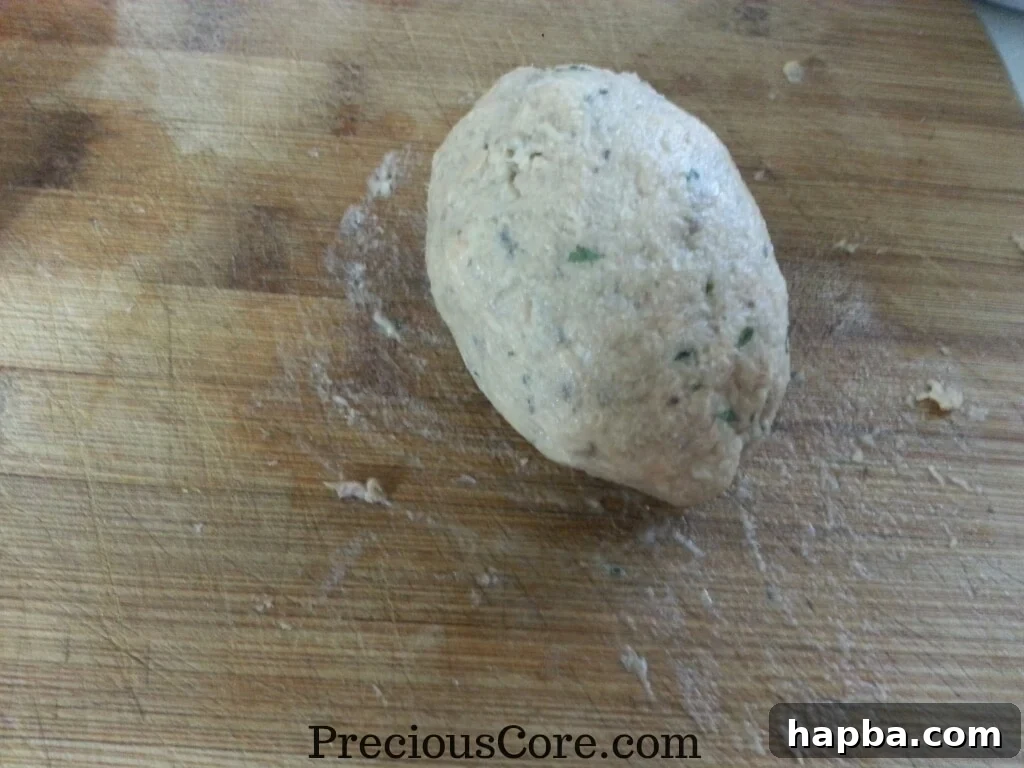
- Form the Scotch Eggs: Gently but firmly mold the fish mixture around the hard-boiled egg, ensuring it is completely and evenly covered from all sides. Take your time to shape it into a smooth, perfectly spherical ball, making sure there are no visible seams or exposed egg. The goal is to create a seamless, uniform coating that fully encloses the egg. Repeat this precise process for all your hard-boiled eggs until they are all beautifully coated.
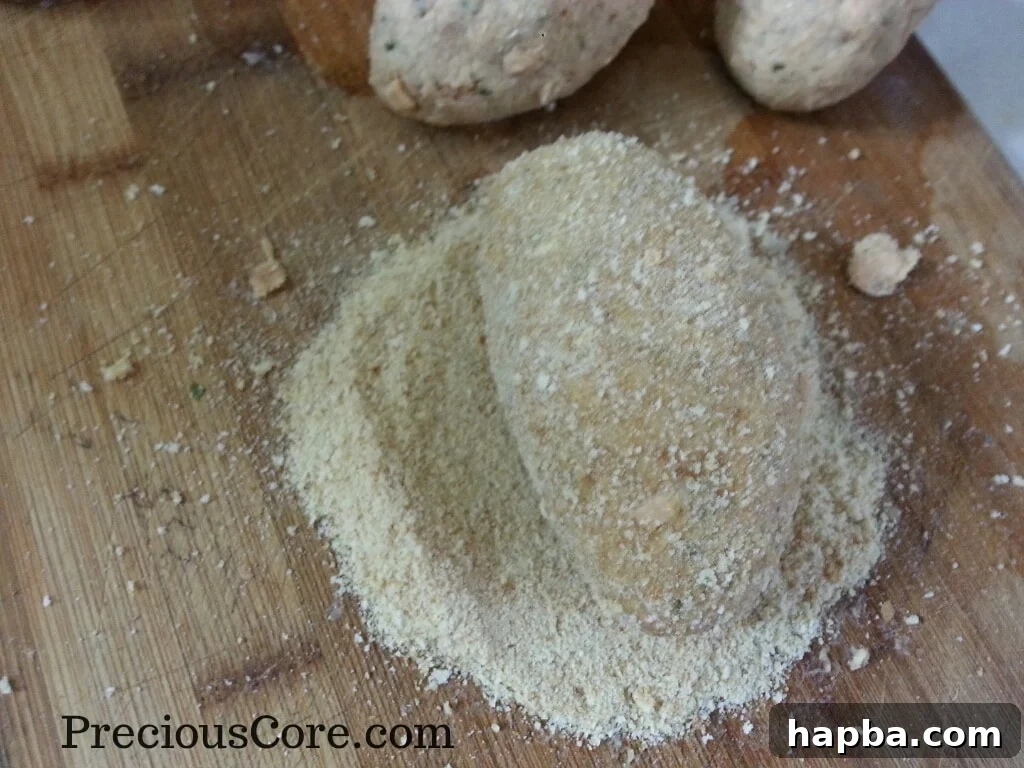
- Breadcrumb Coating: Place the breadcrumbs in a shallow dish, ready for coating. Carefully roll each fish-coated egg in the breadcrumbs, ensuring it is thoroughly covered from all angles. Gently press the breadcrumbs onto the surface so they adhere well and form a uniform layer. This final breadcrumb layer is crucial as it will provide that desirable crispy and golden exterior once cooked.
- Frying or Baking (Your Choice):
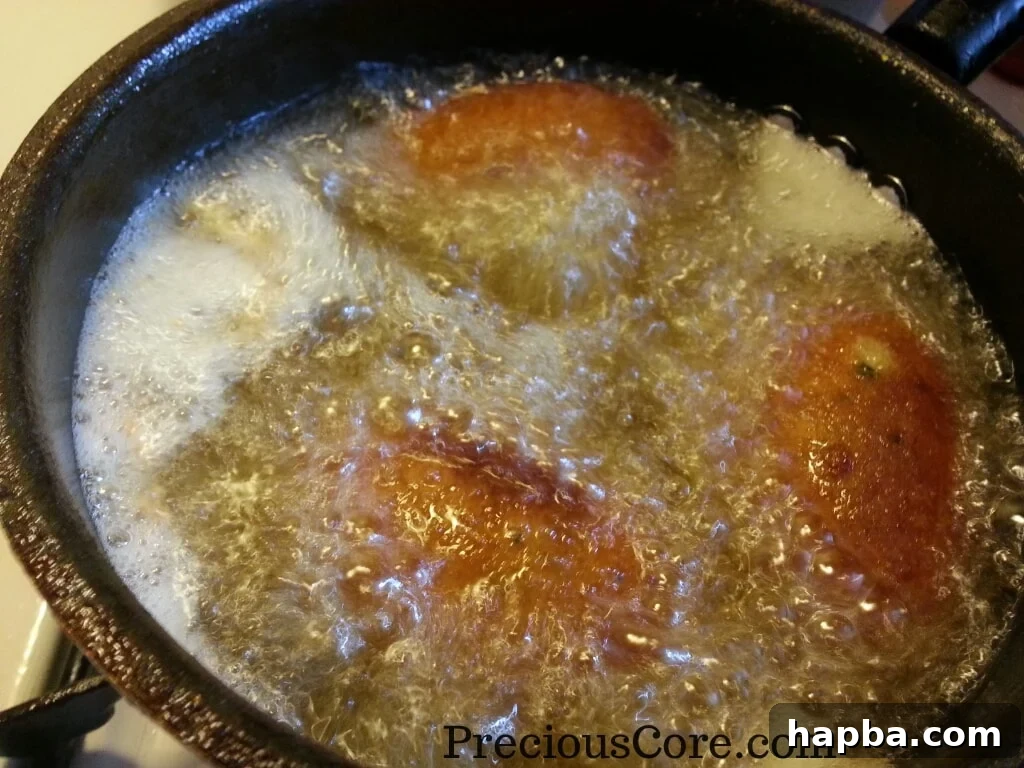
- For Frying (Recommended for optimal crispiness): Heat vegetable oil in a deep pot or Dutch oven to approximately 350°F (175°C). Ensure there’s enough oil to fully submerge the Scotch Eggs. Carefully lower 2-3 Scotch Eggs into the hot oil, taking care not to overcrowd the pot, which can lower the oil temperature. Fry for 5-7 minutes, turning them occasionally to ensure even browning, until they achieve a beautifully golden brown color and a crispy exterior.
- For Baking (A Lighter, Healthier Alternative): Preheat your oven to 375°F (190°C). Lightly grease a baking sheet or line it with parchment paper to prevent sticking. Place the breadcrumb-coated Scotch Eggs on the prepared sheet, leaving some space between each. Bake for 20-25 minutes, or until the coating is golden brown and cooked through. For extra crispiness, you might want to lightly spray them with cooking oil before baking.
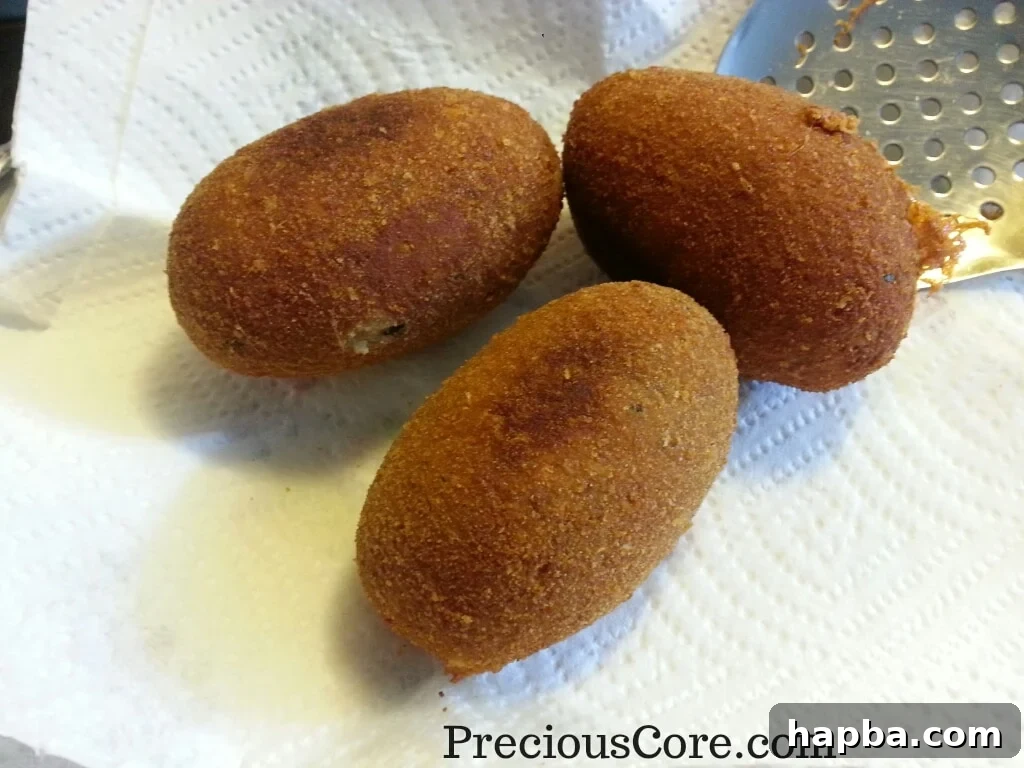
- Drain and Serve: Once the Scotch Eggs are golden brown and perfectly cooked, carefully remove them from the oil using a slotted spoon or tongs. Immediately place them on a plate generously lined with paper towels to absorb any excess oil. This crucial step is vital for maintaining their delightful crispiness and preventing them from becoming greasy.
- Repeat and Enjoy: Repeat the frying or baking process with the remaining Scotch Eggs until all are perfectly cooked. Serve them warm, ideally with a side of spicy pepper sauce or your favorite dipping condiment. These are excellent as appetizers, hearty snacks, or even as a light and satisfying meal. Their unique flavor profile makes them a standout dish for any occasion.

Tips for Achieving Perfect Fish Scotch Eggs Every Time
- Mastering Hard-Boiled Eggs: For easily peelable eggs with perfectly set, non-rubbery yolks, place eggs in a single layer in a saucepan and cover with cold water by at least an inch. Bring the water to a rolling boil, then immediately turn off the heat, cover the pot, and let sit for precisely 10-12 minutes. Transfer them to an ice bath for 5 minutes before peeling. This stops the cooking process and makes peeling a breeze.
- Ensuring Flavorful Fish: Do not skimp on seasoning your fish mixture. If using plain canned fish, consider adding a pinch of cayenne pepper for a subtle kick, a dash of onion powder, or a touch of a good quality bouillon cube (crushed) to further enhance the flavor profile of your coating. The fish should be delicious on its own before coating the eggs.
- Achieving an Even Coating: When molding the fish mixture around the hard-boiled egg, strive for an even thickness throughout. This prevents any part of the egg from being exposed during cooking and ensures a consistent texture. If the mixture feels too sticky to handle, slightly dampen your hands with water to make the molding process smoother.
- Crucial Temperature Control for Frying: If you choose to fry, maintaining the correct oil temperature is absolutely vital. If the oil is too cool, the Scotch Eggs will absorb excessive oil, becoming greasy. If it’s too hot, the outside will burn rapidly before the interior coating is fully cooked through and heated. A reliable cooking thermometer is highly recommended to maintain a steady temperature of 350°F (175°C).
- Preparing Ahead and Storage: You can prepare the coated Scotch Eggs (before the final frying or baking step) and refrigerate them for a few hours, or even overnight, covered tightly. This chilling period can help them firm up, which allows them to hold their shape better and cook more evenly during the frying or baking process.
Versatile Serving Suggestions and Exciting Variations
These unique fish-coated Scotch Eggs are incredibly versatile and can be enjoyed in numerous ways. Beyond the suggested spicy pepper sauce, consider elevating your serving experience with these ideas:
- Pair them with a fresh, vibrant green salad dressed with a light lemon vinaigrette for a balanced meal.
- Serve alongside homemade tartar sauce, a creamy spicy aioli, or even a zesty remoulade for added complexity.
- Include them as a star item in a lavish brunch spread, complementing fresh fruits, pastries, and other savory delights.
- Pack them in a lunchbox for a delicious, satisfying, and protein-packed meal on the go, perfect for work or school.
- Experiment with different fish types: Try smoked mackerel for a bolder, more intense flavor, or mild cod for a subtle taste. You can also mix in finely chopped bell peppers, finely diced carrots, or spring onions into the fish mixture for added texture, color, and a fresh burst of flavor.
A Reflection of Life and Enduring Legacy
Preparing and sharing this recipe is much more than just a culinary exercise; it’s a profound act of remembrance and celebration. Patience Ndikum’s ingenuity brought a fresh and inspiring perspective to a classic dish, creating something truly memorable and deeply personal. Each Scotch Egg prepared using her thoughtful method is a delicious testament to her vibrant spirit, her unwavering love for good food, and her boundless kindness in sharing her unique culinary gifts with the world. It’s a delicious and heartfelt way to keep her memory alive, encouraging us all to embrace creativity in the kitchen, cherish the bonds we form over shared meals, and appreciate the lasting impact people have on our lives.
Which type of Scotch Eggs do you prefer the most? Are you a fan of the traditional meat-coated variety, the simpler flour-coated versions, this innovative fish version, or perhaps a different adaptation altogether? Please share your thoughts, preferences, and any experiences you have with this recipe below in the comments section. Your feedback, stories, and culinary insights are truly appreciated and help keep the conversation going, honoring Patience’s legacy through our shared love for food!
“Yet you do not know what your life will be like tomorrow. You are just a vapor that appears for a little while and then vanishes away.”