
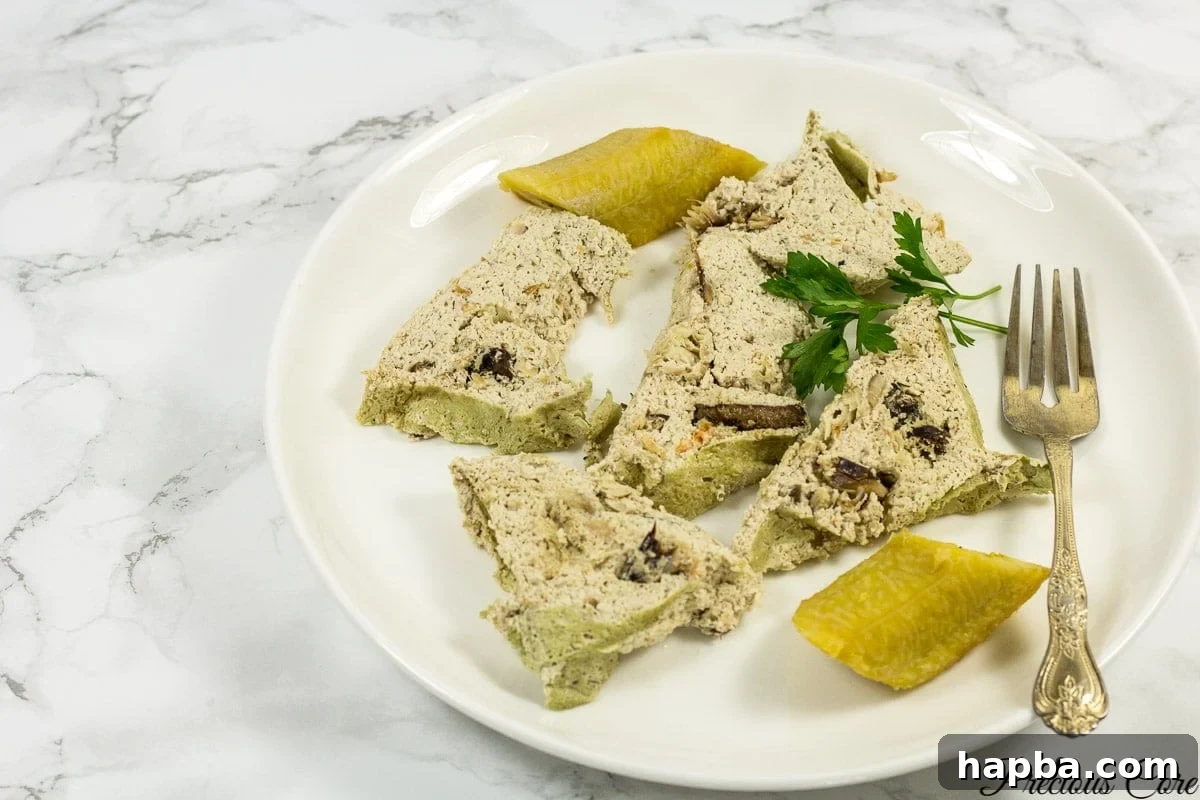
Experience the Rich Flavors of Authentic Egusi Pudding: A Culinary Journey to Cameroon
Egusi Pudding is more than just a dish; it’s a beloved culinary masterpiece that captivates the senses and nourishes the body. For those who have experienced its unique charm, it quickly becomes an unforgettable favorite, eaten without guilt thanks to its rich nutritional profile. The only downside? There never seems to be enough Egusi Pudding to satisfy everyone’s cravings—it’s simply that good! Just take a look at this:
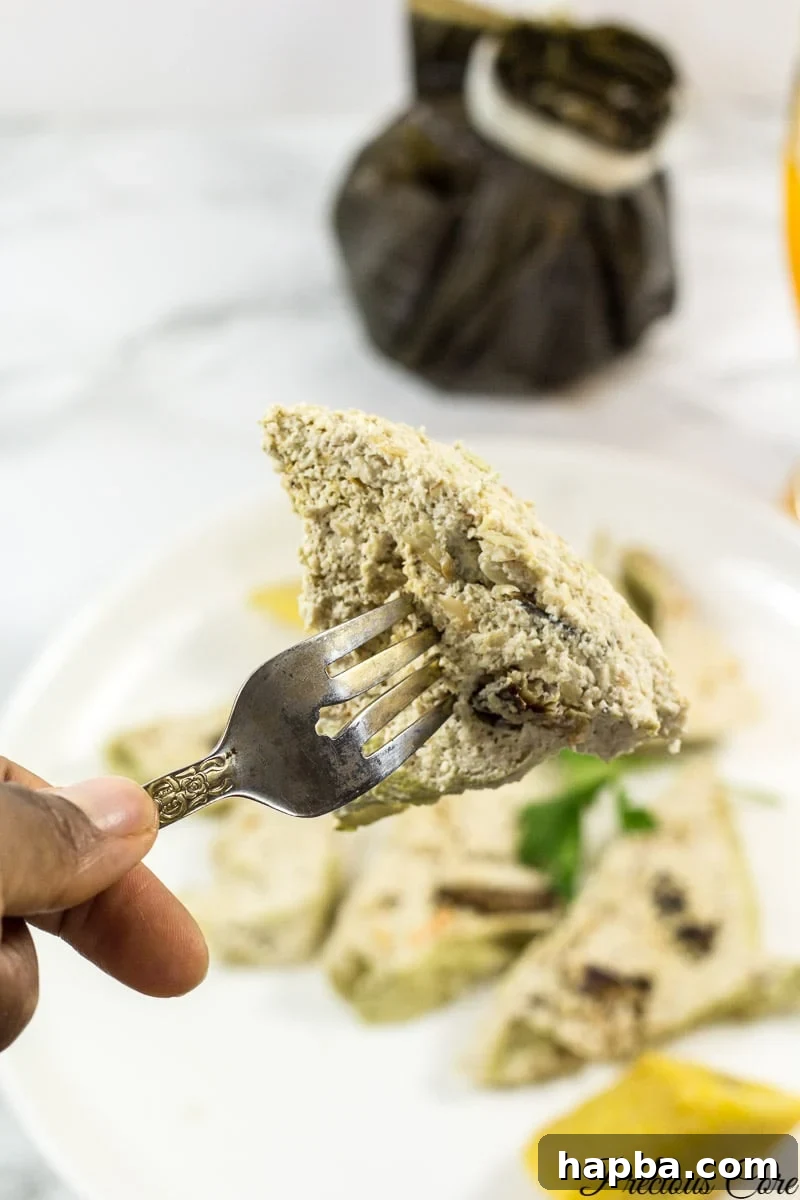
Often referred to as melon seeds or pumpkin seeds, Egusi is derived from a specific type of pumpkin or melon plant, native to West Africa. Encased within a tough, yellowish-orange shell, these highly prized seeds reveal a creamy white interior once cracked open. Beyond their culinary versatility, Egusi seeds are a nutritional powerhouse, packed with protein, healthy fats, and essential minerals, making them a staple ingredient in many African cuisines.
Across various regions of Africa, Egusi seeds are transformed into an array of delectable dishes. In some areas, they are skillfully combined with vibrant green leafy vegetables to create wholesome stews, while in others, they form the creamy base for hearty soups. A prime example is the renowned Nigerian Egusi Soup, often prepared with a scattering of bitterleaf and traditionally enjoyed with Eba or Poundo (Pounded Yam).
However, for many, including myself, Egusi Pudding holds a special place at the top of the culinary hierarchy. This savory pudding offers a distinctly different, yet equally enchanting, experience compared to its soup counterparts. Its rich texture, complex flavors, and inherent goodness make it an indulgence worth savoring.
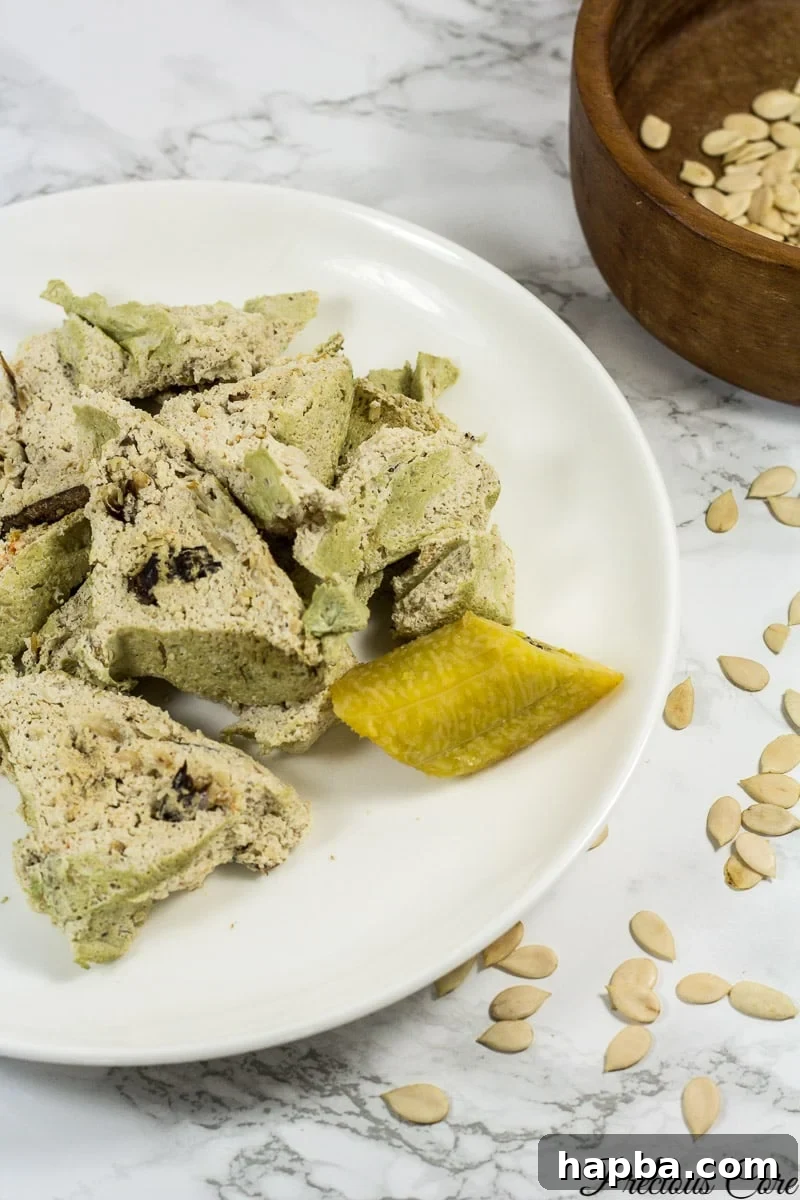
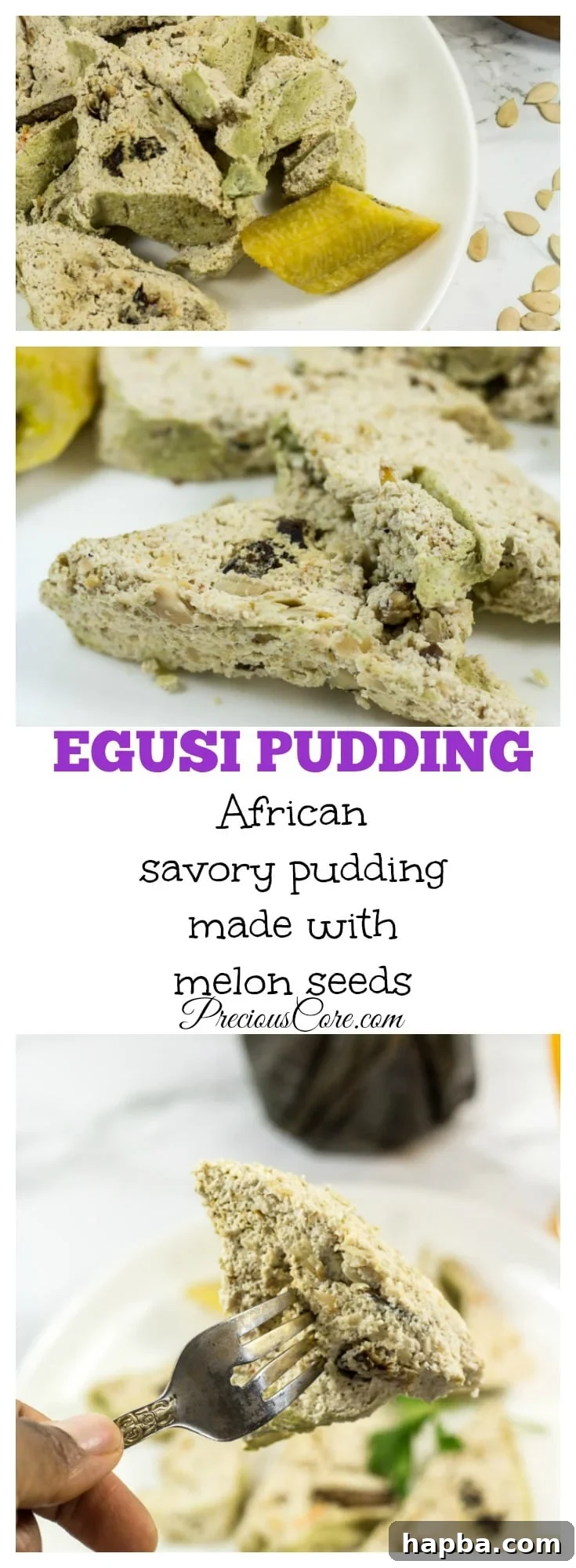
Feast your eyes on those magnificent slices! These “African cake slices” are airy, subtly spicy, and bursting with savory goodness, offering a delightful symphony for your taste buds. Often served as a cherished appetizer or a light meal, Egusi Pudding embodies the warmth and richness of Cameroonian cuisine, truly making it one of my all-time favorite African delicacies.
The Unique Preparation of Egusi Pudding
Unlike egusi soups and stews where the seeds are often cooked directly in liquid, Egusi Pudding involves a distinctive steaming process. The journey begins by blending the raw egusi seeds into a fine texture. This ground egusi is then meticulously mixed with water, various fish components (often smoked or dried for depth of flavor), and a blend of aromatic seasonings. The resulting mixture is then carefully portioned and steamed.
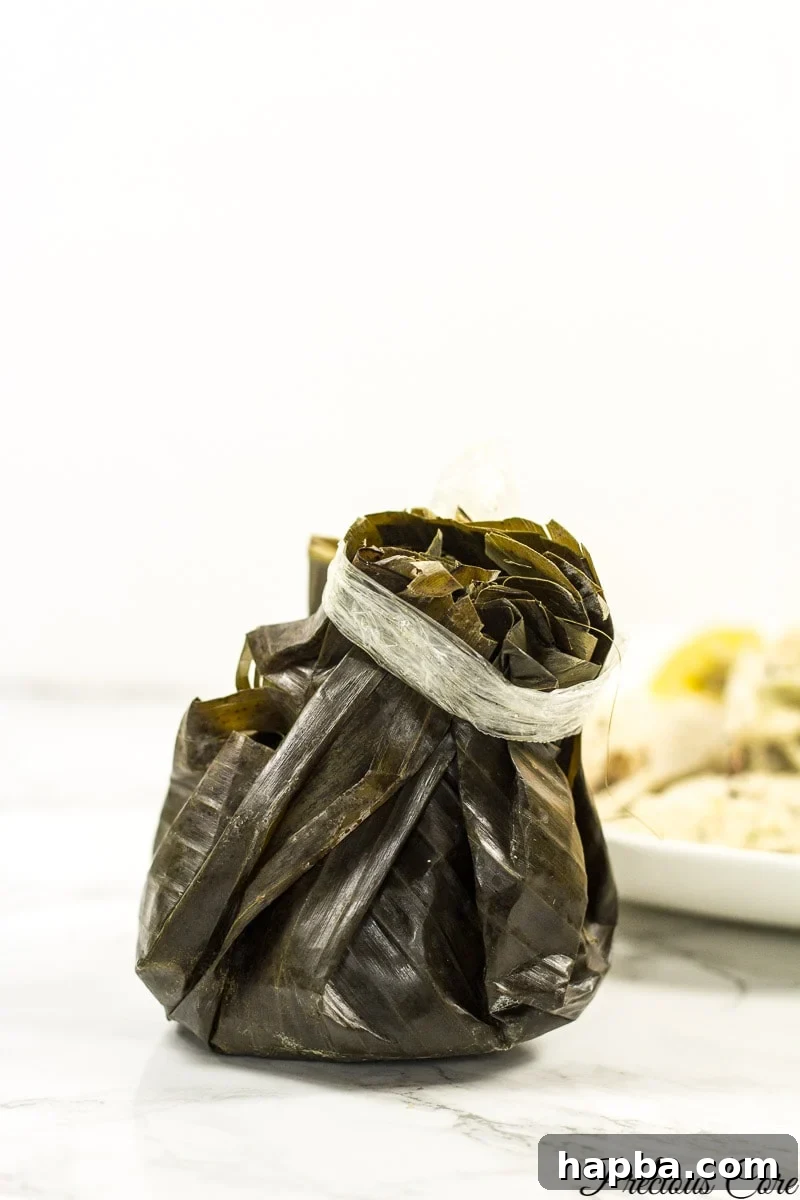
Traditionally, these portions are wrapped in plantain or banana leaves, which not only impart a subtle, earthy aroma to the pudding but also help to retain moisture and shape during the steaming process. In modern kitchens, or where traditional leaves are unavailable, aluminum foil serves as an excellent alternative, ensuring the pudding steams perfectly.
Egusi pudding is a quintessential dish at Cameroonian gatherings and celebrations. Its irresistible taste and comforting texture make it an instant hit, frequently disappearing from platters as soon as it’s served. It’s a dish that brings people together, sparking conversations and smiles with every bite.
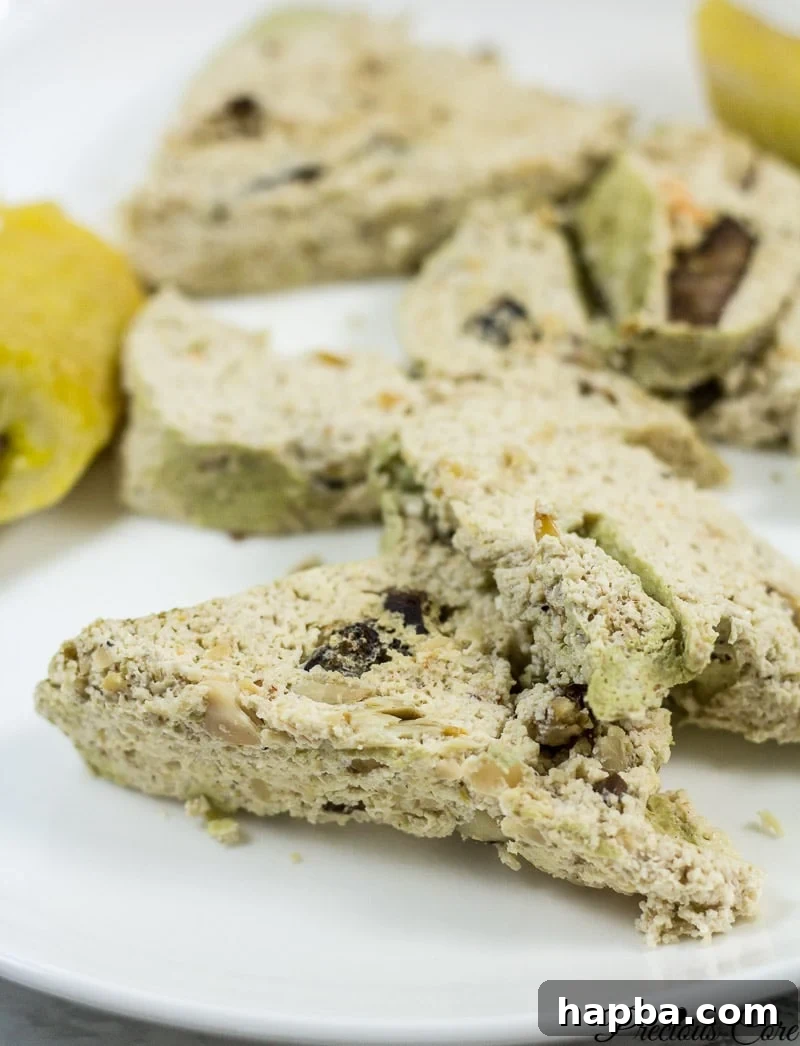
Versatile and satisfying, Egusi Pudding can be enjoyed on its own as a light meal or paired with a variety of starchy accompaniments. Popular choices include perfectly boiled ripe plantains, tender boiled yams, or the traditional bobolo/miondo (fermented and boiled cassava). These sides complement the rich, savory flavors of the pudding beautifully, creating a well-rounded and fulfilling dining experience.
To guide you through the process of creating this deliciousness, I’ve prepared a comprehensive video tutorial. Watch the video below for a visual step-by-step guide, and then find the detailed printable recipe immediately after. If you haven’t yet, consider subscribing to my YouTube channel here so you never miss out on future cooking videos and delightful recipes. Happy cooking!
Watch How to Make Egusi Pudding:
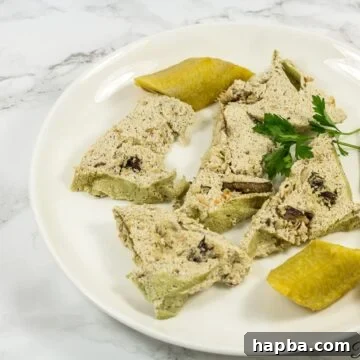
How to Make Egusi Pudding
30 mins
1 hr
1 hr 30 mins
6 servings
Consider trying this delicious recipe!
Ingredients
- 3 cups Egusi seeds, ground
- 1/2 cup crayfish, ground
- 1 cup smoked meat or fish, sliced (options include beef, dried fish, smoked fish, boiled chicken, or smoked turkey). I used smoked beef and chicken for this recipe.
- 2 cups water
- 1/2 large crayfish seasoning cube
- 1 teaspoon salt (adjust to taste)
- 1 egg (optional, for binding and richness)
- 1 ground hot pepper (such as habanero, scotch bonnet, or chili, to your spice preference)
Instructions
-
Begin by grinding your egusi seeds. Place the seeds into a blender. It’s crucial to dry blend, meaning no water should be added at this stage. For best results, use the smaller compartment of your blender, as it typically grinds seeds more finely, preventing an uneven mixture. Process in small batches if necessary to achieve a consistent, fine powder.
-
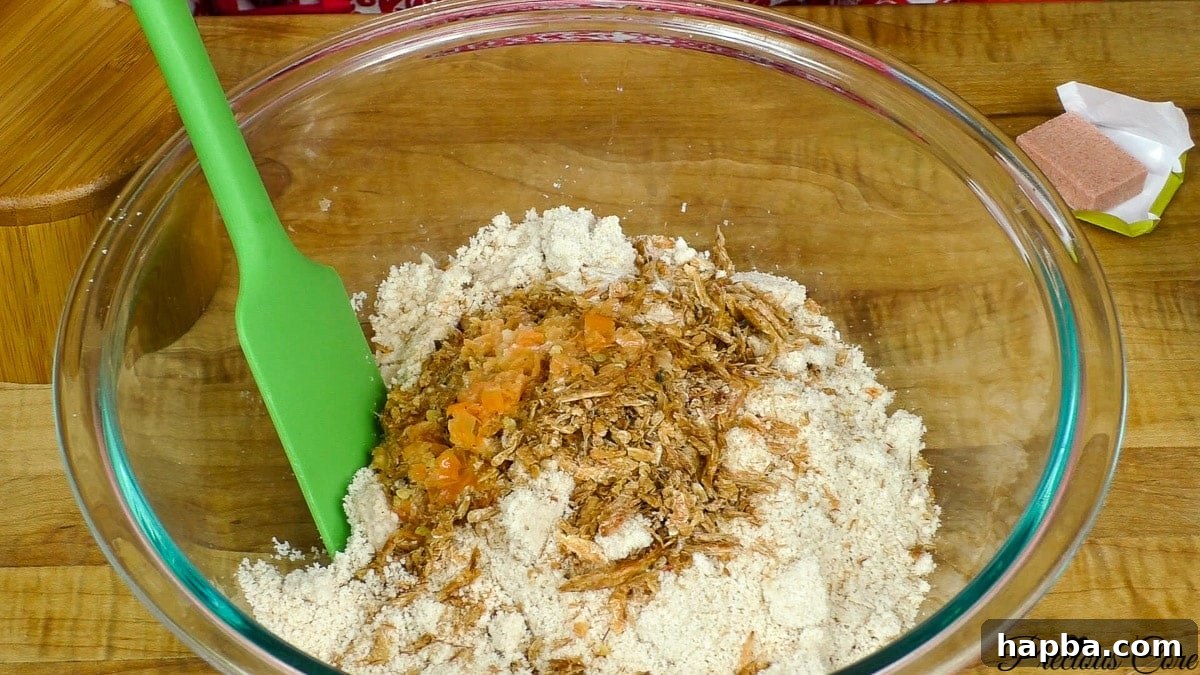
Once finely ground, pour the egusi powder into a large mixing bowl. If you notice any stubborn chunks, gently break them down with a wooden spoon or a spatula. Next, add the ground crayfish, ground hot pepper, and all your seasonings (salt and seasoning cube) to the bowl. Mix these dry ingredients thoroughly to ensure an even distribution of flavor.
-
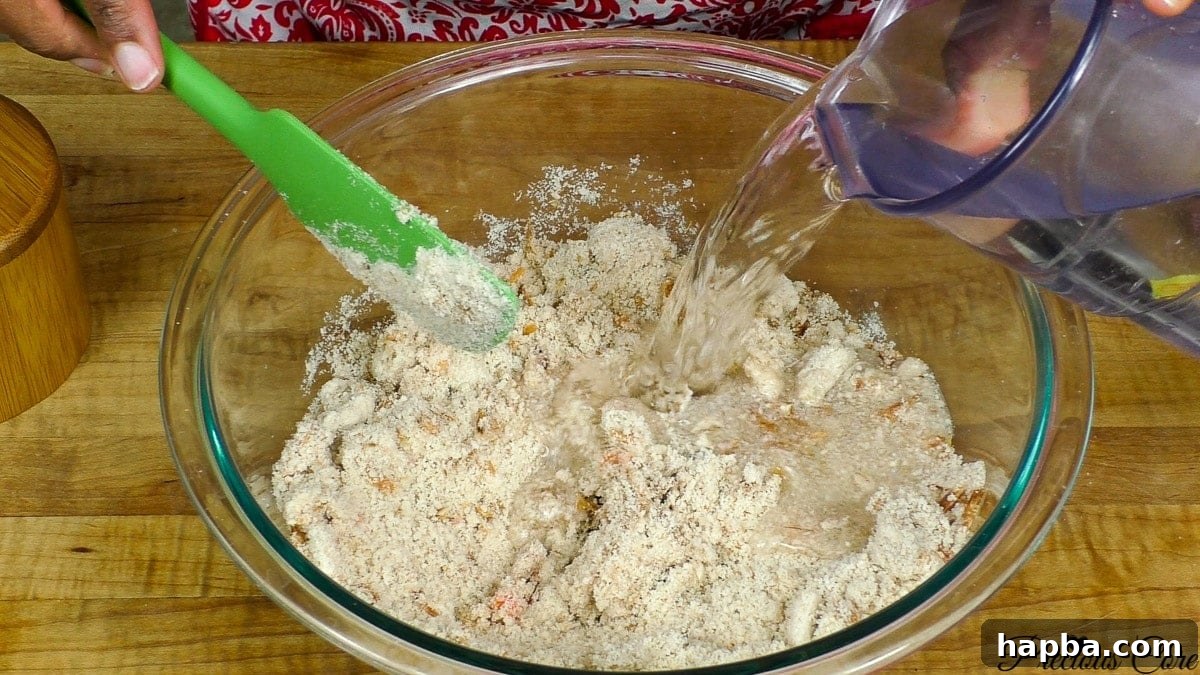
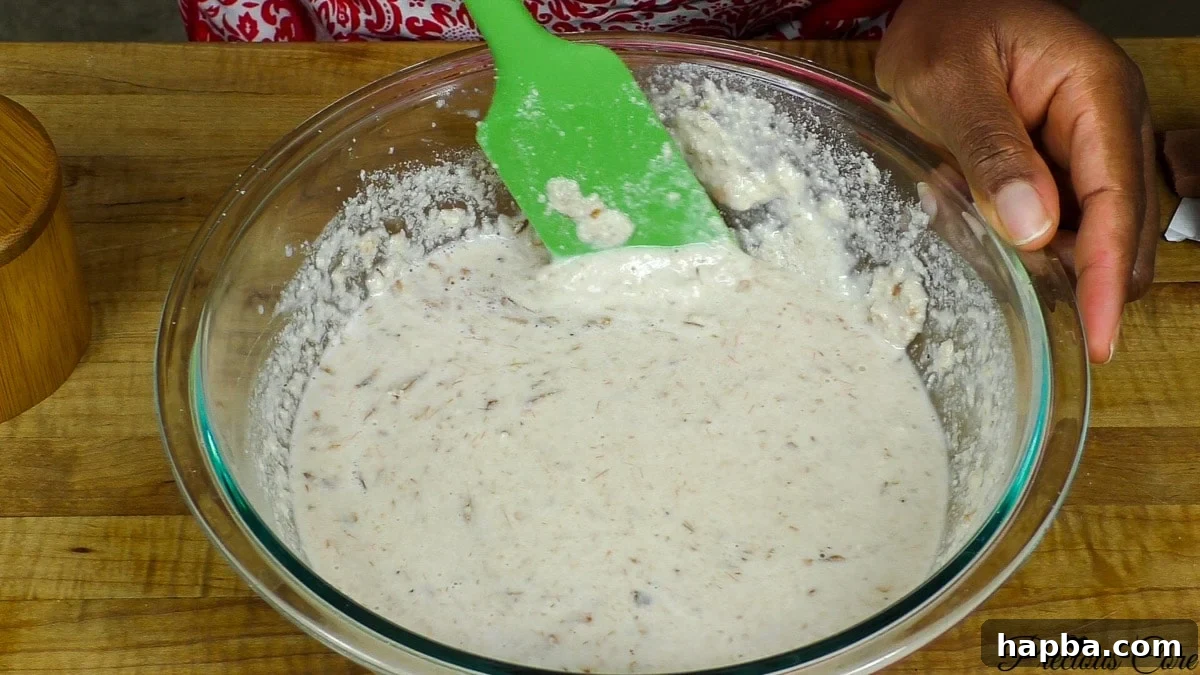
Now, it’s time to create your egusi paste. Gradually add three-quarters of the water to the dry egusi mixture. Mix vigorously with a wooden spoon until a smooth, lump-free paste forms. Adding all the water at once can make it challenging to achieve this smooth consistency. Once the initial paste is smooth, incorporate the remaining water and mix well to achieve a slightly looser, uniform batter.
-
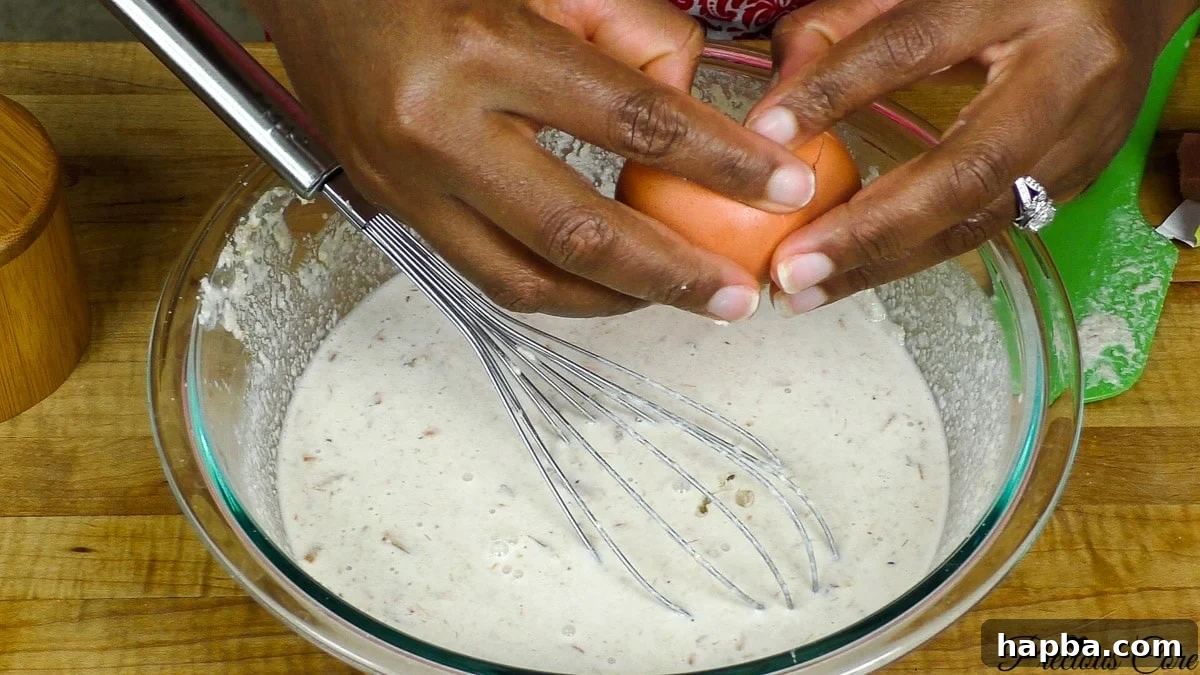
If you opt to use an egg (it adds richness and helps bind the pudding), crack it into the egusi mixture and mix thoroughly until fully incorporated.
-
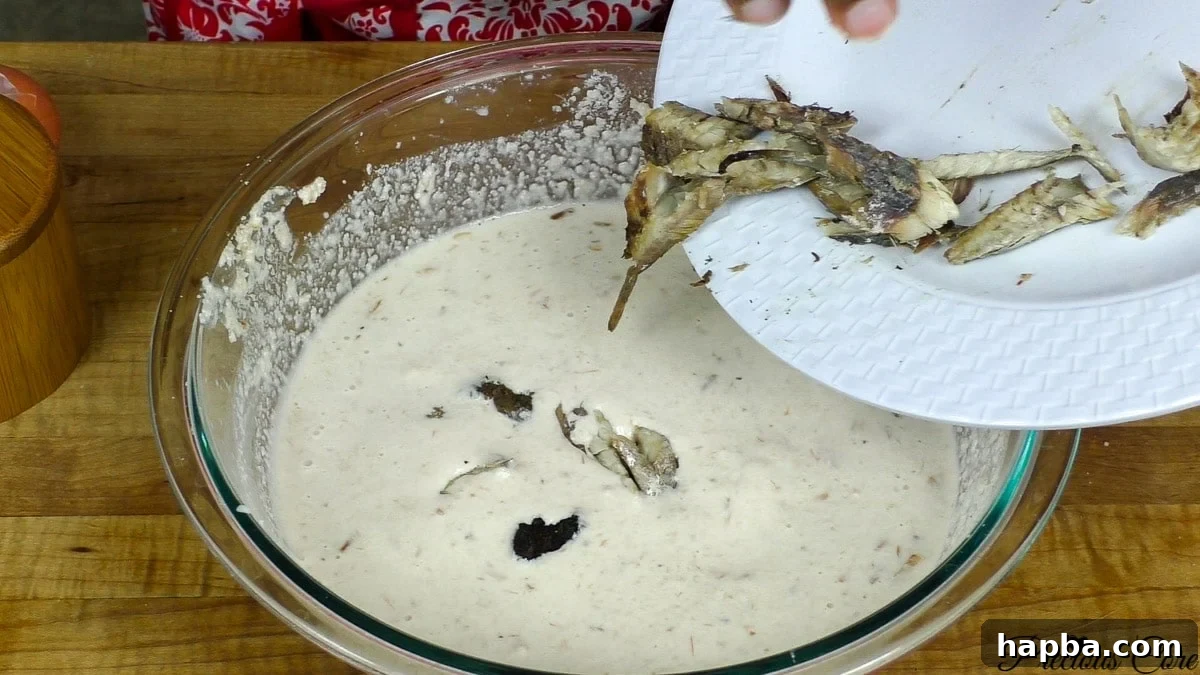
Finally, add your pre-cooked dry or smoked fish and shredded chicken or beef into the egusi batter. Stir gently to ensure the meat and fish are evenly distributed throughout the mixture, adding savory depth to every bite.
-
Prepare your steaming pot: Line the bottom of your pot with a layer of banana leaves or aluminum foil. This creates a protective base for the pudding bundles and helps in even steaming. Pour about two cups of water into the pot, ensuring it doesn’t touch the base you just created, and place it on medium heat to start boiling.
(For a visual demonstration of lining the pot and wrapping, please refer to the video tutorial).
-
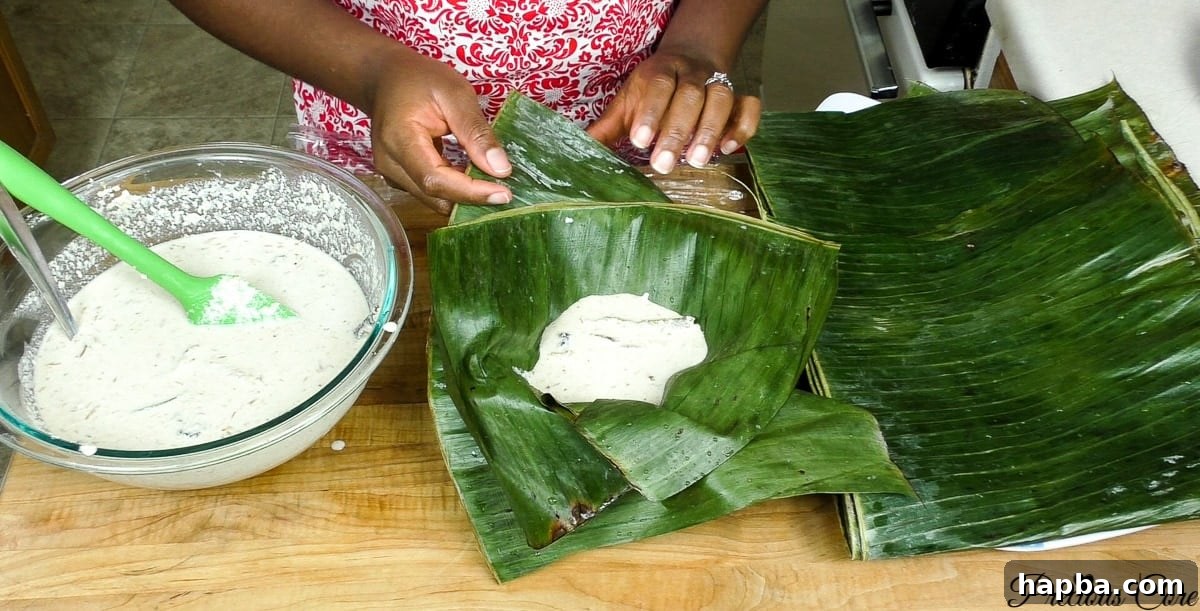
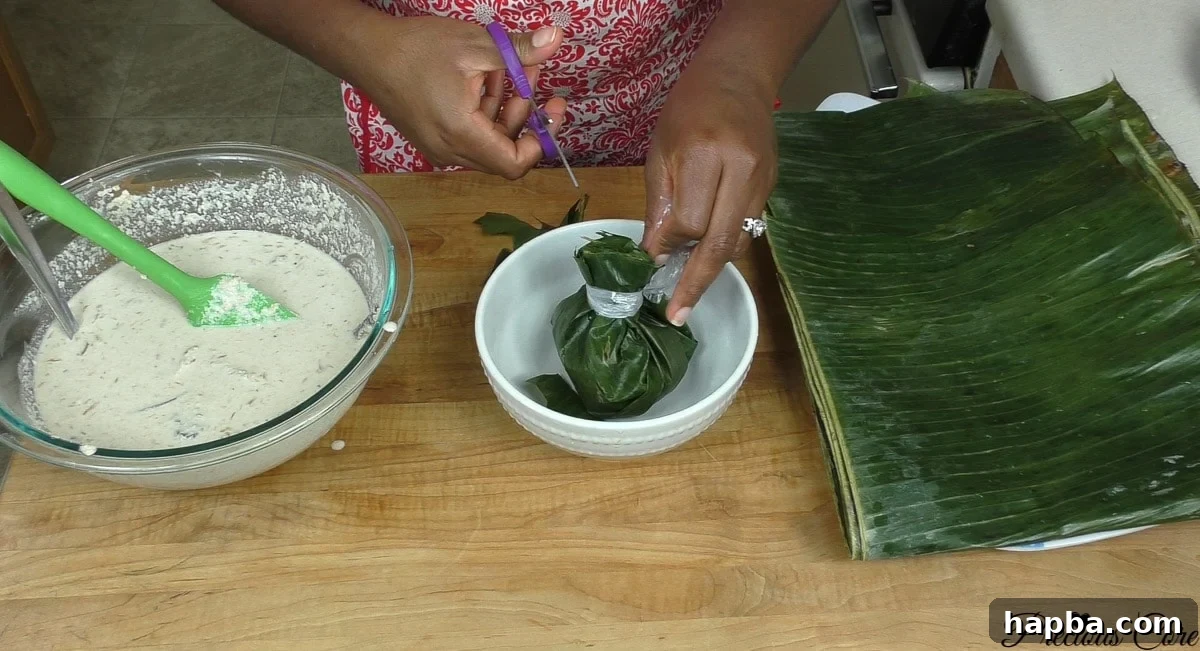
Prepare your egusi bundles: Place a banana leaf into a deep bowl and gently press the center to create an indentation, forming a natural cup. Lay another banana leaf across the first for added strength and containment. Scoop about two large ice cream scoops (or roughly half a cup) of the egusi mixture into the leaves. Carefully gather the ends of the leaves together, ensuring the mixture is securely enclosed, then tie with kitchen string or a strip of plastic bag. If using aluminum foil, simply pour the mixture, gather the ends of the foil, and press firmly to seal.
-
Carefully place each prepared egusi bundle into the steaming pot. Repeat the wrapping and placing process with the remaining egusi mixture until all of it is bundled and in the pot.
-
Once all bundles are in the pot, cover them with an additional banana leaf or a piece of foil to trap the steam effectively. Cover the pot with a tight-fitting lid and let it cook for approximately 60 minutes. It’s important to check the water level every 10-15 minutes, adding small amounts (1-2 cups) of hot water as needed to prevent the pot from boiling dry and scorching the pudding. Be cautious not to add too much water at once.
-
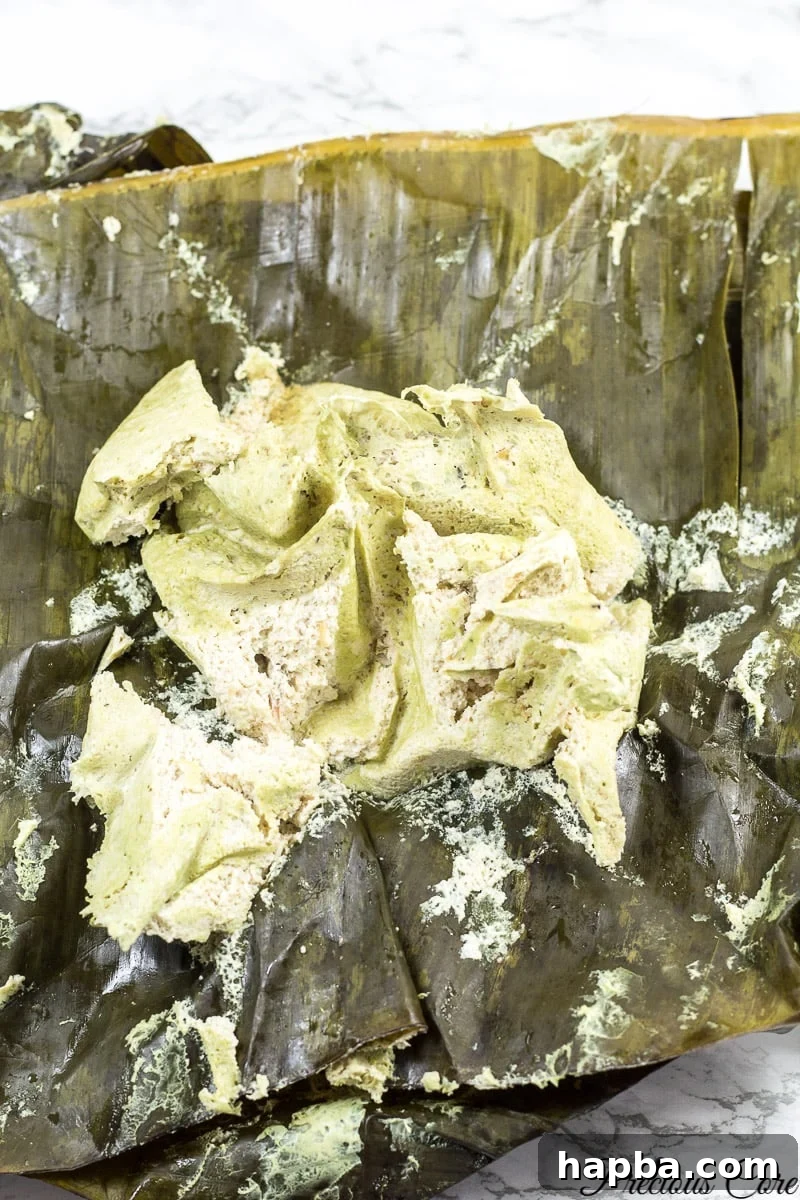
After about an hour of steaming (or slightly longer, depending on your stove and the size of your bundles), your Egusi Pudding should be perfectly cooked and firm. Carefully remove the bundles from the pot, unwrap them, and prepare to enjoy this savory delight!
-
Serve the egusi pudding as is, or with your favorite boiled starchy side. It pairs wonderfully with boiled ripe plantains, which is a personal favorite! Other excellent options include tender boiled yams, cassava (yuca), or bobolo/miondo (steamed fermented cassava) for a truly authentic African meal.
Chef’s Notes
2. Ensure your egusi seeds are ground to a very fine powder. Any large chunks can affect the smooth, pudding-like texture of the final dish.
3. The type and amount of smoked meat or fish can be adjusted based on your preference. Using a variety often leads to a richer, more complex flavor.
4. Steaming time may vary slightly. The pudding is ready when it is firm to the touch and holds its shape well when unwrapped.
5. If using fresh plantain leaves, briefly wilting them over a flame makes them more pliable and less likely to tear during wrapping.
Nutrition Information (per serving)
Calories: 233 kcal | Carbohydrates: 4 g | Protein: 18 g | Fat: 18 g | Saturated Fat: 3 g | Polyunsaturated Fat: 7 g | Monounsaturated Fat: 6 g | Trans Fat: 0.02 g | Cholesterol: 42 mg | Sodium: 503 mg | Potassium: 438 mg | Fiber: 2 g | Sugar: 1 g | Vitamin A: 67 IU | Vitamin C: 3 mg | Calcium: 27 mg | Iron: 3 mg
Additional Info
Main Course, Side Dish, Appetizer
Cameroonian, West African
233
Tried this recipe? Mention @preciouscore or tag #PreciousCore! We love to see your culinary creations!
*This recipe has been updated and expanded for clarity and enhanced instructions.