
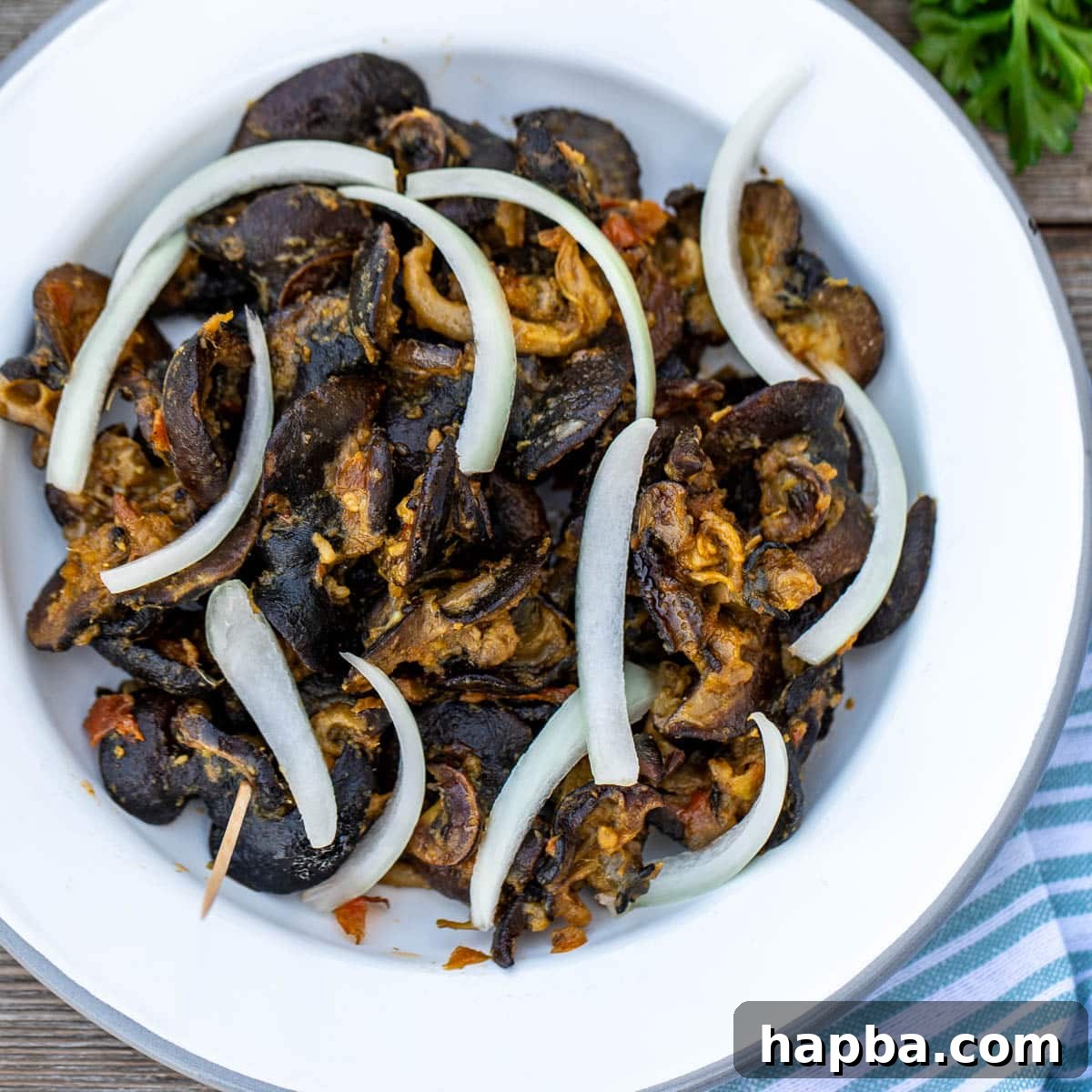
Welcome to a culinary journey that promises to tantalize your taste buds and introduce you to one of Cameroon’s most beloved delicacies: **Cameroonian Snails**, affectionately known as Nyamangoro, Slow Boys, or Congo Meat. This comprehensive guide will not only provide you with an authentic recipe but will also delve into the cultural significance, nutritional benefits, and expert tips for preparing this extraordinary dish. While snails might be considered an acquired taste for some, this recipe, rich with aromatic herbs and vibrant spices, is designed to make them utterly irresistible. Get ready to experience a perfect balance of tender and subtly crunchy textures, infused with a depth of flavor that speaks volumes of West African culinary traditions.
This recipe is a proud installment in my Cameroonian Street Food Series, a collection dedicated to bringing the vibrant flavors of home to your kitchen. If you’ve enjoyed my other street food inspired creations like Fried Pork And Plantains, the unique Cameroonian Spaghetti Omelette Sandwich, or the refreshing Folere Drink (Cameroonian Hibiscus Drink), you’re in for another delightful treat.
This particular dish holds a special place in my heart, reminding me of a cherished gift received years ago. Back on September 17, 2015, my sister-in-law presented me with a precious batch of dried snails, straight from Cameroon. That initial experience inspired a version of this recipe, and over time, I’ve refined and perfected it, transforming it into the vibrant, flavorful dish you’ll find here today. Join me as we explore the story behind these treasured “slow boys” and learn how to recreate their magic in your own kitchen.
A Special Delivery from Cameroon: The Gift of Snails
Some moments in life are truly unforgettable, and receiving a gift of snails all the way from Cameroon certainly qualifies as one of them! The sheer delight and anticipation of savoring an authentic taste of home, transported across continents, filled me with immense joy. My sister-in-law, having been gifted these culinary treasures herself, generously shared them with me, sparking an immediate desire to bring them to life in my kitchen. The thought of transforming these humble shell-dwellers into a succulent masterpiece was exhilarating.
In Cameroon, snails are more than just food; they are an integral part of the culture, particularly cherished by the people of the South West region. It’s fascinating how regional preferences dictate culinary choices; while many embrace snails as a delicacy, some tribes, often due to historical or traditional beliefs, avoid them. I recall my own childhood home, where snails were a covert delight, prepared only when my father, who harbored a distinct aversion to these shelled creatures, was away. Yet, my mother, with her culinary wisdom, instilled in us a deep appreciation for them, turning them into a beloved delicacy that we longed for any day, anytime. This rich tapestry of cultural views only adds to the intrigue and allure of Cameroonian snails, making each bite a connection to a profound culinary heritage.
Snails: A Delicious and Nutritional Powerhouse
Beyond their unique flavor and intriguing texture, snails, scientifically known as Achatina achatina, are celebrated for their impressive nutritional profile. These gastropods are a fantastic source of lean protein, essential for muscle repair and growth, and boast high levels of iron, crucial for preventing anemia and boosting energy. But the benefits don’t stop there; snails are packed with a diverse array of vitamins and minerals, contributing to overall well-being. I distinctly remember a doctor once highlighting their anti-cancer properties and general health advantages, a revelation that instantly made me want to rush to the market and stock up!
Globally, snails are known by various names, each reflecting a different cultural context. In French cuisine, they are elegantly referred to as ‘escargot.’ In Cameroon, they go by several endearing colloquial names such as “Nyamangoro,” “Slow Boys,” and “Congo Meat.” These multiple appellations are a testament to their special status and widespread affection within the country. Throughout this article, I’ll use these various names interchangeably, celebrating the diverse ways this humble creature is recognized and loved.
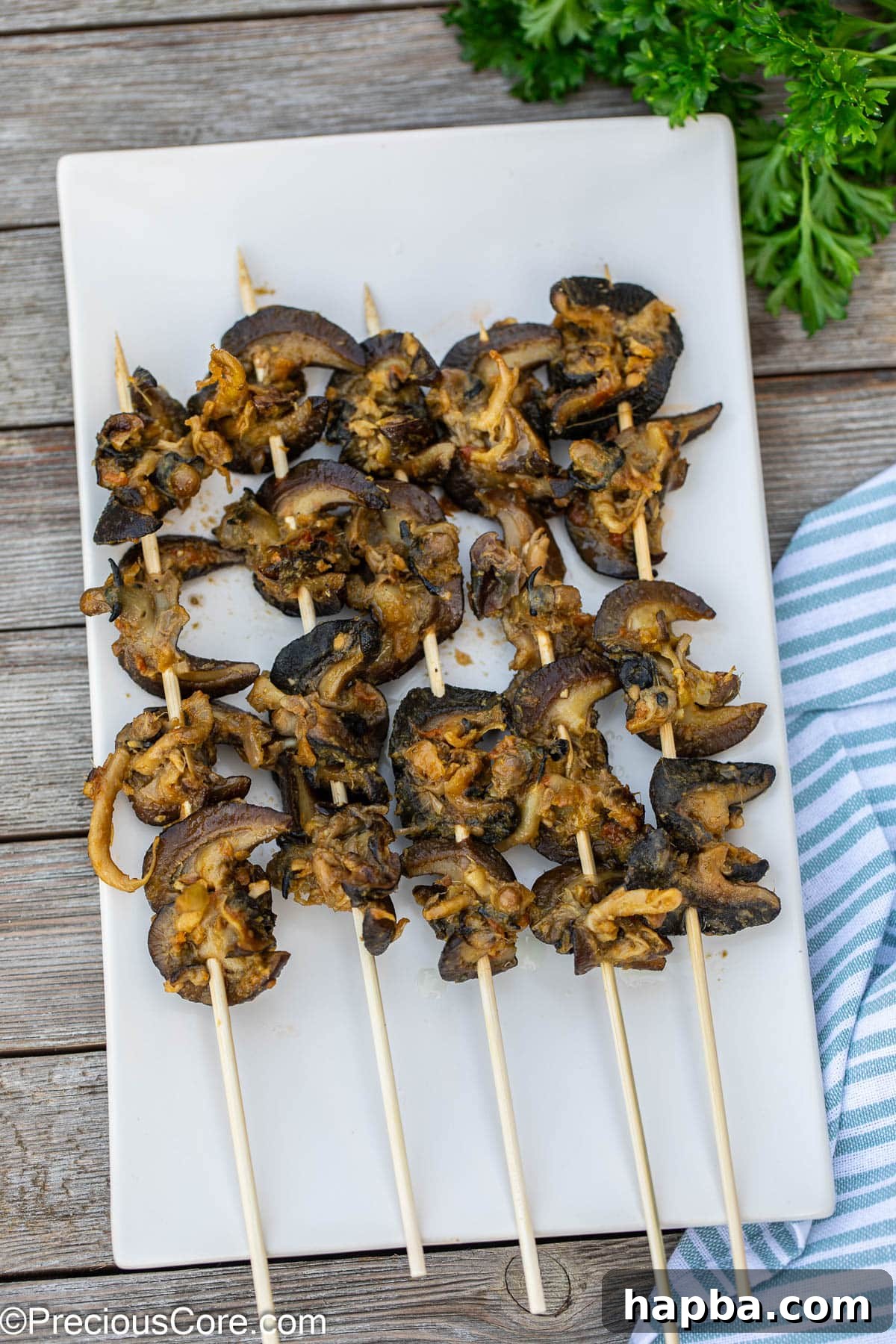
In Cameroon, “Slow Boys” are a popular street food, often found skillfully threaded onto bamboo skewers and grilled or fried to perfection, offering a delightful on-the-go snack. Their versatility extends far beyond street food, however. Snails are also a prized ingredient in numerous traditional Cameroonian dishes, lending their distinctive flavor and texture to rich stews and vibrant soups. They are famously used in:
- Eru: A hearty, leafy vegetable soup, often featuring waterleaf and spinach, enhanced by the addition of tender snails.
- Tomato Stew: A flavorful stew base, made with ripe tomatoes and spices, where snails add a unique protein element.
- Pepper Soup: A spicy and aromatic broth, perfect for warming the soul, with snails contributing a succulent chewiness.
Their ability to integrate seamlessly into such diverse dishes truly underscores their importance in Cameroonian culinary landscape.
Expert Tips for Preparing Cameroonian Snails
Preparing snails, especially if you’re new to it, can seem daunting, but with these expert tips, you’ll achieve perfect results every time. Whether you’re working with dried or fresh snails, proper preparation is key to unlocking their incredible flavor and tender texture.
Working with Dried Snails
- Rehydration is Essential: For dried snails to regain their plumpness and tender texture, they must be rehydrated thoroughly. Place them in a bowl, cover them completely with cold water, and soak them overnight. This extended soak allows them to absorb enough moisture, transforming them back to a state similar to fresh snails.
- Thorough Cleaning: After soaking, drain the snails and rinse them meticulously. You’ll want to rinse them at least three times, or until the water runs completely clear, to ensure all debris and any residual sliminess are removed. For an extra touch of freshness and to help eliminate any lingering “earthy” taste, squeeze the juice of half a lemon or lime into the last rinse water.
- Pre-Boiling for Tenderness and Flavor: Before incorporating your rehydrated snails into any sauce or stir-fry, it’s crucial to boil them separately. Place them in a pot with fresh water, a pinch of salt, and some seasoning (like a bouillon cube). This step not only further tenderizes them but also infuses them with foundational flavor, ensuring they are perfectly seasoned throughout.
- Quick Softening Method (If Time is Short): If you find yourself without enough time for an overnight soak, don’t despair. Rinse the dried snails thoroughly as described above. Then, boil them with a pinch of baking soda (not baking powder). The baking soda helps to break down the snail’s tissue, significantly speeding up the softening process. Once tender, rinse them again and proceed with the recipe.
Sourcing and Preparing Fresh or Frozen Snails
If you’re lucky enough to find fresh or frozen snails, here’s how to prepare them:
- Where to Find Them: Fresh or frozen snails can often be found in specialty African or Asian markets. They are usually sold cleaned or partially cleaned.
- Cleaning Fresh Snails: Even if they appear cleaned, it’s best to give them a thorough wash. Place the snails in a large bowl. Add a generous amount of salt and a good squeeze of lime or lemon juice. Rub the snails vigorously together for several minutes. This process helps to remove any remaining slime. Rinse them repeatedly under cold running water until the water is clear and no more slime is visible. Repeat the salt and citrus scrub if necessary.
- Boiling Fresh Snails: Once thoroughly cleaned, fresh snails should also be boiled until tender before adding them to your main dish. Follow the same pre-boiling steps as for dried snails, using salt and seasoning, to ensure they are flavorful and have the right texture.
For the full list of ingredients with precise measurements, please refer to the detailed recipe card at the bottom of this page.
Watch How To Make Authentic Cameroonian Snails
For more amazing recipes and cooking tips, make sure to subscribe to my YouTube channel!
Subscribe
Serving Cameroonian Snails: A Feast for the Senses
Cameroonian Snails are incredibly versatile and can be enjoyed in various ways, making them a perfect appetizer, snack, or even a side dish. The key is to pair them with flavors and textures that complement their rich, spicy profile.
One of the most classic and universally loved pairings is with Sweet Fried Plantains. The natural sweetness of the plantains offers a delightful contrast to the savory, spicy snails, creating a harmonious balance on the palate. Another essential accompaniment is a vibrant African Pepper Sauce. This adds an extra layer of heat and complexity, allowing you to customize the spice level to your preference.
Beyond these traditional pairings, consider serving your Nyamangoro with:
- Steamed Rice: A simple bed of white rice is excellent for soaking up all the delicious sauce.
- Fufu or Eba: For a truly authentic experience, pair them with traditional West African swallows like fufu (made from cassava or plantain) or eba (garri).
- Boiled Yam or Cassava: These starchy staples provide a comforting base that balances the rich flavors of the snails.
- Fresh Salad: A light, crisp salad can offer a refreshing counterpoint to the intensity of the dish.
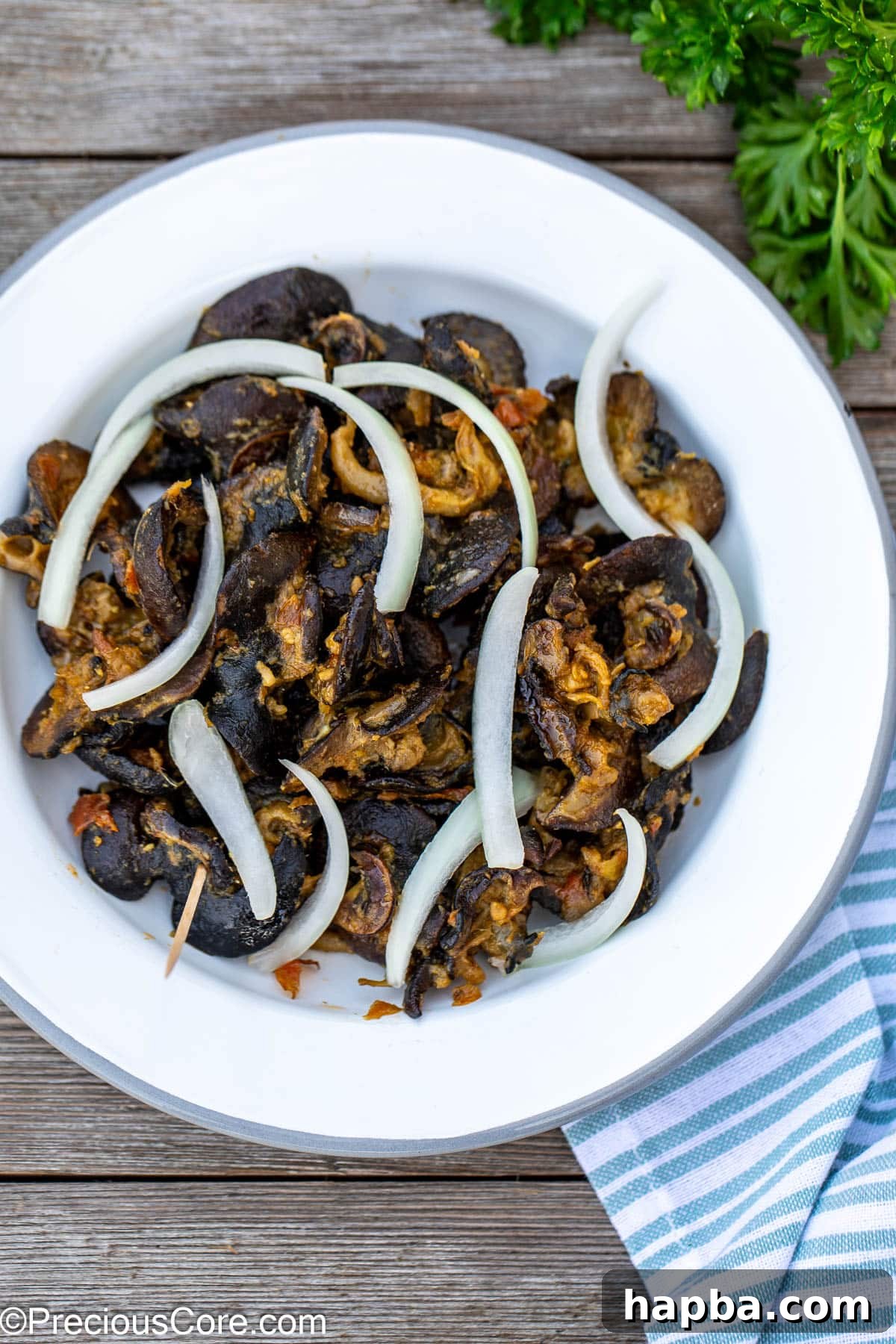
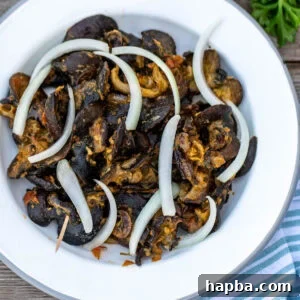
For presentation, you have a couple of appealing options. You can serve the snails elegantly arranged on a plate, garnished with fresh, thinly sliced onions, and provide toothpicks for easy picking. Alternatively, to truly capture the street food vibe of Cameroon, thread them onto small bamboo skewers – a nostalgic nod to how “Slow Boys” are traditionally sold and enjoyed on bustling Cameroonian streets. Whichever way you choose to serve them, these snails are sure to be a conversation starter and a memorable part of your meal.
More Cameroonian Recipes to Explore
If you’ve fallen in love with this Cameroonian snails recipe, there’s a whole world of Cameroonian flavors waiting for you! Dive deeper into the rich and diverse culinary landscape of West Africa with these other fantastic recipes from my kitchen:
Cameroonian Snails Recipe
Folere Drink (Cameroonian Hibiscus Drink)
Cameroonian Spaghetti Omelette Sandwich
Fried Pork And Plantains
Cameroonian Njangsa Sauce
How To Make Chin Chin
If you try this recipe, I would love to hear your feedback! Please share your thoughts and experiences in the comments section below. Your comments are truly appreciated!
Authentic Cameroonian Snails Recipe (Nyamangoro)
Print Recipe
Ingredients
- 8 cups snails dried snails soaked in water overnight to rehydrate and thoroughly cleaned
- 1 teaspoon salt plus more as needed for seasoning
- 3 Maggi cubes divided, standard 4g cubes
- 2 tomatoes ripe, cut into quarters
- 1 medium onion or a large shallot, roughly chopped into chunks
- 5 large garlic cloves
- 2 thumb sizes ginger root peeled and roughly chopped
- 3 sprigs fresh parsley
- 3 sprigs fresh basil
- 1 habanero pepper or Scotch bonnet, adjust to your spice preference
- ½ teaspoon white pepper whole or freshly ground
- ½ cup vegetable or olive oil
Instructions
-
1. Cook the Snails for Tenderness: Begin by placing your thoroughly cleaned, rehydrated snails into a medium-sized pot. Add one teaspoon of salt, two small Maggi seasoning cubes, and one cup of water. Stir gently to combine. Cover the pot and bring the mixture to a simmer over medium heat. Allow the snails to cook until they are wonderfully tender, which usually takes about 15-20 minutes, depending on their size and initial tenderness.
-
2. Prepare the Tomato and Onion Base: In a blender, combine the quartered tomatoes and the chopped medium onion (or large shallot). Pulse or blend on a low power setting to create a rough, chunky paste. Avoid over-blending; a little texture is desirable for the sauce. Pour this tomato and onion blend into a separate bowl and set aside for later use.
-
3. Blend the Aromatic Spices and Herbs: Now, add the remaining aromatic ingredients to your blender: the large garlic cloves, peeled and chopped ginger root, fresh parsley sprigs, fresh basil sprigs, the habanero pepper (adjusting for heat preference), and the whole white peppercorns. Add half a cup of water to aid blending. Process until you achieve a very smooth, fragrant paste. This blend forms the flavor core of your snail dish.
-
4. Develop the Rich Sauce: Heat the vegetable or olive oil in a wide-bottom pot or deep skillet over medium heat until it shimmers. Carefully add the reserved tomato and onion blend. Cook this mixture, stirring occasionally, until the moisture has evaporated and the paste begins to thicken and slightly dehydrate (approximately 8-10 minutes). Next, stir in the smooth blended spices and herbs. Continue cooking, stirring frequently, for another 5 minutes to allow the flavors to meld and deepen. Crumble in the remaining Maggi seasoning cube and stir well to fully combine.
-
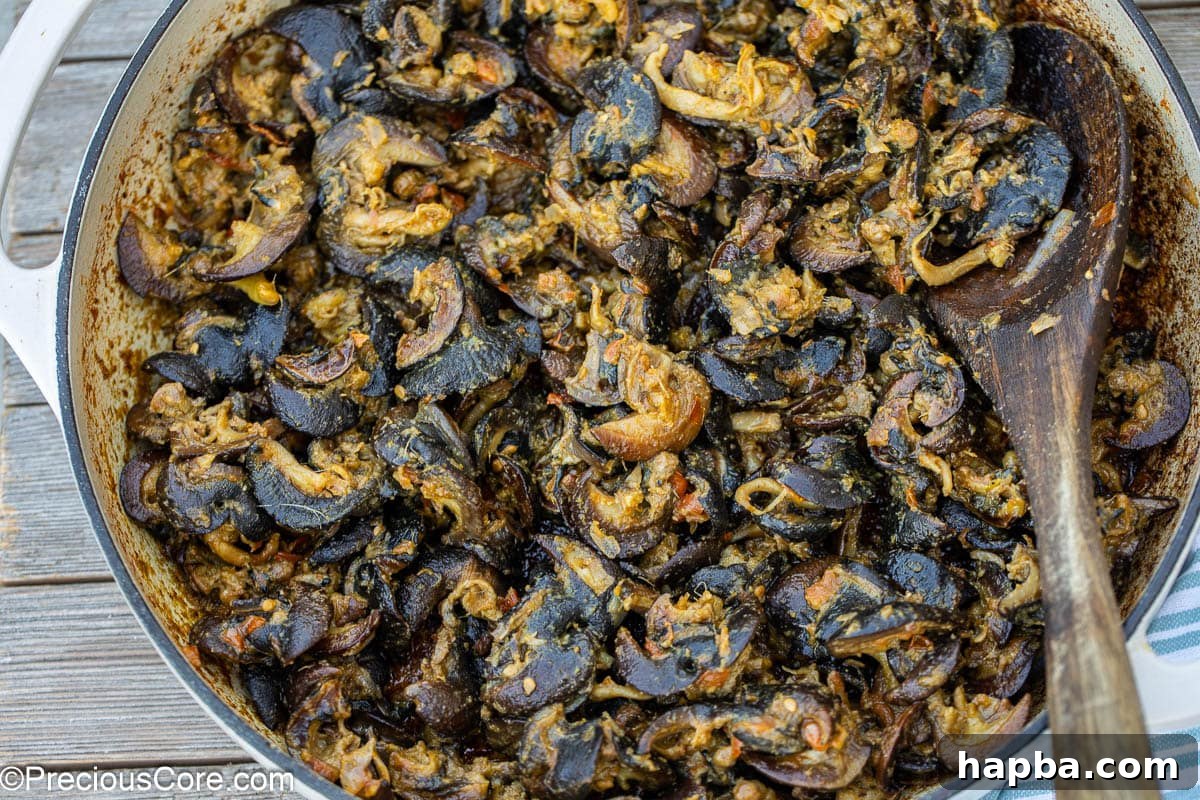
5. Combine with Snails: Gently add the cooked, tender snails to the pot with the rich sauce. Toss everything together thoroughly, ensuring each snail is beautifully coated in the flavorful mixture. Taste the dish and adjust seasoning as needed. At this stage, I often find a little extra pinch of salt enhances the overall flavor.
-
6. Serve and Enjoy: Your authentic Cameroonian Snails are now ready to be savored! Serve them warm on a plate, garnished with fresh sliced onions, and provide toothpicks for an enjoyable eating experience. For a truly traditional touch that evokes the bustling streets of Cameroon, thread the snails onto small bamboo skewers before serving. Enjoy this flavorful West African delicacy!
Video Tutorial
Notes and Expert Tips
- Working with Dried Snails: This recipe primarily uses dried snails, which I often receive directly from Cameroon. For optimal results, ensure you soak them overnight in plenty of water to fully rehydrate. This process makes them plump and tender, almost like fresh snails. After soaking, rinse them meticulously, ideally three times, to remove any grit or impurities. A splash of lemon or lime juice during the final rinse can help in further cleansing and imparting a fresh aroma.
- Sourcing Snails: If you’re not using dried snails, you can find fresh or frozen snails at most African or Asian markets. When using fresh or frozen snails, it is crucial to clean them thoroughly to remove any slime. A good method is to rub them vigorously with salt and lime or lemon juice, then rinse repeatedly under cold water until no slime remains.
- Maggi Cubes Substitute: Maggi cubes are a staple in West African cooking for their savory depth. If you don’t have Maggi cubes, you can effectively substitute the three small 4g cubes used in this recipe with 3 teaspoons of high-quality chicken or beef bouillon powder. The Knorr brand of bouillon powder is a personal favorite and works wonderfully.
- Serving Suggestions: These flavorful snails are fantastic on their own as a snack or appetizer. However, they pair exceptionally well with sweet fried plantains, which provide a delightful sweetness to balance the spicy, savory notes of the snails. They also go great with steamed rice or a simple side salad.
Nutrition Information (Estimated per serving)
Additional Info
Loved this recipe? Share your culinary creations with me! Mention @preciouscore or tag #PreciousCore on Instagram. I’d love to see your delicious Nyamangoro!