
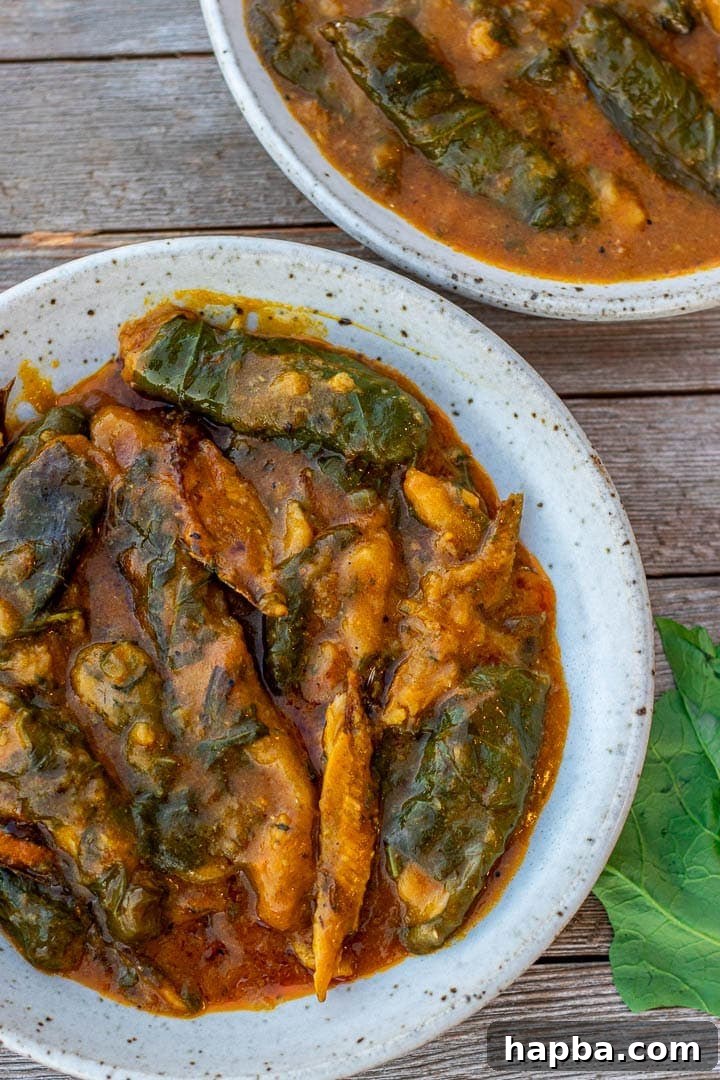
Ekwang: A Labor of Love, A Taste of Cameroon’s Rich Heritage
When you truly love someone and wish to convey that affection in a deeply meaningful way, perhaps you should make them Ekwang. That is, of course, if they’re fortunate enough to know this magnificent dish. Ekwang isn’t just a meal; it’s an experience, a heartfelt declaration, and a culinary journey into the soul of Cameroonian cuisine. I recall fondly how Ekwang was one of the special dishes I prepared to express my love for Mr. N in the cherished days of our early romance.
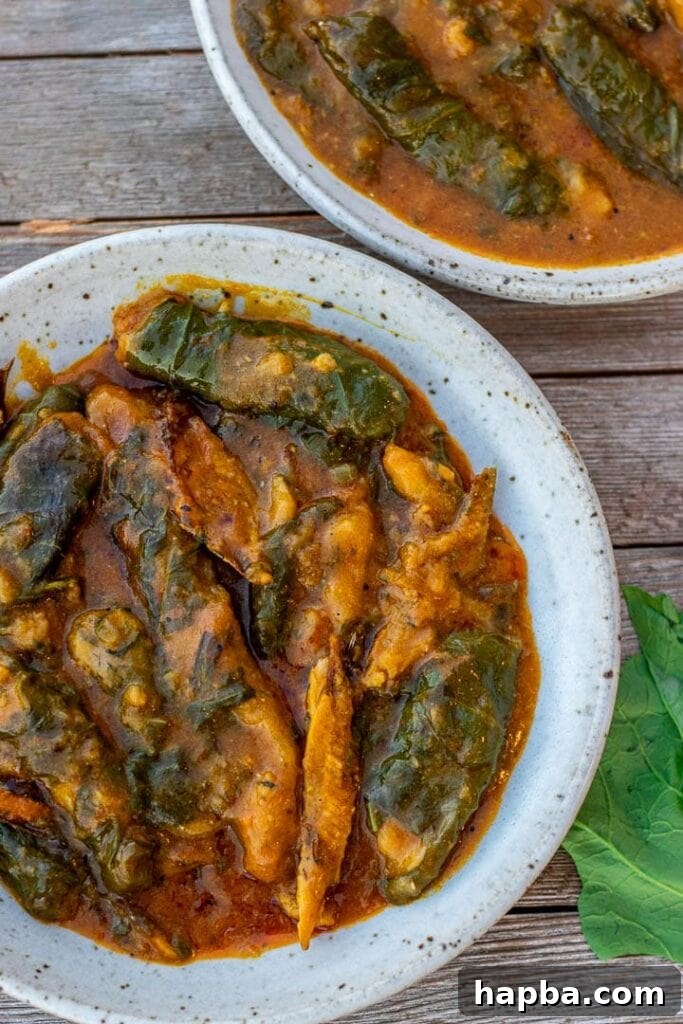
Crafting Ekwang is a process that demands patience and dedication, involving the meticulous grating of cocoyams, followed by the delicate art of wrapping each portion in fresh leaves. This intricate procedure can easily consume several hours of your day. However, every minute spent is an investment, leading to an extraordinary reward: the unparalleled scrumptiousness of the finished dish. The anticipation builds with each step, promising a culinary delight that is truly worth the effort.
In my home, Ekwang is a sensation. There’s truly never enough of it when I prepare a batch; it simply vanishes too fast! It’s the ultimate comfort food, the kind of meal that encourages you to set aside your cutlery and dive in with your bare hands, savoring every morsel directly. The tactile experience of eating Ekwang further connects you to its rich, earthy origins and the communal joy it brings.
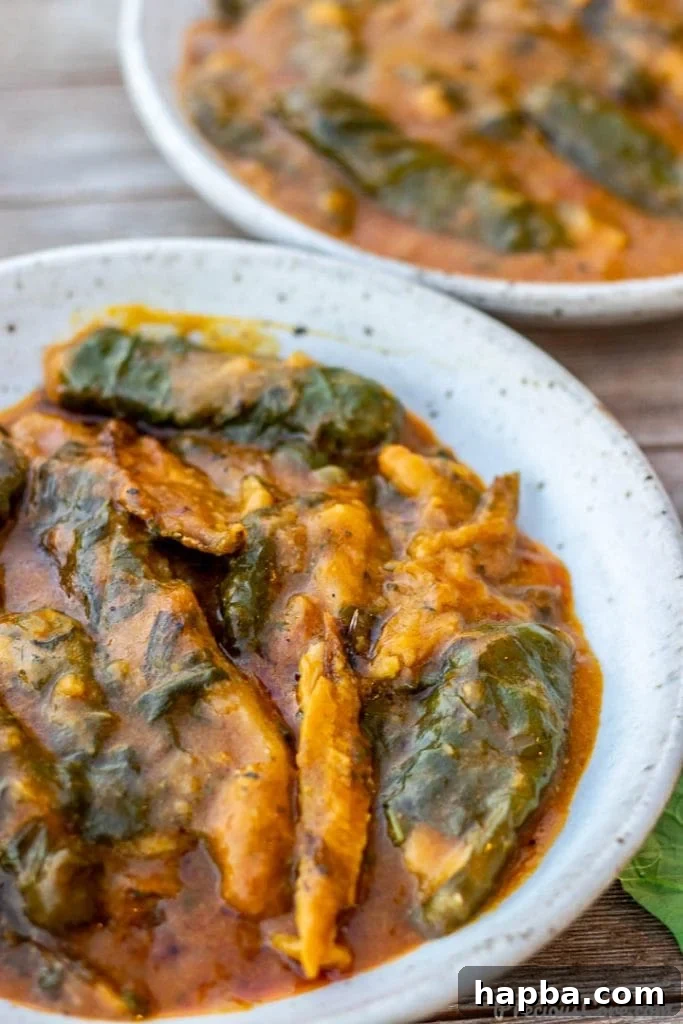
Ekwang is deeply infused with rich ethnic flavors, predominantly featuring the earthy depth of crayfish and the vibrant, wholesome goodness of palm oil. This combination creates a taste that is exquisitely finger-licking good! For someone like me, who cherishes traditional “contri” (countryside) flavors, Ekwang represents the perfect meal, a heartwarming connection to my roots and heritage. To truly appreciate the journey of creating this masterpiece, I invite you to watch the detailed preparation process below!
What is Ekwang? A Culinary Gem
At its core, Ekwang is a traditional West African dish made from grated cocoyams. These grated cocoyams are meticulously tied into individual parcels using fresh cocoyam leaves (or other suitable green leaves) and then simmered to perfection in a flavorful broth rich with palm oil and an array of aromatic ingredients. This dish beautifully highlights the shared culinary threads between various West African cultures, particularly the striking similarities between Nigerian and Cameroonian cuisines.
The Cultural Tapestry: Ekwang Across Borders
The culinary landscape of West Africa often presents delightful parallels, and Ekwang is a prime example. In Nigeria, especially among the Efik and Ibibio ethnic groups, a very similar and equally cherished dish is prepared, known affectionately as “Ekpang Nkukwo.” This highlights a shared heritage and a common appreciation for root vegetables and vibrant, palm oil-infused stews. In Cameroon, this beloved dish is most widely known as “Ekwang,” although it goes by several other endearing names depending on the region and dialect. Some call it simply “Ekpang,” while others refer to it as “Ekwang Coco,” emphasizing its primary ingredient.
Ekwang is notably a staple of the Bafaw people, who reside in the South West region of Cameroon. For the Bafaw, Ekwang is more than just food; it’s a symbol of tradition, community, and celebration. However, its irresistible taste and satisfying nature have transcended ethnic boundaries, making it a widely eaten and celebrated delicacy across the entire country. Its popularity is a testament to its deliciousness and its ability to bring people together around a shared pot of flavor.
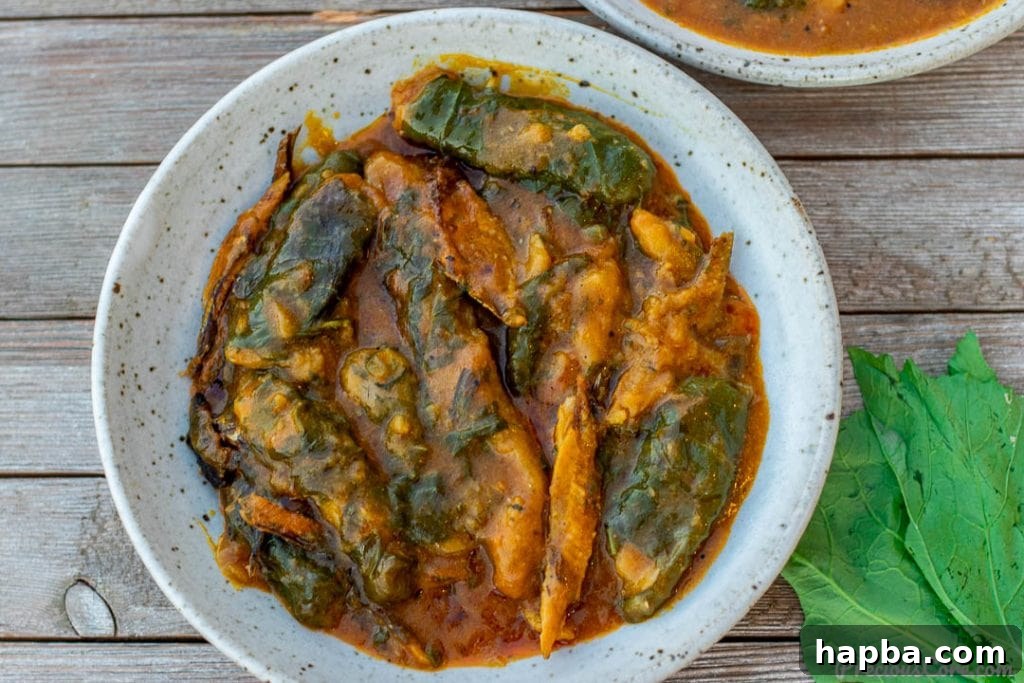
The Essential Ingredients for Authentic Ekwang
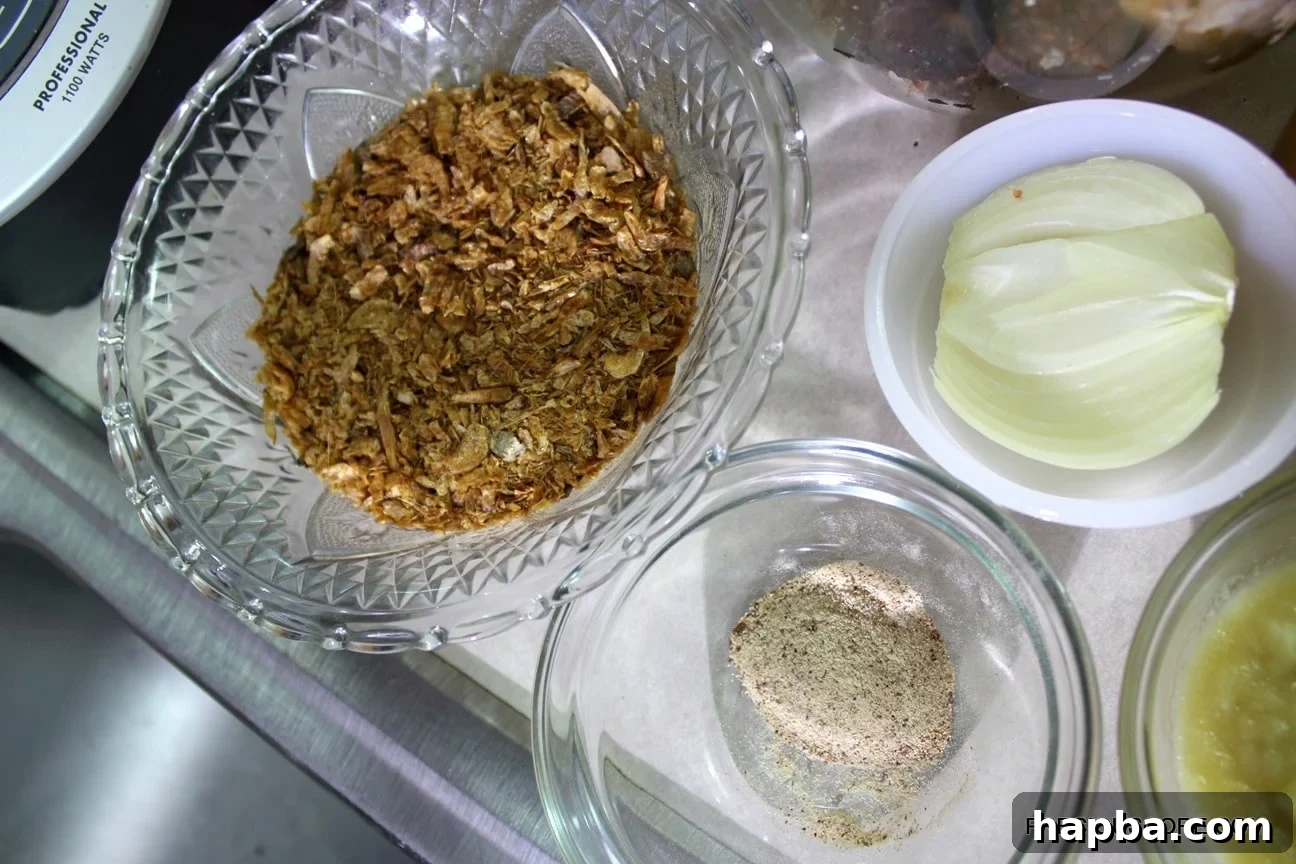
The magic of Ekwang lies in its carefully selected ingredients, each contributing to its unique and robust flavor profile. Key components include fresh cocoyams, tender cocoyam leaves (or suitable alternatives), rich palm oil, savory crayfish, succulent smoked fish (or stock fish/beef), and a blend of spices tailored to personal preferences. For an extra layer of aroma and depth, I always incorporate freshly blended garlic and ginger paste, along with finely chopped onions.
Choosing the Right Cocoyams: “Macabo Coco”
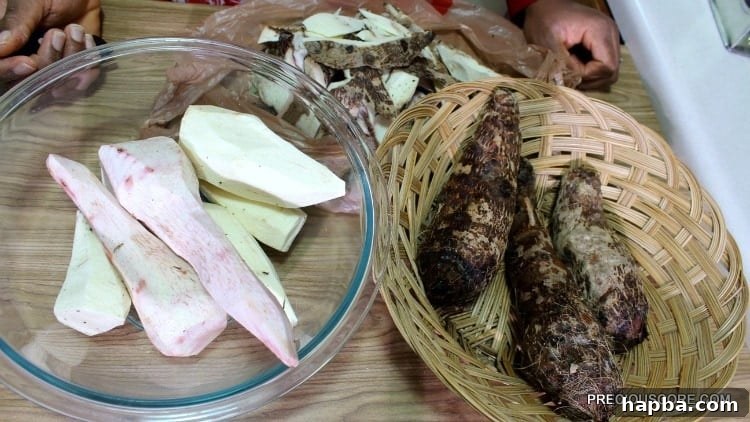
For a truly authentic and successful Ekwang, the type of cocoyams you use is paramount. We specifically look for a particular species that is notably longer and slimmer than other varieties. These special cocoyams can be either white or pink on the inside, each offering a slightly different nuance to the final dish. In international markets and stores, you might find them labeled as “taro white” or “taro pink.” However, in Cameroon, these specific cocoyams are locally known as “macabo coco.” Ensuring you procure the correct type of cocoyam is the first crucial step to achieving the desired texture and taste of Ekwang. Once you have them, the next step is to meticulously peel them, removing every bit of their outer skin, readying them for the grating process.
The Importance of Leaves and Their Alternatives
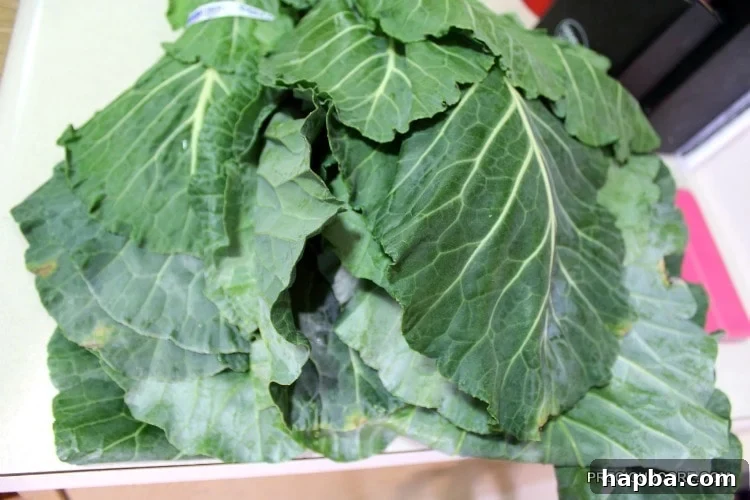
Traditionally, Ekwang is wrapped in fresh cocoyam leaves, which impart a subtle flavor and hold the grated cocoyam paste perfectly. However, if genuine cocoyam leaves are difficult to source in your area, do not despair! This dish is wonderfully adaptable. You can confidently use a variety of other green leaves as substitutes. I have personally used tender potato leaves in the past with great success. Many others have found spinach to be an excellent alternative, praising its ability to hold the paste and its complementary flavor. Collard greens are another fantastic option, which I used in this particular recipe.
The key, regardless of the leaf type you choose, is to ensure they are fresh, pliable, and most importantly, free of any holes. Intact leaves are essential for securely encasing the grated cocoyams, preventing them from unraveling during the cooking process and ensuring each little parcel remains perfect and intact, ready to absorb all the rich flavors of the broth.
The Art of Ekwang Preparation
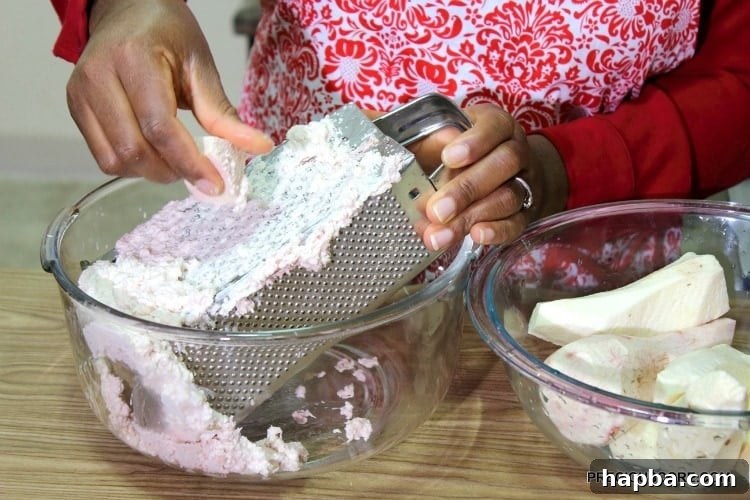
Once your cocoyams are peeled, the next crucial step is to transform them into a smooth, consistent paste. While a modern food processor can certainly speed up this task, I have a deep appreciation for the traditional method of using a hand grater. Grating the cocoyams by hand, with its small holes, yields a uniquely satisfying texture that, in my opinion, is simply unbeatable. This traditional approach also connects you more intimately with the cooking process, adding to the labor of love that defines Ekwang.
The Delicate Dance of Wrapping
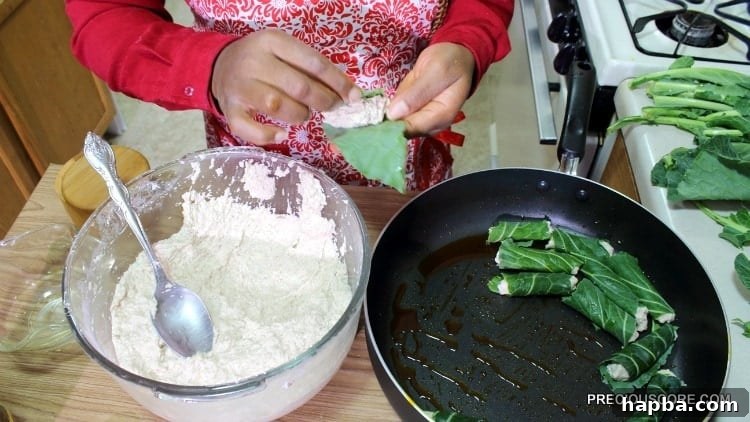
With your finely grated cocoyam paste ready, the next step is the delicate process of wrapping it in the chosen leaves. This step is truly an art form, requiring a gentle touch and a bit of practice. To see exactly how I expertly wrap each small portion, ensuring they hold their shape and cook evenly, please refer to the instructional video provided earlier in this article. It’s a visual guide that will help you master this essential technique, transforming simple paste and leaves into beautiful, edible parcels.
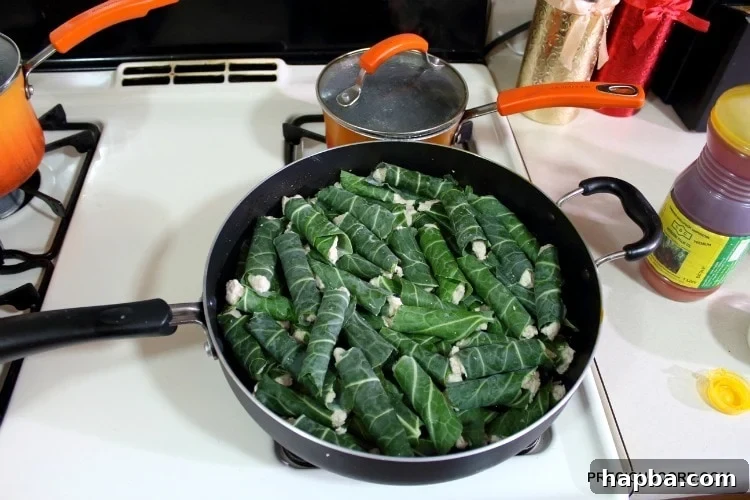
Every time I see these perfectly wrapped cocoyam parcels, neatly arranged and ready for the pot, a profound sense of joy and satisfaction washes over me. It’s the visual promise of the delicious feast to come!
Bringing It All Together: The Simmering Pot
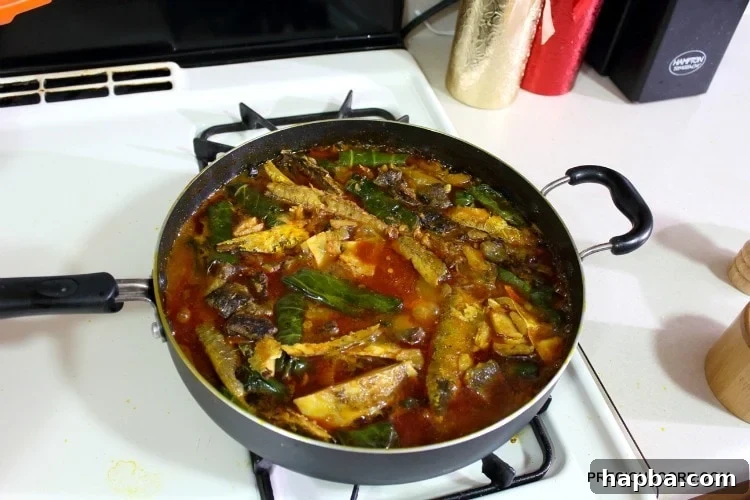
Once all the cocoyam paste has been lovingly wrapped and arranged in your cooking pot, it’s time to introduce the remaining ingredients. This is where the magic truly happens, as all the distinct flavors meld together to create a heartwarming pot of Ekwang. The aroma alone is enough to make your heart skip a beat! The rich palm oil, the savory smoked fish and crayfish, and the fragrant spices all combine to infuse the cocoyam parcels with an unforgettable taste.
Don’t wait too long to experience this incredible dish! Gather your ingredients and make some Ekwang soon. For all the precise measurements and detailed steps, refer to the comprehensive printable recipe below.
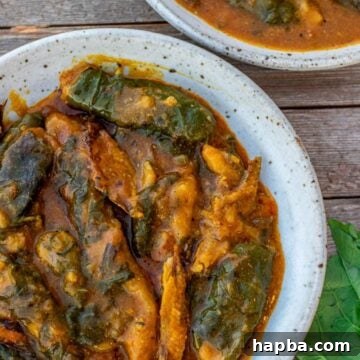
Ekwang: Authentic Cameroonian Delight
A cherished Cameroonian delicacy, traditionally prepared by the Bafaw people of the South West region of Cameroon. This rich and flavorful dish features grated cocoyams, lovingly wrapped in vibrant green leafy vegetables, then slowly simmered with savory crayfish, vibrant palm oil, and a blend of other indigenous spices to create a truly unforgettable meal.
1 hr
30 mins
1 hr 30 mins
8 people
Print Recipe
Ingredients
- 8 large “macabo” cocoyams (white and pink mixed)
- 6 bunches cocoyam leaves (or spinach/collard greens)
- 2 pounds smoked fish/stock fish/beef (do a mix or choose 1)
- 1 1/2 cups palm oil
- 2 cups crayfish
- 1 habanero pepper – blended (optional, for heat)
- 1 medium sized onion, chopped
- 1 teaspoon ground “contry onions” (rondelles) (optional, for authentic flavor)
- 2 tablespoons blended garlic and ginger
- 1/4 teaspoon white or black pepper
- 3 seasoning cubes (Maggi) or 1 1/2 large crayfish seasoning cubes (Maggi crevette)
- 1 teaspoon salt
Instructions
-
Peel the cocoyams meticulously and grate them into a fine paste, ideally using a grater with small holes for the best traditional texture. Alternatively, a food processor can be used to achieve a paste. Season the prepared cocoyam paste with a quarter teaspoon of salt and mix thoroughly to ensure even seasoning.
-
Prepare a large cooking pot by thoroughly coating its bottom and sides with palm oil, similar to how you would grease a pan for baking. Take approximately a teaspoon of the grated cocoyam paste and place it at one end of a cocoyam leaf (or alternative green leaf). Begin rolling and folding the leaf tightly until the paste is securely wrapped into a small, neat parcel. For a visual demonstration of this wrapping technique, please refer to the video guide provided earlier in the article.
-
Continue the wrapping process until all the cocoyam paste is used up. As you place the wrapped parcels into the pot, arrange them in criss-cross layers. This layering technique is important as it allows the cooking stock to circulate evenly, ensuring all the little wraps cook uniformly and absorb maximum flavor.
-
Once all the cocoyam wraps are in the pot, add all the other ingredients mentioned in the recipe (smoked fish, crayfish, blended spices, chopped onions, etc.) over and around the wraps. Pour 2-4 cups of water into the pot. For an even richer flavor, you can use meat stock (from boiled beef or fish) instead of plain water. Bring the entire pot to a gentle boil.
-
Allow the Ekwang to cook for approximately 30 minutes, simmering gently. About halfway through the cooking time, check the liquid level. If the liquid is at the same level as the top layer of wraps, it’s usually sufficient. It is crucial to avoid stirring the Ekwang with a spoon, as this can cause the delicate wraps to unravel. Instead, gently hold the pot by both handles and shake it carefully to mix the ingredients and ensure even cooking. If you absolutely must stir, use a wooden spoon and gently run it along the edges of the pot.
-
Finally, taste the Ekwang and adjust the seasonings (salt, pepper, seasoning cubes) if necessary, to suit your preference. And voilà! Your delicious Ekwang is ready to be served warm, offering a comforting and flavorful taste of Cameroon.
Notes
One of the most highly anticipated parts of Ekwang, for many, is the delightful burnt portion found at the bottom of the pot. This caramelized section is often considered a special treat. My brother and I would always playfully compete for it! Enjoy every bit of your homemade Ekwang!
Nutrition Facts (per serving)
| Carbohydrates: 34g
| Protein: 44g
| Fat: 48g
| Saturated Fat: 22g
| Polyunsaturated Fat: 6g
| Monounsaturated Fat: 16g
| Cholesterol: 201mg
| Sodium: 1005mg
| Potassium: 2603mg
| Fiber: 9g
| Sugar: 2g
| Vitamin A: 24142IU
| Vitamin C: 78mg
| Calcium: 349mg
| Iron: 9mg
Additional Info
Main Course
Cameroonian
727
Tried this recipe?
Mention @preciouscore or tag #PreciousCore on Instagram!