
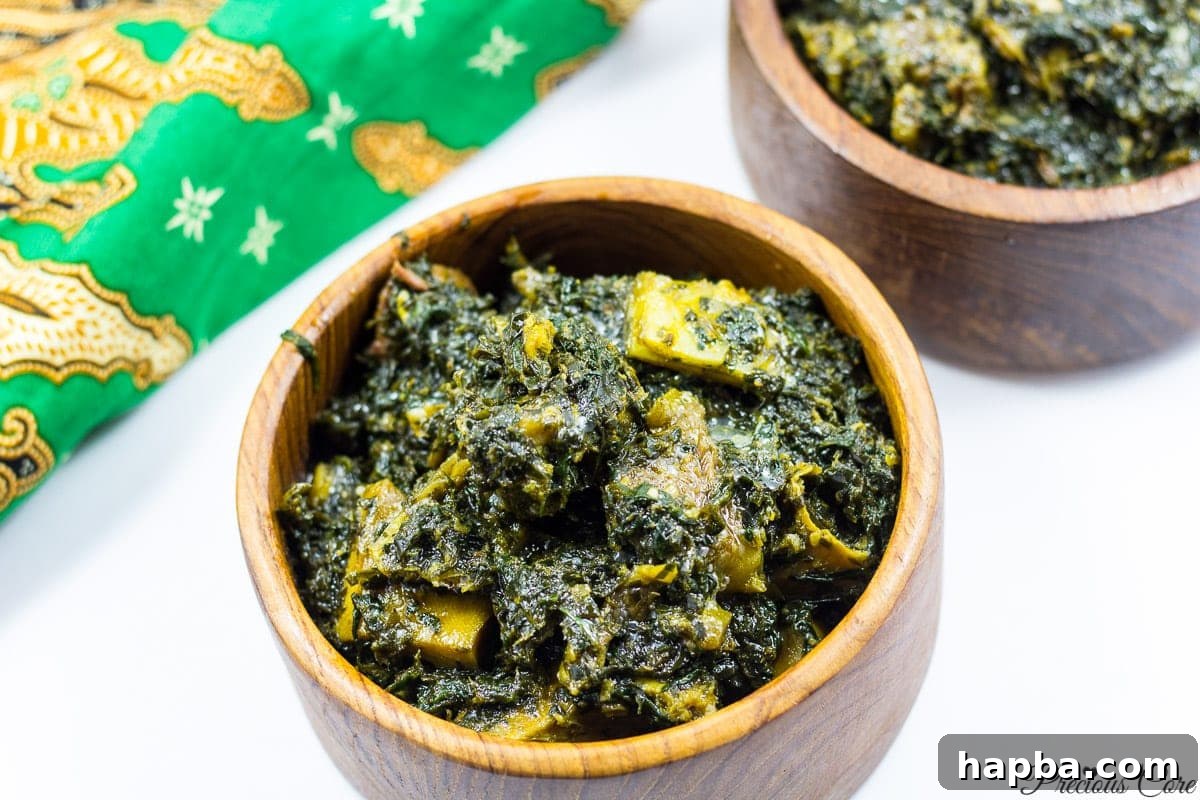
Authentic Cameroonian Eru Recipe: A Culinary Journey to West Africa
Embark on a delightful culinary adventure with Eru, a cherished and iconic dish from Cameroon. This vibrant, earthy vegetable stew is not just a meal; it’s a celebration of rich flavors, cultural heritage, and the heartwarming essence of West African cooking. Whether you’re new to African cuisine or a seasoned enthusiast, this comprehensive guide will help you master the art of preparing Eru, bringing the authentic taste of Cameroon directly to your kitchen.
As a passionate cook who has prepared this dish countless times – perhaps four thousand, or even more! – I can confidently say that Eru holds a special place in my heart and on my family’s table. Its deliciousness is universally acclaimed by everyone, from immediate family members to distant relatives, making it a true crowd-pleaser.
Before we dive into the depths of this incredible recipe, I’ll share a quick, lighthearted note from my kitchen. Filming this Eru recipe was quite an adventure! From a mischievous blouse seam to a wig showing its age a little too soon, and even an earring that decided to make an untimely exit, it was certainly eventful. So, if you notice me with just one earring in the video, rest assured, it’s not a fashion statement – its partner simply staged a dramatic escape and refused to be reattached! These little kitchen quirks only add to the charm of sharing a beloved recipe.
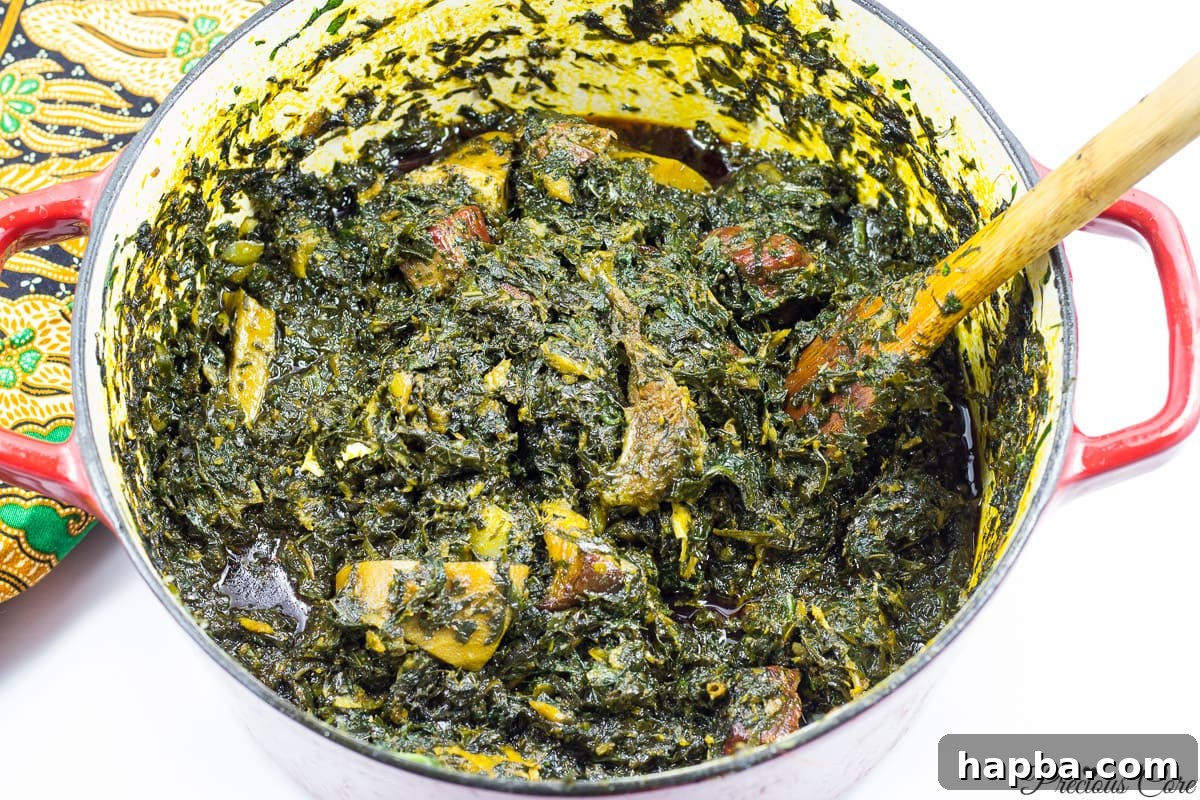
What is Eru? Understanding Gnetum Africanum
At the heart of this magnificent dish is Eru, a leafy forest plant scientifically known as Gnetum africanum. This versatile vegetable goes by many names across West and Central Africa. In Nigeria, it is widely recognized as okazi or ukazi, while some Central African countries affectionately call it koko. Eru leaves are highly prized for their distinct flavor profile and robust texture, making them a staple ingredient in various regional cuisines.
Beyond its culinary appeal, Gnetum africanum is also known for its nutritional benefits. Rich in fiber, vitamins, and minerals, Eru contributes to a healthy diet, offering a delicious way to incorporate essential nutrients. Its slightly bitter, earthy taste is a unique characteristic that sets it apart from other greens, providing depth and complexity to any dish it graces.
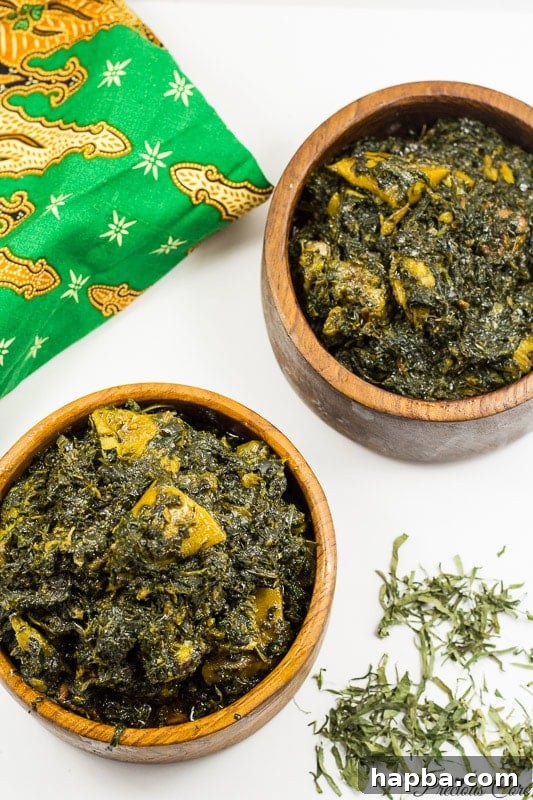
The Origins and Culinary Cousins of Cameroonian Eru
Eru is deeply rooted in the culinary traditions of the Manyu people, an ethnic group residing in the South West region of Cameroon. Their expertise in preparing this dish has elevated it to a national delicacy, celebrated for its unique flavors and satisfying richness. The traditional method of preparing Eru often involves simmering it with waterleaf or spinach, creating a harmony of textures and tastes.
Interestingly, the Manyu people of Southern Cameroon share significant cultural and culinary ties with communities in Nigeria, particularly those from Cross River and Akwa Ibom states. This connection is beautifully reflected in their shared culinary heritage, as Eru bears a striking resemblance to some popular Nigerian dishes. It is often compared to the renowned Nigerian Afang soup and Edika Ikong soup. In many ways, Eru can be seen as the flavorful meeting point where the distinct culinary traditions of Afang and Edika Ikong converge, offering a rich tapestry of West African flavors.
While the core ingredients and preparation methods might seem similar, each region and household often brings its unique twist to the Eru recipe, resulting in subtle variations that make exploring this dish endlessly fascinating. The use of palm oil, crayfish, and a medley of smoked meats and fish are common threads that tie these delicious West African stews together.
Eru: More Than Just a Dish, a Culinary Experience
Is Eru a soup, a stew, or a vegetable dish? This question often sparks a friendly debate among those who cherish this meal. While it possesses characteristics of a hearty stew, it’s not quite a traditional “soup.” Eru is best described as a rich, thick vegetable-based stew, packed with proteins and flavors, and designed to be enjoyed as a main course. Its consistency is moist but not watery, allowing it to perfectly complement starchy sides.
Eru’s distinctive taste is truly singular—an earthy, savory, and robust flavor that is difficult to describe with mere words. It’s a taste that captivates the palate, leaving a memorable impression that calls for another serving. The only way to truly understand its unique appeal is to experience it yourself!
Traditionally, Eru is served warm with various starchy accompaniments, which act as a perfect foil to its richness. Popular choices include garri (a granular flour from cassava), water fufu (a soft, fermented cassava paste similar to akpu), or semolina. These staple sides are made from cassava, a root food that is a cornerstone of African diets. The combination of Eru with these starchy swallows creates a wholesome and deeply satisfying meal that is both nutritious and incredibly flavorful.
Enhancing Your Eru: The Magic of Smoked Meats and Fish
To truly elevate your Eru experience, consider adding a variety of smoked meats and fish. The smoky notes introduce an unparalleled depth of flavor that complements the earthy vegetables and rich palm oil. This smoked meat, for instance, is absolutely divine in Eru, infusing it with an irresistible aroma and taste that takes the dish to another level. Incorporating different types of proteins, such as beef, beef skin (canda), beef tripe, stockfish, and smoked catfish, not only adds textural variety but also enriches the stew with a complex umami profile that is characteristic of authentic West African cuisine.
Mastering Your Eru Recipe: Essential Tips for Perfection
Achieving the perfect Eru is all about balancing flavors and textures. One of my personal preferences is ensuring the Eru leaves and waterleaf are cooked until wonderfully soft. This tenderness allows the vegetables to “marry” easily with the fufu or garri in your mouth, creating a smooth and harmonious eating experience. Here are some crucial tips to guide you:
- **Soaking Dried Eru:** If you’re using dried Eru or okazi leaves, proper preparation is key. Begin by soaking them in warm water for at least 30 minutes. For an even softer texture and brighter color, I often add half to one teaspoon of baking soda to the soaking water. This optional step helps to tenderize the leaves and enhance their vibrant green hue. Always rinse the soaked leaves thoroughly before adding them to your pot.
- **The Role of Waterleaf/Spinach:** Waterleaf (or spinach as a substitute) is vital for Eru. It provides moisture, a delicate flavor, and helps to bind the dish. Don’t overcook it; aim for it to wilt and release its juices, then incorporate the Eru leaves.
- **Palm Oil Quality:** The quality of your palm oil significantly impacts the flavor of your Eru. Use good quality, reddish-orange palm oil for that authentic taste and rich color.
- **Seasoning to Taste:** While specific measurements are provided, always taste and adjust your seasonings. Crayfish, Maggi cubes, and salt are essential for flavor. If using Scotch bonnet pepper, remember its potency and adjust according to your spice preference.
- **Consistency is Key:** Your Eru should be moist but not watery. If it appears too dry, a little more palm oil or a splash of water can remedy this. If it’s too soft or watery, allow it to simmer longer, uncovered, to reduce the liquid until the desired consistency is achieved. The goal is a rich, thick, and well-integrated stew.
For more insights and to explore another variation, you might want to revisit my earlier guide from the “shoot-recipe-with-phone” days, titled “The Best Eru Recipe Ever.” It offers additional tips and perspectives that could further enhance your Eru cooking skills. And remember that earring story as you watch me demonstrate the steps below!
Eru
30 minutes
30 minutes
1 hour
6
people
Rate
Print Recipe
Ingredients
- 8 cups dry eru/okazi (packed) or 5 cups of fresh 250g
- 10 cups chopped waterleaf or spinach or less if using fresh eru 280g
- 1 1/2 cups crayfish (lightly blended)
- 1 1/2 cups palm oil (325 ml)
- 1 teaspoon salt
- 2 pounds (about 1 kg) of a variety of boiled meat with a cup of stock- I used beef, beef skin (canda) and beef tripes
- 1/2 pound fish (I used stock fish and smoked cat fish)
- 4 small cubes Maggi
- 2 scotch bonnet pepper – blended or whole (optional)
Instructions
-
**Prepare Eru Leaves:** If you are using dried Eru or okazi, begin by soaking it in warm water for at least 30 minutes. For enhanced softness and color brightness, you can optionally add 1/2 to 1 teaspoon of baking soda to the soaking water. Ensure the leaves are thoroughly rinsed after soaking before proceeding.
-
**Cook Meats:** Place your pre-boiled meat (beef, beef skin/canda, beef tripes) and its stock into a large, heavy-bottomed pot. Bring to a simmer over medium-high heat and let it cook for about 5-7 minutes, or until the stock has almost completely reduced and absorbed into the meat.
-
**Add Waterleaf/Spinach:** Introduce the chopped waterleaf or spinach into the pot with the meat. Allow it to cook for 5 minutes. The leaves will wilt significantly and release their natural juices. Stir the spinach gently, then let it cook for another 5 minutes or less. Be careful not to overcook the spinach; it should remain vibrant green, not turn brown.
-
**Combine Vegetables and Palm Oil:** Now, add the thoroughly rinsed Eru leaves into the pot with the spinach. Mix vigorously until both vegetables are well combined and evenly distributed. Pour in the palm oil and stir thoroughly. Let the vegetables and oil simmer together for another 5 minutes, stirring occasionally to prevent sticking and ensure even cooking.
-
**Season and Simmer:** Incorporate the seasoning cubes (Maggi), blended or whole Scotch bonnet pepper (if desired for heat), blended crayfish, and your choice of fish (stockfish, smoked catfish). Give the entire mixture a good, thorough stir. Allow everything to cook together for approximately 5 more minutes, enabling all the flavors to meld beautifully. At this point, taste the Eru and adjust the seasoning as needed to achieve your perfect balance of saltiness and spice. Your Eru should be moist and rich, but never watery. If it appears too dry, add a small amount of water or palm oil to adjust the moisture. If it’s too soft or liquidy, let it cook a little longer, uncovered, to allow excess water to evaporate.
-
**Serve:** Once the Eru has reached its ideal consistency and flavor, turn off the heat. Serve your delicious Eru warm with your preferred starchy side, such as fufu or garri, for a truly authentic Cameroonian meal.
Notes
Nutrition
Carbohydrates: 4g |
Protein: 50g |
Fat: 74g |
Saturated Fat: 35g |
Polyunsaturated Fat: 7g |
Monounsaturated Fat: 29g |
Trans Fat: 1g |
Cholesterol: 205mg |
Sodium: 1295mg |
Potassium: 1278mg |
Fiber: 2g |
Sugar: 1g |
Vitamin A: 8520IU |
Vitamin C: 30mg |
Calcium: 154mg |
Iron: 7mg
Additional Info
Main Course
Cameroonian
866
Tried this recipe?
Mention @preciouscore or tag #PreciousCore!
Conclusion: Embrace the Richness of Eru
Eru is more than just a meal; it’s a culinary emblem of Cameroon, reflecting the rich history and vibrant traditions of the Manyu people and broader West African culture. Its robust flavors, wholesome ingredients, and satisfying texture make it a dish that transcends mere sustenance, offering a taste of heritage with every spoonful. Preparing Eru is an immersive experience, connecting you to generations of cooks who have perfected this beloved recipe.
I encourage you to gather your ingredients, follow this guide, and venture into making this delightful Eru recipe. It’s a journey that promises not just a delicious meal but also a deeper appreciation for the diverse and incredible world of African cuisine. Don’t be shy to experiment with your favorite smoked meats or adjust the spice to your liking. The beauty of Eru lies in its versatility and its ability to adapt to personal preferences while retaining its authentic essence.
Share your Eru cooking experience with us! We love to see how this wonderful dish comes to life in your kitchen.