
 |
Kwacoco Bible: A Taste of Cameroon’s Culinary Heritage |
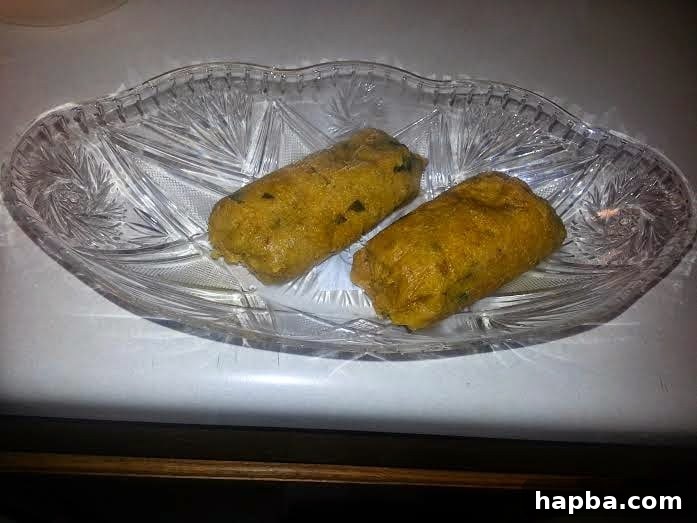
Welcome, food enthusiasts, to my culinary haven! On this blog, I’m thrilled to embark on a flavorful journey with you, exploring a treasure trove of recipes from across Africa and beyond. Cooking isn’t just a hobby for me; it’s a profound passion, a creative outlet where I get to experiment, innovate, and share deliciousness. Many kind souls have told me I have a knack for it, and I absolutely adore sharing my kitchen adventures. As a new chapter begins here, I couldn’t be more excited to present my pioneer recipe – a truly special dish that holds a significant place in my heart: Kwacoco Bible. So, let’s dive right into the heart of this traditional African culinary delight!
Discovering Kwacoco Bible: A Personal Culinary Journey in Cameroon
While Kwacoco Bible wasn’t a regular feature on my family’s dining table during my younger years (and I’m still evolving!), my affection for this unique dish blossomed during my time at the Presbyterian Comprehensive Secondary School in Buea. Nestled majestically at the foot of Mount Fako, in the lush South West Region of Cameroon, this school sits on the ancestral lands of the Bakweris – a community renowned for their deep connection to and mastery of Kwacoco Bible. It was here, amidst the vibrant culture and breathtaking scenery, that I first encountered this culinary marvel, a staple that resonated deeply with the local heritage.
My initiation into the world of Kwacoco Bible is a memory I cherish dearly. Every evening, after the day’s studies concluded with evening devotion, our esteemed school night watchman, affectionately known as ‘Pa Washi’, would make his rounds. He wasn’t just guarding the school premises; he was also the purveyor of an illicit yet irresistible delight: freshly prepared, deliciously peppery Kwacoco Bible, almost certainly crafted with love by his wife. These steaming, savory lumps of goodness, each costing a mere 100 CFA francs (approximately 0.0201142 USD at the time), would spark a flurry of excitement. We students would eagerly scramble, vying for a chance to procure at least one precious piece of ‘kwacs’ – our endearing nickname for the dish. This clandestine ritual wasn’t just about satisfying hunger; it was a cherished part of our school experience, a taste of home amidst our boarding school lives, and a bonding ritual that fostered a shared love for this incredible food. It was a simple pleasure that brought immense joy and camaraderie.
Unraveling the Mystery: What’s in a Name?
One question that often arises, and one that remains a charming mystery even to me, is the inclusion of ‘Bible’ in the name ‘Kwacoco Bible’. Is it perhaps due to its traditionally wrapped, book-like appearance, resembling a small, folded manuscript? Or does it signify its foundational importance in the Bakweri diet, much like a sacred text that guides daily life? Some theories suggest it might be a nod to the careful, almost reverent way it is prepared and served, or perhaps its ability to sustain and nourish, much like spiritual sustenance. The true origin of the name is shrouded in local folklore, a captivating enigma that only adds to the allure of this traditional Cameroonian dish. Regardless of its etymology, its delightful taste speaks volumes, transcending linguistic and cultural barriers to become a universally loved meal.
Indeed, I’ve observed firsthand that Kwacoco Bible possesses a truly universal appeal. Just the other day, I witnessed my Ugandan friend and her children enthusiastically devour slices I offered them to sample. Their delight was palpable, a testament to how effortlessly this dish bridges diverse palates. You absolutely do not need to be Cameroonian to fall in love with its rich, comforting flavors. It’s a dish that invites everyone to experience a piece of West African culinary heritage, offering a unique blend of textures and tastes that captivate from the very first bite. So, whether you’re a seasoned chef or a kitchen novice, whether you’re exploring new African recipes or simply looking for a hearty and flavorful meal, prepare to embark on an exciting culinary adventure. Let’s get cooking this authentic Kwacoco Bible recipe!
Essential Ingredients for Authentic Kwacoco Bible Recipe
Crafting the perfect Kwacoco Bible requires a selection of fresh, flavorful ingredients that are readily available in many markets. Here’s what you’ll need to gather to bring this delightful Cameroonian dish to life:
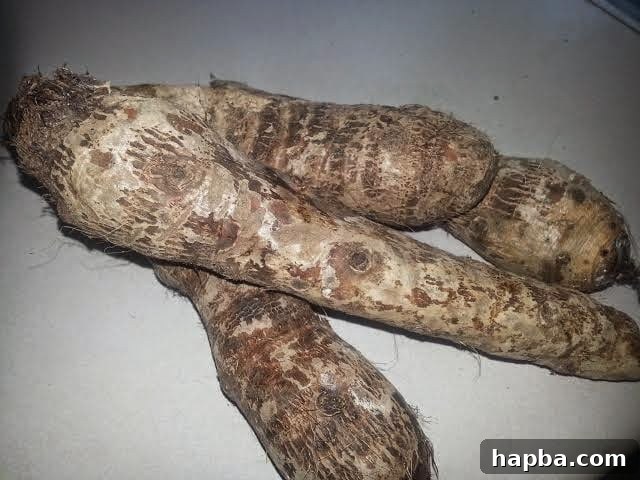
- 4 Medium-sized Cocoyams (Taro): These starchy tubers form the essential base of our dish, providing a unique, slightly sticky texture and a subtle earthy flavor. When selecting, choose cocoyams that are firm, heavy for their size, and free from any soft spots or blemishes. They are the heart of this Kwacoco Bible recipe.
- A Quarter Liter Palm Oil: This vibrant, reddish oil is crucial not only for its distinctive, slightly nutty flavor but also for imparting the characteristic beautiful color to Kwacoco Bible. Opt for high-quality, unrefined red palm oil for the most authentic taste and nutritional benefits. It’s a cornerstone of West African cooking.
- A Quarter Cup of Crayfish: Dried crayfish adds a profound depth of umami, a savory seafood note, and an aromatic complexity that is absolutely quintessential to West African cuisine. Grind them into a coarse powder for even distribution throughout the mix. It’s a flavor booster you won’t want to skip for an authentic Kwacoco taste.
- Smoked Fish: Whether it’s smoked mackerel, hake, or another firm-fleshed variety, smoked fish contributes a wonderful smoky aroma and flaky texture to the mixture, significantly enhancing the overall flavor profile. Ensure it’s deboned and flaked before adding.
- Spinach Leaves / Potato Leaves: While traditionally made with cocoyam (taro) leaves, which can be harder to find, fresh spinach or sweet potato leaves make excellent, widely available substitutes. They add freshness, a touch of green color, and valuable nutrients. Make sure they are washed thoroughly and finely chopped.
- 2 Maggi Cubes (or equivalent bouillon cubes): These provide a concentrated burst of savory flavor and seasoning, often found in African cooking to enhance dishes and deepen their taste. Crush them before adding.
- Salt to Taste: Essential for balancing and bringing out the flavors of all the ingredients. Always start with a small amount and adjust according to your preference and the saltiness of the Maggi cubes and smoked fish.
- 1 Habanero Pepper (or Scotch Bonnet): For those who appreciate a fiery kick! This pepper adds a wonderful heat and a fruity undertone. Adjust the quantity based on your spice tolerance. You can deseed it for less heat, or omit it entirely if you prefer a milder Kwacoco Bible.
- Wrapping Materials: Plastic Wraps and Aluminium Foil: These are convenient modern alternatives that work perfectly well. However, for an authentic flavor profile and a nod to tradition, preferentially use fresh banana or plantain leaves. They infuse a subtle, pleasant aroma into the Kwacoco as it steams, prevent sticking, and are the traditional choice, making your Kwacoco Bible even more special.
Step-by-Step Guide to Preparing Delicious Cameroonian Kwacoco Bible
Step 1: Preparing the Cocoyams
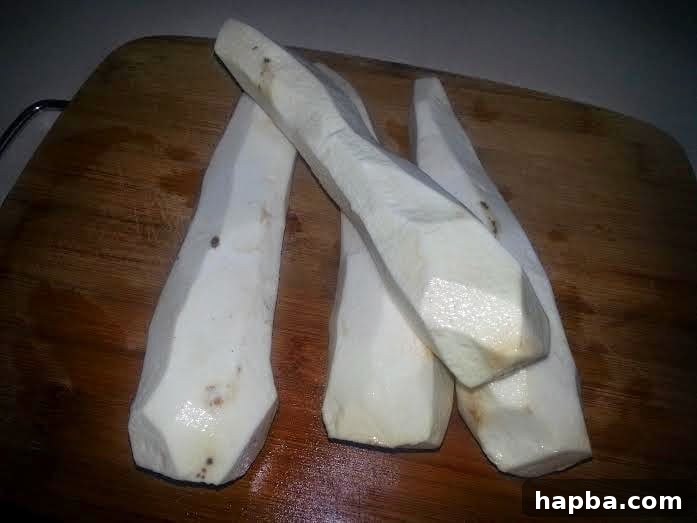
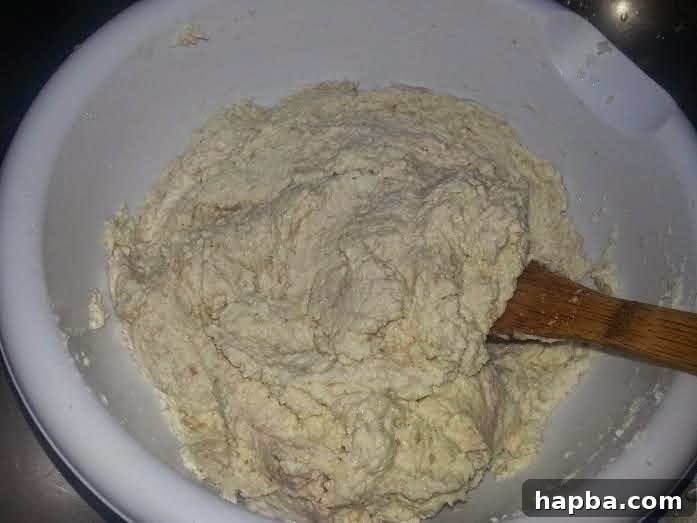
Begin by carefully peeling the cocoyams. This can sometimes be a bit tricky due to their slightly slimy texture and sometimes hard skin, so a good quality peeler and a firm grip are recommended. You can also lightly oil your hands to make the process smoother. Once peeled, thoroughly wash the cocoyams under cold running water to remove any remaining soil or impurities. The next crucial step is to grate the peeled cocoyams into a smooth, consistent paste. A traditional box grater with fine holes works perfectly, yielding a lovely, uniform consistency. Alternatively, for a quicker and equally effective method, you can use a robust food processor; simply chop the cocoyams into smaller pieces before processing. Ensure you process it until it reaches a thick, homogeneous, and smooth paste, similar to a dough-like consistency, as this will determine the final tender texture of your Kwacoco Bible.
Step 2: Mixing the Core Ingredients
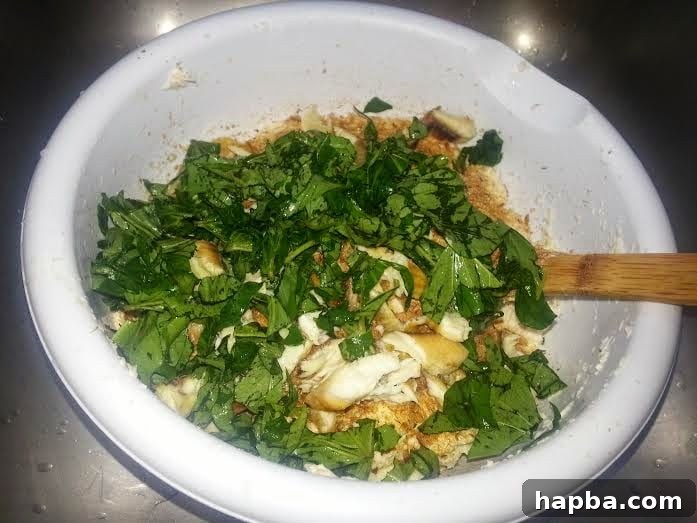
Once your cocoyam paste is ready, transfer it to a large, sturdy mixing bowl. This bowl should be spacious enough to allow for thorough mixing. Now, it’s time to incorporate all the other flavorful ingredients, with the specific exception of the palm oil, which will be added later. Add the finely ground crayfish, the shredded and deboned smoked fish, the finely chopped spinach or potato leaves, the crumbled Maggi cubes, a pinch of salt (remembering to taste and adjust later), and the finely minced habanero pepper. Using your hands (wearing gloves is highly recommended, especially when handling habanero pepper!) or a sturdy wooden spoon, mix everything together thoroughly. The goal here is to ensure all the spices, herbs, and fish are evenly distributed throughout the cocoyam paste, creating a homogenous mixture that promises bursting flavor in every single bite of your Kwacoco Bible.
Step 3: Infusing with Palm Oil
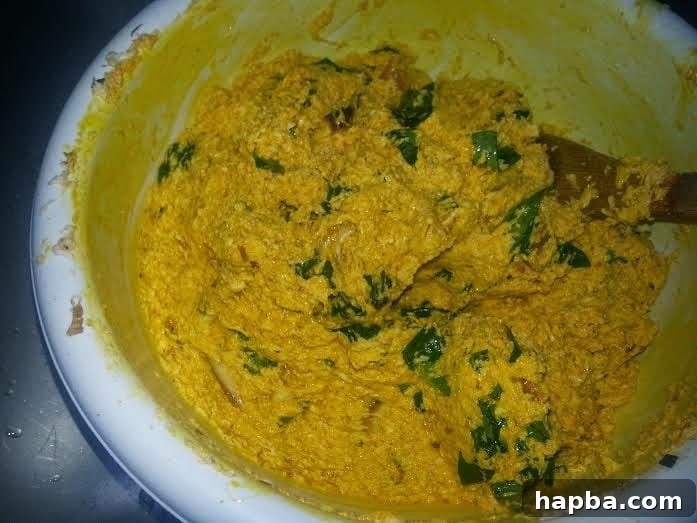
In a small saucepan, gently warm the quarter liter of palm oil over low heat. You don’t want it to be scorching hot, just warm enough to become more fluid and release its rich, distinctive aroma. Warming it also helps it to blend more smoothly with the cocoyam mixture. Once warmed, carefully pour the palm oil into the cocoyam mixture in the large mixing bowl. Now, resume mixing with vigor. Continue to mix until the oil is completely incorporated and the entire mixture transforms into a beautiful, even reddish-orange color. This step is vital not only for imparting the characteristic flavor of Kwacoco Bible but also for achieving its signature vibrant appearance. The palm oil also adds a lovely richness and helps bind the mixture together.
Step 4: Crafting the Wraps
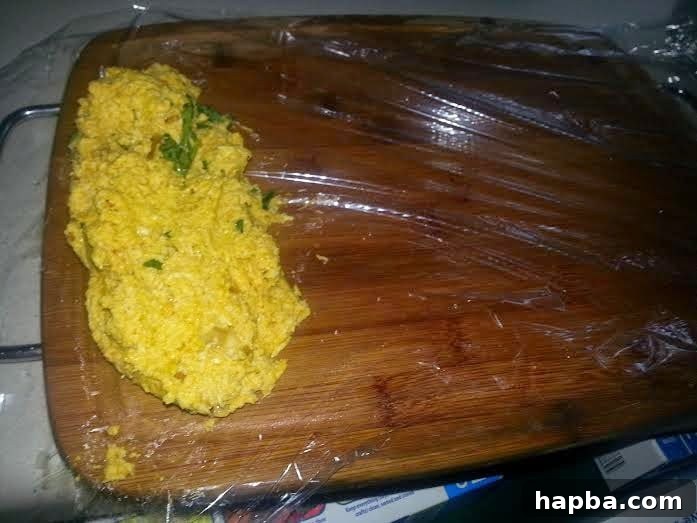
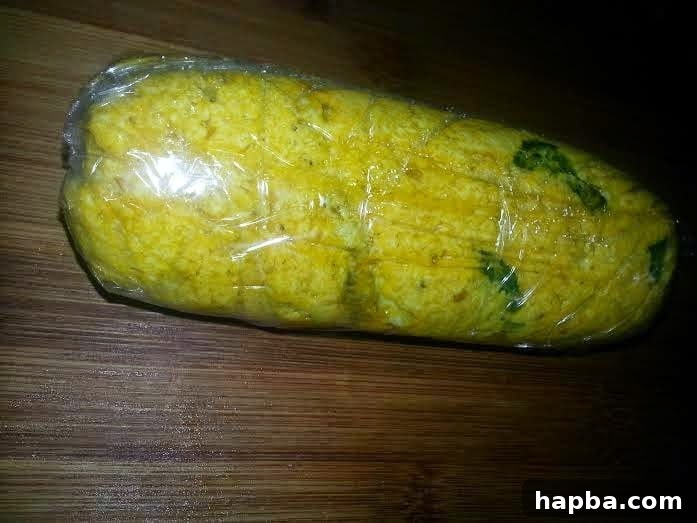
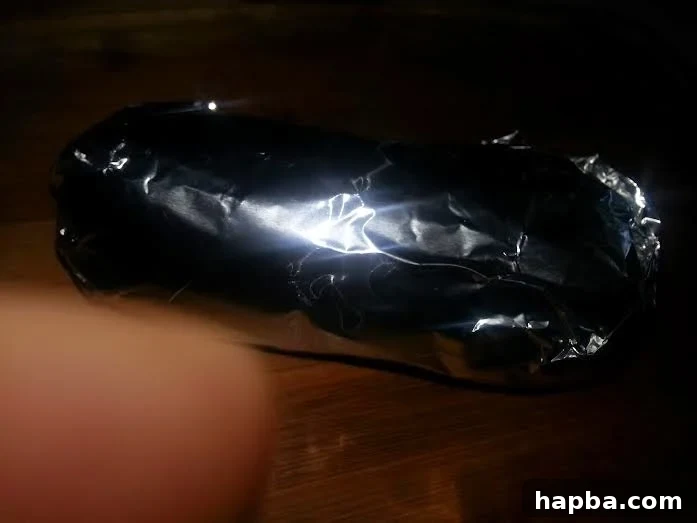
This stage is where the ‘Bible’ aspect of the dish comes into play, referring to the traditional wrapping method that gives it a distinct shape and helps it cook perfectly. If you’re fortunate enough to have fresh plantain or banana leaves, this is the time to use them! Lightly wilt them over a low flame for a few seconds or dip them in hot water to make them pliable and prevent them from tearing. Then, cut them into manageable squares or rectangles. For those using modern alternatives, prepare your plastic wrap and aluminum foil squares, cutting them to a size that can comfortably hold a spoonful of the mixture. Place a generous spoonful or two of the Kwacoco mixture onto the center of your chosen wrapping material. Carefully fold and shape it into a neat, compact parcel, aiming for a rectangular or square ‘book-like’ form. If using plastic wrap, wrap it securely, then wrap that parcel again in aluminum foil for extra security and to prevent water from seeping in during steaming. The traditional leaves add an incomparable earthy fragrance and flavor infusion, but the modern method works perfectly well for cooking a delicious Kwacoco Bible.
Step 5: The Steaming Process
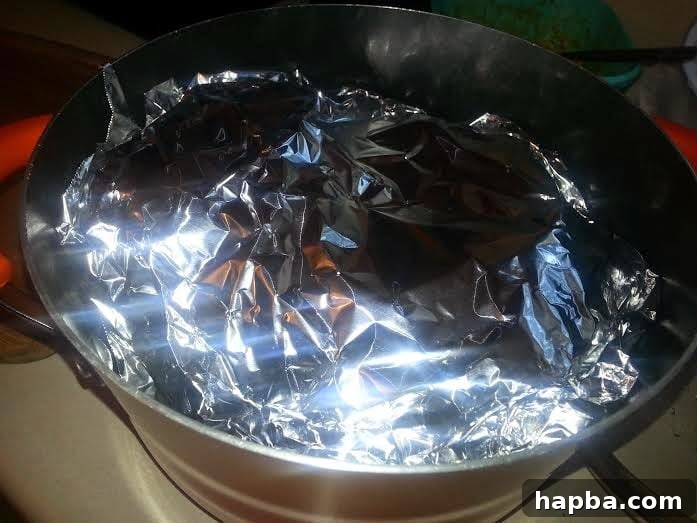
Prepare your steaming pot. For best results, place a layer of aluminum foil or, ideally, more banana/plantain leaves at the bottom of the pot. This acts as a protective barrier, preventing the Kwacoco parcels from sticking to the bottom, and can also infuse more flavor if using leaves. Carefully arrange all your neatly wrapped Kwacoco parcels inside the pot, ensuring they fit snugly but are not overly crowded, allowing steam to circulate. Pour in just enough water to reach about halfway up the sides of the lowest wraps – it is crucial that the water does not cover the Kwacoco parcels themselves, as this is a steaming process, not boiling. Bring the water to a boil over high heat, then reduce the heat to a high simmer, allowing the Kwacoco to steam for approximately one hour. It’s crucial to check the water level periodically throughout the steaming process; if it begins to dry up, carefully add more hot water to prevent the pot from burning dry. The steaming process cooks the cocoyam thoroughly, allowing the flavors to meld beautifully and the texture to become firm yet wonderfully tender, signifying your Kwacoco Bible is ready.
Visual Guide to Kwacoco Bible Preparation
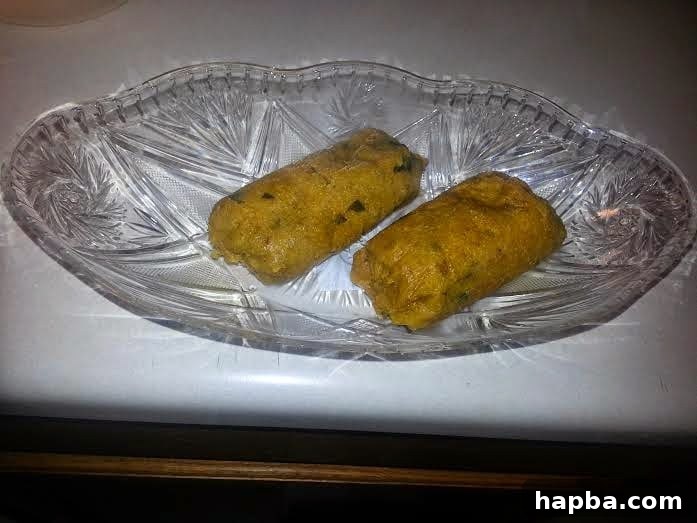
To further assist you in bringing this delightful recipe to life, here are some visual aids demonstrating the various stages of preparation. These pictures should help clarify the steps and ensure your Kwacoco Bible turns out perfectly, from raw ingredients to a cooked delicacy!
Serving Suggestions and Enjoying Your Kwacoco Bible
Once steamed to perfection, your Kwacoco Bible is ready to be unveiled and enjoyed! This versatile dish can be served warm, either on its own as a hearty and satisfying snack, or as a fulfilling main meal alongside other African delicacies. It pairs wonderfully with a side of spicy pepper sauce, which adds an extra layer of flavor and heat, or a fresh avocado salad for a creamy contrast. Many enjoy it with grilled fish, roasted chicken, or a simple garden salad for a truly authentic Cameroonian feast. The firm yet tender texture and the harmonious blend of smoky, savory, and slightly spicy flavors make it an unforgettable culinary experience that transports your taste buds straight to West Africa. Feel free to experiment with accompaniments that complement its rich and unique profile.
I genuinely hope you find as much joy in preparing and savoring this Kwacoco Bible recipe as I do. It’s more than just food; it’s a piece of culture, a cherished memory, and a vibrant celebration of flavors that connect us to the heart of Cameroon. When you embark on this delicious adventure and try making this traditional Cameroonian delight, please don’t hesitate to share your experiences, triumphs, and any personal twists you add with me and the community in the comments below. I’d absolutely love to hear how it turns out for you and see your culinary creations! Bon Appétit, and happy cooking!