
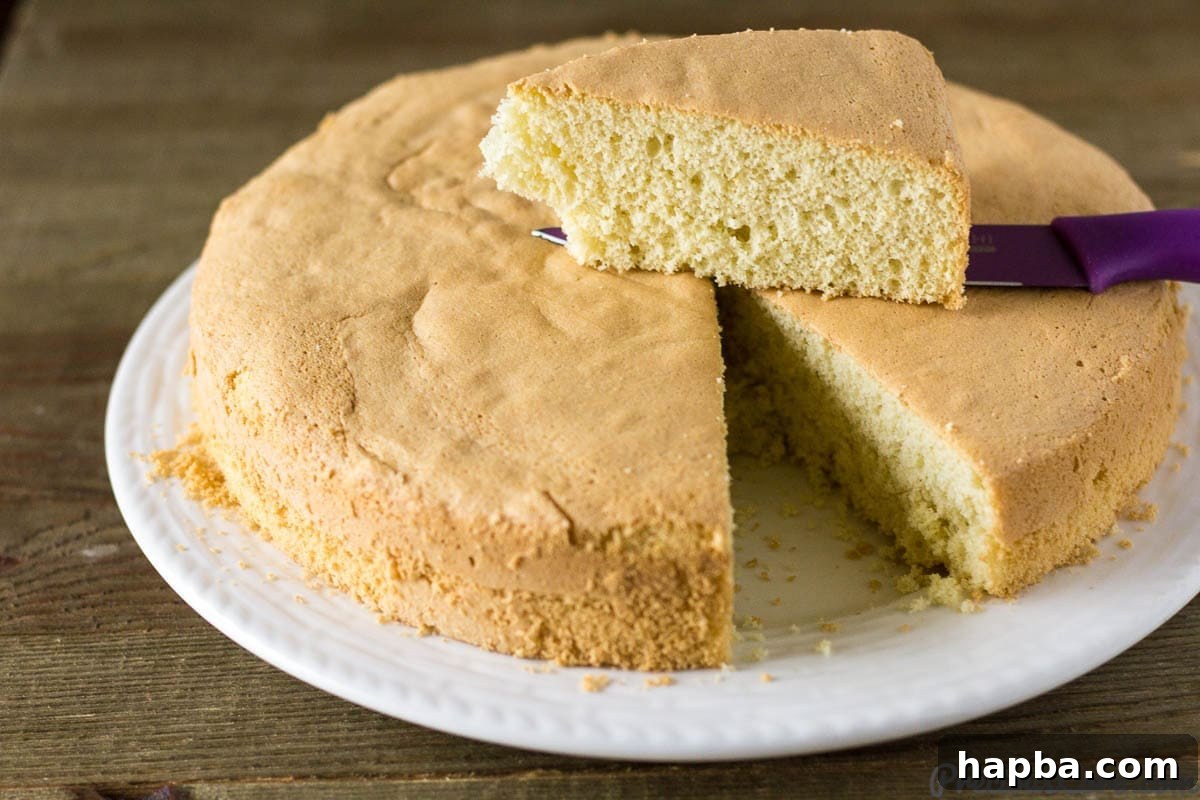
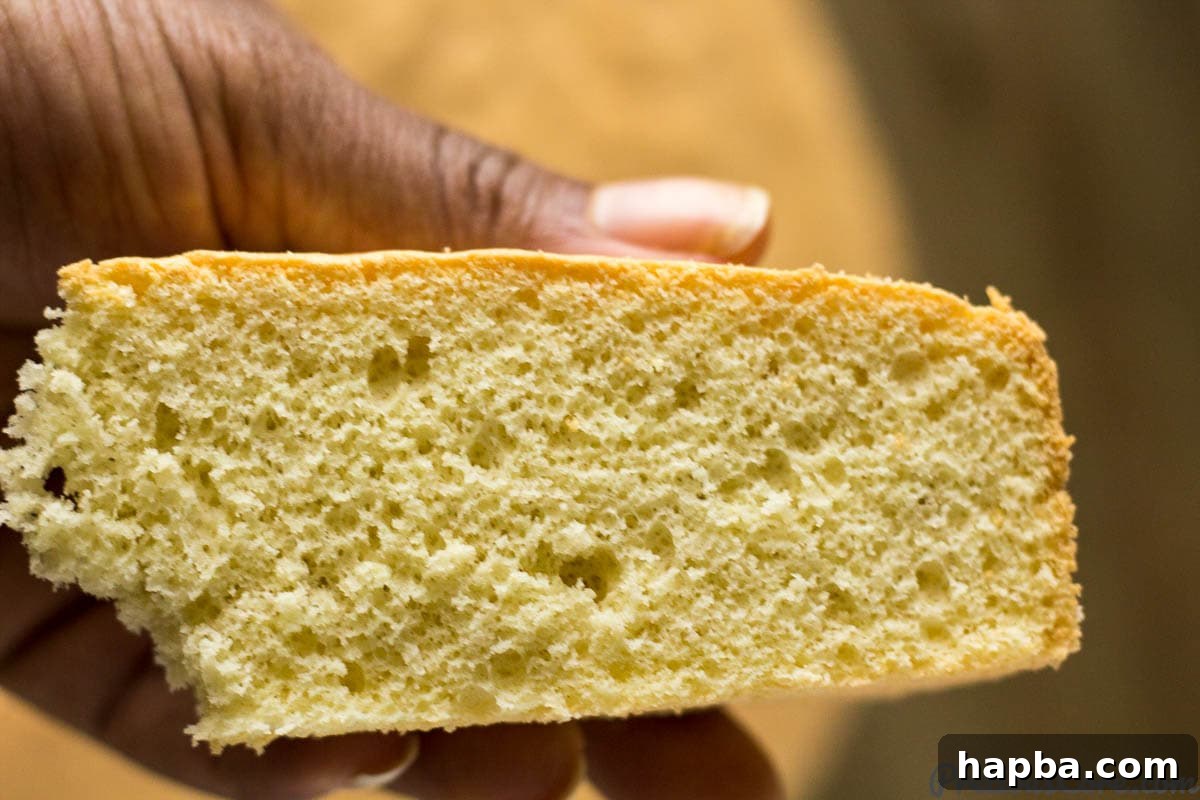
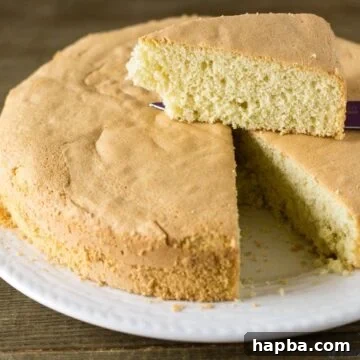
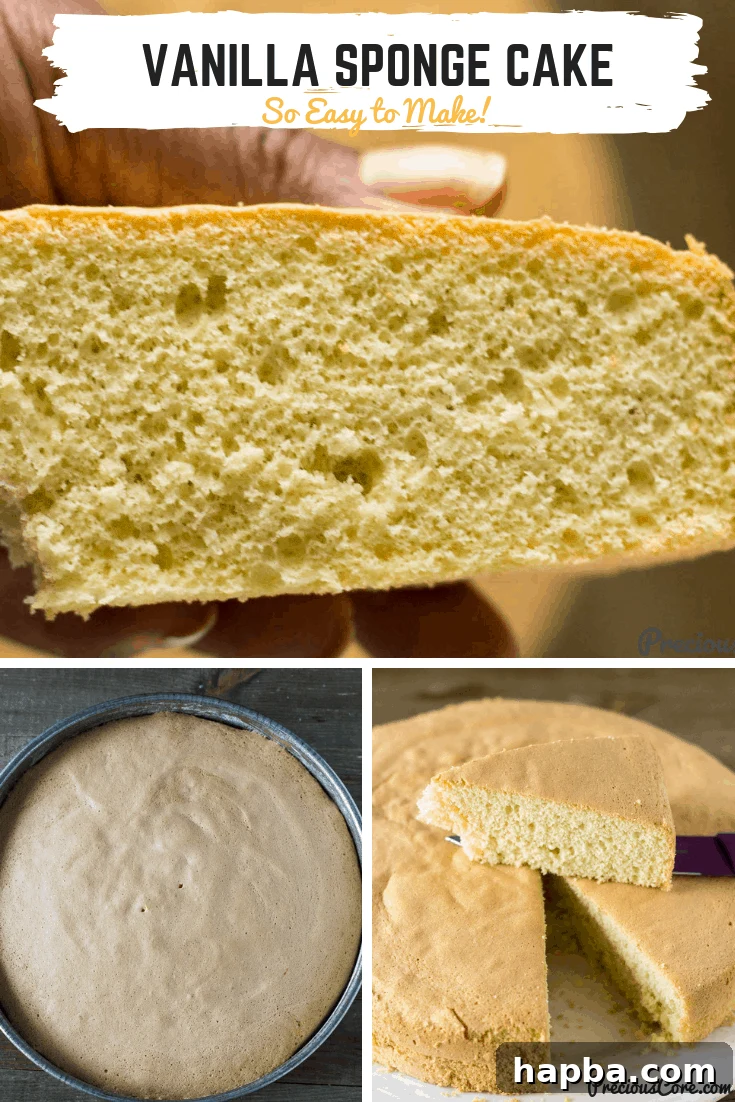
Vanilla Sponge Cake – a delightful treat that’s light, airy, incredibly fluffy, and bursting with an amazing vanilla flavor. This classic recipe stands out for its unique preparation, crafted without butter or oil, yet delivering a moist, tender crumb that melts in your mouth. With just a few simple ingredients, you can whip up a truly great-tasting cake perfect for any occasion, from casual tea times to festive celebrations.
The Sweet Nostalgia of a Classic Sponge Cake
My journey into the world of baking began many years ago, in a secondary school Nutrition Class, where I first discovered the magic of sponge cake. What truly fascinated me then, and continues to do so today, was the concept of baking a cake without the traditional fats like butter or oil. It felt like uncovering a secret, a testament to how simple ingredients, combined with the right technique, could produce something so extraordinary.
As the year draws to a close, bringing with it the warmth and joy of holidays like Thanksgiving, Christmas, and countless birthdays, I felt compelled to share this cherished recipe. This isn’t just any cake; it’s a recreation of that very first sponge cake I learned to bake, a recipe that has stayed with me through the years. After extensive research, a deep dive into old memories, and a fair bit of delicious experimentation, I managed to perfect an easy vanilla sponge cake recipe using minimal ingredients, echoing the original that captivated my younger self.
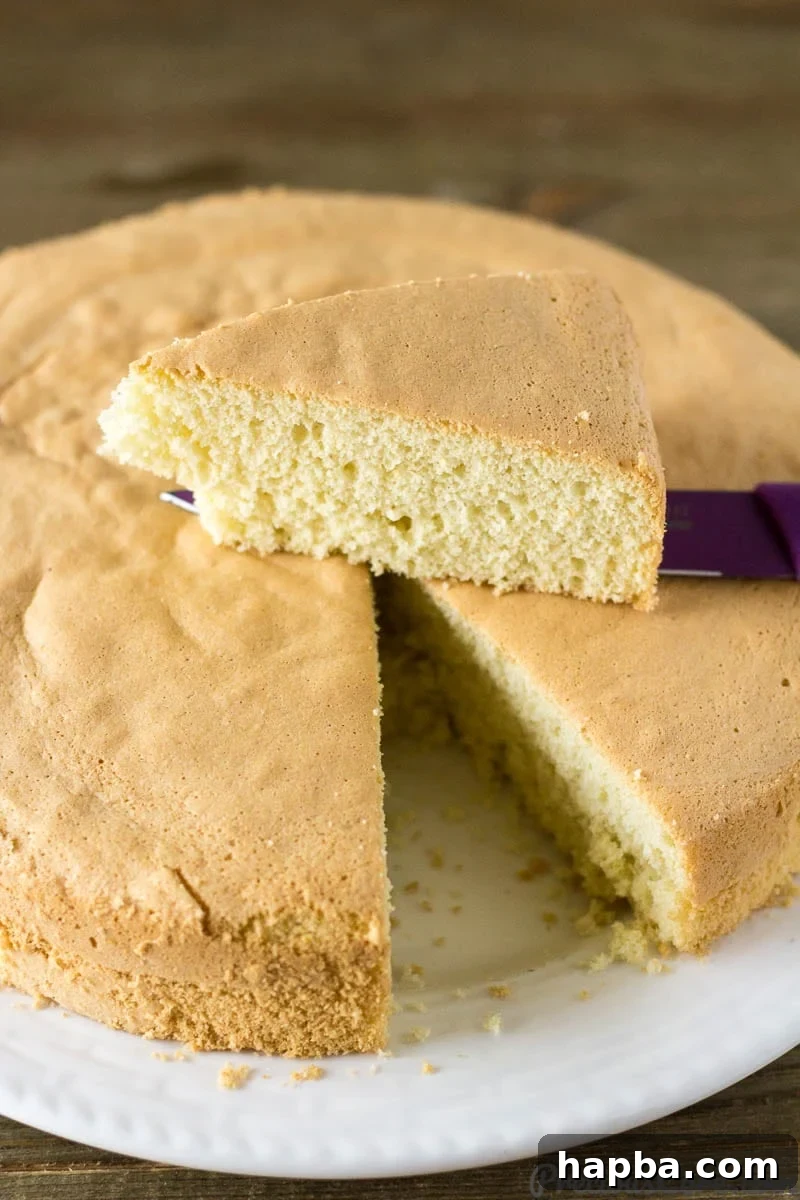
The result is a cake that tastes just as light and flavorful as the one from my school days. I truly hope you enjoy baking and savoring this magnificent creation as much as I do!
What Exactly is a Vanilla Sponge Cake?
At its heart, a Vanilla Sponge Cake is named for its distinctive, airy, and bouncy texture. Unlike richer butter cakes, the characteristic “sponginess” of this cake comes primarily from meticulously whipped egg whites. These whipped whites introduce air into the batter, creating a delicate structure that is incredibly light and soft.
This simplicity makes a sponge cake wonderfully versatile. It can be enjoyed on its own, perhaps with a dusting of powdered sugar, making it an ideal companion for a cup of tea or coffee. Alternatively, it serves as a superb foundation for more elaborate desserts. Imagine it layered with fresh berries and whipped cream for a summery trifle, or frosted and decorated for a show-stopping birthday cake. Its subtle sweetness and profound vanilla essence make it a delightful treat that truly stands apart, much like the beloved Victoria Sponge Cake, but with a lighter, fat-free twist.
Why Choose a Butter-Free and Oil-Free Sponge?
Opting for a sponge cake without butter or oil offers several advantages. Firstly, it results in a significantly lighter cake, both in texture and calories, making it a wonderful choice for those seeking a less indulgent dessert without compromising on flavor. The absence of heavy fats allows the pure vanilla essence to shine through, offering a clean, bright taste. This method also often leads to a cake that feels remarkably fresh and airy. Moreover, it’s a fantastic option for individuals looking for dairy-free alternatives or simply experimenting with different baking techniques. It proves that a truly delicious cake doesn’t always require a hefty amount of fat.
Mastering the Art of Making Vanilla Sponge Cake Without Butter or Oil
Creating this light and luscious vanilla sponge cake is a rewarding experience. The key lies in carefully executing each step, particularly when it comes to the eggs, which are the stars of this recipe. Here’s a detailed guide to achieve perfection:
Step 1: Preparing Your Ingredients and Whipping the Egg Whites to Stiff Peaks
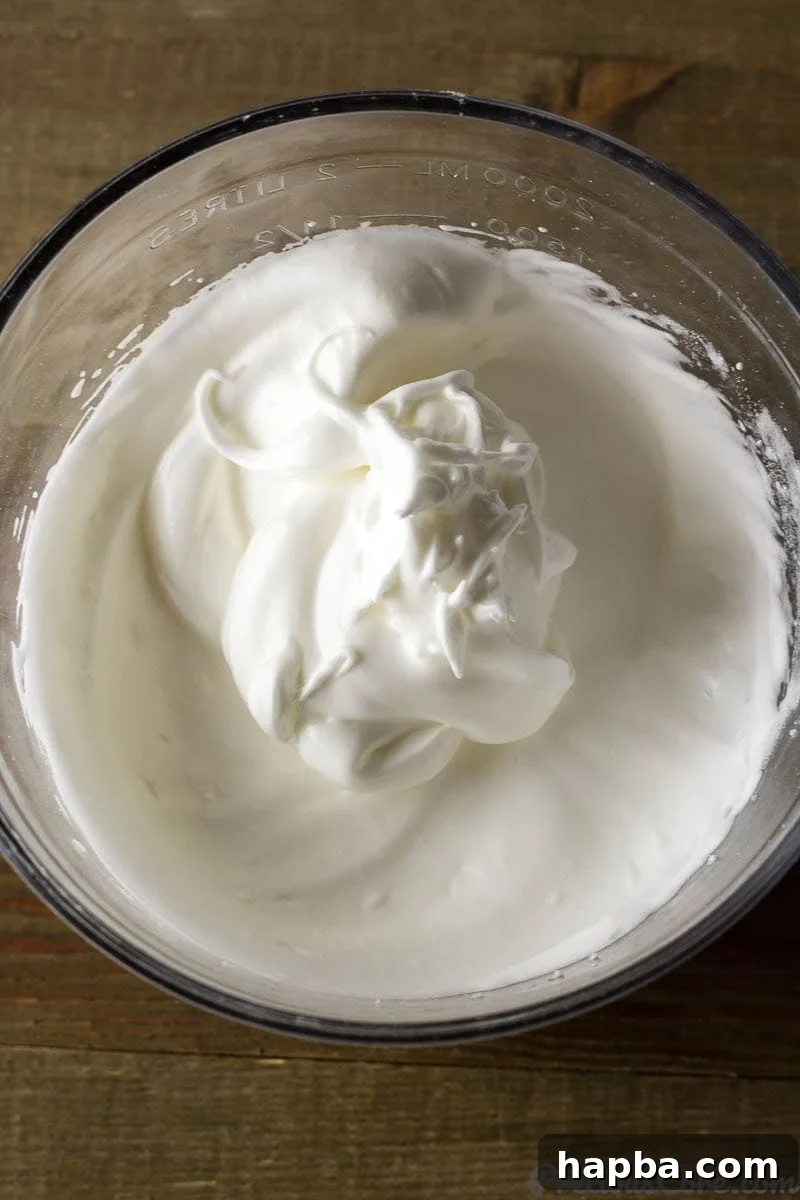
Before you begin, ensure all your ingredients are at room temperature, especially the eggs, as this helps achieve maximum volume when whipping. Begin by separating the egg whites from the yolks with great care, ensuring not a single drop of yolk contaminates the whites, as fat can prevent the whites from whipping properly. In a clean, dry mixing bowl, whip the egg whites until they start to become frothy and form soft peaks. Gradually add the sugar, about a tablespoon at a time, while continuously whipping. Continue beating until the mixture is glossy, white, and forms stiff, upright peaks that hold their shape when the whisk is lifted. This process incorporates a significant amount of air, which is crucial for the cake’s light texture.
Step 2: Gently Folding in the Egg Yolks and Vanilla Extract
Once your egg whites are perfectly whipped, gently add the egg yolks one by one to the mixture. Follow with the vanilla extract, ensuring a generous amount for that signature vanilla aroma and taste. Using a whisk, lightly fold these ingredients into the egg white mixture. The goal here is to combine them just enough without deflating the carefully incorporated air. Overmixing at this stage can lead to a denser cake, so be gentle and deliberate with your movements.
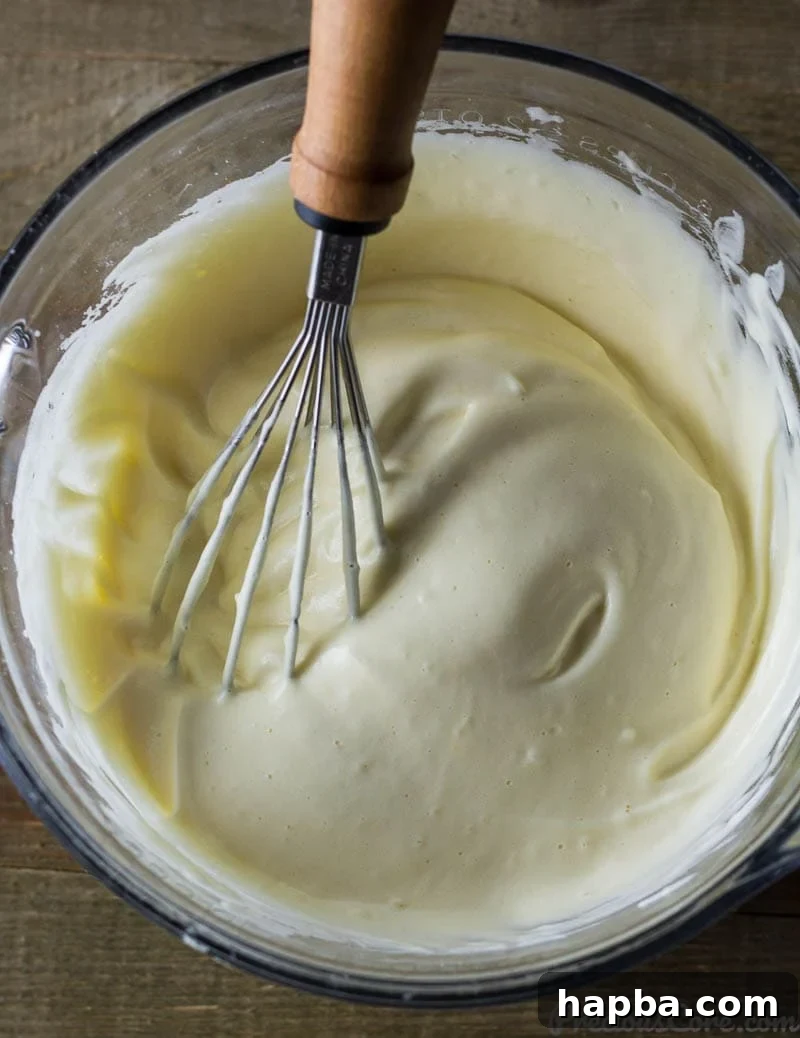
Step 3: Incorporating Dry Ingredients for a Smooth Batter
In a separate bowl, sift together your flour, baking powder, and salt. Sifting helps to aerate the dry ingredients and prevent lumps, ensuring a smoother batter. Gradually add this sifted dry mixture to the egg mixture, a little at a time. Using a large spatula or a whisk, gently fold the dry ingredients into the wet mixture. Again, the key is not to overmix. Mix just until the flour is incorporated and no dry streaks remain. An overmixed batter can develop gluten, resulting in a tough cake.
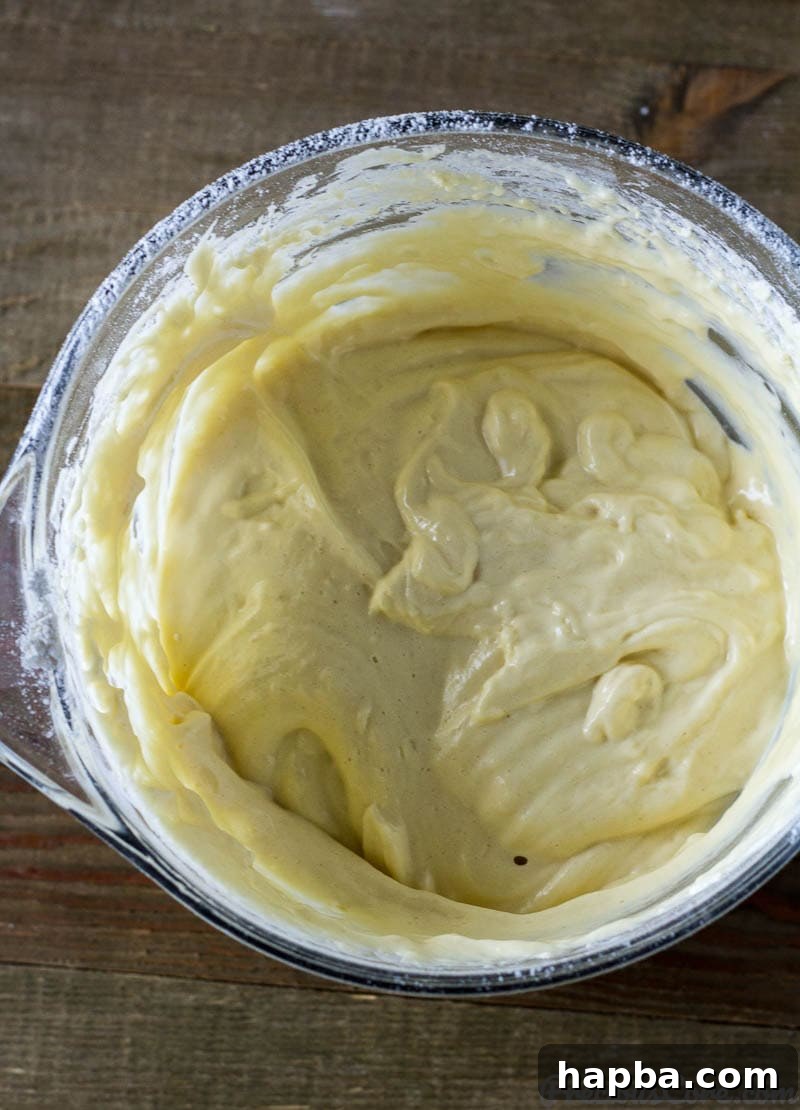
Step 4: Pouring the Batter into Your Prepared Cake Pan
Once the batter is smooth and well combined, carefully pour it into your meticulously prepared cake pan. Ensure the top is leveled evenly using your spatula. A properly prepared pan, lightly oiled and floured, will prevent the delicate sponge cake from sticking and ensure a smooth release after baking. This step is crucial for achieving an aesthetically pleasing cake with an even rise.
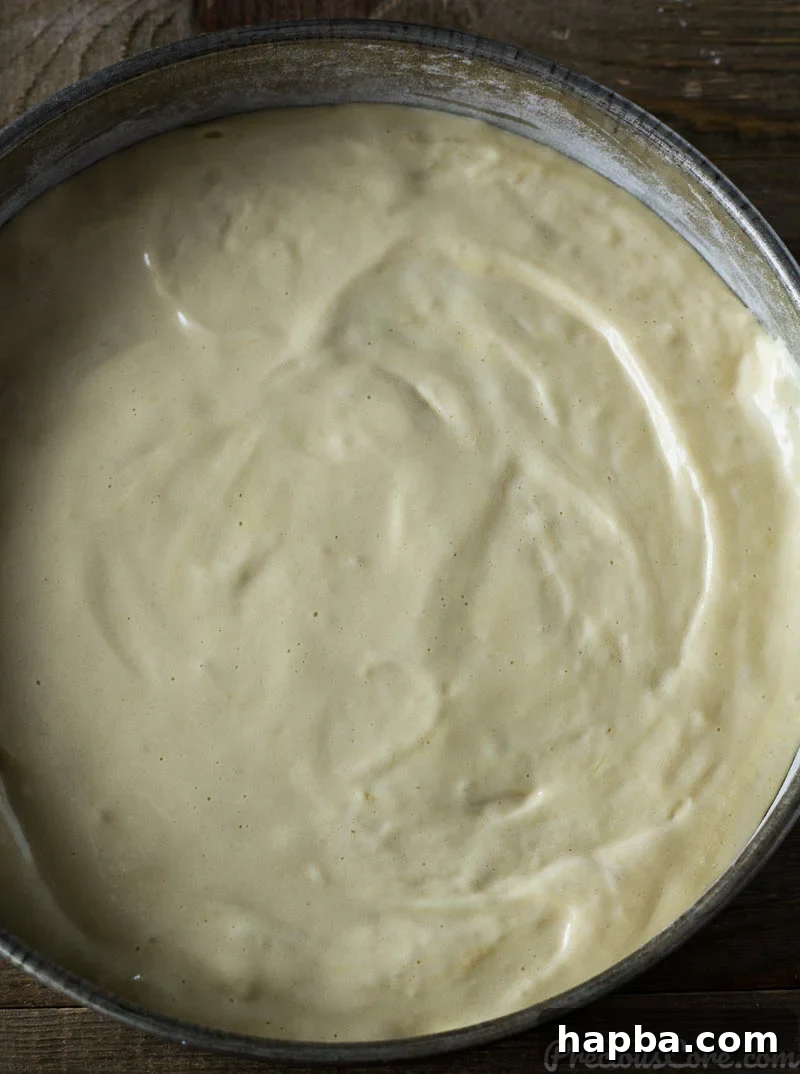
Step 5: Baking to Golden Perfection
Place the cake pan into your preheated oven and bake for approximately 30 minutes. Baking times can vary slightly depending on your oven, so keep an eye on it. The cake is done when it’s golden brown on top, springs back lightly when gently pressed, and most importantly, a toothpick inserted into the center comes out clean. This indicates that the cake is fully cooked through without being dry.
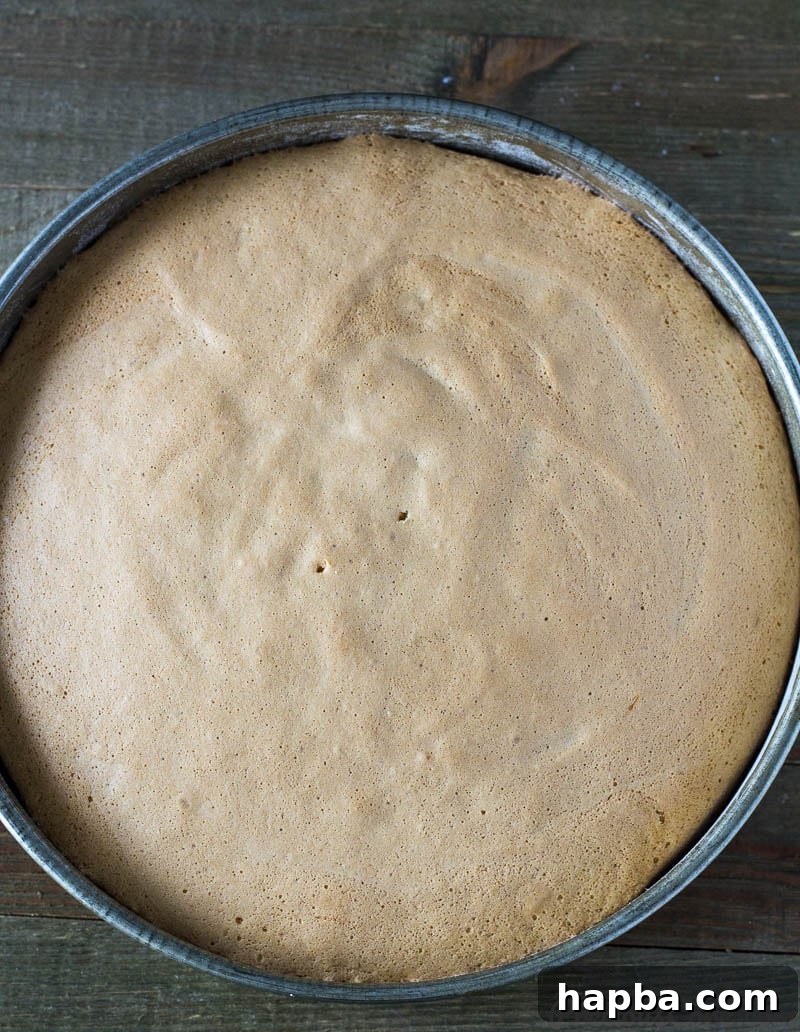
Watch How to Make Vanilla Sponge Cake from Scratch
For a visual guide to perfecting this delicate cake, watch the step-by-step video below. It offers valuable insights into the techniques, especially the whipping of egg whites and gentle folding, ensuring your first attempt is a resounding success.
Tips for Achieving the Perfect Sponge Cake
- Room Temperature Eggs: Always use eggs that are at room temperature. Cold eggs don’t whip to the same volume as warm eggs, which is critical for the sponge’s airy texture.
- Clean Bowl and Whisk: Ensure your mixing bowl and whisk are perfectly clean and free of any grease or fat. Even a tiny trace of oil can prevent egg whites from stiffening.
- Gentle Folding: This is arguably the most important step. When adding yolks and dry ingredients, use a gentle folding motion with a spatula. Cut down through the center of the mixture, sweep the spatula along the bottom of the bowl, and fold it back over the top. Rotate the bowl and repeat until just combined.
- Do Not Overmix: Overmixing develops gluten in the flour, which will result in a dense, tough cake instead of a light, spongy one.
- Preheat Your Oven: Ensure your oven is fully preheated to the correct temperature before the cake goes in. Consistent heat is vital for an even rise.
- Don’t Open the Oven Door: Avoid opening the oven door during the first 20-25 minutes of baking. The sudden drop in temperature can cause the cake to collapse.
- Cooling: Once baked, let the cake cool in the pan for about 10-15 minutes before inverting it onto a wire rack to cool completely. This prevents it from breaking apart.
Serving Suggestions for Your Vanilla Sponge Cake
The beauty of this vanilla sponge cake lies in its versatility. Enjoy it:
- Plain: A simple dusting of powdered sugar is often all it needs to shine, especially with a cup of tea or coffee.
- With Fresh Berries and Cream: Layer slices with whipped cream and seasonal berries for a light, elegant dessert.
- As a Layer Cake: Use it as the base for a multi-layered cake, filled with your favorite frosting (buttercream, cream cheese, or fruit curd) and decorations.
- Trifle Base: Cube the cake and use it as the foundation for a classic English trifle, soaking it in sherry or fruit juice.
- Lemon Curd or Jam: A simple spread of lemon curd or your favorite fruit jam can elevate its flavor beautifully.
Storage Instructions
To keep your vanilla sponge cake fresh and delicious:
- Store it at room temperature in an airtight container for up to 3 days.
- If frosted with dairy-based frosting or fresh cream, it should be refrigerated and consumed within 2-3 days.
- Sponge cake also freezes well. Wrap individual slices or the whole cake tightly in plastic wrap, then aluminum foil, and freeze for up to 2 months. Thaw at room temperature before serving.
Frequently Asked Questions (FAQ)
Here are some common questions about baking vanilla sponge cake:
Q: Can I make this cake gluten-free?
A: Yes, you can substitute the all-purpose flour with a 1:1 gluten-free baking flour blend. Make sure your blend contains xanthan gum for structure.
Q: Why did my sponge cake collapse after baking?
A: This is often due to opening the oven door too early, overmixing the batter, or not whipping the egg whites to a sufficient stiffness. Ensure your oven temperature is accurate as well.
Q: Can I add a different extract instead of vanilla?
A: Absolutely! Almond extract, lemon extract, or even a touch of rum extract can give your sponge cake a different flavor profile. Adjust the amount to taste.
Q: How can I tell if my egg whites are whipped enough?
A: They should be glossy, white, and when you lift the whisk, they should form stiff peaks that hold their shape and don’t droop. If you invert the bowl (carefully!), they shouldn’t slide.
Q: Is it possible to make this cake with less sugar?
A: Sugar helps stabilize the egg whites and contributes to moisture. While you can slightly reduce it, drastically cutting down on sugar might affect the cake’s texture and structure.
More Awesome Cake Recipes:
- PERFECT PLAIN CAKE
- CLASSIC CHOCOLATE CAKE
- CARROT CAKE
- FRESH APPLE CAKE RECIPE
- 10 DELICIOUS CAKE RECIPES YOU MUST MAKE!
Vanilla Sponge Cake
10 minutes
40 minutes
50 minutes
8
servings
Rate
Print Recipe
Ingredients
- 4 large eggs
- 1 cup flour (125g) plus 2 more teaspoons for dusting pan
- 1/2 cup sugar
- 1/4 teaspoon salt
- 1/2 teaspoon baking powder
- 2 teaspoons vanilla extract
Instructions
-
Preheat oven to 350 degrees F (180 degrees C). Brush a 9-inch round baking pan with 1 teaspoon of oil. Put in about 2 teaspoons of flour and dust round the pan.
-
Separate egg yolks from egg whites. Beat egg whites with an electric mixer until they form a soft peak. This takes about 2 minutes. Gradually add sugar and beat together with the egg whites until they form a stiff peak. This takes about 2 more minutes.
-
Add the egg yolks to the beaten egg whites. Add vanilla extract then whisk in gently with a whisk until just combined.
-
Sieve in flour, baking soda and salt, a little at a time and gently whisking them in each time you sieve them in. Mix in the dry ingredients until just combined.
-
Use a spatula to scrape the sides of the bowl, being careful to mix in any flour you see. Pour the batter into prepared cake pan being sure to clean the batter off the bowl using the spatula.
-
Bake in preheated oven for 30 minutes until a toothpick inserted in the middle of the cake comes out clean.
Notes
2. You can beat the egg whites with a fork/whisk (that’s how I beat them back in the day) but it is quite a workout! So if you have an electric mixer, use it.
Nutrition
Carbohydrates: 25g |
Protein: 4g |
Fat: 2g |
Saturated Fat: 1g |
Polyunsaturated Fat: 0.5g |
Monounsaturated Fat: 1g |
Trans Fat: 0.01g |
Cholesterol: 82mg |
Sodium: 131mg |
Potassium: 49mg |
Fiber: 0.4g |
Sugar: 13g |
Vitamin A: 119IU |
Calcium: 30mg |
Iron: 1mg
Additional Info
Tried this recipe?
Mention @preciouscore or tag #PreciousCore!
“There is a way which seemeth right unto a man, but the end thereof are the ways of death.” Proverbs 14:12, KJV