
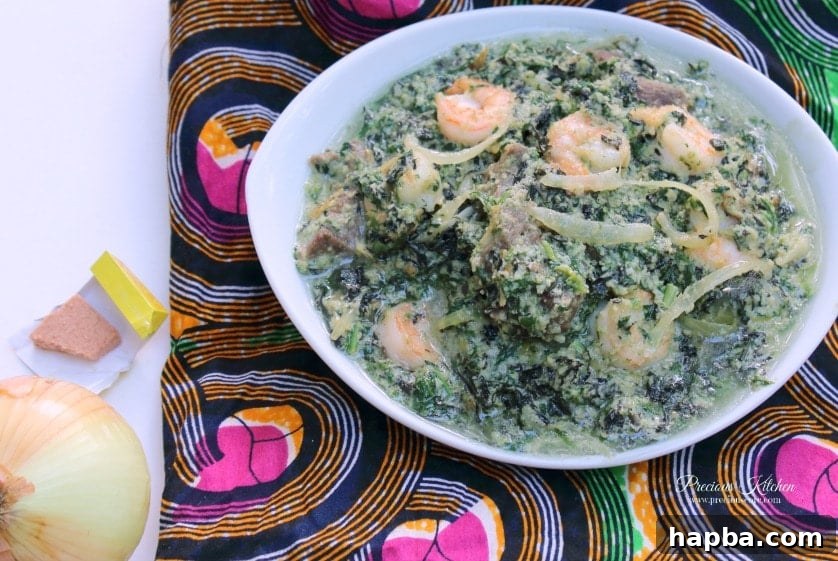
Mastering the Authentic Cameroonian Ndole: A Culinary Journey
Welcome, food enthusiasts, to a delightful exploration of one of Cameroon’s most cherished national dishes: Ndole! This isn’t just a meal; it’s a vibrant tapestry of flavors, history, and cultural significance, deeply rooted in the heart of Central Africa. Hailing primarily from the coastal Douala people in the Littoral Region, Ndole has transcended its origins to become a beloved staple across the entire nation and among the Cameroonian diaspora worldwide. Its unique blend of blanched peanuts, rich green leafy vegetables – traditionally bitterleaf – and an array of savory proteins creates a symphony of taste that is both hearty and profoundly satisfying. With its distinctive oniony aroma, nutty undertones, and a subtle hint of bitterness perfectly balanced by creamy textures, Ndole offers an unparalleled culinary experience. While it shines as a stellar side dish to accompaniments like boiled plantains, yams, and even rice, it often takes center stage as a main course, especially during celebrations and family gatherings.
For those eager to dive deep into the preparation of this iconic dish, you’ve come to the right place. We’re about to embark on a detailed journey, providing not just a recipe but insights into the very soul of Cameroonian cooking. This comprehensive guide, complemented by a helpful video demonstration, will walk you through every step, ensuring you can recreate the authentic taste of Ndole in your own kitchen. Whether you are an experienced cook or an adventurous beginner, preparing Ndole is a rewarding experience that connects you directly to the rich culinary heritage of Cameroon. Find the printable recipe along with more in-depth details just after our video guide, designed specifically to make your cooking process seamless and enjoyable. Get ready to savor the magic of Ndole!
The Cultural Heartbeat of Cameroon: Why Ndole Matters
Ndole is more than just food; it’s a symbol of Cameroonian identity, hospitality, and celebration. Traditionally associated with the Douala ethnic group, this dish has grown in popularity to become a quintessential part of virtually every Cameroonian occasion. From festive holidays and weddings to simple family meals, Ndole holds a special place at the dining table. Its preparation often involves communal effort, with family members gathering to process the bitterleaf, blend the peanuts, and share stories while the tantalizing aroma fills the air. This communal aspect makes the dish not just a meal, but a bonding experience.
The essence of Ndole lies in its thoughtful balance of flavors. The bitterleaf, while initially pungent, undergoes a meticulous process of blanching and rinsing to remove its intense bitterness, leaving behind a subtle, earthy tang that perfectly complements the creamy sweetness of the groundnuts. This interplay of flavors represents the complexity and richness of Cameroonian culture itself. Served generously, it’s a dish that invites sharing, conversation, and a deep appreciation for the country’s culinary heritage. Understanding its cultural significance truly elevates the experience of both preparing and enjoying Ndole.
Essential Ingredients: Building the Flavor Profile of Authentic Ndole
The magic of Ndole is woven from a specific set of ingredients, each playing a crucial role in creating its distinctive taste and texture. Mastering these components is key to an authentic result.
- Groundnuts (Peanuts): The foundation of Ndole. Blanched and peeled, then blended into a smooth paste, peanuts provide the creamy, nutty base that gives the dish its characteristic richness and body. They are also a significant source of plant-based protein.
- Bitterleaf (Vernonia amygdalina): This leafy green is the soul of Ndole. Known for its strong, bitter taste in its raw form, it requires careful preparation. Traditionally, it’s washed repeatedly, squeezed, and often blanched with baking soda to temper its bitterness, leaving a pleasant, slightly bitter note that defines the dish. If fresh bitterleaf is unavailable, well-washed spinach or collard greens can be used as a substitute, though they will alter the traditional flavor profile slightly.
- Meats and Proteins: Ndole is incredibly versatile when it comes to protein. Common additions include succulent beef chunks, tender goat meat, smoked fish, and fresh or dried shrimp. These ingredients are often simmered separately or with the groundnut mixture, infusing the stew with deep, savory flavors. The choice of protein often varies by region and personal preference, allowing for a wide range of flavor combinations.
- Aromatics: Onions, garlic, and ginger form the aromatic backbone of Ndole. Finely chopped or blended, they contribute layers of pungent, sweet, and spicy notes that enhance the overall complexity of the dish. A hot habanero pepper is typically added for a fiery kick, though its inclusion and quantity can be adjusted to taste.
- Crayfish: Dried crayfish, either whole or powdered, is a quintessential ingredient in many West and Central African dishes, and Ndole is no exception. It imparts a profound umami flavor and a distinctive seafood aroma that is integral to the authentic taste. A crayfish seasoning cube (like Maggi Crevette) further amplifies this flavor.
- Vegetable Oil and Seasonings: A generous amount of vegetable oil is used to sauté the final aromatics and bind the flavors. Salt and the seasoning cube are crucial for balancing all the elements and bringing the flavors to life.
Preparing Ndole: A Step-by-Step Culinary Guide
Creating an authentic pot of Ndole involves careful attention to detail and a love for the process. Follow these steps for a truly delicious result.
Ndole Recipe – A Cameroonian Delicacy
- 2 cups peeled/blanched groundnuts (peanuts)
- 5 large bundles fresh or 3 cups blanched bitterleaf (substitute with spinach for a milder taste)
- half teaspoon baking soda (for blanching bitterleaf if needed)
- 1 pound (about half kg) beef or other preferred meat (e.g., goat, smoked fish)
- 5 cloves peeled garlic
- 1 inch peeled ginger root
- 1 and a half Crayfish seasoning cube (Maggi Crevette recommended)
- 1 large onion
- 1 cup vegetable oil
- 1 hot (habanero) pepper (adjust to your spice preference)
- A quarter teaspoon salt (or to taste)
- a quarter cup dried crayfish (ground)
- 1 pound raw shrimps (optional, peeled and deveined)
1. Prepare the Meat: Begin by cutting your chosen meat (beef, goat, etc.) into manageable chunks. Place them in a pot and add about 2 cups of water. Finely chop a quarter of the large onion and add it to the pot. Season generously with salt. Bring the mixture to a vigorous boil, then reduce the heat and let it simmer until the meat is tender and cooked through, typically 20-30 minutes, or longer for tougher cuts. Set aside.
2. Process the Bitterleaf: If you are using fresh bitterleaf, thoroughly rinse and chop them. If using dried bitterleaf, soak them in warm water for at least 30 minutes to rehydrate. To further reduce bitterness, pour water into a large pot to about three-quarters full. Add a teaspoon of salt and the half teaspoon of baking soda. Bring the water to a rolling boil. Once boiling, immerse your prepared bitterleaf (or spinach) into the water to blanch. This process softens the leaves and helps to remove residual bitterness. After blanching for a few minutes, drain the vegetables and rinse them thoroughly under cold running water multiple times, squeezing out excess water each time until the water runs clear and most bitterness is removed. Set aside.
3. Create the Peanut Base: In a blender, combine the blanched, peeled groundnuts with the peeled garlic cloves, the inch of ginger root, and the hot habanero pepper (if using). Add a small amount of water (just enough to help the blades move) and blend until you achieve a very smooth and creamy paste. The consistency should be thick but pourable.
4. Combine and Simmer: Add the blended groundnut mixture directly to the pot with your boiling meat and its broth. Give it a good stir to ensure everything is well combined. Let this mixture simmer gently for about 5 to 7 minutes, allowing the peanut paste to cook and thicken slightly.
5. Integrate Vegetables and Season: Now, carefully add your blanched and rinsed vegetables to the simmering groundnut and meat mixture. Stir everything together thoroughly, ensuring the vegetables are fully coated. Add the ground crayfish and the crayfish seasoning cube. Stir again and let the entire pot simmer for approximately 10 to 15 minutes. During this simmering phase, stir occasionally from the bottom to prevent burning and to ensure even cooking. Taste the stew and adjust the seasoning (salt, pepper, or seasoning cube) as needed to achieve your desired flavor balance.
6. Prepare the Finishing Oil (Optional but Recommended): Once the Ndole has simmered to perfection and the flavors have melded beautifully, turn off the heat. While the Ndole rests, finely chop the remaining quarter of the large onion. If using raw shrimps, peel and devein them, then season lightly with salt. Heat the vegetable oil in a separate frying pan over medium heat. Add the chopped onions and sauté them until they become fragrant and translucent. If adding shrimps, introduce them to the pan after the onions have softened and cook until they turn a vibrant pink, typically just a few minutes.
7. Final Touch and Serve: Pour the hot fried onion and shrimp mixture (if used) directly over the Ndole in the pot. This final step adds a beautiful glossy finish, an extra layer of flavor, and a delightful aroma. Your authentic Cameroonian Ndole is now ready to be enjoyed! Serve hot with traditional accompaniments such as boiled plantains (ripe or unripe), boiled yams, cocoyams, rice, fufu, or even cooked garri. Each spoonful promises a burst of rich, comforting, and uniquely Cameroonian flavors.
Prep time: Cook time: Total time: Yield: 6 servings
Serving Suggestions and Beyond: Enjoying Your Ndole
Ndole is incredibly versatile when it comes to serving. While it’s often enjoyed as a standalone meal due to its richness, pairing it with traditional Cameroonian staples enhances the experience. Classic accompaniments include:
- Boiled Plantains: Both ripe and unripe plantains offer a wonderful contrast to the savory Ndole. Ripe plantains add a touch of sweetness, while unripe ones provide a firmer, more neutral base.
- Boiled Yams or Cocoyams: These starchy tubers are perfect for soaking up the flavorful sauce, providing a comforting and filling meal.
- White Rice: A simple yet effective pairing, allowing the complex flavors of Ndole to shine.
- Fufu or Garri: For those who enjoy a true African experience, serving Ndole with fufu (a dough-like staple made from cassava, yam, or plantain flour) or cooked garri (cassava flakes) is an authentic choice.
Don’t hesitate to experiment with different protein combinations or adjust the spice level to suit your palate. Some variations include adding smoked turkey, different types of fish, or even making a purely vegetarian version by using mushrooms or tofu. Ndole can also be prepared in larger batches and stored in the refrigerator for a few days, making it an excellent meal prep option for busy weeks.
The Nutritional Powerhouse: Health Benefits of Ndole
Beyond its incredible taste, Ndole is also a nutritional powerhouse. The combination of its core ingredients offers a wealth of health benefits:
- Bitterleaf: Rich in vitamins (A, C, E, B1, B2), minerals (calcium, potassium, iron, zinc), and powerful antioxidants. It’s traditionally known for its potential medicinal properties, including aiding digestion and possessing anti-inflammatory effects.
- Groundnuts (Peanuts): An excellent source of protein, healthy monounsaturated fats, fiber, and essential minerals like magnesium, potassium, and zinc. They contribute to heart health and sustained energy.
- Proteins (Meat, Fish, Shrimp): Provide essential amino acids vital for muscle repair and growth, as well as a range of vitamins and minerals depending on the source.
- Aromatics: Garlic, ginger, and onions are known for their immune-boosting properties and rich antioxidant content.
By enjoying Ndole, you’re not just indulging in a delicious meal; you’re also nourishing your body with a balanced and wholesome dish rooted in traditional wisdom. This culinary masterpiece truly embodies the spirit of Cameroonian cuisine – rich in flavor, culture, and nutrition.
We hope this comprehensive guide inspires you to try making Ndole at home. It’s a culinary adventure that promises to delight your taste buds and connect you with the vibrant flavors of Cameroon. Happy cooking, and enjoy your delicious Ndole!