
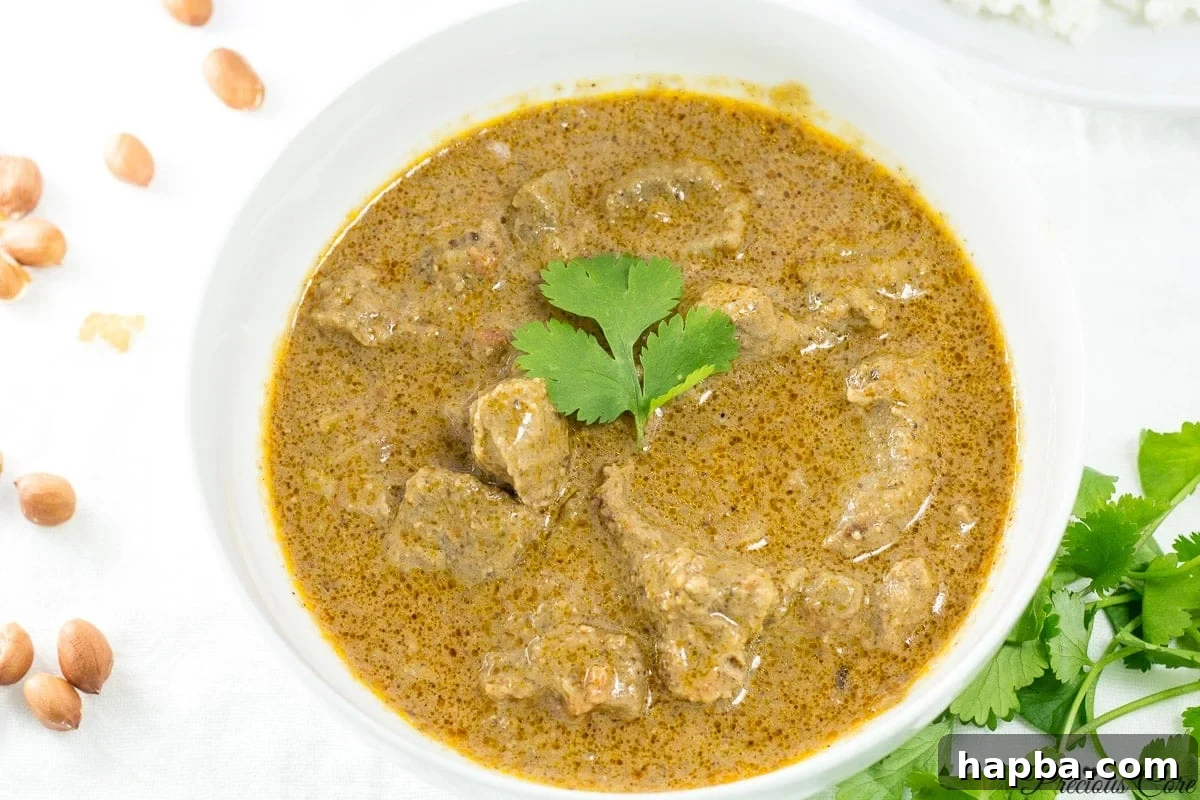
Groundnut Soup: A Rich and Creamy West African Delicacy
Prepare your taste buds for an unforgettable culinary adventure! If you have a passion for peanuts – or as they are widely known in West Africa, groundnuts – then you are in for an extraordinary treat. Imagine a soup so deeply infused with the rich, earthy flavor of groundnuts that it becomes a creamy, comforting embrace. This is precisely what you experience with authentic Groundnut Soup, a staple across many African cultures.
My first encounter with this magnificent dish was years ago in a Nigerian student hostel. My roommate, after taking a spoonful, exclaimed, “The soup is tasting groundnut, groundnut, groundnut!” And she was absolutely right. Groundnut soup is intensely “groundnutty,” but in the most exquisite way. It’s not just a simple broth; it’s a meticulously crafted dish where groundnuts undergo a transformative process of gradual roasting, fine grinding, and then slow simmering with a medley of exotic spices, often in a rich beef or chicken stock. The result is a velvety, flavorful, and incredibly satisfying soup that you might just find yourself wanting to drink straight from the bowl. Seriously, hand me a spoon!
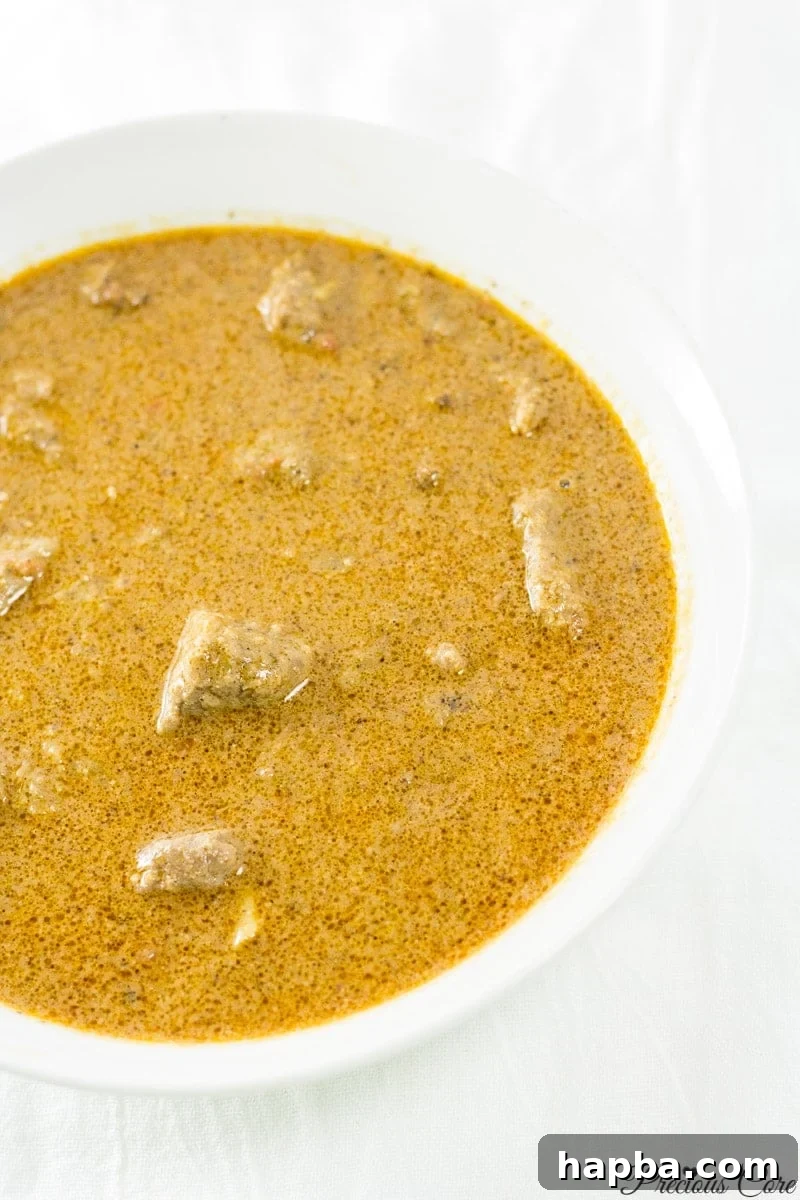
The Heart of the Home: Why Groundnut Soup is a Beloved African Staple
Groundnut soup, often referred to as Peanut Soup or Peanut Stew in various parts of the world, holds a special place in African cuisine. It’s more than just a meal; it’s a dish that brings families together, a symbol of hospitality, and a testament to the continent’s rich culinary heritage. Its popularity stems from its incredible flavor, nutritional value, and surprisingly straightforward preparation. Unlike some complex stews that require hours of intricate cooking, this soup can come together in a remarkably short amount of time, making it a perfect meal for both busy weekdays and leisurely weekend gatherings.
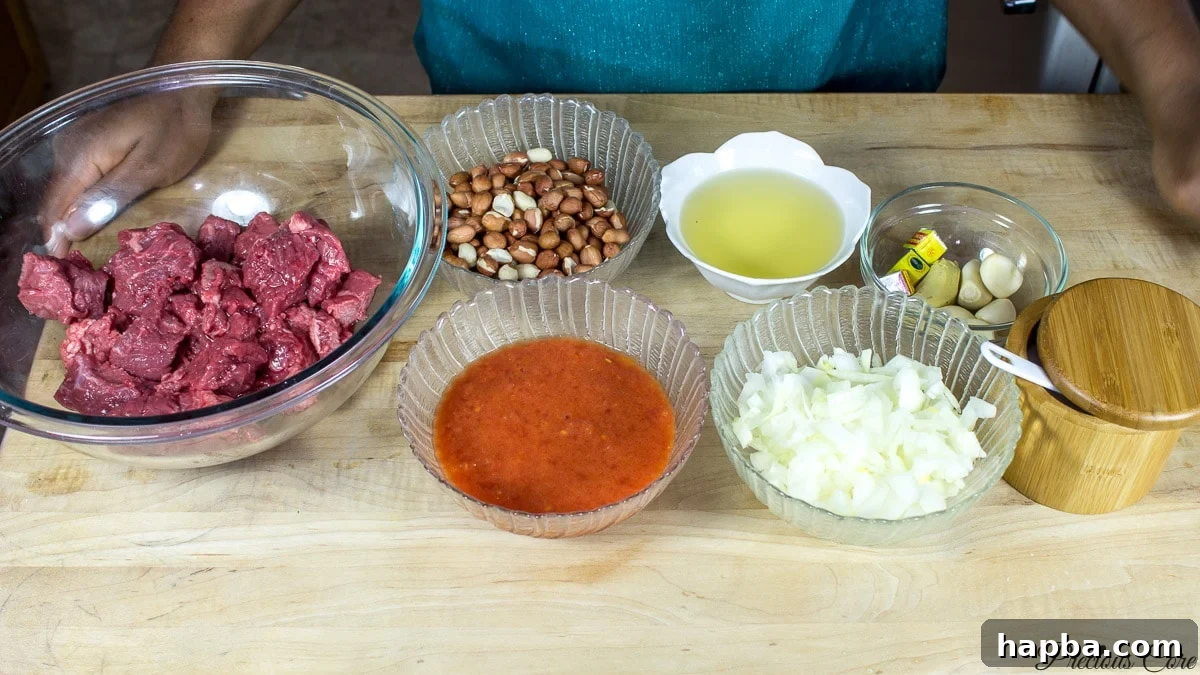
The beauty of this soup lies in its simplicity and the depth of flavor achieved with just a few core ingredients. You’ll need raw groundnuts (peanuts), fresh tomatoes, aromatic onions, pungent ginger and garlic, your preferred seasoning, a touch of cooking oil, and, traditionally, succulent beef or chicken. These humble ingredients combine to create a symphony of tastes that is both robust and comforting.
Roasting vs. Peanut Butter: The Authenticity Debate
One of the key decisions when preparing groundnut soup is how you incorporate the star ingredient. For those seeking a quicker route, plain peanut butter straight from the jar offers a convenient shortcut. It’s essentially a pre-ground groundnut paste, and using it can significantly cut down on your cooking time. However, for a truly authentic and deeply flavored experience, I wholeheartedly recommend taking the extra step to roast and grind your own groundnuts. The process of dry-roasting raw groundnuts unlocks an incredible depth of nutty flavor and a rich aroma that cannot be replicated by pre-made peanut butter. It imparts a unique toastiness that elevates the entire soup. While it adds a bit of time to the preparation, the enhanced flavor profile is, in my opinion, absolutely worth the effort.
It’s also worth clarifying the nomenclature. What we in West Africa call “groundnuts” are known as “peanuts” in many other parts of the world. It’s a common source of confusion, but rest assured, they are the same legume. Interestingly, what some refer to as “peanuts” (especially in the context of snacks) in West Africa often refers to a distinct treat: a snack made of groundnuts coated with flour, affectionately called “Peanut Burger” or simply “peanuts” for short. This traditional soup, however, celebrates the pure, unadulterated flavor of the groundnut itself.
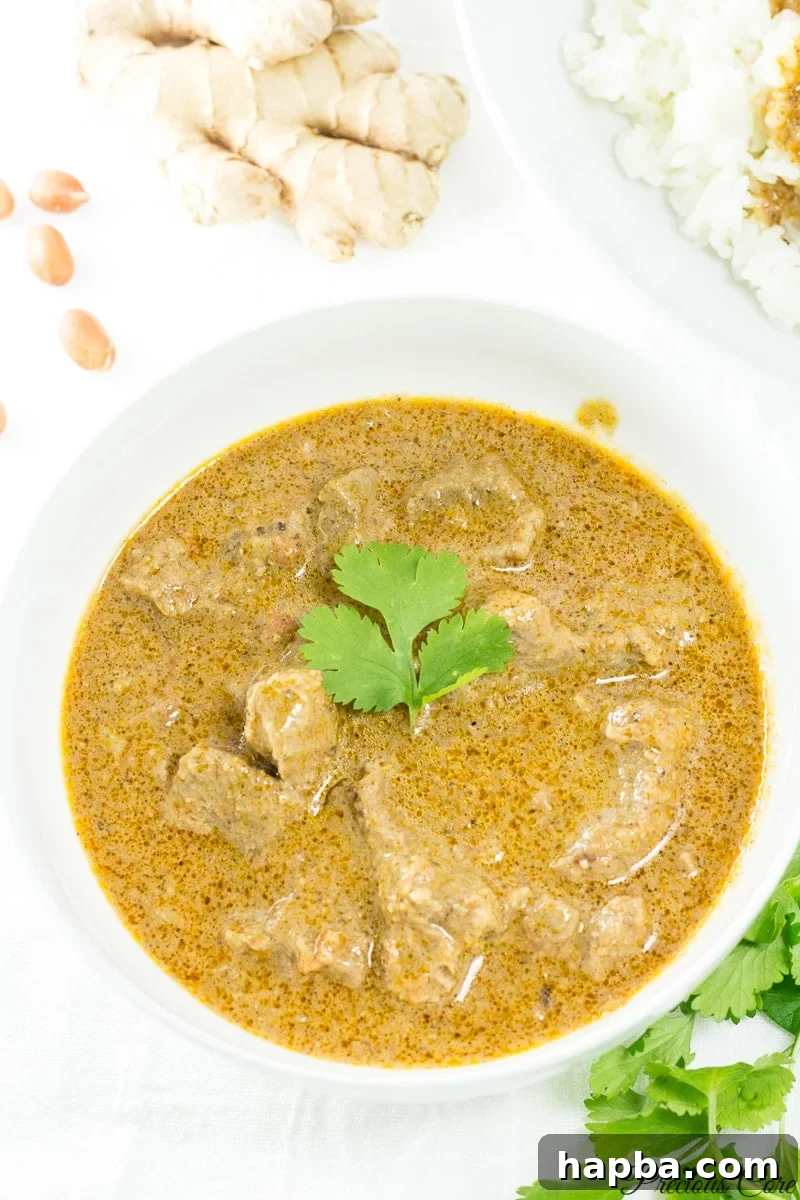
A Culinary Journey: Regional Variations of Groundnut Soup Across Africa
Groundnut soup is a truly pan-African dish, with each country and even different regions within countries boasting its unique interpretation. This rich culinary tapestry results in a delightful array of flavors and textures. For instance, some preparations might incorporate palm oil for a distinctive, earthy undertone and vibrant color, while others stick to vegetable oil. The choice of protein also varies widely; beyond beef and chicken, you’ll find versions made with goat meat, fish (fresh or smoked), or even a combination of various meats and seafood for a truly complex flavor. Vegetarian versions, utilizing mushrooms or other plant-based proteins, are also increasingly popular.
Moreover, vegetables like potatoes, carrots, spinach, or other leafy greens are often added to enrich the soup and add further nutritional value. This adaptability is one of the reasons for its widespread appeal and why it’s a beloved dish across the continent.
The soup also goes by many names, reflecting its broad geographic reach and diverse cultural heritage. In Ghana, it is famously known as Nkatenkwan. In other West African countries, it’s widely recognized as Maafe, a name also shared with peanut stews from Senegal, Mali, and other Francophone nations, where it’s also called sauce d’arachide. Some simply refer to it as “peanut stew” or “groundnut soup.” I recall my Ugandan neighbor referring to it as “peanut butter soup,” which perfectly captures its creamy essence. Regardless of its name, this hearty and flavorful dish enjoys immense popularity, particularly among African communities both on the continent and in the diaspora.
Perfect Pairings: How to Enjoy Your Groundnut Soup
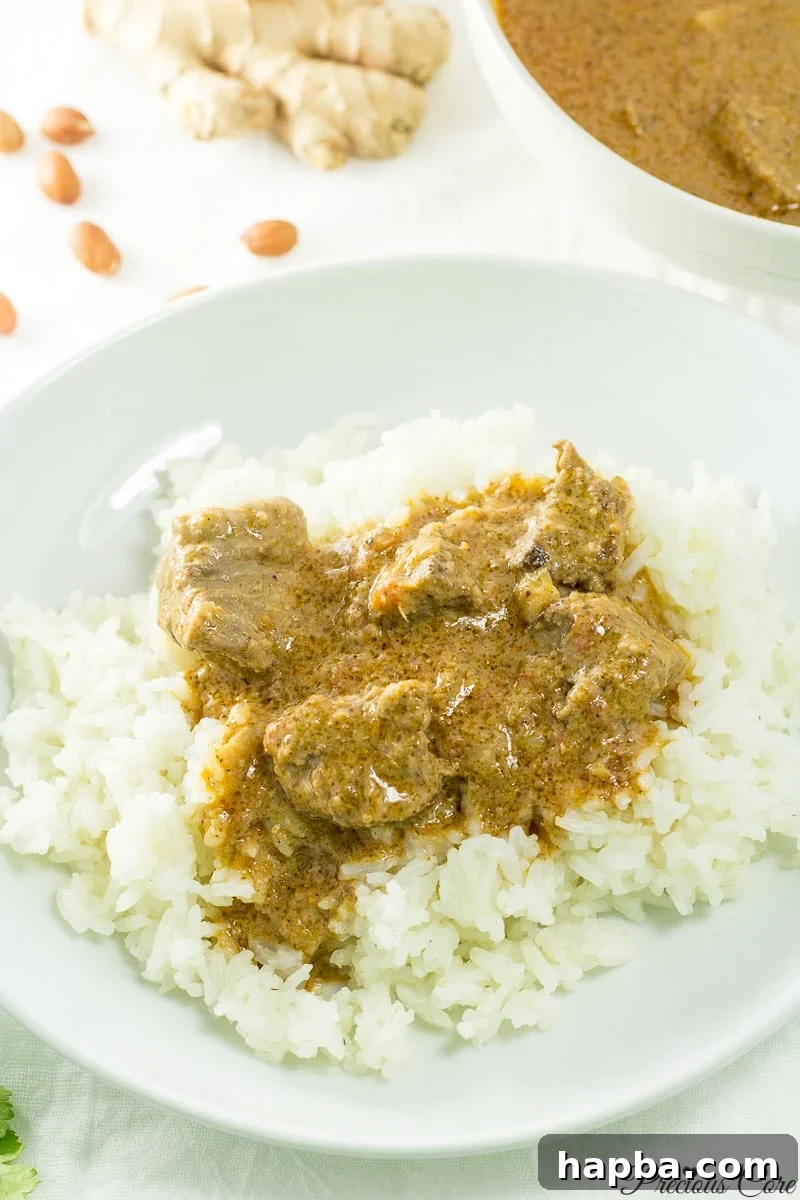
One of the joys of Groundnut Soup is its incredible versatility when it comes to serving. While it’s delicious on its own, it truly shines when paired with a starchy side that can soak up its rich, creamy goodness. My personal favorite combination, which I affectionately call “THE BOMB,” is groundnut soup served generously over a bed of fluffy white rice. The contrasting textures and the way the rice absorbs the savory sauce create a harmonious and deeply satisfying meal.
Beyond rice, there are numerous traditional African accompaniments that complement groundnut soup beautifully. These include boiled plantains, which offer a subtle sweetness and soft texture; pounded yam (iyan or fufu), a thick, dough-like staple that’s perfect for scooping up the soup; or cooked garri (eba), made from cassava flour, providing a slightly coarser texture and a distinct flavor. Each pairing offers a different experience, allowing you to explore the diverse culinary traditions that embrace this incredible soup. No matter how you choose to enjoy it, this dish promises a delightful and filling experience.
Crafting Your Authentic Groundnut Soup: A Step-by-Step Guide
To help you visualize the entire cooking process and ensure a perfect result, I’ve also prepared a video tutorial. Watching the steps unfold can often clarify nuances that text alone might miss, making your cooking experience even more enjoyable and successful. You can find the video below, demonstrating how effortlessly this incredible soup comes together in your kitchen.
Watch the video to see how this delicious soup is made:
And for a detailed, printable version, here is the full recipe to guide you:
Groundnut Soup
15 minutes
30 minutes
45 minutes
6
people
Save Recipe
Saved Recipe
Pin Recipe
Rate
Print Recipe
Ingredients
-
1
cup
raw groundnuts (peanuts) -
1
pound
beef (about 1/2 kg)- cut into small slices -
5
garlic cloves – peeled -
1/2-1
inch
ginger – peeled -
1
onion – chopped -
2
tomatoes – diced or blended -
1/2
cup
oil – I used canola -
3
small seasoning cubes (Maggi) -
1
teaspoon
salt -
1
hot (habanero) pepper – optional
Instructions
-
Place the raw groundnuts (peanuts) in a dry skillet or frying pan over medium heat. Roast them for about 5-10 minutes, stirring frequently to ensure even browning and prevent burning. They should develop a beautiful golden-brown color with some darker spots, indicating they are well-roasted and fragrant.
-
While the groundnuts are roasting, thoroughly wash your beef (or chosen protein) and cut it into small, manageable slices or cubes. Place the beef in a pot with approximately 2 cups of water. Add half a teaspoon of salt and one Maggi cube (or your preferred bouillon). Bring to a boil, then reduce heat to medium-high and let it cook for about 20 minutes, or until the meat is tender. Keep an eye on the water level and add more if needed to prevent it from drying out completely.
-
Once your groundnuts are perfectly roasted and have cooled completely, transfer them to a food processor or a coffee grinder. Grind them into a fine powder, then continue processing until they form a smooth paste. If you desire a slightly looser paste, gradually add about a cup of water while blending. Set aside.
-
In a separate blender, combine the peeled garlic cloves, ginger, and the optional habanero pepper (if you enjoy a spicy kick). Blend until a smooth paste is formed.
-
At this point, your beef should be tender and cooked through. Carefully pour the cooked beef and its flavorful stock into a separate bowl. Return the empty pot to the stove over medium-high heat to dry out any remaining liquid. Once dry, add the cooking oil and allow it to heat up. Add the chopped onions and sauté them until they become translucent and fragrant, releasing their sweet aroma. Next, add the diced or blended tomatoes and fry them down. Cook the tomatoes until all their acidity has evaporated, indicated by a lack of sour taste and a richer, deeper red color.
-
Now, add the blended ginger, garlic, and pepper mixture to the pot, stirring well to combine with the tomato base. Return the cooked beef and its stock to the pot. Incorporate the groundnut paste, the remaining seasoning cubes, and half a teaspoon of salt. Mix all the ingredients thoroughly until everything is well combined and the groundnut paste has dissolved into the liquid. Bring the soup to a gentle simmer and let it cook for about 5-10 minutes, allowing all the flavors to meld beautifully. Taste and adjust the seasoning as needed, adding more salt or bouillon if desired. You can also adjust the consistency of the soup by adding a little more water or stock if you prefer a thinner consistency.
-
Serve your rich and creamy Groundnut Soup warm. It pairs perfectly with white rice, boiled plantains, or any fufu of your choice (like pounded yam or garri). Garnish with a fresh herb if desired. Enjoy this authentic taste of West Africa, friends!
Notes
While beef is traditional, you can easily customize this recipe with other proteins. Chicken (thighs or drumsticks work well), various types of fish (such as hake or tilapia, fresh or smoked), or even mushrooms for a delicious vegetarian option are all excellent choices. Adjust cooking times accordingly for your chosen protein.
Nutrition
Calories:
465
kcal
|
Carbohydrates:
9
g
|
Protein:
22
g
|
Fat:
40
g
|
Saturated Fat:
7
g
|
Polyunsaturated Fat:
10
g
|
Monounsaturated Fat:
22
g
|
Trans Fat:
1
g
|
Cholesterol:
52
mg
|
Sodium:
935
mg
|
Potassium:
580
mg
|
Fiber:
3
g
|
Sugar:
2
g
|
Vitamin A:
368
IU
|
Vitamin C:
10
mg
|
Calcium:
56
mg
|
Iron:
3
mg
Additional Info
Soup
African
465
Tried this recipe?
Mention @preciouscore or tag #PreciousCore!
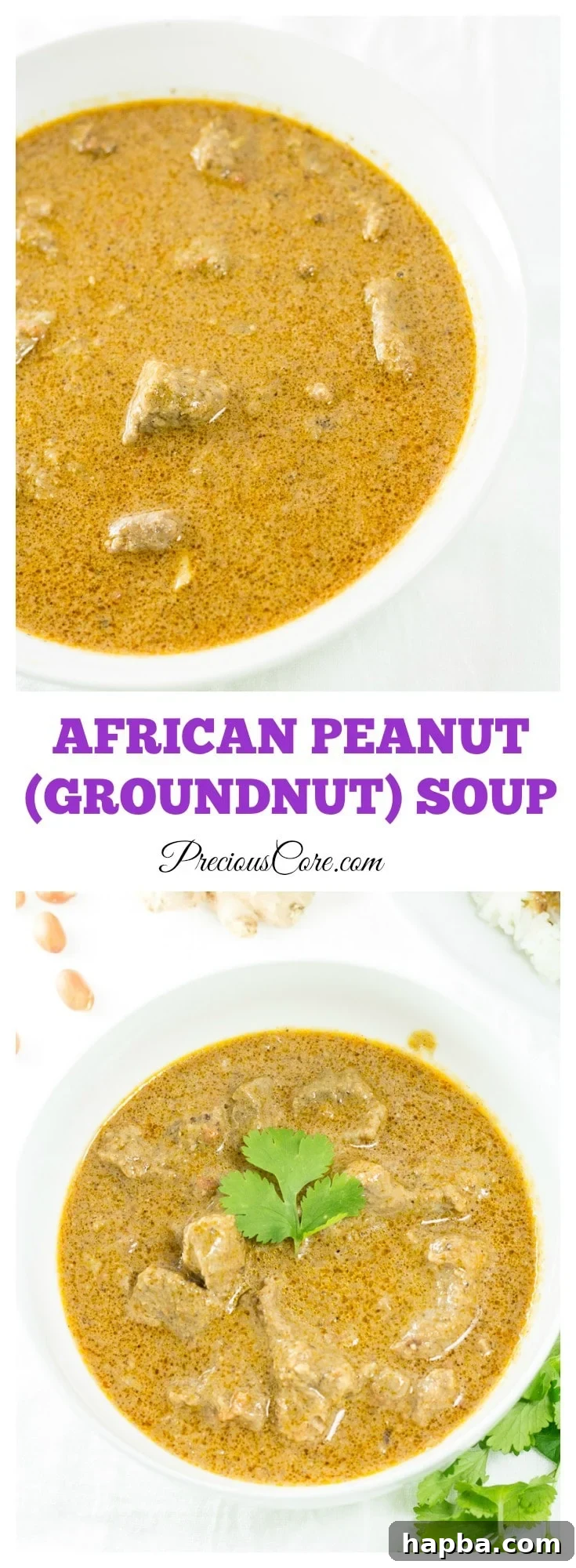
I genuinely hope this detailed guide helps you create a magnificent pot of Groundnut Soup. The aroma, the creamy texture, and the rich, nutty flavor are sure to make it a new favorite in your culinary repertoire. If you embark on this delicious cooking journey and make this soup, I would absolutely love to see your creations! Please share a photo on Instagram and remember to tag me: @preciouscore. Happy cooking!