Yuca Fries: The Ultimate Guide to Crispy, Golden Cassava Delights
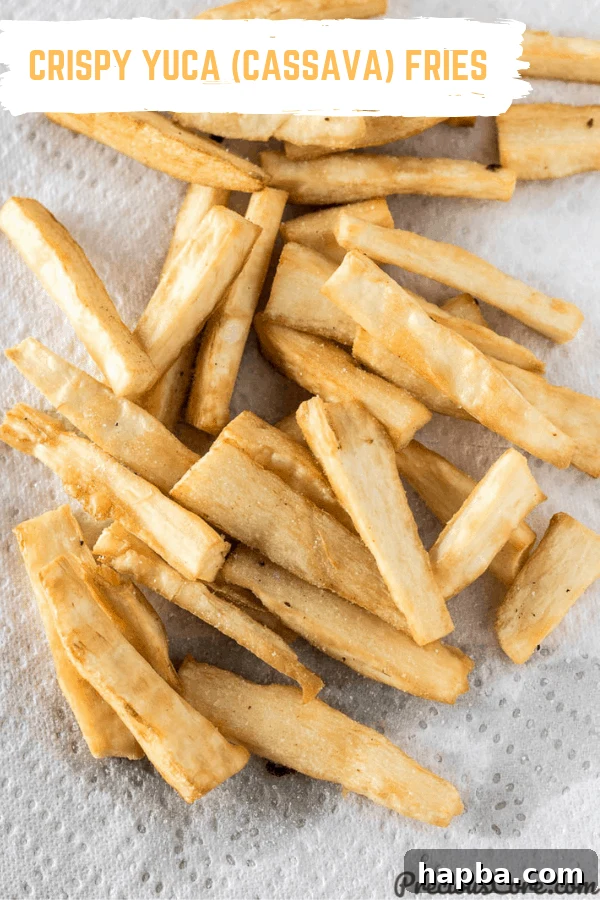
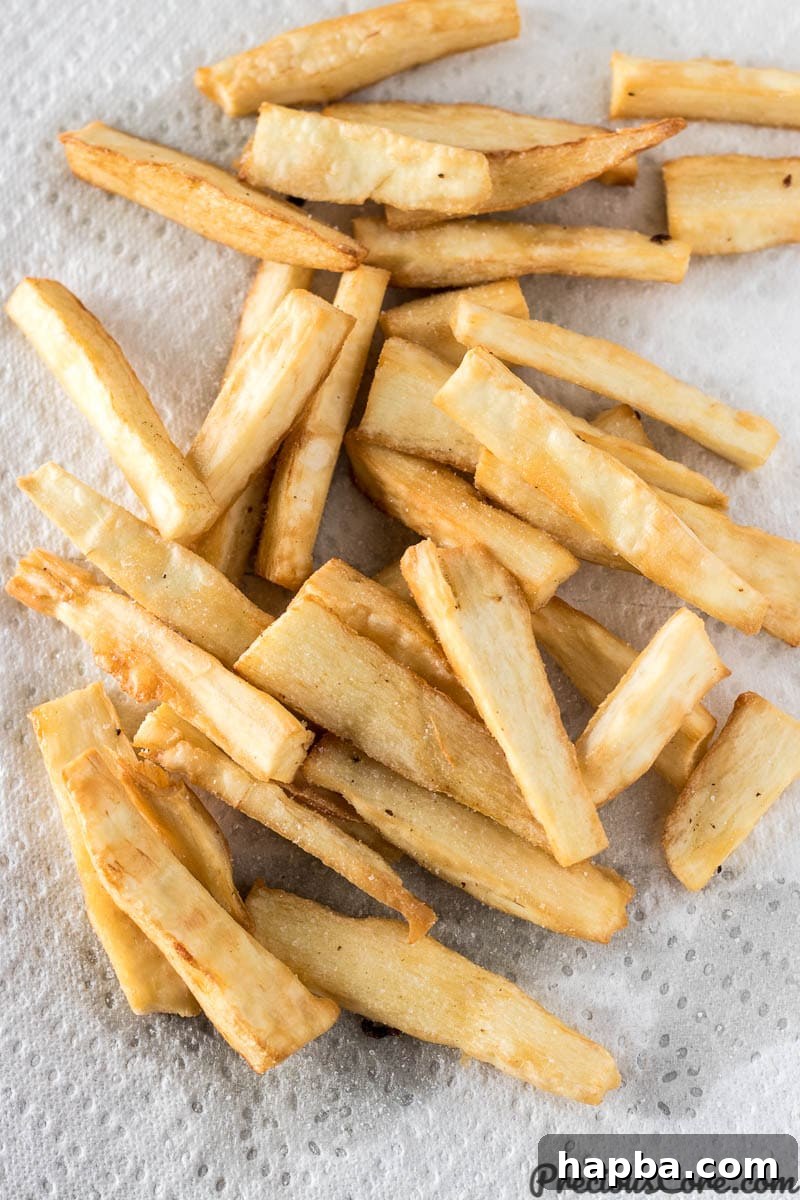
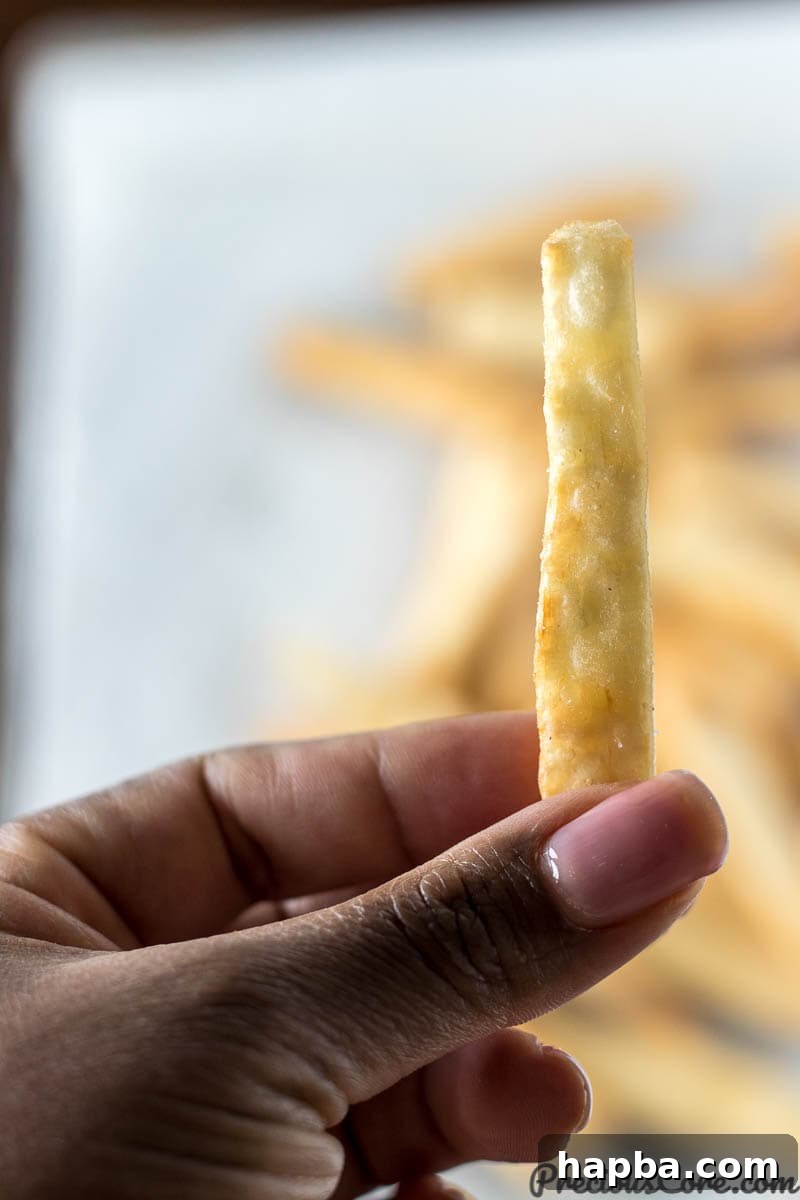
Have you ever experienced the sheer delight of perfectly cooked Yuca Fries? Also known as Cassava Fries, these golden culinary treasures are quickly rising to the top of many food lovers’ lists, right alongside beloved plantain fries. What makes them so special? It’s that irresistible combination of a gloriously crispy exterior giving way to a wonderfully fluffy, creamy interior. Once you try them, you’ll understand why they’re so addictive!
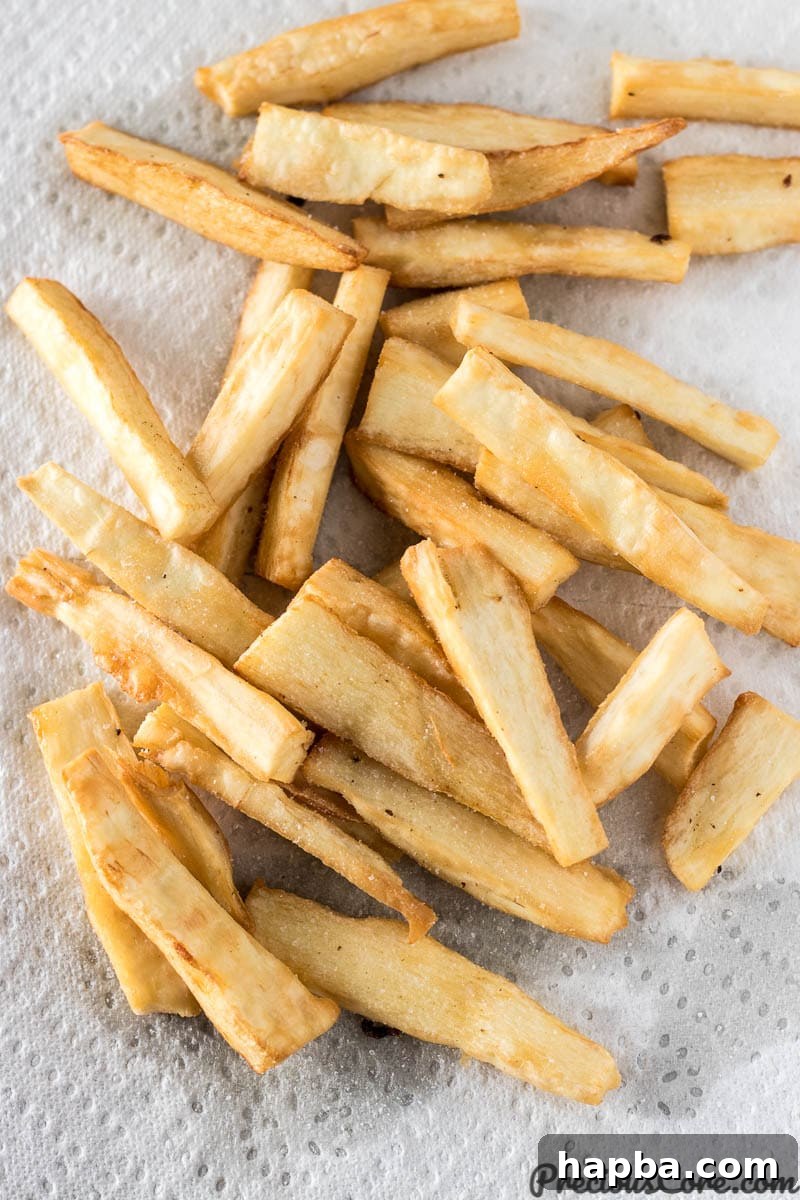
Imagine biting into a fry that’s perfectly seasoned with just a sprinkle of sea salt. The natural, mild sweetness of the yuca shines through, enhanced by the satisfying crunch. When I first made these for my family, they were devoured almost instantly, no dip even necessary! The simple elegance of sea salt was all that was needed to elevate their incredible flavor. If you’re looking for a delightful alternative to traditional potato fries, Yuca Fries are an absolute must-try. Their unique texture and subtle taste make them a standout choice for any snack time or meal.
What is Yuca? Exploring the Cassava Root
Yuca, scientifically known as Manihot esculenta, is a starchy root vegetable with a rich history and immense cultural significance. It goes by many names around the world, most commonly “cassava” or “manioc,” and is a staple food for over half a billion people globally. Native to South America, yuca is extensively cultivated and consumed across Africa, Asia, and the Caribbean, particularly in tropical and subtropical regions where it thrives in challenging agricultural conditions.
This versatile tuber plays a crucial role in the diets of many communities, providing a significant source of carbohydrates. Unlike many vegetables, yuca is incredibly resilient, able to grow in poor soils and withstand periods of drought, making it a reliable food source in many parts of the world. While raw yuca contains traces of cyanide compounds, these are safely removed through proper cooking methods like boiling and frying, which have been practiced for centuries.
From its humble beginnings as a staple crop, yuca has evolved into a global culinary ingredient, used to produce a wide array of foods. These include tapioca (a starch extracted from yuca), various flours used in baking and traditional dishes, and fermented products like garri in West Africa, abacha, bobolo, and the beloved fufu. Its adaptability in the kitchen is truly remarkable, making it a cornerstone of many diverse cuisines.
Unveiling the Taste of Yuca: A Unique Flavor Profile
Describing the taste of yuca can be a bit elusive because it genuinely “tastes like yuca.” However, its flavor is generally mild, with subtle earthy and slightly nutty undertones. It doesn’t possess an overpowering taste, allowing it to easily absorb and complement the flavors of other ingredients it’s paired with. In terms of texture, when cooked, yuca is quite dense and starchy, often compared to a potato, but with a unique firmness and a creamier, sometimes waxier, mouthfeel.
While often likened to potatoes due to their shared starchy nature, yuca offers a distinct culinary experience. It’s less floury than a typical potato and holds its shape exceptionally well after cooking. This makes it perfect for preparations like fries, where you want a substantial bite and a satisfying internal softness beneath a crispy shell. Its subtle sweetness and distinct texture are what set it apart, making it a fascinating ingredient to explore in your kitchen.
Nutritional Benefits of Yuca: More Than Just a Delightful Fry
Beyond its delicious taste and satisfying texture, yuca also offers a range of nutritional benefits that contribute to a healthy diet. It’s predominantly known for being an excellent source of complex carbohydrates, providing sustained energy. This makes it a valuable staple food, particularly in regions where it’s a primary dietary component.
- Rich in Carbohydrates: Yuca is a power-packed source of energy, primarily from its complex carbohydrates, which are essential for fueling your body’s activities.
- Vitamin C: It contains a decent amount of Vitamin C, an important antioxidant that supports the immune system and plays a role in skin health.
- Dietary Fiber: Yuca provides dietary fiber, which aids in digestion, promotes gut health, and can help regulate blood sugar levels.
- Potassium: This root vegetable is a good source of potassium, an essential mineral for maintaining healthy blood pressure and proper muscle and nerve function.
- Manganese and Folate: It also offers smaller amounts of other beneficial nutrients, including manganese, which is important for bone health and metabolism, and folate, crucial for cell growth and function.
- Gluten-Free: Naturally gluten-free, yuca and its derivatives (like cassava flour) are excellent alternatives for individuals with gluten sensitivities or celiac disease, making it a versatile ingredient for a wider range of dietary needs.
Incorporating yuca into your diet, whether as fries, boiled side dishes, or in other forms, can be a delicious way to enjoy these nutritional advantages.
Beyond Fries: Versatile Uses of Yuca in Global Cuisine
Given its potato-like texture and mild flavor, yuca can be treated in many similar ways to potatoes, but its unique characteristics open up even more culinary possibilities. Its versatility makes it a beloved ingredient in various global cuisines. Here are just a few ways to enjoy yuca beyond making crispy fries:
- Boiled Yuca: One of the simplest and most traditional ways to enjoy yuca is by boiling it until fork-tender. It makes a fantastic, hearty side dish, often enjoyed with savory stews or soups. For instance, I love pairing boiled yuca with my rich African Spinach Stew, where its subtle flavor perfectly balances the stew’s intensity. It’s equally delicious with hearty meat dishes or simply on its own with a drizzle of olive oil and a sprinkle of salt.
- Mashed Yuca: Once boiled, yuca can be mashed into a creamy, comforting side, much like mashed potatoes. It often incorporates butter, garlic, or other seasonings to create a flavorful accompaniment to a main course.
- Roasted Yuca: For a healthier alternative to frying, roasting yuca chunks with herbs and spices brings out its natural sweetness and provides a tender, slightly caramelized texture.
- Yuca in Soups and Stews: Chunks of yuca can be added to soups and stews, where they absorb the broth’s flavors and contribute a comforting, starchy element, thickening the dish naturally.
- Flours and Starches: Yuca is the source of many important food products. Tapioca starch, used for thickening and in desserts, is derived from yuca. Cassava flour is a popular gluten-free flour used in baking and to make traditional dishes like farofa (toasted flour) in Brazil, or the African staples like fufu and garri, which are crucial components of meals across the continent.
Whether you’re exploring new cuisines or seeking a delightful and nutritious alternative to your usual starches, yuca offers a world of delicious possibilities.
How To Make Perfect Yuca Fries: Crispy, Fluffy, Irresistible
Creating those irresistible crispy-on-the-outside, fluffy-on-the-inside Yuca Fries is simpler than you might think, but there are a few key steps to ensure perfection. Follow this detailed guide to achieve the ultimate yuca fry experience.
1. Preparing the Yuca
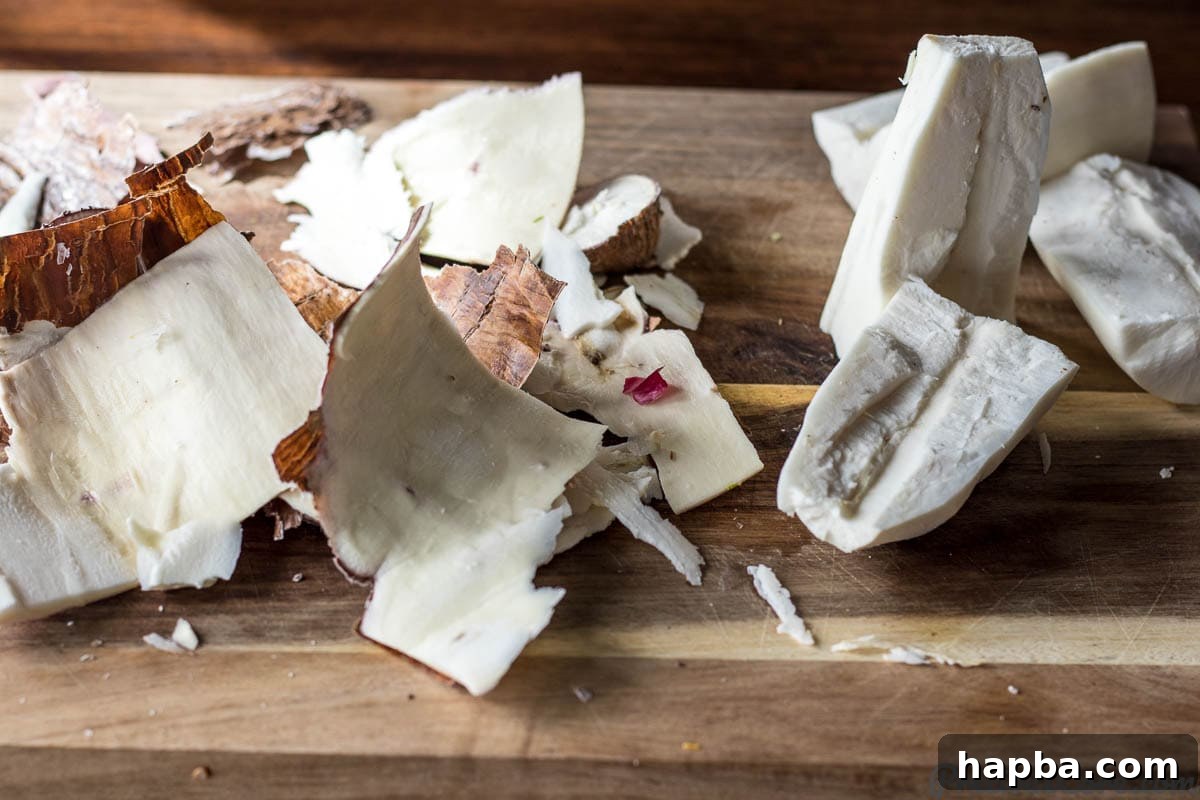
- Peel the Yuca: Yuca has a tough, waxy brown skin that needs to be removed. You can use a sturdy vegetable peeler, but many find it easier to use a paring knife. First, cut the yuca tuber into 2-3 shorter, manageable pieces. Then, carefully make a shallow slit lengthwise into the skin of each piece. Using your knife, wedge it under the skin and peel it away from the white flesh, working your way around the entire piece. Be cautious as the skin can be quite resistant.
- Wash and Dry: After peeling, wash the yuca pieces thoroughly to remove any dirt or residue. Pat them completely dry with paper towels.
- Cut into Fries: Once peeled, cut the yuca into your desired fry shape and size. For even cooking, try to make them as uniform as possible, similar to steak fries or slightly thinner. Remember to remove the fibrous stringy core that runs down the center of some yuca pieces, especially larger ones, as it can be tough and unpleasant to eat.
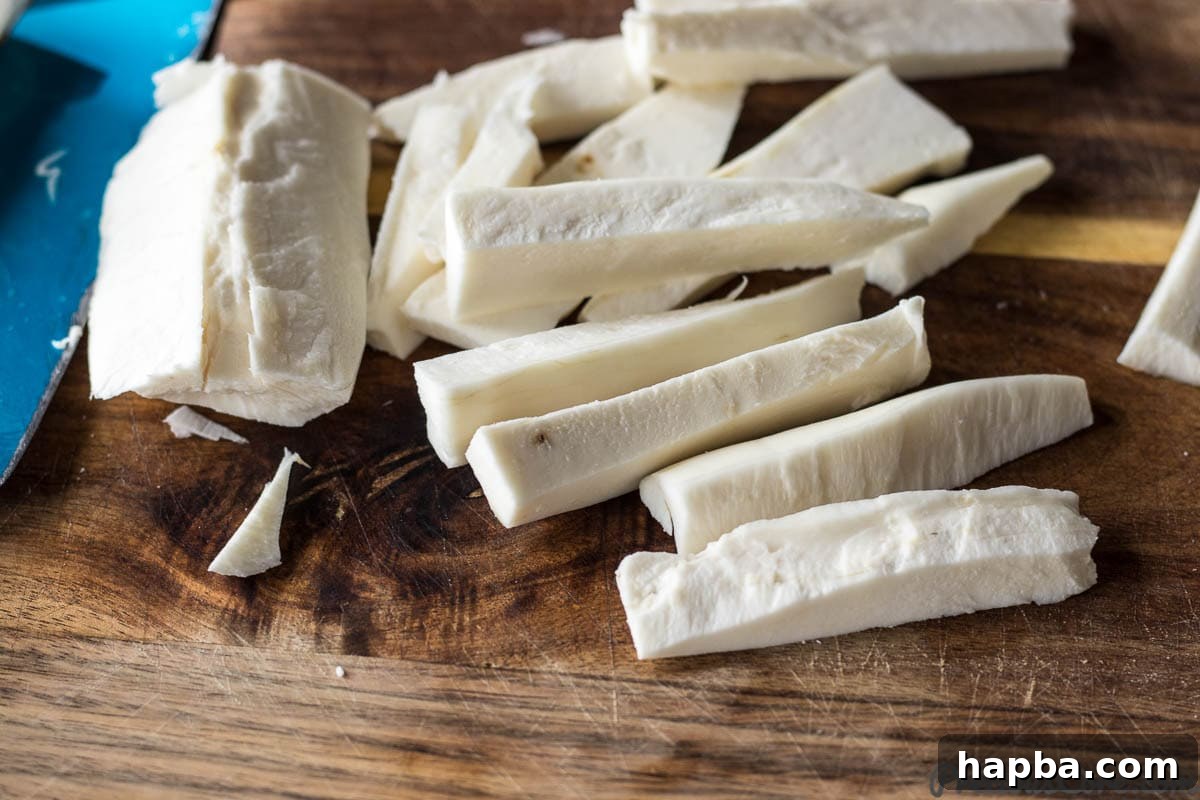
2. The Crucial Step: Par-Boiling
This step is often overlooked but is absolutely essential for achieving the perfect crispy exterior and fluffy interior. Par-boiling softens the yuca’s starchy core, ensuring it cooks through evenly and develops that desirable texture when fried.
- Boil the Yuca: Place the cut yuca pieces in a large pot and cover them with cold, salted water. Bring the water to a boil over medium-high heat.
- Cook Until Tender: Reduce the heat and simmer the yuca for about 15-20 minutes, or until they are fork-tender but not mushy. They should still hold their shape. This process also helps to remove any residual bitterness from the yuca.
- Drain and Dry: Once tender, carefully drain the yuca in a colander. It’s extremely important to let them dry thoroughly. You can spread them out on a baking sheet lined with paper towels and let them air dry for a bit, or gently pat them dry to remove as much surface moisture as possible. Excess moisture leads to soggy fries and dangerous oil splattering.
3. Frying for Perfection
- Heat the Oil: In a deep pot or Dutch oven, pour about 3-4 inches of a neutral, high smoke-point oil (like vegetable, canola, or peanut oil). Heat the oil to 350-375°F (175-190°C). A kitchen thermometer is highly recommended for accurate temperature control.
- Fry in Batches: Carefully place a batch of par-boiled yuca fries into the hot oil. Do not overcrowd the pot, as this will lower the oil temperature and result in greasy, less crispy fries. Fry in small batches to maintain optimal oil temperature.
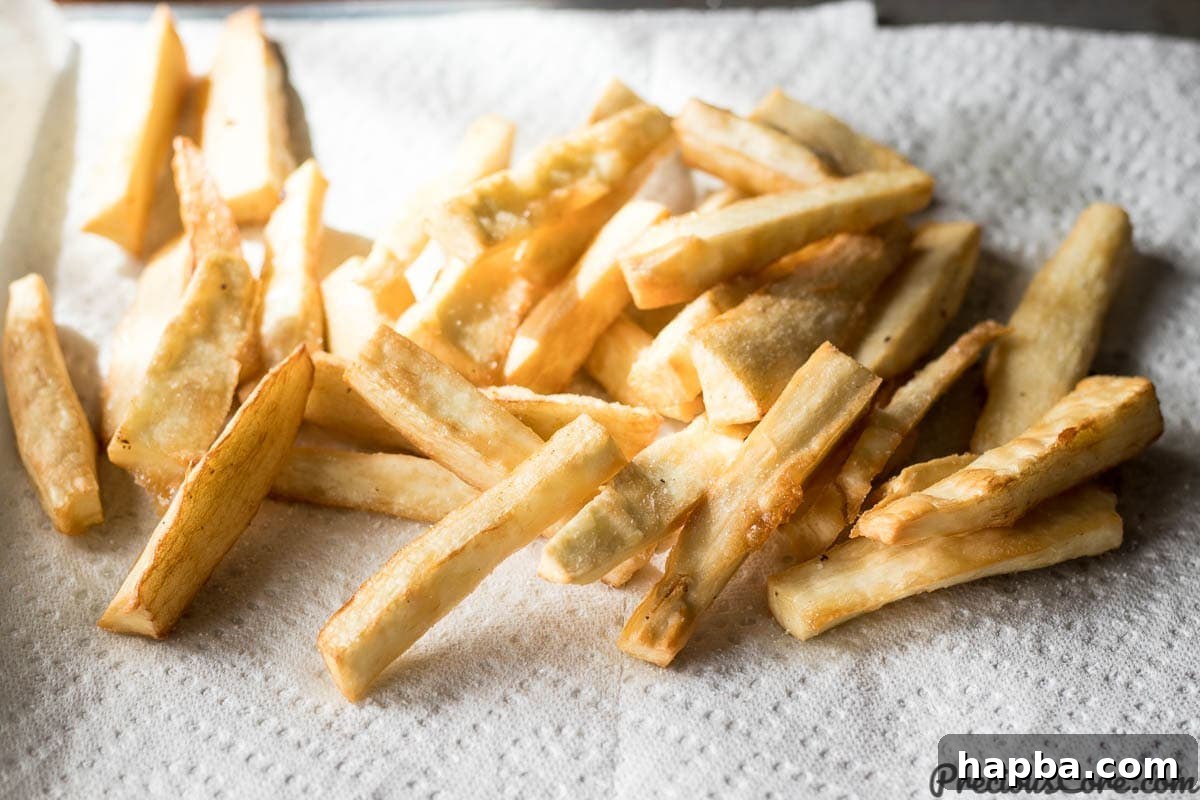
- Cook Until Golden and Crispy: Fry the yuca for about 5-8 minutes per batch, or until they are beautifully golden brown and crispy on the outside. They should float to the surface when done.
- The Golden Rule: Don’t Overfry! This is critical. As soon as the fries reach their perfect golden crispness, remove them immediately. If you leave them to fry for too long, they will toughen up and become hard and chewy instead of delightfully fluffy.
4. Seasoning and Serving
- Drain Excess Oil: As you remove each batch of fries from the oil, place them on a plate or baking sheet lined with several layers of paper towels to absorb any excess oil.
- Season Immediately: While still hot, generously sprinkle the yuca fries with sea salt or your preferred seasoning blend. The heat helps the salt adhere perfectly.
- Enjoy Warm: Yuca fries are best enjoyed immediately, while they are still warm and at their crispiest. As they cool, they tend to become harder. Pair them with your favorite dipping sauce—classic ketchup, a spicy mayo, a vibrant cilantro-lime aioli, or even a fresh chimichurri. They are also fantastic on their own, just as they are!
Common Questions About Yuca Fries
- Can I bake or air fry Yuca Fries? Absolutely! For a healthier option, you can bake or air fry them. After par-boiling and thoroughly drying the yuca, toss them with a little oil and your favorite seasonings. Bake at 400°F (200°C) for 25-35 minutes, flipping halfway, until golden and crispy. For air frying, preheat to 375°F (190°C) and cook for 15-20 minutes, shaking the basket frequently, until crisp.
- How do I store and reheat Yuca Fries? While best enjoyed fresh, leftover yuca fries can be stored in an airtight container in the refrigerator for up to 3 days. To reheat, spread them on a baking sheet and bake at 375°F (190°C) for 10-15 minutes, or air fry at 350°F (175°C) for 5-7 minutes, until reheated and crispy. Microwaving is not recommended as it will make them soggy.
- Why are my Yuca Fries tough or soggy? Tough yuca fries usually mean they were fried for too long or weren’t adequately par-boiled to soften the starch. Soggy fries are often due to overcrowding the frying pot (which lowers oil temperature) or not properly drying the par-boiled yuca before frying, causing excess moisture to steam rather than crisp.
More Irresistible Fry Recipes to Explore
If you loved these Yuca Fries, you’re in for a treat! The world of fries is vast and exciting, with endless variations to discover. Here are some more delicious fry recipes you might enjoy trying next:
Loaded French Fries
Plantain Fries
Best Seasoning For French Fries
The Ultimate Yuca Fries Recipe
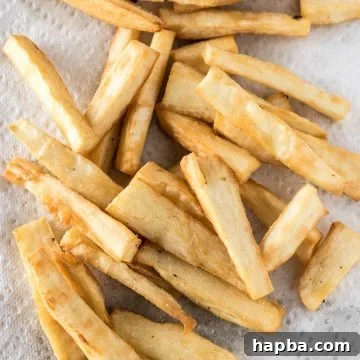
Yuca Fries
Super crispy Yuca Fries. You will fall in love with these crispy-on-the-outside and fluffy-on-the-inside fries!
Prep Time: 15 mins
Cook Time: 20 mins
Total Time: 35 mins
Servings: 4 servings
Rate Recipe
Print Recipe
Ingredients
- 1 (8-inch) yuca tuber
- Sea salt, for sprinkling
- Oil, for deep frying (e.g., vegetable, canola, or peanut oil)
Instructions
- Prepare the Yuca: Peel the yuca by cutting the tuber into 2-3 pieces. Use a sturdy potato peeler or a paring knife to make a slit in the skin and peel it away from the flesh.
- Wash and Cut: Wash the peeled yuca pieces thoroughly and pat them completely dry with paper towels. Cut the yuca into uniform fry shapes, ensuring to remove any fibrous core if present.
- Par-Boil: Place the cut yuca in a large pot, cover with cold, salted water, and bring to a boil. Simmer for 15-20 minutes until fork-tender but not mushy. Drain well and let dry completely on a paper towel-lined baking sheet.
- Heat Oil: In a deep pot, add oil to a depth of 3-4 inches. Heat to 350-375°F (175-190°C). Use a kitchen thermometer for accuracy.
- Fry in Batches: Carefully add yuca fries to the hot oil in small batches to avoid overcrowding. Fry for 5-8 minutes per batch, or until golden brown and crispy on the outside.
- Drain and Season: As soon as the fries are crispy, remove them from the oil and place them on paper towels to absorb excess oil. Immediately sprinkle generously with sea salt.
- Serve: Enjoy warm. Yuca fries are best eaten fresh. If allowed to cool, they may become hard. Pair with your favorite dipping sauce or enjoy as is.
Notes
- Be sure to take out the fries as soon as they are crispy to prevent them from becoming tough and chewy.
- Always place the hot fries on paper towels to absorb excess oil before seasoning.
- For the best experience, enjoy Yuca fries warm. They tend to harden as they cool down.
Nutrition Information (per serving, approximate)
- Calories: 163 kcal
- Carbohydrates: 39g
- Protein: 1g
- Fat: 0.3g
- Saturated Fat: 0.1g
- Polyunsaturated Fat: 0.1g
- Monounsaturated Fat: 0.1g
- Sodium: 14mg
- Potassium: 276mg
- Fiber: 2g
- Sugar: 2g
- Vitamin A: 13 IU
- Vitamin C: 21mg
- Calcium: 16mg
- Iron: 0.3mg
Additional Information
Course: Side Dish, Snack
Cuisine: African, South American
If you make this recipe, please leave a star rating below in the comments! Your rating helps others find the recipe, and I love hearing from you! Thank you!