
Unveiling the Cameroonian Spirit: More Than Just a Nation, It’s a Vibrant Identity
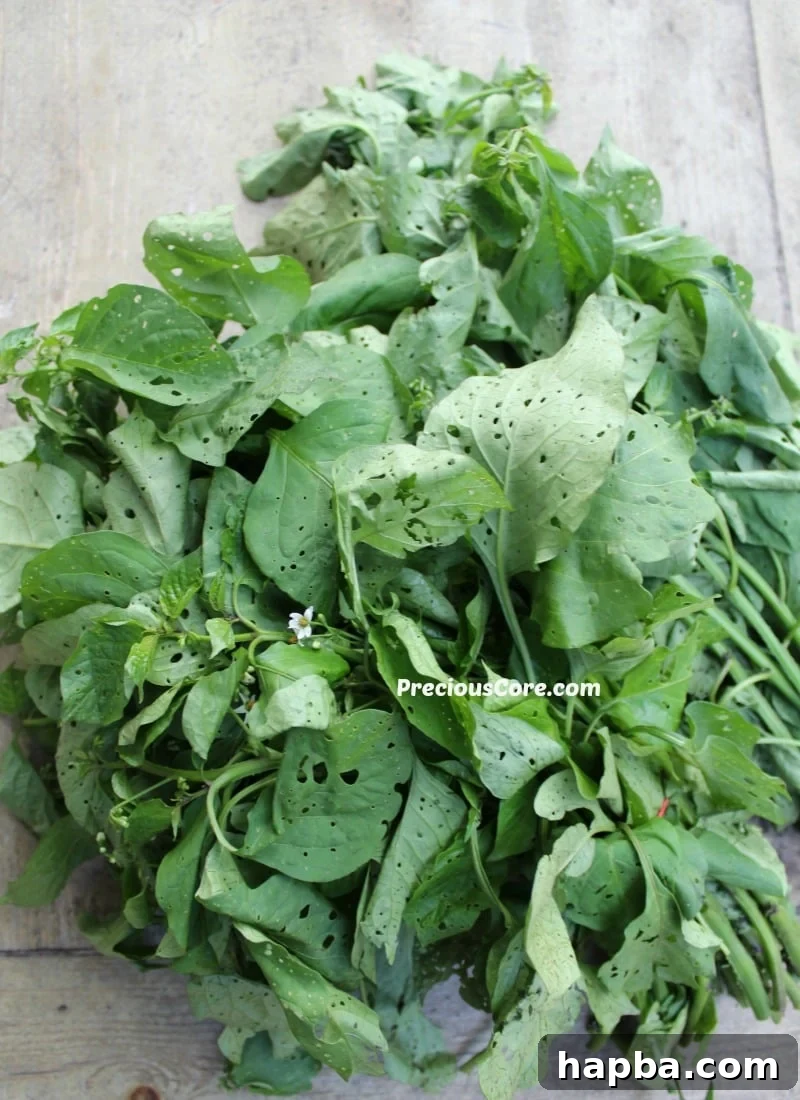
Just the other day, Mr. N walked through the door, his arms laden with bags of fresh Njama Njama, a vibrant green leaf also known in English as garden huckleberry, fresh from the bustling farmer’s market. It sparked a conversation, a shared chuckle about how effortlessly one can spot a fellow Cameroonian in such a setting. Our eyes, almost instinctively, sweep across the produce stalls, searching with an unwavering focus for those beloved greens. There’s a particular intensity, a certain gleam in the eye, as if these leaves hold the very essence of life itself. It’s a moment of profound recognition, a silent acknowledgement of shared heritage.
That simple observation sent my thoughts spiraling, reflecting on the myriad of elements that coalesce to forge the unique, vibrant identity of Cameroonians. It’s a rich tapestry woven from culinary traditions, linguistic nuances, cherished childhood memories, and a collective experience that binds us together. It’s a tapestry that makes you nod knowingly and smile inwardly, whispering to yourself, “Ah yes, you know you are Cameroonian when…”
The Culinary Heartbeat: Food as an Expression of Life
1. Party time isn’t just an event; it’s a gastronomic marathon. For Cameroonians, any gathering, be it a wedding, a birthday, or a simple family reunion, transforms into an elaborate feast. It’s an unspoken rule: eat, drink, repeat. Food isn’t merely sustenance; it’s the centerpiece of celebration, a symbol of abundance, joy, and community. The sheer volume and variety of dishes laid out reflect our boundless generosity and love for life.
2. Your definition of “good food” sings the praises of Eru, Ndole, and Roasted Fish. These aren’t just meals; they are culinary masterpieces that resonate deep within the Cameroonian soul. A plate of Eru, with its rich blend of spinaches and water fufu, or the savory delight of Ndole, featuring bitter leaves and peanuts, paired with a perfectly prepared Roasted Fish, evokes pure, unadulterated bliss. These dishes are more than just flavors; they are experiences, deeply intertwined with cherished memories and moments of profound satisfaction.
3. The local brew has its own distinct vocabulary. You’re unmistakably Cameroonian if you refer to beer not just as “beer,” but with affectionate, colloquial terms like “one man,” “shack,” or “mimbo.” These words carry a cultural weight, a shared understanding of conviviality and relaxed social interaction that transcends mere alcoholic beverage consumption.
4. The iconic duo: Puff Puff and Beans. It’s virtually impossible to grow up in Cameroon without having savored the comforting combination of fluffy, golden puff puff alongside a hearty bowl of beans. This ubiquitous street food breakfast or snack is a nostalgic touchstone, a simple yet deeply satisfying culinary experience shared by generations.
5. The universal frustration with “Mami Puff Puff.” And yes, you’ve likely, at some point, silently (or not so silently) cursed your favorite “Mami Puff Puff” vendor for daring to be unwell or absent on a day when your craving for her delectable puff puff was overwhelming. The temporary disappointment of a missed culinary opportunity, followed by a lighthearted “Wicked woman!” is a truly Cameroonian sentiment.
6. Christmas isn’t complete without rice. The festive season, particularly Christmas Day, carries an almost sacred culinary tradition: some form of rice must be cooked. Whether it’s Jollof, white rice with a rich sauce, or fried rice, this grain symbolizes celebration, prosperity, and the joy of sharing a special meal with loved ones.
7. Long road trips are culinary adventures. The prospect of a lengthy journey across Cameroon excites you not just for the destination, but for the treasure trove of street foods awaiting at every stop. The tantalizing aroma of “burning planti and plum” (roasted plantains and peanuts), succulent roasted fish, refreshing pamplemousse (grapefruit), and savory soya (grilled meat skewers) makes every roadside stop a mini-festival of flavors.
The Unbreakable Bonds: Family, Community, and Upbringing
8. Parental academic prowess is legendary. Every Cameroonian child has, at some point, heard the triumphant declaration from their father: “I was always first in school!” This anecdote isn’t just a proud recollection; it’s a subtle, yet firm, expectation of academic excellence, a constant reminder of the high value placed on education within the family. How, then, could you possibly fail?
9. The “Azahhh!!!” moment. A quintessential Cameroonian childhood memory involves your mother, calling out from seemingly across the house, demanding you fetch an item that is, in reality, mere inches from her reach. “Azahhh!!! Gimme that coco for front dey make ah peel am,” she might exclaim, a phrase that perfectly captures the blend of command and endearment in a Cameroonian household.
10. The expansive definition of “family.” Your home was never simply limited to a nuclear unit of father, mother, and children. Growing up Cameroonian often meant sharing your living space and your life with uncles, aunts, cousins, and a myriad of other relatives. This extended family network, like the cherished Pa and Ma Nchifor (a common respectful address), is a cornerstone of our society, offering unwavering support, guidance, and a constant sense of belonging.
Passions, Pastimes, and Everyday Quirks
11. Football: more than a game, it’s a way of life. Even if you aren’t personally a football fanatic, you are inextricably linked to it if you’re Cameroonian. The roar of the crowd, the fervent discussions, the collective elation or despair during national team matches – football permeates every layer of society. Your dad, your brothers, your neighbors; someone close to you undoubtedly lives and breathes the beautiful game, and their passion becomes part of your world.
12. The art of asking for “dash.” After a shopping transaction, you instinctively (and politely) ask for “dash.” This isn’t just a request for a small discount or an extra item; it’s a cultural practice, a playful negotiation that fosters goodwill and acknowledges the merchant’s generosity, a small bonus that sweetens the deal.
13. A beautiful linguistic tapestry. Cameroon is a bilingual nation, and this is reflected in your fluency. You speak English and at least some form of French – perhaps a “broken” conversational style, or a perfectly “fixed” academic one. Conversely, you might be a French speaker with a grasp of English. This linguistic fluidity is a hallmark of Cameroonian identity, allowing for seamless communication across diverse communities.
14. Childhood etched in games of Tabala, Cizo, Dodging, and Ehn Ehn. Your formative years were undoubtedly filled with the joyous shouts and laughter of traditional Cameroonian games. Playing Tabala (a clapping game), Cizo (scissors), dodging, and the endlessly adaptable “ehn ehn” (a general term for various playful activities) are rites of passage, building friendships and creating lasting memories on dusty playgrounds and street corners.
15. The indelible melodies of folk songs. Certain songs are ingrained in your memory, evoking a powerful sense of nostalgia. You likely sang or heard ditties like “Mr Cocoji e bikin di falla goat, E nack e food…” (Mr. Cocoji whose bicycle followed a goat, he crashed his food…). These catchy tunes are more than just songs; they are threads connecting generations, part of the communal soundtrack of childhood.
16. The epic pretend wars in uncompleted buildings. An abandoned construction site or an uncompleted building was not a derelict structure; it was a grand battlefield, a fort, or a secret base for elaborate pretend wars and imaginative adventures with your friends. These structures became backdrops for boundless creativity and daring escapades.
17. Ingenuity in play: cars made from flip-flops and wood. Resourcefulness was a key part of play. You crafted intricate toy cars from discarded flip-flops, pieces of wood, and bottle caps, demonstrating an early understanding of engineering and design long before formal lessons.
18. Culinary artistry with mud. Your childhood culinary experiments involved “cooking” mud as food, carefully portioned into empty tomato and sardine cans. These pretend meals, shared with imaginary guests, were a testament to the power of imagination and the imitation of adult life.
19. Flip-flops as “two-rope sleppas.” The common flip-flop is not just footwear; it’s affectionately known as “two-rope sleppas,” a descriptive and uniquely Cameroonian term that immediately conjures images of relaxed, everyday wear.
20. The legendary punctuality paradox. You may have a reputation for being fashionably late for almost everything in your life, but when it came to your American visa interview, you were undoubtedly there an hour early, impeccably dressed and radiating an unusual sense of promptness. This humorous contradiction highlights a blend of cultural flexibility and strategic adherence to critical timelines.
21. The endearing parental nicknames. Your mother isn’t just “Mom”; she’s “reme.” And your father isn’t simply “Dad”; he’s “repe.” These affectionate, unique terms are deeply personal ways of addressing your parents, signifying a closeness and warmth inherent in Cameroonian family dynamics.
22. The traditional division of labor and occasional exceptions. While growing up, your father likely had very little, if any, involvement in the kitchen. Traditional gender roles often placed culinary responsibilities squarely with the women. However, the occasional, brave foray by a father, like Mr. N who once attempted something resembling Irish Potato Hotpot and proudly declared it Poulet DG, provides moments of memorable, good-natured humor.
23. The camaraderie of “boh,” “massa,” or “o boy.” Your friends aren’t just “friends”; they’re affectionately called “boh,” “massa,” or “o boy.” These informal terms of endearment and address immediately signal a bond of brotherhood, familiarity, and shared experience amongst peers.
24. The distinction between “waiman” and “contri” names. While the world might know you by your official name, like “Precious,” your family members will lovingly use your “contri” (local/traditional) name, such as “Meshi,” “Ma Meshi,” or “Mamire.” This reflects the deep cultural significance placed on one’s ancestral name, the one that truly matters to those who know you best, distinguishing it from a more “waiman” (foreign) name.
25. Hospitality is served with food and drink. A visit to someone’s home in Cameroon is incomplete without an offer of food and/or drink. It’s not merely politeness; it’s a fundamental tenet of Cameroonian hospitality. This tradition runs so deep that a young boy once put his hands on his head in utter disbelief when my younger brother, visiting a neighbor, declined a drink offer. The unspoken sentiment was clear: “How you go deny mimbo???” (How could you refuse a drink?!), perfectly encapsulating the shock and cultural expectation.

These are just some of the vibrant threads that weave the rich fabric of what it means to be Cameroonian. From the aroma of our unique dishes to the laughter of childhood games and the warmth of extended family, our identity is a beautiful mosaic of traditions and experiences. Did I cover everything? I invite you, my fellow Cameroonians, to add your own distinct signs and share what truly defines your connection to our beloved country. What are the unique characteristics that define the people of your country? Please share your insights and stories in the comments below!