
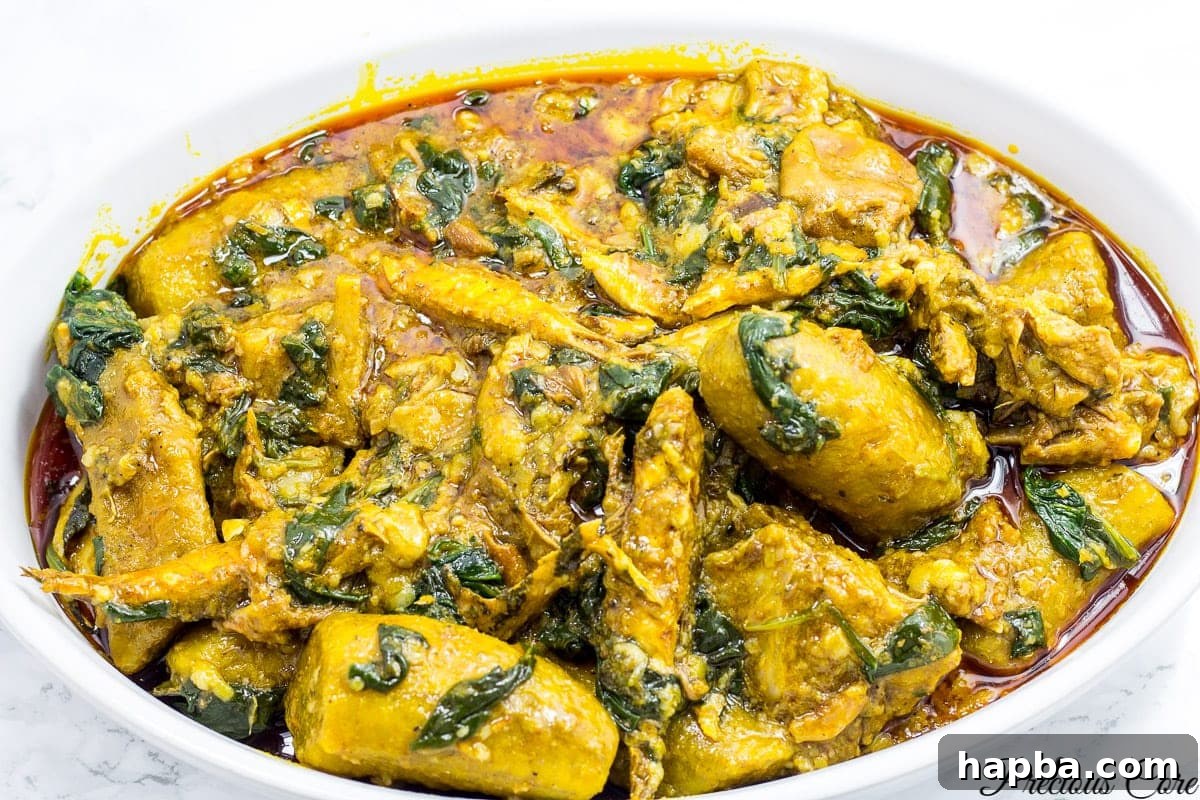
Welcome to a culinary journey that takes you deep into the heart of Cameroonian cuisine with one of its most cherished and uniquely named dishes: **Cameroonian Plantain Porridge**. This vibrant, hearty, and incredibly flavorful one-pot meal is so beloved across Cameroon that it has garnered a delightful array of nicknames, each telling a piece of its story. You might hear it affectionately called “Born House Planti,” “Porridge Planti,” or even “Turning Planti.” There’s also a closely related, equally delicious variation known as “Sese Planti.” For those unfamiliar, “planti” is the endearing local shorthand for plantain, a staple fruit that forms the foundation of countless West African dishes. Prepare to discover a meal that isn’t just food, but a celebration of culture, community, and comfort.
Just like how beloved dishes around the world earn their affectionate monikers – Spaghetti Bolognese becoming “Spag Bol” or Pounded Yam known as “Poundi” – the versatility and deliciousness of plantains have earned them the simple, catchy name “Planti.” It’s a testament to how deeply ingrained this ingredient is in the local diet and culture. And speaking of nicknames, perhaps we should coin one for coconut… how about “Cocoo”? Just a thought!
Unveiling the “Porridge”: A Cultural Deep Dive into Cameroonian Plantain Porridge
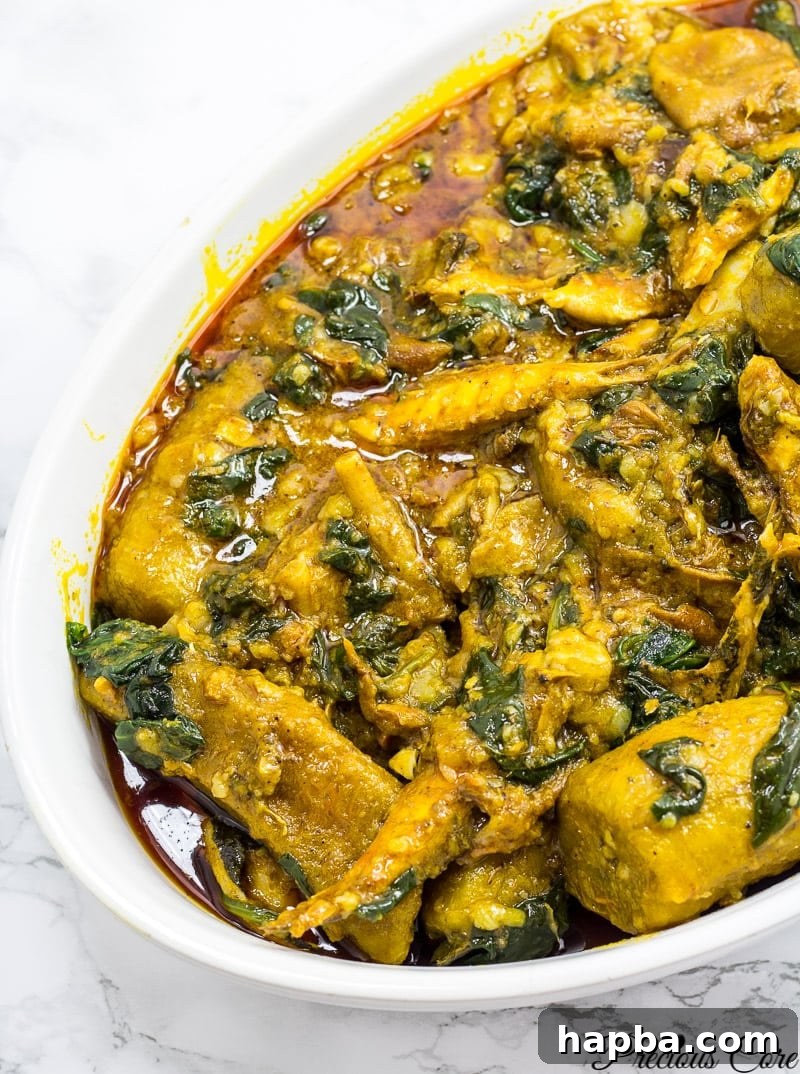
Let’s dive into the fascinating world of this incredibly delicious and culturally significant meal. At its core, Cameroonian Plantain Porridge is a savory, robust one-pot dish where unripe plantains are slow-cooked to tender perfection. The vibrant reddish-orange hue, characteristic of many West African stews, comes from generous amounts of rich palm oil. This staple oil not only imparts its unique earthy flavor but also infuses the dish with a beautiful color that’s as inviting as its aroma. Beyond the plantains and palm oil, the porridge is brought to life with a medley of aromatic spices and, crucially, some form of leafy greens. Traditionally, bitterleaf is the green of choice, renowned for its slightly bitter, distinct flavor that balances the richness of the other ingredients. However, in many parts of the world where bitterleaf is scarce, fresh spinach makes for an excellent and accessible substitute, offering a milder taste while still contributing essential nutrients and a lovely green contrast.
It’s important to clarify the term “porridge” in this context, as it might differ from the common Western understanding. When most people hear “porridge,” they envision a dish made from boiled, ground, or crushed grains like oats or starchy vegetables like potatoes. However, in West African culinary traditions, the term “porridge” is often used to describe hearty, one-pot stews or meals where various ingredients are cooked together until tender and well-combined, creating a thick, cohesive consistency. So, if you were wondering why this delectable plantain dish is called a “porridge,” now you know it’s a culinary convention deeply rooted in the region’s food culture.
“Born House Planti”: A Tradition of Nourishment and Celebration
Among its many nicknames, “Born House Planti” holds a particularly special place. This moniker originates from a beautiful Cameroonian tradition where this specific plantain porridge is prepared and served to women who have recently given birth. The dish is believed to provide essential nourishment, strength, and comfort during the postpartum period, making it a symbol of care, love, and community support. It’s a celebration of new life and a testament to the community’s commitment to the well-being of the mother. This tradition underscores the deep cultural significance of food in Cameroon, not just as sustenance, but as a medium for expressing solidarity and cherishing life’s milestones. You can find more details about this heartwarming story and the traditional cooking procedure, complete with step-by-step photos, in an in-depth post available here on the blog. It’s an interesting read that truly illuminates the soul of this dish.
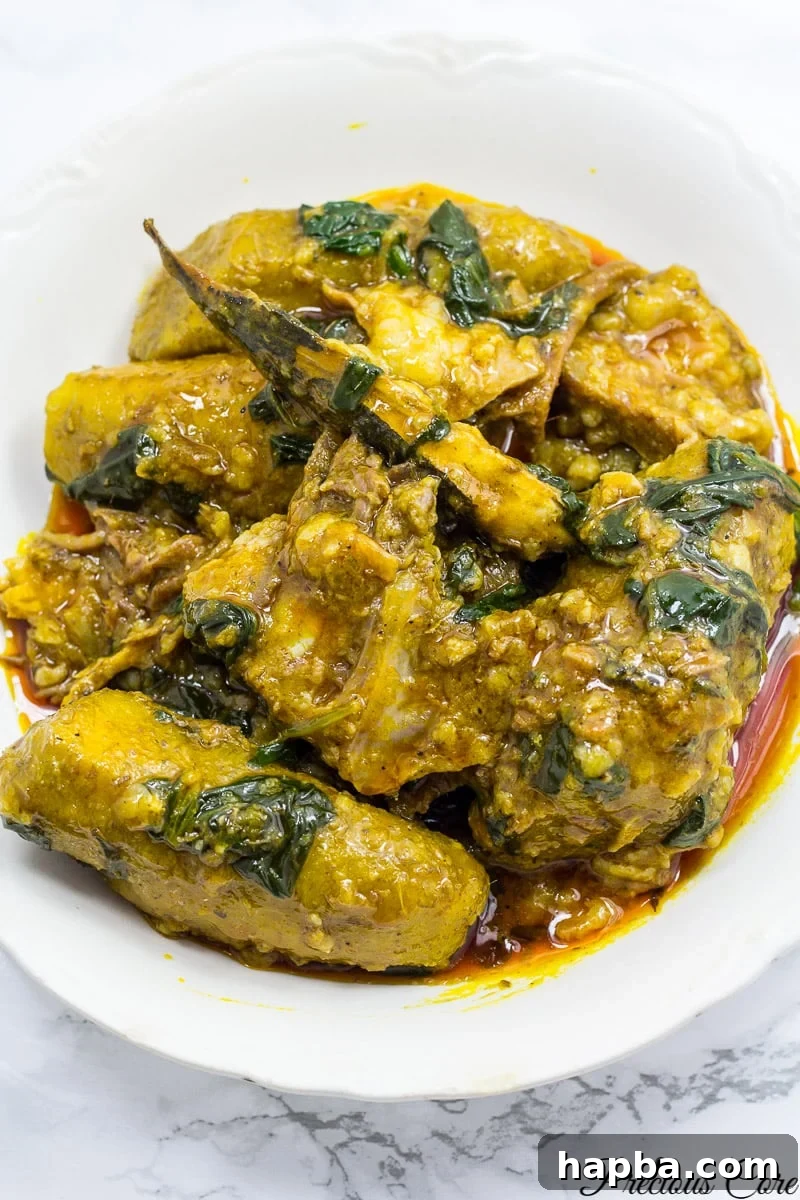
This Cameroonian Plantain Porridge is, quite simply, tantalizingly delicious – literally finger-licking good! What makes it even more appealing is its simplicity. It’s truly a “dump-and-go” kind of cooking, perfect for those busy days when you crave a homemade, flavorful meal without spending hours in the kitchen. This particular version is elevated with the rich, smoky flavors of smoked fish, the robust depth of tender goat meat, and the umami punch of crayfish. This combination creates a symphony of flavors that is irresistibly satisfying and profoundly comforting. In other words, prepare your taste buds for an unforgettable experience!
The Magic of One Pot: Effortless Cooking and Rich Flavors
The beauty of this recipe lies in its one-pot preparation. You only need a single pot to bring all these incredible ingredients together, making cleanup a breeze and the cooking process wonderfully straightforward. This makes it an ideal meal for weeknights, lazy weekends, or any time you desire a hearty dish without extensive culinary effort. From preparation to plate, this flavorful plantain porridge is ready in surprisingly little time, proving that delicious, authentic African cuisine doesn’t have to be complicated.
To help you master this incredible dish, I’ve put together a comprehensive video tutorial on my YouTube channel, guiding you through each step to create the most amazing pot of Cameroonian Plantain Porridge. If you’re passionate about discovering new recipes and expanding your culinary repertoire, make sure to click here to subscribe to my channel, PreciousKitchen, so you don’t miss out on any of my awesome cooking videos!
Watch How to Make Authentic Cameroonian Born House Planti:

Cameroonian Plantain Porridge Recipe (Born House Planti, Turning Planti)
Pin Recipe
Rate
Print Recipe
Ingredients
- 4-5 unripe plantains peeled and cut in halves or 1-inch thick rounds
- 1/2-1 cup red palm oil adjust to your desired richness and color
- 1 pound smoked fish and meat of choice (approx. 0.5 kg) I recommend goat meat or beef for a rich flavor
- 1/2 cup ground crayfish
- 1 Maggi Crevette (seasoning cube) or 2 teaspoons of bouillon powder
- 2 tablespoons blended garlic and ginger optional, for added aroma and flavor
- 1 habanero (hot) pepper optional, for those who enjoy a spicy kick
- 1 teaspoon contri onions (rondelles) optional, for a distinct African flavor
- Salt to taste
- 3-4 handfuls green leafy vegetable – I used spinach traditionally, bitterleaf is preferred, but spinach is a great substitute
Instructions
-
Begin by preparing your meat: If you are using a tough cut of meat like goat meat or certain cuts of beef, place it in a large pot and add enough water to just cover the meat. Bring it to a boil and let it cook for about 5 minutes to tenderize slightly. After this initial boiling, add the peeled and cut unripe plantains to the pot. If you are using softer meat, such as chicken or a tender cut of beef, you can add it to the pot along with the plantains at the same time, skipping the pre-boiling step.
-
Once the plantains (and softer meat, if applicable) are in the pot, proceed to add all the remaining ingredients, except for the leafy greens. This includes the palm oil, smoked fish, crayfish, seasoning cube (Maggi Crevette or bouillon powder), blended garlic and ginger (if using), habanero pepper (if using), contri onions (if using), and salt to taste. Ensure there is enough water to just cover the ingredients. Let the mixture cook for approximately 30 minutes, or until the plantains are thoroughly tender and easily pierced with a fork. It’s crucial to check the pot periodically and stir gently to prevent sticking and ensure even cooking. Add more water as needed to maintain a moist consistency, but avoid making it too watery; the goal is a thick, stew-like porridge.
-
Finally, gently stir in the green leafy vegetables (spinach or bitterleaf). Allow them to simmer with the plantains and other ingredients for just about 2 minutes. This brief cooking time is sufficient to wilt the greens while preserving their vibrant color and nutritional value. Once the greens are tender-crisp, turn off the heat. Your rich and flavorful Cameroonian Plantain Porridge is now ready to be served warm. Enjoy this authentic taste of Cameroon!
Notes
Nutrition
Additional Info

The Nutritional Powerhouse: Why Plantain Porridge is Good for You
Beyond its incredible taste and cultural significance, Cameroonian Plantain Porridge is also a nutritious meal. Unripe plantains are an excellent source of complex carbohydrates, providing sustained energy without the rapid blood sugar spikes associated with simpler sugars. They are also rich in dietary fiber, which aids digestion and promotes gut health. Red palm oil, a key ingredient, is packed with antioxidants, particularly Vitamin E and carotenoids (which give it its distinctive red color), known for their health benefits. When combined with protein-rich smoked fish and goat meat, and nutrient-dense leafy greens like spinach or bitterleaf, this porridge becomes a complete and balanced meal. The addition of ginger and garlic not only enhances the flavor but also contributes to the dish’s health profile with their anti-inflammatory and immune-boosting properties. It’s truly a wholesome dish that nourishes both body and soul.
Variations and Customizations: Making it Your Own
While the traditional recipe calls for specific ingredients, Cameroonian Plantain Porridge is wonderfully adaptable. Don’t have goat meat? Beef, chicken, or even smoked turkey can be used. For seafood lovers, a mix of shrimp and smoked fish can create a delightful variation. If bitterleaf is completely unavailable, spinach is a perfect substitute, but you could also try other robust greens like kale or collard greens for a different flavor profile. For a vegetarian or vegan version, simply omit the meat and fish, and bolster the dish with extra vegetables like bell peppers, carrots, or mushrooms, ensuring a rich broth with vegetable bouillon. The beauty of one-pot meals is their flexibility, allowing you to tailor them to your pantry and preferences while still honoring the essence of the dish.
Serving Suggestions: Enjoying Your Plantain Porridge
Cameroonian Plantain Porridge is a meal in itself, hearty and filling enough to be enjoyed on its own. It’s often served warm, directly from the pot, encouraging a communal eating experience. The thick, slightly lumpy texture of the plantains combined with the tender meat and wilted greens makes for a satisfying bite every time. You can garnish it with a sprinkle of fresh herbs like cilantro or parsley for a touch of freshness, or a dash of extra red palm oil for an even richer appearance. Whether it’s for a family dinner or a cozy lunch, this porridge promises a comforting and authentic taste of Cameroon.
Final Thoughts: A Culinary Gem
In conclusion, Cameroonian Plantain Porridge, known by its many affectionate names, is much more than just a recipe; it’s a cultural experience. Its simplicity in preparation belies the depth of its flavors and its profound significance in Cameroonian households. From the earthy richness of palm oil to the savory goodness of smoked meats and the subtle bitterness of traditional greens, every spoonful tells a story. We encourage you to try this amazing one-pot dish and bring a piece of West African culinary tradition into your home. It’s a meal that promises to satisfy your cravings, warm your heart, and perhaps even inspire you to create your own cherished nicknames for your favorite foods!
If you’ve enjoyed learning about this dish and plan to make it, don’t forget to share your experience! We love seeing your creations. Mention @preciouscore or tag #PreciousCore on social media. Your culinary adventures inspire us all!