
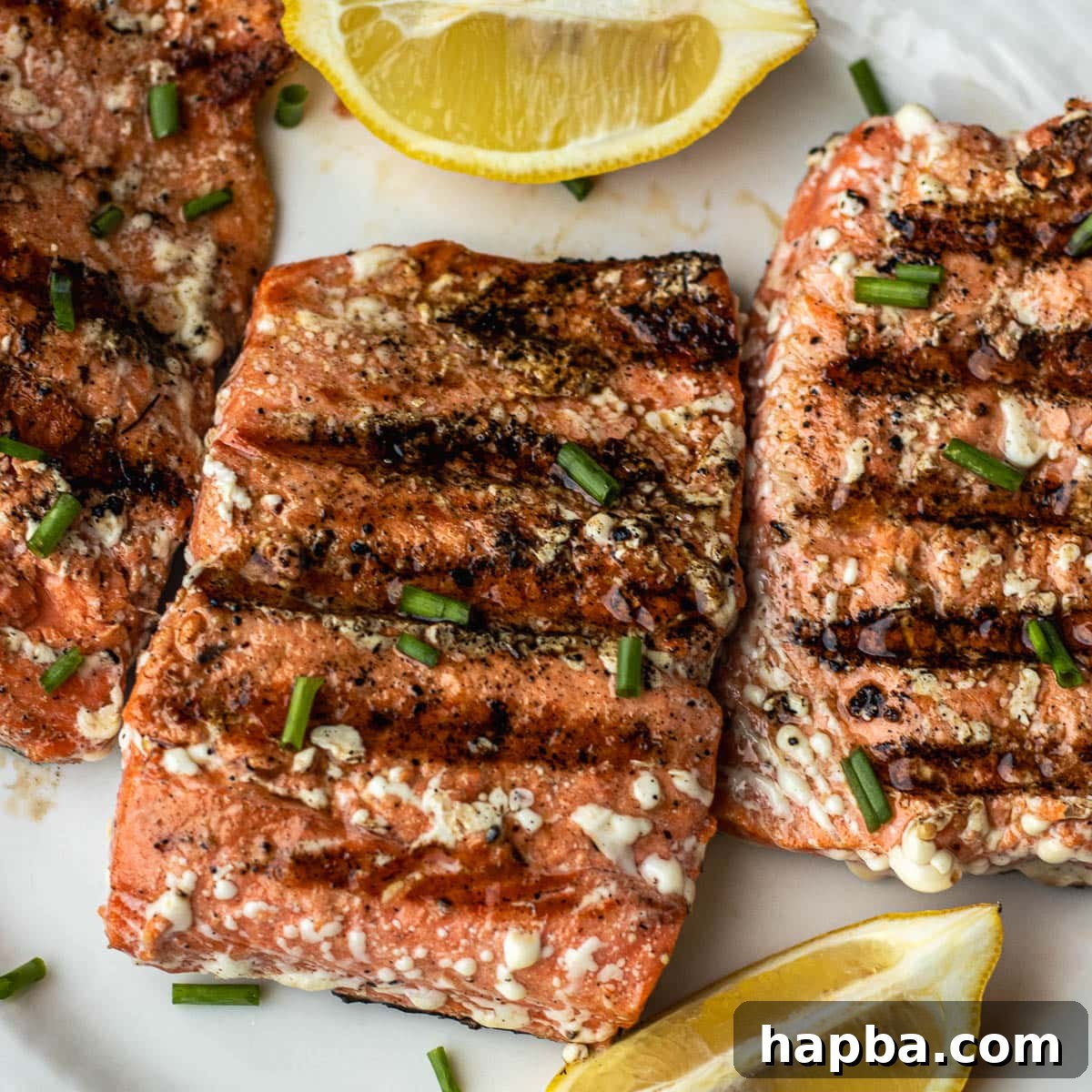
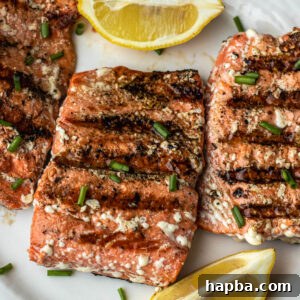
Embark on a culinary journey to grilling perfection with this incredibly delicious and remarkably simple Grilled Sockeye Salmon recipe. Requiring just four essential ingredients, this dish promises to deliver a healthy, flavorful, and satisfying meal in under 20 minutes. Whether you prefer the smoky char of an outdoor grill or the convenience of a stovetop grill pan, this guide will walk you through the steps to achieve perfectly cooked salmon that’s sure to impress.
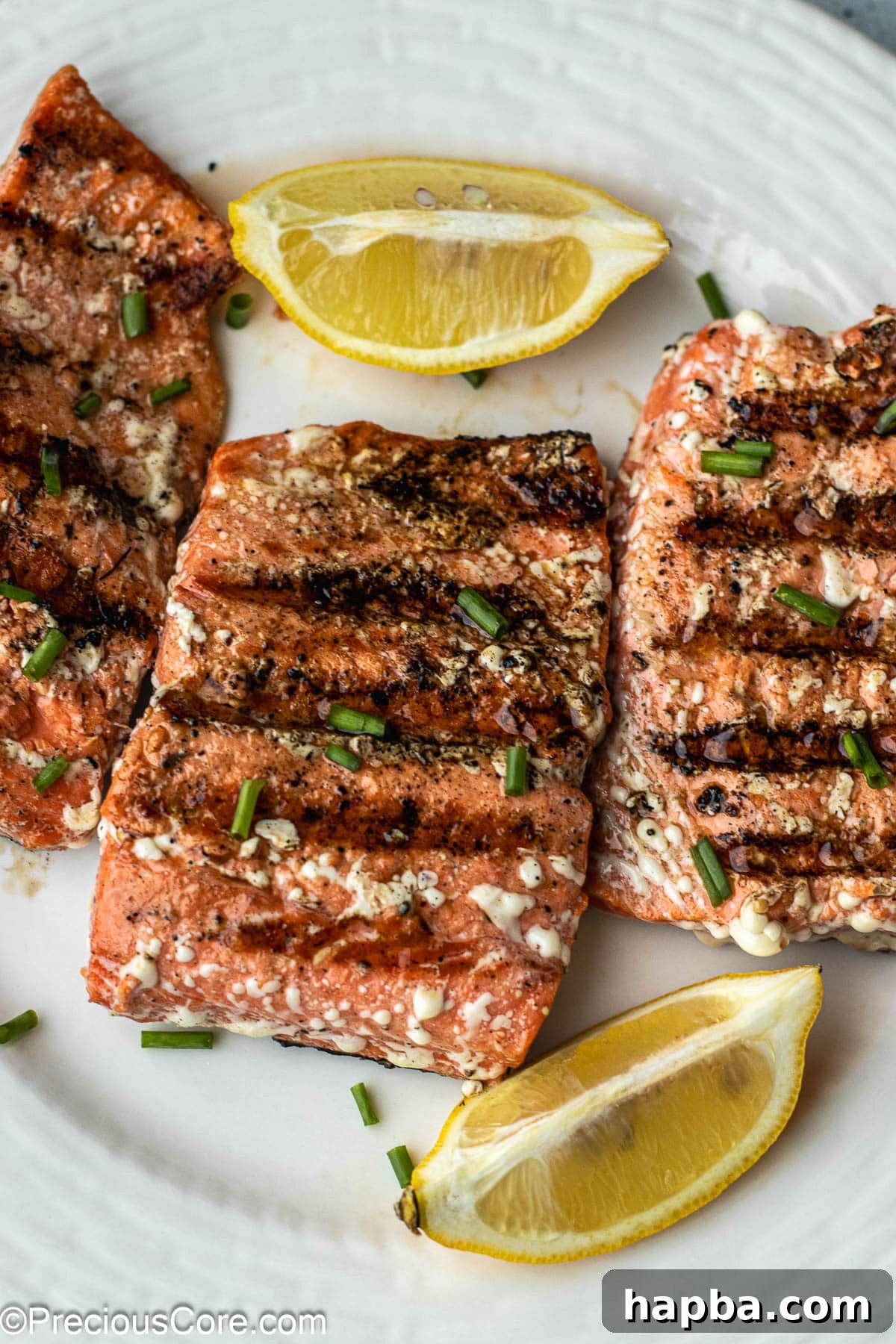
Cooking fish at home is a fantastic way to incorporate lean protein and essential nutrients into your diet. Among the many fish preparations, grilling offers a unique smoky flavor and a beautiful texture that’s hard to beat. This sockeye salmon recipe stands out for its simplicity and the inherent richness of the fish itself. If you’re looking to expand your fish repertoire, you might also enjoy our popular Pan Seared Tilapia, or explore the delights of whole grilled fish with our recipes for Grilled Whole Red Snapper and OVEN GRILLED TILAPIA.
For those new to the world of cooking or grilling fish, this Grilled Sockeye Salmon recipe serves as an excellent starting point. Its minimal ingredients and straightforward technique make it incredibly approachable. Pair this magnificent salmon with refreshing Mango Avocado Salsa and aromatic Garlic Herb Rice, and you’ll experience a meal so good, you’ll feel like you’re living the good life!
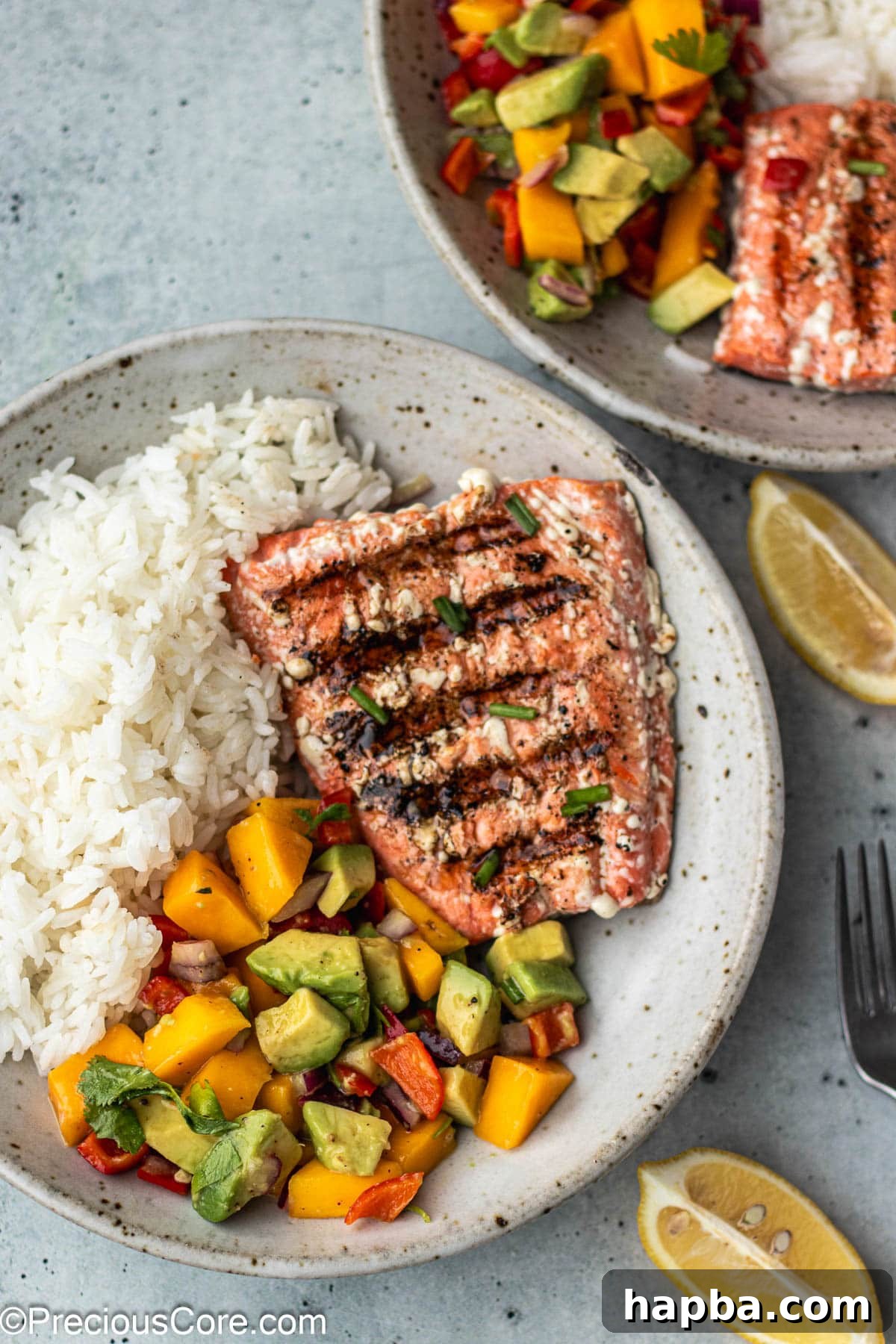
Table of Contents
- Why This Recipe Works
- The Superstar Ingredients
- How To Grill Sockeye Salmon Perfectly
- Knowing When Your Salmon Is Done
- Expert Tips For Grilling Sockeye Salmon
- Recommended Equipment
- Recipe FAQs
- Serving Suggestions
- More Salmon Recipes
- More Grilling Recipes
- Grilled Sockeye Salmon Recipe Card
Why This Recipe Works
This grilled sockeye salmon recipe isn’t just another fish dish; it’s a testament to how simple ingredients can create extraordinary flavors. Its effectiveness stems from several key benefits:
- Minimal Ingredients, Maximum Flavor: You truly only need 4 ingredients to bring this recipe to life. This simplicity means less fuss in the kitchen and allows the natural, rich taste of sockeye salmon to truly shine without being overwhelmed by complex seasonings. It’s a clear demonstration that great fish doesn’t need much to taste incredible.
- Lightning-Fast Preparation: From prep to plate, your delicious grilled salmon will be ready in less than 20 minutes. This makes it an ideal choice for busy weeknights when you need a healthy, satisfying meal without spending hours in the kitchen. It frees you up to tackle other important things in life, proving that quick meals don’t have to compromise on quality or taste.
- Unparalleled Health Benefits: Sockeye salmon is not only delicious but also incredibly healthy and beneficial for your body. As a wild-caught fish, it’s packed with omega-3 fatty acids, which are crucial for heart health, brain function, and reducing inflammation. It’s also an excellent source of high-quality protein, vitamins D and B12, and various minerals, making it a powerful addition to a balanced diet.
- Remarkable Versatility: The beauty of perfectly grilled sockeye salmon lies in its adaptability. While delicious on its own, it can be easily flaked and used to make gourmet fish tacos, added to a refreshing Lettuce Salad for a protein boost, or incorporated into a vibrant rice bowl. The culinary possibilities are truly endless, offering creative ways to enjoy leftovers or customize your meals.
- Excellent for Meal Prep: Planning your meals ahead is a breeze with this recipe. Grill a larger batch of salmon and store it in the refrigerator for future use. It reheats beautifully and can be repurposed into various dishes throughout the week, saving you time and effort during busy days.
The Superstar Ingredients
As mentioned, you only need four simple ingredients for the most flavorful grilled sockeye salmon. This minimal list is a true testament to the fact that exceptional fish doesn’t require an elaborate pantry to taste phenomenal. Each ingredient plays a crucial role in bringing out the best in the salmon.
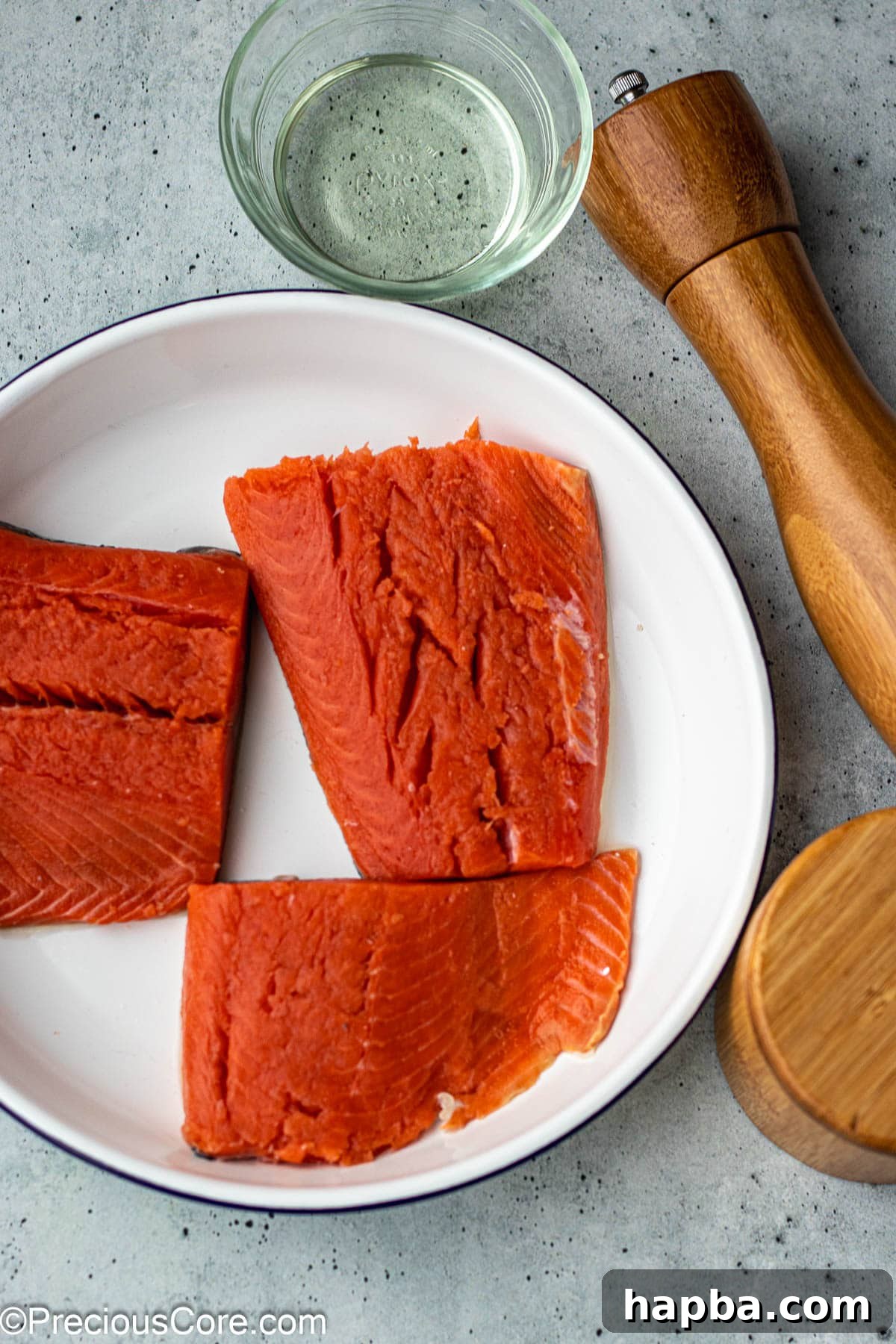
- Wild Sockeye Salmon: This is the star of our dish. Wild-caught sockeye salmon is distinguished by its deep, vibrant orange-red flesh, a result of its natural diet. Compared to Atlantic salmon, which is often farmed, sockeye offers a firmer texture and a richer, more pronounced flavor. It’s an exceptional choice not just for its taste but also for its superior nutritional profile, boasting significant nutrients and generally less fat than farmed varieties. When selecting salmon, opt for wild-caught whenever possible. If farmed salmon is your only option, look for varieties labeled “responsibly farmed” to ensure sustainable practices.
- Olive Oil: A critical component for both flavor and function. Generously coating the fish with olive oil before grilling is a key step that accomplishes two important things: it helps conduct heat evenly, ensuring the salmon cooks beautifully, and more importantly, it creates a barrier that prevents the fish from sticking to the grill grates or grill pan. This leads to those perfect, intact fillets with beautiful grill marks.
- Salt and Pepper: Believe it or not, high-quality sockeye salmon needs little more than good salt and freshly ground black pepper to reach its peak flavor. The secret lies in the method: ensure you season the salmon with enough salt to enhance its natural taste without making it overtly salty. A general guideline of half a teaspoon of salt per pound of salmon consistently yields a perfectly seasoned, delicious fish. Freshly ground black pepper adds a subtle, aromatic counterpoint that elevates the overall flavor.
For the precise quantities and a more detailed breakdown of ingredients, please refer to the comprehensive recipe card located at the end of this article.
How To Grill Sockeye Salmon Perfectly
Achieving perfectly grilled sockeye salmon is incredibly straightforward and can be done in just 3 easy steps, whether you’re grilling outdoors or on your stovetop. Follow these simple instructions for juicy, flaky results every time.
- Prepare Your Heat Source: The first crucial step is to properly preheat your grill or grill pan. If you’re using an outdoor grill, turn it on and set it to medium heat. For indoor cooking, place a cast iron skillet or a specialized grill pan on your stovetop over medium heat. Allow it to heat up for a full 5 minutes. This ensures a hot, even cooking surface, which is essential for developing a beautiful crust and preventing sticking.
- Season the Fish with Precision: While the grill heats, prepare your salmon. Begin by gently patting the salmon fillets dry with paper towels to remove any excess moisture. This step is vital for achieving a good sear. Next, generously coat both sides of each salmon piece with olive oil. Follow this with an even sprinkle of salt and freshly ground black pepper on both sides. Don’t be shy with the seasoning; remember, the goal is to enhance the salmon’s natural flavor, not overpower it.
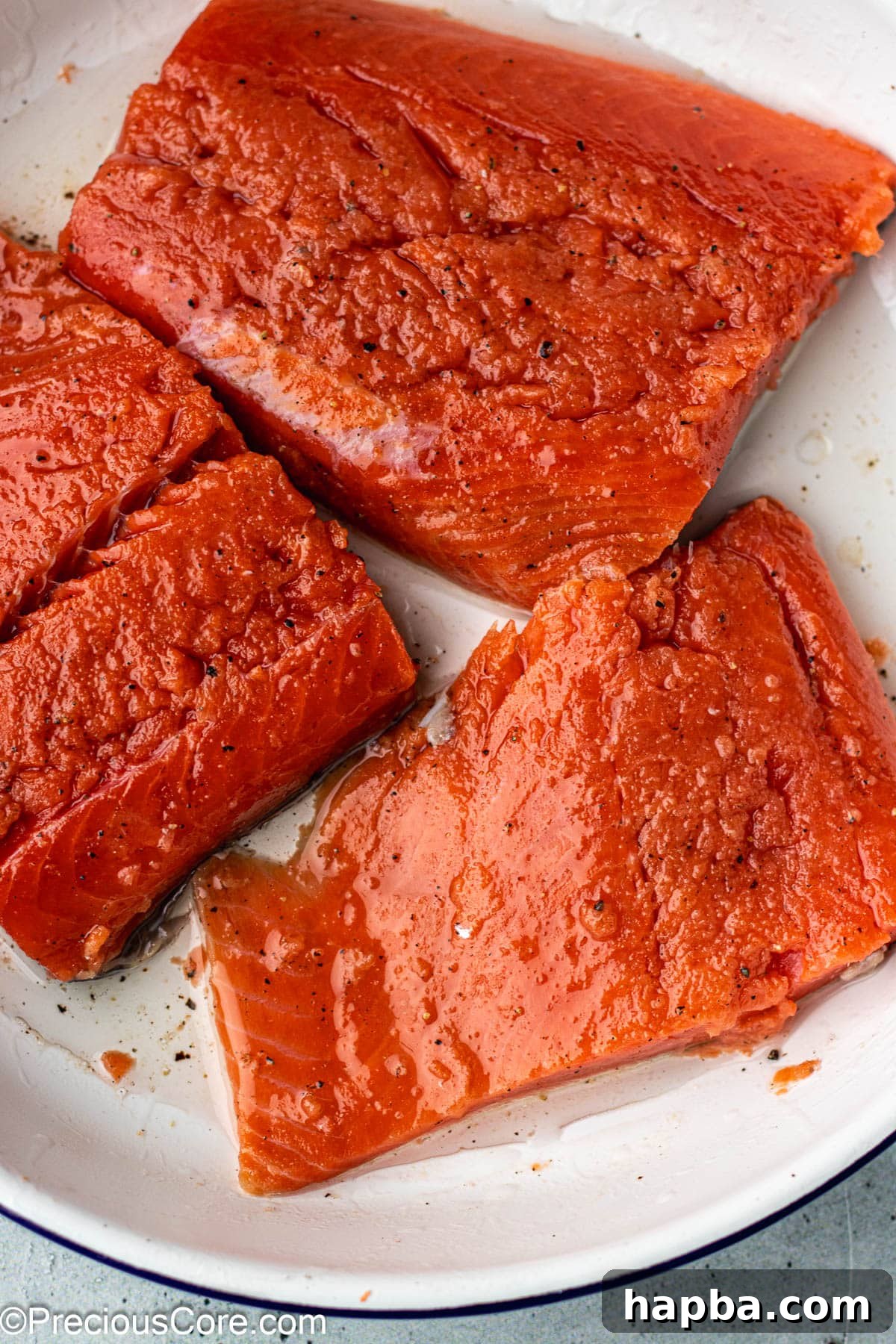
- 3. Grill to Perfection: Once your grill or pan is hot and the salmon is seasoned, carefully place the salmon on the grates, typically skin-side down first if using fillets with skin. Grill for approximately 3-4 minutes per side. The exact grilling time may vary slightly depending on the thickness of your salmon steaks or fillets and your personal preference for doneness. Thicker cuts might require an additional minute per side, while thinner cuts may cook faster. Keep an eye on the visual cues mentioned below to ensure you don’t overcook.
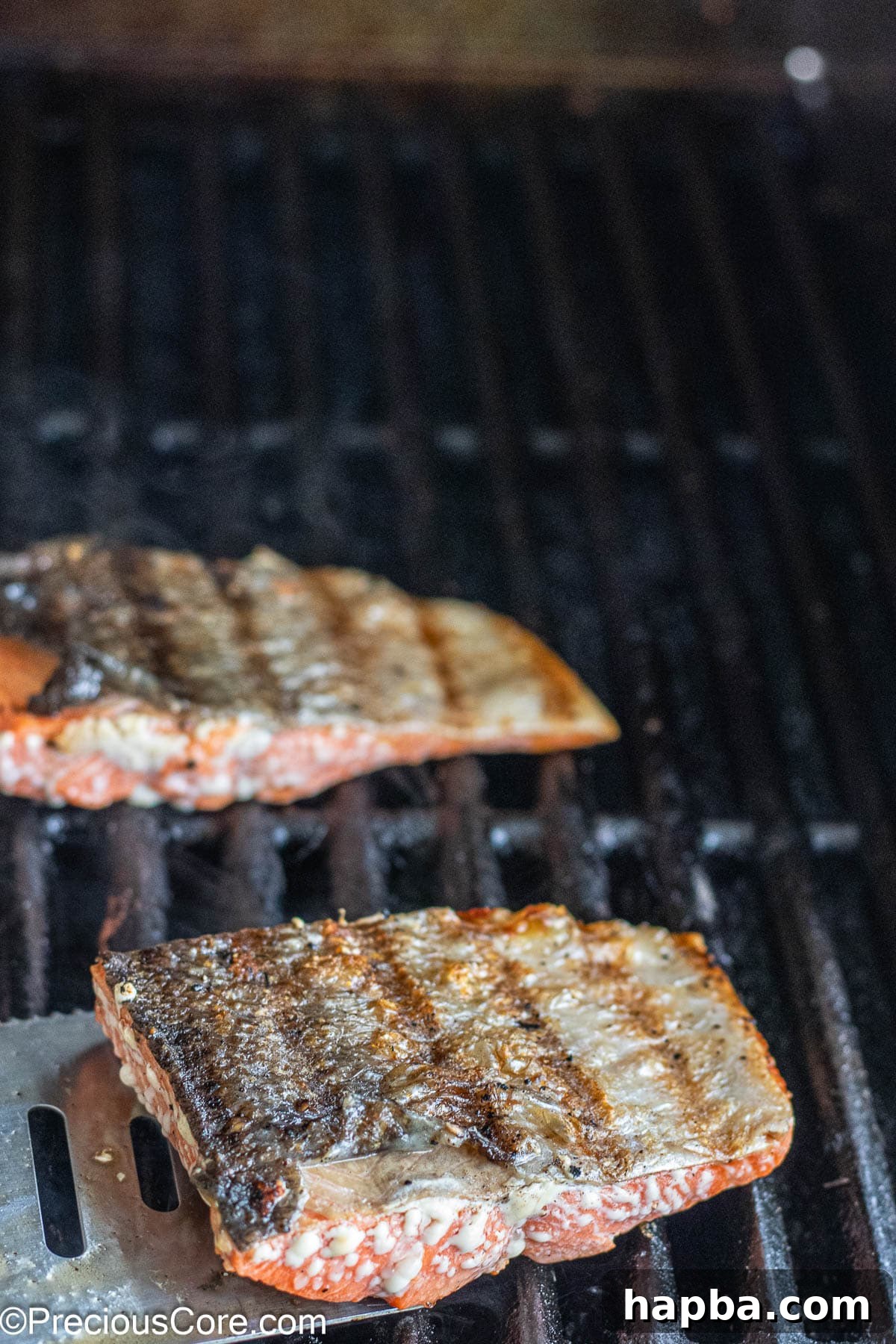
For more fantastic ways to cook salmon, explore these dependable recipes: Pan Grilled Salmon, a convenient Salmon and Broccoli Sheet Pan meal, savory Baked Cajun Salmon, and the classic Lemon Butter Salmon.
Top Tip: The FDA recommends cooking salmon to an internal temperature of 145°F (63°C). The most accurate way to ascertain the doneness of your fish and prevent overcooking is by inserting an instant-read thermometer into the thickest part of the fish.
Knowing When Your Salmon Is Done
One of the biggest challenges when cooking fish is avoiding overcooking, which can lead to dry, unappetizing results. The key to perfectly juicy salmon is knowing precisely when it’s done. Beyond using an instant-read thermometer (which is highly recommended for accuracy), here are two reliable visual cues to look for:
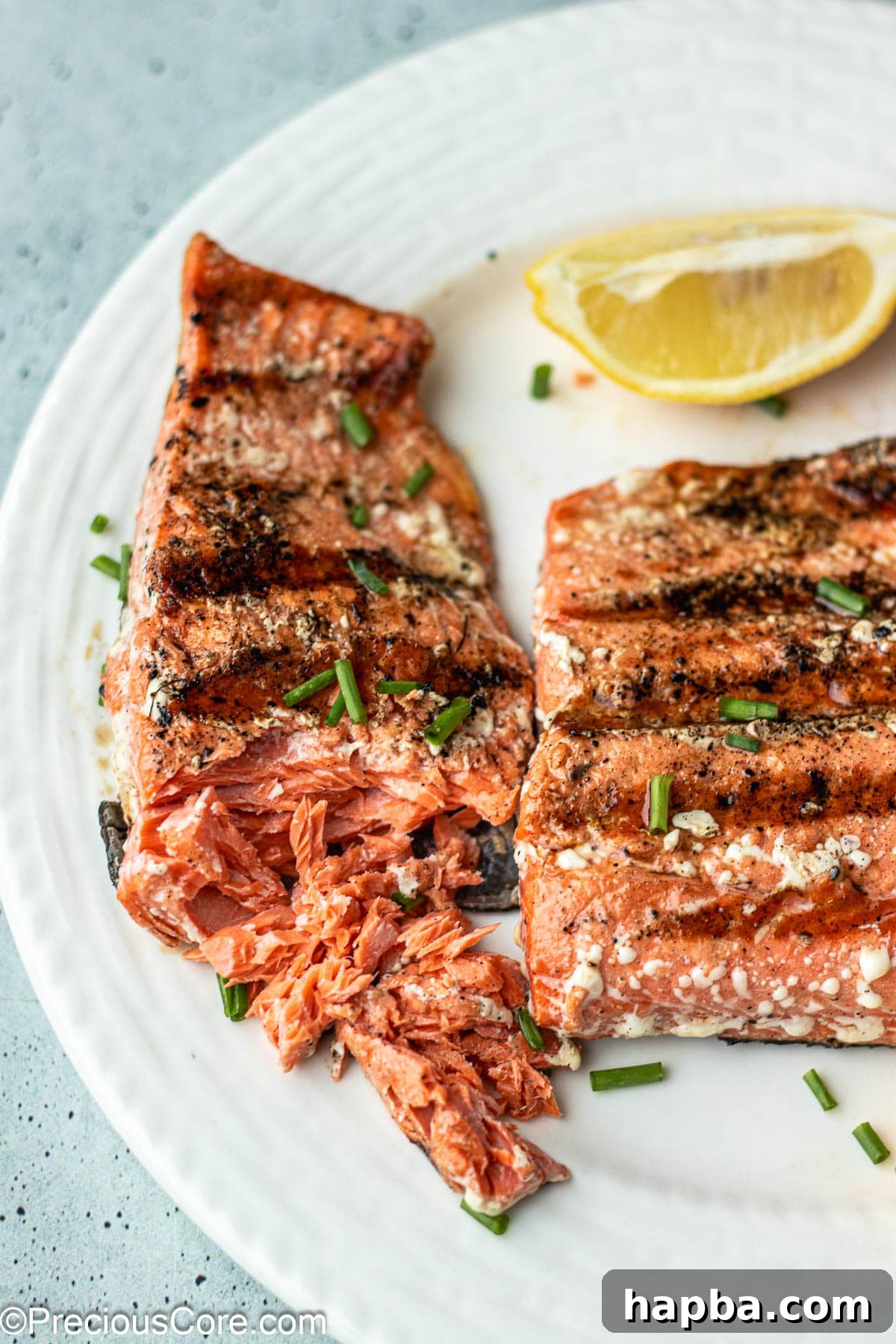
- Flesh Changes from Translucent to Opaque: Raw salmon has a somewhat translucent, gelatinous appearance. As it cooks, the flesh will gradually turn opaque, meaning it becomes solid and no longer see-through. Observe the side of the fillet; you’ll see the color change slowly migrate from the edges towards the center. Once the entire fillet has lost its raw, translucent look, it’s a strong indicator that it’s cooked through.
- Salmon Flakes Easily: The “flakiness test” is another classic and highly effective method. Gently insert a fork into the thickest part of the salmon fillet and twist slightly. If the fish flakes apart easily along its natural muscle lines without resistance, it is done. If it still feels firm or resists flaking, continue cooking for another minute or two and test again. This indicates that the proteins have coagulated just enough for a tender, flaky texture.
Expert Tips For Grilling Sockeye Salmon
Grilling salmon is straightforward, but a few expert tips can elevate your results from good to absolutely fantastic. These techniques ensure your salmon is cooked perfectly and doesn’t stick to the grates.
- Thorough Grill Cleaning: A clean grill is a non-stick grill. The best time to scrape your grill grates is when they are still hot, right after cooking, as the residual heat helps loosen any stuck-on food. For a more thorough clean, once the grill has cooled completely, remove the grates and wash them with hot, soapy water. Ensure they are completely dry before applying a small amount of cooking oil and rubbing it in with a paper towel. This forms a protective, non-stick layer.
- Oil Your Cooking Surface: Whether using an outdoor grill or a cast iron skillet/grill pan, generously brush the cooking surface with oil before placing the fish. This creates an essential barrier that prevents the delicate salmon flesh from adhering to the hot metal, ensuring easy flipping and beautiful grill marks.
- Pat Salmon Dry: Always pat your sockeye salmon fillets thoroughly dry with paper towels before applying oil and seasoning. Excess moisture on the surface of the fish will steam rather than sear, preventing the formation of a desirable crispy crust and those attractive grill marks. A dry surface is key to a perfect sear.
- Don’t Rush the Flip: Once you place the salmon on the hot grill, resist the urge to move or flip it too early. Allow it to cook undisturbed for at least 3-4 minutes on the first side. This gives the proteins time to firm up and a crust to form, which will naturally release the fish from the grates, making it much easier to flip without tearing.
- Consider Skin-On vs. Skin-Off: Both skin-on and skin-off salmon fillets work wonderfully for grilling. If grilling with the skin on, start skin-side down. The skin acts as a protective layer, preventing the delicate flesh from overcooking or sticking. Plus, crispy salmon skin is a delicious bonus!
- Rest Your Salmon: Just like with other meats, letting your grilled salmon rest for 5 minutes after cooking allows the juices to redistribute throughout the fillet, resulting in a more moist and tender fish.
For a unique twist on salmon, try our delightful Salmon Bites Recipe. And if you’re looking for another incredible grilling experience, don’t miss our guide to a perfect Bone In Ribeye Steak.
Recommended Equipment
To ensure your grilling experience is smooth and successful, having the right tools can make all the difference. These pieces of equipment are highly recommended for preparing and grilling sockeye salmon:
- A Grilling Spatula or Fish Spatula: Essential for handling delicate fish fillets. A grilling spatula is typically sturdy, while a specialized fish spatula is thin, flexible, and angled, making it perfect for sliding under and flipping fish without breaking it apart.
- A Cast Iron Grill Pan: For those days when outdoor grilling isn’t an option, a cast iron grill pan is an excellent alternative. It brings the char and grill marks of outdoor cooking right into your kitchen, making indoor grilling a breeze.
- An Instant-Read Meat Thermometer: The most reliable tool for checking the internal temperature of your fish, guaranteeing it’s cooked to perfection (145°F / 63°C) and never overdone. An instant-read thermometer is invaluable for consistent results.
Recipe FAQs
The key to preventing sockeye salmon from drying out is twofold: first, generously brush olive oil over the fish before cooking. This creates a protective barrier that seals in moisture. Second, and crucially, avoid overcooking. Stop cooking as soon as the internal temperature reaches 145°F (63°C) when measured with an instant-read thermometer. Overcooking is the primary culprit for dry salmon.
While “better” can be subjective, sockeye salmon is often considered healthier and more flavorful than Atlantic salmon, which is the most commonly farmed and sold variety. Sockeye salmon is almost exclusively wild-caught, meaning it has a natural diet and often a higher concentration of beneficial omega-3 fatty acids, which are excellent for heart health and overall well-being. Its richer flavor and firmer texture are also highly prized.
No, the USDA strongly cautions against rinsing raw meat, fish, and poultry. Rinsing can cause bacteria to splash onto other foods, countertops, and utensils, leading to cross-contamination. Instead, simply pat the salmon dry with paper towels to remove any surface moisture, which helps achieve a better sear and crust during cooking.
Absolutely! Frozen sockeye salmon works perfectly well for this recipe. Just make sure to thaw it completely in the refrigerator overnight before patting it dry and seasoning. Ensure it’s fully thawed to ensure even cooking.
While this recipe focuses on grilling, you can adapt it. For baking, preheat your oven to 400°F (200°C), place the seasoned salmon on a baking sheet, and bake for 12-15 minutes or until it reaches 145°F (63°C). For pan-frying, follow the same seasoning steps, then cook in a hot, oiled skillet over medium-high heat for 3-5 minutes per side, depending on thickness.
Serving Suggestions
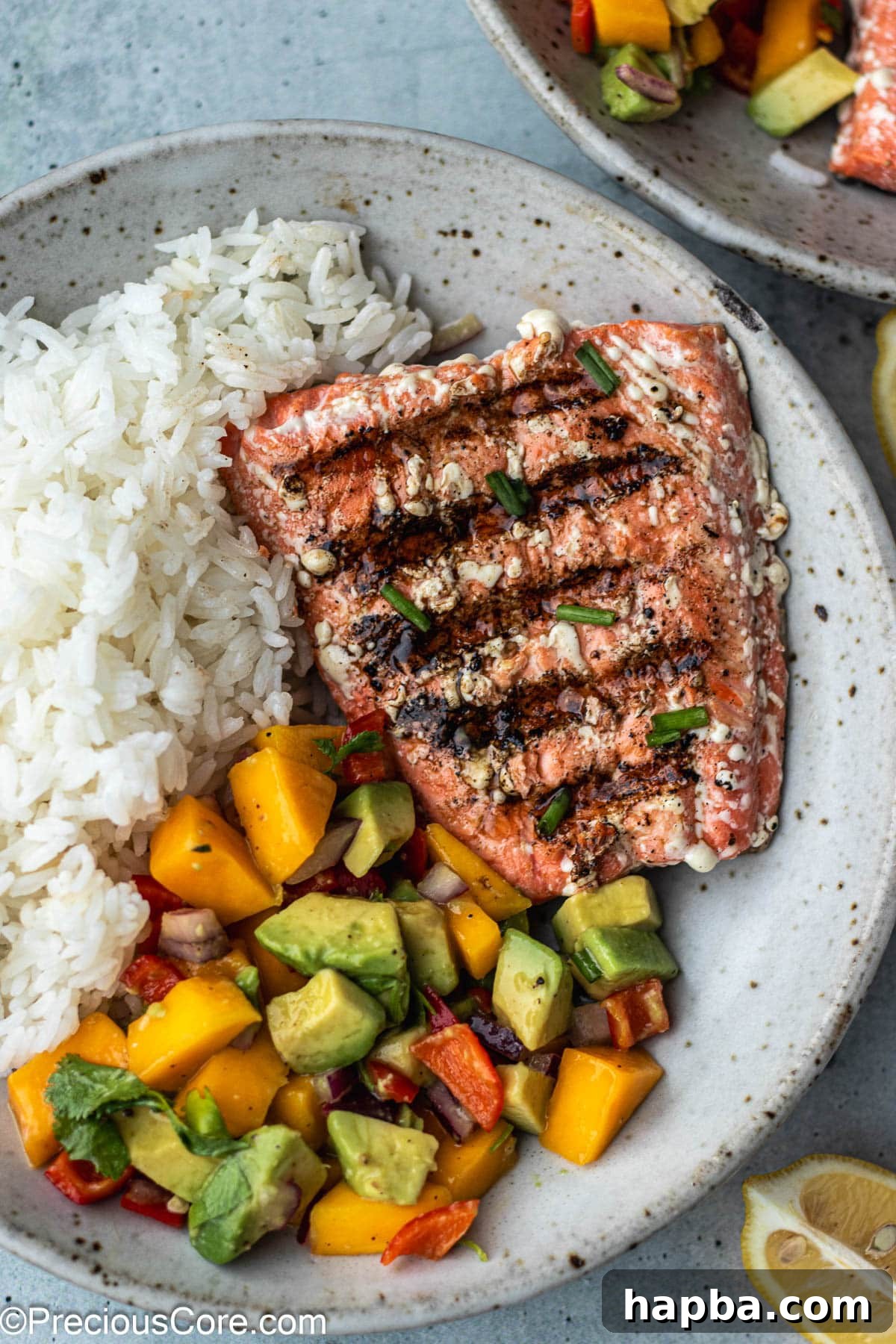
This Grilled Sockeye Salmon is a versatile centerpiece that pairs beautifully with a variety of side dishes. Here are some of our top recommendations to create a perfectly balanced and flavorful meal:
Garlic Herb Rice
Lettuce Salad
Cucumber Mango Salad
More Salmon Recipes
If you’re as much of a salmon enthusiast as we are, you’ll love exploring these other delicious salmon recipes:
Pan Fried Teriyaki Salmon
Pan Grilled Salmon
Sheet Pan Salmon and Broccoli
Lemon Butter Salmon
More Grilling Recipes
Love the sizzle and flavor of the grill? Explore these other fantastic grilling recipes to expand your outdoor (or indoor) cooking horizons:
Jamaican Jerk Chicken
Chicken Skewers
Grilled Boneless Chicken Thighs
Grilled Sockeye Salmon
Grilled Chicken Nuggets
If you make this recipe, we’d love to hear from you! Please leave a star rating below. Your feedback not only helps others discover and enjoy the recipe but also provides valuable insight for us. Thank you for cooking with us!
Want to save this recipe?
Enter your email below and we’ll send the recipe straight to your inbox!
Grilled Sockeye Salmon
5 from 1 vote
This Grilled Sockeye Salmon is so tasty and made with only 4 ingredients. You don’t really need much for salmon to shine!
Rate
Print Recipe
Ingredients
- 1 pound sockeye salmon cut into 3-4 steaks
- 2 Tablespoons olive oil
- ½ teaspoon salt
- ¼ teaspoon black pepper
Instructions
- Pat the salmon dry using paper towels. Drizzle the oil over the salmon, then sprinkle the salt and pepper evenly on both sides of the fish.
- Clean grill grates, set grill to medium heat, and let it heat up for about 5 minutes. Add the fish to the grill, skin side down, and grill the first side covered for 3 to 4 minutes. Flip to the other side and grill for another 3 minutes or until the fish flakes easily when pricked with a fork. Alternatively, grill according to your desired doneness, using an instant-read thermometer to reach 145°F (63°C).
- Serve immediately with lemon wedges or your favorite side dishes.
Notes
- Patting the fish dry with paper towels before grilling removes moisture from the fish so it can sear properly and achieve a beautiful crust.
- Feel free to use a large salmon fillet instead of steaks for this recipe; adjust grilling time as needed for thickness.
- Ensure you completely coat the salmon in oil before grilling. This is crucial for preventing the fish from sticking to the grill grates.
- This recipe works well with salmon fillets both with and without skin.
- You can substitute sockeye salmon with other firm-fleshed fish like trout, arctic char, or coho salmon.
Nutrition
Carbohydrates: 0.1g |
Protein: 0.01g |
Fat: 7g |
Saturated Fat: 1g |
Polyunsaturated Fat: 1g |
Monounsaturated Fat: 5g |
Sodium: 291mg |
Potassium: 2mg |
Fiber: 0.03g |
Vitamin A: 1IU |
Calcium: 1mg |
Iron: 0.1mg
Additional Info
Tried this recipe?
Mention @preciouscore or tag #PreciousCore!