
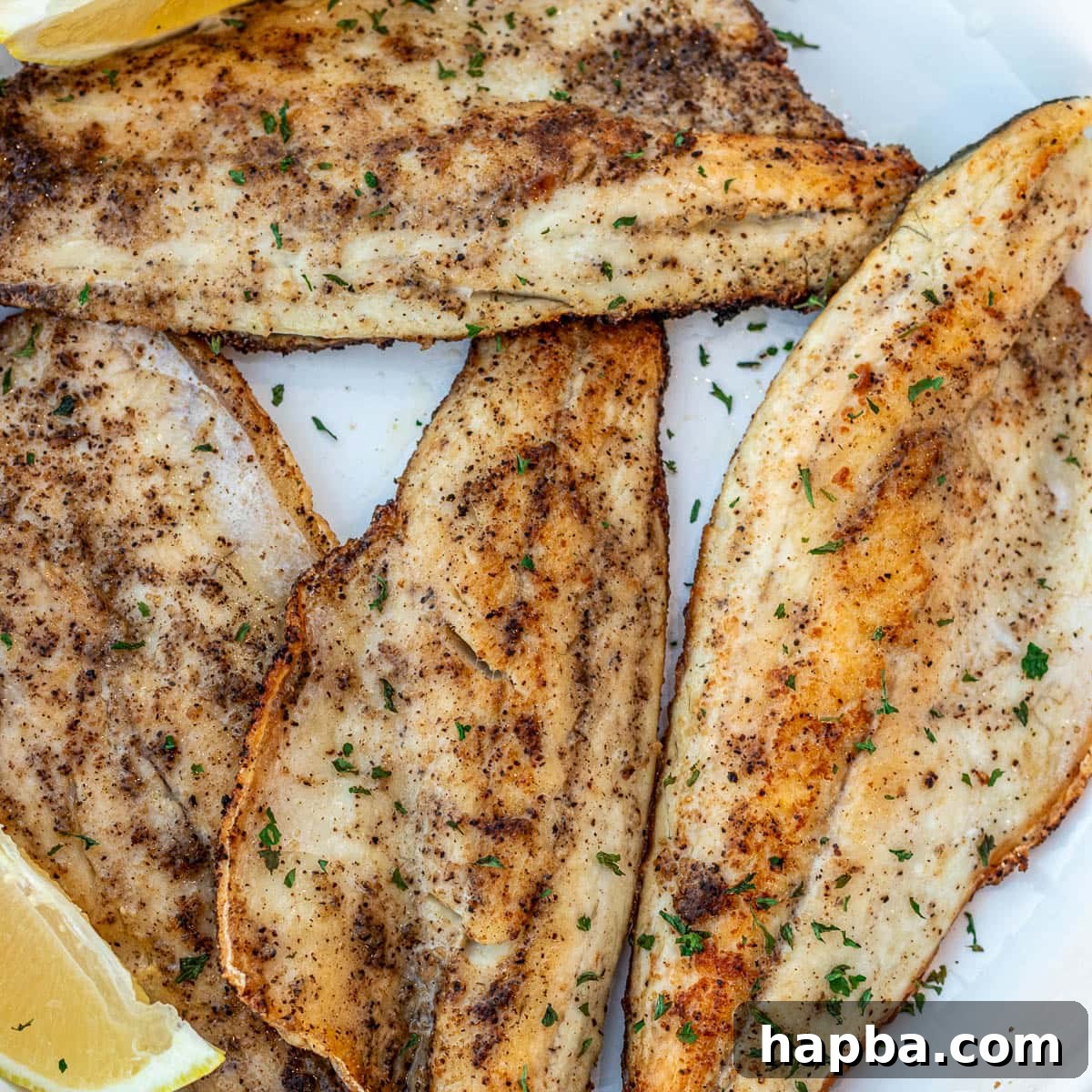
Mastering Pan Seared Sea Bass: Your Go-To Recipe for a Quick, Healthy & Flavorful Meal
Imagine serving a restaurant-quality dish that’s both incredibly delicious and astonishingly simple to prepare. This Pan Seared Sea Bass recipe delivers exactly that! In just under 15 minutes and with only seven essential ingredients, you can transform delicate sea bass fillets into a culinary masterpiece. Each bite offers a perfect contrast: a beautifully crispy, golden-brown exterior giving way to moist, flaky, and intensely flavorful flesh that will truly melt in your mouth. This isn’t just a meal; it’s an experience, made effortless.
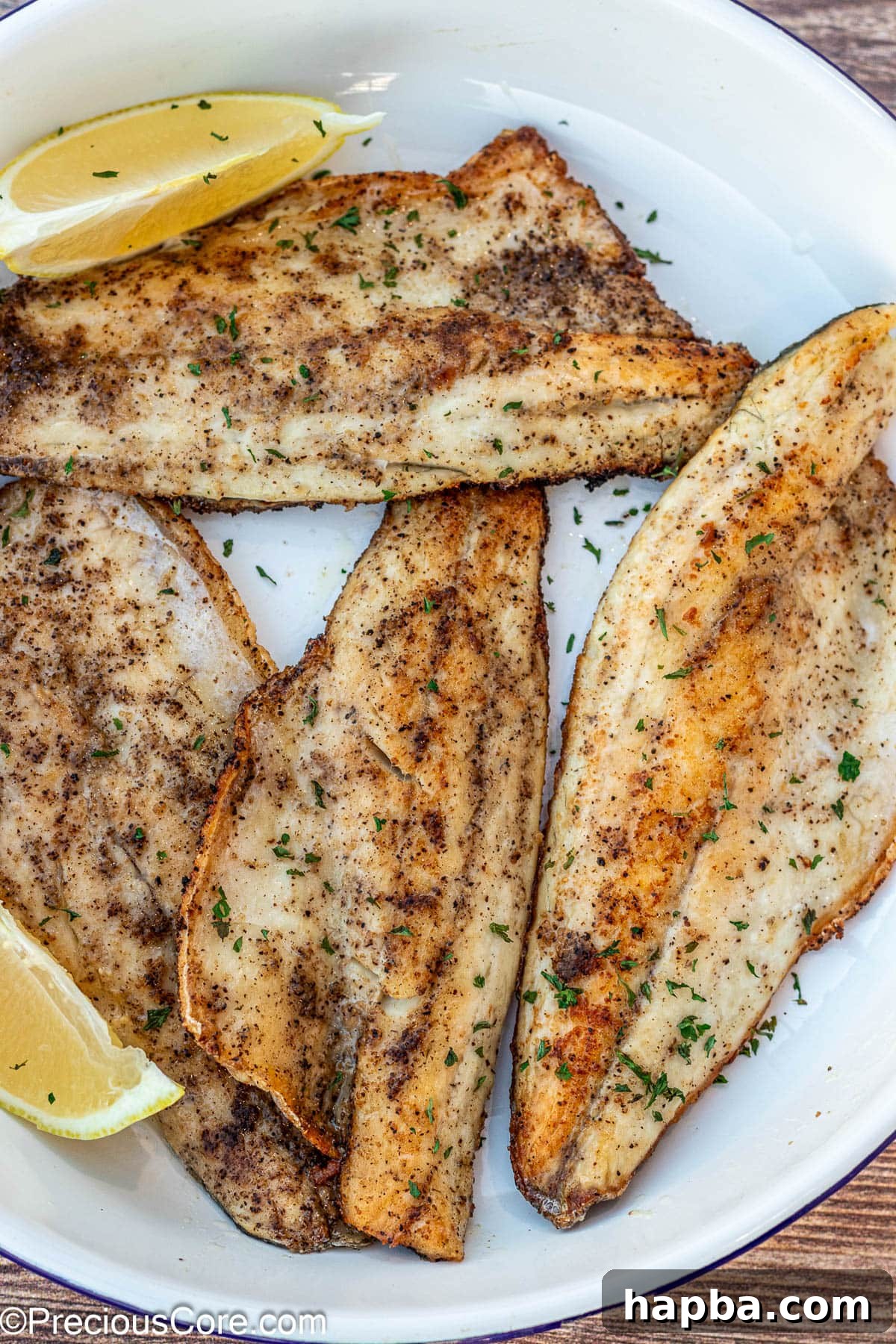
Whether you’re planning a romantic date night, hosting an elegant dinner party, or simply seeking a fast and healthy meal for a busy weeknight, this pan-seared sea bass fits every occasion. Its versatility and universal appeal make it a fantastic addition to any cook’s repertoire. Even aspiring young chefs can master this dish; my 10-year-old effortlessly prepares this tantalizing, flaky fish, showcasing just how accessible and foolproof this recipe truly is. Get ready to impress your family and friends with minimal effort!
Elevate your dining experience by pairing this exquisite sea bass with complementary sides that enhance its delicate flavor. We highly recommend our vibrant Garlic Herb Rice for a fragrant accompaniment and a refreshing Mango Avocado Salad to add a burst of freshness. You’ll be amazed at the depth of flavor you can achieve with fresh fish fillets in such a short amount of time, turning an ordinary meal into something truly extraordinary.
If you appreciate quick and easy dinner solutions that come together in 20 minutes or less, be sure to explore some of our other favorite fast-cooking recipes. Discover the delights of Pan Seared Tilapia, the zesty notes of Lemon Pepper Tilapia, or the comforting simplicity of Pan Seared Chicken Tenders. Each offers a delicious path to a stress-free dinner, proving that healthy and flavorful meals don’t have to be complicated or time-consuming.
What is Sea Bass? Understanding This Versatile Fish
Sea bass is a broad, umbrella term that encompasses a diverse group of marine fish, celebrated globally for their delicate flavor and firm, white flesh. While many species fall under this classification, a common characteristic across most true sea bass varieties is their typically gray or silvery skin and pristine, opaque white meat when cooked. This inherently mild flavor profile is a significant advantage in the kitchen, as it allows sea bass to readily absorb and showcase the vibrant flavors of various spices, herbs, and sauces without being overwhelmed, making it incredibly versatile for countless culinary applications.
When searching for sea bass fillets at your local grocery store, you might encounter several types in both fresh and frozen seafood sections. Popular varieties often include Barred Sand Bass, Barramundi, Black Sea Bass, and European Sea Bass (commonly known as Branzino, especially in Mediterranean cuisine). Each offers a slightly different texture and subtle flavor nuances, but all share the desirable characteristics of a quality sea bass: tender, flaky, and delicious.
It’s important to note a common mislabeling in the seafood market: the fish often sold as “Chilean Sea Bass” is not a true sea bass species. Instead, it refers to the Antarctic toothfish and Patagonian toothfish, which were cleverly renamed to “Chilean Sea Bass” years ago to boost their market appeal. While these toothfish are delicious in their own right and have a rich, buttery texture, they are distinct from true sea bass. For this particular recipe, I used fresh European Sea Bass, which I sourced from my local Trader Joe’s, known for its consistent quality and fresh offerings.
Beyond its exquisite taste, sea bass is also a powerhouse of nutrition. It’s an excellent source of lean protein, making it a fantastic choice for those looking to maintain a healthy diet, build muscle, or manage weight. It’s also remarkably low in calories and saturated fat. Furthermore, sea bass is rich in essential Omega-3 fatty acids, which are crucial for heart health, brain function, and reducing inflammation throughout the body. Being naturally low in mercury, it’s a highly recommended fish by health experts, cementing its status as a healthy and wholesome meal option you can enjoy regularly.
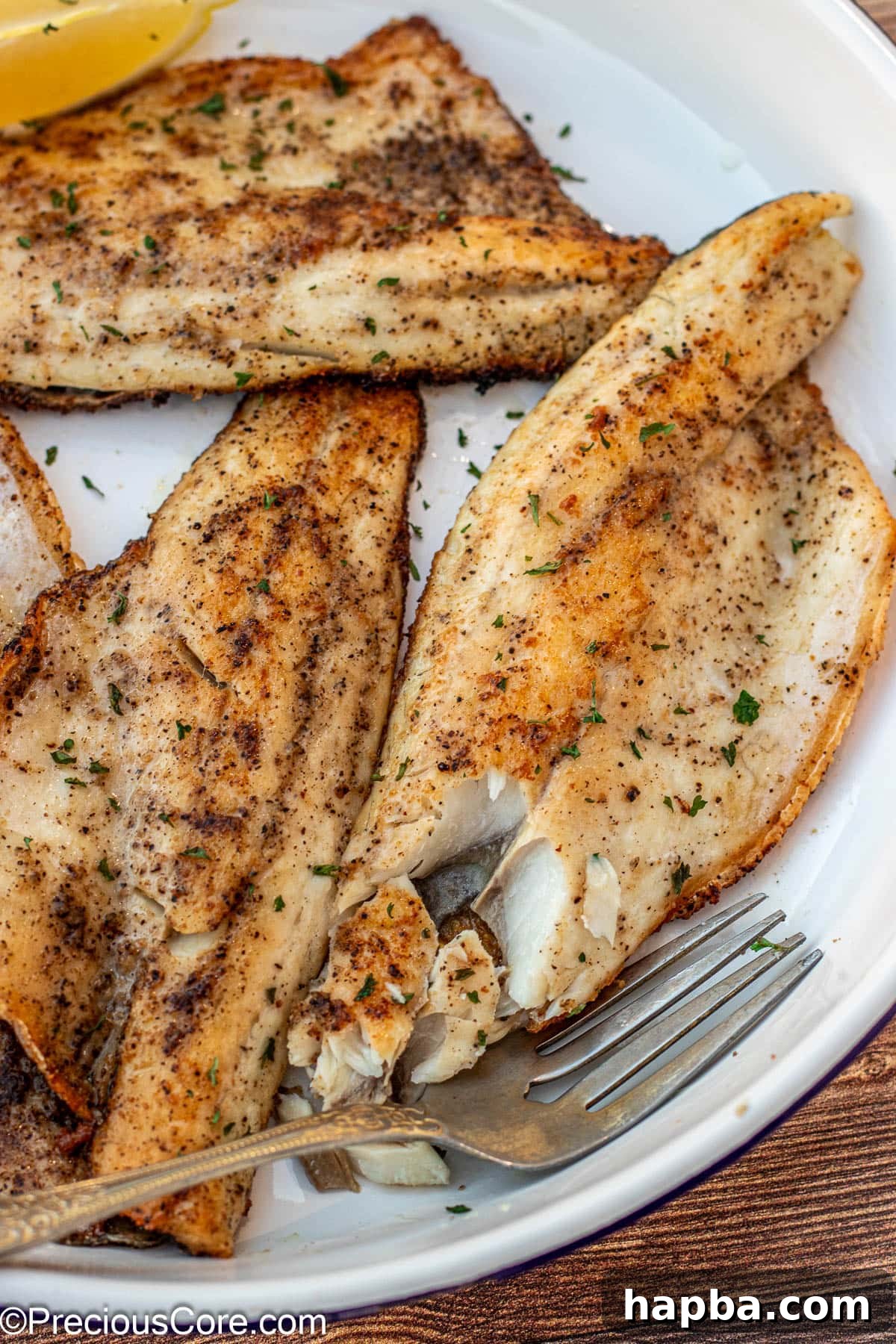
Why This Pan-Seared Sea Bass Recipe Works So Well
As a passionate home cook, you’ll often find me experimenting with new fish recipes, from perfectly Pan Grilled Salmon to zesty Lemon Butter Tilapia. Fish is a cherished staple in my household, frequently gracing our dinner table and filling my recipe testing calendar. This Pan Seared Sea Bass recipe, in particular, has become a standout favorite for a multitude of compelling reasons that I’m excited to share:
- Unbelievably Easy and Fast: In today’s bustling world, time is a precious commodity. This recipe is an absolute game-changer, coming together in less than 15 minutes from start to finish. The sea bass fillets cook incredibly quickly, requiring only about 2-3 minutes per side. This means you can effortlessly fit a gourmet-style dinner into even the busiest of schedules. Imagine searing perfectly cooked fish on one burner while simultaneously preparing a quick batch of Sauteed Vegetables or rice on another. Dinner served, stress-free, and delicious, in a blink of an eye!
- A Powerhouse of Nutrition: Beyond its fantastic taste, sea bass is a nutritional superstar. It’s remarkably high in lean protein, essential for muscle repair and growth, and surprisingly low in calories, making it an ideal choice for weight management or healthy eating plans. Furthermore, sea bass is an excellent natural source of beneficial Omega-3 fatty acids, which are renowned for supporting heart health, reducing inflammation, and boosting cognitive function. Health experts often recommend consuming up to 12 ounces of low-mercury fish and shellfish per week, and sea bass fits this recommendation perfectly, offering a delicious way to meet your nutritional goals.
- Remarkably Versatile and Adaptable: The beauty of this recipe lies in its flexibility. While sea bass is undeniably delicious, if you can’t find it, don’t worry! This cooking method works beautifully with almost any firm-fleshed fish fillet you can get your hands on. Fantastic substitutes include wild-caught salmon (though cooking time might vary slightly), delicate whiting fish, flavorful trout, vibrant snapper, or responsibly farmed tilapia. This adaptability ensures that a delicious, healthy meal is always within reach, regardless of what’s available at your local fish counter or how you want to customize your meal.
- A True Family Favorite: This recipe consistently earns rave reviews from both kids and adults in my household. There’s something undeniably satisfying about everyone having their own perfectly cooked piece of flaky fish that’s seasoned just right. If you have a large family like I do, simply scale up the ingredients to feed everyone without compromising on quality or extending the cooking time significantly. And for those special moments, its elegant presentation makes it just as suitable for a romantic date night in, creating a memorable dining experience.
- Achieving the Perfect Crispy Skin: A secret weapon for achieving that coveted restaurant-quality crispiness is a well-seasoned, hot cast iron skillet. The even heat distribution and naturally non-stick surface (when properly cared for) of cast iron help to create an unparalleled golden-brown crust on your fish’s skin, adding a delightful textural contrast. If you haven’t yet invested in a cast iron skillet, consider it a worthwhile addition to your kitchen arsenal; it’s an incredibly useful and versatile cooking tool that will elevate many of your dishes, from searing meats to baking cornbread.
Essential Ingredients for Perfect Pan Seared Sea Bass
Crafting this restaurant-quality Pan Seared Sea Bass requires just a handful of simple, yet impactful, ingredients. Each component plays a crucial role in developing the incredible flavor and texture of this dish, ensuring a gourmet experience with minimal fuss. Here are the seven essential ingredients you’ll need, including the fundamental seasonings:
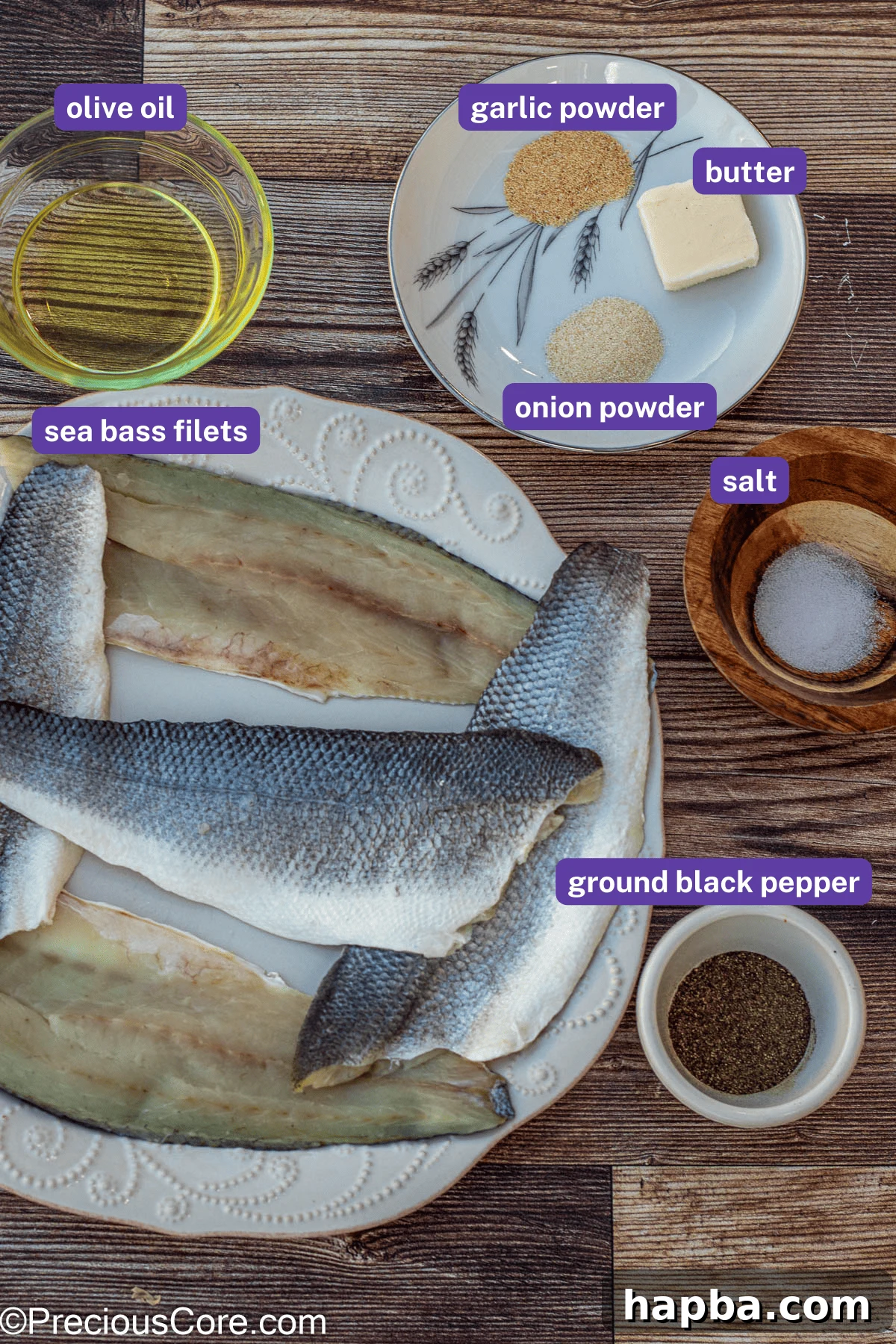
- Sea Bass Fillets: The star of our dish! Aim for fresh, high-quality fillets from a reputable seafood counter. Look for firm, shiny flesh with no strong “fishy” odor, indicating freshness. As mentioned, if true sea bass isn’t readily available, don’t hesitate to substitute with other firm, white-fleshed fish like cod, snapper, or even salmon for a different, yet equally delicious, flavor profile.
- Olive Oil (Extra Virgin or Light): Essential for achieving that beautiful golden crust and preventing the fish from sticking to the pan. Be generous with the olive oil to ensure thorough coating and even searing, which contributes significantly to the crispiness. Extra virgin olive oil will impart a richer flavor, while light olive oil is more neutral. You could also opt for avocado oil, which has a high smoke point and a mild taste, making it another excellent choice for pan-searing at higher temperatures.
- Garlic Powder & Onion Powder: These two unassuming, yet incredibly powerful, spices are the secret weapons that elevate the fish’s natural mild flavor to extraordinary heights. They infuse the sea bass with a savory depth and aromatic complexity without overpowering its delicate taste. Using powders ensures even distribution and a consistent flavor in every bite, creating a balanced and enticing aroma as the fish cooks.
- Salt & Freshly Ground Black Pepper: These are the fundamental seasonings that enhance all other flavors and bring the dish to life. Salt brings out the natural sweetness of the fish and helps to firm up its texture, while freshly ground black pepper adds a subtle, piquant kick. Always season generously but to your personal preference, ensuring every fillet is perfectly seasoned.
- Unsalted Butter: Added towards the end of the cooking process, butter is more than just a fat here; it’s a finishing flourish that adds an incredible depth of flavor. As it melts and gently bastes the fish, it imparts a luxurious, rich, and nutty flavor that rounds out the dish beautifully, adding a touch of finesse and a glossy sheen to your fillets. This step is optional but highly recommended for an extra layer of decadence.
For precise measurements of each ingredient, please refer to the detailed recipe card provided below. It offers all the necessary quantities to ensure your Pan Seared Sea Bass turns out perfectly every time.
How to Perfectly Pan Sear Sea Bass: A Step-by-Step Guide
Pan-searing is arguably one of the simplest and most effective techniques for cooking sea bass, yielding fillets that are wonderfully crisp on the outside and moist, tender on the inside. The key to even cooking and optimal texture is always to bring your fish to room temperature before it hits the pan. Follow these straightforward steps to achieve perfectly Pan Seared Sea Bass every time, ensuring a delicious and stress-free cooking experience:
- 1. Prepare the Fish: Approximately 20-30 minutes before you plan to cook, remove your sea bass fillets from the refrigerator to allow them to come closer to room temperature. This crucial step ensures that the fish cooks more evenly from edge to center, preventing a cold interior and overcooked exterior. Once tempered, thoroughly pat both sides of the fish fillets dry with paper towels. Removing excess moisture is vital for achieving that desirable crispy skin and preventing the fish from steaming instead of searing, which would result in a less appetizing texture.
- 2. Season Generously: With the fillets patted perfectly dry, it’s time to infuse them with flavor. Season both sides of each sea bass fillet liberally with salt, freshly ground black pepper, garlic powder, and onion powder. Make sure the seasonings are evenly distributed across the entire surface of the fish for a consistent and robust taste profile in every bite.
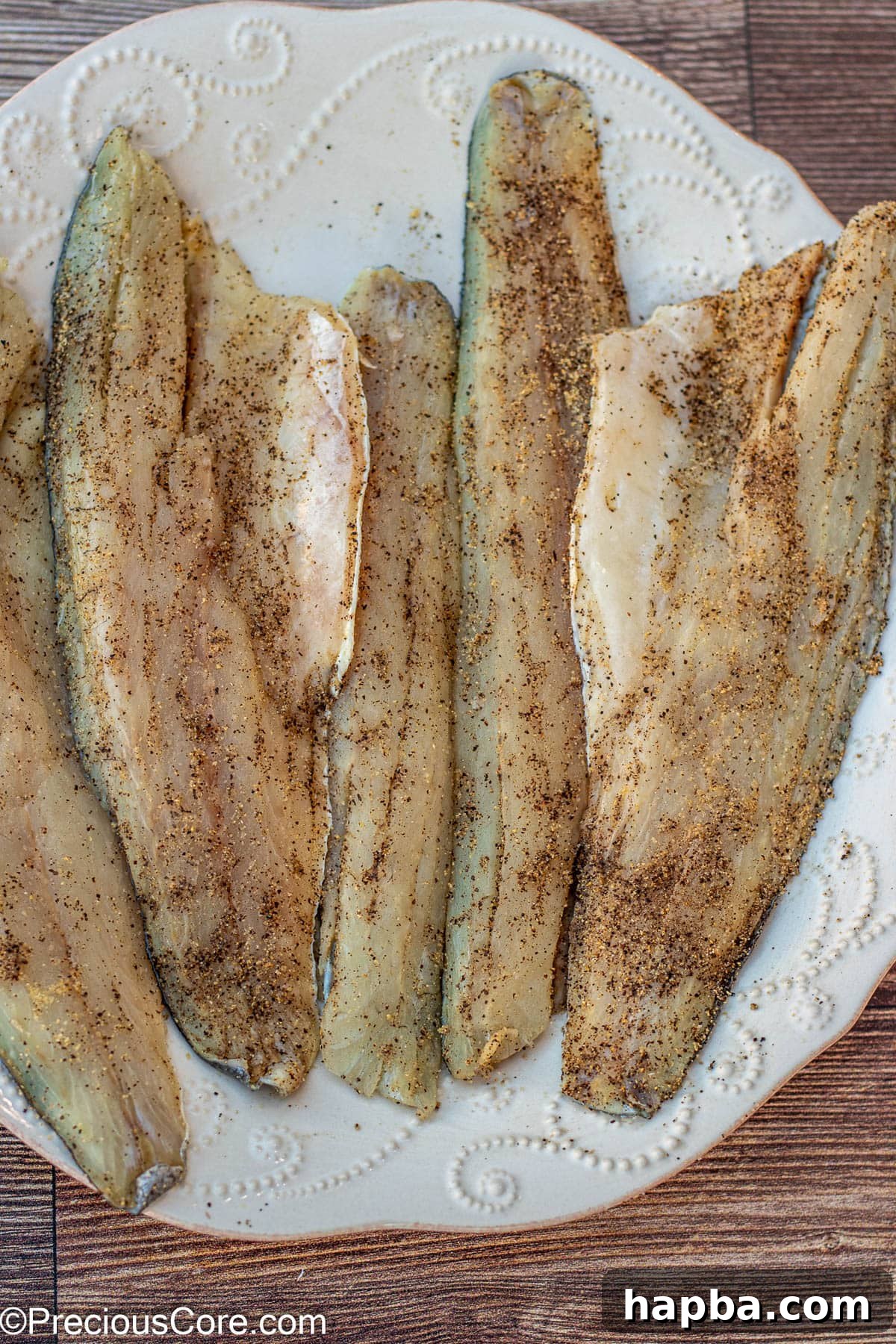
- 3. Preheat the Skillet and Add Fish: Place a large skillet over medium-high heat. A cast iron skillet is highly recommended for its superior heat retention and ability to create a fantastic sear and crispy crust. Allow the pan to heat sufficiently for 2-3 minutes until it’s very hot; a hot pan is paramount for achieving crispiness and preventing sticking. Add the olive oil and swirl it around to completely coat the bottom of the pan. Once the oil shimmers and just begins to smoke lightly, carefully place the sea bass fillets into the hot skillet, skin-side down first if your fillets have skin. Gently press down on each fillet with a spatula for a few seconds to ensure full contact with the hot pan, promoting even searing and a uniform crust. If you’re using a smaller skillet, cook the fish in batches to avoid overcrowding the pan, which can significantly lower the temperature and lead to steaming rather than searing.
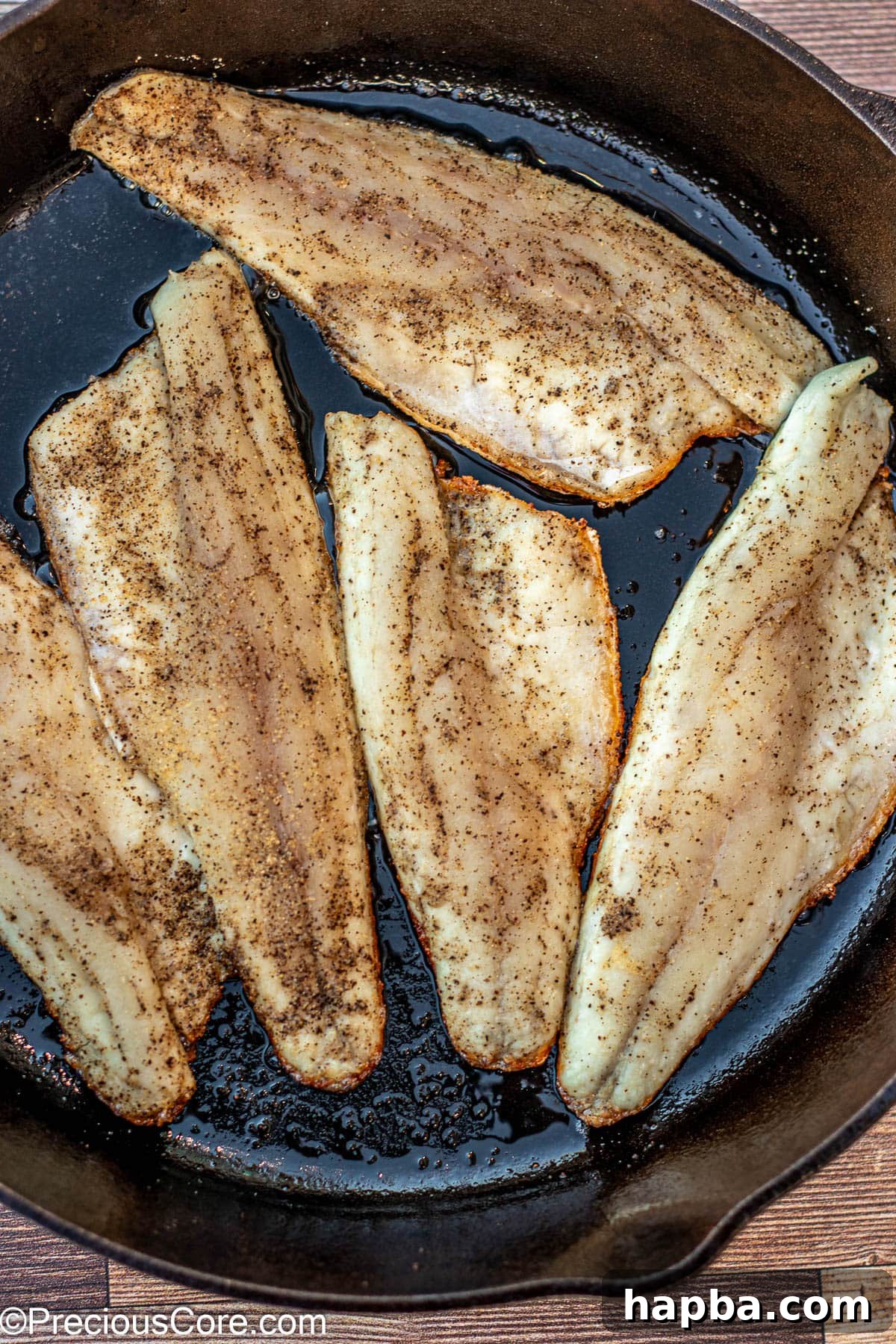
Pro Tip for Crispy Skin: Always start by cooking the fish skin-side down first. This allows the skin ample time to crisp up beautifully and develop a rich, golden-brown color without overcooking the delicate flesh. The fat in the skin also renders, creating an even more flavorful and appealing texture.
- 4. Pan Sear to Perfection: Let the fish cook undisturbed on the first side for approximately 2-3 minutes, or until the skin is wonderfully crispy and golden brown. You’ll observe the edges of the fish starting to turn opaque and cook upwards. Carefully flip the fillets using a thin, sturdy fish spatula and cook on the other side for another 1-2 minutes. Cooking times will vary depending on the thickness of your fillets; thinner fillets will cook faster, while thicker ones may require a bit more time. The fish is perfectly cooked when its flesh turns opaque throughout, flakes easily with a fork, and reaches an internal temperature of 145°F (63°C) when measured with an instant-read thermometer. Be vigilant to avoid overcooking, as this can quickly result in dry, tough fish, sacrificing its delicate texture.
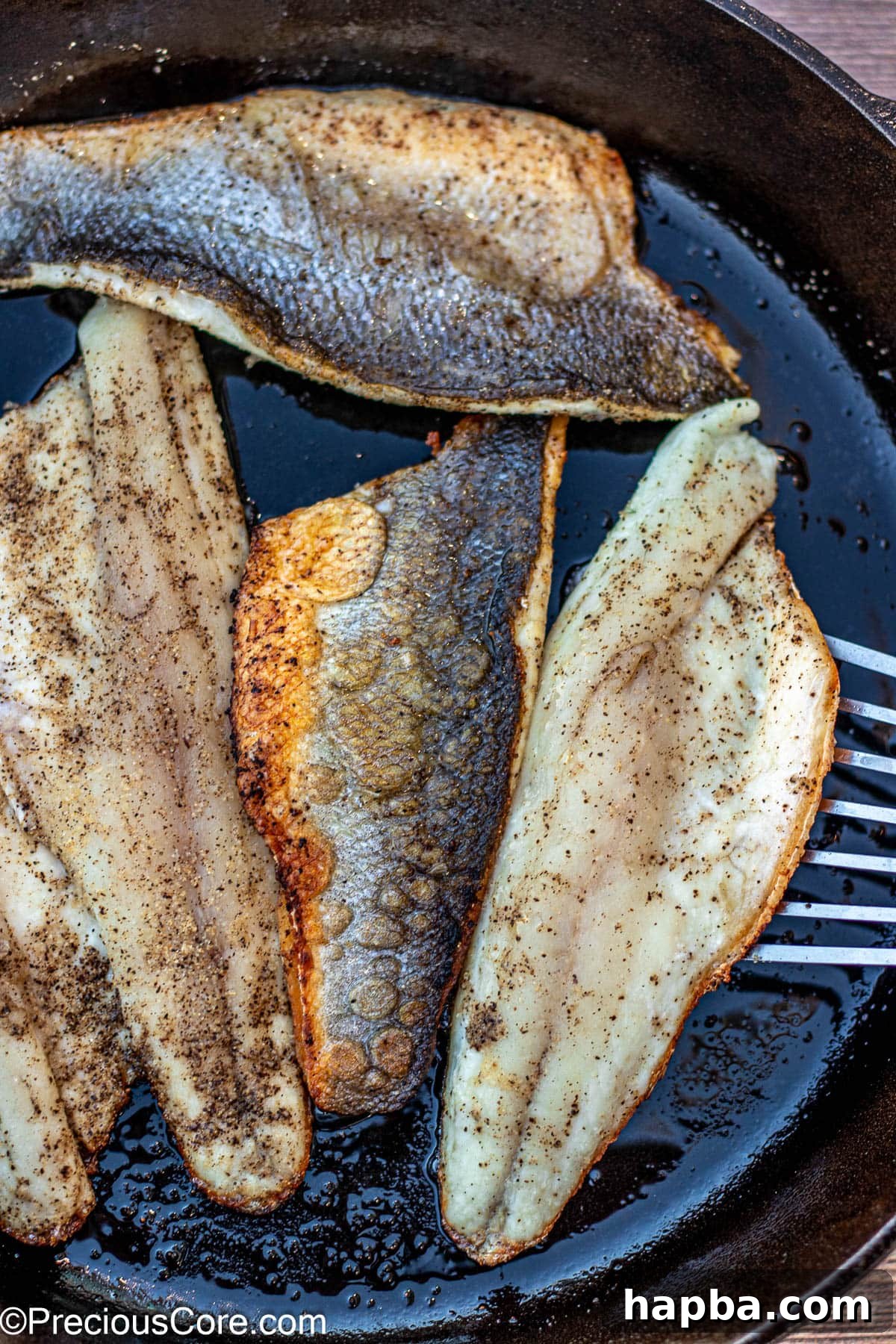
- 5. Add Butter and Baste (Optional but Recommended): For an extra layer of richness and flavor, add a tablespoon or two of unsalted butter to the pan during the last minute of cooking. Allow the butter to melt, then use your spatula or a spoon to gently baste the cooking fish with the fragrant melted butter. This step adds a beautiful glossy finish and infuses the fillets with a delightful buttery essence, taking the flavor profile to the next level.
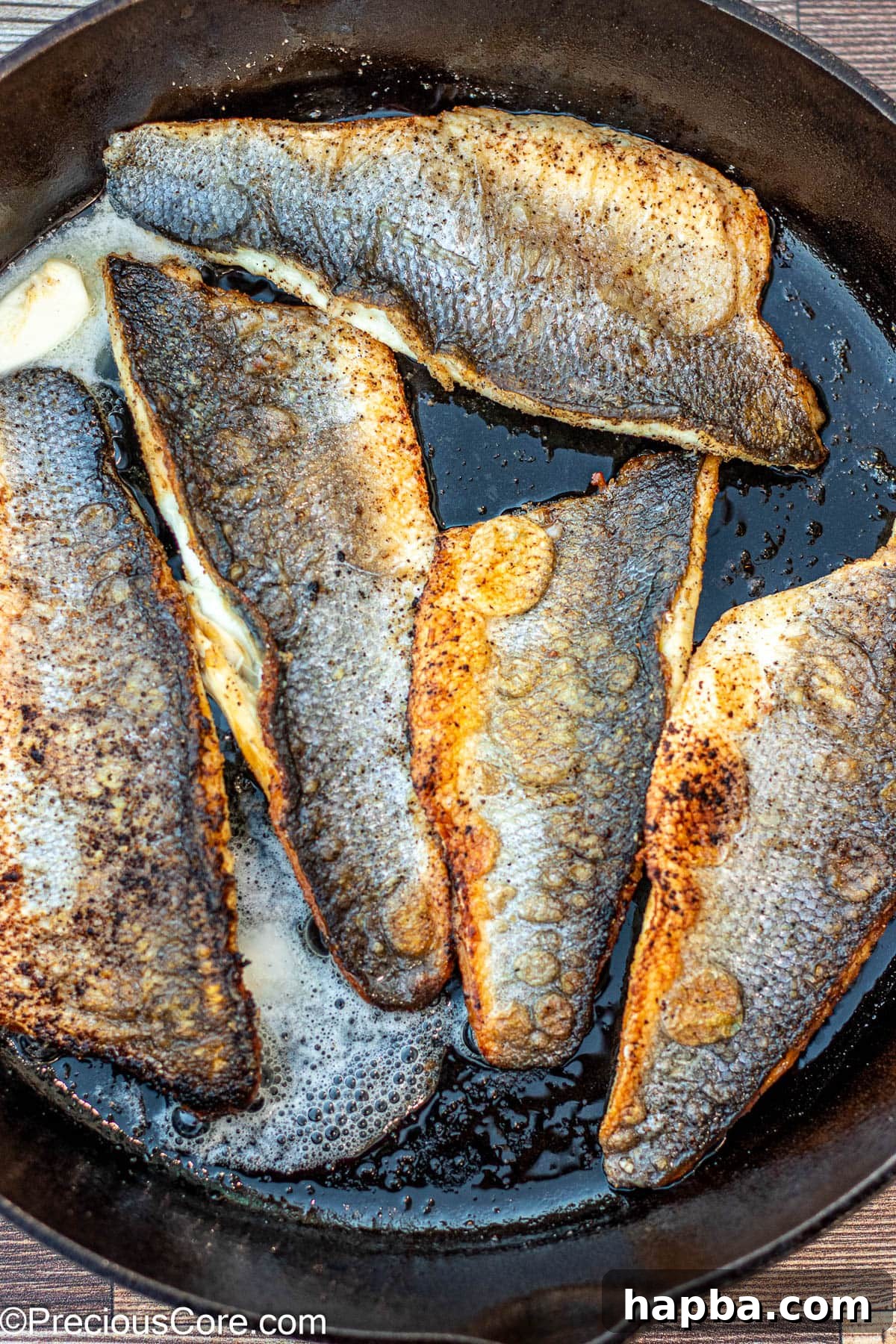
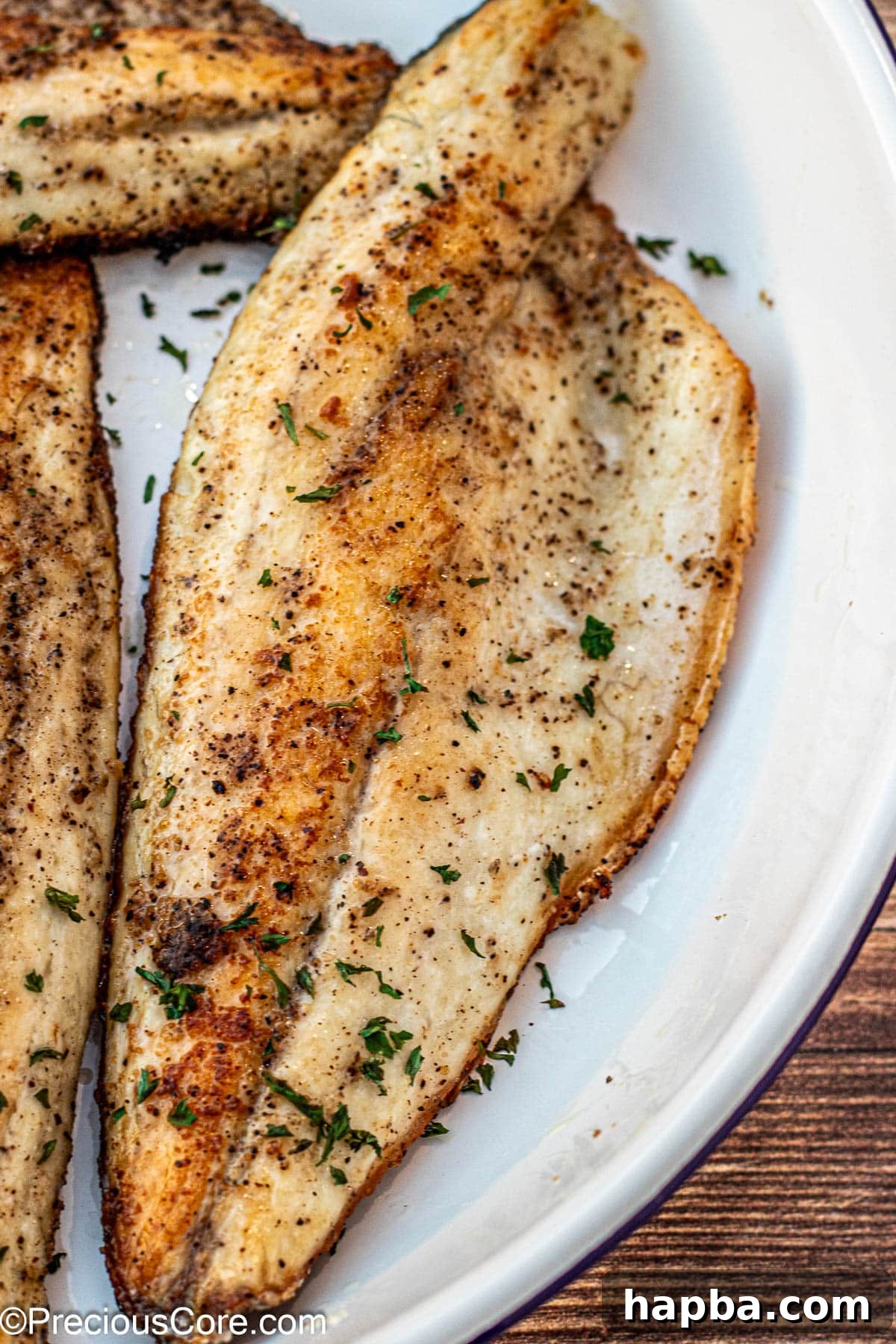
- 6. Serve Immediately: Transfer the perfectly seared sea bass fillets to serving plates immediately to enjoy them at their best. Garnish with a sprinkle of fresh minced parsley for a pop of vibrant color and a burst of fresh flavor. Serve alongside fresh lemon slices or wedges; a squeeze of bright lemon juice over the cooked fish adds a wonderful zing and cuts through the richness, enhancing the overall taste and making the flavors sing. Feel free to experiment with other fresh herbs like dill or chives if you have them on hand for an extra aromatic touch.
Expert Tips for Flawless Pan-Seared Sea Bass Every Time
Achieving perfectly pan-seared sea bass is simple when you keep a few key tips in mind. These recommendations will help you ensure your fish is always cooked to perfection, boasting a beautifully crispy exterior and an incredibly tender, moist interior:
- Source High-Quality Fish: Always purchase your sea bass from a reputable fishmonger or a grocery store with a reliable, high-turnover seafood department. Look for fish that smells fresh and sweet, like a clean ocean breeze, not “fishy.” The flesh should be firm and spring back when gently pressed. Labels indicating “responsibly farmed” or “sustainably sourced” are excellent indicators of quality and ethical practices.
- Always Pat Dry: This step cannot be stressed enough. Before seasoning, thoroughly pat both sides of your sea bass fillets dry with paper towels. Any excess moisture on the surface of the fish will cause it to steam rather than sear, preventing that coveted crispy crust from forming. A perfectly dry surface is crucial for a beautiful golden-brown finish and a truly satisfying texture.
- Check for Bones: Even the most skilled fishmongers can occasionally miss a pin bone or two. Before cooking, run your fingers carefully along the length of each fillet to check for any small, needle-like bones. If you find any, use a clean pair of tweezers or needle-nose pliers to carefully pull them out. This simple step ensures a more pleasant eating experience.
- Don’t Skimp on Oil and Heat: Ensure your pan is adequately preheated to medium-high heat before adding the oil. Then, be generous with your olive oil, making sure the bottom of the skillet is well-coated. A hot, well-greased pan is your best defense against fish sticking and is absolutely essential for developing that desirable crispy crust and achieving a beautiful sear.
- Avoid Overcrowding the Pan: When placing the fish in the skillet, ensure there’s enough space between each fillet. Overcrowding will drastically lower the pan’s temperature, leading to steaming and a soggy texture instead of a crisp sear. If necessary, especially with multiple fillets, cook the fish in multiple batches to maintain optimal pan temperature and ensure consistent results.
- Do Not Overcook: Fish cooks very quickly, especially thinner fillets. Sea bass is done when it easily flakes with a fork and reaches an internal temperature of 145°F (63°C). Cooking it for too long will dry out the delicate flesh, making it tough, rubbery, and unappetizing. Err on the side of slightly undercooked, as it will continue to cook slightly from residual heat once removed from the pan.
- Consider a Simple Sauce: While delicious on its own, pan-seared sea bass pairs wonderfully with a light sauce to add another dimension of flavor. A quick lemon butter sauce, similar to the one in our Fish In White Sauce recipe, can add an extra layer of brightness and richness. A drizzle of balsamic glaze, a fresh herb chimichurri, or even a simple mango salsa would also be delightful additions.
- Serve Immediately: For the best texture and flavor, serve your pan-seared sea bass as soon as it’s cooked. The crispy skin is best enjoyed fresh off the pan.
For another fantastic baked fish dinner option, make sure to check out our flavorful recipe for Mediterranean Baked Fish!
Pan Seared Sea Bass Recipe FAQs
While sea bass can be baked, grilled, or poached, pan-searing is widely considered one of the best techniques for this particular fish. It allows you to achieve a perfectly crispy skin and a moist, flaky interior in a very short amount of time, locking in the natural flavors and creating a delightful textural contrast. The key is to use a hot pan with sufficient oil to create a beautiful crust.
Pan-frying sea bass is incredibly quick! For fillets that are approximately half an inch thick, you’ll typically cook them for 2 to 3 minutes on the first side (skin-side down) and then another 1 to 2 minutes on the second side. This means the entire cooking process on the stovetop can be completed in less than 10 minutes, making it an ideal choice for fast weeknight meals or when you need a quick protein source.
Yes, they are! Branzino is simply the Italian name for European Sea Bass (or Mediterranean Sea Bass). It’s a popular and delicious fish, often found whole in Mediterranean cuisine, but also widely available as fillets, and works wonderfully in this pan-seared recipe. So if you see “Branzino” at your fish market, know you’ve found an excellent substitute or the very fish used in this recipe!
Absolutely! Frozen sea bass fillets work perfectly well for this recipe. Just ensure they are fully thawed in the refrigerator overnight or using the cold-water thawing method. After thawing, it is crucial to thoroughly pat them dry with paper towels before seasoning and searing. Proper thawing and drying are essential for achieving the best texture and that desirable crispy skin, as excess moisture can lead to a soggy result.
Cooked sea bass will turn opaque throughout its flesh and flake easily when gently probed with a fork at its thickest point. The flesh will transform from translucent to a solid white color. For ultimate precision and food safety, an instant-read thermometer inserted into the thickest part of the fillet should register an internal temperature of 145°F (63°C). Be careful not to overcook, as sea bass can quickly become dry and tough if left on the heat for too long.
A cast iron skillet is highly recommended for pan-searing sea bass. Its superior heat retention and even heat distribution are ideal for creating a consistently crispy crust and cooking the fish uniformly. A well-seasoned cast iron pan also offers natural non-stick properties. If you don’t have cast iron, a heavy-bottomed stainless steel or non-stick skillet can also work, just ensure it’s hot enough before adding the fish.
Perfect Pairings: What to Serve with Pan Seared Sea Bass
Pan Seared Sea Bass is a versatile dish that harmonizes beautifully with a wide array of side dishes. Its mild, delicate flavor and flaky texture make it an excellent canvas for both vibrant salads and comforting starches. Here are some of our top recommendations to create a truly unforgettable and balanced meal:
Garlic Butter Green Beans
A simple yet elegant side, these green beans are quickly sautéed with garlic and butter, offering a tender-crisp texture and a savory flavor that complements the delicate fish without overpowering it. They add a healthy, vibrant touch to your plate.
Creamy Avocado Salad
Creamy avocado chunks combined with crisp vegetables create a light, healthy, and incredibly satisfying salad. It adds a wonderful textural and flavor contrast to the richness of the sea bass, offering healthy fats and a refreshing bite.
Crisp Lettuce Salad
Sometimes, simplicity is best. A fresh, crisp lettuce salad with a light vinaigrette provides a refreshing and palate-cleansing counterpoint to the rich flavors of the seared fish, perfect for a balanced and effortless meal.
Fresh Corn Avocado Salad
This vibrant salad bursts with the sweetness of fresh corn and the creaminess of avocado, offering a delightful texture and flavor profile that pairs wonderfully with the delicate sea bass for a light, summery feel.
Fragrant Garlic Herb Rice
A fragrant and flavorful rice dish, infused with aromatic garlic and fresh herbs, provides a comforting and absorbent base that beautifully soaks up any delicious pan juices from the sea bass, completing the meal.
Creamy Buttermilk Mashed Potatoes
For a heartier and more comforting meal, serve your sea bass with creamy buttermilk mashed potatoes. Their smooth texture and subtle tang create a wonderfully satisfying pairing with the delicate, flaky fish.
Explore More Quick & Delicious Seafood Recipes
If you’ve fallen in love with the simplicity and exquisite taste of this Pan Seared Sea Bass recipe, then you’re in for a treat! We have an array of other fantastic fish and seafood recipes that are equally easy to prepare and bursting with flavor. Expand your culinary horizons and discover new weeknight favorites with these delicious options:
Mediterranean Baked Fish
Catfish Pepper Soup
Lemon Butter Tilapia
Sheet Pan Salmon and Broccoli
If you try this delightful Pan Seared Sea Bass recipe, please consider leaving a star rating below in the comments section. Your feedback is invaluable as it helps other home cooks discover and enjoy this recipe, and I absolutely love hearing about your culinary successes! Thank you for your support!
Pan Seared Sea Bass Recipe
These thin sea bass fillets are expertly seasoned and pan-seared to create a quick, healthy, and incredibly flavorful meal in minutes. Make this Pan Seared Sea Bass a regular feature on your dinner table for a delightful culinary experience. This recipe is also highly adaptable; you can easily replace sea bass with any other firm-fleshed fish of your choice.
5 mins
10 mins
15 mins
4 servings
Rate This Recipe
Print Recipe
Ingredients
- 1 pound sea bass fillets (typically 4-5 thin fillets)
- ½ teaspoon salt
- ⅛ teaspoon ground black pepper
- ½ teaspoon garlic powder
- ½ teaspoon onion powder
- 2 Tablespoons olive oil
- 1-2 Tablespoons unsalted butter (optional, for basting)
- Minced fresh parsley (for garnish)
- Lemon wedges (for serving)
Instructions
-
1. Prep Fish: Remove sea bass fillets from the refrigerator 20-30 minutes before cooking. Pat them thoroughly dry on both sides with paper towels to ensure a crispy sear.
-
2. Season: Evenly sprinkle both sides of the fish fillets with salt, pepper, garlic powder, and onion powder.
-
3. Heat Skillet: Place a large cast iron skillet over medium-high heat. Add the olive oil and swirl to coat the pan. Ensure the oil is shimmering before adding fish.
-
4. Pan Sear: Carefully place the fish, skin-side down (if applicable), into the hot skillet. Press down gently with a spatula to ensure full contact. Cook for 2-3 minutes until the skin is golden brown and crispy. Flip the fillets and cook for another 1-2 minutes, or until the fish flakes easily with a fork and reaches an internal temperature of 145°F (63°C). Avoid overcooking.
-
5. Add Butter & Serve: (Optional) During the last minute of cooking, add unsalted butter to the pan and baste the fish. Transfer to plates immediately. Garnish with minced parsley and serve with lemon wedges for a fresh squeeze.
Recipe Notes
Patting fish dry: This is a critical step for crispy skin. Ensure all surface moisture is removed with paper towels before seasoning and cooking.
Cook in batches: If your skillet is smaller than 12 inches or you’re cooking many fillets, cook in batches to prevent overcrowding. Overcrowding can lower the pan temperature and lead to steaming instead of searing.
Scale the recipe: This recipe is easily adjustable. You can scale the quantities up or down based on the number of servings you need. For example, to feed a larger family, you might want to double the recipe, adjusting ingredient amounts proportionally.
Nutrition Information (per serving)
Calories: 174 kcal | Carbohydrates: 1 g | Protein: 20 g | Fat: 10 g | Saturated Fat: 2 g | Polyunsaturated Fat: 2 g | Monounsaturated Fat: 6 g | Cholesterol: 91 mg | Sodium: 369 mg | Potassium: 298 mg | Fiber: 0.1 g | Sugar: 0.03 g | Vitamin A: 102 IU | Vitamin C: 0.1 mg | Calcium: 19 mg | Iron: 1 mg
Additional Information