
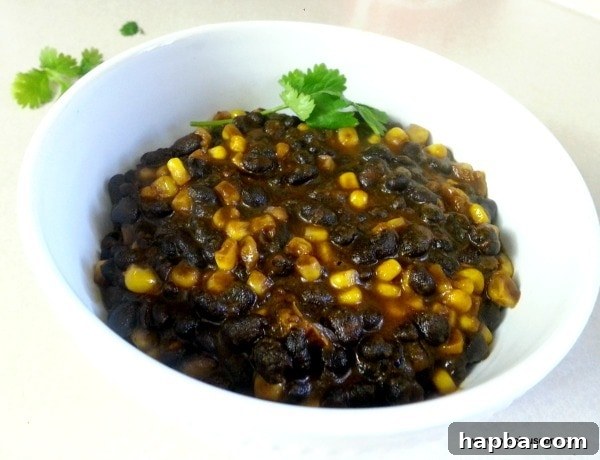
Corn Chaff: Discover the Rich Flavors of Cameroonian Corn and Beans Porridge
Prepare your taste buds for an extraordinary culinary journey! Growing up, few dishes brought as much warmth and satisfaction to my heart and home as Corn Chaff. This beloved Cameroonian delicacy, also widely known as Corn and Beans Porridge, is a testament to the simple yet profound magic that can happen when humble ingredients like corn and beans are brought together with passion and tradition. It’s a dish that isn’t just food; it’s an experience—creamy, incredibly flavorful, and truly a party in your mouth with every spoonful. While it reigns supreme in Cameroon, its spirit finds a delightful echo in Nigeria’s similar dish, Adalu, showcasing the shared culinary heritage across West Africa.
Corn Chaff goes beyond being just a meal; it’s a staple, a comfort food, and a dish that often graces family tables, gatherings, and special occasions. Its unique combination of textures and deep, savory flavors makes it unforgettable, a true highlight of Cameroonian cuisine that many cherish from childhood well into adulthood. If you’re searching for an authentic taste of Africa that is both nourishing and deeply satisfying, look no further than this exquisite corn and beans porridge.
The Essence of Corn Chaff: A Symphony of Ingredients
The magic of Corn Chaff lies not just in its primary components—corn and beans—but in the carefully selected supporting cast of ingredients that elevate it from simple porridge to a gourmet delight. At its heart, the foundation of this dish is built upon a few ever-present staples: rich, vibrant palm oil, essential salt, and the ubiquitous seasoning cubes (like Maggi or Knorr) that provide that signature umami depth.
Beyond these foundational elements, the real artistry begins with the addition of aromatics and herbs. Onions, garlic, and fresh ginger form a potent trio, infusing the dish with an irresistible fragrance and a gentle, spicy warmth. Green herbs such as celery and parsley contribute a fresh, herbaceous note, balancing the richness of the oil and other spices. For those who appreciate a touch of tang and color, ripe tomatoes can be incorporated, particularly when using a lighter oil that benefits from their natural vibrancy.
Adding another layer of authentic African flavor, many recipes call for crayfish, which lends a distinctive marine earthiness that is incredibly addictive. And for those truly looking to enrich their Corn Chaff, the possibilities are endless: smoked fish can be flaked in for a smoky, savory dimension, while chunks of tender meat can transform it into an even heartier, more luxurious meal. A little secret weapon, colloquially known as “contri onions” in Cameroon (which refers to the African nutmeg or calabash nutmeg), can work wonders, imparting a subtle, nutty, and highly aromatic spice that elevates the entire dish to new heights. This spice is a hallmark of many traditional West African stews and porridges, offering an authentic touch that is hard to replicate.
As for my personal preference, I often find myself drawn to a combination of fresh garlic, pungent ginger, sweet onions, and an generous medley of green herbs. I frequently opt to omit tomatoes when using the deep red palm oil, as its natural color and flavor are sufficient. However, if I choose a lighter vegetable oil, I happily include tomatoes, allowing them to lend their beautiful hue and tangy brightness to the finished dish. This flexibility in ingredients allows for a personalized touch, ensuring every batch of Corn Chaff can be uniquely tailored to individual tastes while still honoring its traditional roots.
Crafting Corn Chaff: Honoring Tradition and Embracing Modernity
The preparation of Corn Chaff offers a beautiful duality, bridging time-honored traditional methods with convenient modern shortcuts. Understanding both approaches enriches the appreciation for this wholesome dish.
The Traditional Way: Mastering Dried Corn
Traditionally, Corn Chaff is made using either corn fresh off the cob during harvest season or, more commonly, dried corn kernels. The process for dried corn is meticulous but incredibly rewarding, resulting in a distinct texture and flavor profile. It showcases the patience and skill passed down through generations.
- Softening the Corn: The journey begins by boiling whole dried corn kernels with a small piece of akanwa, also known as limestone or potash. This alkaline additive plays a crucial role, not only in significantly speeding up the softening process but also in helping to loosen the corn’s tough outer skin, making it easier to peel. This step is vital for achieving the desired tender texture.
- Cooling and Peeling: Once the corn has boiled to a point where the skin feels soft and pliable, it’s removed from the heat. You can either allow it to cool completely or, for a quicker process, rinse it immediately with cold water. The magic happens next: by vigorously rubbing the kernels between your palms, the now softened skins begin to separate.
- Separating the Chaff: To effectively remove the loose skins, the peeled corn is then submerged in a large quantity of water. The lighter skins will float to the surface, allowing you to easily skim them off using a colander or your hands. This step is what gives “Corn Chaff” its name – you are literally removing the corn’s chaff!
- Final Boil and Combination: After the skins are removed, the peeled corn is returned to the pot and boiled again until it reaches perfect tenderness. When the corn is almost ready, pre-soaked raw beans are added to the pot, and both are cooked together until fully soft and harmonious. Season with salt towards the end of the cooking process, allowing everything to simmer for an additional 5 minutes to meld the flavors before serving. This entire process ensures the corn is delightfully soft and easy to chew, contributing to the creamy consistency of your Corn Chaff.
Modern Shortcuts: Convenience Without Compromise
While the traditional method is deeply satisfying, contemporary life often calls for efficiency. This is where modern ingredients truly shine, allowing you to enjoy the authentic taste of Corn Chaff with significantly less preparation time. Many home cooks, myself included, have enthusiastically embraced these shortcuts:
- Frozen Sweet Corn: This is an absolute game-changer. Frozen sweet corn is pre-cooked and requires minimal preparation, often just a quick rinse. It delivers a wonderful sweetness and tender texture that blends seamlessly with the beans.
- Canned Corn: Similarly, canned corn provides an incredibly convenient option. Just drain, rinse, and it’s ready to be incorporated into your dish. It works perfectly for those busy weeknights when you crave a taste of Cameroon without the extensive prep.
- Beans of Your Choice: For the beans component, you have a vast array of choices. While black beans are a popular and delicious option (and one I frequently use due to their availability and rich flavor), feel free to experiment with any variety you enjoy. Red kidney beans, small red beans, pinto beans, or even black-eyed peas can all create a fantastic Corn Chaff, each lending its own subtle flavor and texture to the porridge. The key is to ensure your beans are well-cooked and tender, regardless of the type you choose.
These modern alternatives make Corn Chaff accessible to everyone, ensuring that even with a busy schedule, you can still bring the authentic flavors of Cameroon into your kitchen.
Corn Chaff Recipe: Your Step-by-Step Guide to a Cameroonian Feast
Recipe Overview
Ingredients
Directions
- Prepare Your Corn and Beans:
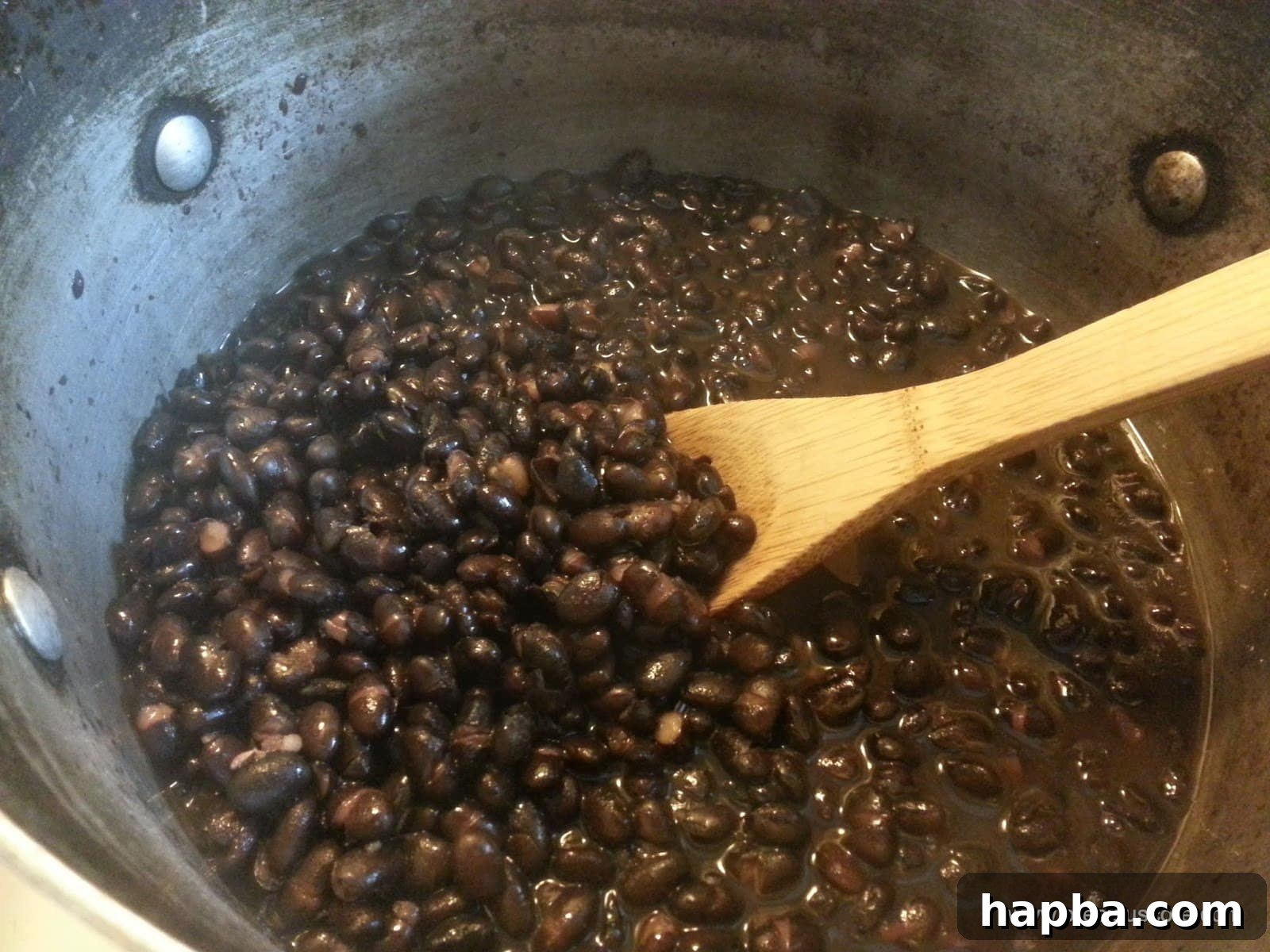
If you are using dried corn, begin by boiling it (following the traditional method described earlier) until it is exceptionally soft and tender. This can take a significant amount of time, typically 1-2 hours, depending on the corn’s age and type. If, like me, you are opting for the convenience of canned or frozen sweet corn, simply rinse it thoroughly and set it aside. For the beans, regardless of your corn choice, ensure they are pre-soaked (this greatly reduces cooking time) and then boil them separately until they are truly soft and creamy. You absolutely want tender beans, not hard or chewy ones, as this contributes significantly to the overall texture of the Corn Chaff.
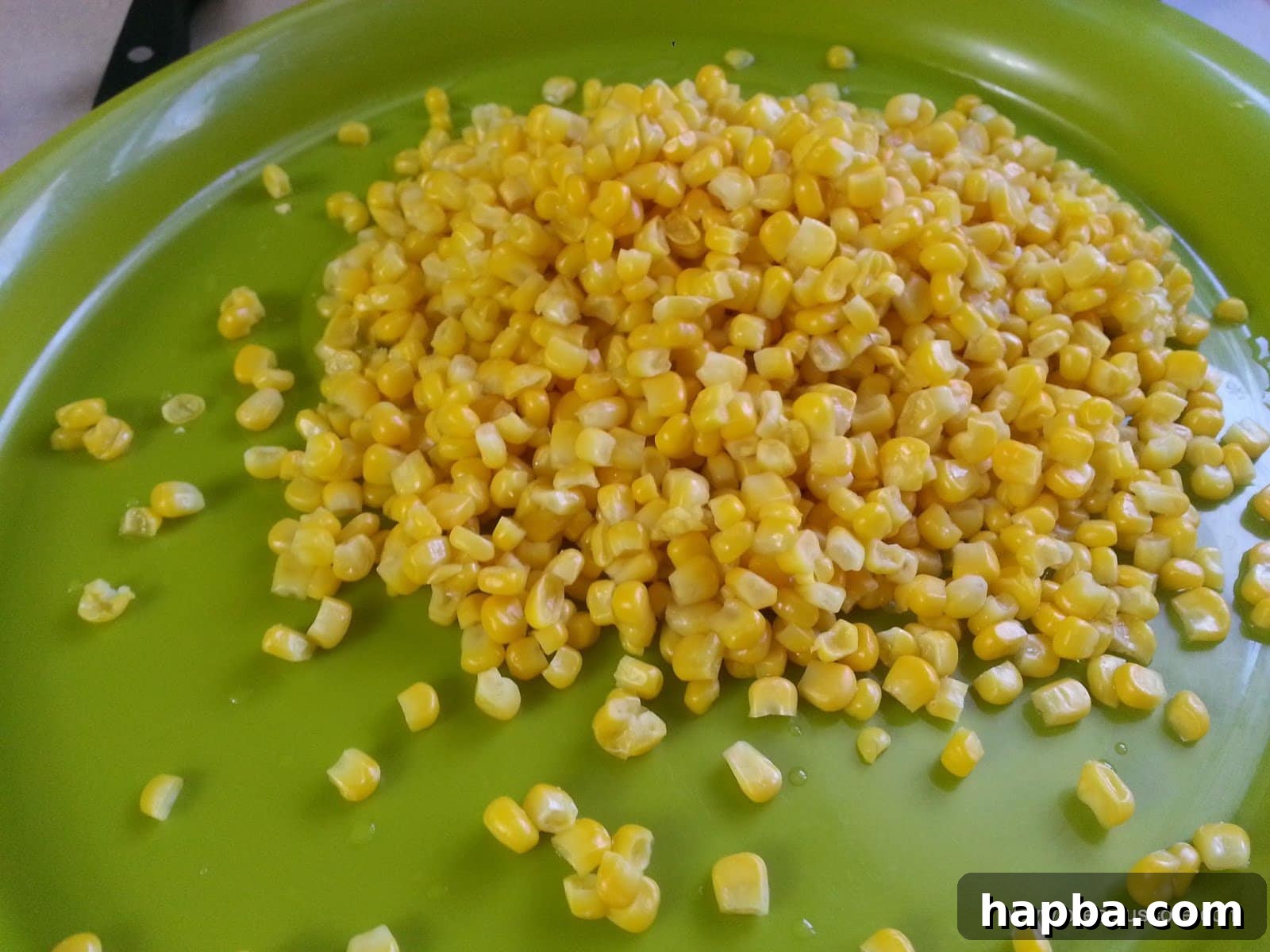
- Rinse and Prepare Corn:
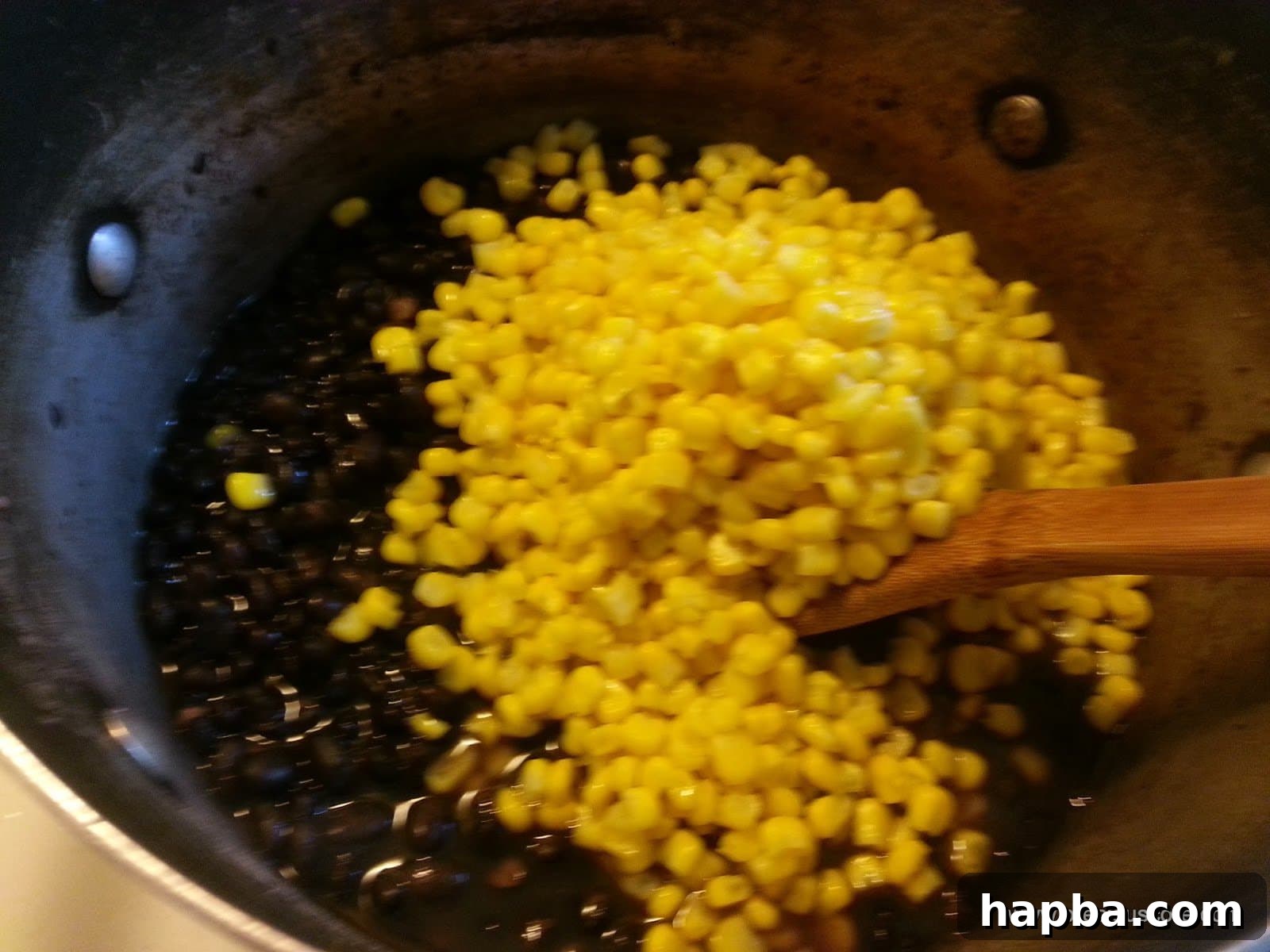
If you’re using canned or frozen corn, give it another good rinse under cold water. This helps remove any excess sodium from canned corn or ice crystals from frozen varieties, ensuring a fresh taste. Once rinsed, drain thoroughly and set aside. Your corn is now ready to join the party.
- Combine Corn and Beans:
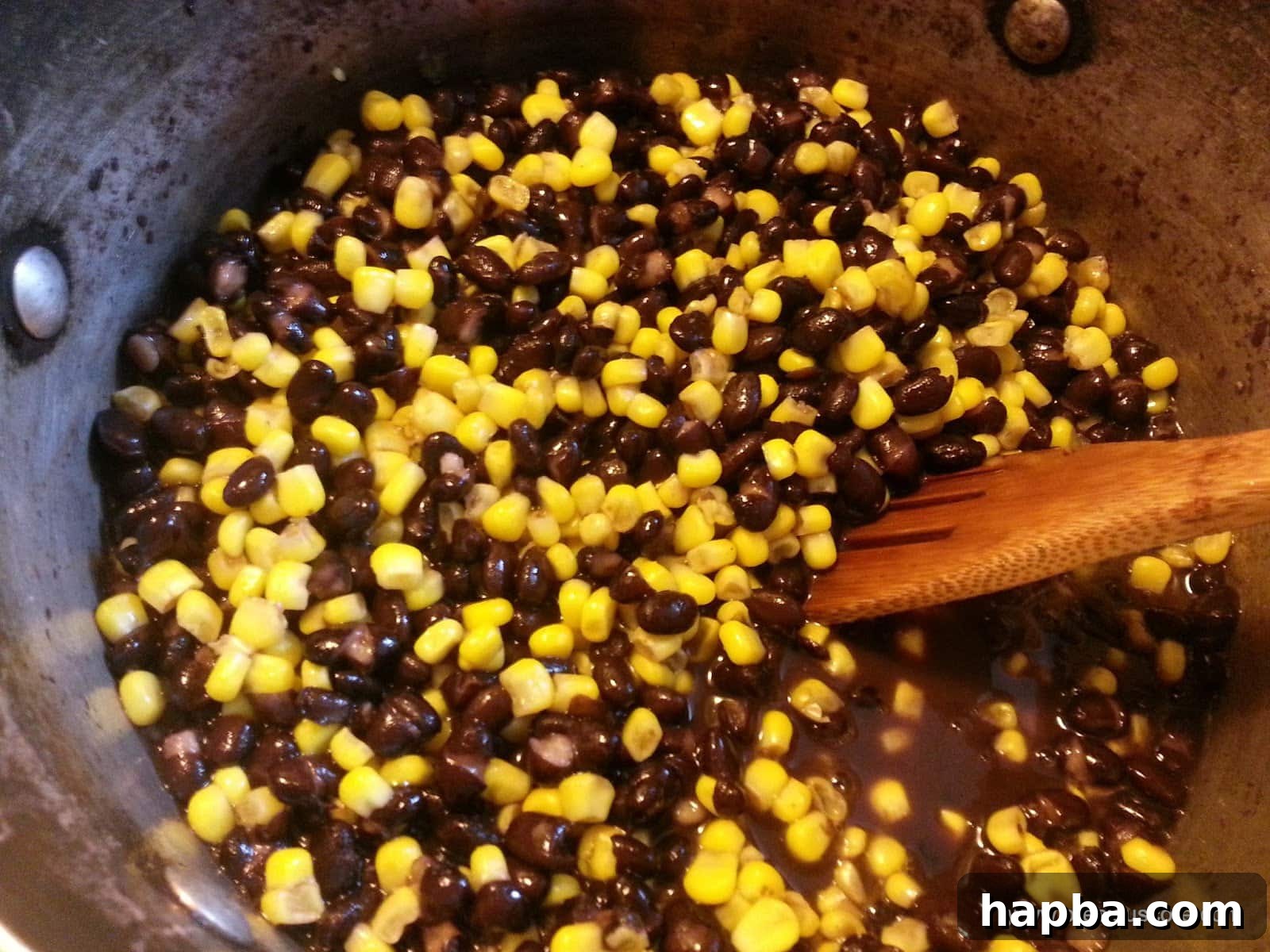
Once your beans are perfectly tender, drain any excess water, but leave a small amount (about a cup) if the beans are very dry. Now, gently combine your prepared corn and the soft, cooked beans in a large, heavy-bottomed pot. Add about a cup of fresh water (or more if the mixture seems too thick), and place the pot over medium heat. This initial gentle simmer allows the corn and beans to begin bonding their flavors.
- Prepare and Add Spices:
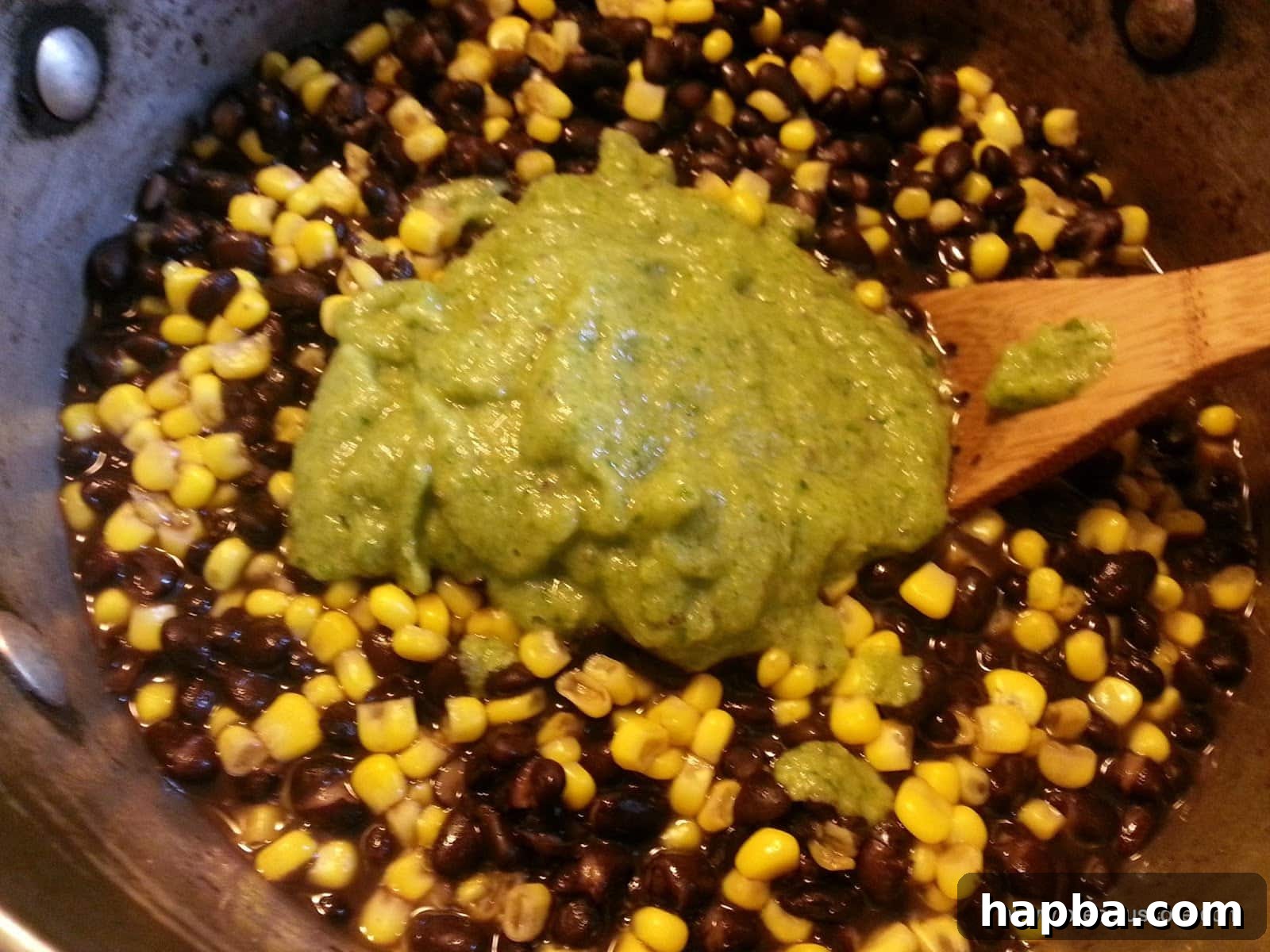
While the corn and beans are gently warming, gather all your aromatic ingredients: the chopped onion, peeled garlic cloves, fresh ginger, parsley, celery, and green onions. For the best flavor infusion, either finely mince them by hand or, for a quicker method, blend them into a coarse paste using a food processor with a tiny splash of water if needed. Once prepared, generously dump this fragrant spice mixture directly into the pot with the corn and beans. Stir well to ensure the aromatics are evenly distributed throughout the dish.
- Season and Add Palm Oil:
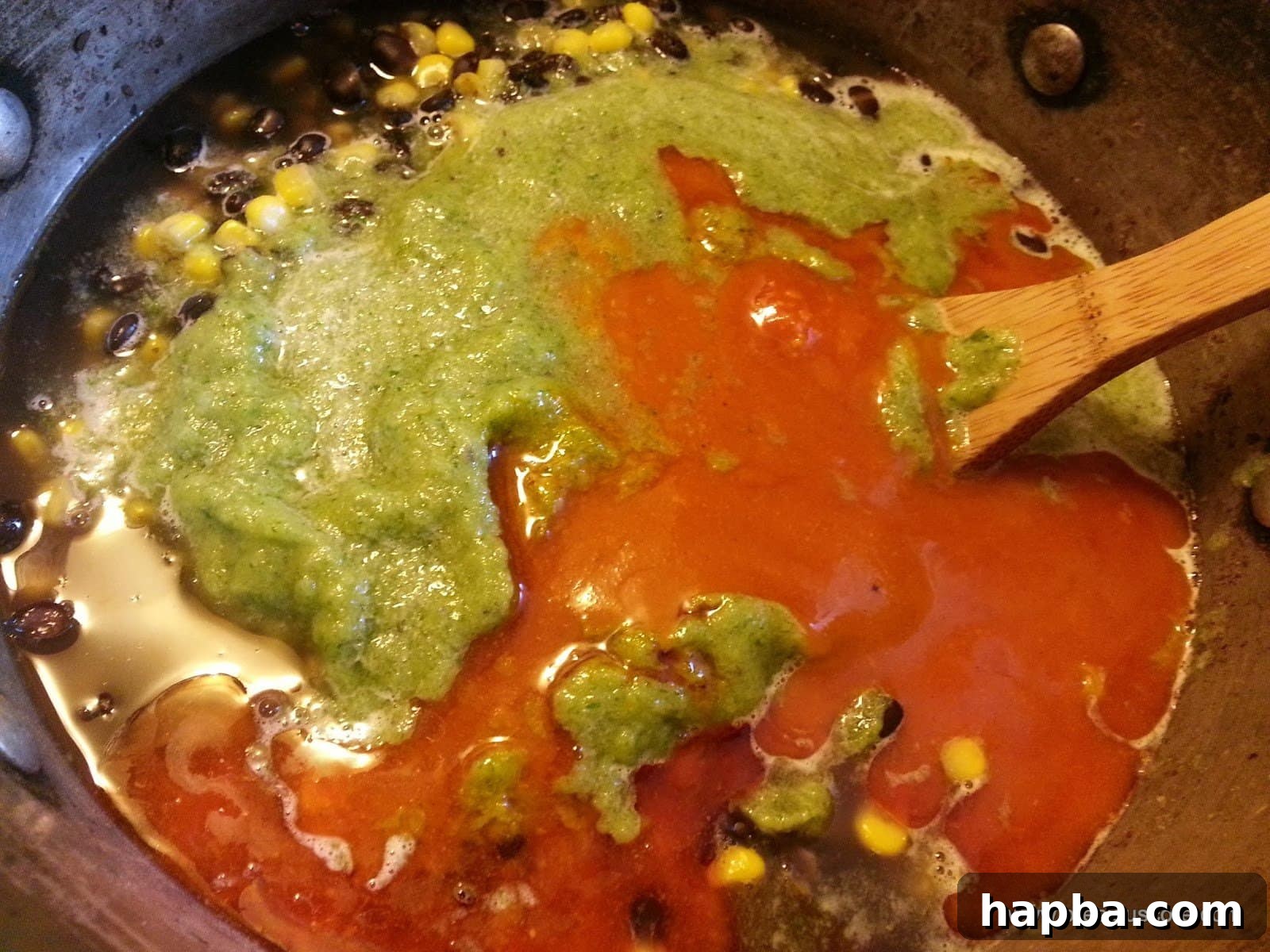
Now comes the pivotal moment for flavor! Add the seasoning cubes (or bouillon powder), the ground crayfish (if using), the habanero pepper (whole for mild heat, minced for intense heat), and, most importantly, the vibrant palm oil. Palm oil not only contributes its beautiful reddish-orange hue but also a distinct, nutty, and rich flavor that is characteristic of authentic Corn Chaff. Stir everything thoroughly until the palm oil beautifully coats all the corn and beans, and the spices are well incorporated. This is where the dish truly begins to come alive!
- Simmer to Perfection:
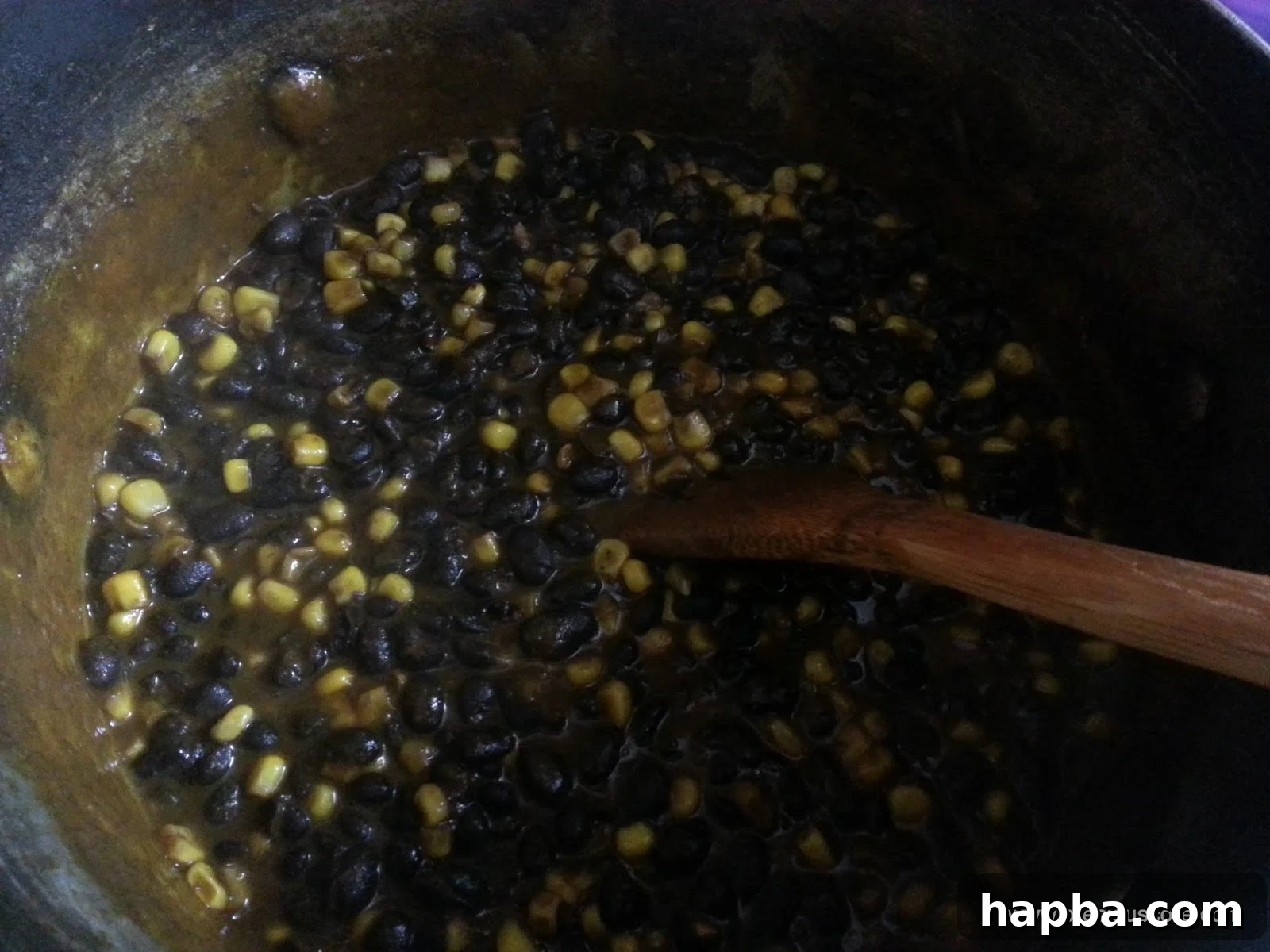
Reduce the heat to low, cover the pot, and allow all these incredible ingredients to simmer together for about 20 to 30 minutes. This simmering period is crucial; it allows the flavors to meld, deepen, and permeate every kernel of corn and every bean. As it cooks, the aroma will start to fill your entire house, tantalizing your senses and signaling that a delicious feast is imminent. Stir occasionally to prevent sticking. Towards the end, taste and adjust the salt if necessary. You’ll know it’s ready when the porridge is thick, creamy, and wonderfully fragrant. Corn Chaff don done!—a common Cameroonian phrase signifying that the food is perfectly cooked and ready to be devoured.
Tips for the Perfect Corn Chaff
- Don’t Rush the Boil: For both corn (especially dried) and beans, patience is key. Ensure they are cooked until incredibly tender. Al dente won’t cut it here; you want them soft enough to contribute to the dish’s creamy texture.
- Palm Oil’s Magic: Don’t be shy with the palm oil. It’s not just for color; it’s fundamental to the flavor and richness of Corn Chaff. Use good quality, unrefined red palm oil for the best results.
- Taste and Adjust: Always taste your Corn Chaff before declaring it finished. Adjust salt, seasoning cubes, and even the spice level (if you’re adding more habanero or “contri onions”) to suit your palate.
- The Power of Simmering: The final simmer after adding all ingredients is critical. It’s not just about heating; it’s about allowing the flavors to marry and deepen, creating a truly harmonious dish.
- Soak Your Beans: Soaking dried beans overnight (or using a quick-soak method) dramatically reduces cooking time and can also aid in digestibility.
Serving Suggestions: Enjoying Your Corn Chaff
Corn Chaff is a hearty and complete meal on its own, packed with protein and fiber. It’s often served as a main course, providing sustained energy and deep satisfaction. To enhance the experience, consider serving it with:
- Fresh Avocado Slices: The creamy texture and mild flavor of avocado beautifully complement the rich, spicy notes of the Corn Chaff.
- Fried Plantains: Sweet, ripe fried plantains offer a wonderful contrast to the savory porridge, creating a balanced and utterly delicious meal.
- A Simple Green Salad: A light, crisp salad can add a refreshing counterpoint and extra vegetables to your plate.
- Crusty Bread: Perfect for scooping up every last bit of the flavorful porridge.
Conclusion: A Taste of Cameroon in Your Kitchen
Corn Chaff, or Corn and Beans Porridge, is more than just a recipe; it’s an invitation to explore the vibrant, comforting flavors of Cameroonian cuisine. Whether you choose the traditional path with dried corn or opt for modern convenience, the result is a deeply satisfying, incredibly flavorful dish that will leave a lasting impression. I truly hope you enjoy making and savoring this recipe, bringing a piece of African culinary heritage into your home. It’s a dish that warms the soul and delights the senses, proving that sometimes, the simplest ingredients can create the most profound and cherished meals.