
Navigating Motherhood: A Comparative Journey Through Pregnancy in Cameroon and America
There are few experiences in life as universally profound and deeply personal as pregnancy. Yet, the journey to motherhood is intricately woven into the cultural and societal fabric of where it unfolds. Having had the extraordinary opportunity to experience pregnancy in two profoundly different worlds – Cameroon and America – I’ve gained an invaluable, firsthand perspective on just how varied these paths can be. From the moment an expectant mother steps out in public to the comprehensive care she receives and the invaluable support after childbirth, the contrasts are striking, revealing much about community values and healthcare philosophies. This personal narrative aims to illuminate these fascinating differences, offering an intimate glimpse into the distinct approaches to maternal care across continents.
As I write this, nestled comfortably in a space that offers solace and inspiration, I’m reflecting deeply on the profound impact these cultural nuances have had on my own pregnancies. This comparison transcends mere disparities in healthcare systems; it highlights fundamental differences in communal ethos, social expectations, and the very definition of support during one of life’s most vulnerable and joyous periods. It’s a compelling testament to the diverse ways societies embrace and nurture the sacred journey of bringing new life into the world. Let’s delve into the intricate ways these two nations approach the miracle of motherhood.
The Cultural Tapestry of Expectant Motherhood: Public Perceptions and Practical Support
One of the most immediate and palpable differences I observed between being pregnant in Cameroon and in America is the distinct level of public deference and preferential treatment accorded to expectant mothers. In Cameroon, there’s an unspoken, almost ingrained cultural understanding that a pregnant woman deserves special consideration, an acknowledgement of her unique and temporarily delicate state. This isn’t merely a polite gesture; it’s a deeply embedded societal norm that manifests in tangible ways, making daily life considerably easier and more comfortable for those carrying new life.
Prioritizing Expectant Mothers: Public Courtesy and Social Solidarity
In Cameroon, the sight of a pregnant woman, particularly one with a visibly protruding belly, often elicits a spontaneous wave of communal support. Whether you’re navigating a bustling market, waiting for public transport, or standing patiently in a long queue, it’s common for strangers to insist you take precedence. I vividly recall an instance where I was faced with an incredibly long line to pay a bill. Before I could even fully comprehend the potential wait, someone from the queue pointed me out, urging me to move straight to the front. What was truly remarkable wasn’t just the initial suggestion, but the immediate and unanimous agreement from everyone else waiting, some of whom had been there for a considerable time. There were no arguments, no disgruntled murmurs; only nods of understanding and a clear path forged for me. This wasn’t an isolated incident; it was a recurring theme throughout my pregnancy there, a consistent reminder that society collectively acknowledges and actively seeks to alleviate the physical burdens of pregnancy.
The underlying sentiment is clear: a pregnant woman shouldn’t be kept waiting or endure unnecessary physical strain. This collective consideration extends beyond queues, often translating into offers of assistance, a comfortable seat, or a generally softer, more empathetic approach from those around her. It creates an environment where expectant mothers feel seen, valued, and genuinely supported by their community, even by complete strangers. It fosters a powerful sense of collective responsibility for the well-being of the mother and, by extension, the unborn child, embedding a feeling of protection and care into the daily fabric of life.
Contrast this with my experiences in America. While politeness and individual courtesy certainly exist, the concept of widespread, almost institutionalized preferential treatment for pregnant women in public spaces is largely absent. Queuing in a grocery store, waiting at the DMV, or navigating busy public areas generally means joining the line like everyone else. The societal expectation leans more towards individual autonomy and fairness within a first-come, first-served system. While one might occasionally receive an offer of a seat, it’s not a universal expectation or a deeply ingrained cultural practice. This difference, though seemingly minor in isolation, significantly impacts the daily comfort and stress levels of an expectant mother. In America, the onus often falls more heavily on the individual to advocate for their own comfort and needs, rather than a broad communal recognition and accommodation of their unique state.
This fundamental divergence reflects broader cultural values: a more communal, interconnected approach in Cameroon versus a more individualistic, self-reliant ethos in America. Neither is inherently superior, but their impact on the lived experience of pregnancy is profound, shaping everything from mundane errands to significant healthcare interactions. Understanding these foundational differences helps in appreciating the unique journeys of mothers in both societies and the diverse ways support can manifest.
Healthcare Journeys: Antenatal Care Philosophies and Practice
The approach to antenatal care, or prenatal care as it’s commonly referred to in the US, presents another stark contrast. In America, my doctor’s visits are typically one-on-one appointments. I meet with my obstetrician, often assisted by a nurse, in a private consultation room. The focus is highly individualized: personal questions, private examinations, and a direct discussion of my specific health and the baby’s development. This model prioritizes privacy, direct communication between patient and doctor, and tailored medical advice. It’s efficient, discreet, and designed around the individual patient’s schedule and needs, offering a personalized experience throughout the pregnancy journey. This approach can be reassuring for those who prefer direct, private medical consultations and a consistent relationship with their primary OB/GYN.
In Cameroon, the model is often quite different, revolving around what is widely known as the “ante-natal clinic.” These are special days, usually once a week or bi-weekly, specifically designated for pregnant women at hospitals and clinics. On such days, the facility transforms into a hub for expectant mothers. You’ll find a large gathering of pregnant women, all present for their routine check-ups. The experience is much more communal; women often undergo various tests together, share stories, and sometimes even engage in group activities like singing songs or receiving educational lessons about pregnancy, childbirth, and newborn care, primarily conducted by nurses. The atmosphere can be vibrant and supportive, fostering a strong sense of camaraderie and shared experience among the women.
While the American system offers privacy and highly individualized medical attention, the Cameroonian ante-natal clinic fosters a sense of community and collective support. For many women, these sessions aren’t just medical appointments; they are social gatherings, invaluable opportunities to bond with others going through similar experiences, exchange advice, and find reassurance. This communal aspect can be incredibly empowering, mitigating feelings of isolation that can sometimes accompany pregnancy. However, it can also mean less individualized doctor-patient time and potentially longer waits. The primary medical oversight often comes from dedicated nurses, with gynecologists typically reserved for cases involving high-risk pregnancies or specific complications that require specialist intervention, unlike in America where a board-certified gynecologist (often an OB/GYN) is the standard point of contact for routine pregnancy care from the outset.
Both systems have their distinct merits. The American model excels in personalized medical attention and privacy, offering detailed one-on-one consultations that can address specific concerns immediately. The Cameroonian approach, while perhaps less individualized from a doctor’s perspective for routine cases, provides invaluable social support, comprehensive group education, and a strong sense of belonging, which are crucial for mental and emotional well-being during pregnancy. It speaks to different cultural priorities: individual medical excellence and efficiency versus communal care, shared learning, and emotional support. Understanding this helps bridge the gap in expectations for mothers experiencing both healthcare landscapes, highlighting the diverse ways societies prioritize different aspects of maternal well-being.
The Postpartum Embrace: Nourishment, Community, and Recovery After Childbirth
The care and support a new mother receives immediately after childbirth are paramount for her physical recovery, emotional well-being, and successful transition into motherhood. Here, too, Cameroon and America offer vastly different experiences, particularly concerning nourishment and communal involvement. The postpartum period is a vulnerable and transformative time, and how societies choose to support this critical transition reveals much about their underlying values and collective responsibility towards new families.
Hospital Provisions vs. Home-Cooked Comforts: A Post-Delivery Feast
In America, after delivery, hospitals typically provide meals for the new mother during her stay. These meals are convenient, standardized, and an integrated part of the comprehensive care package offered. They are designed to be nutritious and easily accessible, allowing the mother to focus on recovery and bonding with her newborn without the immediate concern of meal preparation. While practical and efficient, this system often means the mother relies on institutional food, which, while adequate, may not always be as comforting, personalized, or culturally significant as home-cooked meals.
In stark contrast, the postpartum experience in Cameroon, while not typically involving hospital-provided meals, is characterized by an overwhelming outpouring of love, sustenance, and active involvement from family and friends. This is truly where the concept of being “treated like a queen” after childbirth comes to life. After giving birth, new mothers are often showered with an abundance of home-cooked meals, brought directly to them by a constant stream of visitors eager to see the baby and, crucially, to nourish and support the mother. This tradition is incredibly rich and deeply embedded in the culture, symbolizing community solidarity, profound celebration of new life, and a collective responsibility for the mother’s recovery. Friends, neighbors, and relatives don’t just visit; they arrive with pots of delicious, culturally significant dishes, ensuring the mother is well-fed, deeply nourished, and cherished during her recovery period. It’s a powerful expression of care that goes far beyond mere sustenance; it’s emotional nourishment, a tangible reminder that she is not alone in this beautiful yet challenging new chapter.
I distinctly remember the overwhelming generosity and heartfelt attention after giving birth in Cameroon. My friends and family members took it upon themselves to ensure I had a constant supply of diverse, comforting, and incredibly delicious meals. There was a genuine excitement and profound commitment in their questions, like “you wan chop na weti when you born?” – a pidgin English phrase meaning, “What would you specifically like to eat when you give birth?” This wasn’t a casual inquiry; it was a firm commitment. They would then go out of their way, sometimes for days, to meticulously prepare those very dishes, making my culinary desires a reality. This personalized attention, the significant effort involved, and the sheer volume of delectable food created an incredibly warm, supportive, and truly unforgettable postpartum experience. It significantly eased the burden of recovery, allowing me to fully immerse myself in the joys and demands of new motherhood without the added stress of feeding myself or worrying about nutrition.
Preparing for Postpartum in the US: A Modern Mother’s Reality and Culinary Comforts
Now, facing another delivery in America, I find myself reminiscing about that unparalleled level of postpartum support with a tinge of nostalgia. The reality here is different; the primary responsibility for postpartum nourishment often falls squarely on the new mother or her immediate partner. This typically means extensive meal preparation in advance, cooking and freezing batches of food to store in the fridge, and even packing them along to the hospital. While pragmatic and an essential strategy for self-care, it requires significant foresight and considerable effort during the final, often exhausting, weeks of pregnancy. It’s a stark reminder of the more individualistic approach to care, where self-reliance and meticulous planning are key components of navigating the postpartum period effectively.
As I meticulously plan for this current pregnancy, my thoughts often drift to specific comfort foods that evoke a deep sense of home and well-being. Top among them is Ekwang – a truly exquisite and cherished Cameroonian delicacy. It’s a dish crafted with immense care and dedication, beginning with the meticulous grating of cocoyams. Small portions of this grated cocoyam mixture are then painstakingly wrapped in cocoyam leaves (or sometimes plantain leaves), creating delicate parcels. These parcels are then cooked slowly and lovingly with rich red palm oil, succulent smoked fish, flavorful crayfish, and a harmonious blend of other savory ingredients. The process is labor-intensive, a true labor of love and a testament to traditional culinary artistry, but the result is nothing short of finger-licking goodness – a creamy, savory, deeply satisfying stew that embodies comfort, heritage, and pure gastronomic delight. The very thought of it warms me from the inside out, a taste of home and a yearning for the communal hands that often come together to prepare such an elaborate and comforting feast. Perhaps one day, I’ll find myself surrounded by a helping (Ekwang-wrapping) hand or two here in America, recreating that cherished tradition and sharing its unique flavors.
This stark contrast in postpartum feeding practices highlights more than just different dining options; it profoundly underscores varying societal attitudes towards communal care, the role of family, and the support networks available to new mothers. One system emphasizes institutional efficiency and professional medical support, while the other celebrates deep-rooted community bonds, hands-on personal care, and the nurturing power of shared culinary traditions, each shaping the postpartum recovery experience in its own profound and memorable way.
Bridging Worlds: Reflections on Pregnancy’s Universalities and Uniques
My dual journey through pregnancy in Cameroon and America has been an extraordinary and deeply enriching lesson in cultural diversity and the multifaceted nature of maternal care. While the fundamental biological process of pregnancy remains a universal human experience, the surrounding social, medical, and emotional landscapes are anything but uniform. From the casual courtesies extended in bustling public spaces to the structured approaches to antenatal care and the heartfelt traditions of postpartum support, each society offers a unique prism through which to experience the miracle of new life, shaping not only the physical journey but also the emotional and psychological narrative of becoming a mother.
In Cameroon, I found a profound and encompassing sense of communal embrace, where pregnancy is not just openly celebrated but the expectant mother is a cherished recipient of collective care and deference. The emphasis on shared experience, robust group support, and the overwhelming outpouring of home-cooked love after delivery creates a nurturing cocoon around the new mother. It speaks to a deeply ingrained cultural value of interconnectedness, mutual responsibility, and solidarity, ensuring that no mother feels isolated or alone during such a pivotal and transformative time. The genuine warmth, tangible support, and active involvement from family, friends, and even strangers are a powerful testament to this deeply community-centric approach to maternal well-being.
Conversely, my experiences in America have vividly highlighted a system that prioritizes individual autonomy, highly personalized medical attention, and efficiency within a professional healthcare framework. While the public realm may not offer the same universal preferential treatment seen in Cameroon, the healthcare system provides highly individualized medical oversight, advanced resources, and a focus on tailored care. The postpartum period, while often requiring more personal planning for practicalities like food and childcare, is also supported by advanced medical facilities, specialized care providers, and a focus on independent recovery. It reflects a society that values self-reliance, specialized professional care, and systematic efficiency in addressing health needs.
Ultimately, both approaches, despite their significant differences, strive for the same noble and universal goal: the optimal well-being of both mother and child. Yet, the distinct paths they take to achieve this are remarkably diverse and culturally informed. My reflections are not intended to judge one system as inherently superior to the other, but rather to foster a deeper appreciation for the richness that diverse cultural perspectives bring to the profound journey of motherhood. Each system presents its own unique benefits and challenges, shaping not just the practical aspects of pregnancy but also the emotional and psychological experience of becoming a mother in profound ways. Understanding these differences can foster greater empathy, promote cross-cultural learning, and inspire us to consider how we can all better support expectant and new mothers, drawing valuable lessons from both communal warmth and individualized care, regardless of where in the world they may be. The universal truth remains: a supported mother thrives, and a thriving mother, in turn, nurtures a thriving child, building the foundation for healthy families and communities worldwide.
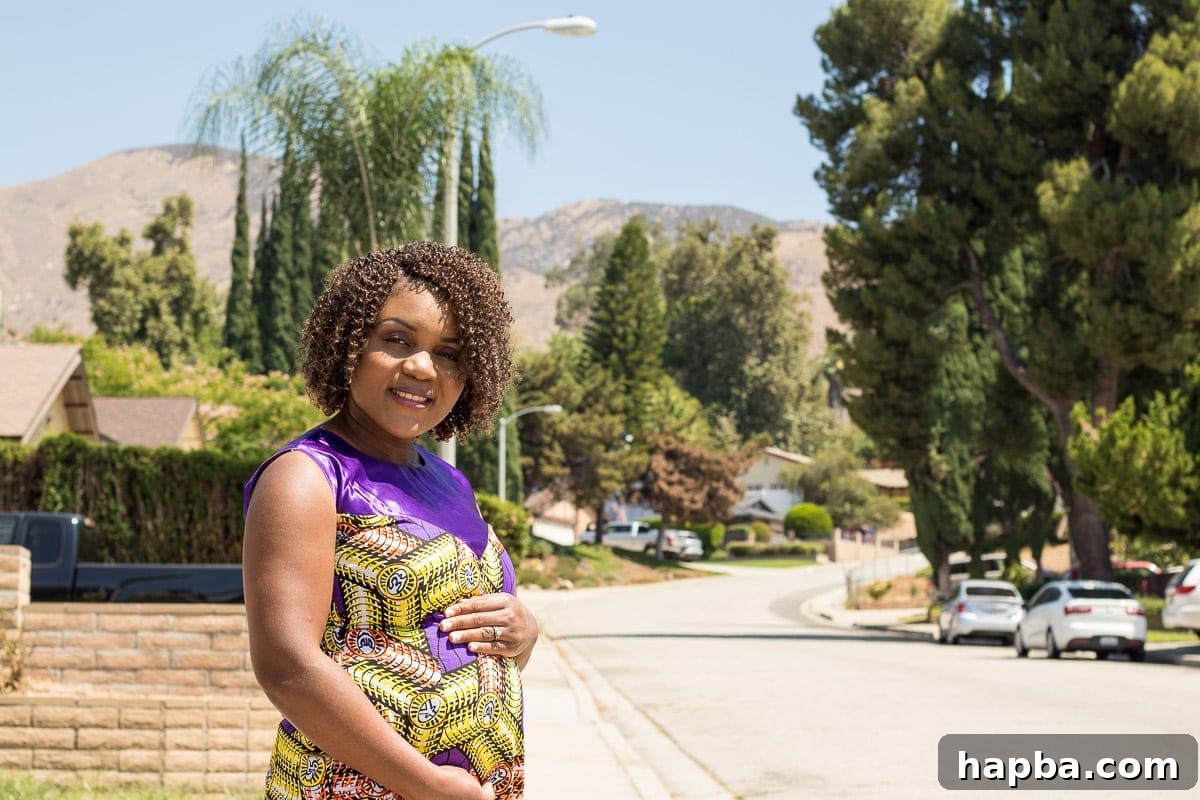
(Note: The image accompanying this article is from an earlier stage of my pregnancy, as recent photos have not yet been taken.)