
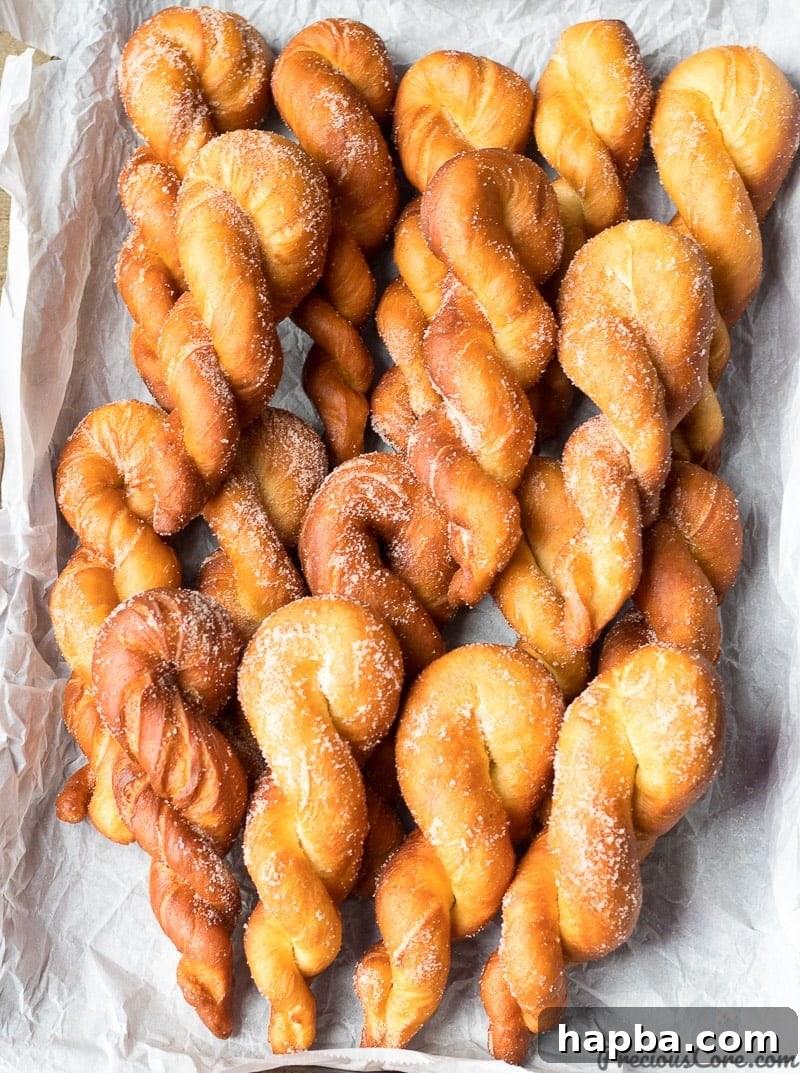
Imagine a warm, pillowy doughnut, delicately twisted, with an irresistible buttery flavor that melts in your mouth. Pair it with a cold glass of milk, and you’ve found snacking heaven! These twisted doughnuts are more than just a treat; they are a delightful variation of African doughnuts, celebrated for their unique shape and universally appealing taste.
My journey with these captivating pastries began at a lively party. I was preparing “hot gateau,” an incredibly delicious deep-fried dough snack, when a wise Sierra Leonean woman joined me. As she assisted, she shared fascinating stories, one of which highlighted the striking similarity between the gateau dough and the dough used for Sierra Leonean doughnuts. She even demonstrated how to shape a piece of that very dough into these charming twists.
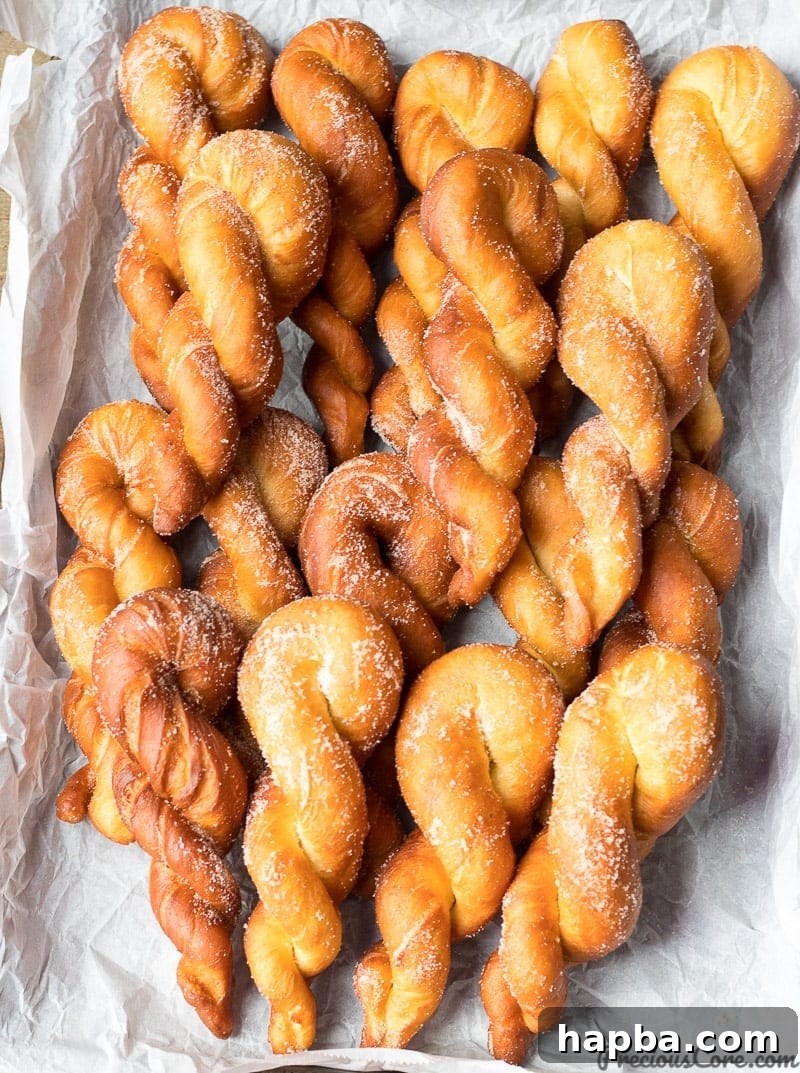
The culinary world is a magnificent tapestry of flavors and traditions, showcasing incredible food fusion across continents. These twisted doughnuts perfectly exemplify this global connection. Sierra Leoneans cherish them, and in Cameroon, they are known by the familiar name “gateau” (just like Cameroonian gateau). But their reach extends far beyond Africa.
Venture to Korea, and you’ll find a similar delight called “kkwabaegi.” In the Philippines, they go by “shakoy.” What’s truly remarkable is that the same versatile dough can be adapted to create Nigerian doughnuts simply by shaping it into rings. This truly highlights how a simple dough recipe can transcend geographical boundaries, bringing joy to countless cultures.
These twisted doughnuts, therefore, cut across continents, from the vibrant markets of Africa to the bustling streets of Asia. Their taste is universally appealing – that perfect balance of a slightly crunchy exterior with a soft, fluffy, buttery interior is simply irresistible, no matter where you’re from!
If you adore doughnuts as much as I do, you might also enjoy my Sugar Coated Donuts, Baked Pumpkin Spice Doughnuts, and this delightful Coconut Doughnuts Recipe.
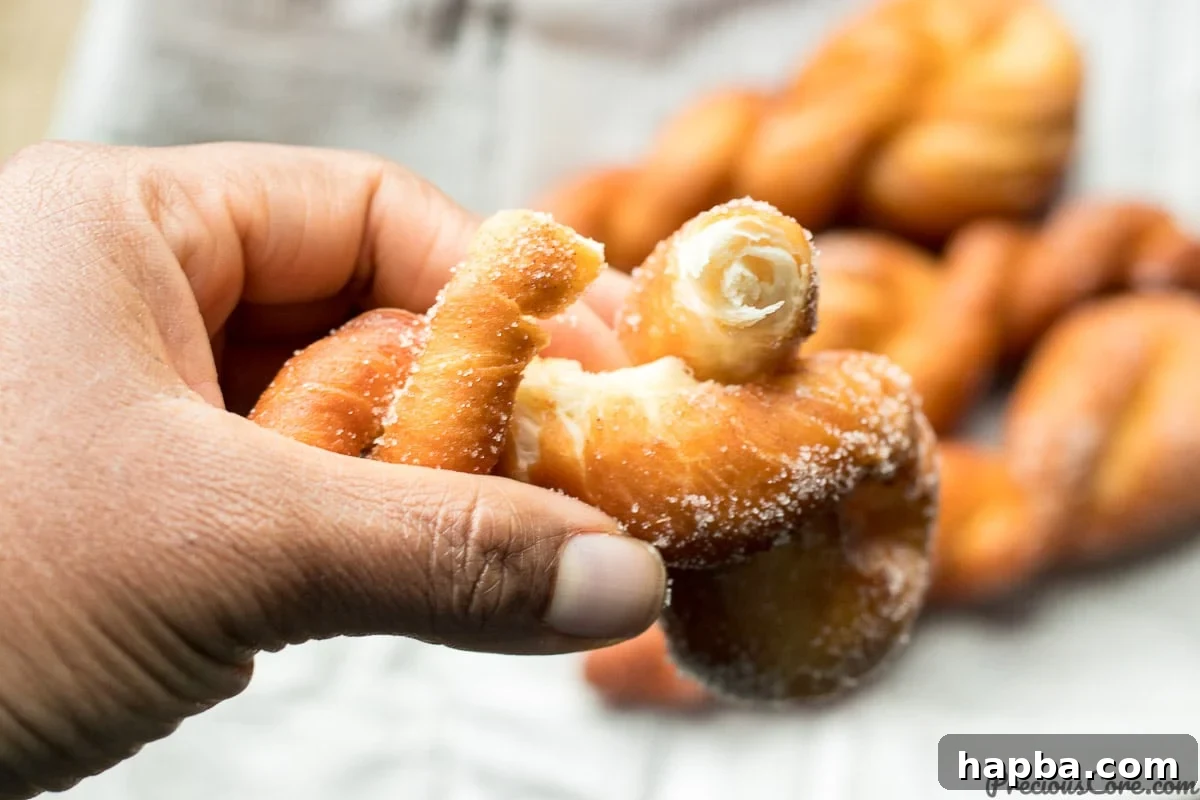
I often find something similar to these twisted doughnuts, labeled “sweet twists,” at the Asian grocery store where I buy African ingredients. While I enjoy picking up a pack occasionally, I can confidently say that nothing beats the homemade version. Store-bought options sometimes suffer from being fried in old oil, leading to an unpleasant aftertaste. Making them at home guarantees a fresh, unmatched flavor, and the process itself is incredibly rewarding and fun!
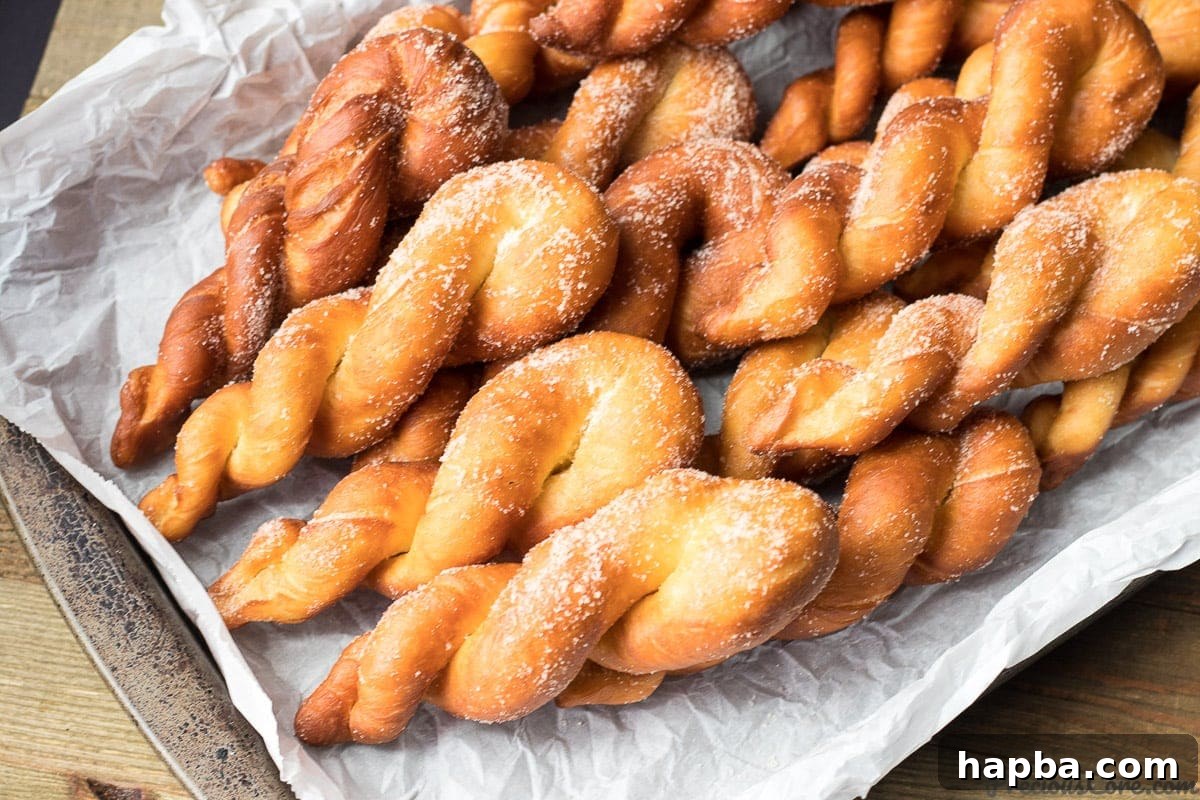
How to Make Perfect Twisted African Doughnuts
Crafting these delicious African doughnuts is a straightforward and enjoyable process that begins with a simple yet rich dough. The foundation of these delectable treats involves readily available ingredients: all-purpose flour, active dry yeast, butter, granulated sugar, milk, an egg, and a touch of salt. Each ingredient plays a crucial role in achieving that signature soft, pillowy texture and incredible buttery flavor.
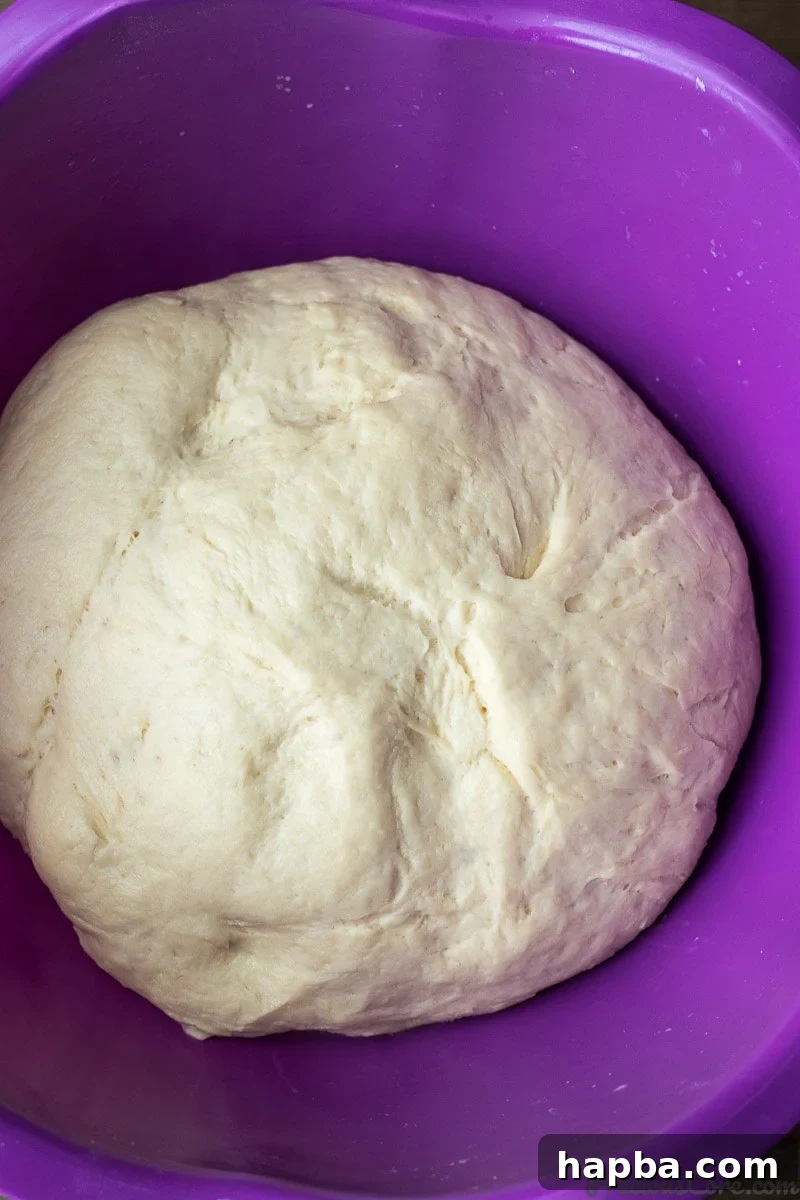
Once you’ve mixed your ingredients to form a cohesive dough, the magic of yeast takes over. You’ll let the dough rise in a warm place until it beautifully doubles in size – a truly satisfying sight for any baker! This crucial step allows the yeast to activate fully, creating the airy, light texture that defines a perfect doughnut. After its initial rise, gently punch the dough down to deflate it, preparing it for shaping into those charming, fun twists.
To create the characteristic twisted shape, start by dividing the risen dough into approximately 24 equal pieces. Take one piece and, using your palms, roll it into a long, thin rope. The key is to achieve an even thickness for uniform frying.
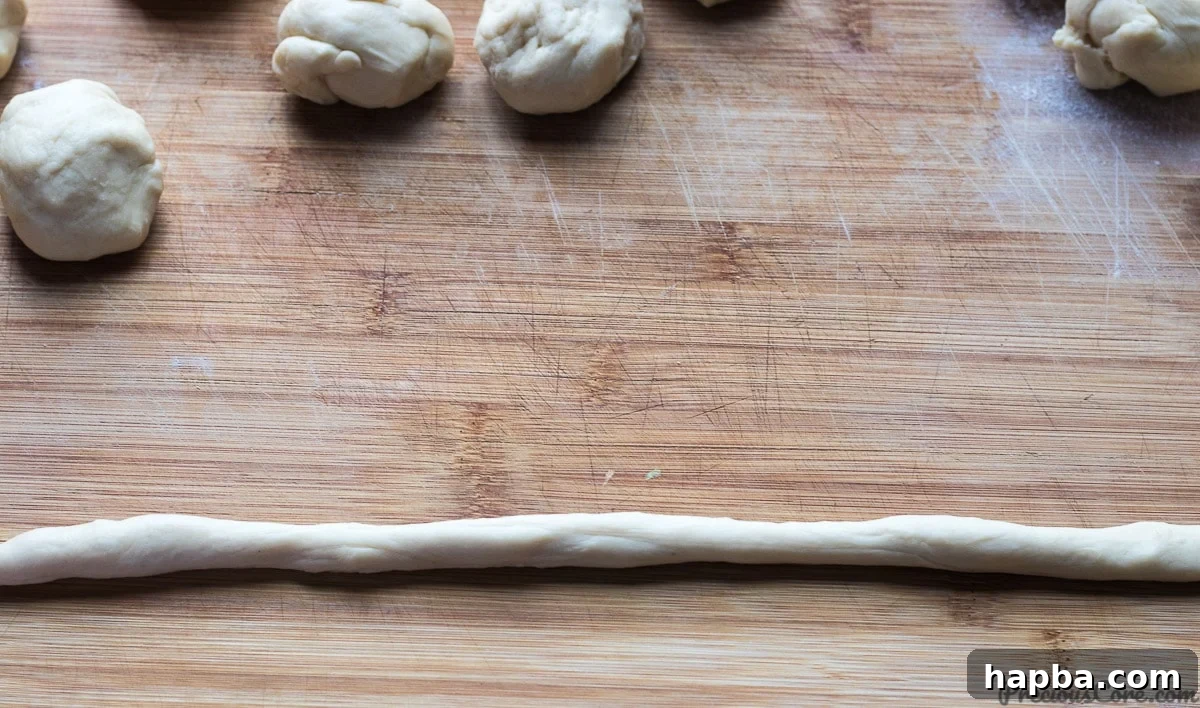
With a rope of dough in hand, use both hands to gently roll the ends in opposite directions. This motion creates tension in the dough, causing it to twist upon itself. Imagine gently wringing a towel – but with dough! The goal is to get a uniform twist along the length of the dough rope.
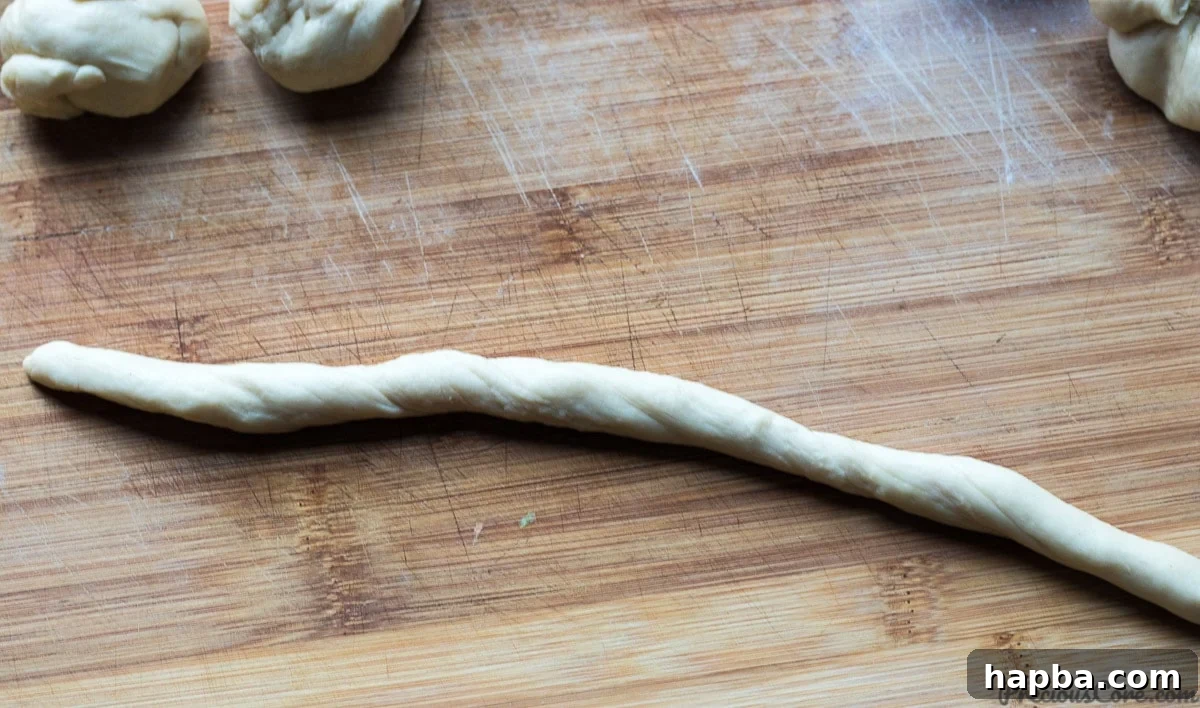
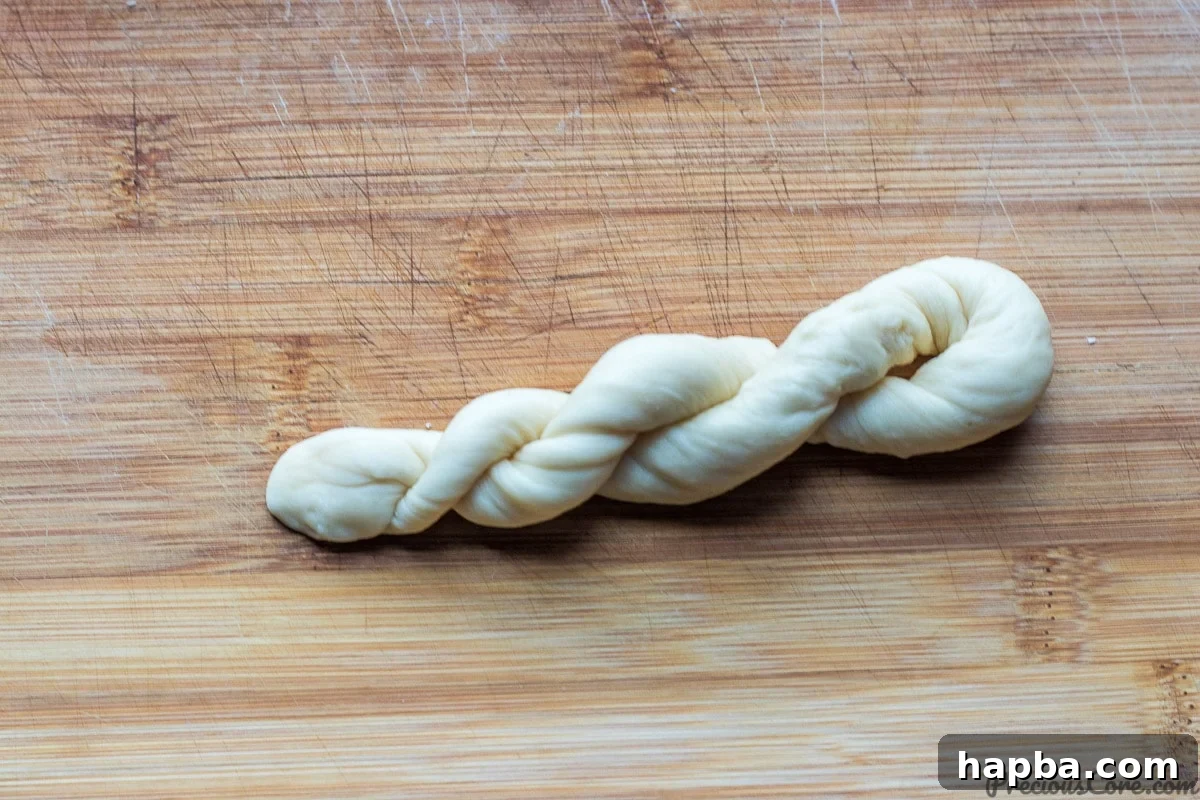
Continue this twisting motion, holding the dough up, until you form about 3-4 distinct twists. Once twisted, firmly press the ends together to seal them, ensuring your beautiful doughnut holds its shape during frying. This might take a little practice, but it’s a fun technique to master!
Don’t be disheartened if shaping the twists feels a bit challenging at first. For those short on time or new to dough shaping, a simpler alternative is to form the dough into small, one-inch balls before frying. I’ve certainly resorted to this quick method when hosting events and needing a speedy batch of delicious doughnuts. Just be aware that ball-shaped doughnuts tend to take a little longer to cook through compared to the more exposed twisted versions.
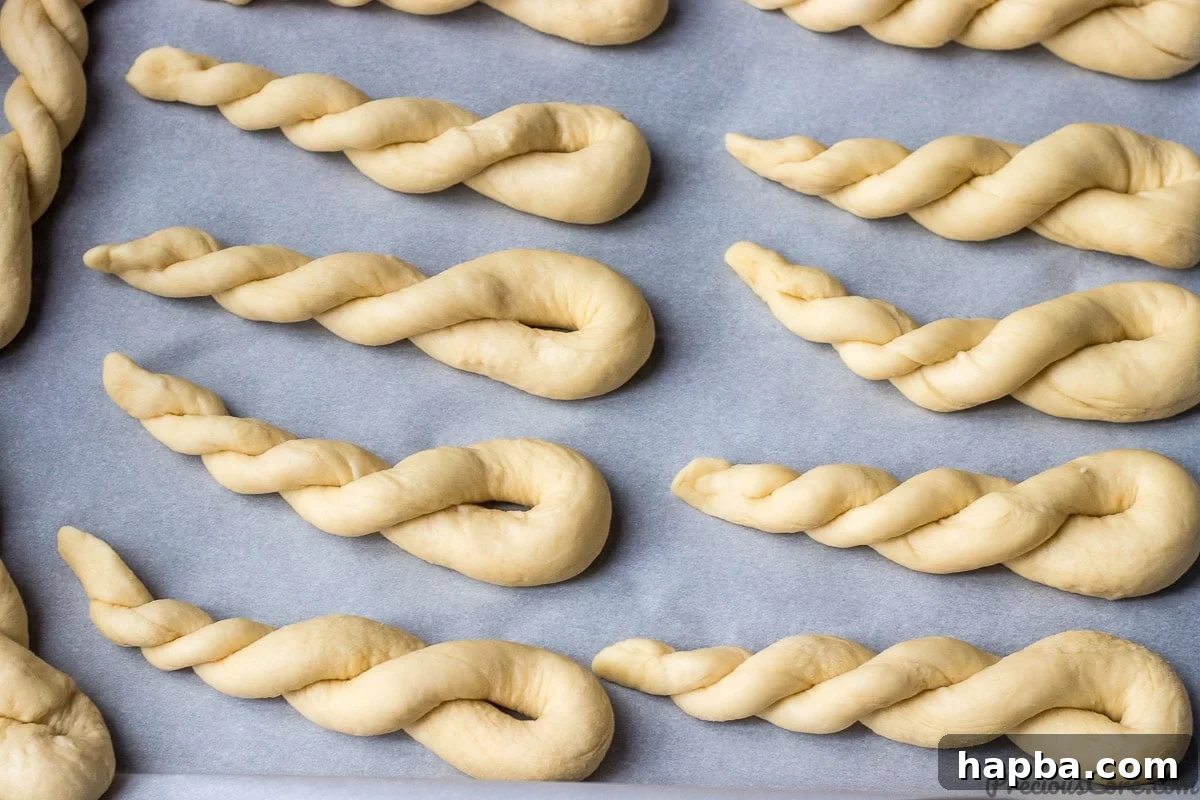
After all your doughnuts are shaped, whether as elegant twists or charming balls, allow them a final short rise for a few more minutes. This secondary proofing ensures maximum fluffiness. Then comes the most exciting part: frying! This step is surprisingly easy. Once golden brown, remove them from the oil, and while still warm, coat them generously with granulated sugar. Eating them while they’re still warm is an absolute must – they are truly to die for!
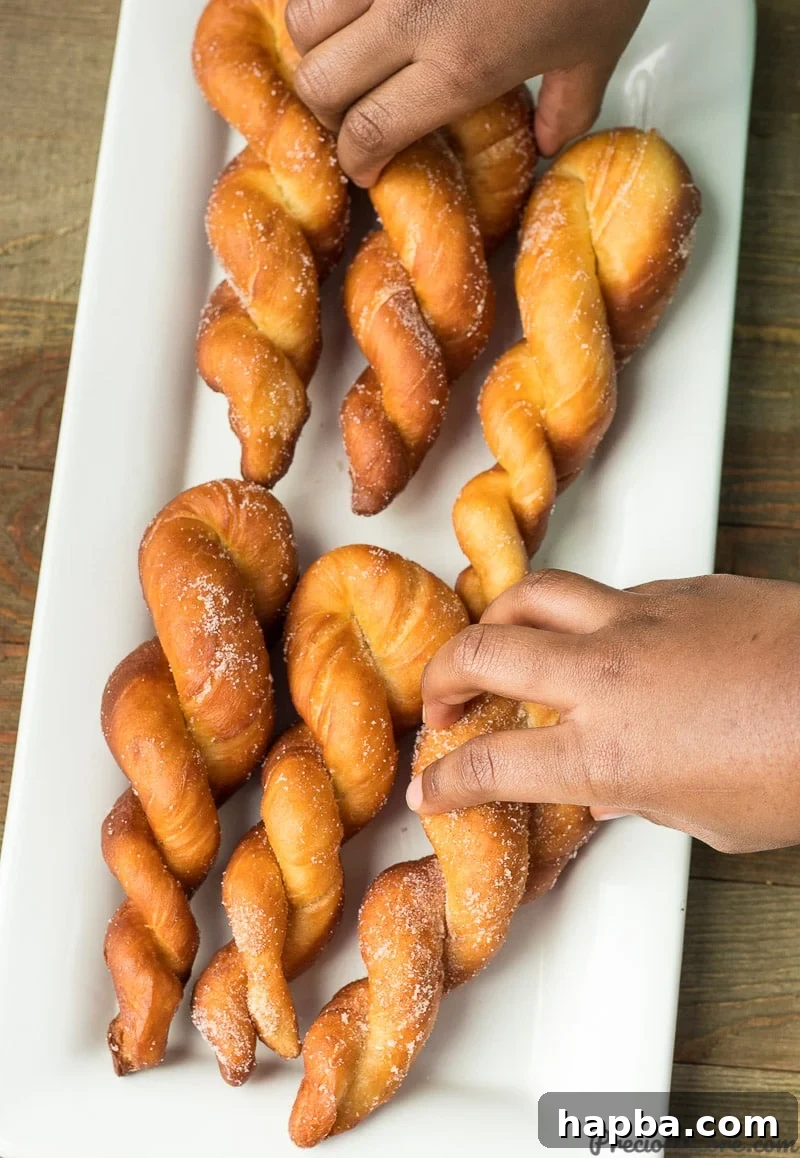
This recipe is a delightful adaptation inspired by the talented YouTube cook, Maangchi. After multiple tests and adjustments, I successfully converted the measurements to grams, making it incredibly easy for those who prefer metric measurements. For this recipe, you’ll need 500 grams, or half a kilogram, of all-purpose flour – a nice, neat number! For those who prefer cups, 500 grams of flour translates to approximately 4 cups, so either way, you’re covered.
You can find all the precise measurements and detailed instructions in the full recipe section below. But before we dive into the specifics, let’s explore some fascinating facts about African doughnuts and their rich cultural significance!
What Are African Doughnuts? A Journey Through African Frying Pans
African doughnuts are a vibrant and diverse category of deep-fried dough treats, cherished across the continent. Their forms, names, and subtle flavor variations depend largely on the specific country or region where they are made and enjoyed. This culinary diversity is a testament to Africa’s rich food heritage.
For example, in Nigeria, doughnuts are typically shaped into classic rings, often airy and sweet. Travel to Cameroon or Ghana, and you’ll encounter doughnuts more commonly formed into small, delightful balls, similar to Cameroonian Doughnuts, which are perfect for popping into your mouth. These variations highlight the regional creativity in preparing a beloved snack.
In East Africa, a popular and iconic form of doughnut is known as Mandazi. These often boast unique triangle-like shapes and are typically flavored with coconut milk or cardamom, giving them a distinct aroma and taste. Further south, in South Africa, you’ll find “koeksisters,” beautifully braided doughnuts that are deep-fried and then immediately drenched in a cold, sugary syrup, creating a wonderfully sweet and sticky treat, often with a hint of spice like cinnamon or ginger, as seen in traditional Koeksisters recipes.
Despite their varied appearances and regional nuances, a common thread unites these diverse African doughnuts: their core ingredients. Most recipes feature flour, sugar, and a leavening agent like yeast or baking powder, along with a fat such as margarine or butter. However, some versions are richer, incorporating more eggs or milk for added depth, while others, like the beloved Puff Puff, are made with very basic ingredients – typically just flour, yeast, sugar, and salt, creating a deliciously simple and airy fritter. Regardless of their form, African doughnuts are a guaranteed hit at any African celebration or gathering, a true treat that brings people together.
So, dear friends, I wholeheartedly encourage you to make these incredible African doughnuts! Whether for a casual snack at home, a special breakfast, to impress your guests, or for a picnic or potluck, they are absolutely epic in every way. The joy of making them, the aroma filling your kitchen, and the sheer delight of tasting them is an experience not to be missed!
Also, don’t forget to check out this fantastic puff puff recipe, a classic West and Central African snack that is equally delicious and satisfying.
If you try this recipe, please take a moment to rate it below. I’d also love to see your creations! Share a picture with me on Facebook or tag me on Instagram. Your culinary adventures inspire me!
Watch How to Make African Doughnuts
Visual learners, rejoice! You can watch me making these delicious African Doughnuts in the video below. Seeing the steps in action can make the process even easier and more enjoyable. If you haven’t subscribed to my YouTube channel yet, please SUBSCRIBE so you don’t miss any of my upcoming recipes and cooking tips!
African Doughnuts – Twisted Doughnuts
Rate This Recipe
Print Recipe
Ingredients
- 4 cups all purpose flour (500g or 1/2 kg)
- 2 1/2 teaspoons active dry yeast (1 oz sachet)
- 12 oz evaporated milk (354ml or 1 1/2 cups)
- 3 tablespoons butter – melted
- 3 tablespoons granulated sugar
- 1 teaspoon salt (not heaped)
- 1 egg
- Oil for frying Corn oil, canola oil or vegetable oil will work well here.
Instructions
-
Gently heat the milk until it is just slightly warm to the touch. I typically achieve this by heating it for about 1 minute in the microwave. The ideal temperature for the milk should be around 110 degrees Fahrenheit (43°C) to properly activate the yeast.
-
Add the active dry yeast to the warmed milk and let it rest for 2 minutes to bloom. Next, incorporate the granulated sugar, salt, melted butter, and the egg into the milk mixture, whisking everything together until well combined. Finally, gradually add in the all-purpose flour and mix with a sturdy wooden spoon or your hands until a soft, shaggy dough forms. Cover the dough with plastic wrap and place it in a warm spot, allowing it to rise for approximately 1 hour, or until it has visibly doubled in size.
-
Once the dough has risen, gently punch it down to release the air. Transfer the dough to a lightly floured board and divide it into 24 equal pieces. A helpful tip for even portions: start by cutting the dough in half, then cut each half in half again (to make four pieces). Cut each of these four pieces in half again (to make eight pieces), and finally, divide each of the eight pieces into three smaller portions, resulting in 24 consistent pieces.
-
Take one piece of dough and roll it out into a 13-inch rope. To create the twist, hold both ends of the rope and gently twist them in opposite directions (moving one hand upward and the other downward as you roll). Continue to hold and twist until the dough forms a distinct twisted doughnut shape. Press the ends firmly together to seal them and prevent unraveling during frying. Place the shaped twisted doughnut on a large tray or chopping board. Repeat this process with the remaining dough pieces.
-
Allow the shaped twisted doughnuts to rise for about twenty minutes. About halfway through this rising period, gently flip them over to the other side to ensure both flat sides rise evenly. At this same halfway point, begin heating your frying oil in a large pot or wok over high heat.
-
Heat the oil to approximately 350 degrees Fahrenheit (175°C), which typically takes about 8-10 minutes. Once hot, reduce the heat to medium-low to maintain a consistent frying temperature. Carefully place the twisted doughnuts into the hot oil, being mindful not to overcrowd the pan. (I usually fry about 6 doughnuts at a time in my wok to ensure even cooking and prevent the oil temperature from dropping too much).
Fry the doughnuts until they turn a beautiful golden brown on one side, then flip them over and allow the other side to cook to a similar golden hue. They generally take about 4 minutes total to cook through. Once cooked, remove the doughnuts and place them on a rack lined with paper towels to absorb any excess oil.
-
For an extra layer of deliciousness, if desired, mix 2 tablespoons of granulated sugar with 1/2 teaspoon of ground cinnamon in a paper bag. While the doughnuts are still hot, place them into the bag, close it, and shake gently to coat them evenly. This simple step creates an insanely good cinnamon-sugar crust!
Notes
2. These African doughnuts freeze exceptionally well. Once cooled, place them in a freezer-safe Ziploc bag or airtight container and store them in the freezer. To enjoy them later, simply remove them from the freezer and let them thaw at room temperature. If you prefer them warm, you can microwave them for about one minute. Be aware that warming them in the microwave will likely melt the sugar coating on the outside. Also, avoid warming them for much longer than a minute, as they can become hard.
3. The nutritional information provided below is calculated per individual doughnut serving.
Nutrition
Additional Info
Tried this recipe?Mention @preciouscore or tag #PreciousCore!
Pin this recipe and share the joy:
Remember: You are stronger than you think, braver than you think, and more capable than you can ever imagine. Never stop believing in yourself!