
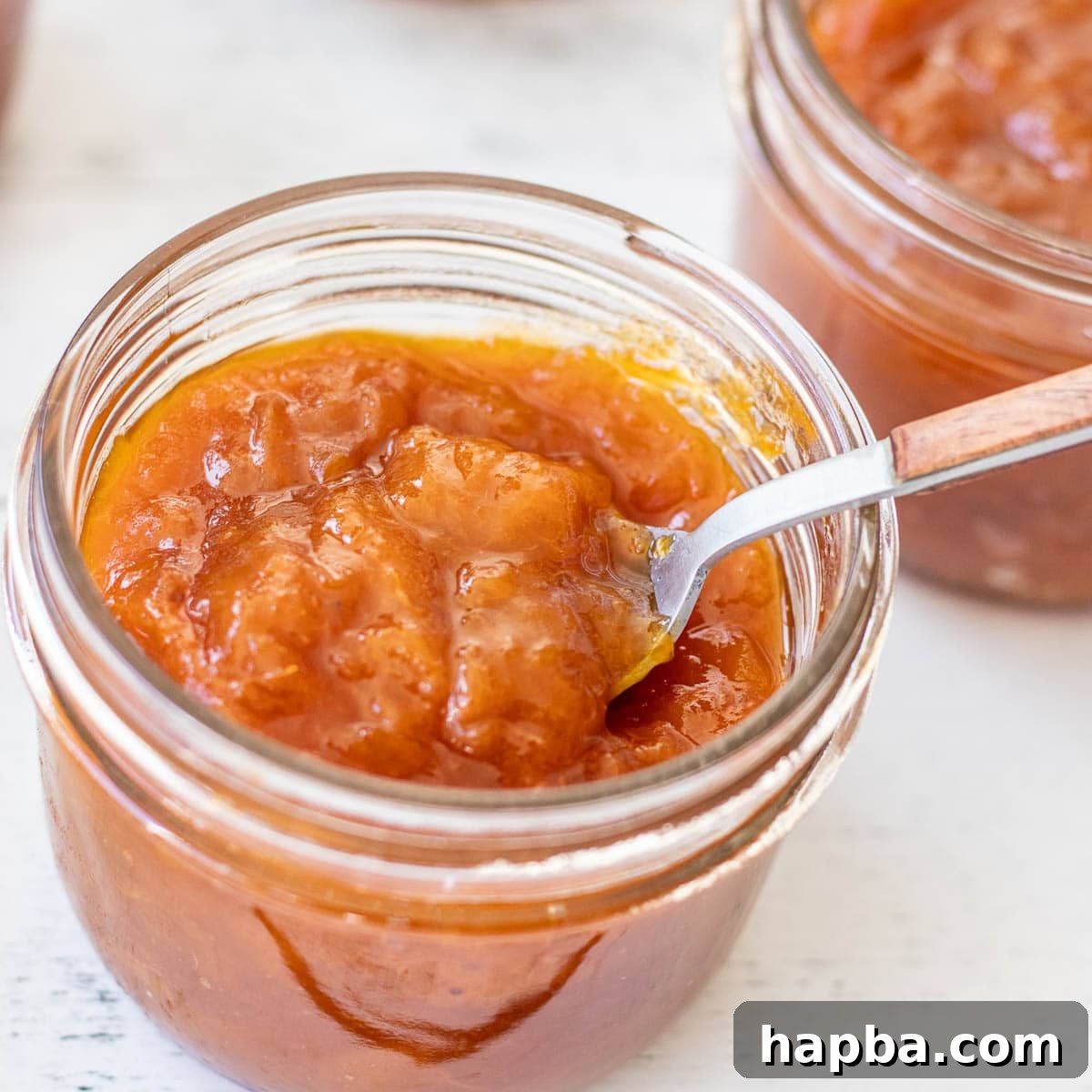
Unlock the secret to crafting the most delightful Apricot Preserves right in your kitchen, using an incredibly simple recipe that calls for only three essential ingredients! The vibrant, sweet-tart flavor of ripe apricots, perfectly balanced with a hint of fresh lemon, creates a spread so irresistible, you’ll be tempted to enjoy it by the spoonful. This guide will walk you through creating a homemade delicacy that far surpasses any store-bought alternative, offering a pure, unadulterated taste of summer.
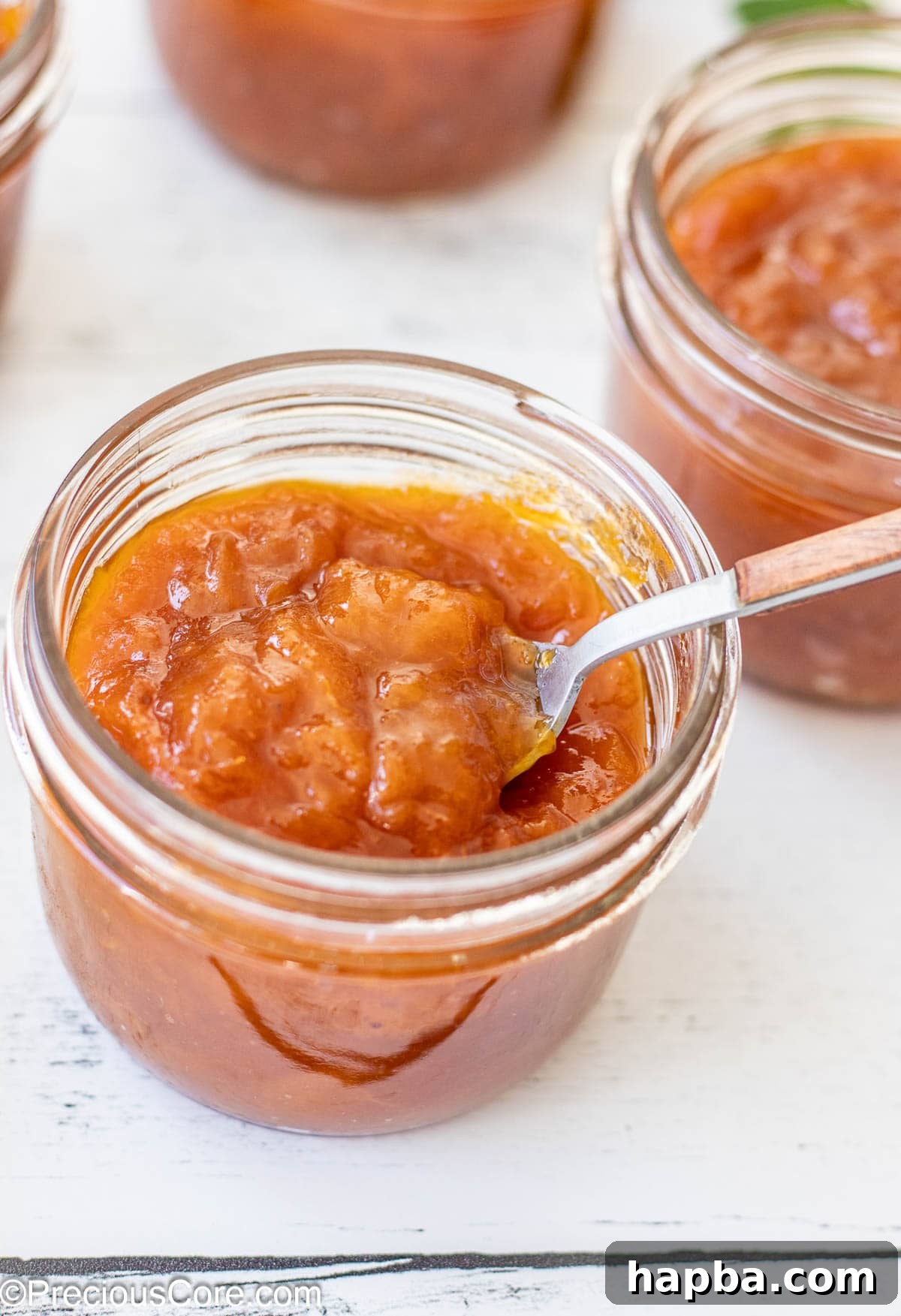
Beyond being spoon-worthy, these versatile apricot preserves are a magnificent accompaniment to a wide array of dishes. Imagine them generously spread on warm, fluffy pancakes, light and airy crepes, golden waffles, or your favorite freshly baked muffins and toast. Their rich fruitiness also shines in more elaborate culinary creations, adding a gourmet touch to both sweet and savory applications.
The inspiration for this exquisite homemade apricot jam recipe blossomed from an abundant harvest. A wonderful friend from Bible Study graciously invited me to gather apricots from her flourishing tree, filling our home with the sweet aroma of fresh fruit. This bounty sparked the idea to capture that incredible freshness in a jar, leading to this simple yet profoundly flavorful recipe.
Once you taste the difference, you’ll understand why homemade preserves are truly superior. This recipe allows you to control the quality of ingredients and the amount of sugar, ensuring a wholesome product free from high-fructose corn syrup or artificial additives. Plus, the process of making and canning your own fruit preserves is a deeply rewarding project, connecting you to culinary traditions and providing a sense of accomplishment with every jar sealed.
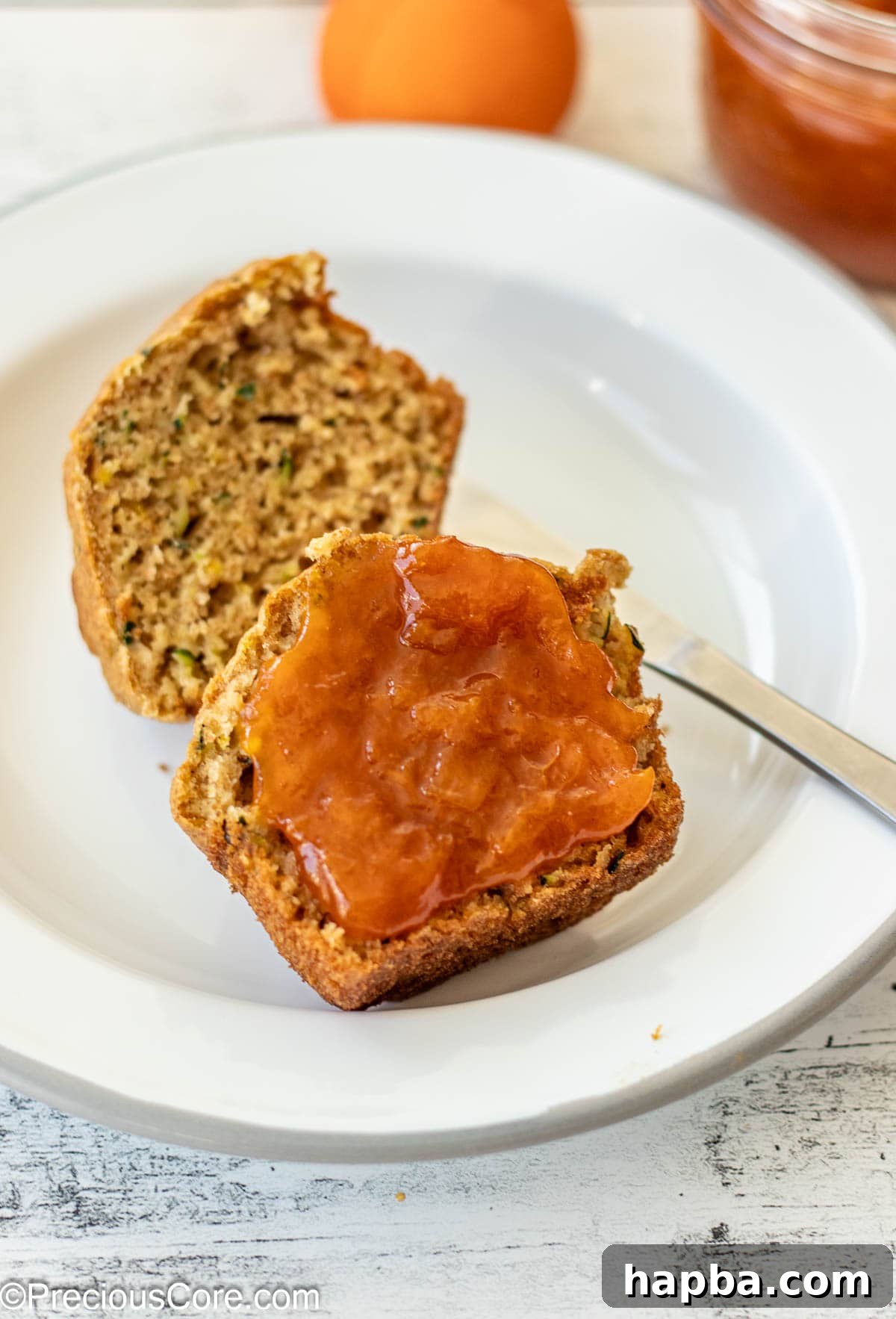
Table of Contents
- Why This 3-Ingredient Recipe is a Must-Try!
- The Simple Ingredients for Delicious Apricot Preserves
- Step-by-Step Guide to Making Apricot Preserves
- Quick Water Bath Canning Guide for Beginners
- Creative Uses for Your Homemade Apricot Preserves
- Essential Tools for Preserve Making
- Can You Freeze Apricot Preserves?
- Frequently Asked Questions About Apricot Preserves
- Explore More Homemade Jam Recipes
- Apricot Preserves Recipe Card
Why This 3-Ingredient Recipe is a Must-Try!
Our 3-ingredient apricot preserves recipe isn’t just easy; it’s designed to deliver maximum flavor and versatility, making it a staple for any home cook. Here’s why you’ll absolutely love diving into this project:
- Unmatched Versatility and Adaptability: While this recipe spotlights the glorious apricot, its fundamental technique is a blank canvas for numerous other fruits. You can easily adapt these steps to create luscious homemade jams or preserves from berries (strawberries, raspberries, blueberries), other stone fruits (peaches, plums, nectarines), or even exotic tropical fruits like mango, guava, or pineapple. It’s truly the best foundational method for fruit preservation, allowing your creativity to flourish in the kitchen.
- Naturally Balanced, Lower Sugar Content: Unlike many commercial jams laden with excessive sugar and high-fructose corn syrup, our recipe achieves a perfect harmony between sweet and tangy. We use just the right amount of granulated sugar to enhance the apricots’ natural sweetness and act as a crucial preservative, without overwhelming the delicate fruit flavor. This means you know exactly what’s going into your food – pure fruit, a touch of sugar, and fresh lemon juice. No artificial preservatives or unnecessary additives, just wholesome goodness.
- Pure Fruit Flavor, No Added Pectin: Many jam recipes rely on commercial pectin to achieve their set. Our recipe harnesses the natural pectin found in apricots and the acid from lemon juice, allowing the preserves to thicken beautifully without any extra ingredients. This means a more authentic, fruit-forward taste that truly highlights the fresh apricot essence.
If you’re eager to try more homemade fruit spreads, be sure to explore our delightful Pineapple Jam and the wholesome Healthy Strawberry Jam recipes.
The Simple Ingredients for Delicious Apricot Preserves
Preparing these incredible homemade apricot preserves requires just three natural ingredients. There’s no need for commercial pectin, as the classic combination of fruit, sugar, and lemon juice naturally creates the perfect jammy consistency.
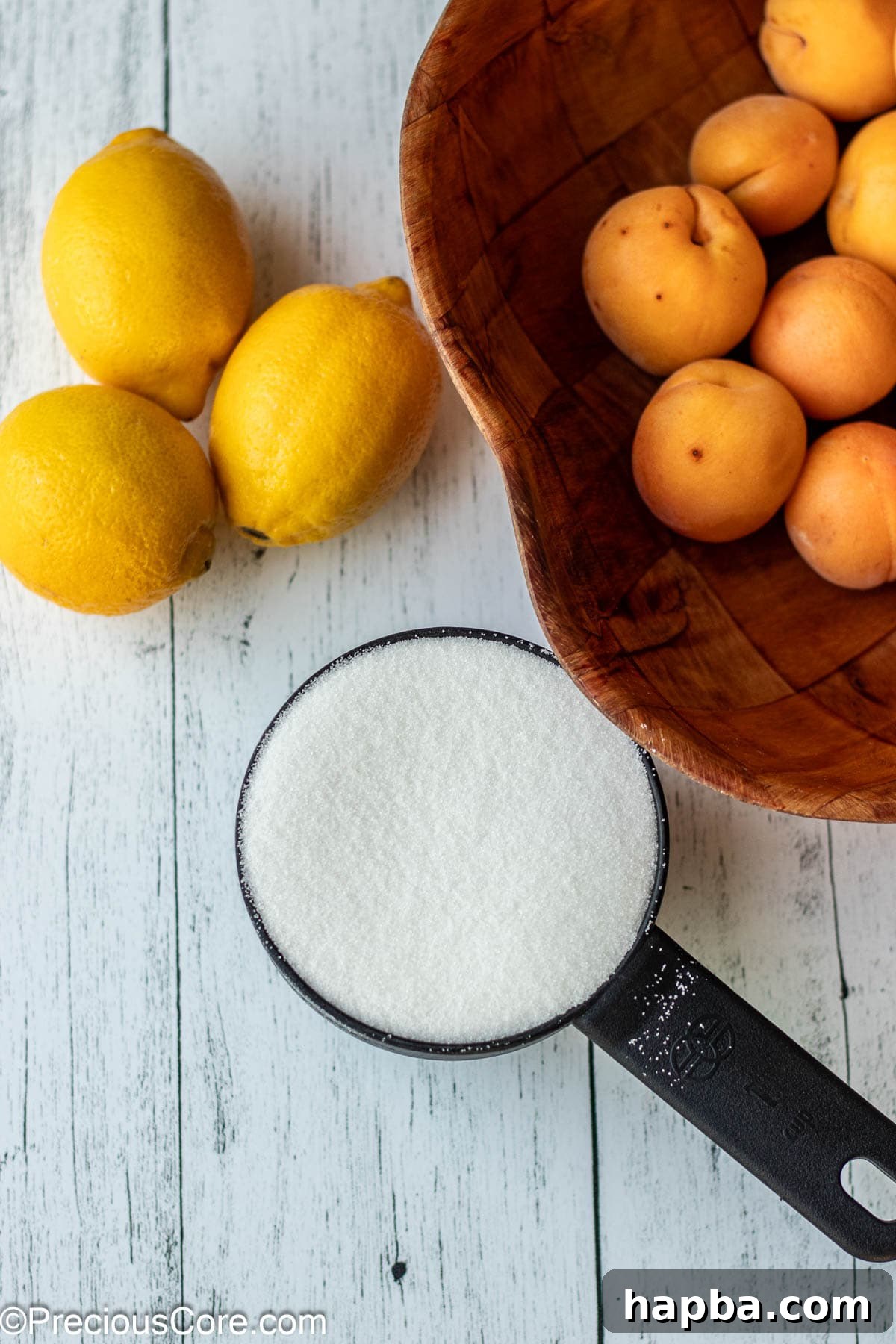
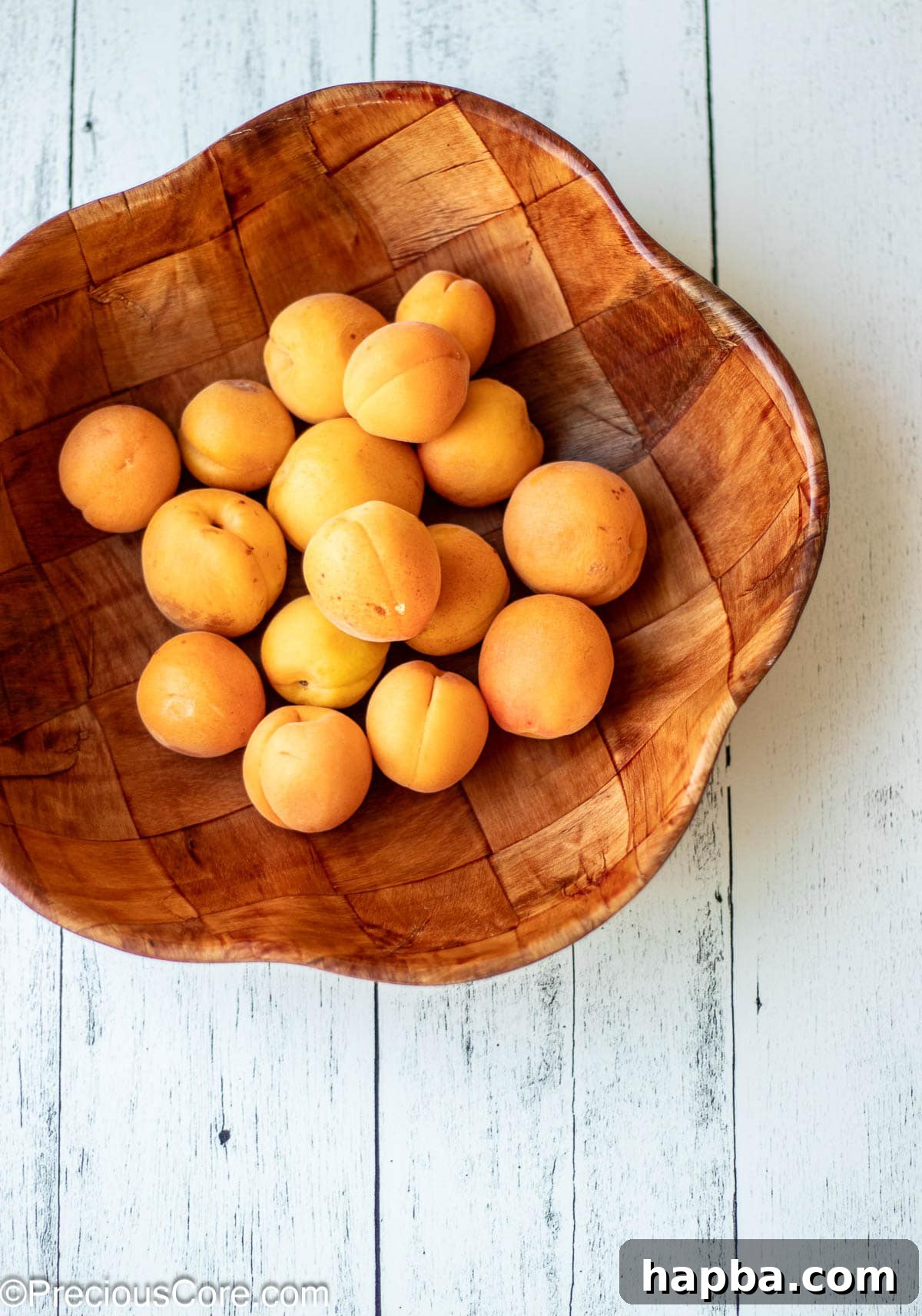
- Fresh Apricots: The star of our show! For the most complex and robust flavor, we recommend using a mix of perfectly ripe and slightly underripe apricots. Ripe apricots bring sweetness and soft texture, while those a little less ripe contribute more natural pectin, essential for a good set, and a pleasant tartness. Always seek out the highest quality, freshest apricots you can find, ideally local and in season. Weigh the apricots before removing pits for accurate measurements.
- Fresh Lemon Juice: Lemon juice plays a crucial triple role in this recipe. Firstly, it brightens and enhances the natural flavor of the apricots, adding a refreshing tang that cuts through the sweetness. Secondly, its high acidity is vital for activating the natural pectin in the apricots, helping your preserves achieve that desirable gelled consistency without added pectin. Thirdly, lemon juice acts as a natural preservative, extending the shelf life of your homemade jam. Freshly squeezed lemon juice is always preferred for the best flavor.
- Granulated Sugar: Sugar is more than just a sweetener in preserves; it’s a critical component for flavor, texture, and preservation. It helps to draw out moisture from the fruit, thickens the mixture, and inhibits the growth of bacteria and molds, ensuring your preserves last. While it might seem like a substantial amount, rest assured this recipe uses significantly less sugar than many traditional jam recipes, allowing the true apricot flavor to shine. You can use standard granulated sugar or unrefined organic cane sugar for a slightly different note.
Please note that the quantities depicted in the accompanying images may vary. For precise measurements and detailed instructions, kindly refer to the comprehensive recipe card located further down this page.
Step-by-Step Guide to Making Apricot Preserves
Follow these straightforward steps to create spectacular apricot preserves, or any fruit jam, harnessing the power of natural pectin for the best results:
- 1. Wash and Prepare Fresh Apricots: Begin by thoroughly cleaning your apricots. In a large bowl, combine one part white vinegar with three parts water. Add the apricots and let them soak for approximately 5 minutes. This vinegar bath helps to dislodge any dirt, debris, or residues from the fruit’s skin. Gently rub the apricots against each other in the water to ensure they are clean. Remove the fruits from the vinegar solution, strain, and then rinse them two more times under fresh running water. Don’t worry, you won’t taste the vinegar in the final product!
- 2. Halve or Quarter the Apricots: After gently patting the washed apricots dry with a clean kitchen towel, cut each apricot in half or quarters. Apricots are typically easy to work with; the pit usually comes right off with a gentle twist or knife slice. Discard the pits. Don’t be concerned if the pieces seem large; they will soften and break down beautifully as the jam cooks, creating a wonderful chunky texture characteristic of preserves.
- 3. Combine with Lemon Juice and Sugar: Transfer the prepared apricot pieces into a large mixing bowl. Add the measured granulated sugar and freshly squeezed lemon juice. Stir everything together thoroughly with a wooden spoon or spatula, ensuring the fruit is evenly coated.
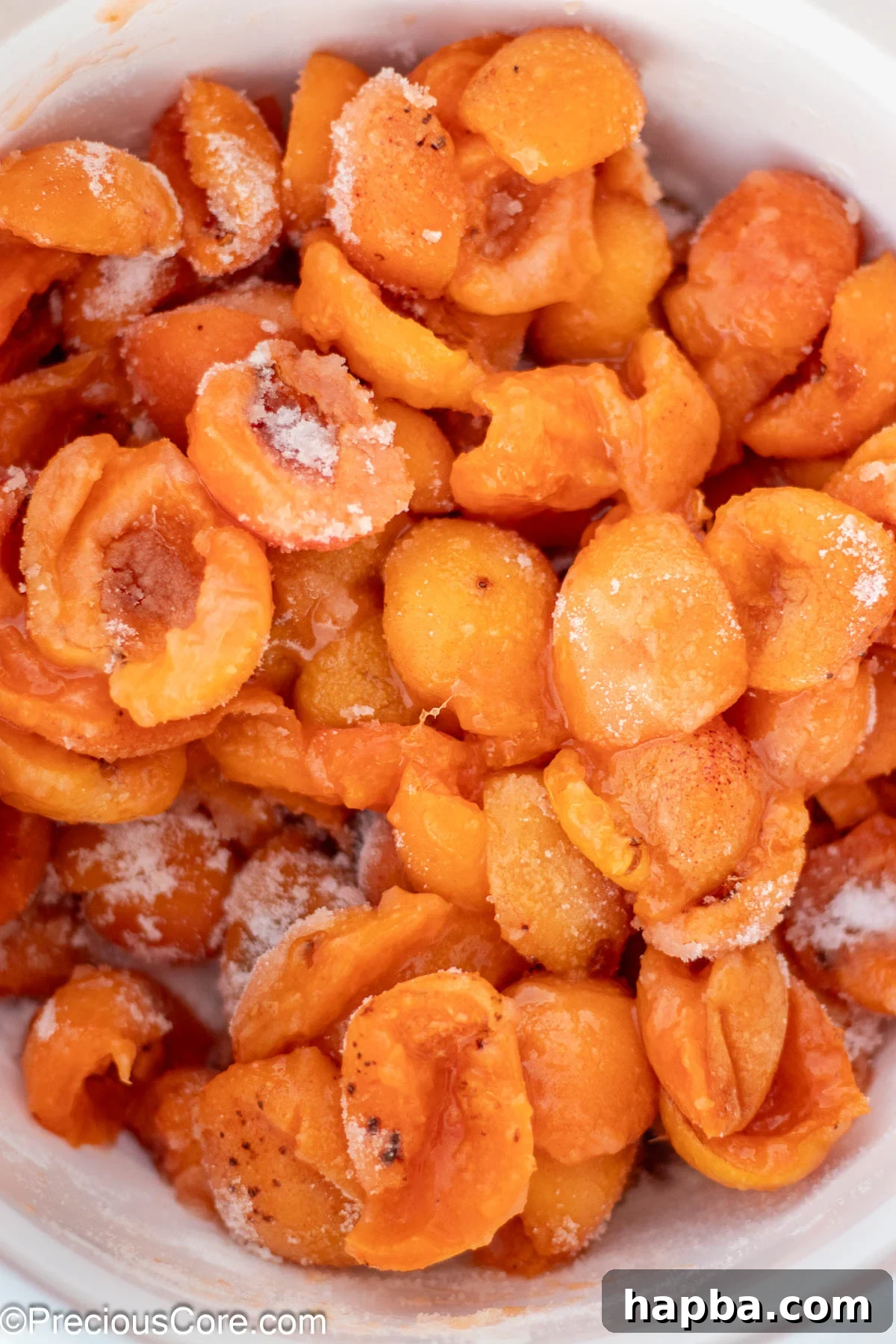
- 4. Macerate the Fruit (Optional but Recommended): This step involves letting the fruit sit in the sugar and lemon juice mixture for a period. You can leave it for as little as 30 minutes, up to 2 hours at room temperature, or even overnight in the refrigerator. This process, known as macerating, is highly beneficial. It draws out the natural juices from the apricots, creating a flavorful syrup before cooking begins, and helps the sugar dissolve more effectively, leading to a smoother texture.
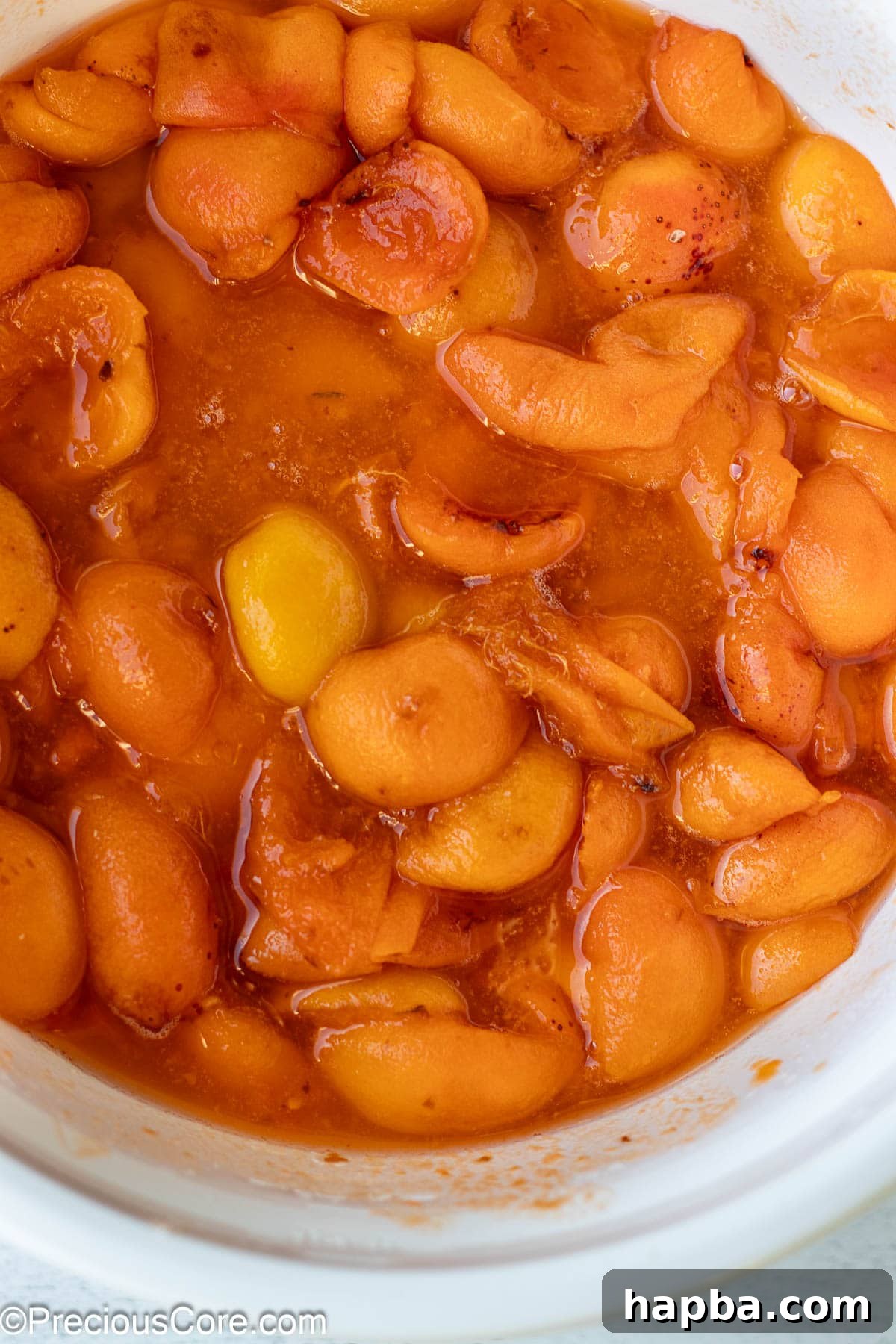
- 5. Cook Until Jammy: Transfer the apricot mixture, including all the syrup, into a large, heavy-bottomed pot. A non-stick pot or an enameled cast iron pot works wonderfully to prevent sticking and burning. Bring the mixture to a rolling boil over high heat, stirring frequently. Once boiling vigorously, reduce the heat to medium-low and allow it to simmer gently. Continue stirring periodically to prevent scorching and ensure even cooking.
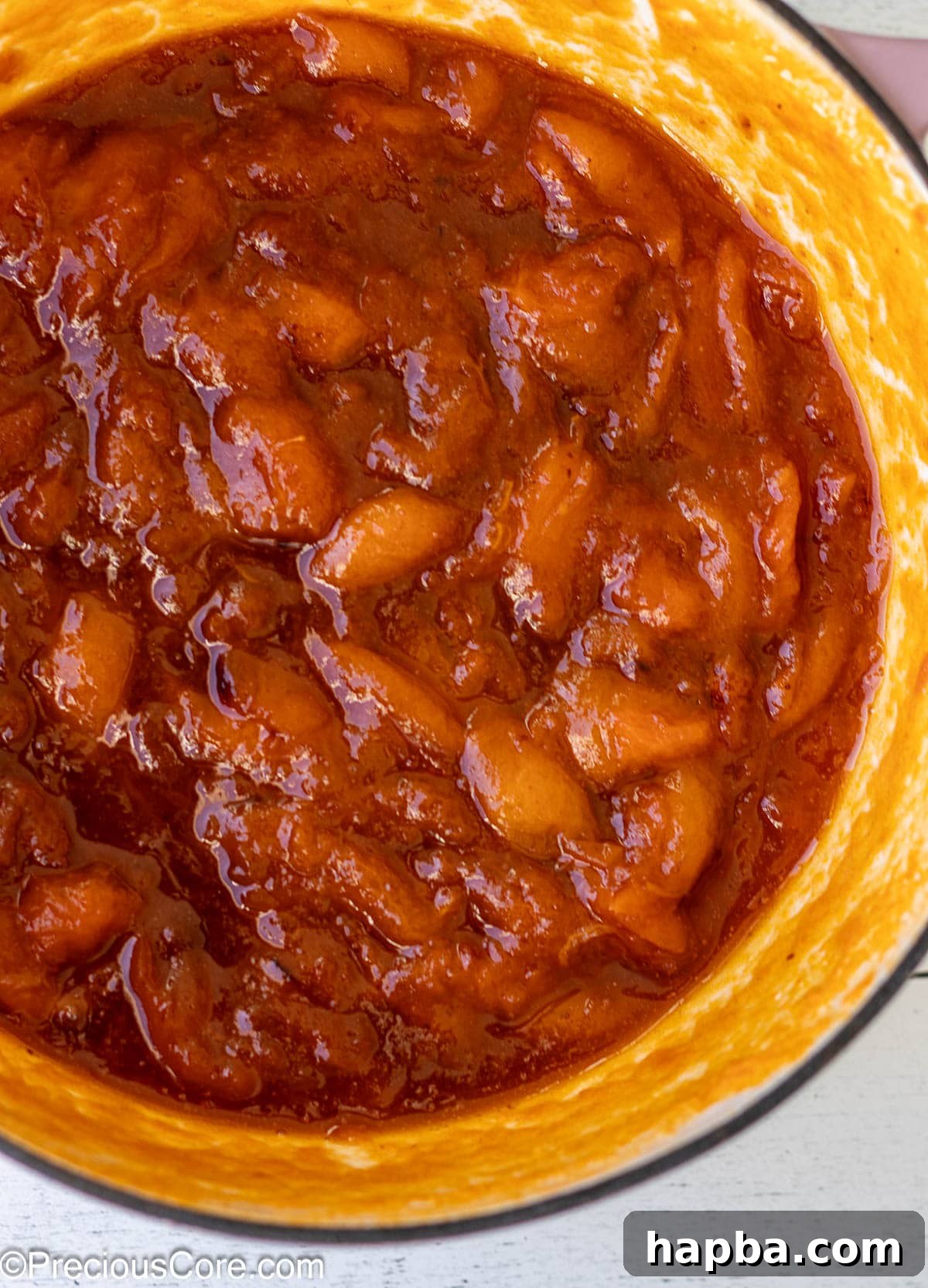
- 6. Mash for Desired Texture: As the preserves cook and the apricots soften, you have the option to mash them. If you prefer a chunkier preserve with noticeable fruit pieces, leave them as they are. For a smoother, more spreadable texture akin to jam, use a potato masher or the back of a spoon to gently crush some of the fruit against the side of the pot. Do this during the last 30 minutes of cooking.
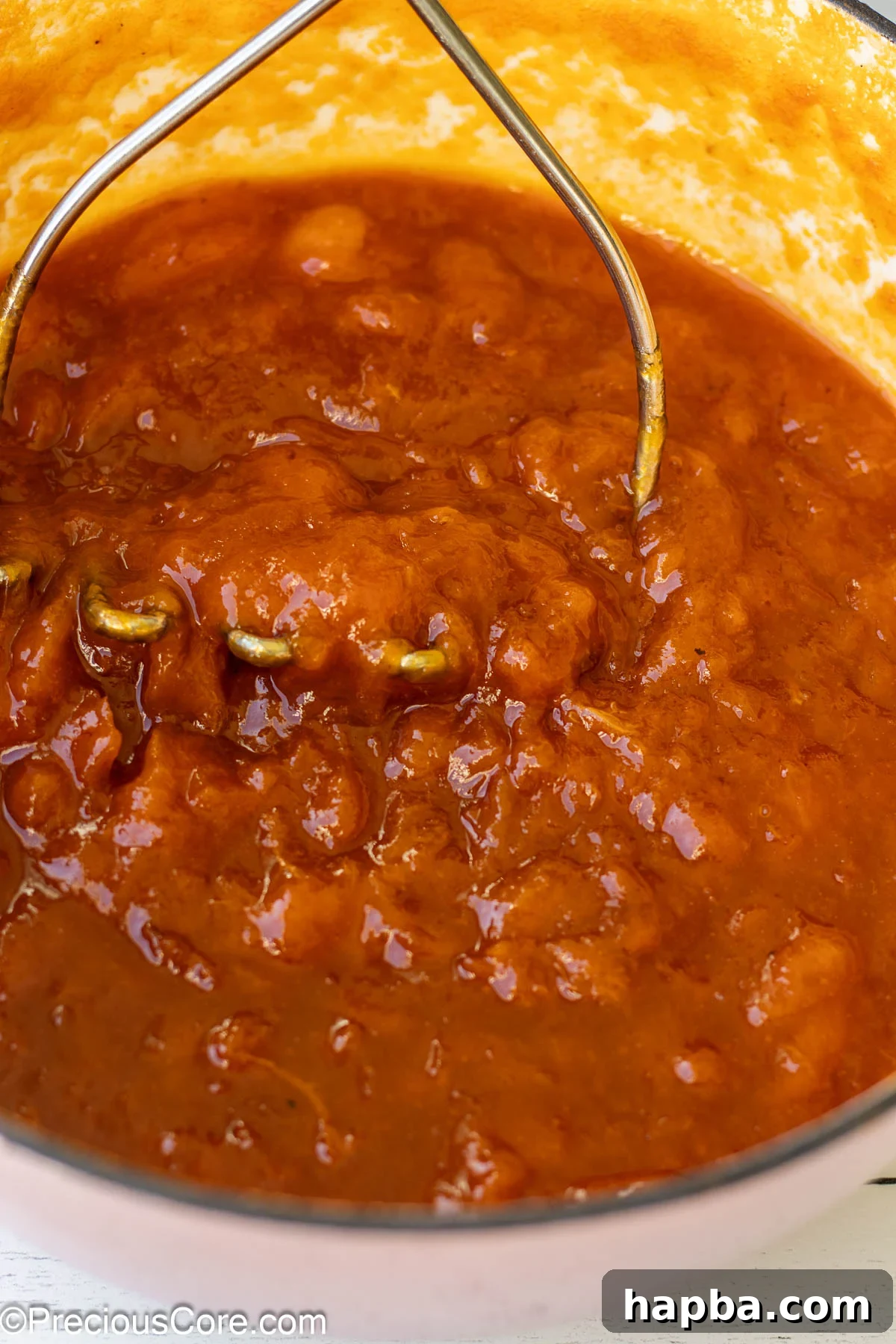
- 7. Continue Simmering Until Done: The entire simmering process typically takes about one hour, though cooking times can vary based on the ripeness of the fruit and your desired consistency. To test for doneness, perform the “cold plate test”: place a small spoonful of preserves onto a chilled plate, let it sit for a minute, then push it with your finger. If it wrinkles, it’s ready. Alternatively, use a candy thermometer; the preserves are usually set when they reach 220°F (104°C).
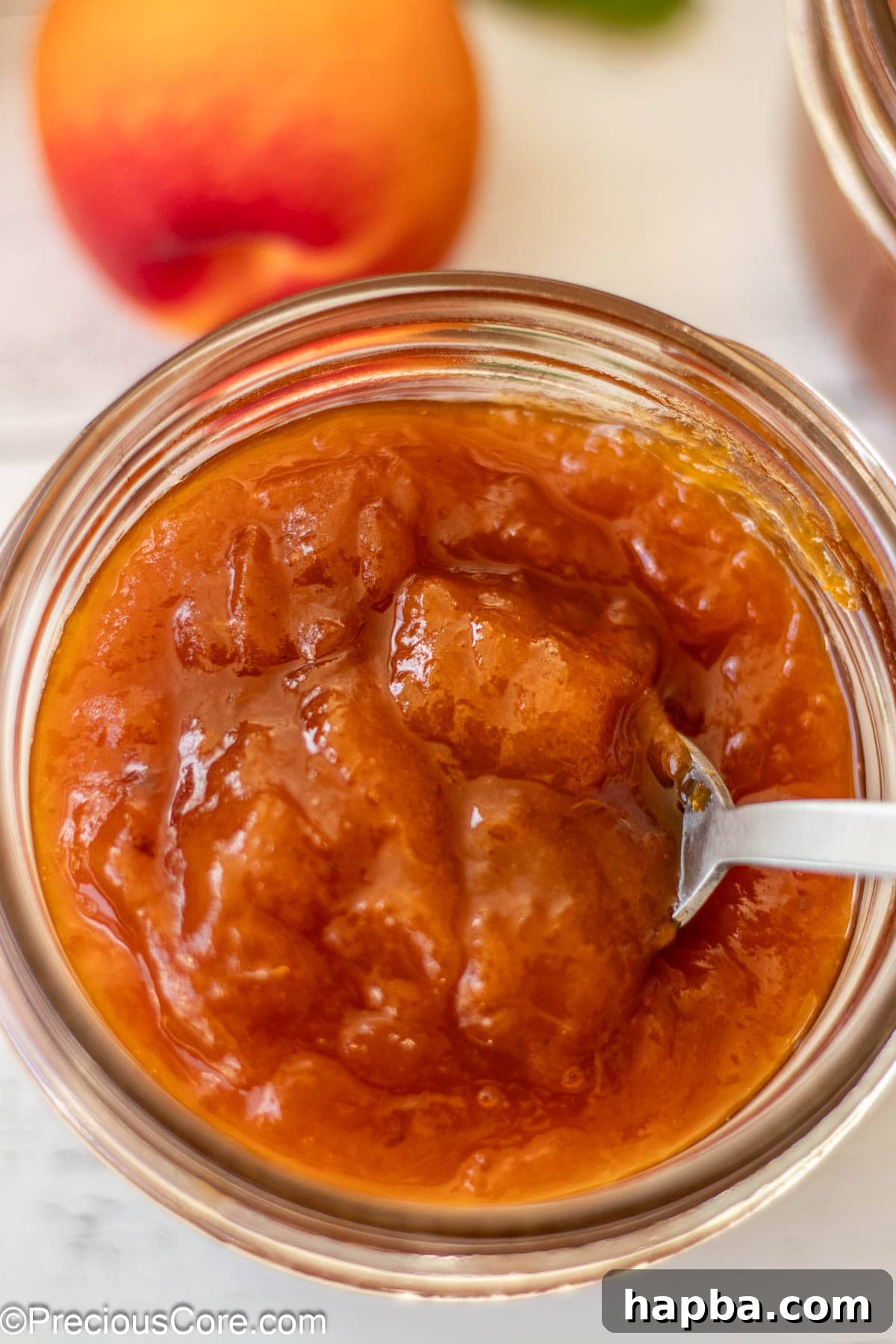
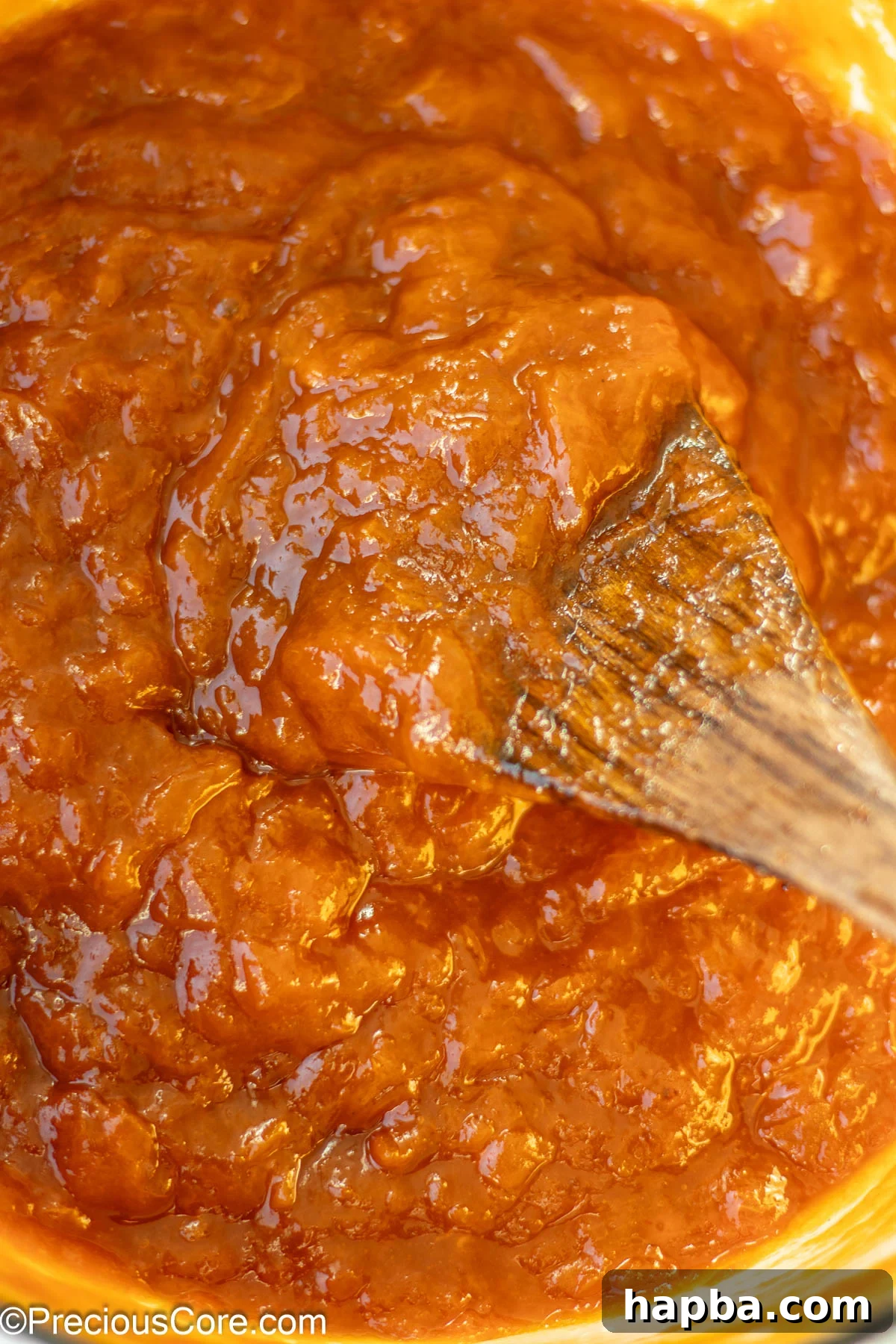
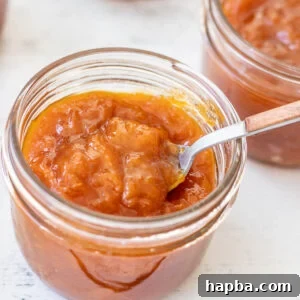
- 8. Allow Preserves to Cool Slightly: Once the preserves reach your desired consistency, remove the pot from the heat. Let them cool for about 5-10 minutes. This short resting period allows the fruit to settle and ensures the preserves aren’t scalding hot when you ladle them into jars, reducing the risk of burns and preventing potential jar breakage. At this stage, your preserves should have a beautiful, thick, and glistening appearance, similar to the image below.
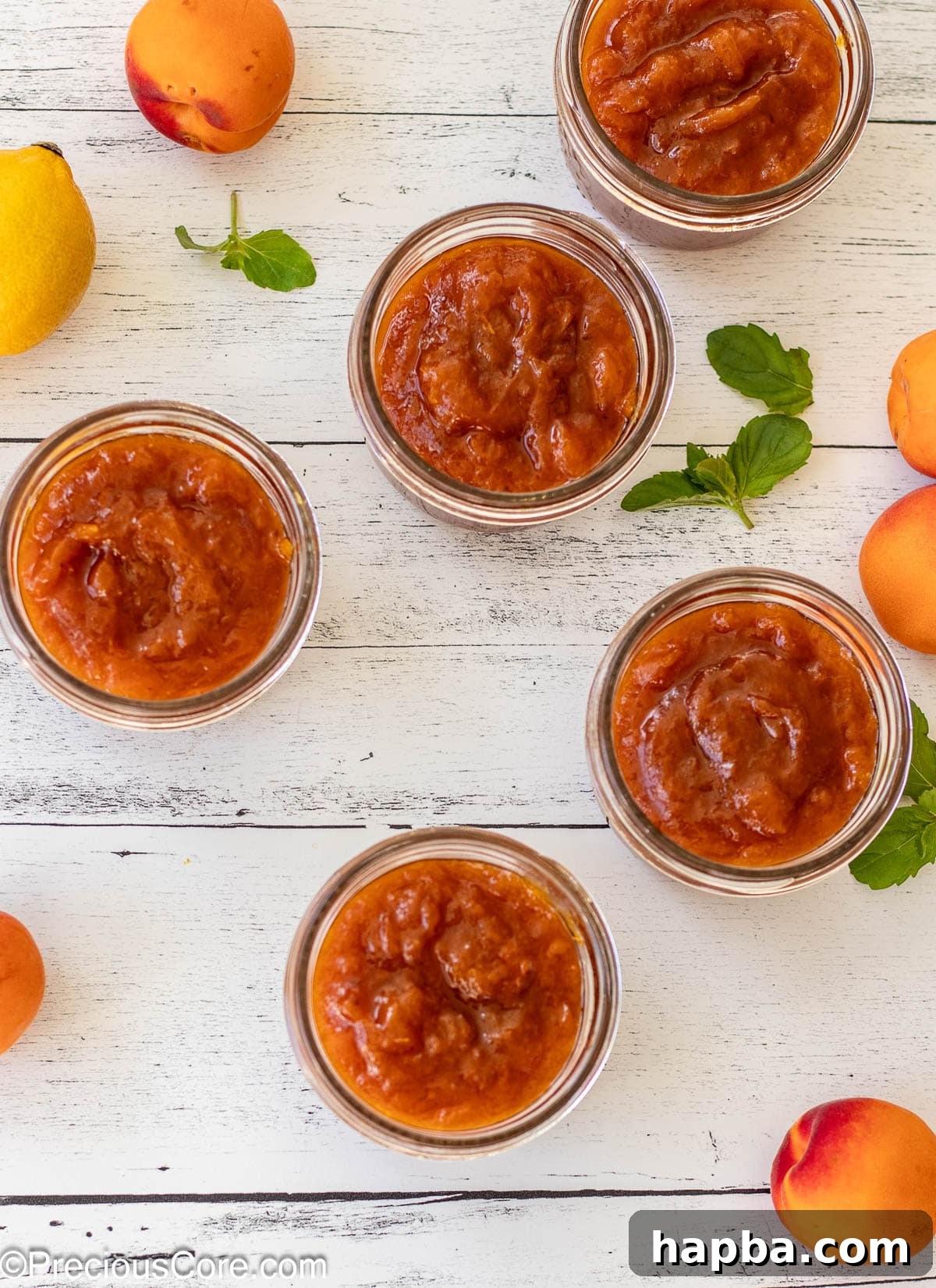
- 9. Jar and Can the Preserves: Carefully ladle the hot apricot preserves into sterilized mason jars, filling them up to about 1/4 inch from the top (headspace). Wipe the rims clean, then place the lids and rings on, screwing them finger-tight. Proceed with water bath canning following the detailed instructions in our “Quick Canning Guide” below. Proper canning ensures your homemade apricot preserves remain shelf-stable for up to one year, allowing you to enjoy the taste of summer long after the season ends!
Quick Water Bath Canning Guide for Beginners
Canning your apricot preserves is an excellent way to extend their shelf life, allowing you to enjoy this homemade delight for months. Here’s a beginner-friendly guide to water bath canning:
- 1. Sterilize Jars: Wash 5-6 (8 oz) mason jars and their lids thoroughly with hot, soapy water. Place the clean jars upright in a large stockpot or canning pot. Fill the pot with water until the jars are fully submerged, with at least an inch of water above them. Bring the water to a rolling boil over high heat and boil for 10 minutes to sterilize.
- 2. Prepare Lids: In a smaller saucepan, place the flat lids and screw bands. Cover them with water and bring to a gentle simmer (do not boil) over medium heat. Keep them simmering until you are ready to use them. This softens the sealing compound, allowing for a better seal.
- 3. Remove Jars and Lids: Carefully remove the sterilized hot jars from the boiling water bath using canning tongs, and place them upside down on clean kitchen towels to dry. Use separate tongs to retrieve the simmering lids and bands, also placing them on clean towels.
- 4. Fill Jars with Preserves: While the jars are still hot (this prevents thermal shock which can crack cold jars when filled with hot contents), ladle the hot apricot preserves into each jar. Fill them, leaving about 1/4 inch of headspace from the rim. This headspace is crucial for proper sealing.
- 5. Clean Rims and Seal: Using a clean, damp cloth, carefully wipe the rims of each jar to remove any preserve residue. This ensures a proper seal. Place a hot lid centered on each jar, then screw on the band finger-tight – don’t overtighten, as air needs to escape during processing.
- 6. Process in Water Bath: Return the filled and sealed jars to the large canning pot, ensuring they are covered by at least an inch of water. Bring the water back to a rolling boil and process the jars for 10 minutes. Adjust processing time if living at higher altitudes according to specific guidelines.
- 7. Cool and Check Seals: After processing, turn off the heat and let the jars sit in the hot water for 5 minutes before carefully removing them. Place the hot jars on a clean towel on your countertop, leaving space between them for air circulation. Let them cool undisturbed for 12-24 hours. As they cool, you should hear a “pop” sound as the lids seal. Check the seals by pressing the center of each lid; if it doesn’t flex, the jar is sealed.
- 8. Store Properly: Once sealed and completely cool, remove the screw bands, wipe jars clean, label them with the date, and store in a cool, dry, and dark place. Properly canned apricot preserves can last for up to one year!
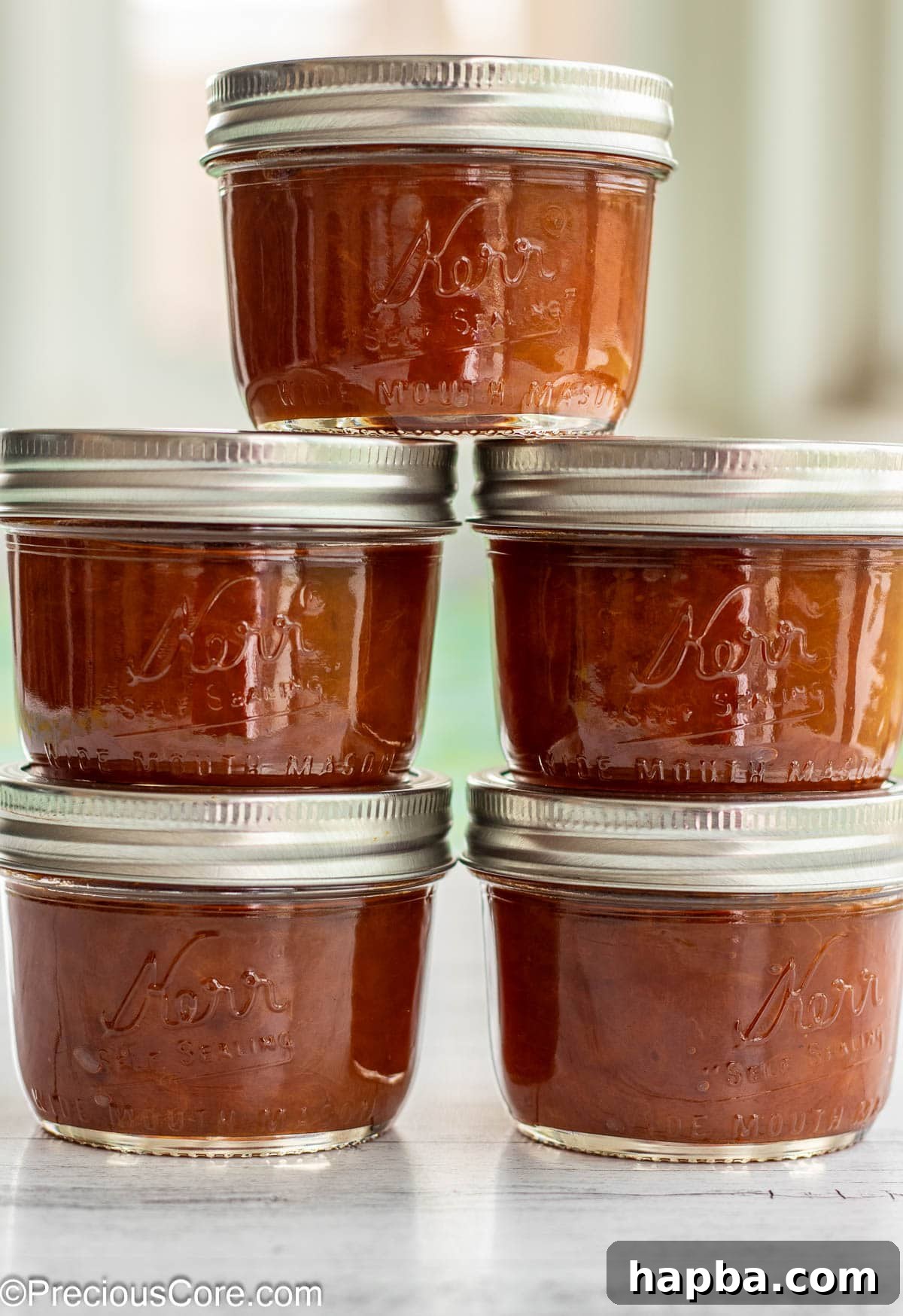
These beautiful, homemade apricot preserves also make thoughtful and delicious gifts for friends, family, and neighbors, especially during the holidays or as a hostess present!
Important Storage Tip: Once a jar of apricot preserves has been opened, it must be stored in the refrigerator to maintain its freshness and quality. Consume within 2-3 weeks of opening.
Creative Uses for Your Homemade Apricot Preserves
Your delectable homemade apricot preserves are incredibly versatile, extending their utility far beyond the breakfast table. Here are some inspiring ways to incorporate their sweet and tangy goodness into your culinary repertoire:
- Enhance Baked Goods: Swirl into yogurt or oatmeal for a vibrant breakfast. Use as a filling for thumbprint cookies, tarts, or layered cakes. It’s a fantastic secret ingredient in muffins or quick bread batter.
- Sweet & Savory Pairings: The unique flavor of apricot preserves shines in savory dishes. They work exceptionally well as a glaze for roast pork, baked chicken, or a holiday ham, adding a beautiful sheen and caramelized sweetness. Integrate them into the ever-delicious Malva Pudding recipe for a fruity twist.
- Elevate Appetizers: A dollop of apricot preserves melted over a wheel of warm Brie cheese makes for a quick, sophisticated, and incredibly tasty appetizer. Simply bake the Brie with a spoonful of preserves on top until gooey.
- Gourmet Charcuterie Boards: These preserves are a delightful addition to any charcuterie board, pairing beautifully with various cheeses, cured meats, and crackers. For inspiration, check out our guide to crafting a sweet and salty charcuterie board.
- Cocktail Enhancer: A spoonful of apricot preserves can add a surprising depth and fruitiness to cocktails, especially those featuring whiskey, gin, or sparkling wine.
- Sandwich Spreads: Beyond the classic peanut butter and jam, try them with cream cheese or almond butter for an elevated sandwich experience.
Essential Tools for Preserve Making
While you can make preserves with basic kitchen equipment, having a few specialized tools can make the process significantly easier and more efficient:
- 8 oz Canning Jars: The ideal size for gifting and for household use, preventing waste.
- Canning Pot with Rack and Full Canning Set: A dedicated canning pot with a rack ensures jars are submerged correctly and won’t touch the bottom, preventing breakage. A full set often includes tongs, a funnel, and a headspace tool, which are invaluable.
- Potato Masher: Perfect for achieving your desired preserve consistency, whether you prefer chunky or more smoothly mashed fruit.
- Large, Heavy-Bottomed Pot: Crucial for even heat distribution and preventing scorching, especially when simmering fruit for an extended period.
- Wooden Spoon or Heat-Resistant Spatula: For stirring the preserves as they cook.
- Thermometer (Optional but Recommended): A candy or jam thermometer can help you accurately gauge when your preserves have reached the setting point (typically 220°F/104°C).
Can You Freeze Apricot Preserves?
Absolutely! Freezing is an excellent alternative to canning for long-term storage of your delicious apricot preserves, and it can extend their freshness for up to one year. Here’s how to do it effectively:
- Freezing in Jars: After making your preserves and spooning them into jars, ensure you leave adequate headspace (at least 1 inch) to allow for expansion during freezing. Let the preserves cool completely to room temperature, and then allow the jars to rest undisturbed for 24 hours before transferring them to the freezer. Use wide-mouth jars designed for freezing to minimize the risk of breakage.
- Freezing in Freezer Bags: Another convenient method is to use heavy-duty Ziploc freezer bags. Once the preserves have cooled completely, spoon them into the bags. Press out any excess air before sealing. Lay the bags flat to freeze, which saves space and allows for quicker thawing. These can also be stored for up to a year.
When you’re ready to enjoy, simply thaw the preserves in the refrigerator overnight. Once thawed, treat them like an opened jar and store them in the fridge.
Frequently Asked Questions About Apricot Preserves
While both apricot preserves and apricot jam are fruit spreads made from cooked fruit and sugar, the primary difference lies in their texture. Preserves typically feature larger, more discernible pieces of fruit, offering a chunkier consistency. Jam, on the other hand, is usually made with crushed or finely chopped fruit, resulting in a smoother, more uniform spread. Our recipe leans towards a preserve with its delightful fruit chunks.
Without a doubt, the best apricot preserves are those made from scratch at home! This allows for complete control over the quality of fresh ingredients, ensuring the perfect balance of lemon juice and sugar to create a truly flavorful product. The rich, vibrant taste of homemade preserves, free from artificial additives, simply cannot be replicated by commercial brands.
Apricot preserve is a delicious, chunky fruit spread made by cooking down fresh apricots with sugar and lemon juice. The cooking process thickens the fruit and syrup into a spreadable consistency, preserving the apricots’ natural flavor and texture for extended enjoyment.
Unopened, properly canned apricot preserves can be stored in a cool, dark pantry for up to a year. However, once a jar of apricot preserves has been opened, it introduces air and potential contaminants, so it absolutely must be refrigerated. Storing it in the fridge will maintain its freshness and quality for several weeks after opening.
A reliable way to test for set is the “cold plate test.” Place a small spoonful of hot preserves onto a chilled plate. Let it sit for about a minute, then gently push it with your finger. If the surface wrinkles, the preserves are ready. You can also use a candy thermometer; preserves typically set around 220°F (104°C).
While this recipe already uses less sugar than many traditional recipes, reducing it further can impact the preserves’ ability to set and their shelf life, as sugar plays a crucial role in both. If you wish to significantly reduce sugar, you might need to use a low-sugar pectin product and follow its specific instructions, or plan to freeze the preserves for storage.
Explore More Homemade Jam Recipes
If you’ve fallen in love with making this apricot preserves recipe, we encourage you to venture into more homemade fruit spreads. Here are some other equally delightful recipes to try:
Pineapple Jam
Mixed Berry Jam
If you make this incredible apricot preserves recipe, we would be absolutely thrilled to hear about your experience! Please consider leaving a star rating and a comment below to share your feedback. Your ratings and thoughts are invaluable to us and help other home cooks discover and enjoy this delicious recipe. Thank you!
Apricot Preserves
30 mins
1 hr
30 mins
2 hrs
5 8 oz jars
Pin Recipe
Rate
Print Recipe
Ingredients
- 4 pounds apricots rinsed, cut in halves or quarters, pits removed
- 1 pound granulated sugar
- 3/4 cup freshly squeezed lemon juice (About 4 large lemons)
Instructions
-
Place the pitted and halved or quartered apricots in a large mixing bowl. Add the sugar and lemon juice and stir with a wooden spoon to combine. Let it sit covered for 30 minutes, or in a fridge overnight (see Note 3 below for make-ahead tips), or cook immediately if preferred.
-
Transfer the apricot mixture to a large or medium-sized heavy-bottomed pot (a non-stick or enameled cast iron pot works best). Bring the fruit to a rolling boil over high heat. Once boiling, reduce the heat to medium-low and let it simmer gently for about one hour, stirring occasionally to prevent sticking.
-
For chunkier preserves, leave the fruit as is. For a smoother, more spreadable consistency, use a potato masher to gently mash the fruit directly in the pot during the last 30 minutes of cooking. Continue to cook until the preserves thicken and look jammy, typically around 1 hour total cook time. Perform the cold plate test (see FAQ) to confirm it’s set.
-
Let the preserves cool for about 5 minutes off the heat. Then, ladle into prepared canning jars and proceed with canning following our Quick Canning Guide or your specific canning jar instructions.
-
Serve your homemade apricot preserves warm or cool over toast, muffins, pancakes, waffles, or any way you desire!
Notes
2. Washing Apricots: To effectively rinse apricots, add one part white vinegar to three parts water in a large bowl. Submerge the apricots and let them sit for 5 minutes. Gently rub the apricots together in the water to remove any dirt or sand. Remove the apricots, discard the water, and refill the bowl with fresh water. Add the apricots back and rub them again to rinse. Repeat this rinsing process one more time to ensure they are thoroughly clean.
3. Make-Ahead Tip (Macerating): Allowing the apricots to rest with the sugar and lemon juice for 30 minutes to overnight (in the fridge) is an excellent make-ahead step. This maceration process helps to draw out the fruit’s natural juices, creating a delicious syrup that enhances the final flavor and texture of your preserves.
4. Nutritional information provided is an estimate per 8oz jar of finished preserves.
Nutrition (Estimated Per 8oz Jar)
Carbohydrates: 133g |
Protein: 5g |
Fat: 2g |
Saturated Fat: 0.1g |
Polyunsaturated Fat: 0.3g |
Monounsaturated Fat: 1g |
Sodium: 5mg |
Potassium: 979mg |
Fiber: 7g |
Sugar: 125g |
Vitamin A: 6991IU |
Vitamin C: 50mg |
Calcium: 50mg |
Iron: 1mg
Additional Info
Dessert, Breakfast
International
531
Tried this recipe?
Mention @preciouscore or tag #PreciousCore!