
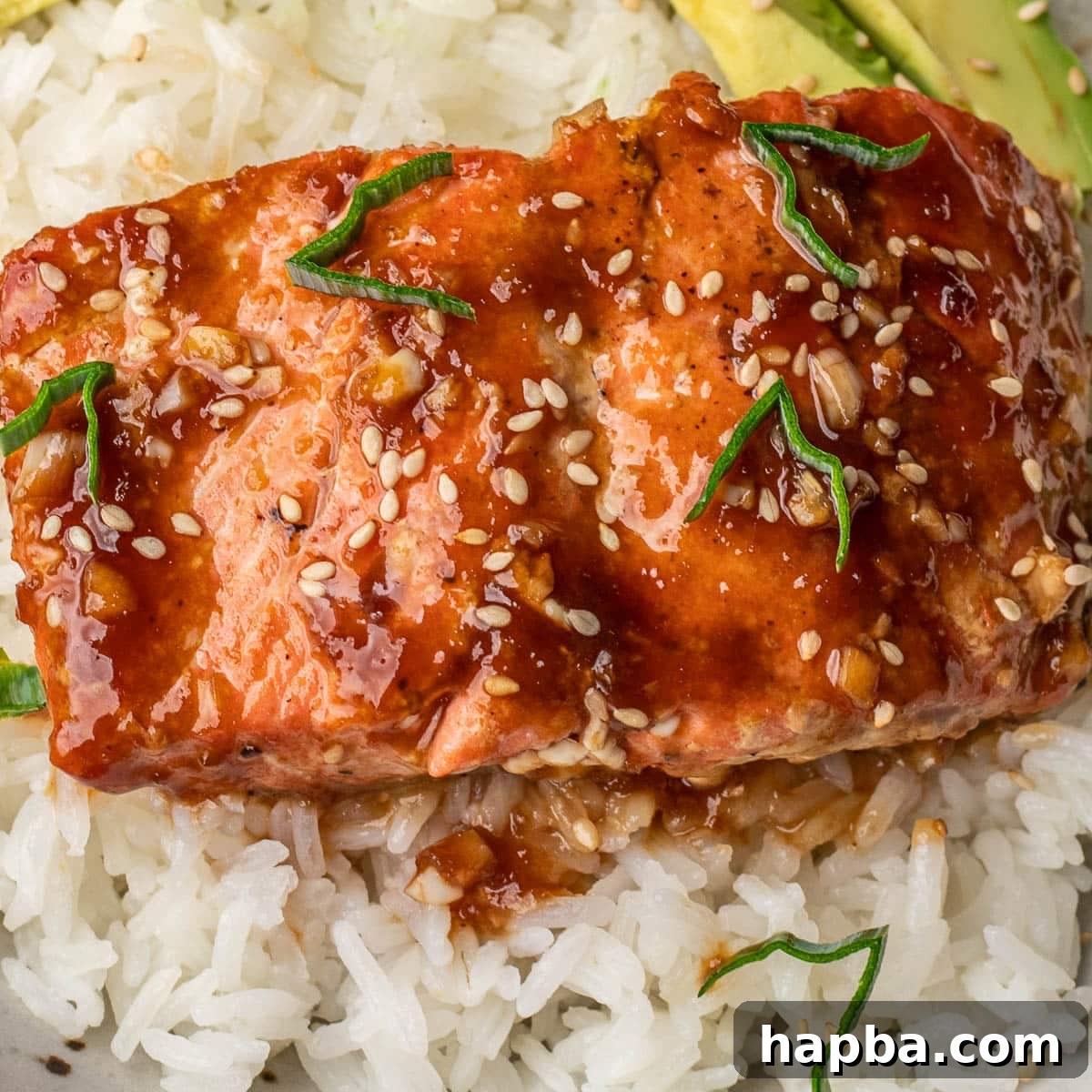
Prepare to be amazed by this incredible Pan-Fried Teriyaki Salmon, featuring tender, flaky salmon fillets generously coated in a luscious, homemade sweet and savory sauce. This dish is designed for ultimate satisfaction, ready in just 17 minutes, making it the perfect solution for busy weeknights when you crave something both delicious and healthy. Serve it with a bed of hot, fluffy rice and your favorite vegetable side dish for a complete and utterly fulfilling meal.
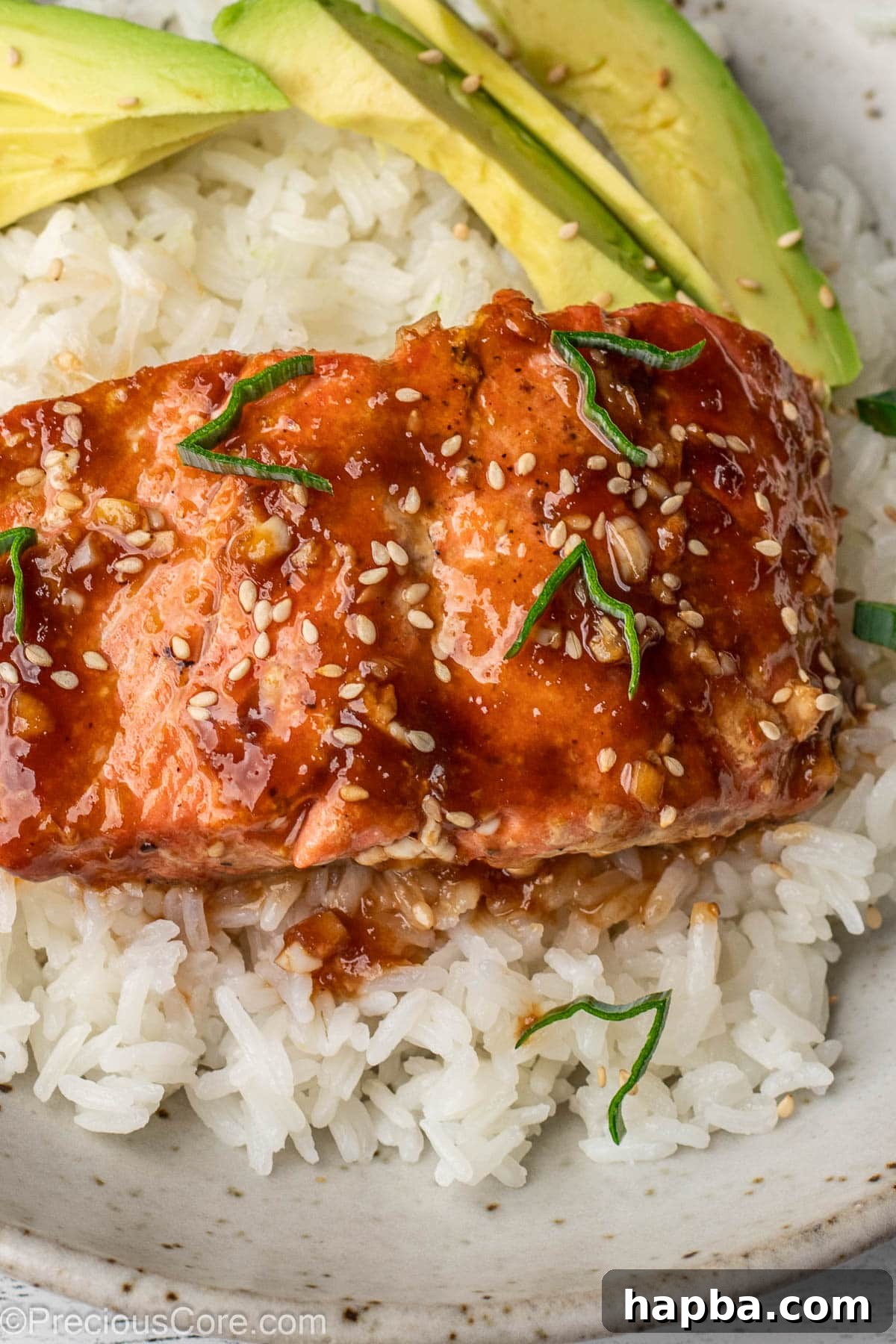
My family and I often find ourselves craving the delectable salmon dishes from our favorite Japanese-inspired restaurants, like Waba Grill. This pan-fried teriyaki salmon recipe captures that same irresistible flavor profile – a vibrant, glossy sauce that perfectly balances sweetness and umami, reminiscent of our restaurant favorites, but elevated with the fresh taste of homemade goodness.
The beauty of this dish lies in its versatility and ease. While it pairs exquisitely with warm rice, you can effortlessly enjoy it with a variety of other sides, including a wide array of vegetable options. No time for an elaborate side? Simply steam some crisp broccoli and vibrant carrots to complement the rich flavors of the fish. A sprinkle of toasted sesame seeds on top adds that authentic Asian restaurant touch, both in appearance and a subtle nutty flavor.
If you’re a connoisseur of perfectly cooked salmon, explore some of my other beloved recipes: Pan-Grilled Salmon for a smoky flavor, Salmon and Broccoli Sheet Pan for minimal cleanup, Grilled Sockeye Salmon showcasing a lean, flavorful variety, and Lemon Butter Salmon for a classic, bright taste.
Table of Contents
- Why This Recipe Is a Game-Changer
- Understanding Teriyaki: A Culinary Journey
- Essential Ingredients for Pan-Fried Teriyaki Salmon
- Crafting the Perfect Homemade Teriyaki Sauce
- Substitutions and Creative Variations
- Step-by-Step Guide: How To Pan-Fry Teriyaki Salmon to Perfection
- Expert Tips for Success
- Common Questions About Teriyaki Salmon (FAQs)
- Serving Suggestions for Your Teriyaki Salmon
- Explore More Delicious Fish and Asian-Inspired Recipes
- The Ultimate Pan-Fried Teriyaki Salmon Recipe Card
Why This Recipe Is a Game-Changer for Weeknight Dinners
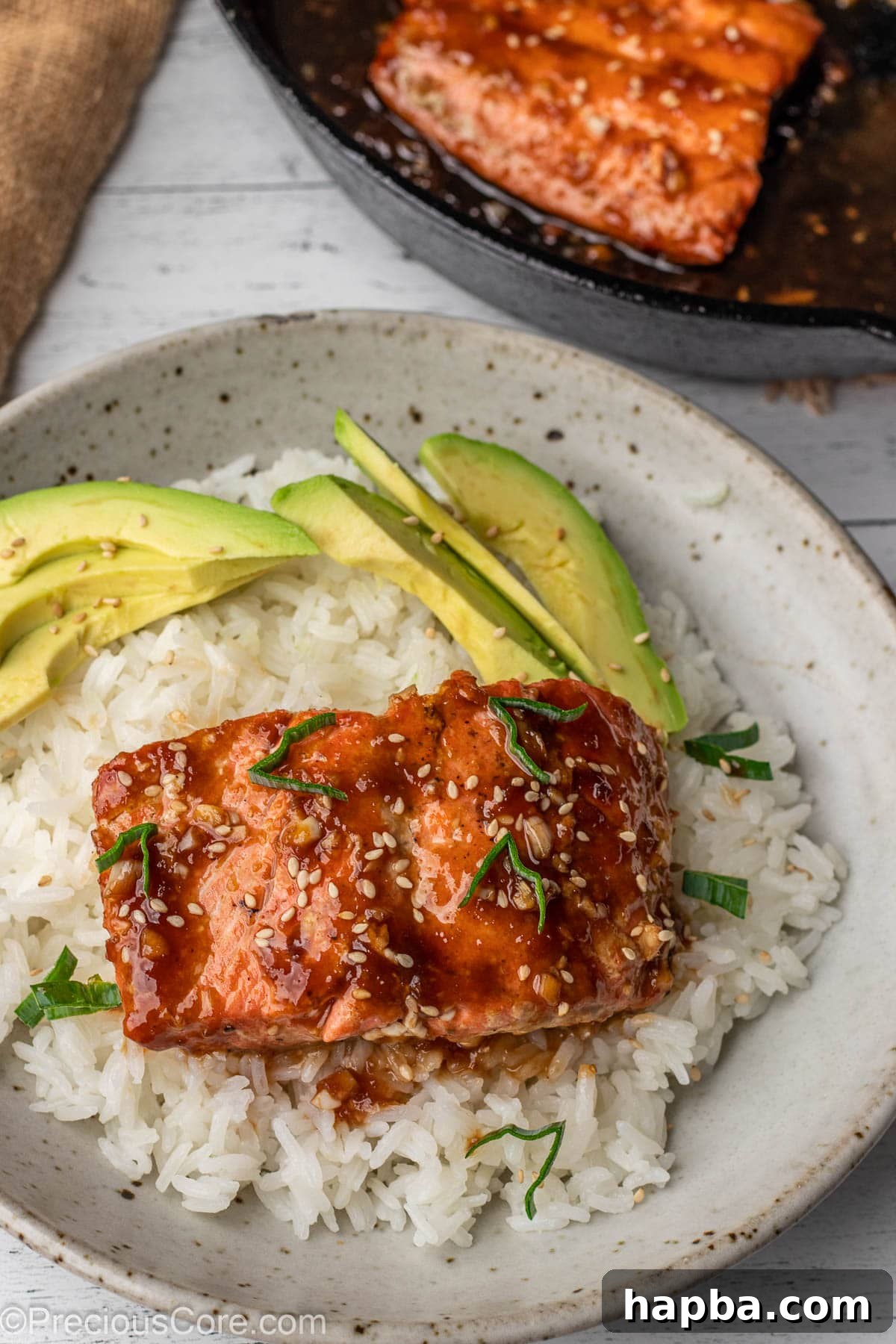
This Pan-Fried Teriyaki Salmon isn’t just another fish recipe; it’s a testament to how simple ingredients and smart techniques can yield restaurant-quality results in your own kitchen. Here’s why this recipe consistently delivers:
- Achieve Perfectly Cooked Fish Every Time: Flaky, Juicy, and Never Burnt. The secret to flawless salmon lies in the timing and application of the sauce. Through extensive testing, we discovered that coating the salmon in teriyaki sauce *before* cooking often leads to the sugar caramelizing and burning before the fish fully cooks, resulting in an unpleasant charred exterior. Our method expertly bypasses this common pitfall. By first pan-frying the salmon to a beautiful golden perfection, and then simmering the sauce separately before basting the cooked fish, you guarantee a tender, moist interior and a beautifully glazed exterior. This approach ensures maximum flavor absorption without sacrificing the delicate texture of the salmon, leaving you with perfectly cooked fish and ample sauce to savor.
- An Exquisite Balance of Sweet and Salty Flavors. The homemade teriyaki sauce is a symphony of tastes. It strikes a harmonious balance between the rich umami of soy and hoisin, the subtle sweetness of brown sugar, and the bright tang of fresh lemon juice. This complex flavor profile elevates the natural richness of the salmon, creating a truly irresistible dish that satisfies every palate.
- Ridiculously Easy to Master. Don’t let the gourmet taste fool you; this recipe is incredibly straightforward. With just a few simple steps and clear instructions, even novice cooks can achieve impressive results. The key is following our precise guide for cooking the salmon correctly and preparing the sauce, making it an approachable yet rewarding culinary experience.
- Incredibly Quick: Dinner on the Table in Under 20 Minutes. Time is a precious commodity, especially during busy weekdays. This recipe is specifically designed for speed without compromising on quality or taste. From start to finish, you can have a wholesome, flavorful meal ready in less than 20 minutes, making it an ideal choice for a fast yet nourishing dinner.
- The Sauce is a Revelation with Rice and Beyond! The rich, glossy teriyaki sauce is the star that binds everything together. It’s utterly divine when drizzled over hot, fluffy rice, allowing every grain to soak up its sweet and savory goodness. Beyond rice, this versatile sauce beautifully complements a wide variety of side dishes, from steamed vegetables to noodles, offering endless pairing possibilities to suit your preference.
For ultimate efficiency, set your rice to cook on one burner while you prepare this Pan-Fried Teriyaki Salmon on another. By the time your fish is beautifully glazed and ready, your rice will be perfectly cooked, ensuring a seamless and satisfying dinner experience. It’s a culinary ballet designed to bring exceptional flavor to your table with minimal fuss.
Understanding Teriyaki: A Culinary Journey
The term “teriyaki” is derived from two compelling Japanese root words: “teri,” which beautifully translates to “shine” or “glaze,” referring to the glistening appearance of the sauce, and “yaki,” meaning “to cook,” “grill,” or “fry.” This perfectly encapsulates the essence of the dish: food cooked with a beautiful, glossy finish.
Historically, teriyaki refers to a traditional Japanese cooking method where food, typically meat or fish, is grilled, broiled, or pan-fried with a glaze of soy sauce, mirin (sweet rice wine), sugar, and often sake (rice wine). This combination creates a rich, sweet, and savory flavor profile that caramelizes beautifully, resulting in that signature shiny coating.
Today, teriyaki is widely recognized not just as a cooking technique but also as the name of the distinctive sweet and salty sauce itself, used globally as a glaze, marinade, or dipping sauce. The core ingredients typically remain soy sauce, sugar, and mirin, with regional variations and personal preferences influencing additions like ginger, garlic, or sesame oil.
For this specific recipe, we’ve opted for a readily accessible and equally delicious twist on the traditional mirin. Instead, we use a combination of hoisin sauce for depth and umami, and fresh lemon juice. The lemon juice effectively provides the crucial acidity that mirin typically offers, balancing the sweetness of the brown sugar and brightening the overall flavor of the sauce. While mirin can be found in most Asian specialty stores, this lemon juice substitution ensures you can enjoy an authentic-tasting teriyaki salmon with ingredients likely already in your pantry.
Essential Ingredients for Pan-Fried Teriyaki Salmon
Creating this irresistible teriyaki salmon requires just a handful of fresh ingredients, transforming them into a restaurant-quality meal in under 20 minutes. Here’s a closer look at the key components you’ll need:
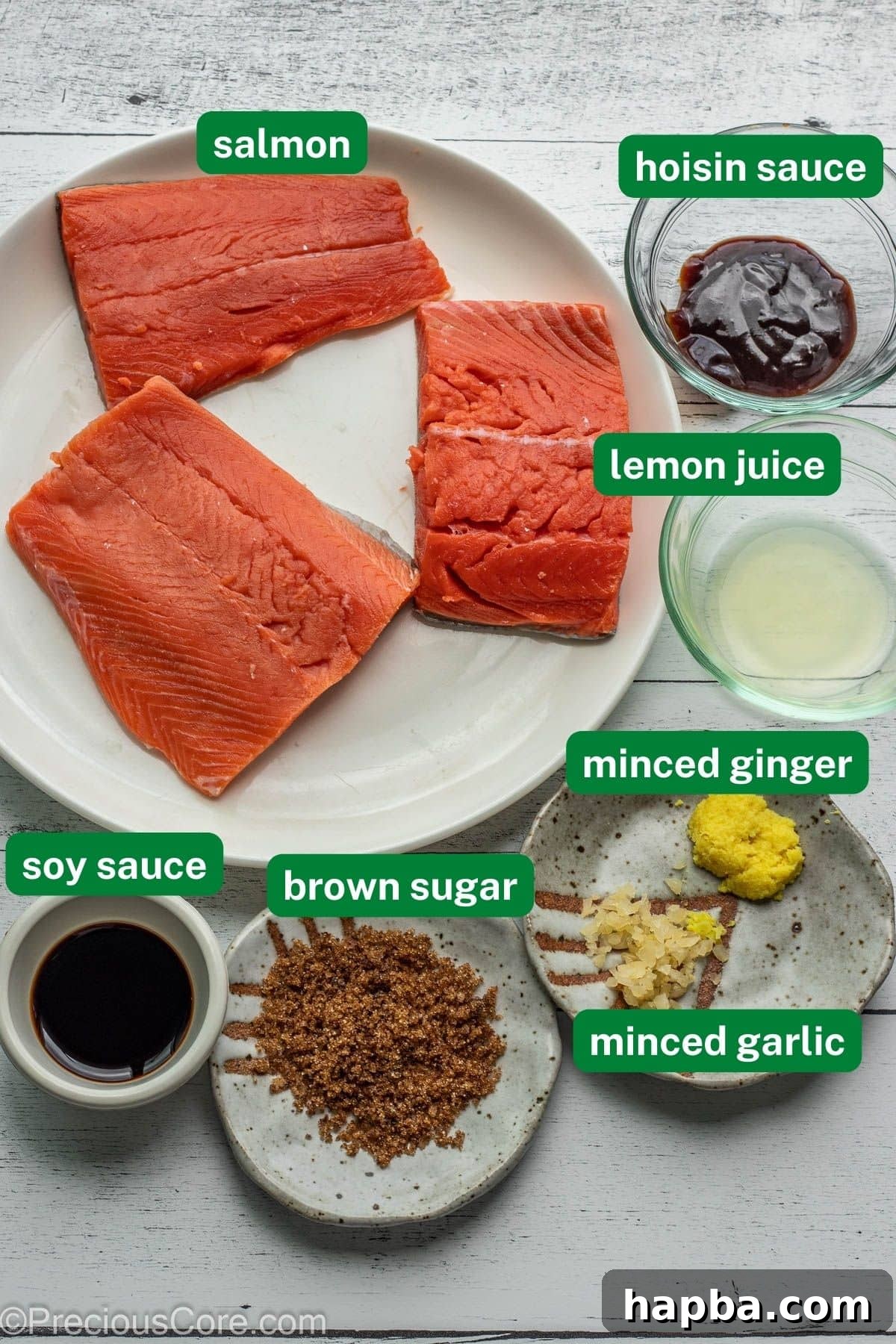
- Salmon Fillets: The star of our dish! For the most vibrant flavor and beneficial omega-3 fatty acids, opt for wild-caught salmon if available. If using farm-raised salmon, ensure it is sourced from reputable, responsibly farmed operations. Skin-on or skinless fillets both work wonderfully; skin-on offers a crispy texture if cooked correctly.
- Light Olive Oil: Used for pan-frying the salmon. Its high smoke point and neutral flavor make it ideal for achieving a beautiful sear without overpowering the fish. Other neutral oils like avocado or vegetable oil can also be used.
- Salt and Ground Black Pepper: These classic seasonings are essential for enhancing the natural flavors of the salmon before it’s introduced to the rich teriyaki sauce. Season generously but judiciously.
Crafting the Perfect Homemade Teriyaki Sauce
The magic of this recipe truly shines in its incredible teriyaki sauce. Made from scratch, it’s far superior to store-bought varieties and comes together in minutes:
- Soy Sauce: The foundation of any good teriyaki. Use a good quality regular or low-sodium soy sauce to control the overall saltiness of the dish. Tamari is an excellent gluten-free alternative.
- Hoisin Sauce: This thick, fragrant, sweet, and savory Chinese condiment adds a wonderful depth of flavor and a beautiful glaze-like consistency to our teriyaki sauce. It contributes unique notes that elevate the sauce beyond typical teriyaki.
- Brown Sugar: Provides the essential sweetness that balances the savory elements and helps create that desirable glossy, caramelized finish. Light or dark brown sugar both work, with dark offering a slightly deeper molasses flavor.
- Fresh Lemon Juice: A crucial ingredient that acts as a flavor brightener and acid balancer. It provides the tangy counterpoint to the sweetness and richness of the other sauce ingredients, mimicking the role of mirin in traditional teriyaki. Always use freshly squeezed for the best taste.
- Minced Garlic & Ginger: This aromatic duo is non-negotiable for an authentic and robust flavor. Freshly minced garlic and grated ginger (easily done with a Microplane zester/grater) infuse the sauce with warmth and zing that dried alternatives simply cannot replicate.
- Water: Used to thin the sauce slightly, ensuring it reaches the perfect consistency for simmering and glazing without becoming overly thick or salty.
For the precise measurements of all ingredients, please refer to the detailed recipe card at the bottom of this article.
Substitutions and Creative Variations to Customize Your Dish
This Pan-Fried Teriyaki Salmon recipe is wonderfully adaptable, allowing you to tailor it to your dietary needs, preferences, or what you have available in your pantry. Feel free to experiment with these delicious substitutions and variations:
- Alternative Fish Choices: No salmon on hand? No problem! This teriyaki sauce pairs beautifully with other firm-fleshed fish. Consider using trout, halibut, cod, or red snapper. Adjust cooking times slightly based on the thickness and type of fish.
- Soy Sauce Alternatives: If you need a different flavor profile or have dietary restrictions, Maggi seasoning sauce offers a savory, umami-rich alternative with a similar profile to soy sauce. For a gluten-free option, Tamari works perfectly.
- Sweetener Swaps: While brown sugar provides a classic taste, you can easily substitute it with other natural sweeteners. Honey or maple syrup are excellent alternatives that will impart a slightly different but equally delicious sweetness and help create a glossy glaze.
- Add a Spicy Kick: For those who enjoy a bit of heat, introduce some red pepper flakes to the teriyaki sauce mixture. Start with a pinch and add more to taste, transforming this dish into a tantalizing spicy teriyaki salmon.
- Make it Teriyaki Chicken: This versatile sauce and cooking method aren’t limited to fish! Replace the salmon with bite-sized chicken breasts or thighs. Cook the chicken until fully done, then proceed with simmering and basting in the teriyaki sauce for a flavorful teriyaki chicken dish.
- Elevate with Sesame Oil: For an extra layer of nutty, aromatic flavor, drizzle a tiny amount of toasted sesame oil over the cooked salmon just before serving. A little goes a long way to enhance the Asian-inspired profile.
- Vegetable Boost: Feel free to add quick-cooking vegetables directly to the pan after you’ve cooked the salmon but before you add the sauce. Sliced bell peppers, snap peas, or thinly sliced carrots can add color, texture, and nutrients, all coated in the delicious teriyaki glaze.
Looking for more inspiration? Don’t miss my Cajun Honey Butter Salmon for a completely different flavor adventure. And for other Asian-inspired meals, try this hearty Steak Fried Rice or a vibrant Beef and Vegetable Stir Fry.
Step-by-Step Guide: How To Pan-Fry Teriyaki Salmon to Perfection
Achieving restaurant-quality teriyaki salmon at home is surprisingly simple when you follow these four easy steps. This method ensures perfectly cooked, flaky salmon bathed in an irresistibly sweet and savory glaze. Get ready to recreate those coveted Japanese restaurant flavors right in your own kitchen!
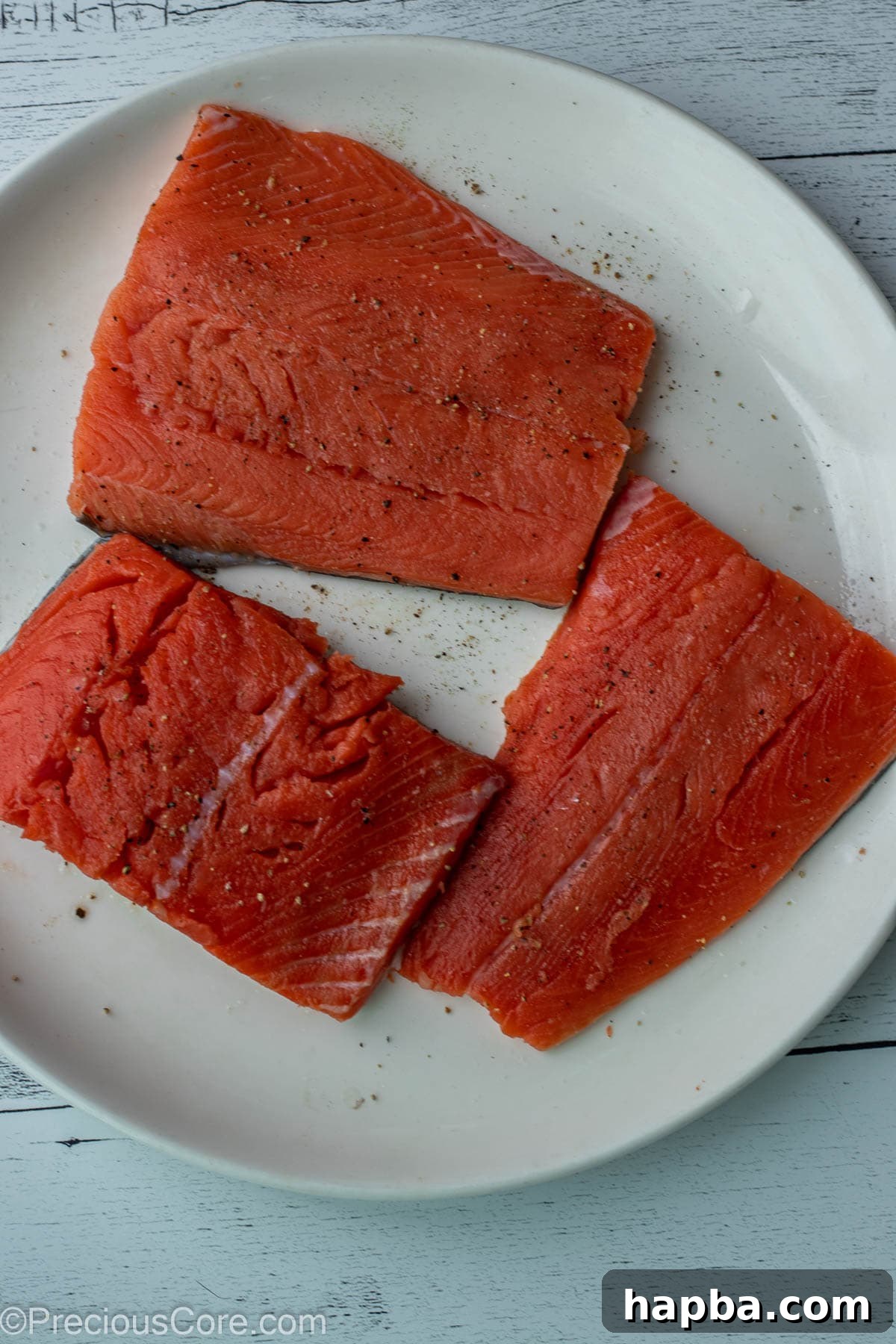
Step 1: Prepare the Salmon. Begin by thoroughly patting both sides of your salmon fillets dry with paper towels. This crucial step removes excess moisture, which is essential for achieving a beautiful crispy sear. Once dry, generously season both sides of the fillets with salt and freshly ground black pepper.
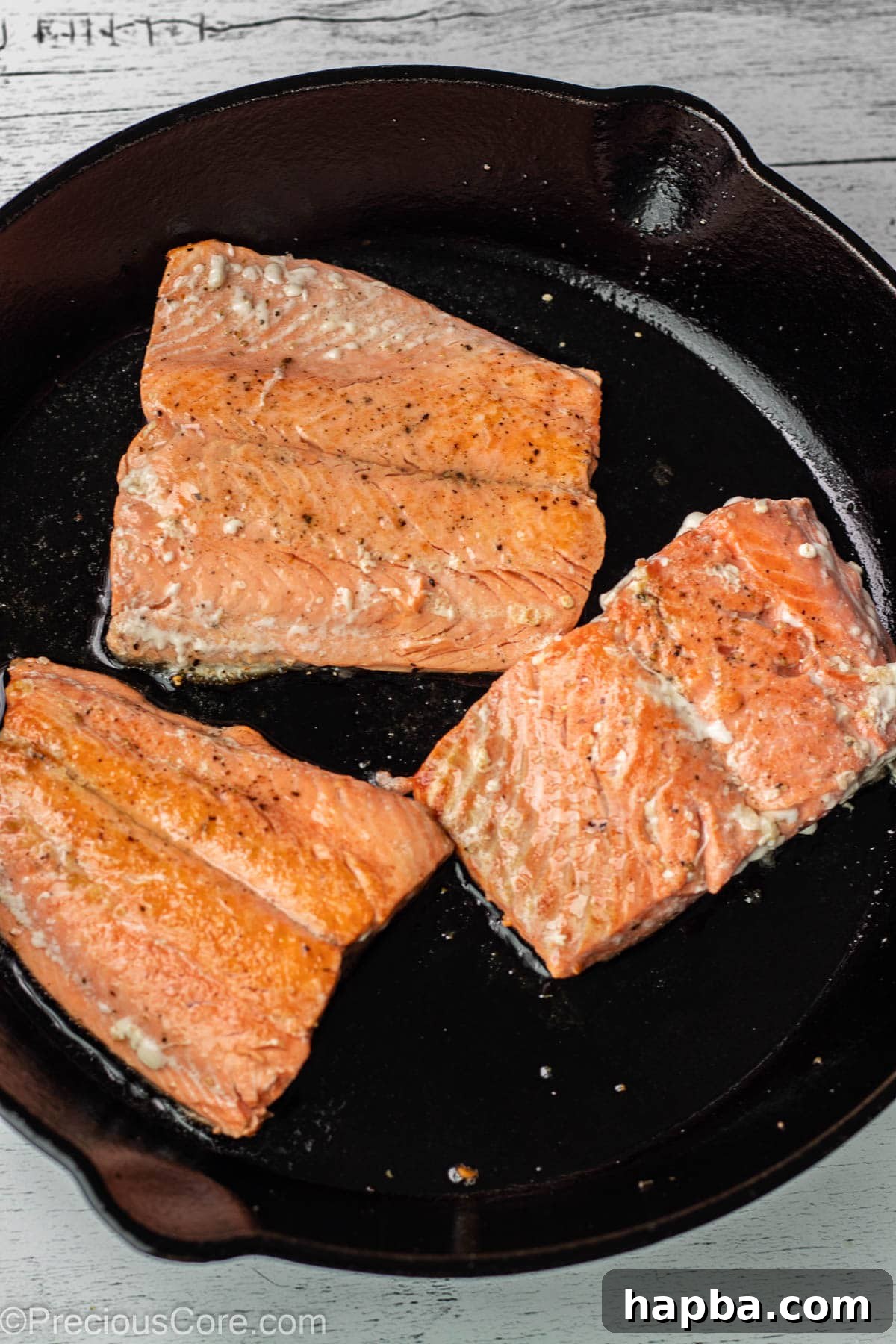
Step 2: Pan-Fry the Salmon. Heat the olive oil in a large frying pan (cast iron works wonderfully for this) over medium heat. Allow the oil to heat for about 2 minutes until shimmering. Carefully place the seasoned salmon fillets into the hot pan, skin-side down first if your fillets have skin. Cook for 2-4 minutes per side, depending on thickness, until the salmon is cooked through and easily flakes with a fork.
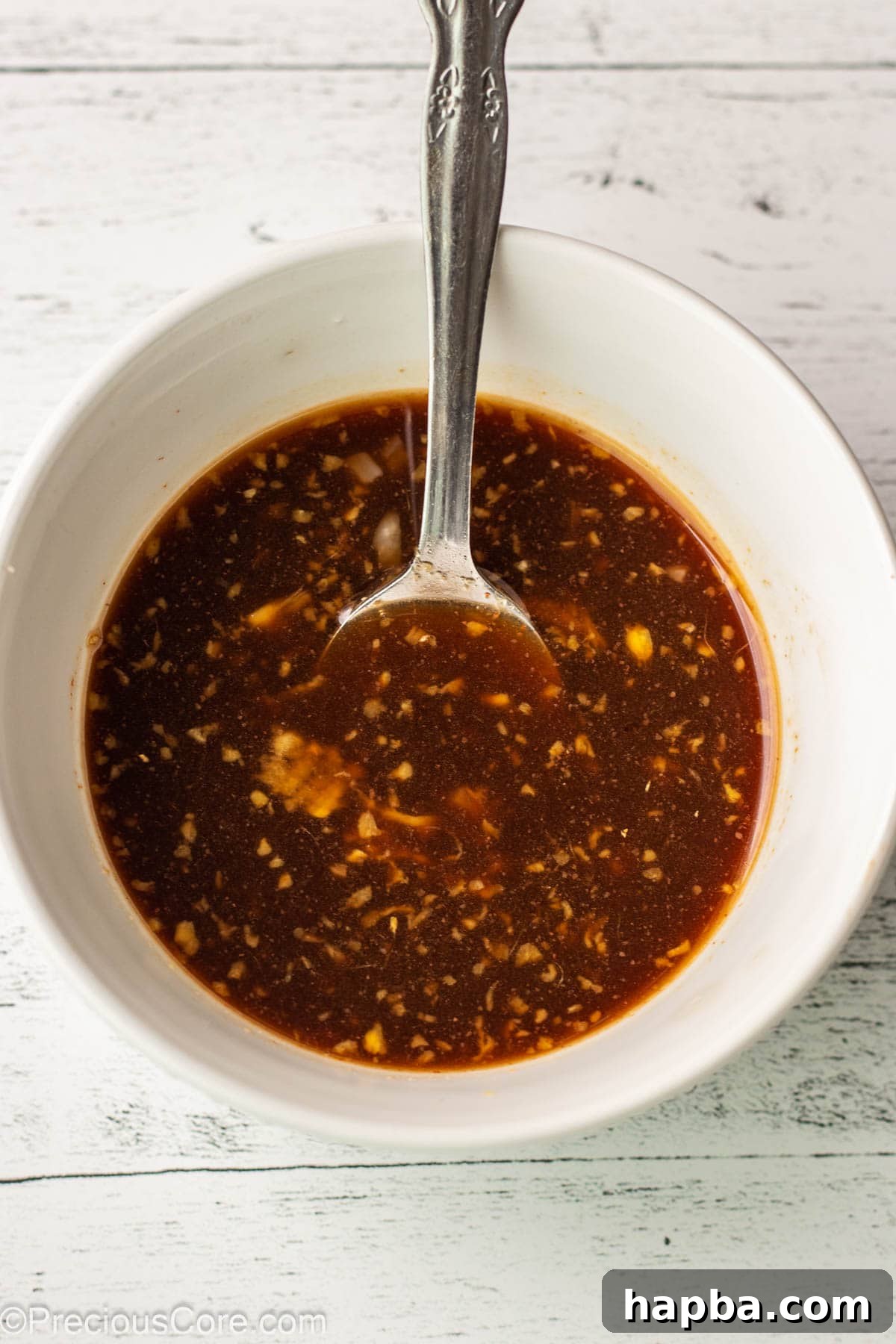
Step 3: Prepare the Teriyaki Sauce. While the salmon is cooking, whisk together the ingredients for your flavorful teriyaki sauce in a small bowl. Combine hoisin sauce, soy sauce, brown sugar, freshly minced garlic, minced ginger, fresh lemon juice, and water until well blended. Set aside until the salmon is ready.
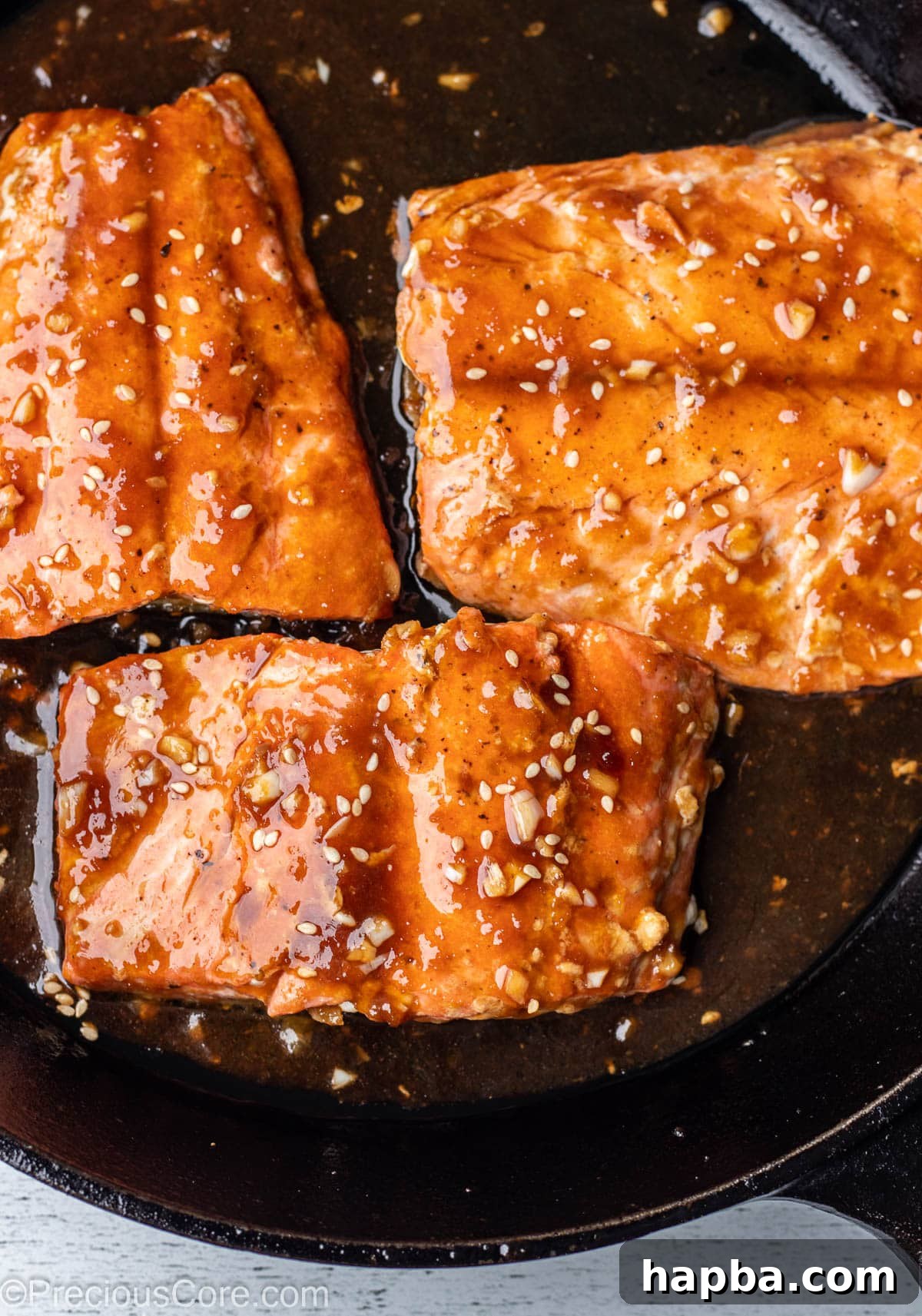
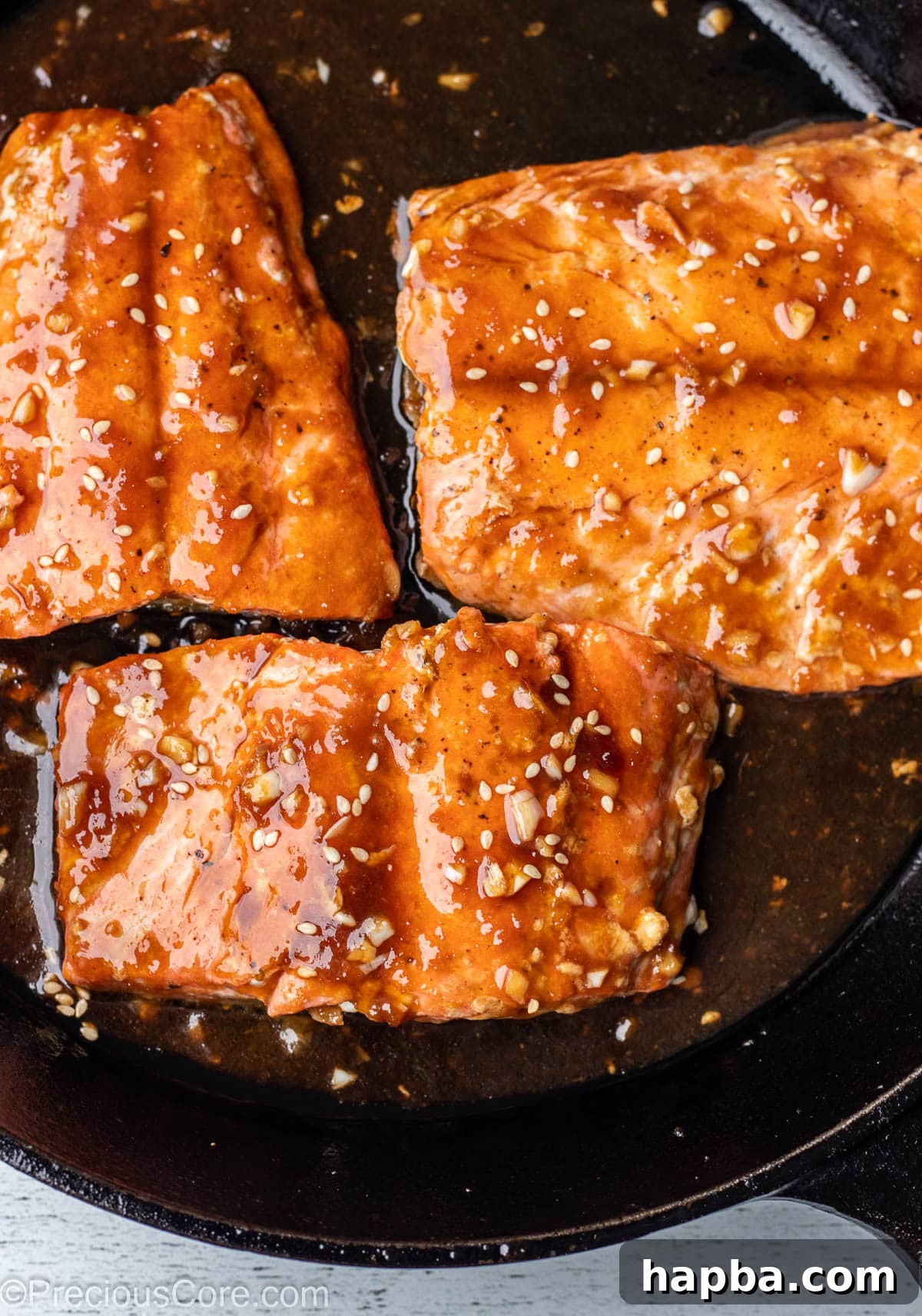
Step 4: Glaze and Serve. Once the salmon is cooked to your liking, carefully remove it from the pan and set it aside. Pour the prepared hoisin-soy sauce mixture into the same hot pan. Bring the sauce to a gentle simmer, stirring occasionally, and allow it to thicken for about one to two minutes, forming a rich, glossy teriyaki glaze. Return the cooked salmon fillets to the pan, turning them gently to ensure they are thoroughly coated in the delectable sauce. Turn off the heat and serve immediately. Garnish with sesame seeds and chopped green onions for an authentic finish.
Expert Tips for Success
- Fillet Thickness Matters: My salmon fillets were typically about half to three-quarter inches thick, requiring approximately 2 minutes of cooking per side. If your fillets are thicker (around 1 inch or more), increase the cooking time to 3-4 minutes per side or until they reach your desired doneness.
- Achieving Crispy Skin: If using skin-on salmon, always start by cooking skin-side down. The hot pan will render the fat in the skin, making it wonderfully crisp and easier to flip. Press down gently on the fillets with a spatula for the first minute to ensure even contact with the pan.
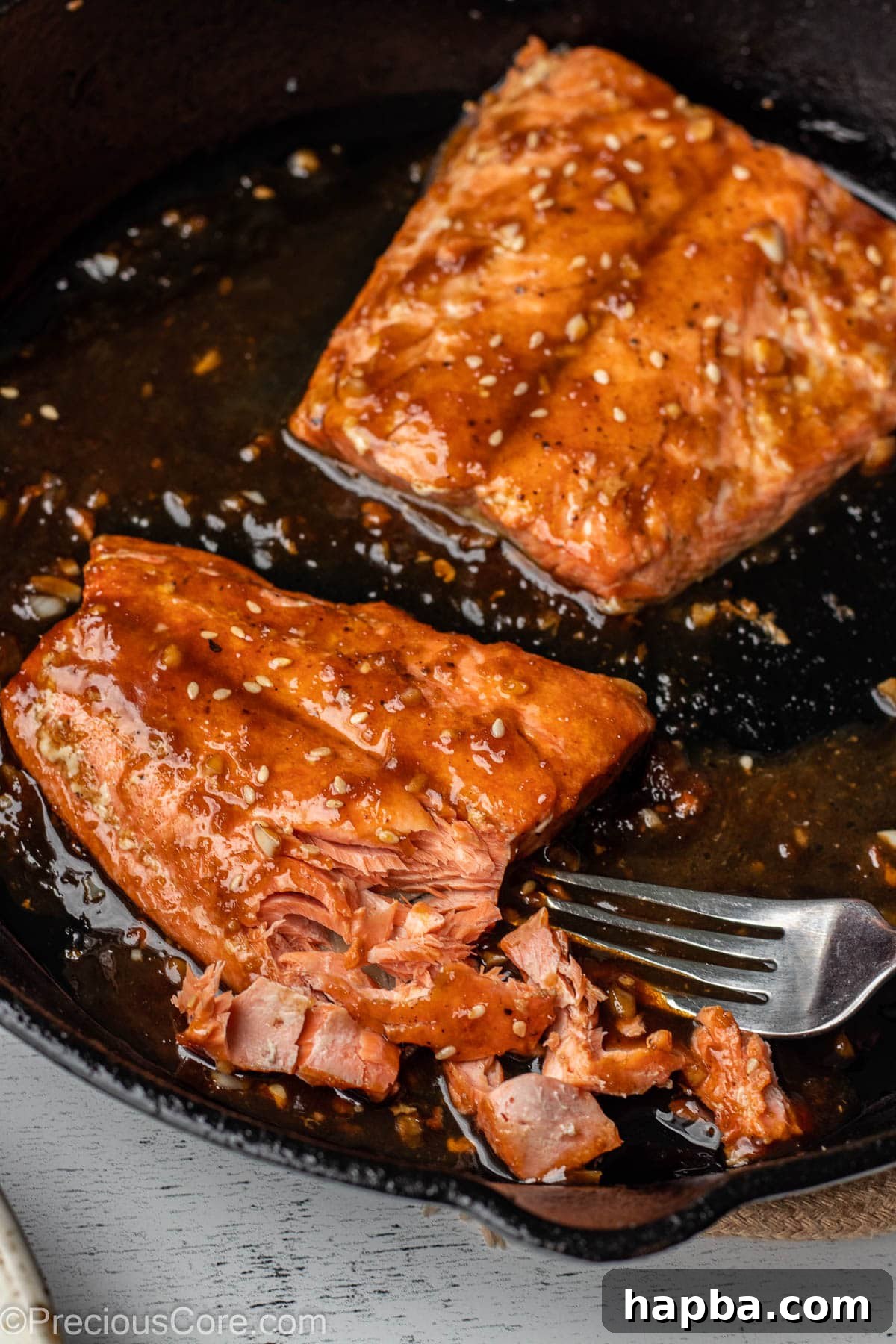
- Doneness Check: The easiest way to tell if salmon is cooked is by gently flaking it with a fork. It should flake easily and appear opaque throughout. According to the FDA (Food and Drug Administration), salmon is safely cooked when the thickest part reaches an internal temperature of 145 degrees Fahrenheit. A meat thermometer is your best friend for precision!
- Don’t Overcrowd the Pan: Cook salmon in batches if necessary to avoid overcrowding the pan. Overcrowding lowers the pan’s temperature, leading to steaming rather than searing, which prevents a nice crust from forming.
Common Questions About Teriyaki Salmon (FAQs)
Both pan-frying and baking are excellent methods for cooking salmon, and the “better” choice often depends on your desired outcome and available time. Pan-frying offers a quicker cooking time and yields a beautiful, crispy skin and a slightly browned exterior, which is fantastic for dishes like teriyaki salmon. Baking, on the other hand, is more hands-off and can be ideal for cooking multiple fillets at once or when you prefer a more uniformly cooked, tender texture without a crisp crust. For speed and a flavorful sear, pan-frying is often preferred.
Yes, it is generally recommended to flip salmon when pan-frying. This ensures that both sides of the fillet cook evenly and achieve a desirable golden-brown crust. If your salmon has skin, you’ll want to cook it skin-side down for the majority of the cooking time to get it crispy, then flip for a shorter period to finish cooking the flesh.
If you are cooking salmon fillets with the skin on, always start by pan-frying the skin side down first. This allows the skin to get wonderfully crispy and also protects the delicate flesh from overcooking. Cooking skin-side down first also makes the salmon easier to flip once the skin has firmed up. For skinless fillets, it doesn’t matter as much which side you start with, but aim for even cooking on both sides to develop a good crust.
Absolutely! The homemade teriyaki sauce can be prepared up to 3-4 days in advance and stored in an airtight container in the refrigerator. This is a fantastic time-saving tip for meal prepping, allowing you to quickly whip up this delicious salmon dish on demand.
Yes, this recipe is quite healthy! Salmon is rich in omega-3 fatty acids, which are beneficial for heart and brain health. It’s also an excellent source of lean protein. While the sauce contains some sugar, it’s homemade, allowing you to control the ingredients and quantity. Paired with plenty of vegetables, this dish makes for a balanced and nutritious meal.
Leftover Pan-Fried Teriyaki Salmon should be stored in an airtight container in the refrigerator for up to 3 days. Reheat gently in a microwave or a skillet over low heat to prevent it from drying out.
Serving Suggestions for Your Perfectly Cooked Teriyaki Salmon
The beauty of this Pan-Fried Teriyaki Salmon lies in its versatility, making it a dream to pair with a variety of side dishes. While it’s fantastic on its own, here are some ideas to create a truly memorable meal:
- Classic Rice Pairings:
- Steamed White or Brown Rice: The ultimate classic. The fluffy grains absorb the rich teriyaki sauce beautifully.
- Easy Coconut Rice: For a subtly sweet and aromatic twist that complements the Asian flavors perfectly.
- Sushi Rice: Sticky and slightly sweet, it’s another excellent choice for an authentic Japanese-inspired experience.
- Vibrant Vegetable Sides:
- Simple Steamed Vegetables: Cauliflower, green beans, carrots, asparagus, or broccoli provide a healthy, crisp contrast. A drizzle of the leftover teriyaki sauce over them is highly recommended!
- Sauteed Vegetables: A mix of bell peppers, snap peas, and mushrooms quickly sautéed with a touch of soy sauce and garlic.
- Garlic Butter Green Beans: A simple yet flavorful side that’s always a crowd-plaser.
- Roasted Veggies: Brussels sprouts, sweet potatoes, or Easy Roasted Potatoes offer a caramelized sweetness that harmonizes with the teriyaki.
- Noodle Dishes:
- Lo Mein or Chow Mein: Tossed noodles with vegetables can create a heartier, complete meal.
- Soba or Udon Noodles: A light broth-based noodle dish or simple stir-fried noodles would also be delightful.
- Light and Fresh Options:
- Asian Salad: A crisp salad with a ginger-sesame dressing provides a refreshing counterpoint.
- Cucumber Salad: Thinly sliced cucumbers marinated in a light vinegar dressing offer a cool, tangy bite.
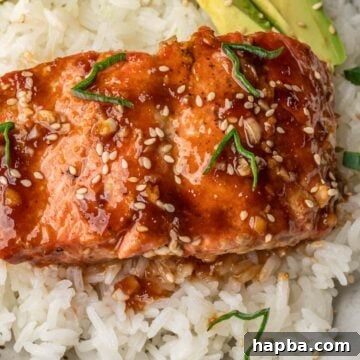
- Garnish for Perfection: Always finish your dish with a sprinkle of toasted sesame seeds and thinly sliced green onions (scallions) or leeks for both visual appeal and an added layer of freshness and flavor.
Explore More Delicious Fish and Asian-Inspired Recipes
If you loved this Pan-Fried Teriyaki Salmon, you’ll surely enjoy these other fantastic recipes from our collection. They offer diverse flavors and cooking styles, perfect for expanding your culinary repertoire:
- Steak Fried Rice
- Beef And Vegetable Stir Fry
- Pan Grilled Salmon
- Sheet Pan Salmon and Broccoli
If you make this irresistible Pan-Fried Teriyaki Salmon recipe, we would absolutely love to hear from you! Please consider leaving a star rating and a comment below. Your feedback not only helps others discover and enjoy this recipe but also brings immense joy to our kitchen. Thank you for cooking with us!
Pan-Fried Teriyaki Salmon
⭐️⭐️⭐️⭐️⭐️
5 minutes
12 minutes
17 minutes
4
servings
Pin Recipe
Rate
Print Recipe
Ingredients
- 1 pound salmon fillets (about 3 fillets)
- ¼ teaspoon salt
- ⅛ teaspoon ground black pepper
- 2 Tablespoons light olive oil
- 1 Tablespoon soy sauce
- 1 Tablespoon hoisin sauce
- 1 Tablespoon brown sugar
- 1 Tablespoon lemon juice
- 1 teaspoon minced garlic
- 1 teaspoon minced ginger
- 2 Tablespoons water
Instructions
-
1. Pat both sides of the salmon fillets thoroughly dry with paper towels to ensure a crisp sear.
-
2. Season both sides of the salmon generously with salt and ground black pepper.
-
3. In a small mixing bowl, whisk together the soy sauce, hoisin sauce, brown sugar, lemon juice, minced garlic, minced ginger, and water until fully combined. Set this homemade teriyaki sauce aside.
-
4. Place a 10-12 inch skillet (preferably cast iron or heavy-bottomed) over medium heat. Add the light olive oil and let it heat for about 2 minutes until it shimmers.
-
5. Carefully add the seasoned salmon to the hot skillet. If using skin-on salmon, place it skin-side down first. Cook on the first side for 2-4 minutes, then flip and cook on the other side for another 2-4 minutes, or until the salmon is cooked through and flakes easily. (Refer to the “Expert Tips for Success” section for more details on cooking times and doneness.)
-
6. Once the salmon is cooked, carefully remove the fillets from the pan and set them aside on a plate.
-
7. Pour the prepared teriyaki sauce mixture (from Step 3) into the same skillet. Bring the sauce to a gentle simmer and let it cook for about 1-2 minutes, stirring occasionally, until it thickens slightly and becomes a glossy glaze.
-
8. Return the cooked salmon fillets to the pan. Use a spoon to generously baste and coat the salmon with the warm, thickened teriyaki sauce.
-
9. Turn off the heat and serve your Pan-Fried Teriyaki Salmon warm with your favorite side dishes. For an authentic presentation, garnish with a sprinkle of toasted sesame seeds and finely diced green onions or leeks. Enjoy your delicious, homemade meal!
Notes
Serving Suggestions: For an effortlessly satisfying dinner, serve this tasty teriyaki salmon with a generous portion of steamed white rice and a side of fresh, steamed, or sautéed vegetables. If you’re looking for a low-carb alternative, simply omit the rice and pair the salmon with an abundance of your favorite vegetables.
Storage & Reheating: Any leftover Pan-Fried Teriyaki Salmon can be stored in an airtight container in the refrigerator for up to 3 days. To reheat, gently warm it in a microwave on a low setting or in a skillet over low heat to maintain its moisture and flavor. Avoid high heat to prevent drying out the delicate fish.
Nutrition Information (per serving)
Carbohydrates: 6g |
Protein: 23g |
Fat: 14g |
Saturated Fat: 2g |
Polyunsaturated Fat: 4g |
Monounsaturated Fat: 8g |
Cholesterol: 62mg |
Sodium: 513mg |
Potassium: 584mg |
Fiber: 0.2g |
Sugar: 4g |
Vitamin A: 46IU |
Vitamin C: 2mg |
Calcium: 21mg |
Iron: 1mg
Additional Information
Main Course
Asian
248
Tried this recipe?
Mention @preciouscore or tag #PreciousCore!