
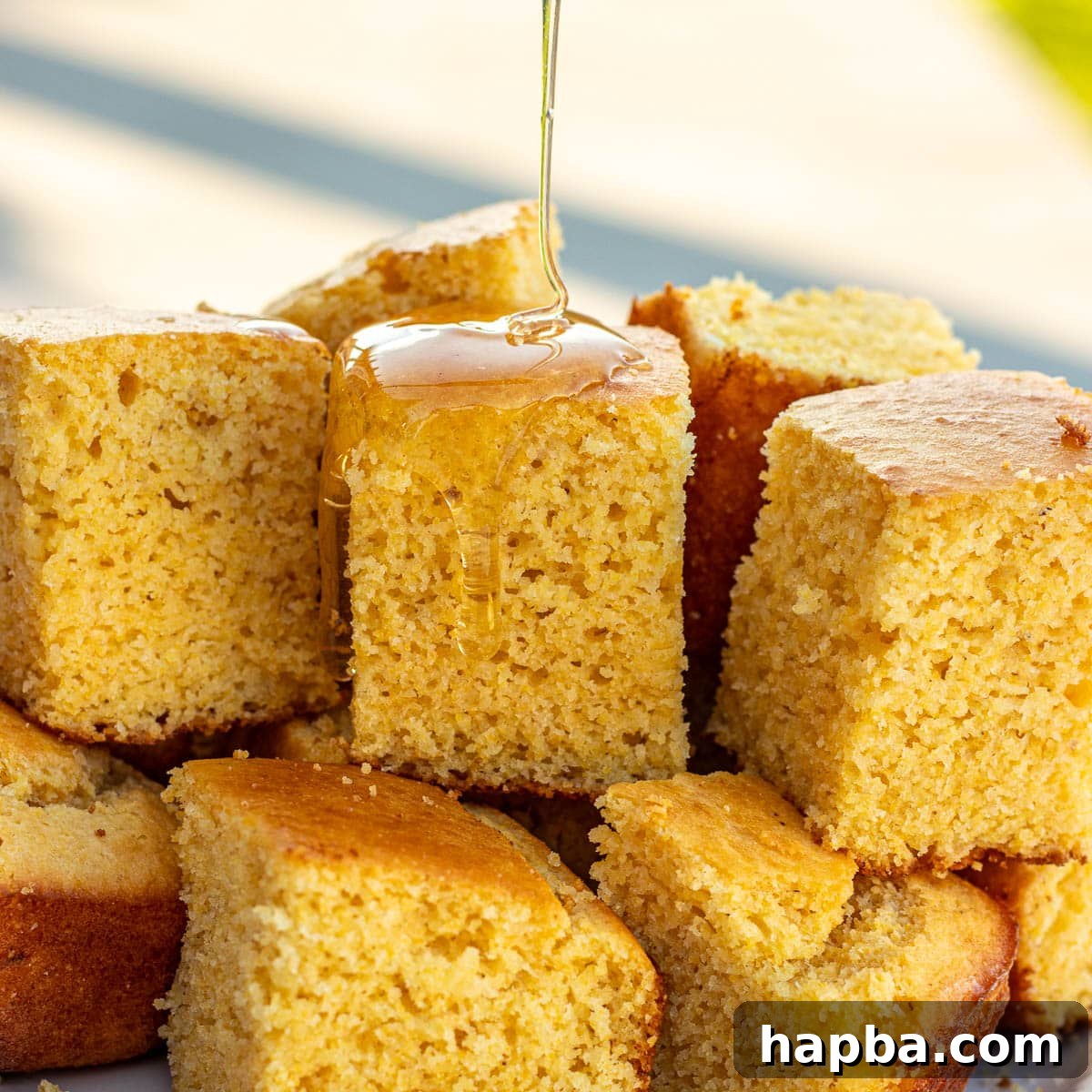
This **Cornbread Without Buttermilk** recipe is a game-changer! Exceptionally easy to prepare in just one bowl, it delivers a delightfully moist and buttery crumb with those coveted crispy edges. Whether you enjoy it plain, slathered with extra butter, or adorned with a generous drizzle of honey or maple syrup, this homemade cornbread is pure comfort. Forget complicated ingredients or store-bought mixes – you’re just 8 simple ingredients and 30 minutes away from baking perfection.
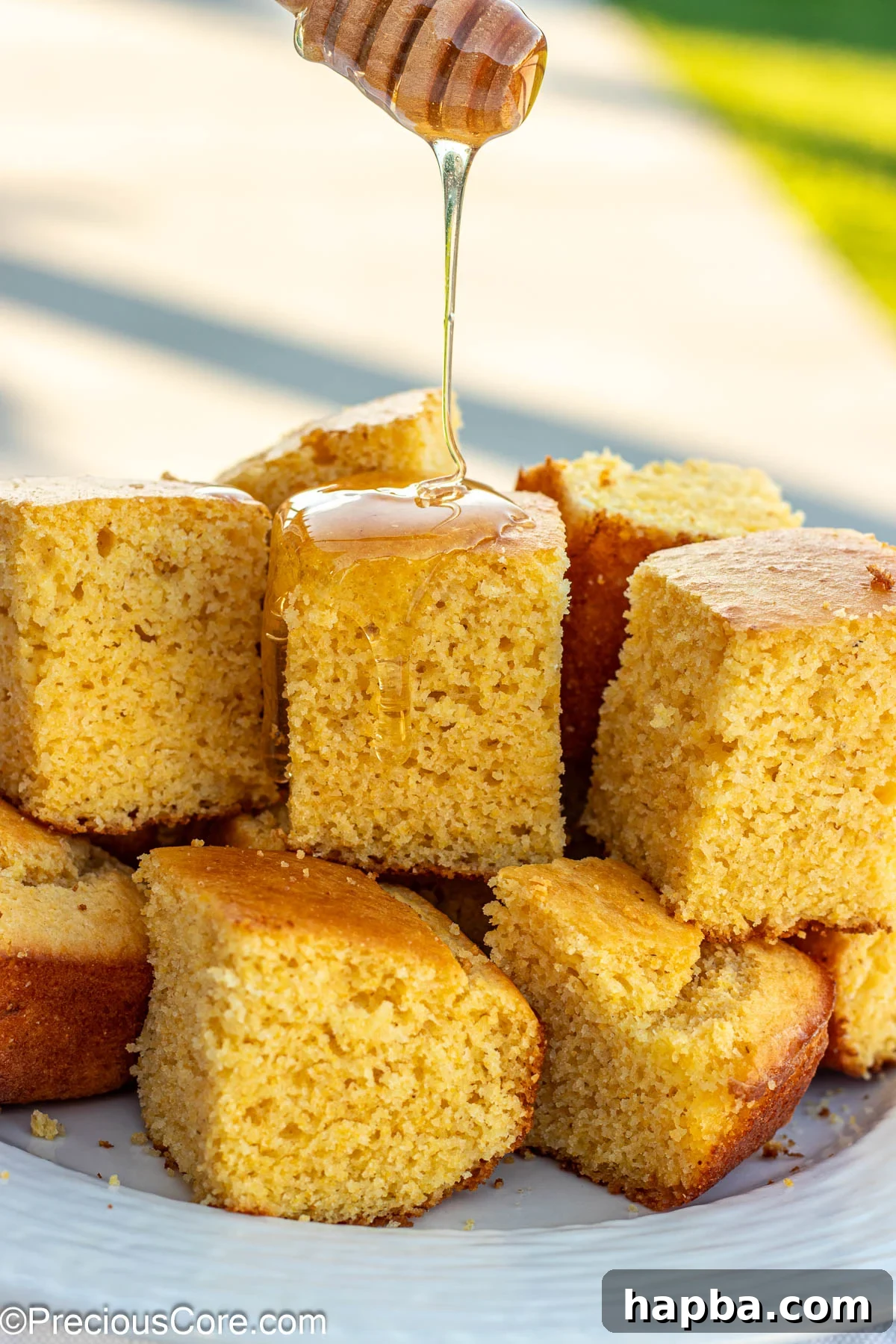
Step away from the processed, boxed cornbread mixes forever. This homemade cornbread recipe, crafted entirely from scratch without the need for buttermilk, is the authentic taste experience you’ve been searching for. It’s incredibly straightforward, requiring minimal effort for maximum flavor and texture. In just half an hour, you can transform basic pantry staples into a warm, inviting loaf that rivals any traditional recipe.
If you have a passion for delicious homemade baked goods, be sure to explore some of our other cherished recipes. You’ll love our 3 Ingredient Biscuits for their effortless charm, the wholesome goodness of Zucchini Muffins With Applesauce, the timeless simplicity of a Perfect Plain Cake, and the rich indulgence of our Vanilla Pound Cake.
My adoration for corn in all its forms runs deep. It stands proudly alongside my love for plantains and coconut – truly essential comfort foods. This is precisely why dishes like Koki Corn, a savory, steamed corn pudding that shares a delicious kinship with cornbread, never lasts long in my home. The irresistible flavor of corn, especially when baked into a tender, aromatic treat, is something I simply cannot resist.
I often embark on ambitious plans to bake large batches of cornbread, intending to freeze portions for future enjoyment. However, these plans rarely come to fruition. The moment that warm, fragrant cornbread emerges from the oven, it’s a race against time before every last crumb vanishes. There’s just something about the comforting aroma and delicious taste of freshly baked cornbread that makes it utterly impossible to save!
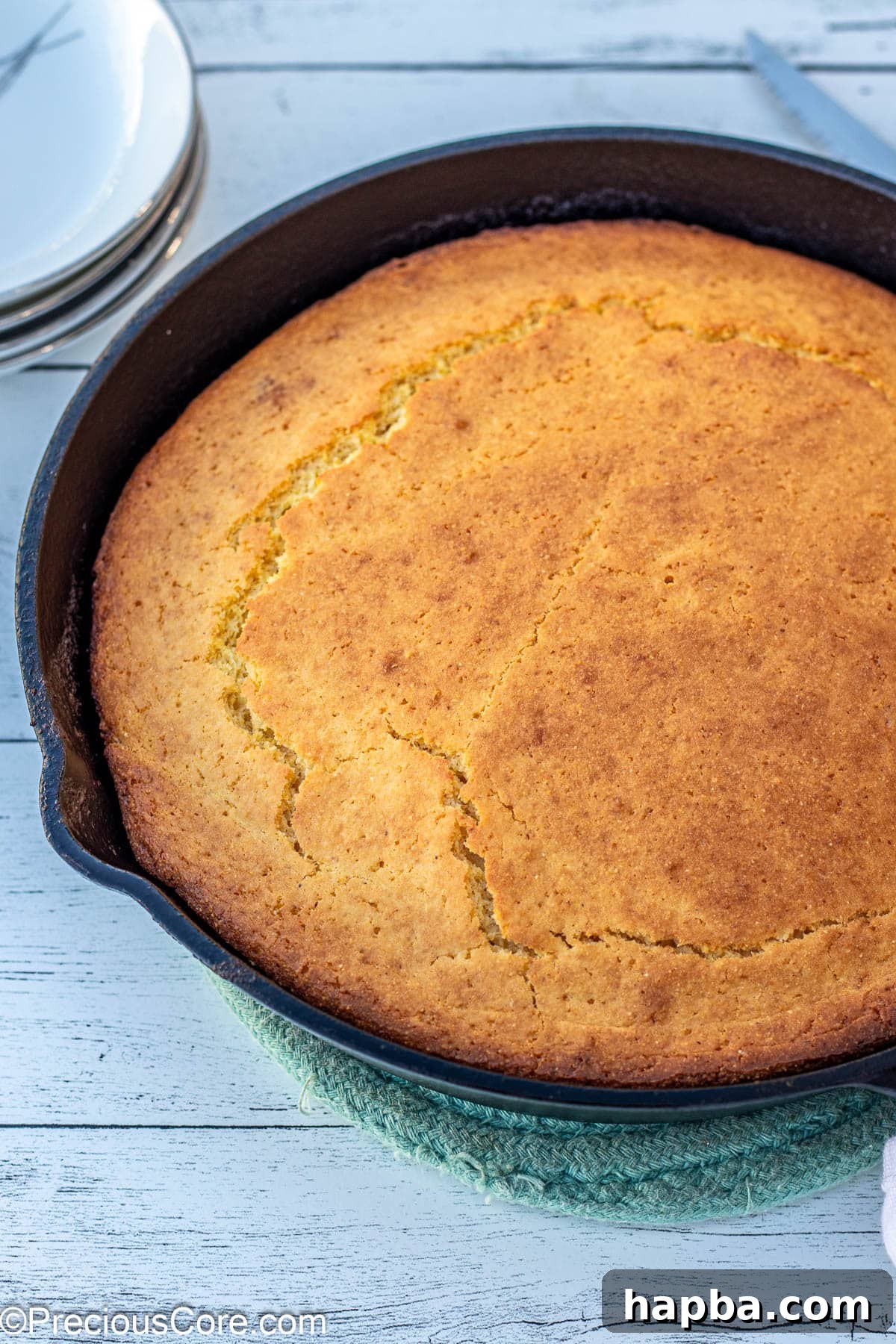
Table of Contents
- Easy Cornbread Recipe Without Buttermilk: The Secret Revealed
- The Role of Fat: Different Kinds for Perfect Cornbread
- Essential Ingredients for Your Perfect Cornbread
- How to Bake Moist Cornbread Without Buttermilk: Step-by-Step
- Delicious Cornbread Without Buttermilk Variations to Try
- Cornbread Recipe FAQs: Your Questions Answered
- What to Serve with Cornbread: Perfect Pairings
- More Thanksgiving Recipes for Your Holiday Table
- Explore More Homemade Bread Recipes
- Cornbread Without Buttermilk Recipe Card
Easy Cornbread Recipe Without Buttermilk: The Secret Revealed
A common question among home bakers is, “Can you truly make exceptional cornbread without buttermilk?” The answer, without a doubt, is a resounding YES! This particular recipe was meticulously developed to provide a foolproof method for creating incredibly moist and flavorful homemade cornbread, especially for those times when buttermilk isn’t readily available or you simply prefer not to use it.
The magic happens through a clever combination of readily accessible ingredients. By using whole milk, a touch of baking powder, and rich melted butter, we emulate the tenderizing and leavening qualities that buttermilk traditionally provides. Whole milk contributes essential moisture and richness, while baking powder ensures a beautiful rise and light, airy texture. The melted butter infuses every bite with a deep, satisfying flavor that truly stands out.
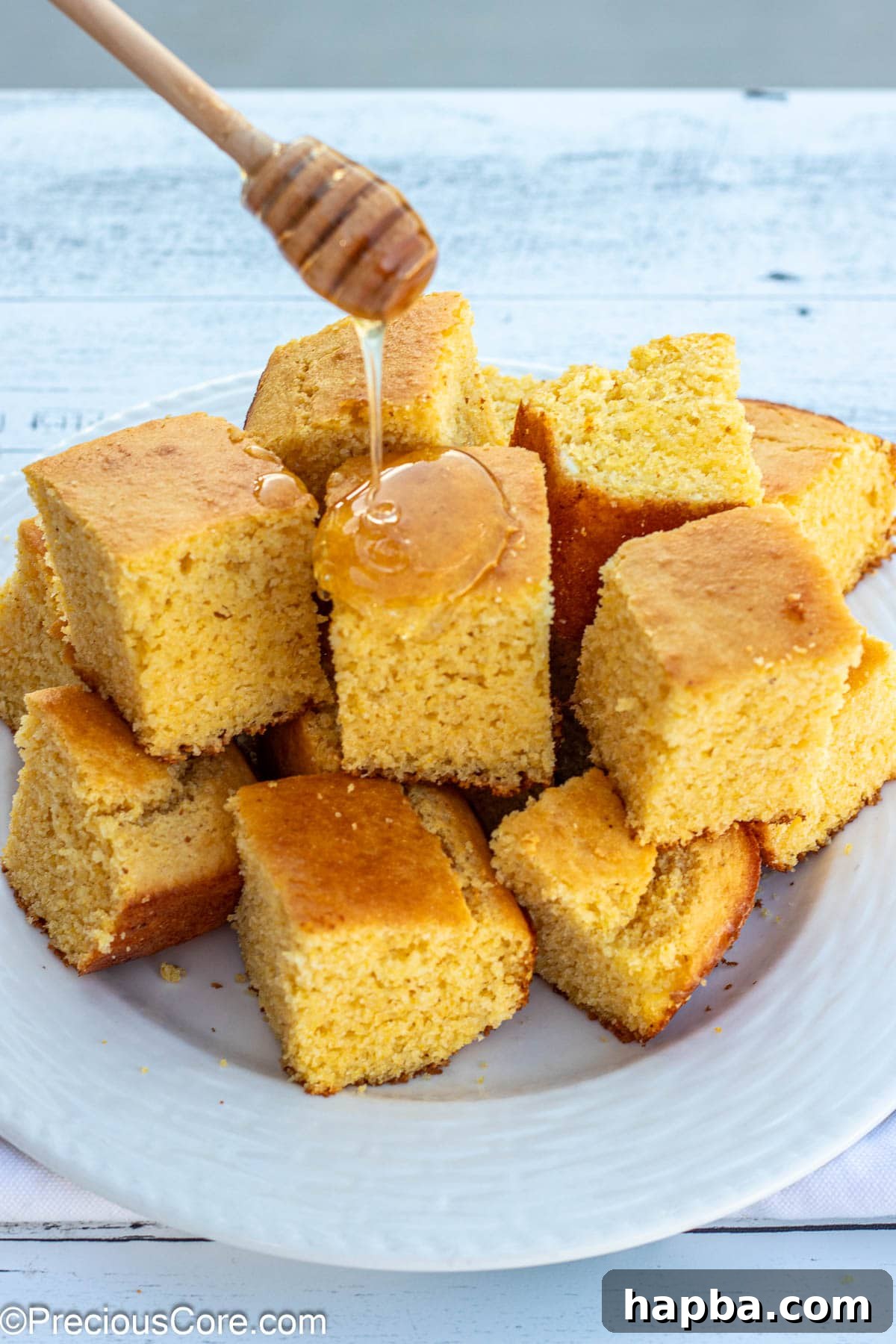
You’ll be amazed at the exquisite texture and delicious taste of this cornbread; you won’t even miss the buttermilk. This recipe is designed to be incredibly user-friendly, requiring only one bowl to mix the batter, which means less cleanup and more time to enjoy your freshly baked treat. We’ve also crafted this recipe to be perfectly balanced in sweetness, making it a versatile option. It’s fantastic on its own, but truly shines when drizzled with your favorite golden honey or a rich maple syrup. Don’t be shy – a generous amount of sticky sweetness takes this cornbread to an even higher level of deliciousness!
The Role of Fat: Different Kinds for Perfect Cornbread
Choosing the right type of fat is crucial for achieving the perfect texture and flavor in cornbread. Before finalizing this recipe, I experimented with several batches, trying different fats to discover what truly yields the most delicious and buttery result. Here’s a breakdown of what I learned from using various kinds of fat:
- Cornbread with Oil: My attempts to make cornbread using only oil were consistently less than satisfactory. While oil does contribute moisture, it often fails to impart the rich, deep flavor and luxurious mouthfeel that butter provides to baked goods. The resulting cornbread, though moist, tasted somewhat flat and lacked the overall richness I was aiming for.
- Cornbread with Melted Butter: My initial experiment with melted butter was a learning curve. I suspect I might have used too much, as the cornbread turned out slightly greasy and had an undesirable “off-taste.” However, I revisited the approach, carefully adjusting the quantity of melted butter to the correct ratio, and the results were absolutely transformative! Melted butter, when used correctly, distributes beautifully throughout the batter, creating a wonderfully moist crumb and an unmistakable buttery flavor that permeates every bite. This method became the foundation for this recipe, offering a convenient and incredibly delicious solution.
- Cornbread with Softened Butter: This is another excellent traditional method for making cornbread. When using softened butter, you typically cream it together with the sugar until light and fluffy before incorporating the remaining ingredients. This creaming process incorporates air into the butter, contributing to a tender crumb. As the cornbread bakes, the softened butter melts and becomes fully integrated, yielding a deep, rich buttery taste and a very tender texture. While delicious, the melted butter method offers a simpler, one-bowl approach for equally fantastic results.
This recipe has been carefully updated with an optimized ratio of ingredients, ensuring an even moister and more flavorful cornbread experience. The precision in measurements guarantees consistent, delicious results every time.
This versatile cornbread can be baked beautifully in either a classic cast iron skillet, which is fantastic for crispy edges, or a standard 8 by 8-inch baking dish, offering a more uniformly soft texture. Both methods yield equally delightful results, allowing you to choose based on your preference and available cookware.
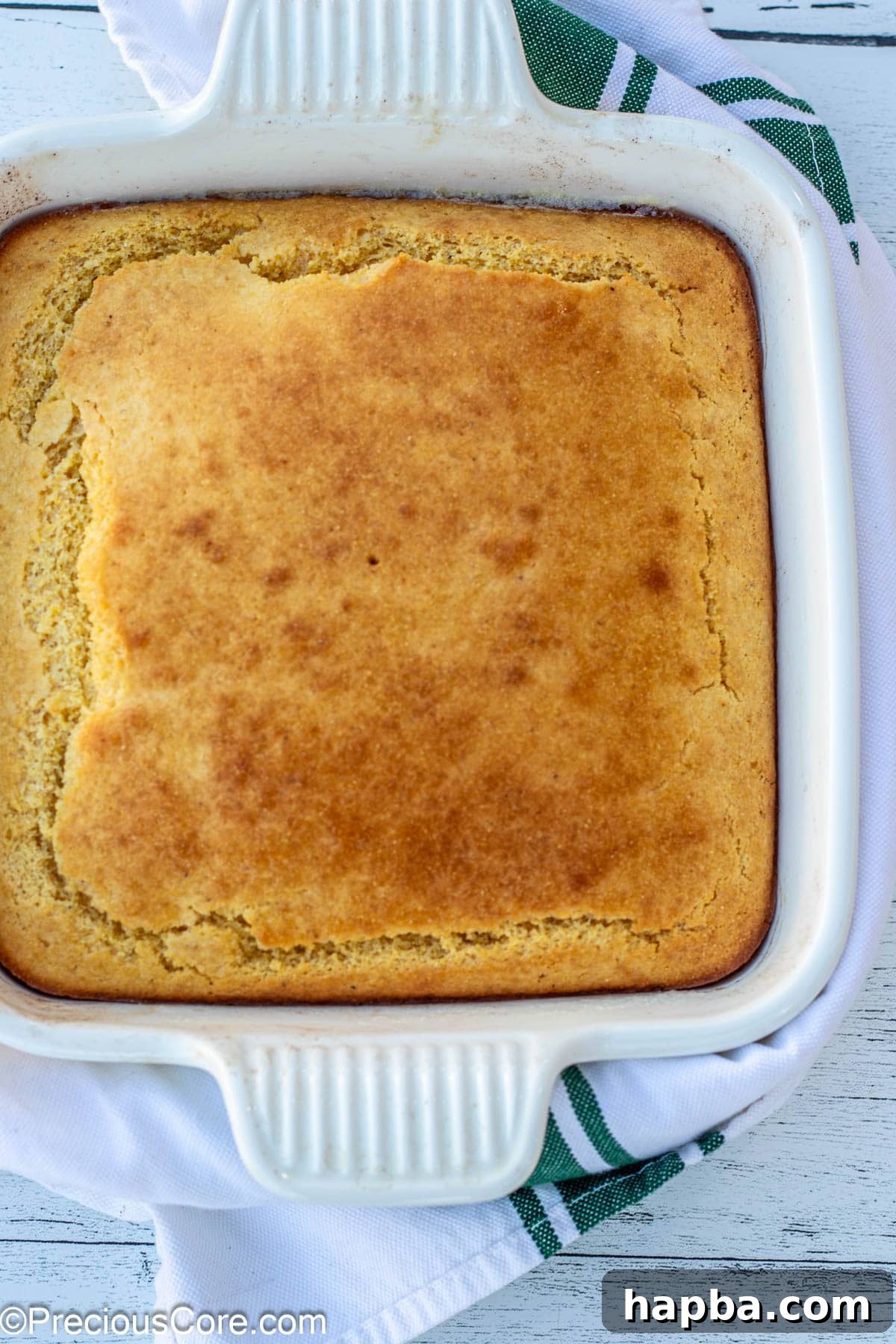
Essential Ingredients for Your Perfect Cornbread
Crafting this incredibly tasty cornbread without buttermilk requires only a handful of common pantry staples. Each ingredient plays a vital role in achieving the moist, tender, and flavorful result you crave. Here’s a closer look at the simple ingredients you’ll need:
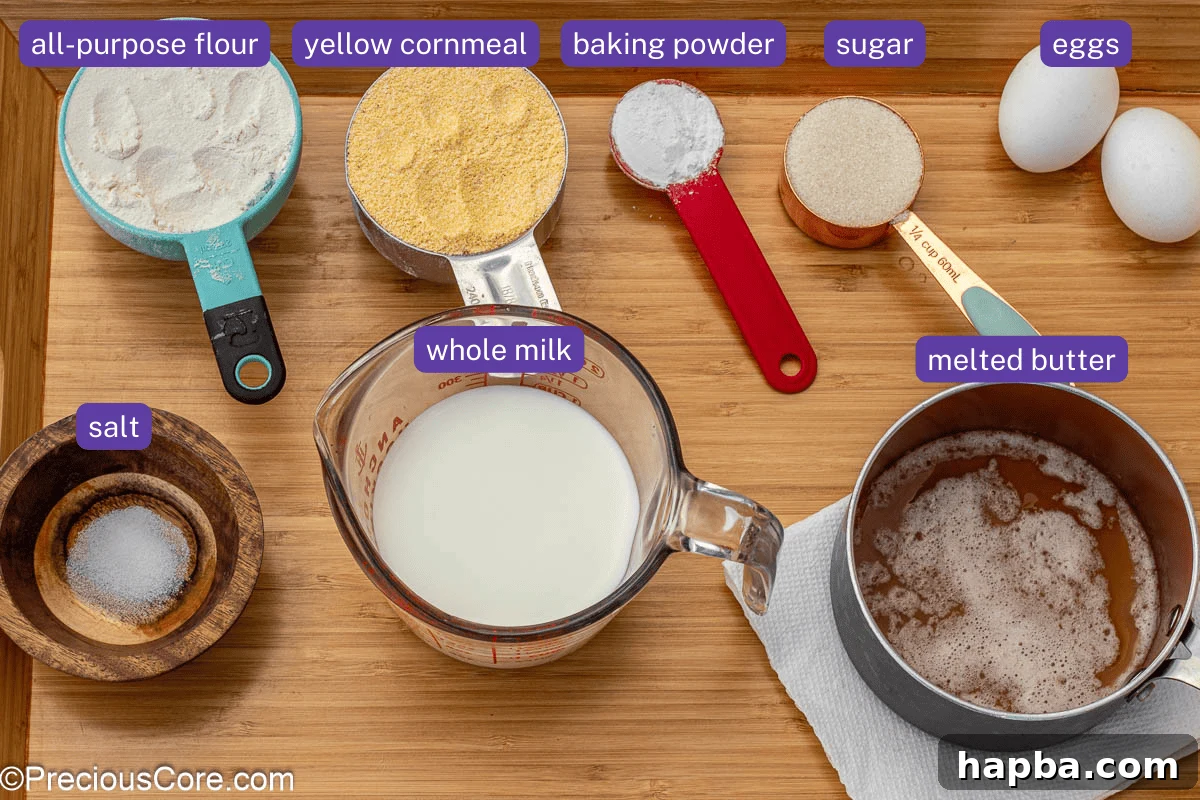
- Cornmeal: The star of the show! For the best visual appeal and a classic cornbread texture, we recommend using fine yellow cornmeal. It not only imparts a beautiful golden hue to your cornbread but also contributes to a tender, less gritty texture. While white cornmeal can be used, yellow cornmeal gives that iconic, inviting color.
- Flour: Regular all-purpose flour provides the necessary structure and tenderness to the cornbread. It helps bind the ingredients together, creating a stable crumb while preventing the cornbread from being too crumbly.
- Sugar: Granulated sugar or cane sugar works perfectly in this recipe. It’s used in a modest amount to balance the savory notes of the cornmeal, enhance the overall flavor, and contribute to a lovely golden-brown crust. It ensures the cornbread is not overly sweet, making it ideal for both savory and sweet applications.
- Baking Powder: This leavening agent is crucial for giving the cornbread its lift and creating a light, fluffy texture. Without it, your cornbread would be dense and heavy. It reacts with the wet ingredients to produce carbon dioxide bubbles, which expand during baking.
- Salt: A pinch of salt is essential for enhancing all the other flavors in the cornbread. It balances the sweetness of the sugar and brings out the natural earthiness of the cornmeal, making every bite more delicious.
- Whole Milk: Our chosen liquid for this buttermilk-free recipe, whole milk provides rich moisture and contributes significantly to the cornbread’s tender crumb and depth of flavor. We highly recommend avoiding low-fat or skim milk, as they simply don’t offer the same richness and can result in a drier, less flavorful cornbread. Evaporated milk can also be a good substitute for an even richer taste.
- Eggs: Eggs are vital for binding all the ingredients together, providing structure, and preventing the cornbread from falling apart. They also add a wonderful richness and contribute to the moistness of the final product. Always use large eggs for consistent results.
- Melted Butter: The secret to this cornbread’s incredible flavor and moistness! Melted butter distributes evenly throughout the batter, infusing it with a delicious, rich taste. For an even deeper, nuttier flavor profile, consider browning your butter lightly before adding it to the wet ingredients – it’s an extra step that truly elevates the experience.
For the complete list of ingredients with precise measurements, along with detailed nutritional information, please refer to the comprehensive recipe card located below.
How to Bake Moist Cornbread Without Buttermilk: Step-by-Step
Making this incredibly easy and delicious cornbread is a breeze, especially since it’s a simple one-bowl recipe! Follow these straightforward steps to achieve a perfectly moist, buttery, and flavorful cornbread:
- Whisk together the dry ingredients. In a large mixing bowl, combine the cornmeal, all-purpose flour, granulated sugar, baking powder, and salt. Use a whisk to thoroughly mix these ingredients together, ensuring that the leavening agent and salt are evenly distributed. This step is crucial for an even rise and balanced flavor in your cornbread.
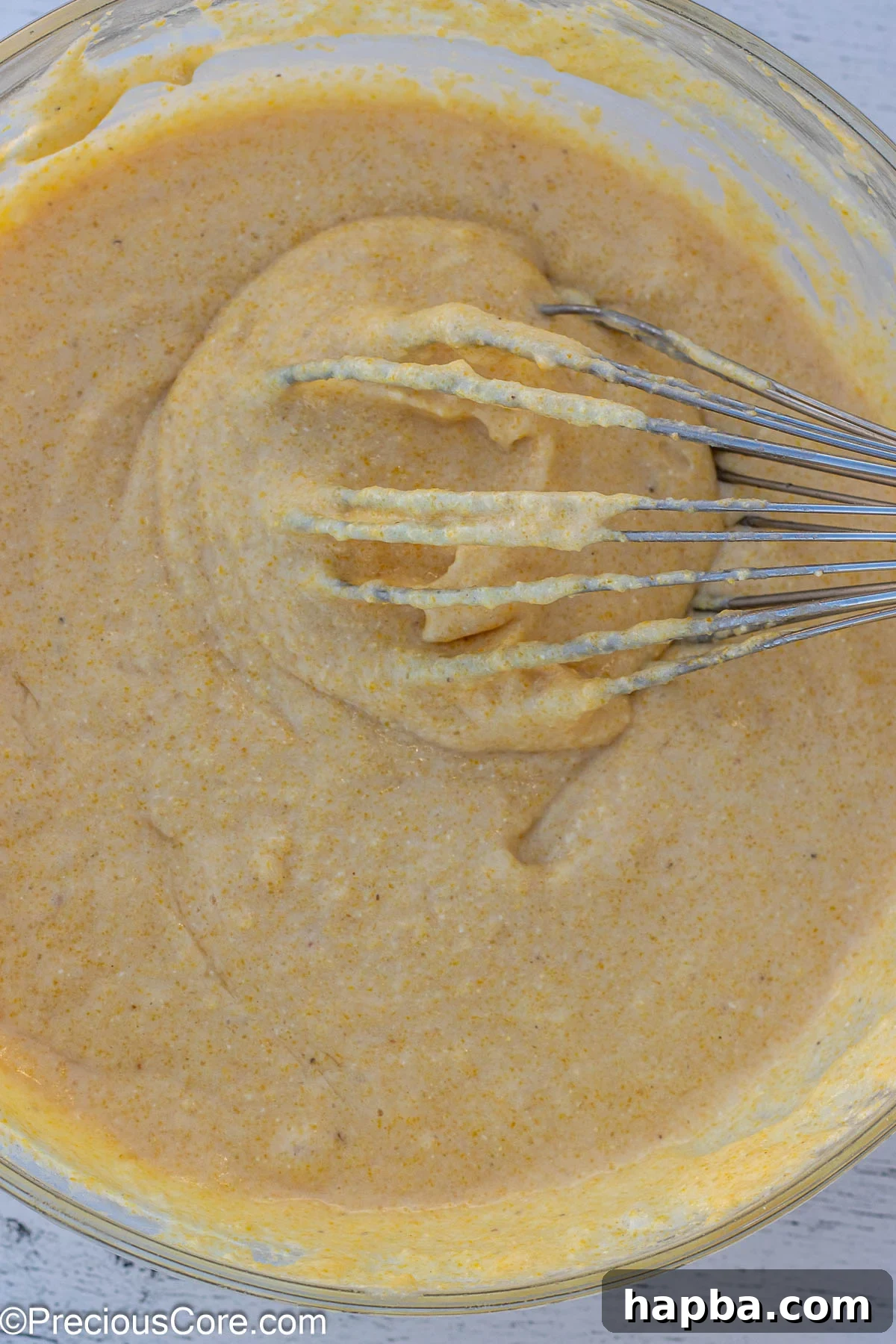
- Add the wet ingredients. Once your dry ingredients are well combined, create a small well in the center of the mixture. Into this well, pour the whole milk, crack in the large eggs, and add the melted butter. Gently whisk the wet ingredients into the dry ingredients until just combined. It’s perfectly normal, and even desirable, for a few small lumps to remain in the batter; overmixing can lead to tough cornbread, so mix just until no streaks of dry flour are visible.
- Pour the batter into a buttered baking dish and bake. Prepare your baking dish (either a 10-inch cast iron skillet or an 8×8 inch square baking dish) by greasing it generously with butter or oil. Pour the prepared cornbread batter evenly into the greased dish. Transfer the dish to a preheated oven set to 350 degrees Fahrenheit (180 degrees Celsius) and bake for approximately 20 minutes. Begin checking for doneness around the 18-minute mark. The cornbread is ready when a wooden toothpick inserted into the center comes out clean, indicating it’s fully cooked through.
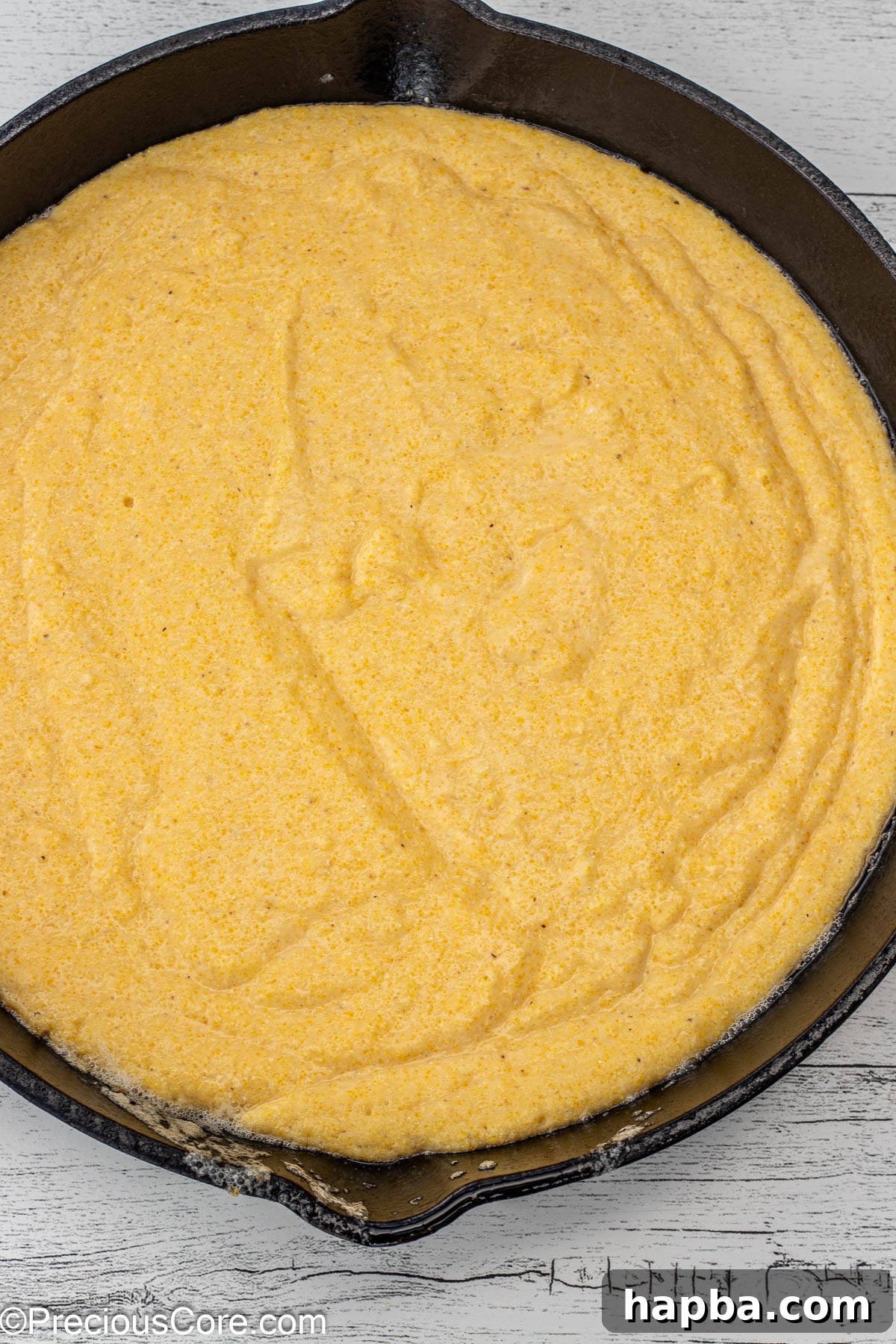
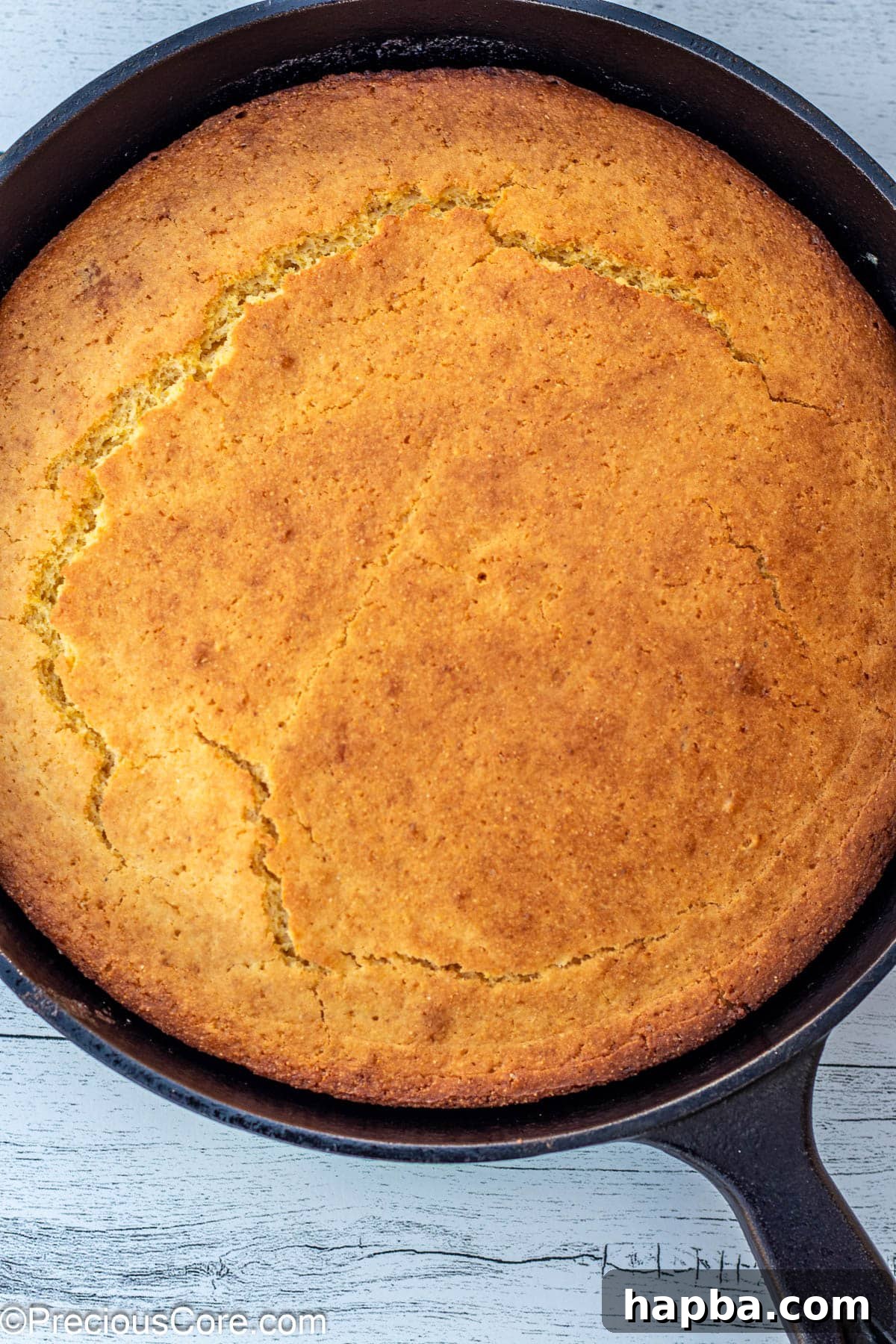
Top Tip for Moisture: It’s crucial not to overbake your cornbread, as it can quickly become dry and crumbly. As soon as the toothpick test indicates it’s fully cooked, remove it from the oven immediately. This precise timing ensures a perfectly moist and tender cornbread every single time.
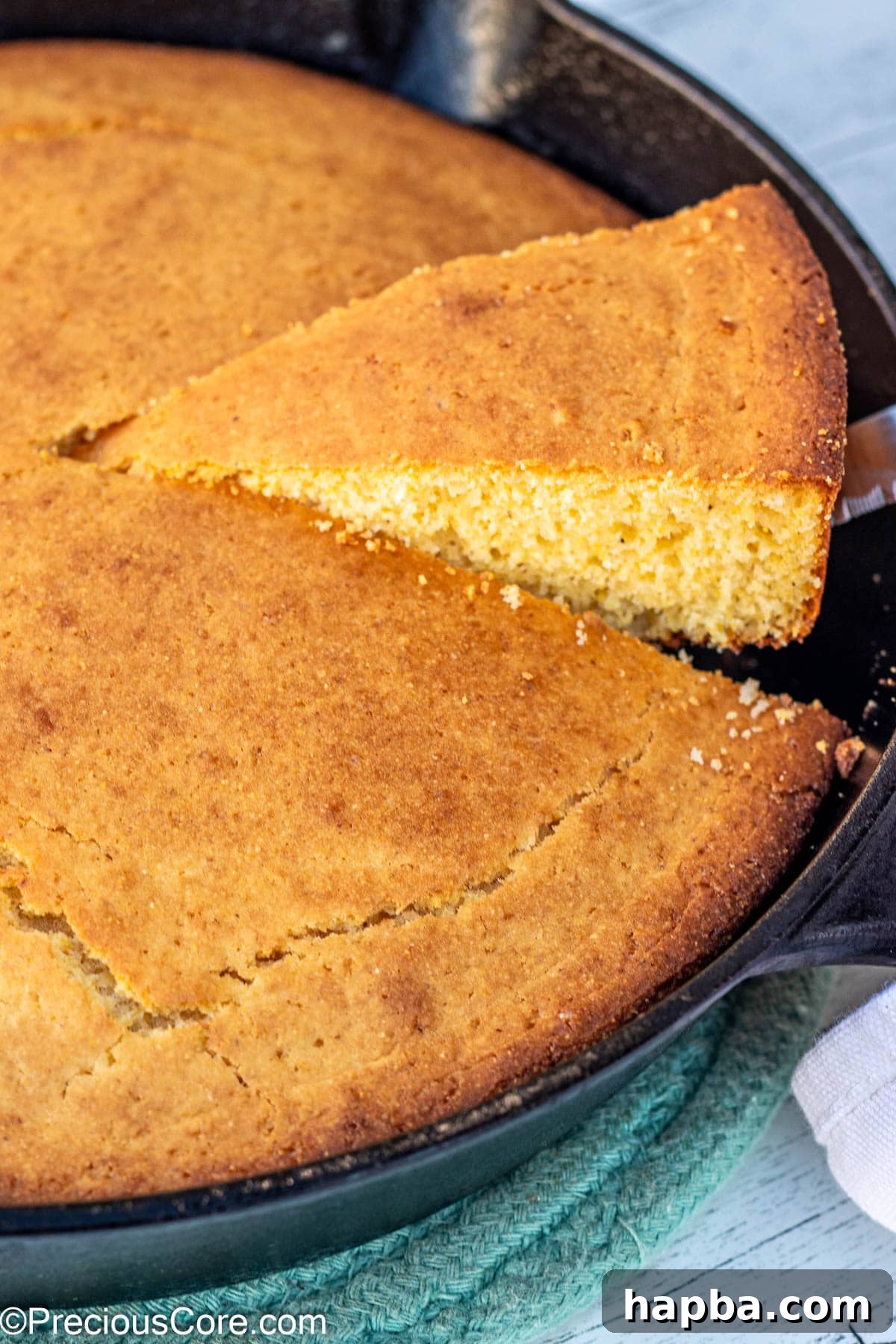
To further enhance the flavor and guarantee an unbelievably moist cornbread, here’s a delightful trick: as soon as your cornbread comes out of the oven, while it’s still piping hot, add about 2 tablespoons of salted butter to the top. The residual heat will quickly melt the butter, allowing it to seep down into the warm cake. This simple addition infuses every crumb with extra richness and moisture, creating an even more indulgent and flavorful experience.
Delicious Cornbread Without Buttermilk Variations to Try
While this classic cornbread recipe is perfect on its own, it also serves as an excellent base for exciting flavor variations. Don’t hesitate to get creative and customize your cornbread to suit your tastes or complement your meal. Here are some fantastic variations you could try:
- Blueberry Cornbread: For a delightful sweet and fruity twist, gently fold about a cup of fresh or frozen blueberries (no need to thaw) into the batter just before baking. The blueberries burst with sweet-tart flavor, making this version a fantastic breakfast treat or a unique dessert, especially loved by kids.
- Jalapeno Cheddar Cornbread: If you prefer a savory and slightly spicy kick, this variation is a must-try. Mix in ½ cup of finely diced fresh or pickled jalapenos (remove seeds for less heat) and 1 cup of shredded sharp cheddar cheese into the batter. This combination yields a wonderfully flavorful cornbread that pairs perfectly with chili, soups, or barbecue, and is a particular favorite among my Hispanic friends.
- Mashed Sweet Potatoes Cornbread: For added moisture, a subtle sweetness, and a beautiful earthy flavor, incorporate ¾ cup of smooth mashed sweet potatoes into your wet ingredients. This creates a unique cornbread that is incredibly tender and nutritious, offering a delightful autumn-inspired twist.
- Corny Cornbread: Elevate the corn flavor and texture by stirring in 1 cup of fresh corn kernels (cut from the cob) or well-drained canned or frozen corn, or even ½ cup of creamed corn, into the batter. This “double corn” approach provides bursts of sweet corn throughout the moist crumb, enhancing the overall corn experience.
- Bacon & Chives Cornbread: For a savory delight, add ½ cup of crispy, cooked and crumbled bacon bits, along with ¼ cup of fresh chopped chives, to the batter. The salty bacon and fresh oniony chives create a savory masterpiece perfect with eggs or stew.
- Herb & Garlic Cornbread: Infuse your cornbread with aromatic herbs. Mix in 1 tablespoon of finely chopped fresh rosemary or thyme, and 1-2 cloves of minced garlic. This sophisticated twist is wonderful alongside roasted meats or a hearty vegetable stew.
Also, don’t miss out on these other fantastic recipes: our indulgent Cinnamon Rolls With Cream Cheese Frosting, and the classic, refreshing My Favorite Ambrosia Salad.
Cornbread Recipe FAQs: Your Questions Answered
If you encounter a cornbread recipe that specifically calls for buttermilk and you don’t have any on hand, don’t worry – a simple homemade substitute works wonderfully! To create a quick buttermilk substitute, measure out one tablespoon of lemon juice or white vinegar into a liquid measuring cup. Then, add enough regular milk (preferably whole milk) to bring the total volume up to one cup. Stir it gently and let the mixture sit for about 5 minutes. During this time, the acid in the lemon juice or vinegar will curdle the milk slightly, mimicking the tang and acidity of buttermilk. This homemade substitute can be used cup-for-cup in most recipes. However, with this particular “Cornbread Without Buttermilk” recipe, you won’t even need to bother with a substitute, as our carefully balanced combination of whole milk and baking powder is perfectly sufficient to yield an outstandingly moist and flavorful cornbread.
Both buttermilk and regular milk can produce excellent cornbread, and the “better” choice often depends on the specific recipe and desired outcome. Buttermilk is traditionally favored for its acidity, which reacts with baking soda (or powder) to create a tender crumb and a distinct tangy flavor. It also helps break down gluten, contributing to a softer texture. Regular milk, especially whole milk, provides richness and moisture, and when paired correctly with baking powder, it can achieve a similar rise and tender texture without the tang. This recipe demonstrates that a perfectly moist and flavorful cornbread is absolutely achievable with whole milk, especially when other fats like butter are adequately incorporated to maintain richness and tender crumb. Ultimately, the success lies in the overall balance of ingredients in the recipe.
While you technically *can* substitute water for milk in cornbread, it is generally not recommended if you’re aiming for a rich, moist, and flavorful result. Milk brings essential fat and solids to the batter, contributing significantly to both the richness and tenderness of the cornbread. Water, being fat-free, will inevitably lead to a drier, less flavorful, and potentially crumbly cornbread. The texture will be coarser, and the overall taste will be noticeably diminished. If you find yourself without regular milk, better substitutes include evaporated milk (which offers even more richness), half-and-half, or even a dairy-free milk alternative with a higher fat content, such as full-fat coconut milk or oat milk, rather than plain water.
To keep your cornbread fresh and moist, store leftovers tightly wrapped in plastic wrap or in an airtight container at room temperature for 1-2 days. For longer storage, you can refrigerate it for up to 5 days. If you’ve baked a large batch, cornbread freezes beautifully! Wrap individual slices or the entire loaf tightly in plastic wrap, then again in aluminum foil, and store in the freezer for up to a month. Thaw at room temperature or gently reheat in the oven.
Dry or crumbly cornbread is often a result of overbaking. Cornbread bakes relatively quickly, so it’s important to keep a close eye on it towards the end of the baking time. Start checking for doneness a few minutes before the recipe suggests. Another common culprit is using low-fat milk or an insufficient amount of fat (like butter or oil) in the recipe, which are crucial for moisture. Ensure you’re measuring ingredients accurately and avoid overmixing the batter, as excessive mixing can develop gluten, leading to a tougher, drier texture.
What to Serve with Cornbread: Perfect Pairings
This delicious and versatile cornbread is fantastic on its own, but it also makes an incredible accompaniment to a wide variety of meals. Its hearty texture and subtle sweetness perfectly complement both savory and sweet dishes. Here are some of our favorite recipes that pair beautifully with cornbread, making for a truly satisfying meal:
Beef Stew Without Wine
Ginger Drink
Honey Lemon Tea
Lentil Stew
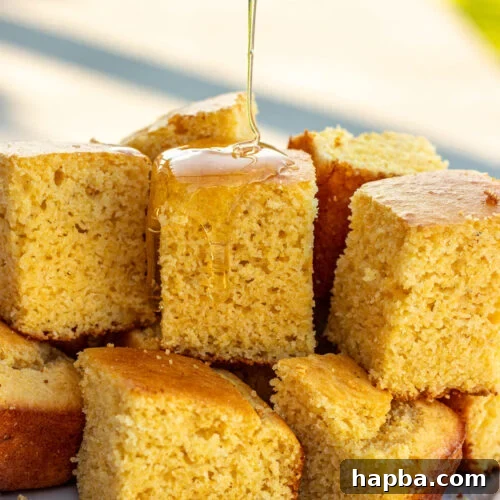
Our absolute favorite way to savor this cornbread is fresh out of the oven, still warm and tender. We love spreading a generous layer of rich, softened butter across its surface, allowing it to melt into the golden crumb. Then, a luscious drizzle of golden honey is added, creating a sweet and savory symphony that is simply irresistible. This combination elevates the simple cornbread into a truly unforgettable culinary experience!
More Thanksgiving Recipes for Your Holiday Table
If you’ve fallen in love with this easy Cornbread Without Buttermilk recipe, you’ll definitely want to save these other delectable recipes. They are perfect additions to create a memorable and bountiful Thanksgiving feast, offering a mix of classic and comforting dishes:
Oven Baked Turkey Wings
Rosemary Garlic Mashed Potatoes
Fried Carrots
Herb Roasted Chicken
Sautéed Vegetables
Baked Turkey Drumsticks
Explore More Homemade Bread Recipes
If the joy of baking this simple cornbread has ignited your passion for homemade bread, you’re in for a treat! Discover our collection of easy and rewarding bread recipes that will fill your kitchen with wonderful aromas and your table with delicious, freshly baked goodness. There’s nothing quite like the satisfaction of baking your own bread, and these recipes are perfect for both beginners and experienced bakers:
Easy Homemade French Bread
Easy Sandwich Bread Recipe
Easy Dinner Rolls
Homemade Milk Bread
If you try this delightful cornbread recipe, please take a moment to leave a star rating below. Your feedback and ratings are incredibly valuable – they help other home bakers discover and enjoy this recipe, and I absolutely love hearing about your culinary successes! Thank you for sharing your experience!
Cornbread Without Buttermilk
10 minutes
20 minutes
30 minutes
8 servings
Save Recipe
Saved Recipe
Pin Recipe
Rate
Print Recipe
Ingredients
- 1 cup yellow cornmeal
- 1 cup all-purpose flour
- ¼ cup granulated sugar
- 1 Tablespoon baking powder
- ½ teaspoon salt
- 1 cup whole milk
- 2 large eggs
- 4 Tablespoons butter, melted
Instructions
-
Preheat your oven to 425 degrees Fahrenheit (218 degrees Celsius). Generously grease a 10-inch cast iron skillet or an 8 by 8-inch square baking dish with butter or oil. This step is crucial to prevent sticking and ensure crispy edges.
-
Whisk together the dry ingredients: In a large mixing bowl, thoroughly whisk together the cornmeal, all-purpose flour, granulated sugar, baking powder, and salt. Ensure there are no clumps and all ingredients are evenly distributed.
-
Add the wet ingredients: Create a small well in the center of the dry ingredients. Pour the whole milk, crack in the eggs, and add the melted butter into the well. Gently whisk the wet and dry ingredients together until just combined. A few small lumps are perfectly fine and actually preferred to avoid overmixing, which can lead to a tough cornbread.
-
Pour into pan and bake: Pour the prepared batter into your greased baking pan and spread the top evenly with a spatula. Place the pan in the preheated oven and bake for approximately 20 minutes. Start checking for doneness around the 18-minute mark. The cornbread is done when a wooden toothpick inserted into the center comes out clean. Be very careful not to overbake, as this can quickly dry out the cornbread.
-
Add butter to top: Immediately upon removing the cornbread from the oven, place about 2 tablespoons of extra salted butter on top. Allow the butter to melt and seep into the warm cornbread, enhancing its moisture and rich flavor.
-
Slice and share: Serve your delicious cornbread warm and enjoy! For any leftovers, wrap them tightly and store in the refrigerator for up to 5 days, or freeze for up to a month for future enjoyment.
Notes
Cornbread muffins: To transform this recipe into delicious cornbread muffins, simply pour the batter into greased muffin tins, filling each cup about two-thirds full. Bake the muffins in the preheated oven for approximately 20 minutes, or until a toothpick inserted into the center of a muffin comes out clean.
Storing leftover cornbread: To maintain its freshness, store any leftover cornbread tightly wrapped in plastic wrap or in an airtight container at room temperature for 1-2 days. For longer preservation, it can be stored in the refrigerator for up to 5 days or in the freezer for up to a month. Ensure it is well-wrapped to prevent drying out.
Nutrition
Additional Info