
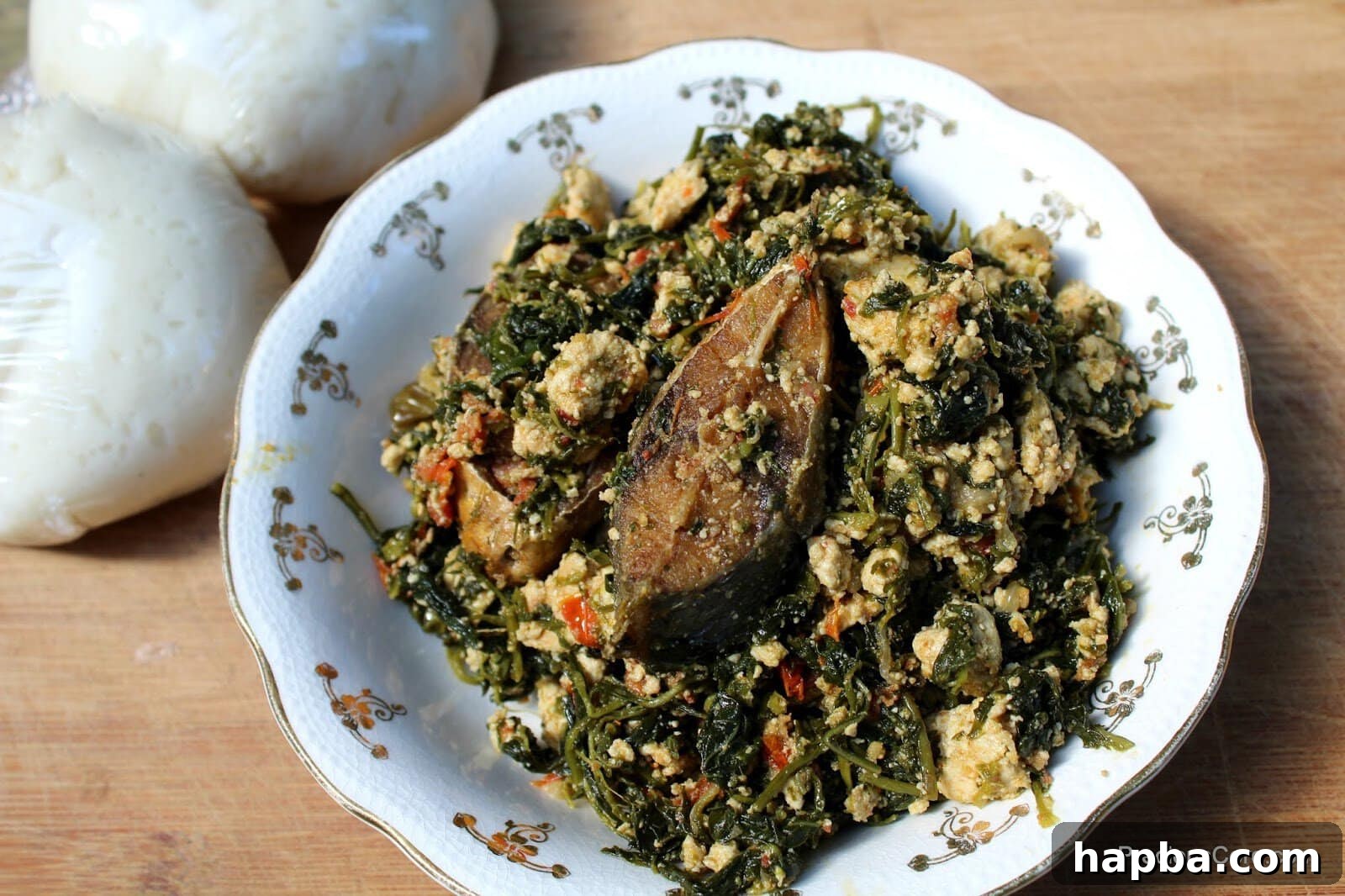
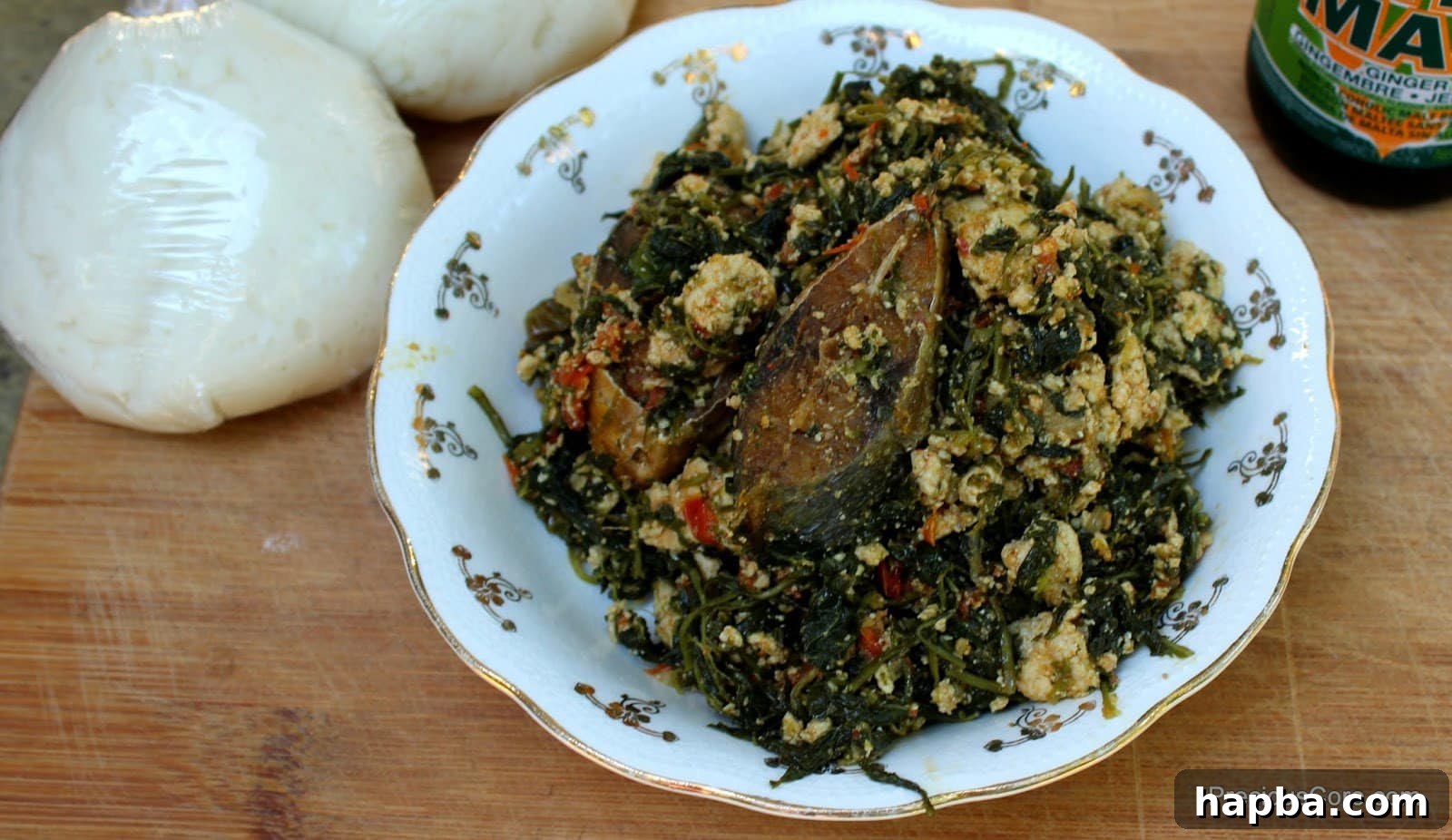
Discovering Njama Njama with Egusi: A Taste of Cameroon’s Heart
Food is more than just sustenance; it’s a bridge to memory, a comfort, and a profound connection to one’s roots. Recently, I had the pleasure of hosting a new friend, who had just arrived in the United States from Cameroon a couple of months prior. Her taste buds, undoubtedly, still held vivid memories of authentic Cameroonian flavors. The challenge was clear: what could I prepare that would truly resonate with her, making her feel a little closer to home? The answer, a delightful whisper from my own culinary heritage, was Njama Njama cooked with Egusi. A truly inspired choice, I must say!
This cherished dish is not merely a meal; it’s an experience, a warm embrace from West Africa, known for its rich flavors and wholesome ingredients. It brings together the earthy goodness of green leafy vegetables with the creamy, nutty texture of ground melon seeds, creating a symphony of tastes that is both comforting and exhilarating. The anticipation of sharing this culinary gem filled my kitchen with a special kind of excitement, knowing it would evoke cherished memories and perhaps create new ones.
What is Njama Njama? Unveiling Africa’s Cherished Green
Njama Njama, scientifically known as Solanum scabrum, is a revered green leafy vegetable in many parts of Africa, often referred to as African Nightshade or Garden Huckleberry. Its tender leaves and soft stems are packed with nutrients and boast a slightly bitter, yet deeply satisfying, flavor profile that is distinct from more common greens. Before it even touches the cooking pot, Njama Njama undergoes a meticulous preparation process that is essential for its texture and taste.
The first step involves carefully picking the leaves and the most tender parts of the stems from the main stalk. This ensures that only the most palatable sections are used, eliminating any tough or fibrous bits. Once gathered, these vibrant green pieces are gently boiled. What’s fascinating about Njama Njama is its natural tendency to release water when heated, often requiring very little or no added water during the initial boiling stage, depending on the inherent softness of the leaves. This unique characteristic helps concentrate its flavor and softens its texture beautifully. The boiling process typically takes a short period, just enough to tenderize the leaves without overcooking them.
After boiling, the vegetable is traditionally squeezed to remove any excess water, which not only helps in reducing bitterness but also ensures that the final dish isn’t watery. This step is crucial for achieving the desired consistency and allowing the other flavors to shine through. Finally, the tender, boiled, and squeezed Njama Njama is chopped into smaller, bite-sized pieces, ready to absorb the rich flavors of the stew it will become. This thorough preparation ensures that every mouthful is perfectly textured and flavorful, making it easy for even the hungriest diners to enjoy.
The Irresistible Charm of Egusi: More Than Just Melon Seeds
While Njama Njama provides the earthy foundation, it’s the addition of Egusi that truly elevates this dish to culinary stardom. Egusi, which refers to the fat- and protein-rich seeds of certain cucurbitaceous plants (like melon, squash, and gourd), is a staple in West African cuisine, particularly in soups and stews. When ground, these seeds transform into a versatile ingredient that adds an incredible depth of flavor, a rich, nutty aroma, and a unique, slightly grainy texture that is utterly captivating.
The magic of Egusi lies in its ability to thicken stews and impart a luxurious creaminess that is unlike any other. It acts as a natural emulsifier, binding the ingredients together and creating a harmonious blend of tastes and textures. When cooked with Njama Njama, Egusi contributes a substantial, satisfying body to the vegetable, turning a simple greens dish into a hearty, full-bodied stew. This combination is what makes Njama Njama with Egusi so uniquely appealing; the vibrant freshness of the greens meets the comforting richness of the ground melon seeds, resulting in a dish that truly hits a five-star level of deliciousness. It’s no wonder this pairing is my absolute favorite method for preparing Njama Njama!
A Plate of Home: The Cultural & Emotional Impact
Sharing food is a universal language of love and connection, and Njama Njama with Egusi speaks volumes. Watching my new friend and her one-year-old daughter enjoy the meal was a truly heartwarming experience. The little one, in particular, couldn’t get enough, excitedly filling her mouth and exclaiming “Njama Njama! Njama Njama!” This joyful chorus wasn’t just about the taste; it was about the profound connection to home, to tradition, and to shared memories that this meal evoked. It was a beautiful reminder of how food transcends mere nutrition, becoming a powerful symbol of identity and belonging, especially for those far from their homeland.
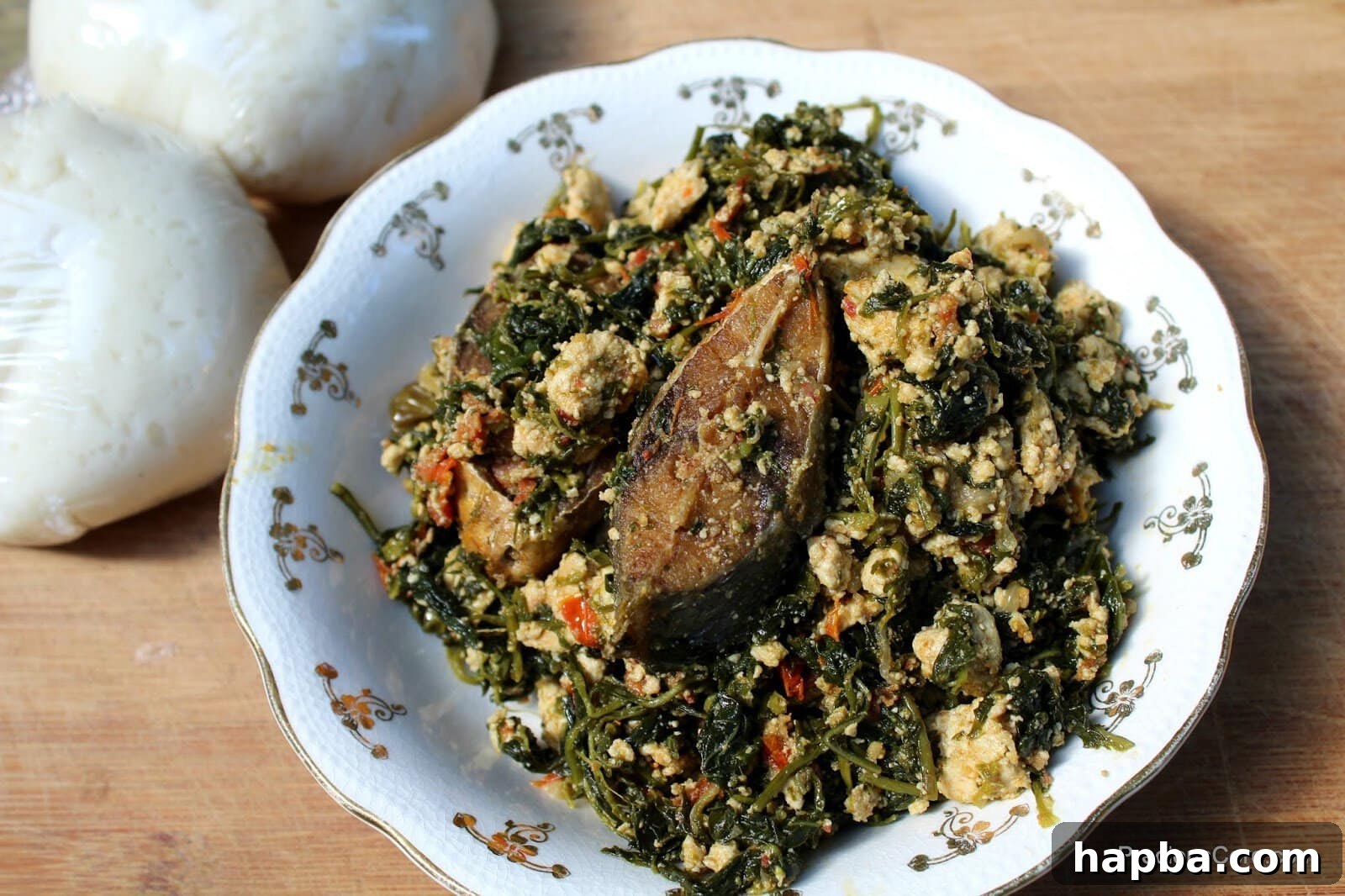
Traditionally, Njama Njama with Egusi is most commonly enjoyed with corn fufu, a dense, dough-like accompaniment made from corn flour, perfect for scooping up the rich stew. The fufu serves as a neutral canvas, allowing the intricate flavors of the Njama Njama and Egusi to take center stage. However, the versatility of this dish means it can be paired with various other staples, catering to different preferences and regional traditions. Boiled cocoyams, another starchy root vegetable, offer a slightly sweeter counterpoint. Boiled or fried plantains, with their natural sweetness and soft texture, also make an excellent pairing, adding another layer of flavor and satisfaction. Even simple boiled yams can beautifully complement the savory richness of the stew. Whichever accompaniment you choose, the experience of a well-prepared Njama Njama with Egusi is always one of deep satisfaction and cultural immersion.
Sourcing Njama Njama: From Local Farms to Your Kitchen
For many, finding traditional African ingredients like Njama Njama in Western countries can be a pleasant surprise. I vividly remember my own astonishment at discovering it thriving on American soil. The story of how this cherished vegetable found its way here is a testament to cultural exchange and agricultural diversity. It turns out that the Hmong community, a vibrant ethnic group with roots in Southeast Asia, has embraced the cultivation of this remarkable plant, often referring to it as garden huckleberry. They farm substantial quantities of it, especially during the summer months.
This discovery was a game-changer for me. I now make it a point to purchase a significant amount of fresh Njama Njama from Hmong farmers when it’s in season. To ensure a year-round supply, I employ a simple preservation method: I boil the fresh leaves, squeeze out the excess water, and then freeze them in portions. This allows me to enjoy the authentic taste of Njama Njama even when fresh produce is scarce. This weekend, I plan to get a fresh batch, and I’ll be sure to share a post illustrating what the uncooked leaves look like, to help you identify them at your local markets.
If authentic Njama Njama (or African huckleberry) proves elusive in your area, don’t despair! There are several excellent substitutes that can still help you achieve a delicious vegetable and Egusi stew. Watercress, with its slightly peppery and fresh flavor, can be a good stand-in. Kale, known for its robust texture and earthy notes, also works wonderfully. And for a milder, more readily available option, spinach can be an excellent substitute, offering a tender consistency that blends beautifully with the Egusi. The key is to choose a leafy green that can hold its own against the rich Egusi without becoming mushy. Whatever your choice, ensure you don’t miss out on the sizzling goodness and unique flavors of a vegetable cooked in Egusi!
Crafting Your Own Njama Njama with Egusi: The Authentic Recipe
Now that you’re acquainted with the wonders of Njama Njama and Egusi, it’s time to bring this delicious Cameroonian favorite to your own kitchen. This recipe is designed to be straightforward yet deeply flavorful, ensuring an authentic taste experience that will transport you to the heart of West Africa.
Prep time: 20 minutes
Cook time: 30 minutes
Total time: Approximately 50 minutes
Serves: 4 people
Ingredients You Will Need:
- 2 pounds (approximately 1 kg) of pre-boiled and chopped Njama Njama vegetable (or your chosen substitute like kale, watercress, or spinach).
- 2 cups of ground Egusi (melon seeds). Ensure it’s finely ground for the best texture.
- 5 medium-sized ripe tomatoes, thoroughly chopped.
- 2 tablespoons of freshly ground ginger and garlic paste.
- 1 large onion, finely chopped.
- 2 pounds of your choice of protein: fried fish, boiled beef (with its stock), smoked turkey, or a combination.
- 1 cup of vegetable oil.
- 1 habanero pepper (or Scotch bonnet), finely chopped or left whole for a milder heat (optional, adjust to taste).
- Half a teaspoon of salt, or to taste.
- 3 small cubes of bouillon (such as Maggi or Knorr), crushed.
- Water, as needed for consistency.
Step-by-Step Instructions:
Step 1: Sauté the Aromatics
Begin by heating the vegetable oil in a large, sturdy pot over medium heat. Once the oil is shimmering, add the finely chopped onions. Sauté the onions gently until they become translucent and fragrant, typically about 3-5 minutes. This forms the aromatic base of your stew.
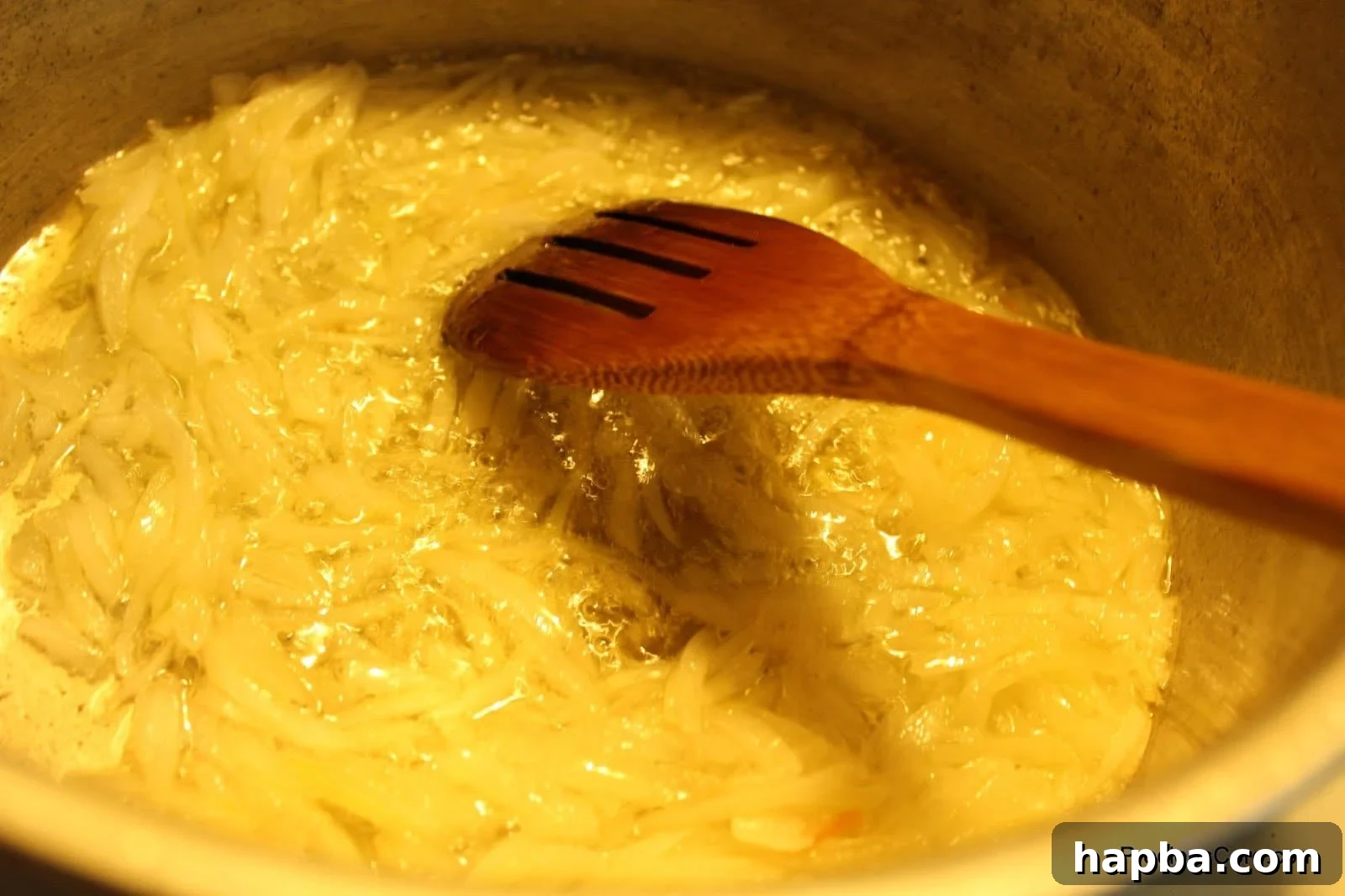
Step 2: Add Tomatoes and Build Flavor
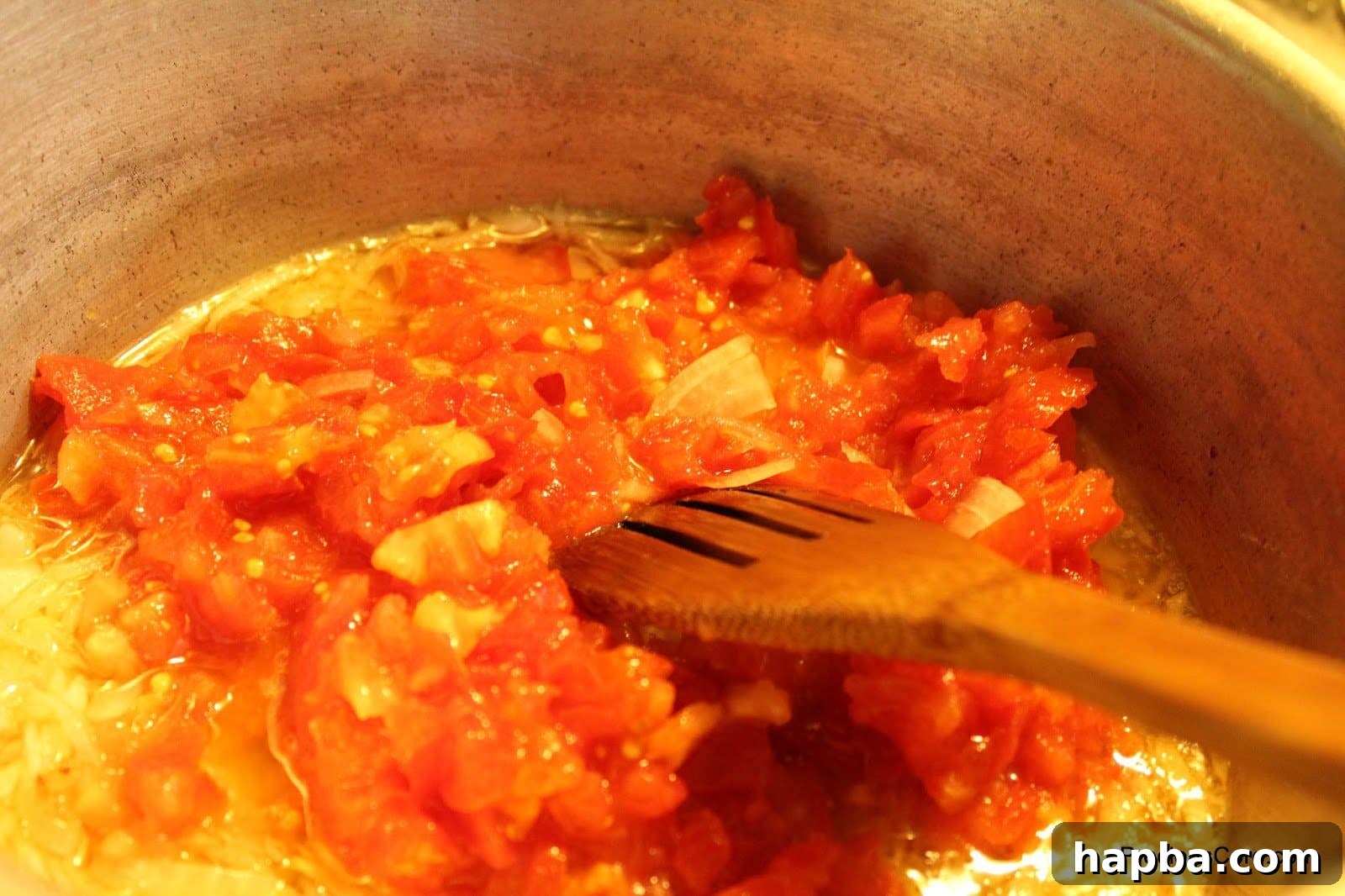
Next, add the chopped tomatoes to the pot with the onions. Continue to sauté the mixture, stirring occasionally. The key here is to cook the tomatoes down until their raw, sour taste disappears and they release their moisture, thickening into a rich, pulpy sauce. This process usually takes about 10-15 minutes.
Step 3: Prepare the Egusi Paste
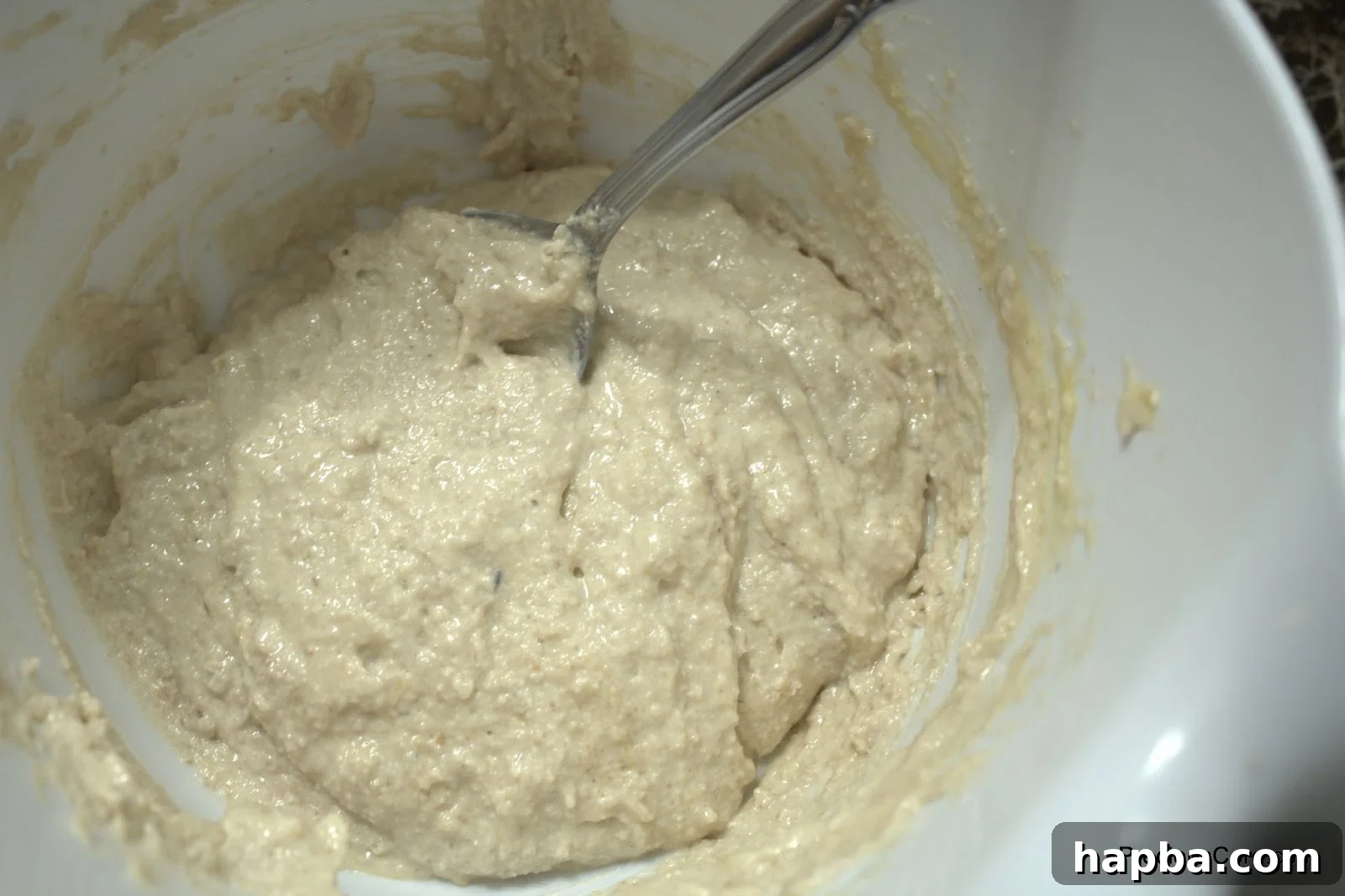
While your tomatoes are frying, prepare your Egusi paste. In a separate bowl, combine the 2 cups of ground Egusi with about half a cup of water and a pinch of salt. Mix thoroughly until you achieve a thick, lump-free paste. This method prevents the Egusi from clumping when added to the hot stew and allows it to cook evenly, releasing its rich flavors.
Step 4: Introduce Spices and Liquids
Once the tomatoes are perfectly fried and no longer taste sour, add the ground garlic, ginger, and the habanero pepper (if using). Stir well to combine, allowing the spices to release their aromatic oils for about a minute. At this point, crumble in your Maggi cubes and add the remaining salt. Pour in a cup of water (or, if using boiled meat, substitute with an equal amount of meat stock for added depth of flavor). Bring the mixture to a gentle boil.
Step 5: Add the Egusi
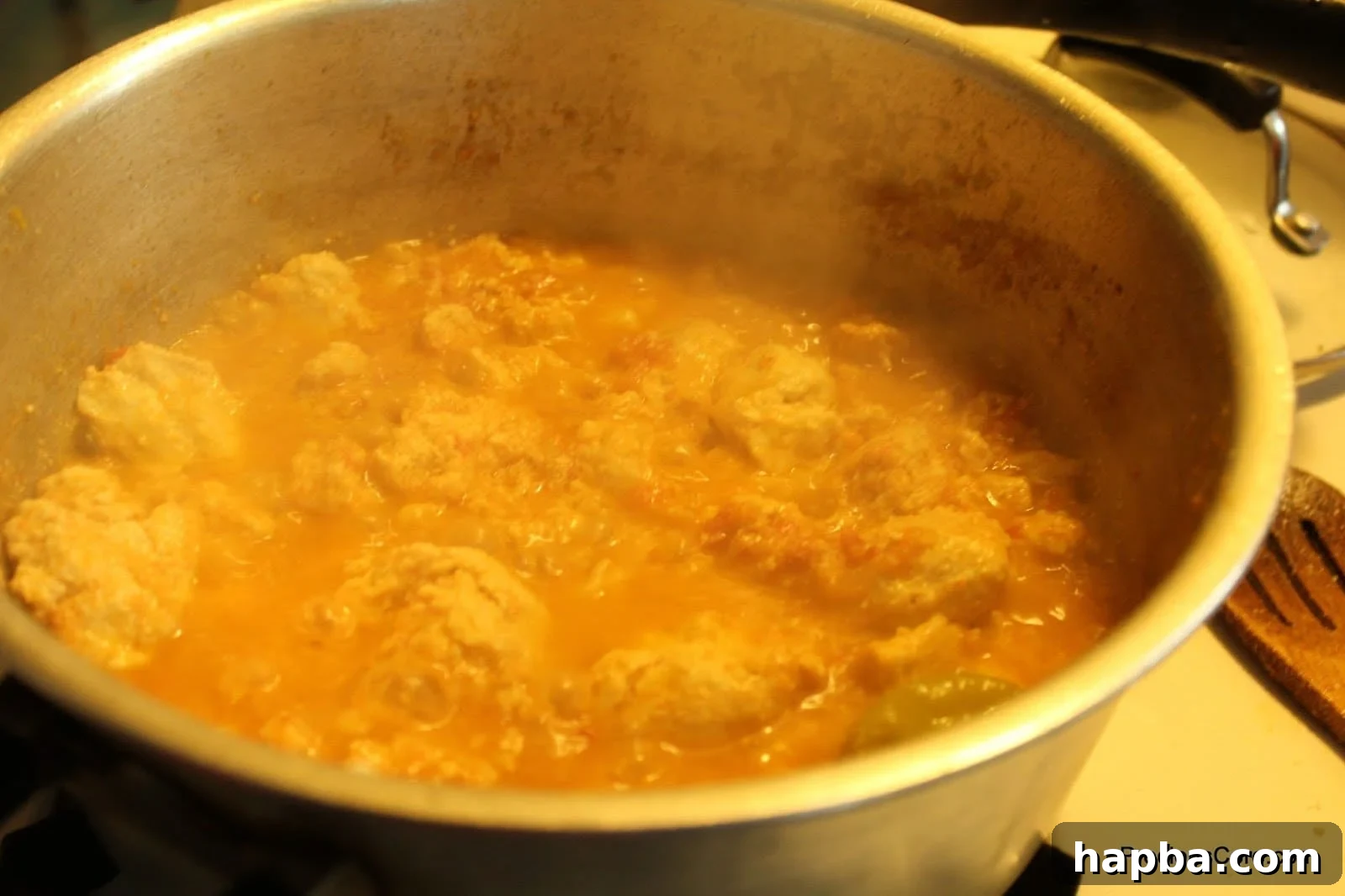
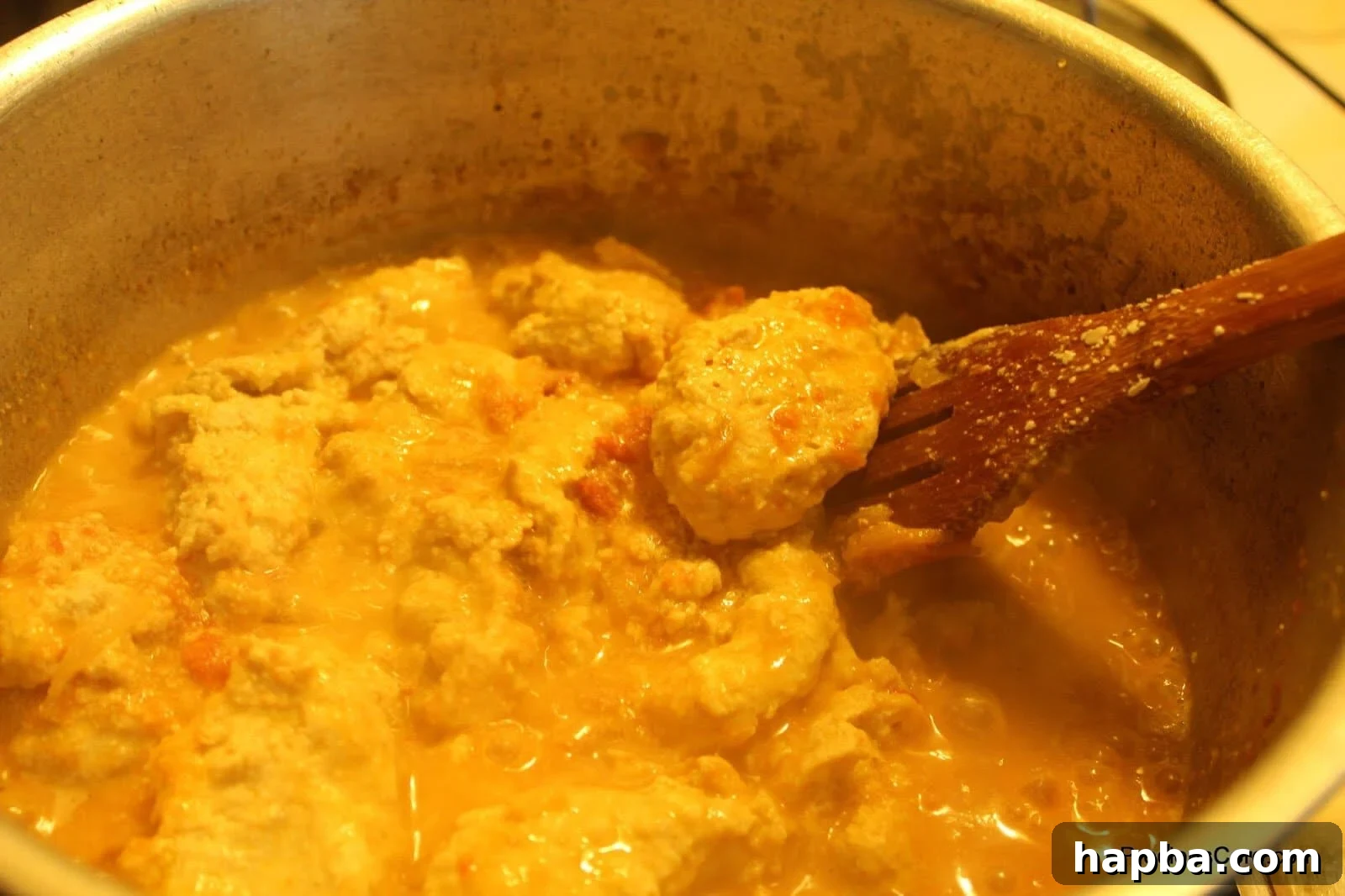
Once the liquid is boiling, carefully add the Egusi paste to the pot in small scoops. Do not stir immediately. Allow the Egusi to cook undisturbed for about 5 minutes. This crucial step helps the Egusi form small, flavorful “dumplings” within the stew and prevents it from settling at the bottom. After 5 minutes, gently stir the Egusi into the sauce. Continue to cook for another 5 minutes, stirring occasionally, until the Egusi is thoroughly cooked and fragrant, and some oil begins to rise to the surface. If the mixture thickens too much, add a quarter cup more water or stock to maintain a moist consistency.
Step 6: Incorporate the Njama Njama
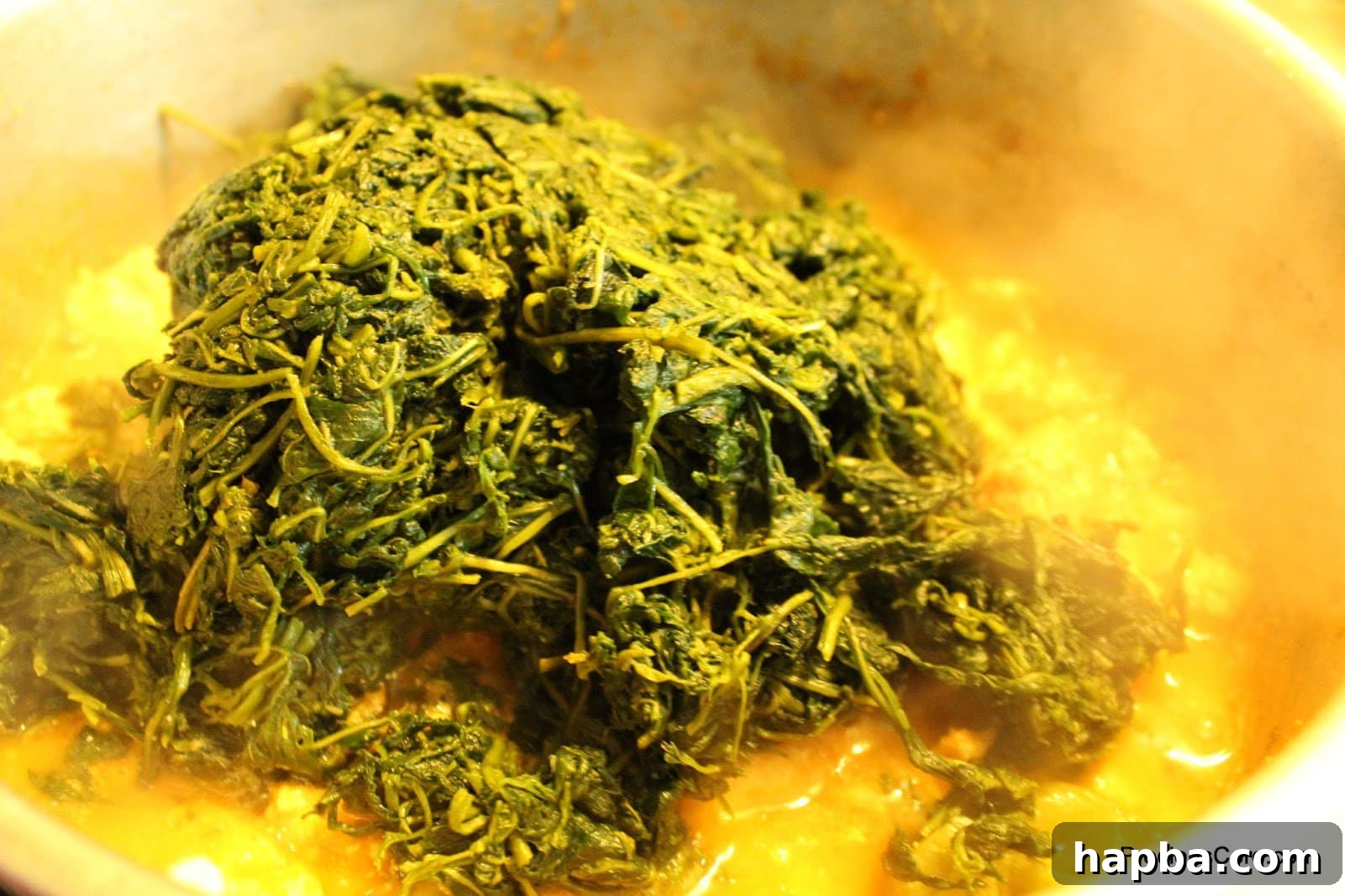
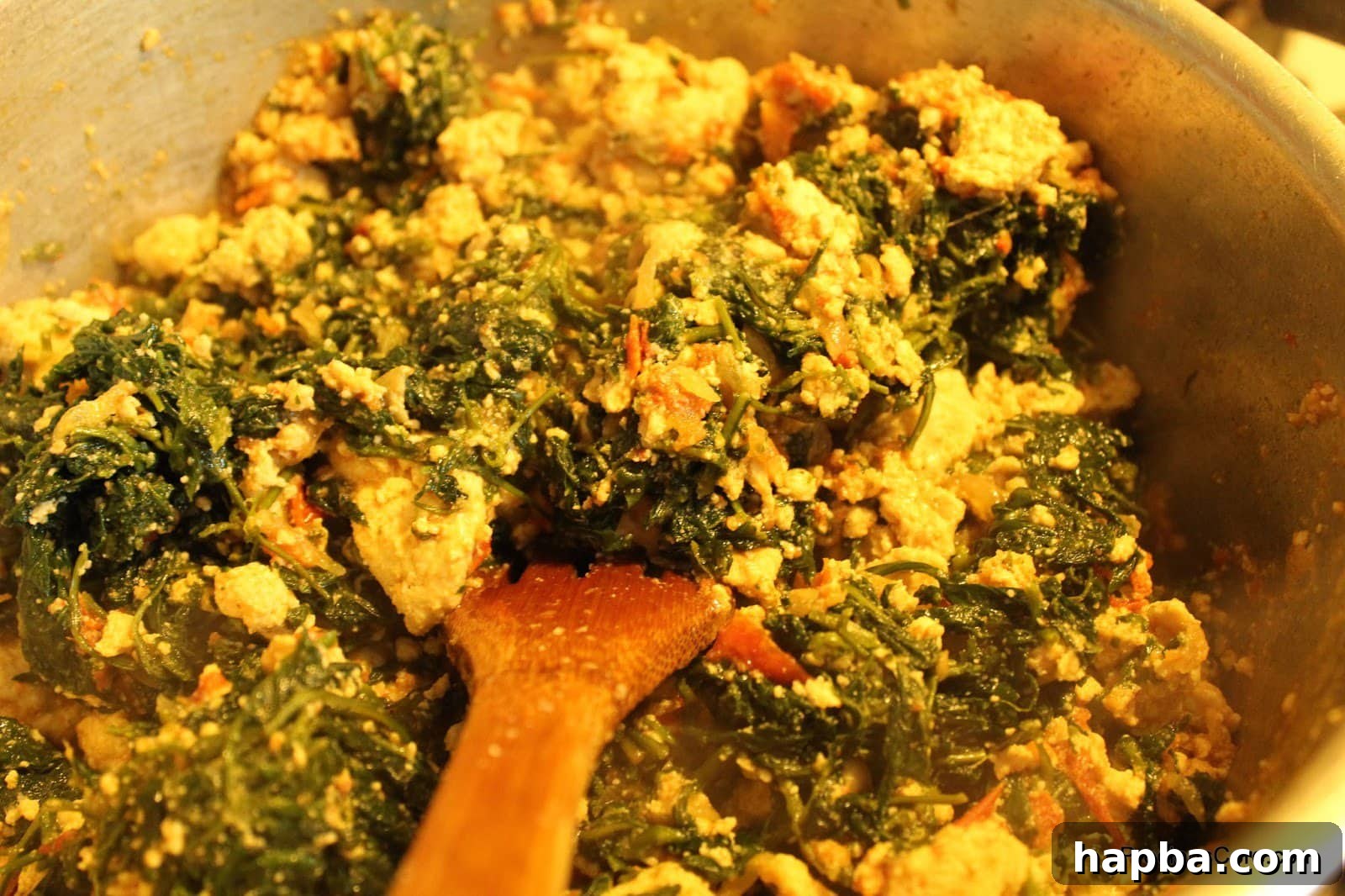
Now, gently fold in the pre-boiled and chopped Njama Njama vegetable. Mix it thoroughly with the Egusi and sauce, ensuring every strand is coated in the rich, aromatic base.
Step 7: Add Protein and Simmer
Finally, add your chosen protein – whether it’s fried fish, boiled beef, or smoked turkey – to the pot. Gently mix everything together, allowing the protein to warm through and absorb the incredible flavors of the stew. Let the entire mixture simmer together for an additional 5 minutes over low heat. This final simmer ensures that all the ingredients are “beautifully in love,” as we like to say, and that the flavors have fully melded.
Step 8: Final Adjustments and Serving
At this point, it is perfectly acceptable, and highly recommended, to taste the stew and adjust the seasoning if needed. You might want to add a touch more salt or a pinch of pepper to perfect the flavor profile. Now, it’s time to prepare your favorite accompaniment! Whether it’s a freshly made batch of corn fufu, perfectly boiled or fried ripe plantains, or even simple boiled yams, get ready to dive in.
And yes, at this point, it is absolutely encouraged to shout “Njama Njama! Njama Njama!” just like my friend’s delighted daughter. It’s a declaration of pure culinary joy!
Enjoy your authentically prepared Njama Njama with Egusi! This dish is a celebration of flavor, culture, and connection, promising a memorable culinary journey with every savory bite. Whether you’re familiar with West African cuisine or trying it for the first time, this recipe is sure to become a beloved addition to your repertoire.