
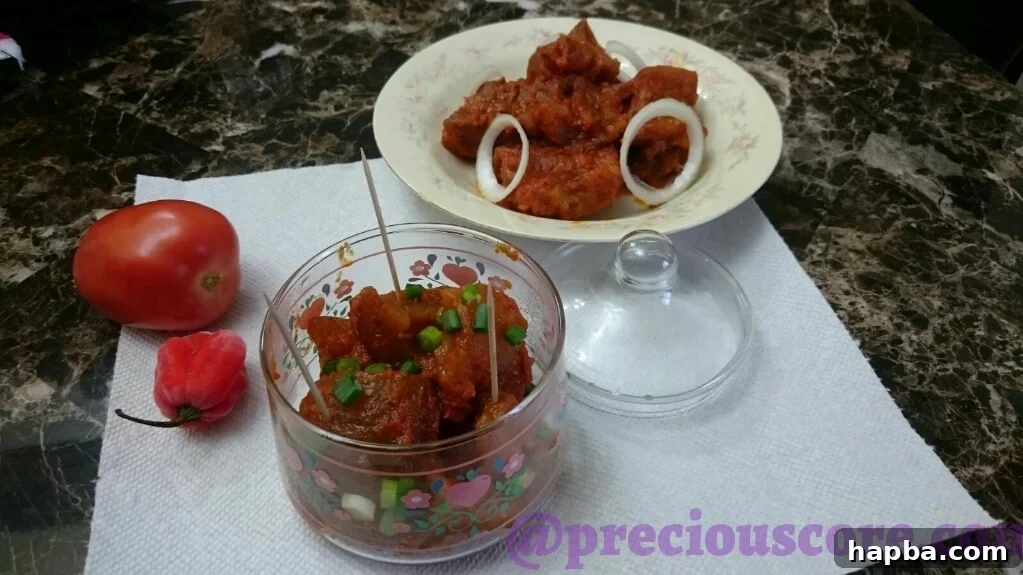
Authentic Stewed Canda (Ponmo) Recipe: A Melt-in-Your-Mouth African Street Food Delight
The universal appeal of street food lies in its vibrant flavors, rich cultural heritage, and often, its irresistible simplicity. These beloved dishes resonate with people from all walks of life, becoming culinary staples that tell stories of tradition and community. Today, we invite you to bring the captivating essence of West African street food into your kitchen with a truly special recipe: **Stewed Canda**, also widely known as Ponmo.
This savory, melt-in-your-mouth delicacy is more than just a dish; it’s an experience. Prepare to embark on a flavorful journey as we guide you through crafting this easy-to-make, profoundly satisfying street food that will leave you yearning for more. Our detailed guide ensures you master every step, from preparing the beef skin to simmering it in a rich, aromatic tomato sauce. Get ready to create a memorable meal that embodies the heart of African cuisine.
Unearthing the Legacy of Canda: A Culinary Journey Through Cherished Memories
While I affectionately call this dish “Stewed Canda,” its formal name might be a topic of friendly debate. Growing up, we often referred to it as chuking canda. This descriptive name comes from the traditional way it was enjoyed: buyers would use a fork or toothpick to ‘chuk’ (meaning to pick or pierce) tender pieces of Canda directly from the vendor’s large, cast-iron pots. These pots, brimming with the aromatic stew, were a common sight, paraded through bustling streets, their enticing fragrance captivating passersby and drawing crowds to savor a quick, flavorful bite.
A recent request for this recipe stirred a flood of cherished memories, transporting me back to a time when Canda was a cornerstone of my childhood. I recall the excitement of the Mount Cameroon race in Buea, where my little aunt and I would enthusiastically sell pots of Canda, fueling both our entrepreneurial spirit and the appetites of the spectators. I vividly remember the sheer delight of savoring each bite of perfectly stewed Canda, a delicacy so tender and flavorful that you wished the experience would never end, each chew a testament to its deliciousness.
In those days, even a mere 100 CFA francs held significant value, enough to procure a generous, plump piece of Canda, generously coated in a rich, tangy tomato sauce. The pervasive, intoxicating aroma wafting from Canda pots was an integral part of our streetscape, a tantalizing scent that truly ‘terrorized’ our nostrils in the best possible way, drawing us closer with every step. Reliving these precious memories through the act of cooking in my own kitchen is an immense joy, a testament to the enduring power of food to connect us with our past and culture.
What is Canda (Ponmo)? A Deep Dive into this African Delicacy
Canda, known as Ponmo in Nigeria and by various other names across West Africa, is essentially the skin of beef. While it might sound unconventional to some, it is a highly prized ingredient revered for its unique, chewy yet tender texture and its remarkable ability to absorb and carry flavors. Traditionally, Canda undergoes a special preparation process where the beef skin is carefully burnt to remove hair and create a distinctive smoky aroma. This burning process, often done over an open flame or in a controlled environment, not only cleanses the skin but also contributes significantly to its signature taste and the desirable slightly toughened outer layer.
Once processed and then cooked, Canda transforms into a gelatinous, rich component in stews and soups, offering a delightful contrast to other ingredients. Its mild intrinsic flavor profile makes it an excellent canvas for absorbing the vibrant spices, savory stocks, and rich sauces it’s cooked in, resulting in a profoundly satisfying culinary experience. Unlike meat, Canda offers a unique mouthfeel and a sense of richness that is highly sought after in West African cuisine. If you’ve never tried Canda or Ponmo before, prepare to be amazed by its versatility, its deeply satisfying texture, and the incredible depth it adds to any dish, making it an unforgettable part of your meal.
Essential Ingredients for Your Flavorful Stewed Canda (Ponmo)
Crafting this exquisite Stewed Canda requires a selection of fresh, aromatic ingredients that will build layers of authentic African flavor. Each component plays a vital role in achieving the dish’s signature taste and texture. Here’s what you’ll need to gather:
- 2 pounds (approximately 1 kg) of Beef Skin (Canda/Ponmo): This is the primary ingredient. Ensure it’s clean and, if unburnt, ready for processing. The quality of your Canda will significantly impact the final dish.
- 1 cup of Blended Tomatoes and/or Tomato Paste: For a rich, robust, and slightly tangy sauce base. I personally used crushed tomatoes from a can for convenience and consistent flavor, which offers a great balance. You can also opt for fresh, ripe tomatoes, thoroughly blended into a smooth puree.
- 5 large cloves of Garlic: Essential for a pungent, aromatic foundation that provides depth to the stew. Fresh garlic offers the best flavor.
- Approximately 1 inch of Fresh Ginger: Adds a warm, spicy, and slightly peppery undertone that complements the other flavors beautifully and provides a comforting aroma.
- 1 Red Habanero Pepper (or Scotch Bonnet): For that characteristic African kick and vibrant heat. Adjust the quantity according to your personal spice preference. For milder versions, reduce the amount or remove the seeds.
- 2 small Seasoning Cubes (such as Maggi or Knorr): Preferably chicken flavor, as it enhances the savory notes and provides a familiar umami depth to the stew.
- 1 medium-sized Onion: Divided for sautéing and flavoring the Canda during boiling. Onions provide a sweet aromatic base when caramelized.
- Salt to Taste: Crucial for perfectly balancing all the vibrant flavors and bringing out the best in the ingredients.
- 1/2 cup Vegetable Oil: For frying the sauce base, ensuring a rich, well-developed flavor. Any neutral-flavored cooking oil will suffice.
Step-by-Step Guide to Making Perfect Stewed Canda (Ponmo)
Follow these detailed instructions carefully to achieve the authentic taste and melt-in-your-mouth texture of traditional Stewed Canda. Precision in each step ensures a delicious and memorable outcome.
Step 1: Preparing Your Canda (Processing Unburnt Beef Skin)
If you purchased Canda that has not been pre-burnt or processed, this initial step is crucial for both flavor and texture. This DIY technique, inspired by brilliant culinary minds and traditional methods, ensures your Canda develops that desirable smoky flavor and tender consistency.
- Cut and Arrange: Begin by thoroughly cleaning the beef skin under running water. Then, cut it into manageable, palm-sized pieces. While some traditional methods suggest removing the fleshy interior part, I personally prefer to keep it as it adds extra richness and a varied texture to the stew. Arrange these pieces evenly on a baking tray lined with aluminum foil for easier cleanup.
- Bake to Perfection: Preheat your oven to 350°F (175°C). Carefully place the prepared tray of Canda into the preheated oven.
Allow the Canda to bake until it turns a rich, golden-brown color. This process typically takes about 15 minutes, but keep a close eye on it to prevent burning. This oven method serves as a modern, safer, and equally effective alternative to the traditional technique of charring the skin over an open flame. Not only does it effectively prepare the Canda by slightly toughening its exterior, but it also infuses it with a delightful smoky flavor that is absolutely essential to the dish’s authentic profile. If your beef skin is relatively lean, you’ll observe it curling up, mimicking the authentic, rustic appearance of street-processed Canda.
Important Note: If you have already sourced brown, pre-processed beef skin (often available in African markets), you can happily skip this entire preparation stage. Simply rinse your pre-processed Canda thoroughly and proceed directly to Step 2: Boiling the Canda.
Step 2: Boiling the Canda Until Tender
- Initial Boil: Once processed (or rinsed, if pre-processed), transfer the Canda slices into a sturdy cooking pot. Add just enough water to barely cover them. It’s crucial to add water incrementally and monitor the pot closely throughout the boiling process, as the goal is to have minimal, flavorful water remaining once the Canda is fully cooked and wonderfully tender.
- Seasoning the Boil: As the water begins to heat and simmer, chop a portion of your onion and add it directly to the pot. Generously season with salt and your preferred chicken seasoning cubes. These seasonings are vital as they will infuse the Canda with savory flavor right from the very beginning, ensuring it’s delicious on its own even before stewing.
- Achieving Ultimate Tenderness: Continue to boil the Canda until it becomes exceptionally soft. This stage is paramount: hard, chewy Canda can be quite challenging and unpleasant to eat, diminishing the entire experience. Make sure the meat is truly soft – it should be tender enough that it’s easy to pierce with a fork and offers little resistance when chewed. This meticulous boiling makes a world of difference to the final dish! You might need to add small amounts of water a couple of times during this extended boiling process to keep the Canda submerged and prevent it from drying out.
By the time the Canda is perfectly tender, there should be a small amount of concentrated, flavorful stock left in the pot, as depicted in the image below. This intensely flavored stock is absolutely vital for the richness and authenticity of your final dish, so **DO NOT** discard it. It holds the accumulated essence of the Canda and all the seasonings, and will contribute immense depth and complexity to the stew, making it truly irresistible.
Step 3: Preparing the Aromatic Paste
This paste is the backbone of your stew’s vibrant flavor. It combines key aromatics and heat for a truly impactful base.
- Blend Aromatics: Carefully peel the garlic cloves and the fresh ginger. Combine them in a blender along with the red habanero pepper. Add a small amount of water to aid in blending, just enough to get the blades moving smoothly.
- Create a Smooth Paste: Blend all ingredients until you achieve a smooth, fragrant paste. Ensure there are no large chunks of garlic or ginger remaining, as a fine paste will better integrate into the stew and release its flavors uniformly. This aromatic blend forms the heart of your stew’s complex flavor profile.
Tomato Choice: Here’s an example of the can of crushed tomatoes I used, demonstrating a convenient option. You have complete flexibility to use either canned crushed tomatoes, concentrated tomato paste for a deeper umami, or entirely fresh, ripe tomatoes, thoroughly blended into a puree. Choose what best suits your preference for flavor intensity and your kitchen’s availability.
Step 4: Building the Flavorful Tomato Base
The tomato base is crucial for the richness and color of your Stewed Canda. Proper frying of the tomatoes is key to unlocking their full flavor.
- Sauté Onions: Heat a clean, heavy-bottomed pot or Dutch oven over medium heat. Pour in the vegetable oil. Once the oil is shimmering and hot, add the remaining chopped onions and sauté them gently. Cook until they become beautifully translucent and intensely fragrant, releasing their natural sweetness. Be careful not to burn them.
- Fry Tomatoes: Add your chosen form of tomatoes (blended fresh or crushed canned) to the pot with the sautéed onions. Begin frying, stirring occasionally to prevent sticking and ensure even cooking. This frying process is not merely about heating; it’s about developing deep flavor.
Continue frying the tomatoes until they become deeply colored, appear crisp around the edges, and start to stick slightly to the bottom of the pot. You’ll notice the oil separating from the tomato mixture. This indicates that most of their water content has evaporated and their flavors have become intensely concentrated – a crucial step for achieving a rich, non-sour, and well-developed stew base. This process, known as “frying down” the tomatoes, is essential in many West African stews.
- Incorporate Spices: Now, add the previously blended garlic, ginger, and habanero paste to the perfectly fried tomatoes. Stir well to combine all the ingredients thoroughly. Frying ginger and garlic in oil at this stage, after the tomatoes have developed, releases their full aromatic potential and infuses the stew with an incredibly desirable, complex flavor profile that is both spicy and deeply savory. Cook for another 2-3 minutes, stirring constantly.
Step 5: Combining and Simmering to Perfection
This final stage brings all the elements together, allowing the flavors to meld and deepen into a cohesive and delightful stew.
- Add Canda and Stock: Carefully add the perfectly boiled Canda pieces along with all the reserved, flavorful stock to the fragrant tomato and spice base. Stir thoroughly, ensuring every tender piece of Canda is generously coated in the rich, vibrant sauce. This stock is key; it prevents the stew from being dry and adds an extra layer of umami.
- Simmer and Infuse: Reduce the heat to low, cover the pot, and allow the stew to simmer gently for approximately 5 to 10 minutes. During this crucial simmering period, stir occasionally to prevent sticking and to ensure all the robust flavors meld together beautifully, allowing the Canda to fully absorb the rich essence of the sauce. This final simmer results in a deeply satisfying and cohesive stew where every ingredient sings.
And there you have it, my friends – the perfect, authentic Stewed Canda, ready to be savored! If you desire, a final touch of freshly chopped onions can be used as a garnish just before serving to add a fresh, pungent contrast and a pop of color, elevating the dish even further.
Serving Your Delicious Stewed Canda (Ponmo)
Stewed Canda is incredibly versatile and can be enjoyed in a multitude of ways, making it suitable for various occasions. Serve it on its own as a delightful appetizer or a hearty snack, reminiscent of its origins as a beloved street food. The rich, spicy, and savory profile also makes it a fantastic main dish. For a more substantial meal, it pairs wonderfully with classic accompaniments such as fluffy white rice, savory fried plantains (dodo), or even a side of garri (eba), fufu, or pounded yam. Don’t be afraid to get creative with your serving choices; it’s a dish that complements many staples of African cuisine beautifully.
Expert Tips & Notes for Crafting the Best Stewed Canda
To ensure your Stewed Canda is nothing short of perfection, consider these additional tips and insights:
- Bite-Sized Perfection for Authenticity: For an truly authentic street food experience, consider cutting your Canda into smaller, more manageable bite-sized pieces before the boiling stage. This allows for easy enjoyment with a simple toothpick, echoing the traditional ‘chuking canda’ style. While I opted for larger pieces in my accompanying photos to better showcase its resemblance to the street version, smaller cuts are generally more practical and enjoyable for individual consumption.
- Achieving Ultimate Tenderness: The tenderness of Canda is paramount to its appeal. If you find your Canda isn’t softening enough during the regular boiling process, a pressure cooker can significantly reduce cooking time (often to 30-45 minutes after reaching pressure) and ensure an incredibly tender result that practically melts in your mouth. Never serve hard, rubbery Canda; patience or a pressure cooker is your friend here.
- Flavor Customization for Your Palate: Feel free to adjust the level of spice by increasing or decreasing the quantity of habanero pepper. For those who prefer a milder flavor, you can deseed the pepper. For an even deeper, more complex flavor profile, consider adding a pinch of dried ground crayfish, some smoked paprika, or a bay leaf during the tomato frying stage; these additions can introduce wonderful layers of flavor.
- Storage and Reheating Best Practices: Leftover Stewed Canda stores beautifully. Place it in an airtight container and refrigerate for up to 3-4 days. It can also be frozen for longer storage, retaining its quality for up to 2-3 months. When reheating, do so gently on the stovetop over low heat or in the microwave, adding a splash of water or broth if the stew appears too thick to restore its desired consistency.
- The Invaluable Stock: As emphasized in the recipe, the boiling stock from the Canda is a treasure trove of flavor. Never discard it! It holds the concentrated essence of the beef skin and all the initial seasonings, contributing significantly to the richness, depth, and authenticity of the final stew. It’s a key component for a truly flavorful dish.
- Exploring Culinary Variations: While this recipe provides a classic and authentic Stewed Canda, feel free to experiment and make it your own. Some culinary enthusiasts enjoy adding bell peppers, carrots, or even leafy greens (like spinach or bitter leaf) towards the end of the simmering process for added nutrition, texture, and visual appeal. You can also experiment with different types of seasoning cubes or a touch of bouillon powder.
- Sourcing Canda/Ponmo: If you struggle to find unburnt beef skin in your local area, many African markets, especially Nigerian grocery stores, commonly sell pre-processed Ponmo. If you opt for this convenience, simply rinse it thoroughly under cold water to remove any impurities, and then proceed directly to the boiling step.
We hope you thoroughly enjoy preparing and devouring this fantastic Stewed Canda recipe as much as we do. It’s a wonderful, flavorful way to connect with the vibrant and rich culinary traditions of West African cuisine right in the comfort of your own home. This dish isn’t just food; it’s a celebration of heritage and taste.
Please share your experiences, personal twists, and comments below if you plan on trying this delightful dish. We love hearing from our community and learning about your culinary adventures! See you in the next post for more exciting recipes and profound culinary discoveries.