
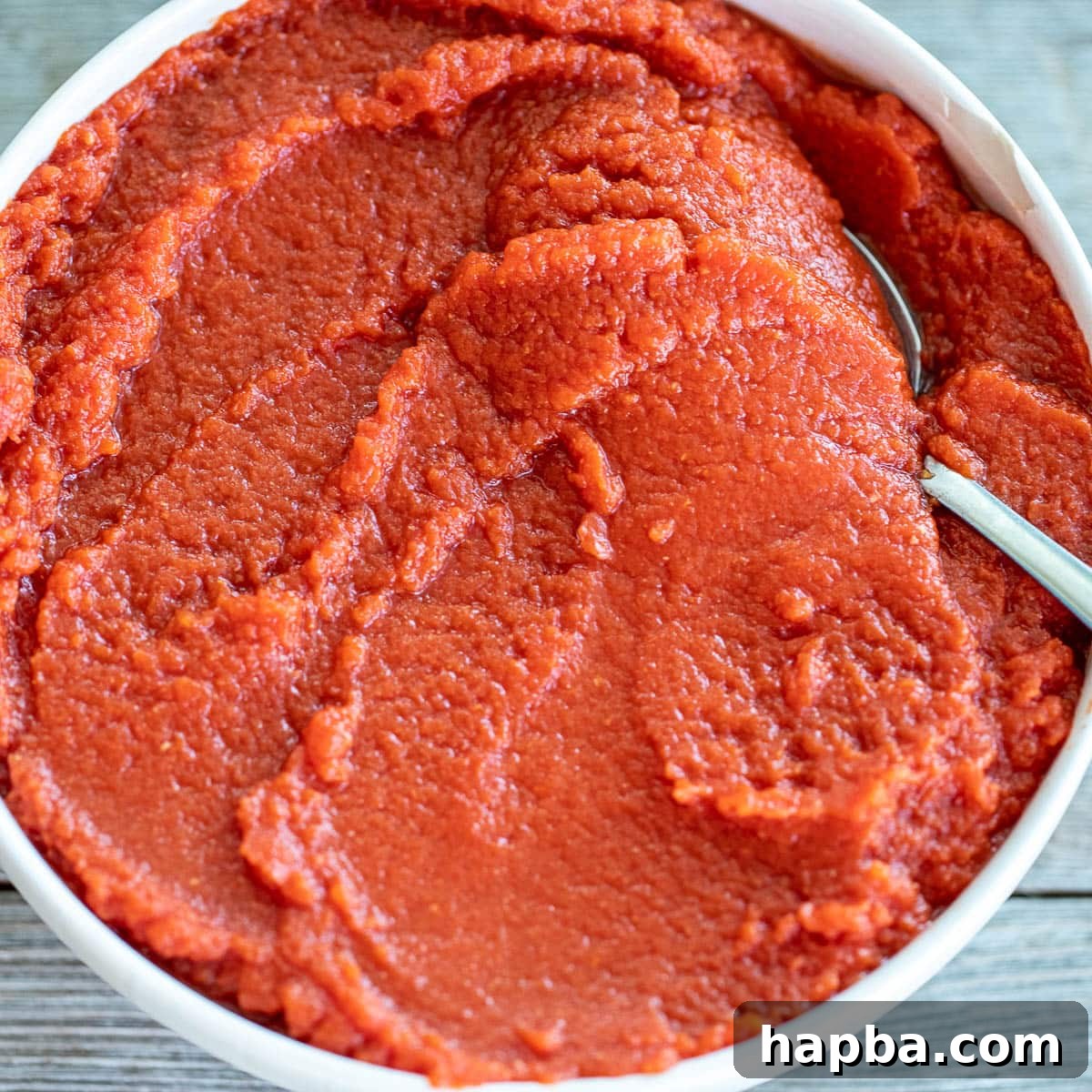
Unlock a world of unparalleled flavor with this **Homemade Tomato Paste**. Far superior in taste and quality to its store-bought counterparts, this recipe simplifies the process to an astonishing degree, requiring just one core ingredient: fresh, ripe tomatoes. Prepare to transform your culinary creations with the vibrant, concentrated essence of real tomatoes.
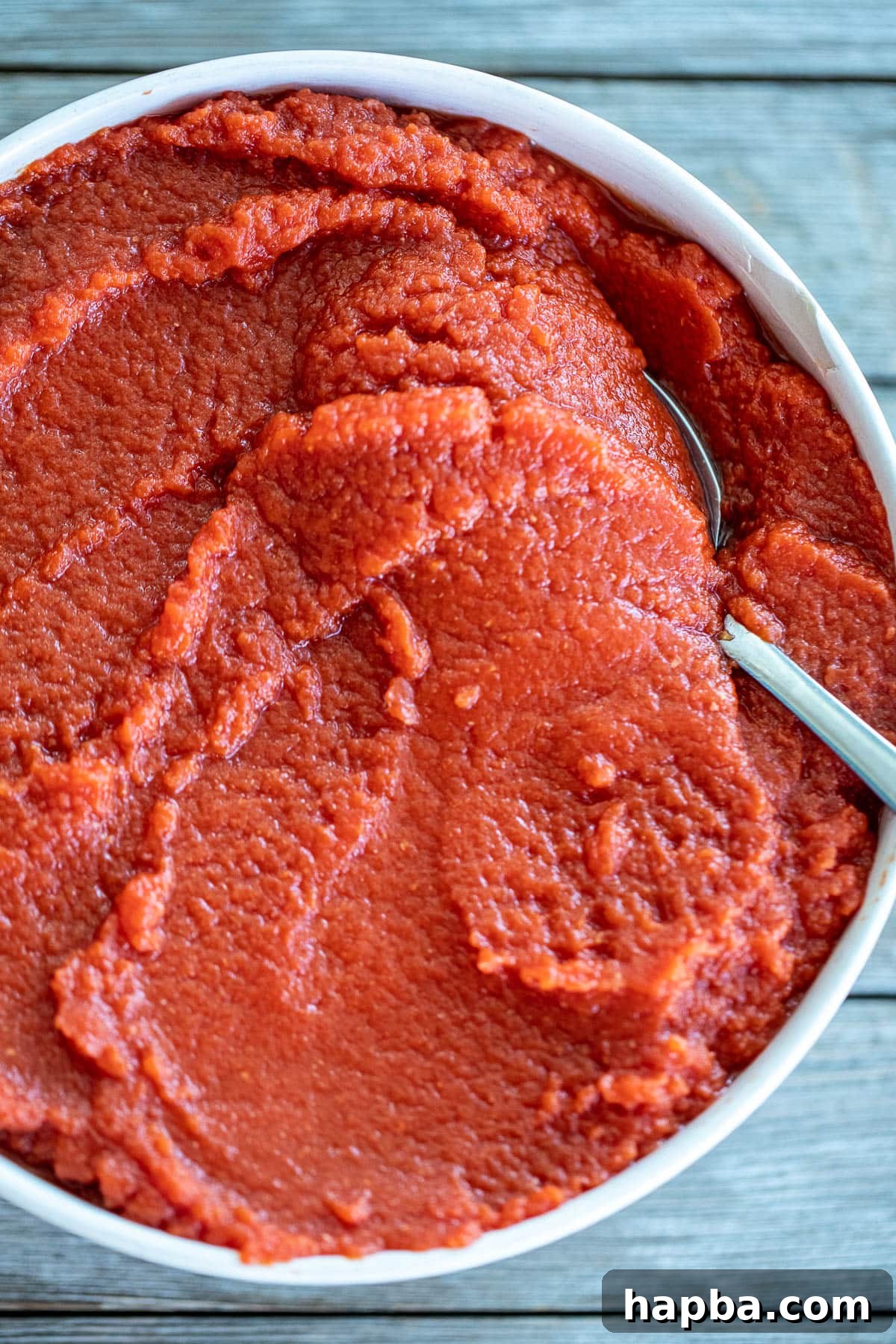
Every year, as summer reaches its peak, my garden blesses me with an abundance of ripe, juicy tomatoes. What started as humble attempts at gardening has blossomed into a prolific harvest, yielding more tomatoes than I could have ever imagined – a truly gratifying improvement from previous seasons! After dedicating pounds of my precious yield to beloved recipes like hearty stews, delectable pasta dishes, and nutritious vegetable sautés, I often find myself with a significant surplus. This delightful predicament led me to seek out the ultimate preservation method, and that’s when **homemade tomato paste** emerged as the perfect, flavorful solution.
This isn’t just a recipe for a small batch; it’s designed to yield a generous quantity, typically around two pounds of rich, intensely flavored tomato paste. This makes it an ideal choice for home cooks who appreciate having more than just the tiny cans found in grocery aisles. Beyond the practical quantity, the depth of real tomato flavor achieved through this homemade process is simply incomparable, elevating any dish it graces.
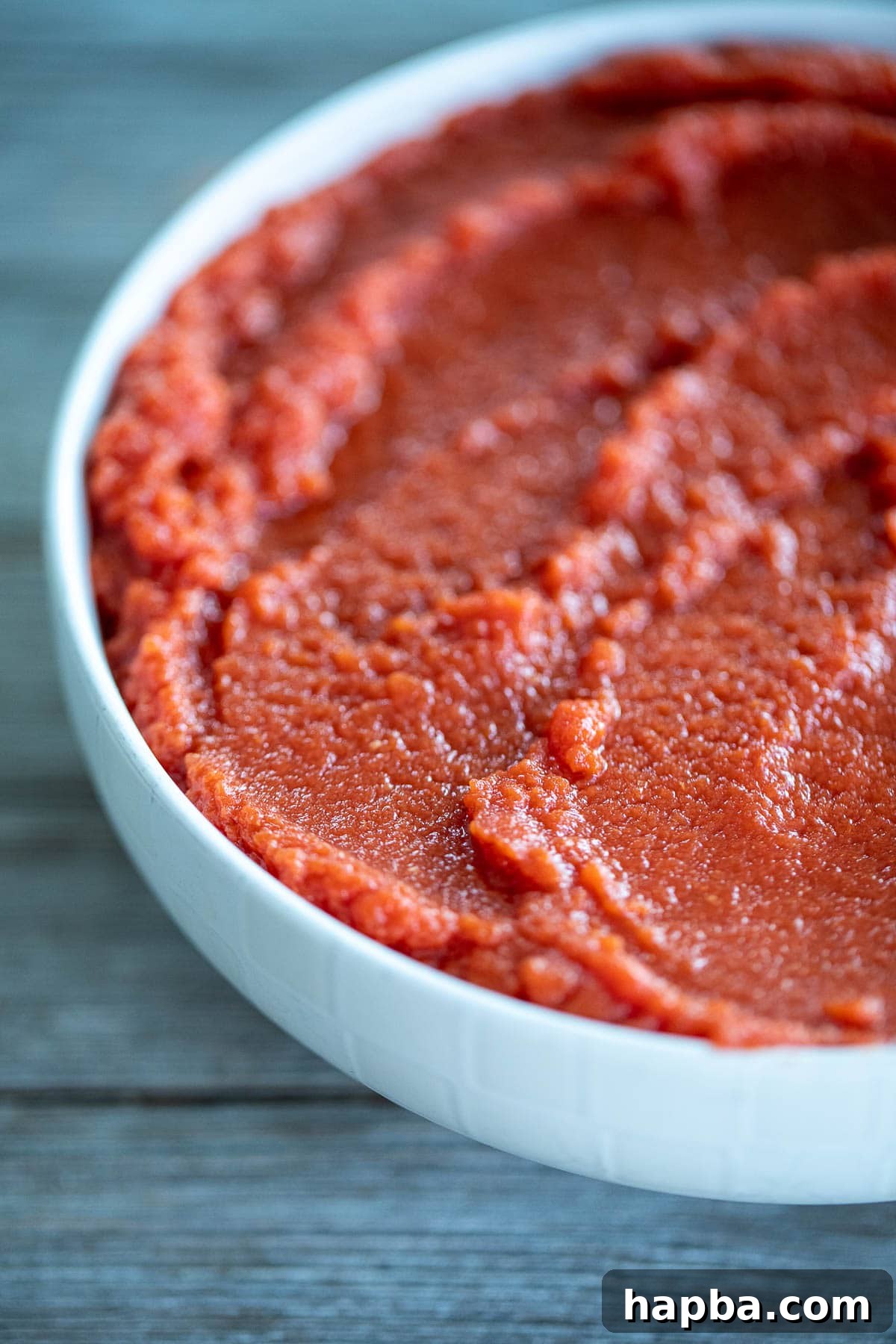
Whether you’re blessed with your own garden’s bounty, or you find a great deal on fresh, ripe tomatoes at your local farmers market or grocery store, you too can embark on this rewarding culinary journey. Embrace the vibrant essence of tomato season and transform these summer jewels into a versatile pantry staple. Tomatoes are, of course, the foundation for countless culinary delights, from robust pasta sauces to tangy homemade pizza sauces and comforting tomato soups. If these sound appealing, I highly recommend exploring my Roasted Tomato and Garlic Soup or Roasted Tomato Pizza Sauce recipes!
But for now, let’s focus on this incredible tomato paste. Its rich, concentrated flavor is truly exceptional and will become a game-changer in your kitchen. This thick, versatile paste can be incorporated into a myriad of dishes, enhancing their depth and complexity. Best of all, it’s incredibly simple to make and surprisingly easy to store, ensuring you have that fresh tomato goodness available year-round. So, gather your tomatoes, and let’s create some homemade magic!
Table of Contents
- The Single Star Ingredient for Perfect Tomato Paste
- Why Choose Homemade Tomato Paste Over Store-Bought?
- Effortless Steps to the Best Homemade Tomato Paste
- Watch the Magic Unfold: Homemade Tomato Paste Video
- Creative Flavor Variations for Your Tomato Paste
- Expert Tips for Tomato Paste Perfection
- Essential Equipment for Making Tomato Paste
- Preserving Your Homemade Tomato Paste: Storage Methods
- Frequently Asked Questions About Homemade Tomato Paste
- More Delicious Tomato Recipes to Explore
- Homemade Tomato Paste Recipe Card
The Single Star Ingredient for Perfect Tomato Paste
The beauty of this homemade tomato paste recipe lies in its simplicity: you only need one core ingredient – fresh, ripe tomatoes! While many varieties of tomatoes will work, for the absolute best results, aim for tomatoes with a high pulp-to-water ratio. Varieties like Roma tomatoes (also known as plum tomatoes) or San Marzano tomatoes are excellent choices due to their meaty texture and fewer seeds, which contribute to a thicker, more concentrated paste. Early Girl tomatoes are also a fantastic and readily available option.
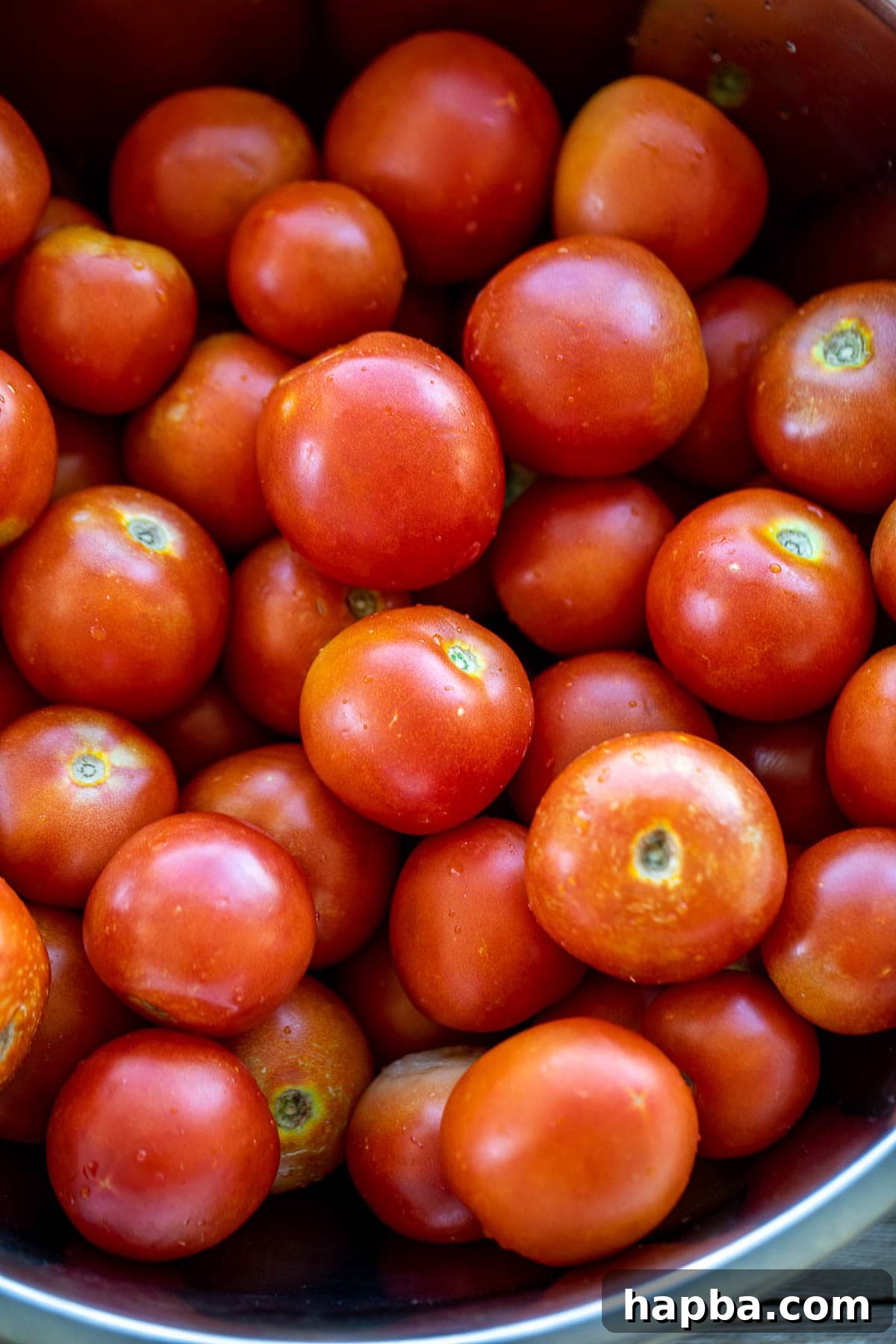
Some recipes for homemade tomato paste might suggest adding a touch of olive oil, citric acid (often from lemon juice), or salt (table or kosher). However, I prefer to keep my recipe incredibly pure and, most importantly, salt-free. The reason for this minimalist approach is simple: it allows for maximum versatility. By keeping the paste unsalted, you can later season the dishes you create with it precisely to your taste, without worrying about over-salting.
This allows you to customize the flavor profile of your final meal, whether you’re adding bay leaves, Italian herbs, or a kick of spice. Moreover, this one-ingredient paste boasts a naturally balanced acidity, as tomatoes inherently contain some acidity. Without added citric acid, you achieve a consistent, natural sweetness and tang that is often lost in more complex recipes or commercially produced pastes with various additives. This clean base is truly a canvas for endless culinary possibilities.
Why Choose Homemade Tomato Paste Over Store-Bought?
The decision to make your own tomato paste is a rewarding one, offering numerous advantages over relying on the small, often expensive, cans from the grocery store. Firstly, the flavor profile is simply incomparable. Homemade paste captures the intensely fresh, sweet, and slightly tangy essence of ripe tomatoes, concentrated to perfection. Store-bought versions, while convenient, often contain added sugars, salt, and preservatives that can mute the natural tomato taste and introduce undesirable ingredients.
Secondly, crafting your own paste gives you complete control over the ingredients. You know exactly what goes into it – just tomatoes. This is particularly beneficial for those managing dietary restrictions, reducing sodium intake, or simply seeking a healthier, additive-free option. It’s also incredibly satisfying to use your garden’s bounty or a fantastic farmers’ market find, transforming them into a long-lasting pantry staple. During peak tomato season, when fresh tomatoes are abundant and affordable, making your own paste becomes a remarkably cost-effective way to preserve their goodness, allowing you to enjoy summer flavors all year long. This culinary project truly embodies the spirit of farm-to-table, even if your “farm” is just a small patio garden!
Effortless Steps to the Best Homemade Tomato Paste
Crafting homemade tomato paste is a surprisingly straightforward process, achievable in just four simple steps. While the cooking time may seem substantial, much of it is hands-off, allowing you to focus on other tasks. The active preparation time is typically only about half an hour, making this an accessible project for any home cook.
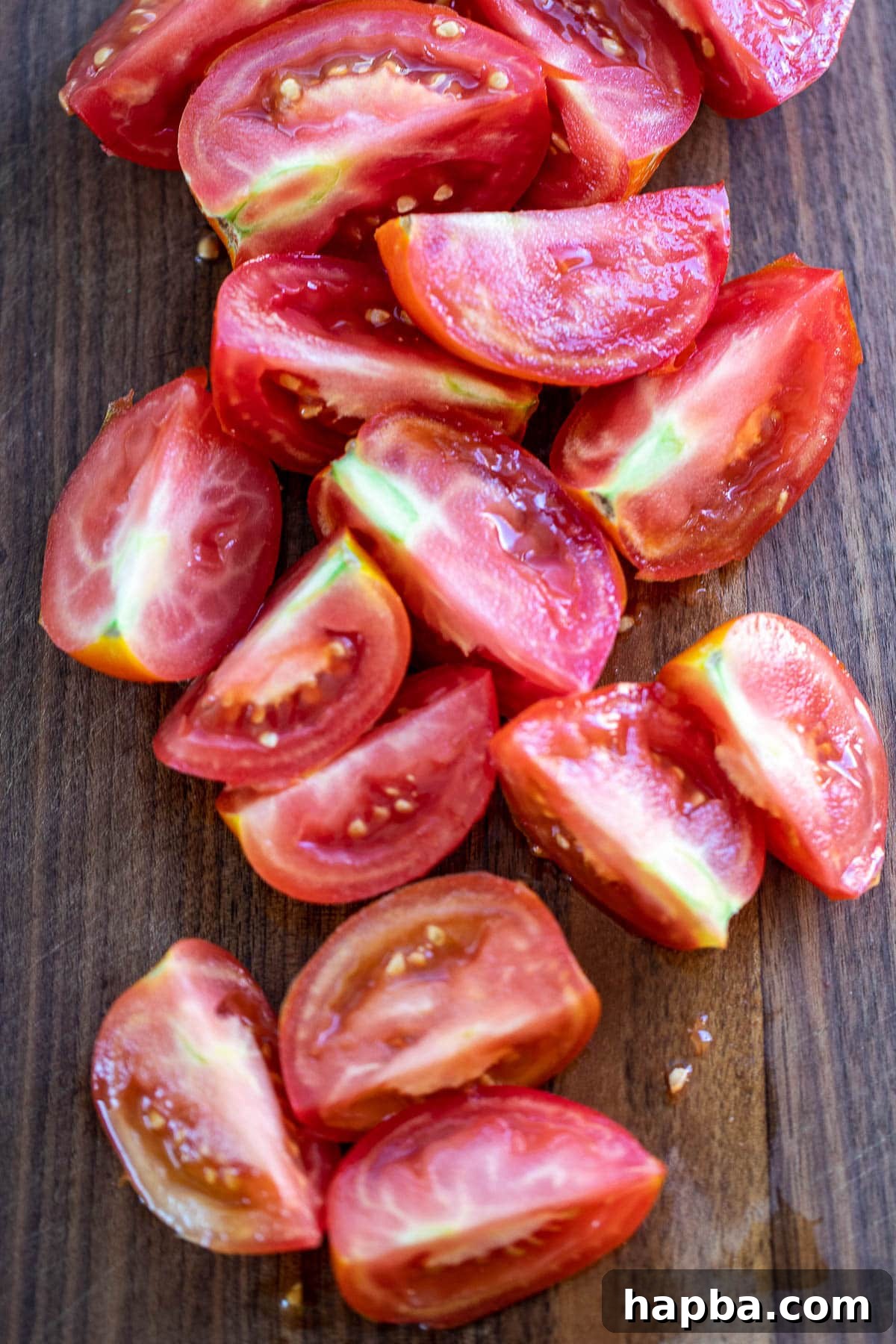
1. **Prepare the Tomatoes.** Begin by thoroughly rinsing your room-temperature tomatoes under cold water. There’s no need to meticulously peel them or remove the cores at this stage. Simply cut each tomato into quarters. The skins will soften during cooking and most will be strained out later, or blend seamlessly into a rustic paste.
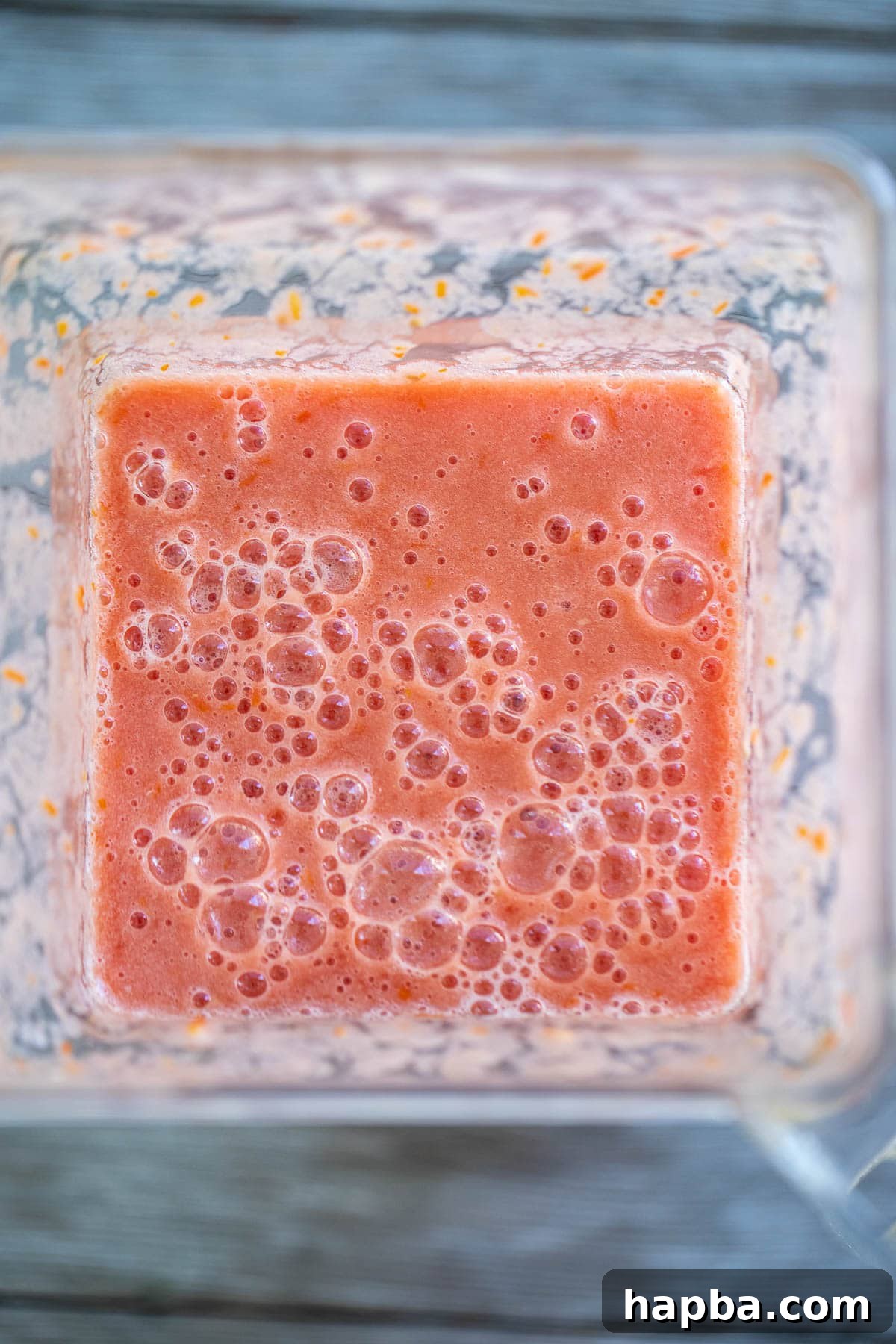
2. **Create a Smooth Purée.** Transfer the quartered tomatoes to a blender. Depending on the size of your blender and the volume of tomatoes, you may need to work in several batches. Blend until you achieve a smooth, consistent tomato purée. The goal here is to break down the tomato flesh as much as possible.
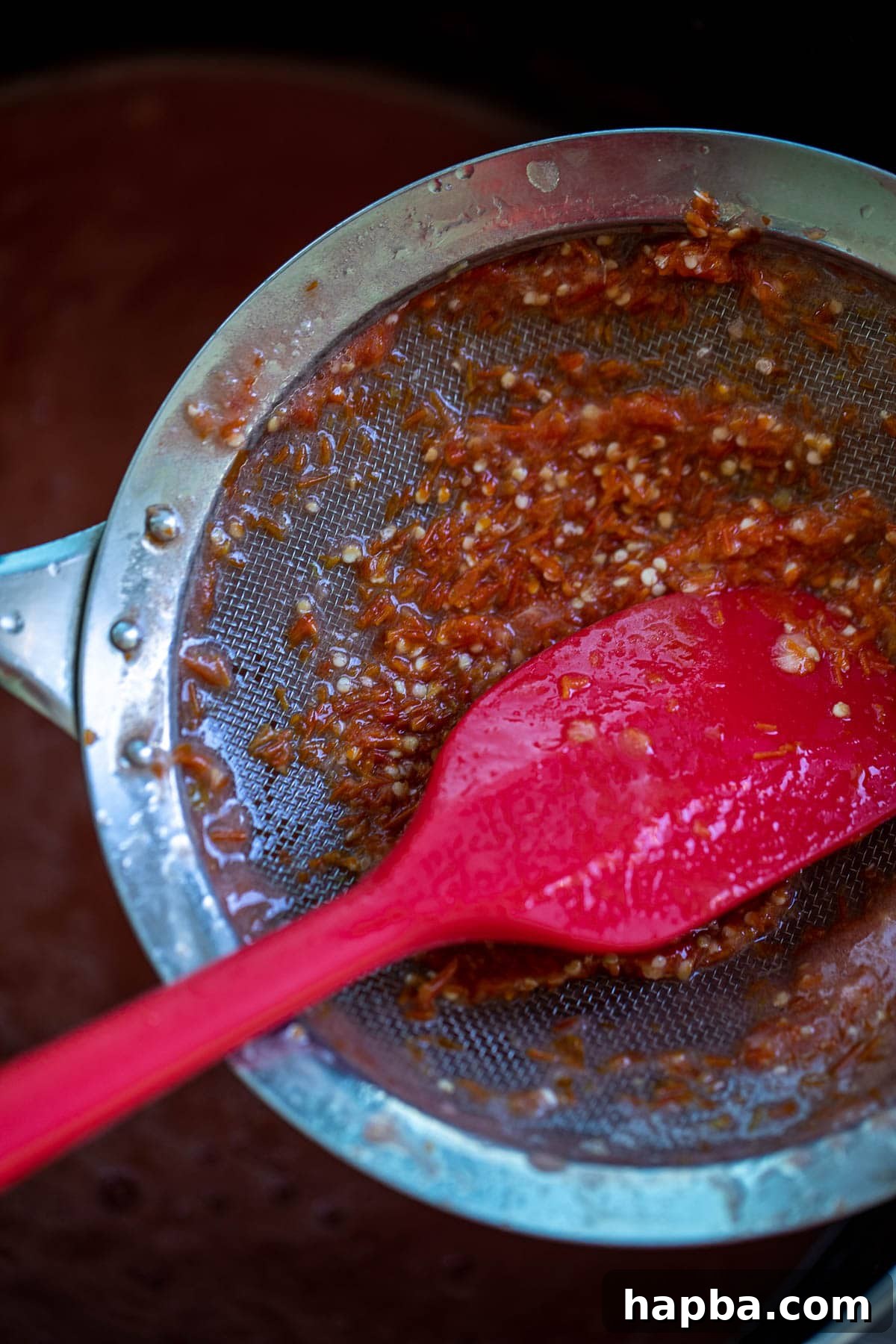
3. **Strain for Silkiness (Optional but Recommended).** Once blended, pass the tomato purée through a fine-mesh sieve. This crucial step separates the unwanted seeds and any remaining tough skin pieces from the smooth tomato pulp. While some people claim that tomato seeds can impart a bitter flavor, my experience shows no noticeable difference. However, straining ensures a wonderfully smooth, velvety paste, similar in texture to commercial products. It’s a matter of personal preference; if you prefer a more rustic texture, you can skip this step or use a coarser sieve to retain some of the pulp.
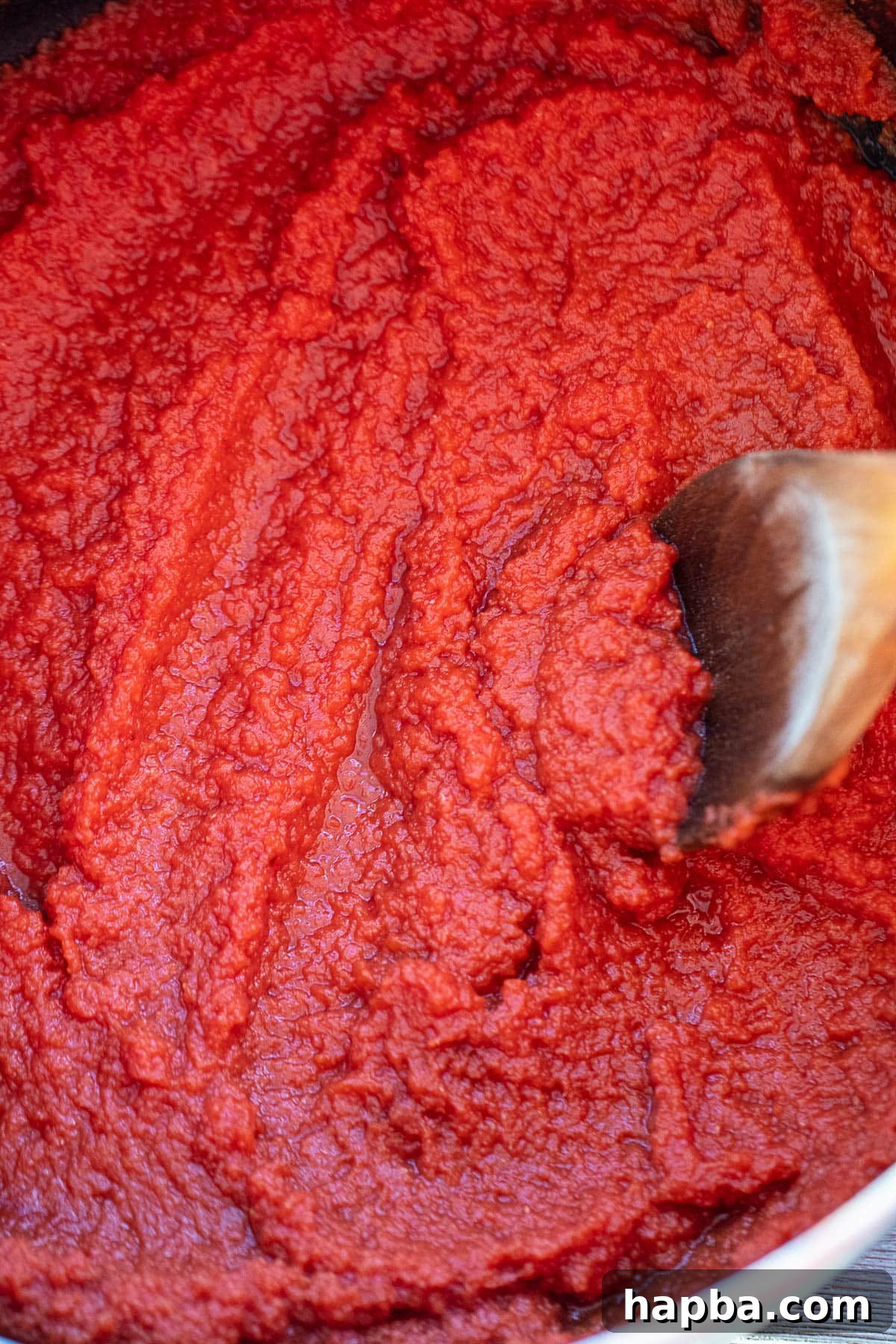
4. **Slow Cook to Perfection.** Pour the strained tomato purée into a large, heavy-bottomed pot. The heavy bottom helps distribute heat evenly and prevents scorching. Begin cooking the purée over medium-high heat, allowing it to come to a gentle simmer. As the liquid starts to evaporate and the purée begins to reduce, you’ll notice it thickening. At this point, lower the heat to medium, and eventually to low, to prevent the paste from sticking and burning. This slow reduction process is key to concentrating the tomato flavor and achieving the desired thick, rich consistency. Resist the urge to stir constantly; a gentle stir every 15-20 minutes is sufficient in the initial stages. As it thickens significantly, you’ll need to stir more frequently, perhaps every 5-10 minutes, to ensure even cooking and prevent sticking at the bottom. The entire cooking process can take anywhere from 2 to 3 hours, depending on the water content of your tomatoes and the heat intensity. You’ll know it’s ready when the paste has dramatically reduced in volume, is very thick, and when you drag a spoon across the bottom of the pot, it leaves a clear path for a few seconds before the paste slowly fills it in. The color will also deepen to a rich, dark red.
Watch the Magic Unfold: Homemade Tomato Paste Video
Creative Flavor Variations for Your Tomato Paste
While the pure, one-ingredient tomato paste is exquisite on its own, don’t hesitate to experiment with these exciting flavor variations to customize your homemade creation. Each addition can transform your paste into a unique culinary asset:
- **Roasted Tomato Paste:** For an unparalleled depth of flavor and a smoky, sweet undertone, try roasting your tomatoes first. Halve or quarter the tomatoes, toss them with a drizzle of olive oil, and spread them on a baking sheet. Roast in a hot oven (around 400°F / 200°C) until they are tender and slightly charred, about 25-35 minutes. After roasting, proceed with blending and reducing them into paste. This method intensifies the natural sugars and creates a more complex, umami-rich paste that is perfect for hearty sauces and stews.
- **Spicy Tomato Paste:** If you love a touch of heat, incorporate a scotch bonnet or habanero pepper (or a milder chili like jalapeño, depending on your preference) while blending the tomatoes. Make sure to remove the seeds and membranes of the pepper for less intense heat, or leave some in for a fiery kick. This spicy paste is fantastic in Mexican, Caribbean, or West African-inspired dishes, adding a vibrant zing to your meals.
- **Herby/Garlicky Tomato Paste:** Infuse your paste with aromatic herbs and fresh garlic for an instant flavor boost. Blend the tomatoes with a few cloves of fresh garlic, and a handful of fresh basil and thyme. Rosemary or oregano can also be wonderful additions. This herb-infused paste is a dream for Italian-inspired cooking, elevating pasta sauces, bruschetta, and pizza bases with its fragrant notes.
Feel free to get creative! You can literally add any flavors of your choice to personalize your homemade tomato paste, making it truly unique to your palate and cooking style.
Expert Tips for Tomato Paste Perfection
- **Always Opt for Fresh Tomatoes:** For the most superior flavor and texture, I strongly recommend using fresh, ripe tomatoes. Canned tomatoes, while convenient for other recipes, simply won’t yield the same vibrant, concentrated taste and smooth consistency that fresh ones do. The essence of this recipe lies in harnessing the natural goodness of peak-season produce.
- **Slow Cooker Alternative:** If you prefer a more hands-off approach to the reduction process, your slow cooker can be an excellent tool. After preparing and blending your tomatoes, transfer the purée to the slow cooker. Allow it to simmer on a low setting, uncovered, for several hours (often 6-10 hours, depending on your slow cooker and the initial water content) until it reduces and thickens to a paste-like consistency. You won’t need to stir it as often, making it a convenient option for busy days.
- **Transform into Homemade Ketchup:** Your finished homemade tomato paste is a fantastic base for crafting your own ketchup! This allows you to skip all the added sugars, high-fructose corn syrup, and preservatives found in most store-bought varieties. Simply combine your tomato paste with white vinegar, a small amount of sugar (or other sweetener), and your preferred seasonings (like onion powder, garlic powder, paprika, and a pinch of allspice or clove) to create a healthier, customizable condiment.
- **Adjust Heat as Water Evaporates:** A crucial tip for successful tomato paste is to gradually lower the heat as the purée reduces and thickens. When there’s a lot of liquid, you can start with medium-high heat. However, as more water evaporates and the paste concentrates, it becomes prone to sticking and burning on the bottom of the pot. Adjusting the heat down to medium, then low, ensures a gentle simmer that prevents scorching and an unpleasant burnt flavor. Stir more frequently as it thickens.
Essential Equipment for Making Tomato Paste
You don’t need a kitchen full of specialized gadgets to make excellent homemade tomato paste. The most basic setup typically involves just a few key tools:
- **Blender or Food Processor:** This is essential for transforming your quartered tomatoes into a smooth purée. A standard kitchen blender or a robust food processor will both get the job done efficiently.
- **Fine Mesh Sieve:** Crucial for straining the purée to remove seeds and any fibrous skin particles, resulting in a super smooth paste. A chinois sieve can also be used for a similar effect.
- **Large, Heavy-Bottomed Pot:** A spacious pot with a thick base is vital for the slow reduction process. The heavy bottom helps distribute heat evenly, minimizing the risk of the paste sticking and burning, especially during the long cooking time.
While some dedicated cooks might use a food mill to process their tomatoes, a blender and strainer combination works perfectly well and is often more accessible. I do not recommend using an immersion blender for this recipe, as it typically struggles to achieve the fine purée needed for the best paste texture.
Preserving Your Homemade Tomato Paste: Storage Methods
One of the greatest benefits of making your own tomato paste is the ability to preserve it for future use, significantly extending its shelf life. Having a supply of homemade paste on hand means you can infuse dishes with rich tomato flavor whenever inspiration strikes. Here are a few reliable methods:
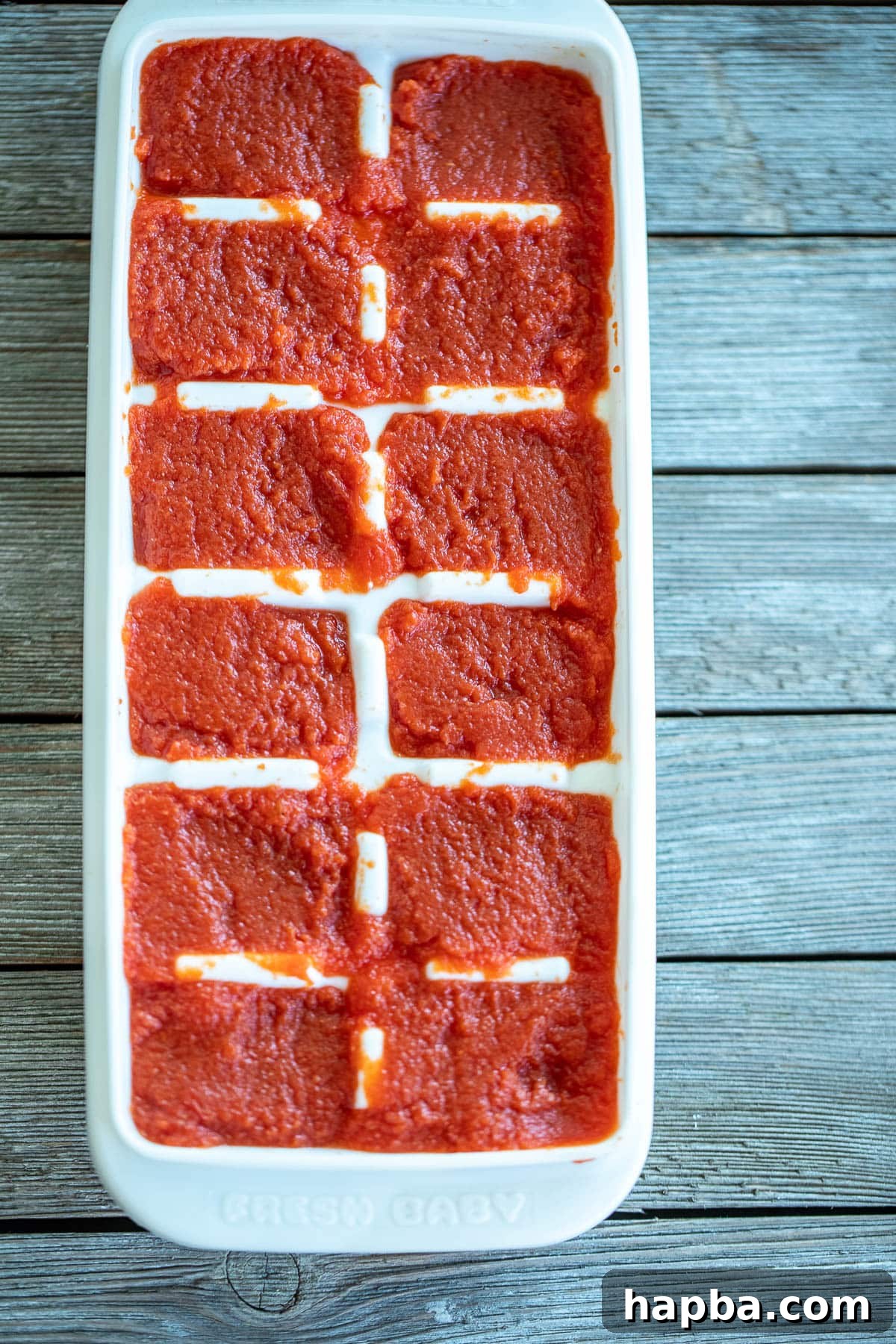
1. **Ice Cube Method (Freezing):** This is arguably the most convenient method for portion control. Once your homemade tomato paste has cooled completely, spoon it into ice cube trays. Freeze overnight until solid. Once frozen, pop the individual tomato paste cubes out of the trays and transfer them to freezer-safe plastic bags or airtight containers. They can be stored in the freezer for 2-3 months. When a recipe calls for tomato paste, simply grab a few frozen cubes and add them directly to your pot; they will melt and integrate quickly.
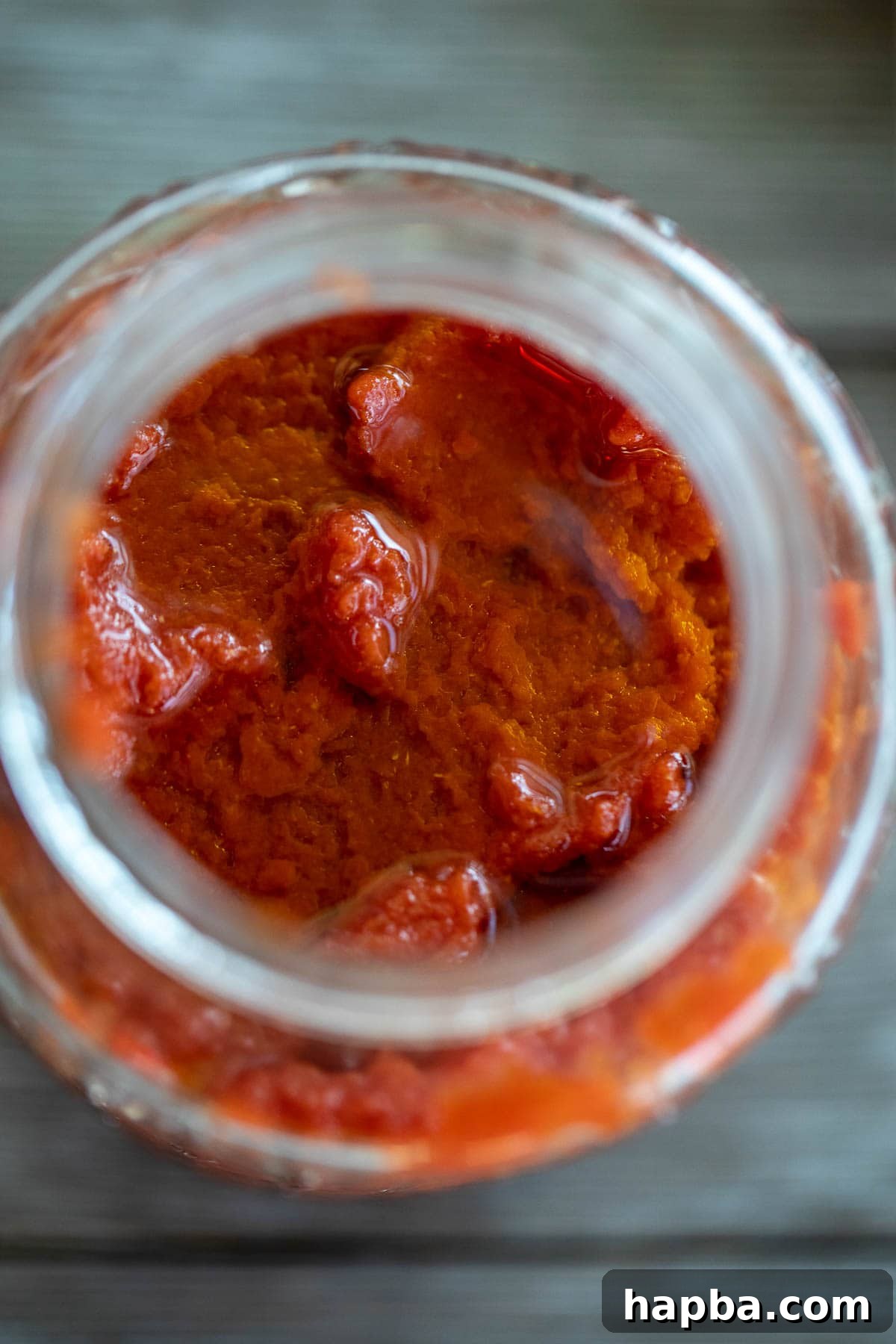
2. **Olive Oil Method (Refrigeration):** For shorter-term storage in the refrigerator, mason jars are excellent. Fill clean mason jars about three-quarters full with your cooled homemade tomato paste. Then, carefully pour a layer of olive oil over the top, ensuring it completely covers the paste. The oil acts as a barrier, preventing air from reaching the paste and inhibiting spoilage. Screw on the lids tightly and store in the fridge for up to a week. When ready to use, simply spoon out the paste from underneath the oil layer.
3. **Canning Method:** For long-term, shelf-stable storage, canning your homemade paste is an excellent option. This method requires a bit more equipment and attention to detail but provides jars of paste that can last for a year or more in your pantry. It’s crucial to follow tested and safe canning guidelines, especially regarding acidification for tomato products, to prevent botulism. For best results and safety, I highly recommend consulting reliable resources and following this detailed guide on canning tomato paste at home.
As a useful guideline, approximately 10 pounds of fresh tomatoes will reduce down to yield about 2 pounds of rich, concentrated homemade tomato paste.
Frequently Asked Questions About Homemade Tomato Paste
Here are some common questions about making and using homemade tomato paste:
How Do You Preserve Homemade Tomato Paste?
As detailed above, the most effective methods for preserving homemade tomato paste are freezing (using ice cube trays for convenient portions) or canning. Both significantly extend its shelf life, allowing you to enjoy your paste for several months or even up to a year. If you don’t anticipate using your entire batch within a week, preservation is highly recommended.
What Are The Ingredients In Tomato Paste?
The ingredients in tomato paste can vary significantly. My preferred recipe focuses on just one pure ingredient: fresh tomatoes. However, other homemade recipes might incorporate additional components such as a little olive oil, lemon juice (for citric acid), or various seasonings like salt, garlic, or herbs. Commercial, store-bought tomato pastes often contain preservatives, added sugars, and specific salts, which is one of the key reasons to make your own for a healthier, more natural alternative.
Can You Freeze Uncooked Tomato Paste?
When we refer to “uncooked tomato paste,” we are essentially talking about tomato purée. While you can certainly freeze raw tomato purée, it is not recommended if your intention is to later transform it into tomato paste. For the best homemade tomato paste, the purée needs to be cooked down to evaporate excess water and concentrate the flavors and texture *before* freezing. Freezing the finished paste ensures that it maintains its rich, thick consistency and intense flavor. If you wish to freeze purée for other culinary uses (like making a quick sauce later), you can do so, but understand it will still require significant cooking to become a true paste.
What is the shelf life of homemade tomato paste?
The shelf life of your homemade tomato paste depends entirely on the storage method. When stored in the refrigerator with an olive oil seal, it typically lasts up to one week. If frozen in ice cube trays or airtight containers, it can maintain its quality for 2-3 months. Properly canned tomato paste, following tested guidelines, can be stored in a cool, dark pantry for up to a year or even longer.
How can I use homemade tomato paste?
Homemade tomato paste is incredibly versatile! Use it to deepen the flavor of stews, chilis, pasta sauces, and braises. A spoonful can enrich soups, create a robust base for pizza sauce, or add body to homemade ketchup. It’s also fantastic whisked into salad dressings or marinades for an extra layer of umami.
More Delicious Tomato Recipes To Try
Discover more delightful tomato-centric dishes.
Tomato Fish Stew – Cameroonian Fish Stew (VIDEO)
Cucumber Tomato and Onion Salad
Roasted Tomato and Garlic Soup
Roasted Tomato Pizza Sauce
Thank you for exploring this recipe! Your feedback helps others discover delicious meals. Please consider sharing your experience.
Homemade Tomato Paste Recipe Card
Homemade Tomato Paste
In just 4 simple steps, you can create the most flavorful tomato paste right in your own kitchen! The taste is vastly superior to any canned version. Use this rich, concentrated paste to enhance stews, sauces, soups, and countless other meals with an authentic, deep tomato flavor!
Cook: 2 hrs
Total: 2 hrs 30 mins
Yields: 6 servings
Ingredients
- 10 pounds tomatoes
Instructions
-
**Cut Tomatoes.** Rinse tomatoes thoroughly then cut them into quarters.
-
**Blend Tomatoes.** Place the tomatoes in a blender and blend them into a puree. You’ll likely need to do this in several batches.
-
**Sieve.** Pass the blended tomatoes through a fine mesh sieve to remove seeds and some of the skin. This step is optional but recommended for a smoother paste.
-
**Cook Down To a Paste.** Place the sieved tomato puree into a large, heavy-bottomed pot and let it cook down until it reduces significantly and resembles thick tomato paste. When it starts to thicken, turn the heat down to medium, then low, to prevent burning. Stir occasionally, increasing frequency as it thickens. This entire process takes approximately 2-3 hours, depending on the water content of your tomatoes and the heat setting.
-
**Store.** Store tomato paste by freezing in ice cube trays, refrigerating in mason jars with an olive oil layer, or canning for long-term preservation. Refer to the storage notes below for detailed methods.
Notes
2. Follow one of the following methods for storing homemade tomato paste:
**Ice Cube Method:** Spoon cooled homemade tomato paste into an ice cube tray and freeze overnight until solid. Once frozen, remove the cubes and transfer them to freezer-safe bags or airtight containers. Store in the freezer for 2-3 months. Add frozen portions directly to recipes as needed.
**Olive Oil Method:** Fill clean mason jars three-quarters full with homemade tomato paste. Pour a layer of olive oil over the top to completely cover the paste. Screw on the lid and store in the fridge for up to one week.
**Canning Method:** For extended shelf life, homemade tomato paste can be safely canned. To learn proper canning techniques and safety guidelines for tomato paste, follow this comprehensive guide.
3. This recipe uses approximately 10 pounds of fresh tomatoes, which will cook down to yield about 2 pounds of finished tomato paste.
Nutrition
Carbohydrates: 29g
Protein: 7g
Fat: 2g
Saturated Fat: 0.2g
Polyunsaturated Fat: 1g
Monounsaturated Fat: 0.2g
Sodium: 38mg
Potassium: 1792mg
Fiber: 9g
Sugar: 20g
Vitamin A: 6297IU
Vitamin C: 104mg
Calcium: 76mg
Iron: 2mg
Additional Info
Cuisine: Western
Calories: 136