
Discerning the Voice of God: Navigating “God Said” Messages in a Modern World
The journey of faith is deeply personal, marked by moments of profound connection and sincere seeking. As believers, we cherish the idea of a living God who communicates with His children, guiding them through life’s intricate paths. However, this beautiful truth can sometimes be distorted, leading to confusion, manipulation, and even spiritual harm. This article delves into the complexities of “hearing from God,” offering insights into discerning authentic divine communication from human error, personal agenda, or outright deception.
The Unsettling Experience: When “God Said” Becomes a Weapon
I recall a pivotal morning in my university hostel, a time dedicated to intimate prayer, drawing closer to the heart of Jesus. It was a sacred, sweet moment of conversation with God, when suddenly, my roommate – a sister in the Lord – burst into the room with an urgent call for my attention. Her demeanor conveyed a clear message: drop everything, God has a word for you. Despite seeing me deep in prayer, she insisted, “God says I should tell you something.” As I opened my eyes, a sense of anticipation mixed with slight annoyance filled the air. Her pronouncement landed like a cold stone: “God says you are deviating from the truth!”
The irony of her message was profound, almost jarring. In that very moment, I felt profoundly connected to divine truth, experiencing a deep spiritual affirmation. Yet, according to her, “God” had revealed my supposed spiritual misalignment. Initially, I wrestled with her words, trying to comprehend their origin. Was it a genuine divine message, or something else? I considered the possibility of unspoken grudges or her personal biases leading her to perceive me as spiritually unworthy, prompting her to deliver such a distressing message. It felt like an attack, not a divine correction.
Ultimately, I came to see her statement as a subtle, yet potent, attempt to undermine my faith and peace, perhaps even inspired by darker forces seeking to sow doubt during a spiritually vibrant period in my life. This unsettling encounter led me to set a clear boundary. I respectfully informed my roommate that I would no longer entertain messages she claimed “God told her” to deliver to me. This decisive action effectively halted a potentially long and damaging chain of “what God said” pronouncements, safeguarding my personal spiritual space and sanity.
The Pervasive Problem of Misguided “Divine Messages”
My university experience was not an isolated incident. Throughout my Christian walk, I have encountered numerous instances where individuals delivered messages supposedly direct from heaven, only for these pronouncements to be profoundly disturbing, confusing, or even destructive. This phenomenon raises critical questions about spiritual discernment, the nature of God’s communication, and the responsibility of believers.
As a young Christian, I was taught the foundational truth that God speaks to us, addressing our innermost beings. I eagerly learned various ways to discern the voice of God, embracing spiritual disciplines that promised clearer divine communication. A paramount lesson, ingrained deeply within me, was that any message truly from God must always align perfectly with His written Word, the Bible. Furthermore, an immutable characteristic of God is His absolute truthfulness; God never lies. These two principles form the bedrock of authentic spiritual discernment.
However, the reality in many Christian circles often deviates from these core truths. Far too many times, believers have approached fellow believers with messages purportedly sent by God, only for these “prophetic” words to unravel lives, sow discord, and lead individuals down paths contrary to biblical teachings. The consequences of such misguided spiritual interventions can be devastating, leaving a trail of broken relationships, financial ruin, and shattered faith.
Examples of Destructive “God Said” Scenarios
Consider the profound damage caused by these common, yet deeply troubling, scenarios:
- Destroying Marriages: How do we reconcile a “prophetic” message telling a man that his current wife is not his “right” spouse, leading him to divorce his “spiritually unfit” partner and pursue another in the church? This directly contradicts the God who explicitly declares, “I hate divorce” (Malachi 2:16) and consistently urges husbands to love their wives unconditionally, just as Christ loved the church and gave Himself for her (Ephesians 5:25). Such messages tear at the very fabric of God-ordained institutions and cause immeasurable pain.
- Exploitative Financial Demands: What about the instances where “God” supposedly asks a sister to pay a colossal sum of money as a “seed offering” for her healing? This starkly contrasts with Jesus, who walked the earth healing people freely, without demanding a single coin (Matthew 10:8). True giving in Christianity is born of a cheerful heart, not coercion or a contractual exchange for divine favor (2 Corinthians 9:7).
- False Prophecies and God’s Infallibility: How can we explain a “revelation” that the baby in a woman’s womb is a boy, only for her to give birth to a girl? Is God now confused? Does He contradict Himself? The Bible clearly states that God is not a man, that He should lie, nor a son of man, that He should change His mind (Numbers 23:19). Such erroneous predictions undermine God’s omniscient character and erode trust in spiritual leadership.
- Burdensome “Sacrificial Offerings”: What if “God” demands a “sacrificial offering” so enormous that it places an unbearable financial burden on an individual, far beyond their means? While sacrificial giving is a biblical concept, God’s heart is for generous and willing hearts, not for His children to be crushed under impossible financial expectations. God never asks us to act recklessly or to give beyond our genuine capacity in a way that would bring harm rather than blessing.
These examples highlight the insidious problem with misusing the phrase “God said.” Fanatics and manipulative individuals often hide behind this powerful declaration to propagate their own desires, prejudices, or even self-serving agendas, attributing them directly to the Creator of the universe. If a message, purportedly from God, is not in perfect harmony with the principles, character, and teachings revealed in Holy Scripture, it is unequivocally not from God!
“God Said” as a Tool for Control and Manipulation
Beyond doctrinal error, “God said” has become one of the most potent forms of control employed by manipulative individuals within spiritual communities. They approach others with an authoritative, unwavering declaration: “God says you must do this…” or “God forbids you from doing that…” The unspoken expectation is instant obedience, a bowing down to what is presented as an unassailable divine decree.
This tactic is fundamentally wrong and spiritually abusive. It leverages spiritual authority to exert undue influence, undermining the individual’s direct access to God and their personal walk of faith. I, for one, refuse to be manipulated by anyone claiming a closer, more privileged access to the heartbeat of God than I possess. Every believer is called to a personal, unmediated relationship with their Creator.
Direct Access to God: The Priesthood of All Bel Believers
The very foundation of New Testament Christianity dismantles the need for intermediaries to deliver direct divine quotes. When Jesus died on the cross, the veil of the temple – the thick curtain separating the Holy of Holies, God’s dwelling place, from the outer sanctuary – was torn supernaturally from top to bottom. Before this monumental event, only the high priest could enter the inner sanctuary, and only once a year. But with Christ’s sacrifice, that barrier was removed, signifying that all believers now have direct, unhindered access to God.
We are no longer dependent on any man or woman, priest or prophet, to bring us direct quotes from God. We can cultivate an intimate relationship with God, drawing as close to Him as we desire. The old system, where people relied on priests to mediate their relationship with the divine, has been superseded. As Scripture profoundly declares, every child of God is now a king and a priest!
“But you are not like that, for you are a chosen people. You are royal priests, a holy nation, God’s very own possession. As a result, you can show others the goodness of God, for he called you out of the darkness into his wonderful light.”
— 1 Peter 2:9 (NLT)
This powerful truth empowers every believer to seek God for themselves, to study His Word, and to listen for His voice directly, without requiring another person’s interpretation or “divine message” as a prerequisite for spiritual understanding or action. Our Christian faith is not built upon a constant stream of new, individualized prophecies, but upon the solid foundation of God’s revealed truth in the Bible and our personal, Spirit-led relationship with Him.
The True Basis of Christianity: Love and the Sufficiency of Scripture
While personal revelation and divine guidance are aspects of the Christian journey, they are not the primary basis of our faith. Christianity, at its very core, is about love: love for God and love for our neighbor. The Bible, God’s inspired Word, contains all we need to know for salvation, spiritual growth, and righteous living. It is complete, authoritative, and sufficient.
Therefore, an individual who constantly interjects with “God said you should…” or “God said you should not…” should not become the central authority of your faith. Such a dependence can overshadow the foundational principles of Christ-centered living, which are rooted in love, grace, and adherence to biblical truth. Our focus should always be on understanding and applying the timeless wisdom of Scripture, rather than chasing after every new “word from God” delivered by others.
God Does Speak, But with Discernment
Let me be clear: Yes, God absolutely speaks to His children. Yes, the Holy Spirit truly directs and guides us into all truth. I can personally attest to numerous stories of how God has spoken to me and directly guided my life, often through a still, small voice, a deep conviction, or through specific scriptures that illuminate a path. God also leads people to minister to others, offering wisdom, encouragement, and even correction when genuinely prompted by the Holy Spirit. However, it is paramount that we do not abuse this sacred privilege.
We must resist the temptation to quickly translate our personal desires, fleeting emotions, or even well-meaning advice into a definitive “word from heaven.” Such haste can lead to self-deception and inflict harm on others. Authentic spiritual guidance from God will always align with His character, His Word, and His redemptive purposes. It will bring peace, not confusion; clarity, not chaos. It will uplift and build up, not tear down or control.
Learning to discern God’s voice requires spiritual maturity, humility, and a deep commitment to His Word. It involves testing every spirit (1 John 4:1) and prayerfully weighing all supposed “messages” against the unchanging truth of Scripture. When God speaks, His voice resonates with truth, love, and consistency.
Cultivating Intimacy with God: Your Personal Pathway to Divine Guidance
Ultimately, being intimate with God is the most powerful and reliable pathway to hearing His voice and understanding His will for your life. This intimacy is not achieved through another person’s pronouncements, but through consistent, personal engagement with the Divine. It’s a journey of intentional spiritual growth.
Here’s how you can cultivate this vital intimacy:
- Study Your Bible Diligently: Make it a daily practice to immerse yourself in God’s Word. Don’t just read it; study it, meditate on it, and ask the Holy Spirit to reveal its truths to you. The more you know the Bible, the better equipped you will be to recognize God’s voice and filter out anything that contradicts His character and teachings.
- Prioritize Daily Prayer: Prayer is a two-way conversation. Spend time every day talking to God as you would a trusted friend. Share everything on your heart – your joys, your struggles, your fears, and your desires. Thank Him, praise Him, and pour out your soul. But also, take time to listen. Create space for quiet reflection, allowing the Holy Spirit to impress thoughts, insights, or peace upon your heart. Prayer is not complicated; it is simply communicating with your heavenly Father.
- Seek Godly Counsel (Wisely): While we don’t rely on “prophetic messages” from others, seeking wisdom from mature, biblically sound believers can be incredibly beneficial. Choose mentors who model Christ-like character and consistently point you back to Scripture.
- Practice Obedience: As you understand God’s will through His Word and prayer, commit to obeying Him. Obedience is a key that unlocks deeper spiritual understanding and a clearer sense of His leading.
When you prioritize this direct, personal relationship with God, His voice becomes clearer, His leading more evident, and your discernment sharper. You will be less susceptible to manipulation and more anchored in the unwavering truth of God’s Word.
Resources to help you know God more:
- Proverbs 31 Ministries
- Pastor Rick Devotional
Let’s talk. What are your thoughts about hearing from God? Do you hear from God, and if so, how do you discern His voice? What has been your experience with receiving or delivering “God said” messages?
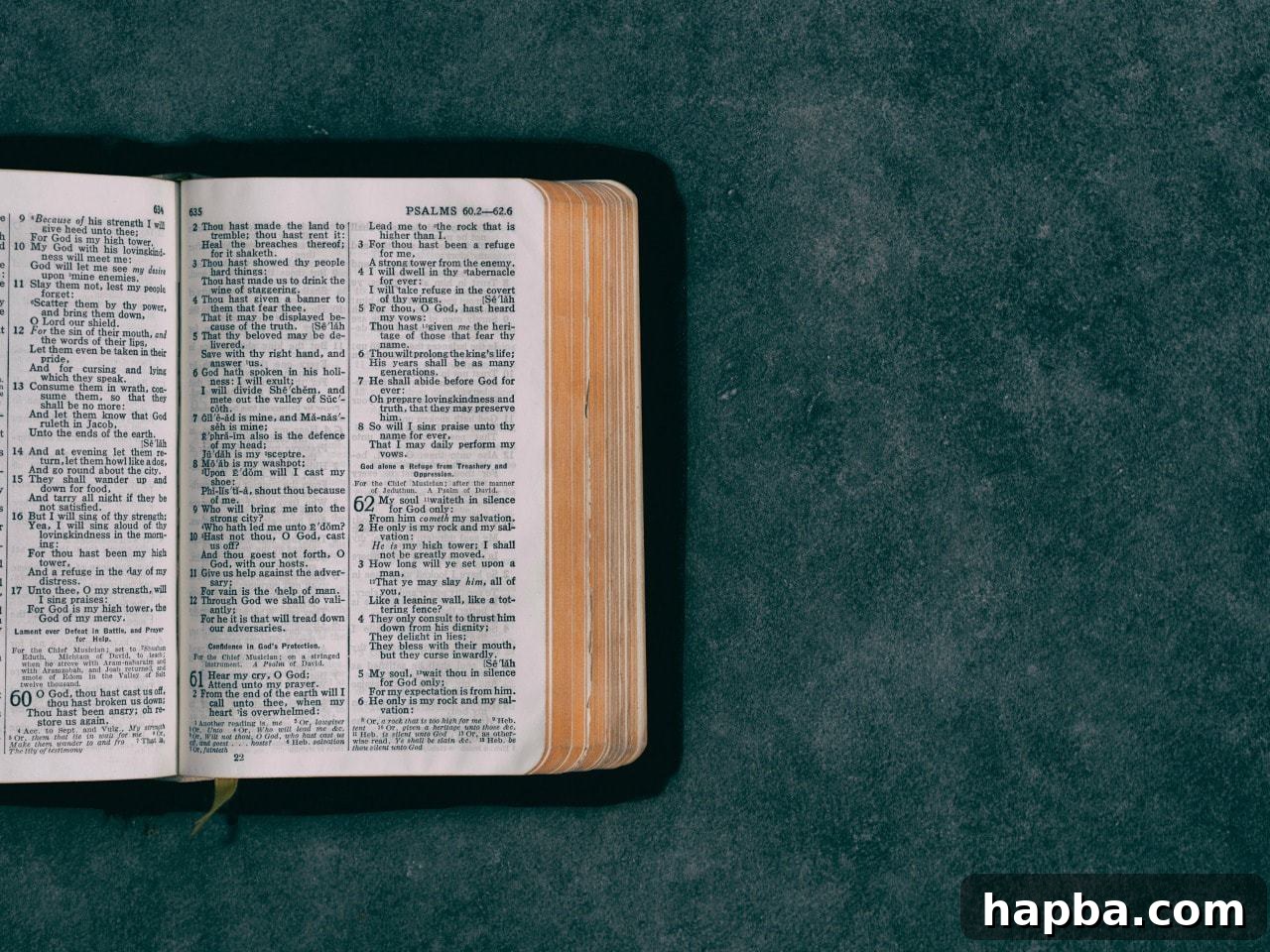
Photo by Aaron Burden on Unsplash.