
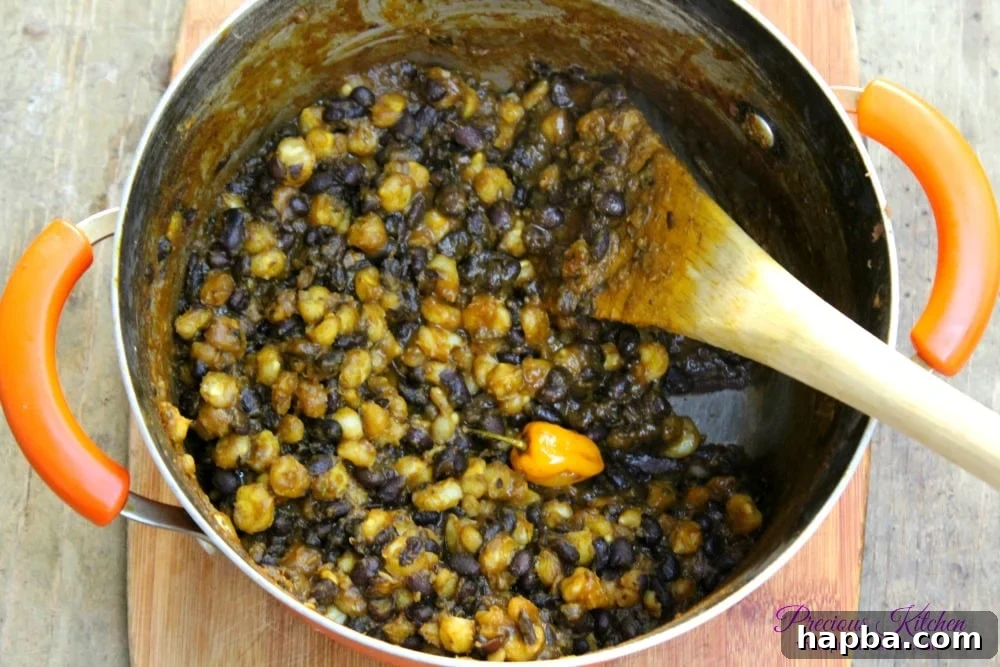
Experience the Comfort of Authentic Cornchaff: A Creamy Corn and Beans Delight
There’s something inherently comforting about a dish that whispers tales of home, tradition, and nourishing goodness. For me, that dish is Cornchaff. While memories of boarding school servings might conjure mixed feelings for some, my personal journey with Cornchaff has evolved into a weekly ritual, transforming a simple meal into a delectable delight of creamy goodness. This traditional African staple, featuring corn and beans slowly simmered to perfection with a symphony of rich, bold flavors, is more than just food; it’s an experience that brings warmth and satisfaction to any table.
The Irresistible Simplicity of Cornchaff: Your New Go-To One-Pot Meal
If you’re anything like me, you appreciate recipes that are both incredibly flavorful and wonderfully straightforward. Cornchaff fits this description perfectly. It’s the quintessential one-pot, ‘dump-and-go’ meal that promises maximum flavor with minimal fuss. My affection for such dishes is well-known, and Cornchaff exemplifies why. It’s a testament to the fact that extraordinary taste doesn’t always require intricate techniques or endless hours in the kitchen. This recipe simplifies the art of cooking, making it accessible even for the busiest schedules, allowing you to enjoy a hearty, homemade meal without the stress.
My culinary adventure with Cornchaff has certainly been an interesting one, especially since I embarked on it after moving to the United States. The quest for that authentic taste and texture, reminiscent of home, led me down several delightful, and sometimes challenging, paths as I experimented with different corn varieties and cooking methods.
My Journey to the Perfect Cornchaff: From Mushy to Marvelous
Initially, my attempts at recreating this beloved dish involved using dried, peeled, and broken corn readily available in local grocery stores. While convenient, the results often fell short of my expectations. The texture, regrettably, tended to be too mushy, lacking the distinct bite and creamy integrity that defines a truly great Cornchaff. It was edible, certainly, but it didn’t quite capture the essence and satisfaction I remembered from my youth.
Then came a moment of exciting discovery: dried whole corn, found in a vibrant African specialty store. My heart leaped with joy! This felt like a significant step closer to authenticity. The traditional method required boiling the corn with Kanwa (a type of limestone or potash, often substituted with baking powder in modern kitchens) to help loosen the skins, followed by a meticulous peeling process. After rinsing, the corn would return to the pot to boil once more before the raw, pre-soaked beans were introduced. While the outcome was far superior in texture, and closer to the taste I craved, the entire process was undeniably time-consuming, transforming what I wanted to be an ‘easy’ meal into a labor of love that often stretched over several hours.
Seeking efficiency without compromising flavor, I began exploring alternatives. A conversation with my sister-in-law proved enlightening. She mentioned using a particular brand of canned corn for her Cornchaff, highlighting its convenience. Unable to locate that specific brand, I decided to experiment with frozen sweet corn. And oh, what a revelation it was! The result was unexpectedly delicious, a “bomb.com” experience as I fondly described it. The sweetness of the corn added a unique twist that was incredibly appealing. I eagerly shared that recipe with all kinds of sweet details, practically granting a PhD in Cornchaff concoction. For those who enjoy a sweeter profile, you can find that earlier rendition and its delightful details here: How to Make Delicious Cornchaff.
The Ultimate Discovery: Canned Hominy – My Newfound Love for Authentic Texture
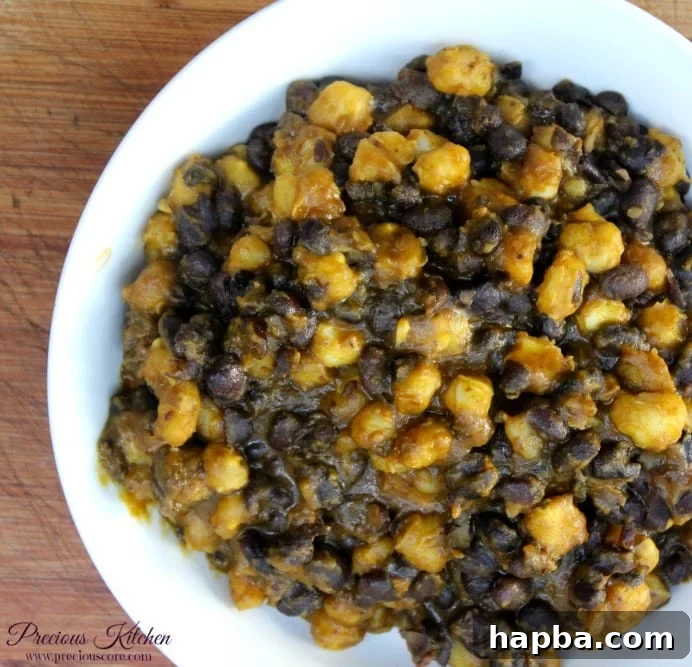
However, the universe had another surprise in store. Just recently, during a routine grocery run, my eyes caught sight of a can labeled “Hominy.” It contained what appeared to be whole, peeled corn kernels, yet it didn’t quite resemble the bright yellow, plump kernels of sweet corn I was familiar with. The initial confusion quickly gave way to curiosity as I meticulously examined the label, eventually spotting the word “Maiz” written somewhere on it – a French term for corn. A huge thank you to Mr. Findo for those impromptu French lessons that unexpectedly aided my culinary quest!
Driven by a hopeful hunch, I purchased the can, eager to see if it held the secret to my ideal Cornchaff. And indeed, upon opening it at home, a triumphant “tadaaaa!” escaped my lips. Inside were perfectly peeled, soft corn kernels—just like the ones I remembered from back home! This was the game-changer I had been searching for. The convenience of canned, pre-peeled hominy combined with its authentic texture was a culinary dream come true, making the entire Cornchaff preparation process significantly faster and more enjoyable.
For this specific recipe, I paired my newfound canned hominy with pre-boiled black beans. A little tip for busy cooks: boiling your beans in advance, perhaps while tackling other household chores or even during a leisurely evening (just remember to keep an eye on the pot if you’re truly multi-tasking!), significantly cuts down on overall cooking time. The combination of these perfectly prepared beans, the tender hominy, and the rich blend of ingredients I’m about to share with you, creates a Cornchaff that is truly exceptional and reminiscent of traditional African home cooking. For those living in the United States, obtaining quality hominy is made easy. You can often find it in the canned goods aisle of most major supermarkets or conveniently purchase it online.
This particular Cornchaff recipe is, in many ways, a celebration of this delightful discovery – the soft, peeled corn found effortlessly in a can. It represents the culmination of a quest for convenience without sacrificing the authentic taste and texture that makes Cornchaff such a cherished dish. It’s a culinary shortcut that doesn’t compromise on flavor or tradition, allowing more people to experience this delightful meal.
To further guide you through the process and see the magic unfold, here’s a helpful video tutorial, offering a visual step-by-step guide to making this mouth-watering dish:
The Essential Ingredients for Your Best Cornchaff
Crafting the perfect Cornchaff hinges on a selection of simple yet potent ingredients. Each plays a vital role in building the layered flavors and achieving that signature creamy texture and rich aroma. Below, we’ll delve into the specifics that make this dish truly shine, ensuring every spoonful is bursting with authentic taste.
Irresistible Cornchaff with Hominy and Black Beans
An exquisite culinary marriage of tender corn and hearty beans, slowly simmered in a rich, aromatic sauce, perfect for any occasion and a true taste of African comfort.
Ingredients:
- 5 cups boiled corn (canned hominy recommended for ease and authentic texture)
- 5 cups boiled beans (black beans or kidney beans work exceptionally well, pre-cooked)
- 1 cup palm oil (or a neutral vegetable oil for a lighter version; palm oil provides authentic color and flavor)
- 1 stem leeks, finely chopped (adds a subtle, sweet onion flavor)
- ½ inch fresh ginger, peeled and roughly chopped (for a warm, spicy undertone)
- 7 cloves garlic, peeled and minced (essential aromatic foundation)
- 3 – 4 cubes Maggi or similar bouillon cubes, crushed (for umami depth and seasoning)
- ½ a large onion, roughly chopped (sweetness and aromatic base)
- ½ teaspoon salt, or to taste (adjust according to your preference and bouillon saltiness)
- ¼ teaspoon country onions (rondelles) powder – optional, but highly recommended for an authentic, earthy flavor
- 1 habanero pepper – optional, for a delightful spicy kick that brightens the dish
Instructions for a Flavorful Cornchaff:
1. Combine Main Ingredients: In a large, sturdy pot, gently combine the boiled corn (drained canned hominy works perfectly here for its tender texture and convenience) and the pre-cooked beans. Pour in the palm oil. If using palm oil, its vibrant color and distinct flavor are key to an authentic taste; for a milder taste or if palm oil is unavailable, a neutral vegetable oil like canola or sunflower oil can be substituted.
2. Prepare Aromatic Blend: In a blender or food processor, combine the chopped garlic, ginger, roughly chopped onions, leeks, and the habanero pepper (if you desire a spicy rendition). Blend these ingredients until a coarse paste or finely minced mixture is formed. This aromatic base is crucial for developing the rich, layered depth of flavor in your Cornchaff, releasing their essential oils.
3. Add Seasonings and Aromatics: Incorporate the freshly blended aromatic mixture into the pot with the corn and beans. Sprinkle in the salt, crushed Maggi cubes (or your preferred bouillon), and the country onion (rondelles) powder, if using. The country onion powder adds an authentic, earthy note that many connoisseurs appreciate, elevating the dish’s complexity.
4. Simmer to Perfection: Add about half a cup of water to the pot. Stir all the ingredients thoroughly to ensure everything is well combined and evenly distributed, allowing the flavors to begin their fusion. Place the pot on medium-high heat, cover it securely, and allow the mixture to simmer for approximately 20 minutes. During this crucial simmering phase, the flavors will meld beautifully, and the sauce will thicken into a luscious consistency. It’s important to periodically check the pot, stirring gently and adding a little more water (a tablespoon or two at a time) if the mixture appears too dry or sticky, to maintain that desirable creamy texture.
5. Serve Warm and Enjoy: Once the Cornchaff has simmered, the corn and beans are tender, and the flavors have fully developed into a harmonious blend, it’s ready to be served. Ladle generous portions into bowls and serve warm. This hearty dish is substantial enough to be a stand-alone meal, offering complete nutrition, but also pairs wonderfully with grilled fish, roasted chicken, or a simple side salad for a more elaborate feast.
Recipe Details:
Prep time:
Cook time:
Total time:
Yield: 5 generous servings
Tips for the Best Cornchaff Every Time
Achieving that perfect Cornchaff isn’t just about following the recipe; it’s also about understanding the nuances that elevate a good dish to a great one. Here are some extra tips to ensure your Cornchaff is consistently delicious, flavorful, and a true crowd-pleaser:
- Bean Preparation: If you’re using dried beans, remember to soak them overnight. This significantly reduces cooking time and helps them cook more evenly, preventing some from being hard while others are soft. Pressure cooking is also a fantastic option for beans, cutting down the boiling time dramatically and ensuring tender results. Canned beans are also an option for ultimate convenience, just rinse thoroughly.
- Flavor Customization: Don’t be afraid to adjust the spice level to suit your palate! If you love heat, feel free to add an extra habanero or a pinch of cayenne pepper to the aromatic blend. For a milder version, omit the pepper entirely, allowing the other flavors to shine through.
- Oil Choice: Palm oil lends a distinctive, rich, and authentic flavor profile to Cornchaff, along with a beautiful reddish hue that is characteristic of many West African dishes. However, if palm oil isn’t readily available or you prefer a lighter taste, any neutral cooking oil like canola, vegetable, or sunflower oil will work well, though the overall flavor will be subtly different.
- Aromatics are Key: The fresh ginger, garlic, onions, and leeks are non-negotiable. They build the robust foundation of flavor for this dish. Don’t skimp on blending them well to release their full potential, ensuring every bite is infused with their aromatic goodness.
- Consistency Check: As the Cornchaff simmers, keep a vigilant eye on its consistency. You want it creamy and hearty, not watery, and not overly dry or sticky. A little extra water can always be added spoonful by spoonful if it starts to get too thick. Conversely, if it’s too watery, let it simmer uncovered for a few extra minutes to allow some liquid to evaporate and the sauce to reduce.
- Resting Time: Like many stews and comfort foods, Cornchaff benefits immensely from a short resting period off the heat before serving. This allows the flavors to deepen and meld even further, and the sauce to set slightly, resulting in an even richer, more cohesive taste and texture.
- Garnish and Serve: A sprinkle of fresh chopped scallions or cilantro just before serving can add a touch of freshness and color, enhancing the presentation and a hint of extra flavor.
Why Cornchaff Deserves a Spot in Your Culinary Repertoire
Beyond its delicious taste, Cornchaff offers several compelling reasons to become a regular feature in your kitchen. It’s a testament to healthy eating, combining the wholesome goodness of corn and beans, which are both rich in fiber, plant-based protein, and essential vitamins and minerals. This makes it a wonderfully fulfilling and nutritious meal that can power you through your day, keeping you energized and satisfied.
Its one-pot nature also makes cleanup a breeze, a major bonus for anyone looking to minimize post-cooking chores and maximize enjoyment. The slow simmering process isn’t just about cooking the ingredients; it’s about infusing every tender kernel of corn and every hearty bean with the robust flavors of the spices and aromatics, creating a symphony for your palate that evolves with every gentle bubble.
Whether you’re seeking a nostalgic taste of home, an easy yet nutritious weeknight dinner solution, or simply a new and exciting dish to add to your culinary repertoire, Cornchaff is an excellent choice. It’s versatile enough to be adapted to various tastes, incredibly satisfying, and immensely rewarding to make and share with family and friends. It’s truly a dish that speaks to the soul.
Embrace the simplicity and richness of this incredible dish. I wholeheartedly encourage you to try this recipe, experiment with the flavors, and make it your own. It’s more than just a recipe; it’s an invitation to savor a piece of culinary heritage, right in your own kitchen, bringing joy and warmth with every delightful spoonful.
Don’t hesitate to share your Cornchaff creations and experiences with us! We love hearing about your kitchen adventures.