
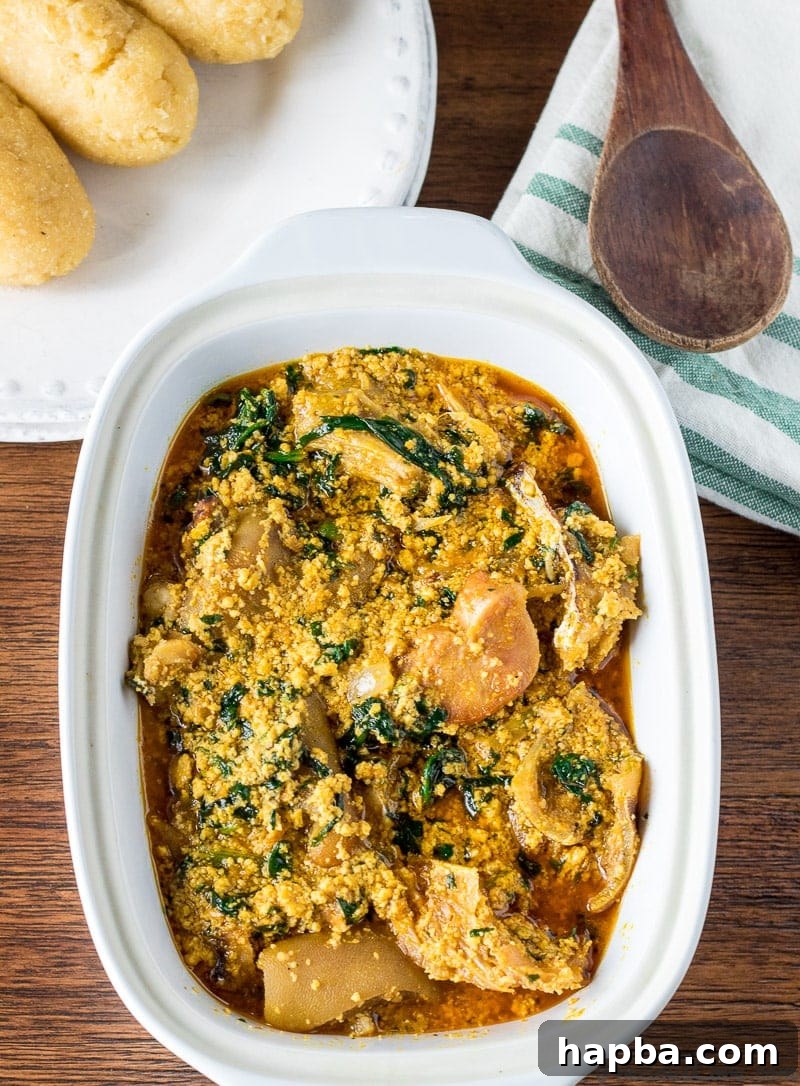
The Ultimate Guide to Egusi Soup: A Flavorful Nigerian Delicacy
Prepare your taste buds for an extraordinary culinary adventure with Egusi Soup, a cherished Nigerian classic that’s as wholesome as it is delicious. Crafted from the unique white variety of pumpkin seeds, often referred to as melon seeds, this soup boasts a rich, nutty flavor profile complemented by a delightful spiciness and the authentic essence of West African cuisine. It’s a truly finger-licking experience that has captivated hearts both locally and globally, even becoming a viral sensation on TikTok!
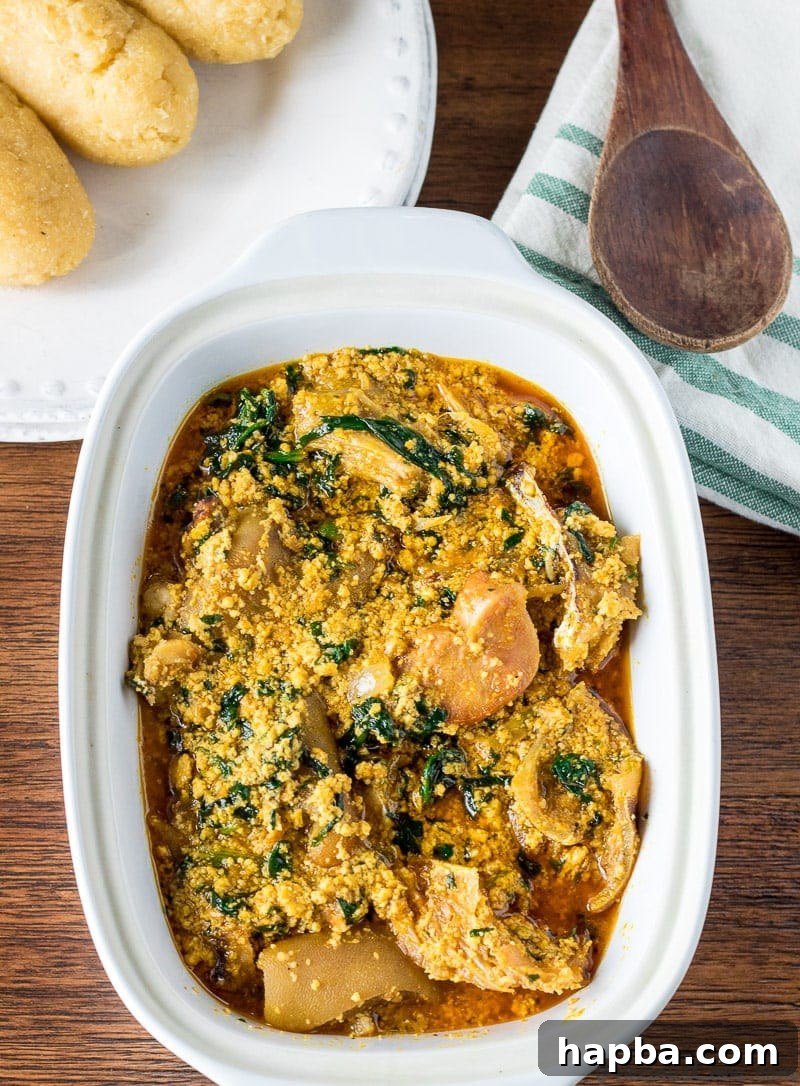
If you’re eager to broaden your culinary horizons and delve into more robust and soul-satisfying African soups, we highly recommend exploring our recipes for African Okra Soup and Cameroonian Pepper Soup. But first, let’s dive deep into the world of Egusi!
What Exactly is Egusi Soup? An Authentic Nigerian Experience
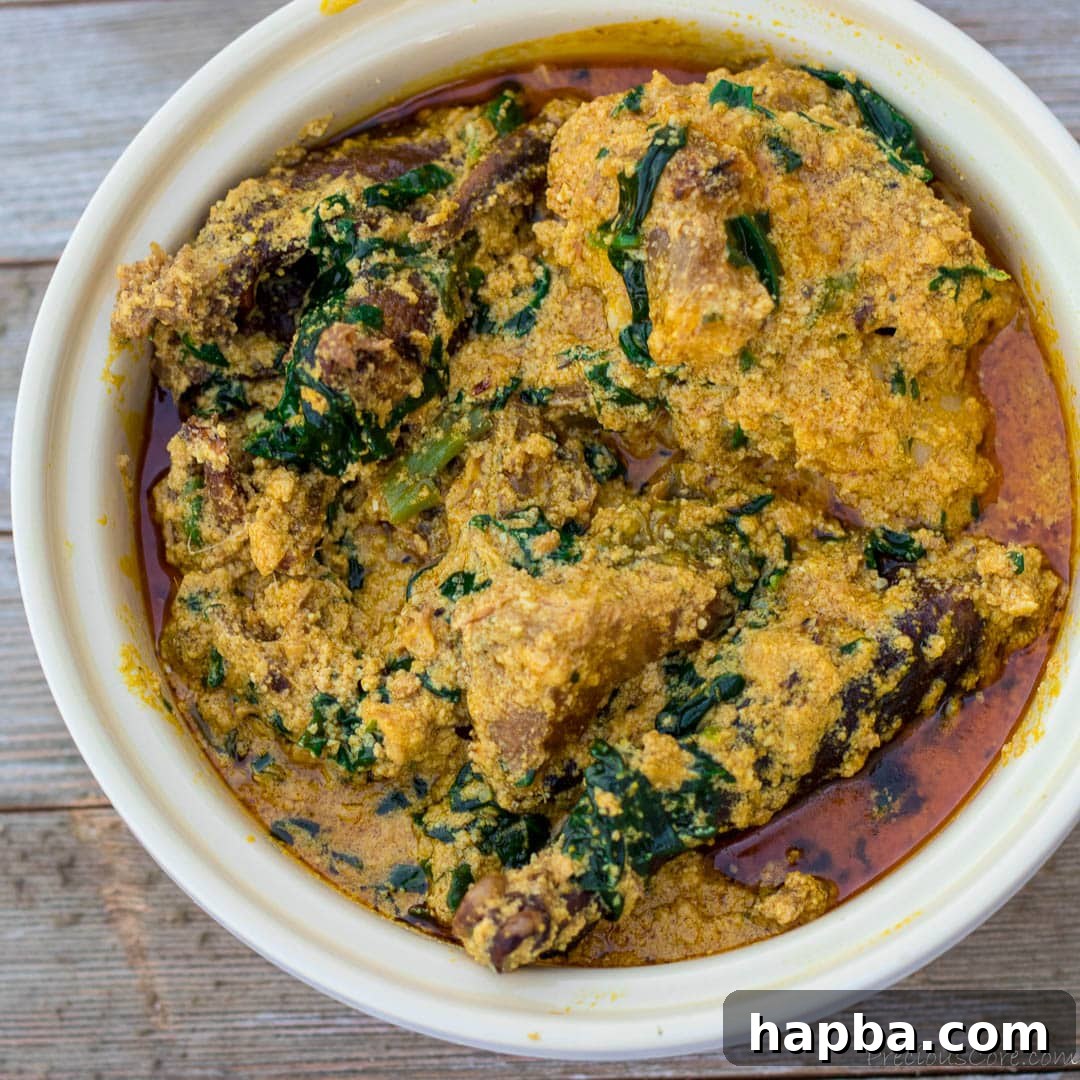
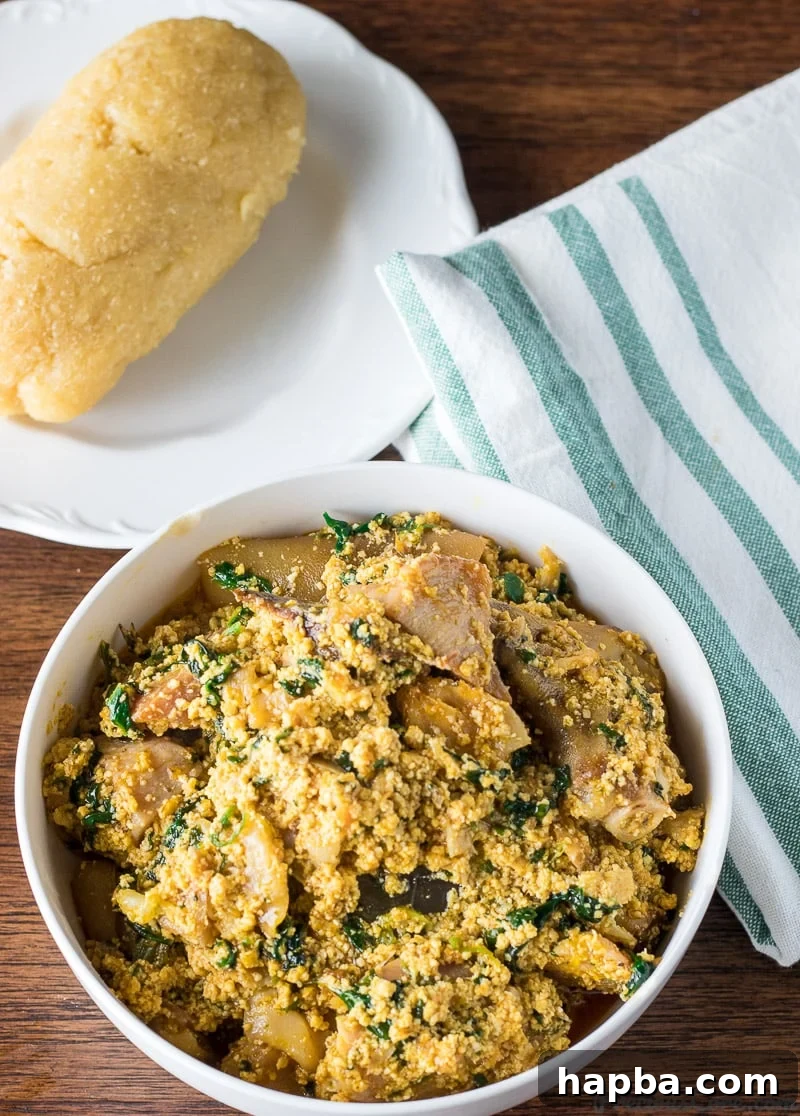
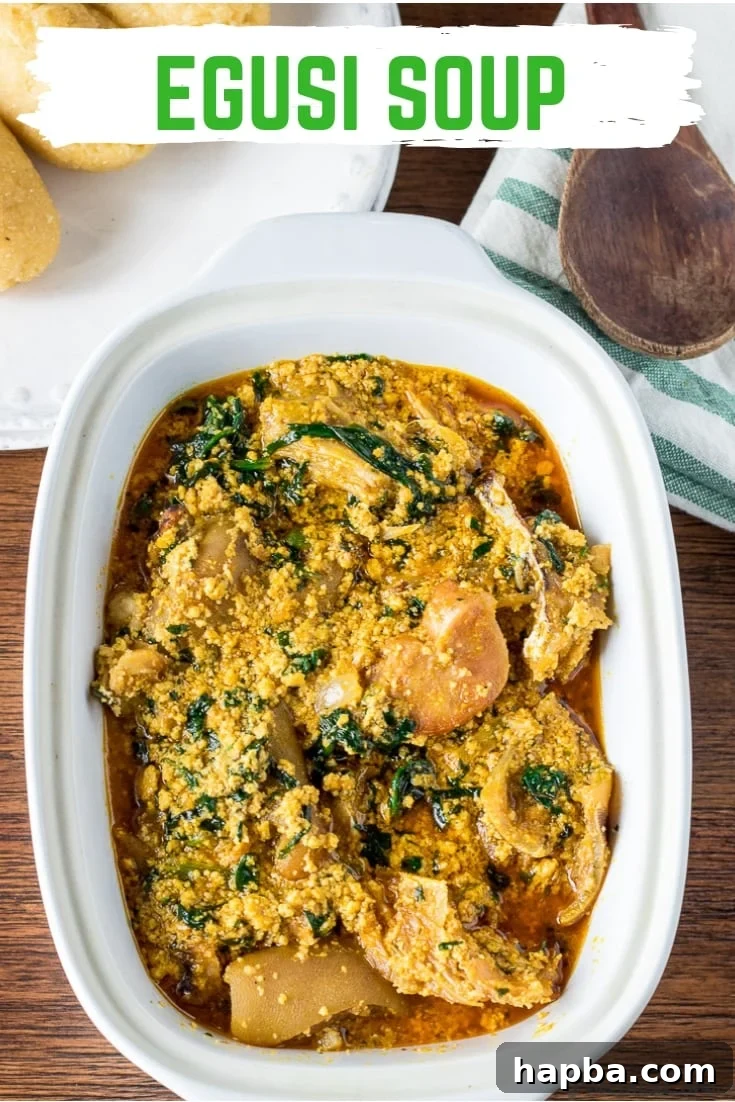
Egusi Soup is more than just a meal; it’s a culinary institution in Nigeria and across West Africa. At its core, this thick, savory soup is made from ground egusi seeds (white melon seeds), which provide its characteristic texture and nutty depth. The soup is typically simmered in a vibrant red palm oil base, infused with a medley of meats, fish, spices, and leafy greens, resulting in a rich and complex flavor that is truly unforgettable.
The popularity of Egusi Soup stems from its incredible taste and versatility. It’s a staple in many Nigerian homes, served during everyday meals, festive occasions, and family gatherings. Each spoonful delivers a burst of authentic African flavors, making it a beloved dish that transcends generations.
The journey to mastering Egusi Soup might seem daunting at first, but with our clear, concise guide, you’ll be preparing this delectable dish like a seasoned pro in no time. Its ability to marry robust flavors with a comforting warmth makes it an instant favorite for anyone who tries it.
The Heart of the Dish: Essential Ingredients for Egusi Soup
Creating an authentic Egusi Soup relies on a specific set of ingredients, each playing a crucial role in developing its signature taste and aroma. Sourcing these components, especially the egusi seeds, is key. Many can be found in African markets or specialty international food stores, and increasingly, online retailers like Amazon make them accessible worldwide.
- Ground Egusi Seeds: These are the undisputed star of the soup. Egusi seeds, from a specific variety of pumpkin or melon, are ground into a fine powder or a smooth paste. This forms the base and gives the soup its unique consistency and nutty flavor. For the best quality, it’s always recommended to purchase whole egusi seeds and grind them yourself using a coffee grinder or a high-powered blender.
- Red Palm Oil: Beyond simply being a cooking fat, red palm oil imparts Egusi Soup with its iconic bright orange hue and a distinctive earthy flavor that is fundamental to West African cuisine. Ensure you use unrefined, quality red palm oil for the most authentic taste.
- Crayfish: West African dried crayfish is a powerhouse of umami. It’s distinctly different from American crawfish and adds a profound depth of savory, slightly smoky seafood flavor that elevates the entire dish.
- Assorted Meats and Fish: One of the hallmarks of Egusi Soup is its generous use of protein. A variety of meats and fish contribute to its rich, meaty profile. Common choices include tender goat meat, succulent beef, chicken, or even smoked turkey. Organ meats like tripe are also popular for their texture and robust flavor. For an authentic touch, incorporate dried fish and stockfish (okporoko), which are readily available in African markets and lend a unique aroma and taste.
- Maggi Seasoning (or Bouillon): These seasoning cubes are a secret weapon in Nigerian kitchens, imparting an authentic taste that enhances the overall flavor of the soup. You can use beef, chicken, or shrimp bouillon powder as a suitable alternative.
- Hot Pepper: For those who love a kick, habanero or Scotch bonnet peppers are typically added to provide the characteristic heat. Adjust the quantity to your preferred spice level.
- Leafy Vegetables: Fresh leafy greens are essential for both flavor and nutritional value. Traditional options include bitter leaves (which are often blanched to reduce bitterness) or pumpkin leaves, known as ugu in Nigeria. If these are unavailable, spinach or kale make excellent substitutes. Frozen spinach, added towards the end of cooking, also works wonderfully.
For precise measurements and detailed instructions, scroll down to the comprehensive recipe card below.
To give you a clearer idea, here’s what unprocessed egusi seeds typically look like:
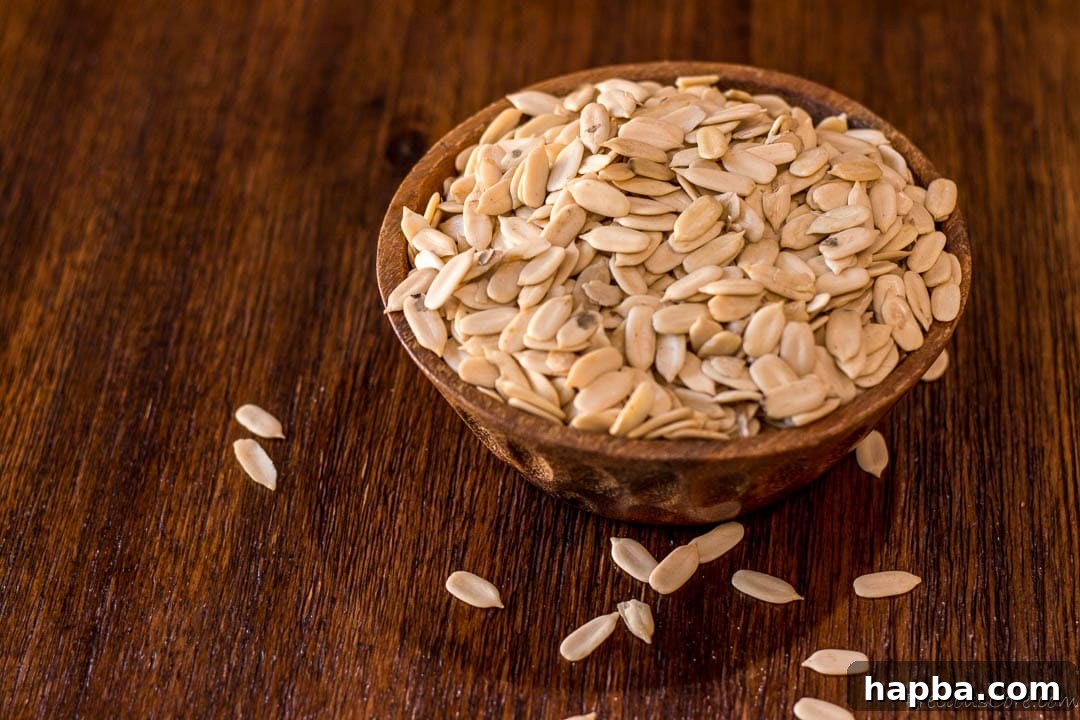
As mentioned, egusi is fundamentally a type of white pumpkin seed, though it’s commonly referred to as melon seeds, particularly in West Africa. Their versatility makes them a staple in various African dishes, not just soup.
Unlock New Flavors: Exciting Variations and Serving Suggestions
While the classic Egusi Soup recipe is a masterpiece, there are numerous ways to customize and enhance it, reflecting the diverse culinary traditions across West Africa and individual preferences. Don’t be afraid to experiment!
- Incorporate Locust Beans (Iru/Eware): For an even deeper, more complex umami flavor, consider adding fermented locust beans, known as iru or eware in Nigeria. These small, dark beans possess a strong, distinctive aroma and a wonderfully savory taste that enriches the soup profoundly.
- Leafy Green Alternatives: If authentic bitter leaves or ugu are hard to find, don’t despair! Common greens like fresh or frozen kale and spinach are excellent substitutes. Spinach, in particular, wilts beautifully into the soup and adds a lovely nutritional boost.
- Beyond Fufu: Versatile Accompaniments: While Egusi Soup is traditionally served with various forms of fufu, its robust flavor pairs well with other starchy sides. Boiled African white yam or ripe plantains offer a different texture and sweetness that beautifully complements the soup. For a simpler meal, Egusi Soup is also delicious served alongside plain white rice.
- Tomato and Pepper Base: Some regional variations incorporate a blended base of tomatoes, bell peppers, and onions, cooked down before adding the egusi and palm oil. This creates a slightly tangier and often richer flavor profile.
Understanding these variations allows you to tailor the soup to your taste and available ingredients, making Egusi Soup a truly adaptable dish.
A Symphony of Tastes: What Does Egusi Soup Taste Like?
Egusi Soup offers a magnificent blend of flavors that is both comforting and exhilarating. It is inherently nutty and earthy, thanks to the star ingredient, the ground melon seeds. This nuttiness is beautifully balanced by a robust, savory richness derived from the combination of various meats and fish, which infuse the soup with their distinct essences.
A subtle spiciness, usually from habanero or Scotch bonnet peppers, provides a delightful warmth without overpowering the other flavors. The vibrant red palm oil adds a characteristic earthy and slightly sweet note, rounding out the profile. The leafy greens contribute a fresh, sometimes slightly bitter or peppery undertone, adding another layer of complexity. The texture is thick, hearty, and somewhat grainy from the egusi, making it incredibly satisfying.
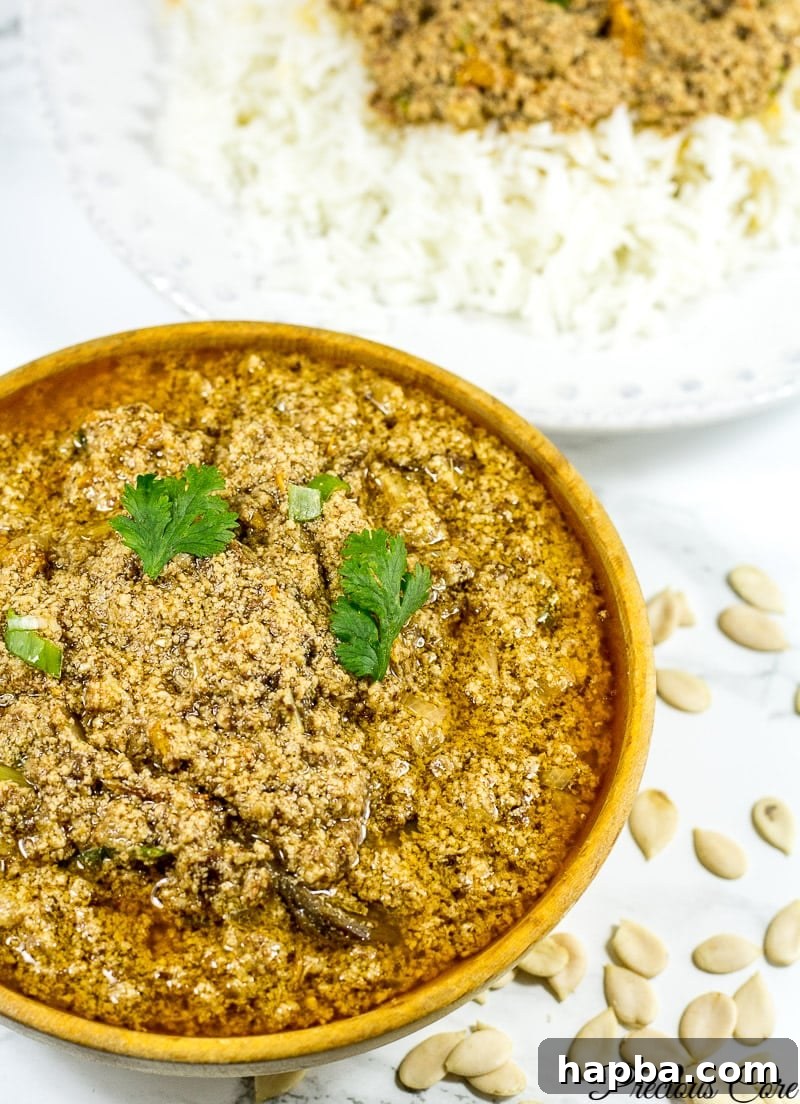
Across West Africa, Egusi is enjoyed in various preparations, each offering a unique culinary experience. For instance, you might encounter Cameroonian Egusi Pudding, a denser, cake-like dish, or a simpler Egusi Stew. A popular combination also includes Ogbono and Egusi Soup, blending two iconic West African flavors.
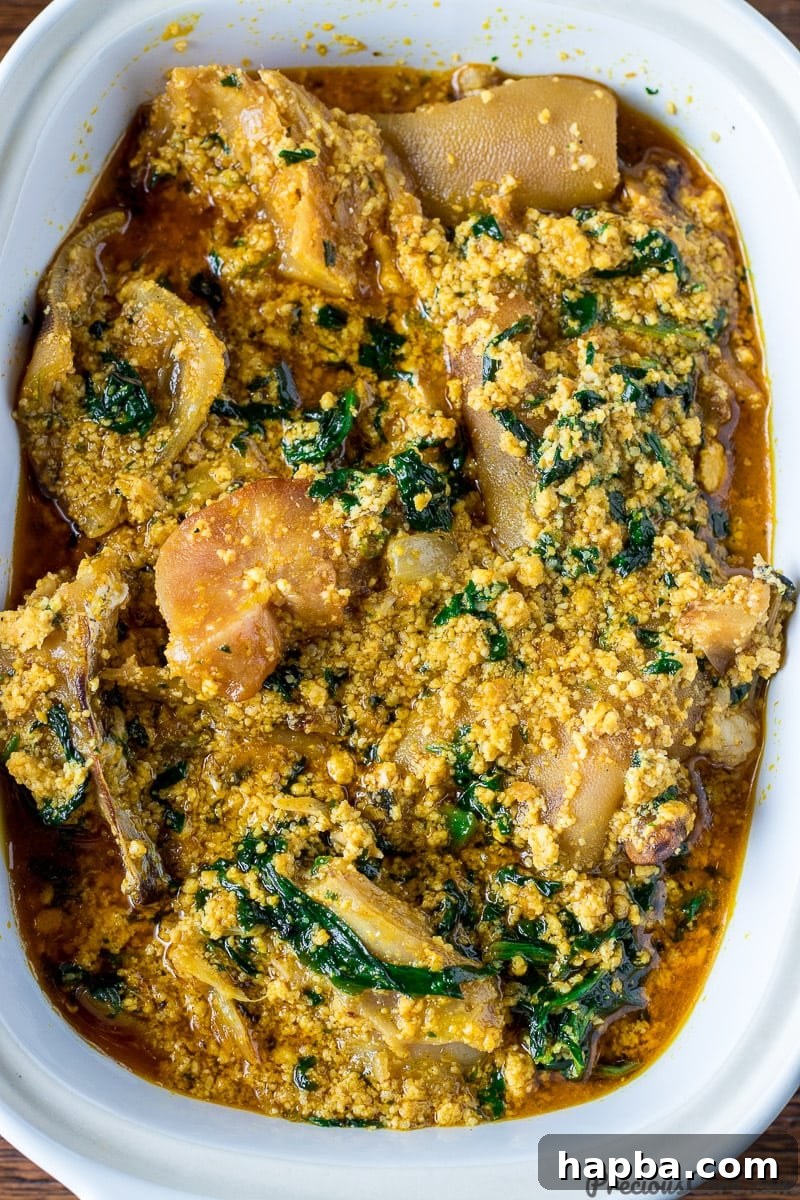
Mastering the Art: A Simple Guide to Making Egusi Soup
Creating a delicious pot of Egusi Soup is more straightforward than you might imagine. By following these three key steps, you’ll be well on your way to enjoying this delightful dish. Patience and good quality ingredients are your best friends in this culinary journey.
- Prepare Your Meats and Fish: Start by boiling your choice of meats and fish with a pinch of salt and diced onions. For optimal flavor and tenderness, begin with tougher cuts of meat and add more delicate proteins later. Preparing these a day in advance can significantly cut down on cooking time the next day. Remember to reserve the rich beef or chicken stock, as this forms the flavorful liquid base for your soup. If using stockfish, soak it for several hours and rinse thoroughly before cooking it separately to mitigate its strong aroma, discarding its cooking water while retaining its incredible flavor for the soup.
- Grind the Egusi Seeds: The quality of your ground egusi makes a noticeable difference. We highly recommend purchasing whole egusi seeds and grinding them yourself. This ensures freshness and prevents any unpleasant surprises often found in pre-ground varieties. Use a coffee grinder, a small blender cup, or a powerful food processor to achieve a consistent, fine powder. Before grinding, quickly inspect the seeds to remove any impurities.
- Assemble and Simmer the Soup: In a large pot, gently heat red palm oil until it’s warm and shimmering (avoid bleaching it). Sauté a small amount of diced onions until fragrant. Next, add the ground egusi to the oil and fry it for several minutes, stirring occasionally. This crucial step, known as “frying the egusi,” deepens its nutty flavor and prevents the soup from having a raw taste. The egusi will shrink slightly and start sticking to the bottom of the pot. Then, incorporate your pre-cooked meats, fish, reserved stock, crayfish, seasoning cubes, and hot pepper. Add water gradually to achieve your desired consistency. Stir everything together, taste for seasoning adjustments, and let the soup simmer for about 5-7 minutes to allow the flavors to meld beautifully. Finally, stir in your chosen leafy greens and cook for just 1-2 minutes until they wilt. Turn off the heat immediately; your vibrant Egusi Soup is ready to be served!
It truly is that simple to create a masterpiece that will impress family and friends alike!
The Perfect Pairings: Egusi Soup with Pounded Yam and Garri
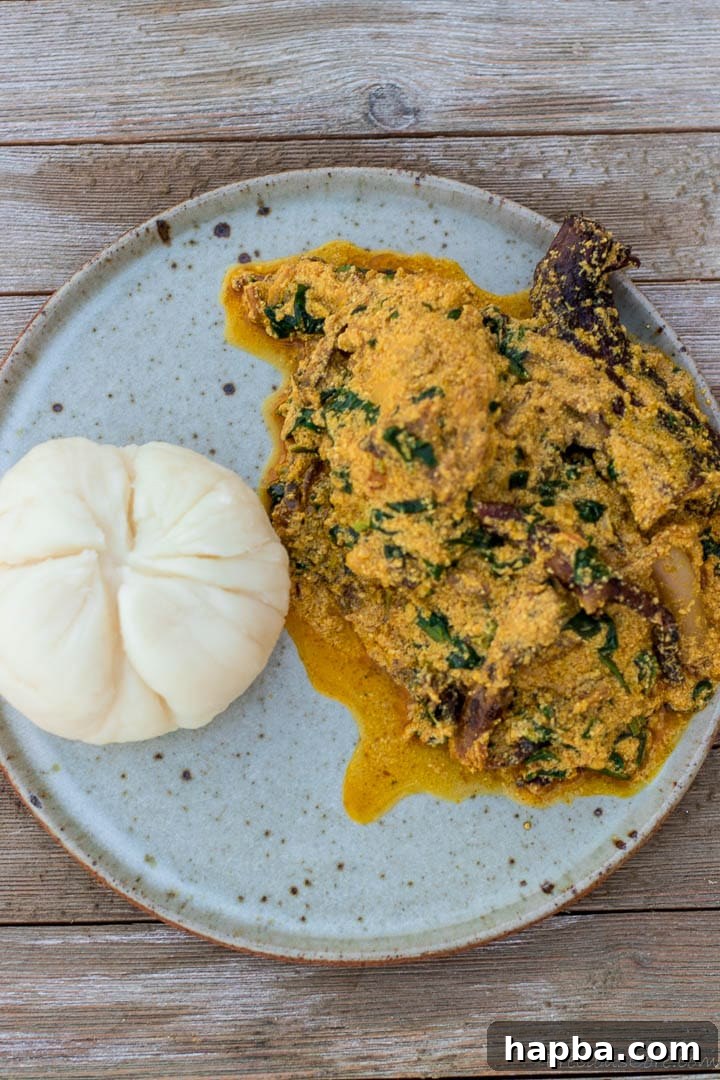
Egusi Soup is traditionally enjoyed with a variety of “swallow” foods, which are starches meant to be rolled into small balls and used to scoop up the soup. These pairings are an integral part of the West African dining experience.
Pounded Yam: The Quintessential Companion
One of the most celebrated ways to savor Egusi Soup is alongside pounded yam. This dough-like side dish is traditionally made from African white yam, which is boiled until tender, then pounded in a mortar and pestle until smooth and elastic. The mild, slightly sweet flavor and soft texture of pounded yam make it the ideal vehicle for the rich and spicy Egusi Soup.
Modern conveniences have made pounded yam more accessible than ever. Yam flour, which allows for easy preparation of pounded yam at home, is widely available in African grocery stores and online platforms like Amazon. Simply mix the flour with hot water and stir until you achieve the desired consistency, saving time without sacrificing authenticity.
Garri (Eba): Another Beloved Pairing
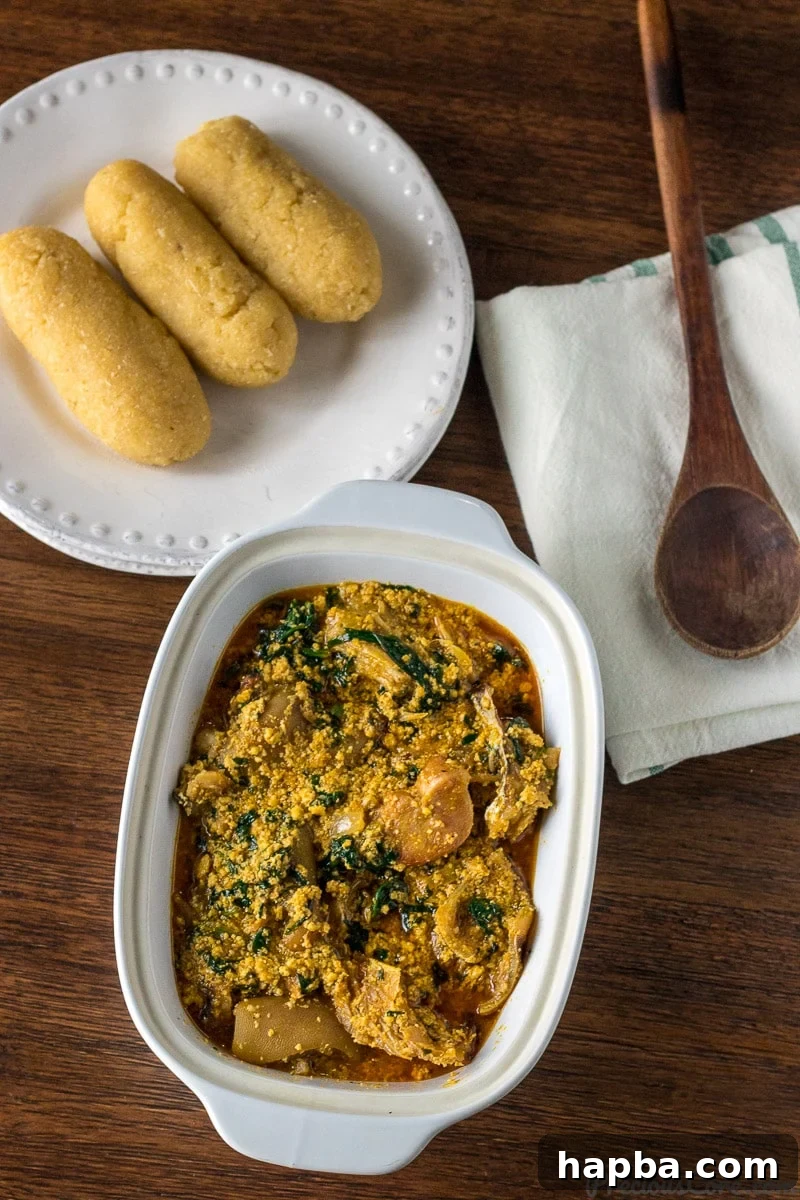
Another popular and equally delicious accompaniment for Egusi Soup is garri, also known as Eba. Garri consists of fermented granules made from cassava (yucca root), which are then dried and roasted. When prepared, it forms a soft, pliable dough that perfectly complements the hearty soup.
Making garri is simple: you just need to boil water, then gradually add the garri granules while stirring vigorously until a smooth dough forms. You can see a demonstration of how garri is made in this African okra soup video.
Beyond Fufu: Other Enjoyable Companions
While fufu and garri are traditional, Egusi Soup is incredibly versatile and can be enjoyed with other staples. Boiled white yam, ripe plantains, or even plain white rice can serve as excellent alternatives, offering different textures and flavors that harmonize well with the rich soup. Don’t hesitate to experiment and find your personal favorite way to savor this Nigerian gem.
Egusi Soup vs. Egusi Stew: Understanding the Difference
It’s common to find both “Egusi Soup” and “Egusi Stew” in West African cuisine, and while they both feature egusi (melon seeds), their preparation and intended use differ. Egusi Soup, as detailed here, is typically a thicker, heartier dish meant to be eaten with “swallow” foods like pounded yam or garri. It often has a richer, more concentrated flavor from the palm oil and a variety of meats.
Egusi Stew, on the other hand, often has a more pronounced tomato-based flavor, fewer leafy greens, and a slightly thinner consistency. It is specifically designed to be served with rice, offering a different textural experience and a distinct flavor profile that pairs wonderfully with grains. If you’re curious, you can explore our Egusi Stew recipe to understand these delightful differences.
Watch How To Make Egusi Soup
For a visual guide to perfecting this recipe, watch our detailed video demonstration below. It covers all the essential steps, from preparing ingredients to the final simmering, ensuring you achieve a delicious result every time.
For more amazing recipes, subscribe to our YouTube channel!
Subscribe to Precious Kitchen
Discover More African Dinners
Fried Pork And Plantains
Catfish Pepper Soup
African Chicken Peanut Stew
Cameroonian Pepper Soup
If you try this delightful Egusi Soup recipe, please consider leaving a star rating below. Your feedback helps other food enthusiasts find and enjoy this recipe, and we love hearing about your culinary experiences! Thank you!

Egusi Soup – Authentic Nigerian Egusi Soup
Rating: 5 out of 5 stars (based on 4 reviews)
Egusi soup made the Nigerian way with red palm oil and different kinds of meats. Enjoy with pounded yam, garri, or other forms of fufu. This rich and savory soup is a true taste of West Africa!
Prep Time: 30 mins | Cook Time: 30 mins | Total Time: 1 hr | Servings: 6
Pin this recipe to save for later!
Pin Recipe
Rate This Recipe
Print Recipe
Ingredients
- 2 cups egusi (not ground)
- 3/4 cup palm oil
- 1/4 cup crayfish (ground)
- 1 shrimp seasoning cube (e.g., Maggi Crayfish or Maggi Crevette)
- 2 pounds assorted meats and fish (e.g., goat meat, stockfish, chicken)
- 1/2 cup onion – chopped
- 1 habanero (or Scotch bonnet) pepper
- 1/2 – 1 cup chopped greens (bitter leaf, ugu, or substitute with spinach/kale)
- Salt to taste
- Water or meat stock as needed
Instructions
- Boil the meats and fish: Start by boiling tougher meats like goat meat and beef with salt and some diced onions. Add chicken later to prevent overcooking. If using stockfish, soak it for a few hours, rinse thoroughly, and boil separately; discard its stock due to its strong smell but save the fish. Reserve the flavorful stock from other meats. This step can be done a day in advance to save time.
- Grind the egusi: Using a clean coffee grinder, a small blender cup, or a powerful food processor, grind the whole egusi seeds into a fine powder. Ensure no bad seeds are included.
- Make the egusi soup:
- Heat the red palm oil in a large pot over medium-high heat for about 3 minutes until warm and slightly shimmery (do not let it smoke or bleach).
- Add the chopped onions to the palm oil and sauté until they become fragrant and translucent.
- Carefully add the ground egusi to the pot. Stir continuously and fry the egusi in the palm oil for about 7 minutes, or until it shrinks slightly and starts to stick to the bottom of the pot. This frying step is crucial for developing the nutty flavor.
- Stir in 1 teaspoon of ground crayfish. Then, add the pre-cooked meats and fish, along with their reserved stock. Add the remaining crayfish, the shrimp seasoning cube, and the whole habanero or Scotch bonnet pepper.
- Add water or additional meat stock as needed to achieve your desired soup thickness. Stir everything well, ensuring all ingredients are combined. Taste and adjust seasoning with salt if necessary. Let the soup simmer gently for about 5 minutes, allowing all the rich flavors to meld.
- Finally, stir in your chopped leafy greens (bitter leaf, ugu, spinach, or kale). Cook for just 2 minutes until the greens are slightly wilted but still retain their vibrant color and texture.
- Turn off the heat immediately. Your authentic Nigerian Egusi Soup is now ready to be served hot!
Notes
- Meat Options: Feel free to use any combination of meats and fish you prefer or have on hand, such as beef, goat meat, smoked fish, or dried fish.
- Ingredient Sourcing: Most specialty ingredients like egusi seeds, red palm oil, crayfish, and stockfish can be found at African grocery stores or international markets. Many are also available for purchase online.
- Stockfish Aroma: Stockfish has a very pungent smell when raw, but it transforms into an incredibly savory flavor once cooked in the soup.
Nutrition
Calories: 302 kcal per serving
Additional Info
Course: Main Course
Cuisine: African, Nigerian
Calories: 302
Tried this recipe?
Mention @preciouscore or tag #PreciousCore!
Pin this recipe to your favorite Pinterest board:
“For I know the plans I have for you,” says the Lord. “They are plans for good and not for disaster, to give you a future and a hope.” Jeremiah 29:11 (NLT)