
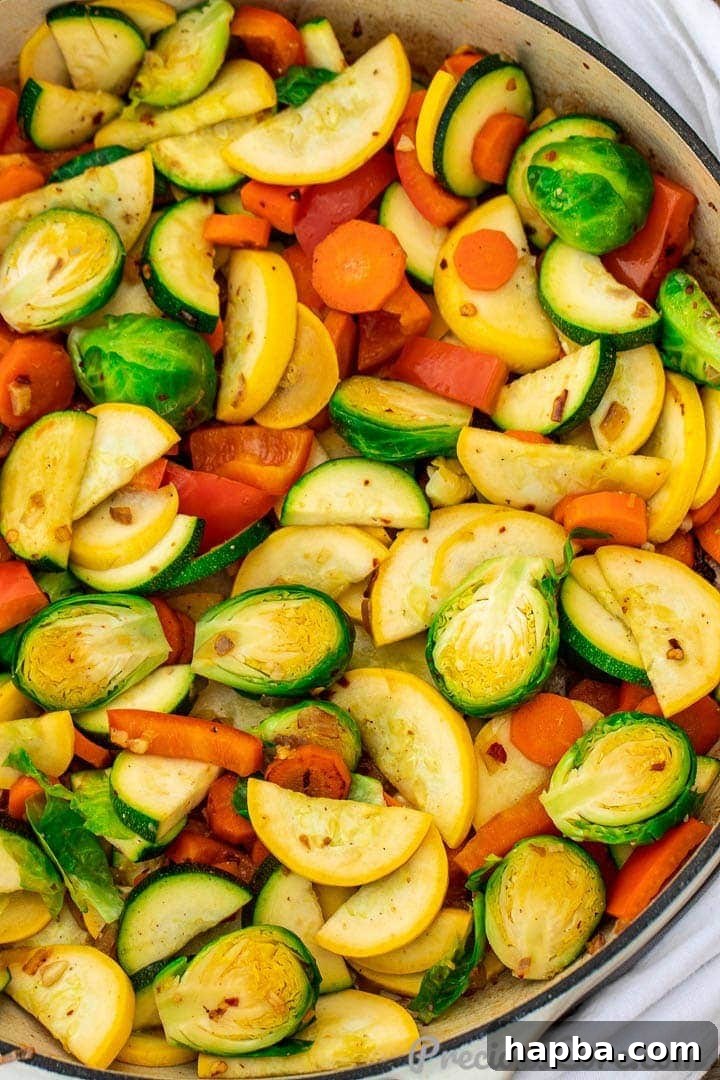
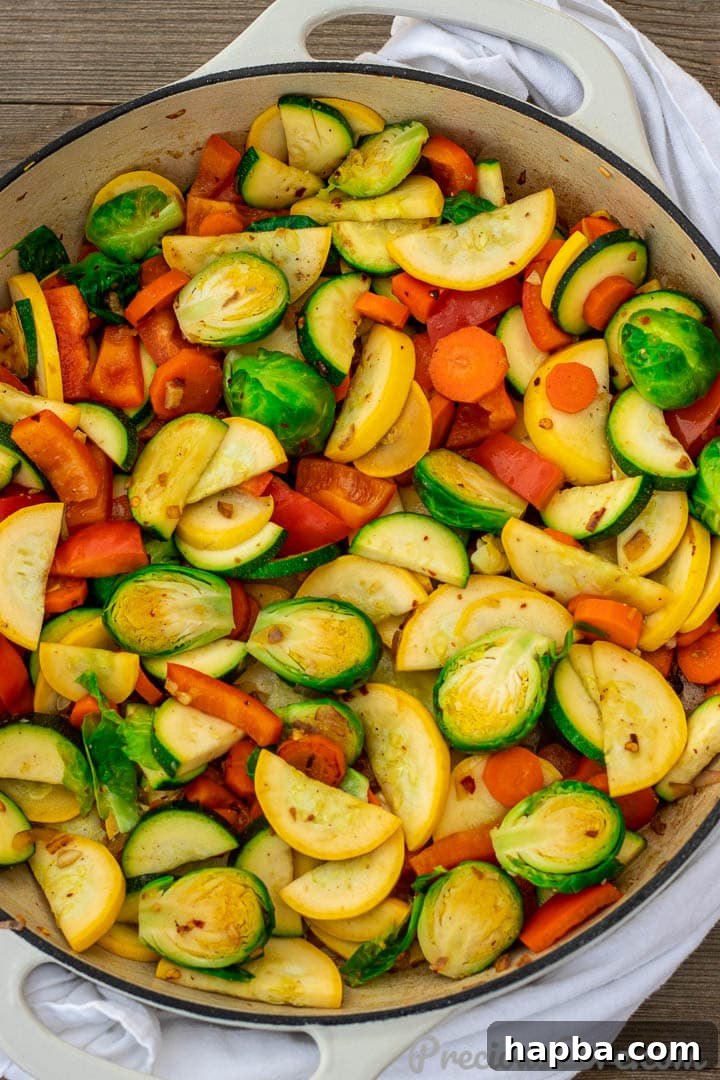
Sautéed Vegetables are the quintessential quick and perfect side dish, brimming with vibrant flavors and ready in a flash. Whether you’re seeking a nutritious accompaniment for your daily lunch or dinner, or looking for an impressive yet effortless addition to your holiday spread, this versatile vegetable sauté recipe has you covered.
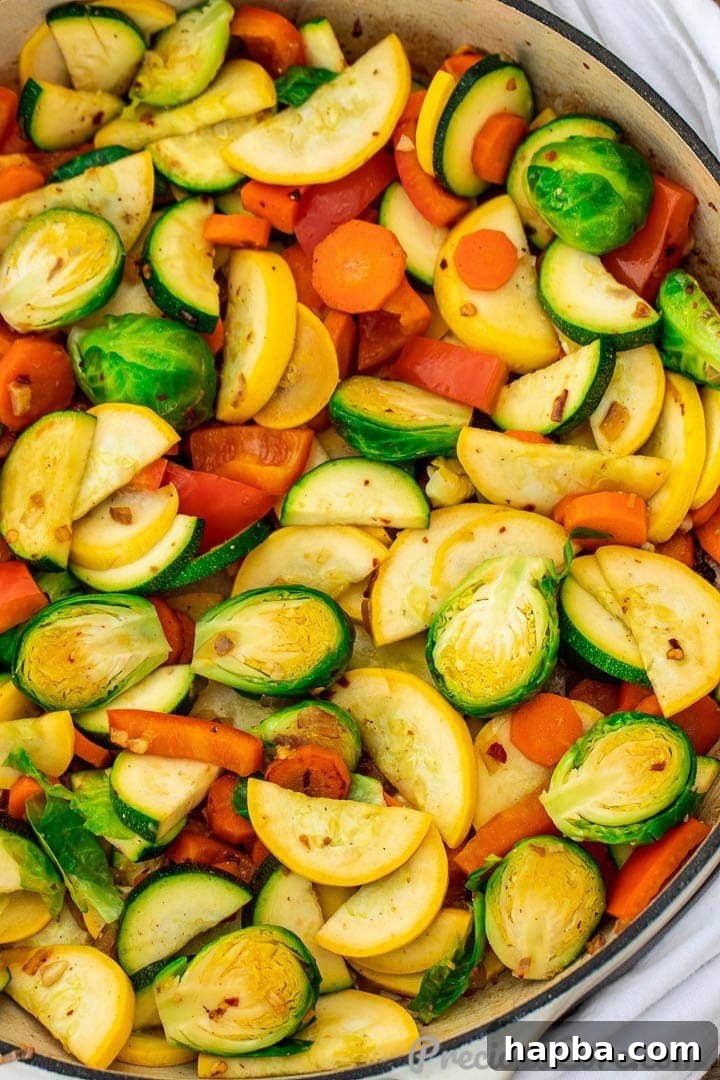
Incorporating Sautéed Vegetables into your regular dinner rotation is a fantastic way to infuse your meals with a burst of essential nutrients and fresh flavors. This recipe transcends the ordinary, transforming simple garden vegetables into an irresistible dish that even the most discerning palates will appreciate. Its ease of preparation makes it an ideal choice for busy weeknights, yet its delicious outcome is worthy of special occasions and holiday gatherings.
This incredibly adaptable side dish pairs wonderfully with a wide array of main courses and carbohydrate bases. Imagine enjoying these flavorful veggies alongside fluffy easy steamed rice, light and airy couscous, hearty easy roasted potatoes, naturally sweet sweet potatoes, or protein-rich quinoa. The possibilities are endless, making this recipe a true staple for any home cook.
Table of Contents
- Sautéed Vegetables: The Ultimate Healthy Side Dish
- Why Sautéing Is Your Best Cooking Method
- Essential Ingredients for Flavorful Sautéed Vegetables
- Mastering the Art of Seasoning Your Sautéed Vegetables
- Step-by-Step Guide: How To Sauté Vegetables Perfectly
- Expert Tips for Perfect Sautéed Vegetables Every Time
- The Best Vegetables To Sauté for Maximum Flavor and Texture
- How Long To Sauté Vegetables: Achieving Crisp-Tender Perfection
- Can You Sauté Frozen Vegetables? Tips and Tricks
- What To Serve With Sautéed Vegetables: Complete Your Meal
- More Delicious Side Dishes You’ll Love
- Sautéed Vegetables Full Recipe
Sautéed Vegetables: The Ultimate Healthy Side Dish
In this comprehensive guide, I’ll walk you through my proven method for transforming almost any vegetable into a dish that is both nutritious and incredibly delicious. Sautéing vegetables with a thoughtful blend of seasonings and aromatic ingredients is not just a cooking technique; it’s a way to unlock their full potential, making it enjoyable to consume a generous portion of your daily recommended vegetables.
This healthy and vibrant side dish is so outstanding that it has the power to impress even the most hesitant vegetable eaters. Its flexibility allows you to work with your family’s favorite vegetables, providing an effortless and enjoyable path to meeting your recommended daily nutritional values. The beauty of these simple sautéed vegetables lies in their ability to become a go-to dish that you’ll want to prepare repeatedly. They’re especially convenient when time is of the essence, offering a quick solution without compromising on taste or health.
I’ve discovered that sautéing a variety of vegetables in a large skillet or braiser is one of the fastest and most efficient cooking methods, often surpassing the time required for oven roasting or steaming. After you experience the speed and flavor of this recipe for the first time, you’ll undoubtedly understand why it has become a staple in my kitchen.
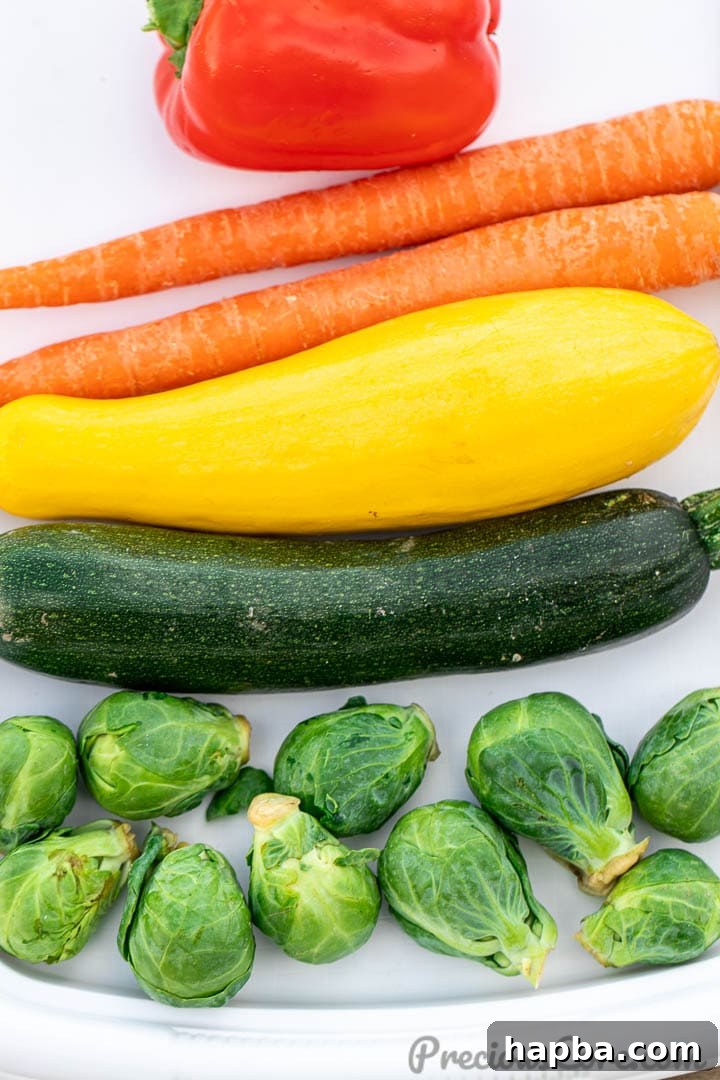
These days, a batch of sautéed vegetables is almost always on my menu. Sometimes I opt for the convenience of pre-cut, packaged vegetables for an even quicker meal. Other times, I enjoy the process of selecting and preparing different fresh vegetables myself. Regardless of your choice of produce, the core principles and steps for this easy sautéed vegetables recipe remain consistent, ensuring delicious results every time.
Why Sautéing Is Your Best Cooking Method
Sautéing, derived from the French word “sauter” meaning “to jump,” is a cooking method that involves quickly frying food in a small amount of oil or fat over relatively high heat. This technique is particularly excellent for vegetables because it achieves several desirable outcomes:
- Speed: Vegetables cook rapidly, making it perfect for quick meals.
- Flavor Development: The high heat promotes caramelization and browning (Maillard reaction), enhancing the natural sweetness and umami flavors of the vegetables.
- Texture: It helps vegetables retain their crisp-tender texture, avoiding sogginess often associated with overcooking.
- Nutrient Retention: Because of the short cooking time, many heat-sensitive vitamins are better preserved compared to longer cooking methods.
- Versatility: You can sauté almost any vegetable, adapting seasonings and additions to create endless flavor profiles.
By understanding these benefits, you’re not just following a recipe; you’re mastering a technique that will elevate your everyday cooking.
Essential Ingredients for Flavorful Sautéed Vegetables
The beauty of sautéed vegetables lies in their versatility. You can use an extensive variety of fresh produce, making it an excellent way to use up whatever you have on hand or explore new flavors. Here’s a look at some of the vegetables I frequently use, along with their contributions to the dish:
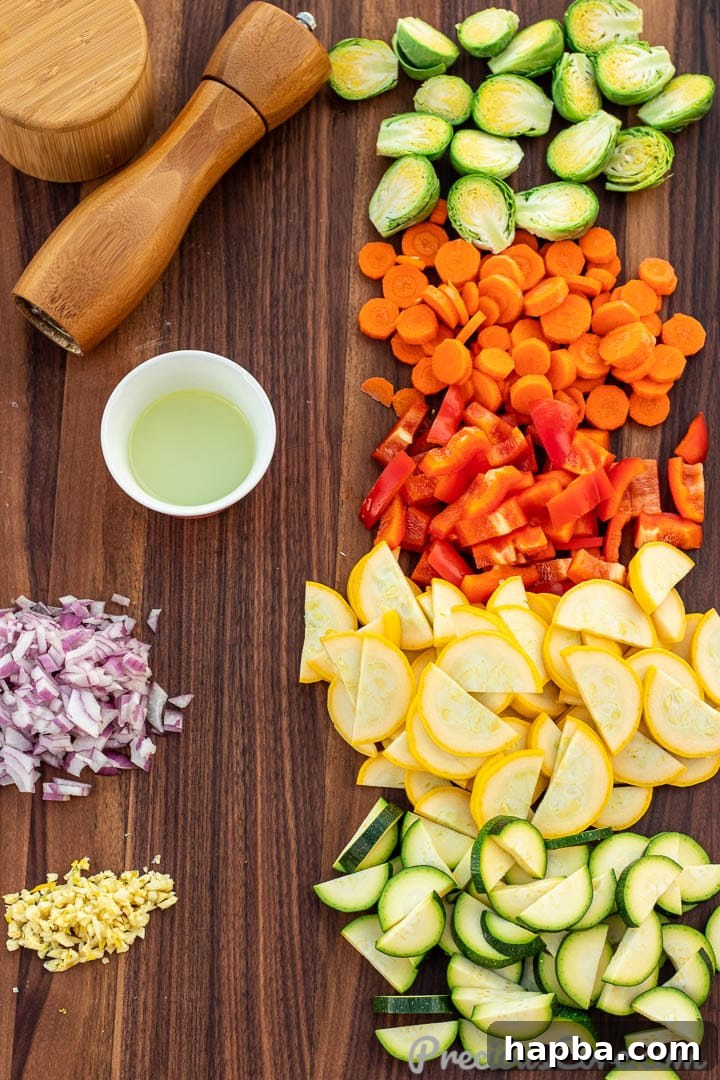
- Carrots: These root vegetables bring a delightful bright orange color and a pleasant crisp-tender texture to the mix. Beyond their visual appeal, carrots are an excellent source of beta-carotene, which the body converts into vitamin A, crucial for vision and immune function.
- Bell Peppers and Onions: A foundational duo for almost any sauté. Bell peppers, whether red, yellow, or orange, contribute vibrant color and a sweet crunch. Red bell peppers, specifically, are rich in Vitamin C. Onions, a classic aromatic, provide a deep flavor base when sautéed until translucent. Feel free to use your preferred type of onion—white, yellow, or red—each offering a slightly different nuance.
- Squash (Zucchini and Yellow Squash): These summer squashes soften beautifully when sautéed, offering a tender texture and a mild, earthy taste. They are packed with antioxidants, vitamins, and minerals, adding significant nutritional value without overpowering other flavors.
- Olive Oil: The fat of choice for sautéing. Olive oil not only facilitates even browning and prevents sticking but also imparts a lovely Mediterranean flavor. For a more neutral profile, vegetable oil or avocado oil are excellent alternatives, especially when you want the vegetable flavors to shine without much interference.
- Seasonings: The right blend of seasonings elevates sautéed vegetables from good to unforgettable. You’ll need basic pantry staples such as freshly ground black pepper (or white pepper for a milder kick), and fine table or sea salt to enhance natural flavors. Bouillon powder is my secret weapon for an added layer of savory depth, and a pinch of red pepper flakes can introduce a subtle warmth or a fiery kick, depending on your preference.
For the precise quantities of each vegetable and seasoning, please refer to the full recipe provided below. Remember, the key to a truly fantastic sauté is to use fresh, high-quality ingredients.
Chef’s Tip: When selecting your vegetables, aim for a rainbow of colors! A visually appealing dish not only looks more appetizing but also ensures you’re getting a broad spectrum of nutrients. Don’t be afraid to mix and match.
Mastering the Art of Seasoning Your Sautéed Vegetables
While the vegetables themselves are the stars, proper seasoning is what truly makes them shine. The best seasoning for sautéed vegetables is a balanced combination that enhances their natural flavors without overpowering them. My go-to blend typically includes salt, black or white pepper, and a touch of bouillon powder for that extra depth of flavor.
The foundation of a great sauté often begins with aromatics. Sautéing finely diced onion and fresh minced garlic before adding the main vegetables is a crucial step that builds an incredibly rich flavor base. As they gently cook in the oil, they release their fragrant compounds, infusing the entire dish with warmth and complexity.
Beyond these staples, don’t hesitate to experiment with other spices and herbs to customize your flavor profile:
- Italian Seasoning: A blend of oregano, basil, thyme, and rosemary can lend a classic Mediterranean twist.
- Garlic Powder & Onion Powder: If you’re short on fresh aromatics, a dash of these powders can still provide a good flavor foundation.
- Smoked Paprika: Adds a beautiful color and a smoky, slightly sweet note.
- Cumin & Coriander: For an earthy, slightly exotic touch, perfect with bell peppers and zucchini.
- Fresh Herbs: A sprinkle of fresh parsley, cilantro, dill, or chives added at the very end brightens the dish with vibrant flavor and color.
My Secret Ingredient: Bouillon Powder. This might sound unconventional, but bouillon powder adds a magical savory ‘umami’ punch that makes even less-loved vegetables incredibly palatable. I particularly love and frequently use Knorr Chicken Bouillon powder, but vegetable or beef bouillon also work wonderfully depending on your dietary preferences and desired flavor profile. It truly takes the dish to the next level, ensuring a deeply satisfying taste in every bite.
Step-by-Step Guide: How To Sauté Vegetables Perfectly
Achieving perfectly sautéed vegetables is a simple process, but paying attention to a few key details can make all the difference. Follow these steps for crisp-tender, flavorful results every time:
- Prepare Your Pan and Oil: Begin by placing a large, heavy-bottomed non-stick skillet or a cast iron braiser (which excels at retaining heat) over medium-high heat. Add your chosen olive oil or neutral oil and allow it to heat up until it’s shimmering. This indicates the oil is hot enough to start the sautéing process, ensuring good browning and preventing the vegetables from absorbing too much oil and becoming greasy.
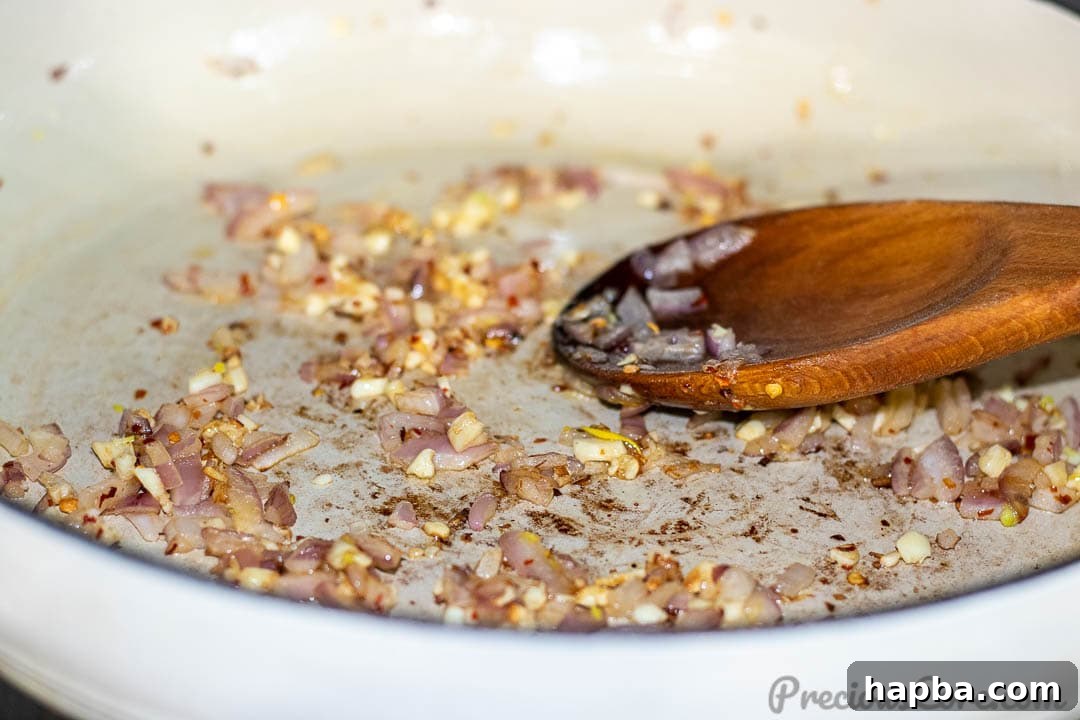
- Sauté the Aromatics: Add the diced onions to the hot skillet. Stir frequently and sauté for about one minute, or until they become translucent and fragrant. This step softens the onions and releases their foundational sweetness. Next, add the fresh minced garlic. Stir it into the oil and onions, allowing it to cook for about 30 seconds. This brief cooking time is enough for the garlic’s flavors to “bloom” and infuse the oil. Be vigilant and stir continuously to prevent the garlic from burning, as burnt garlic can impart a bitter taste. If you’re using red pepper flakes for a touch of heat, add them at this stage as well, stirring them briefly to release their aromatic oils.
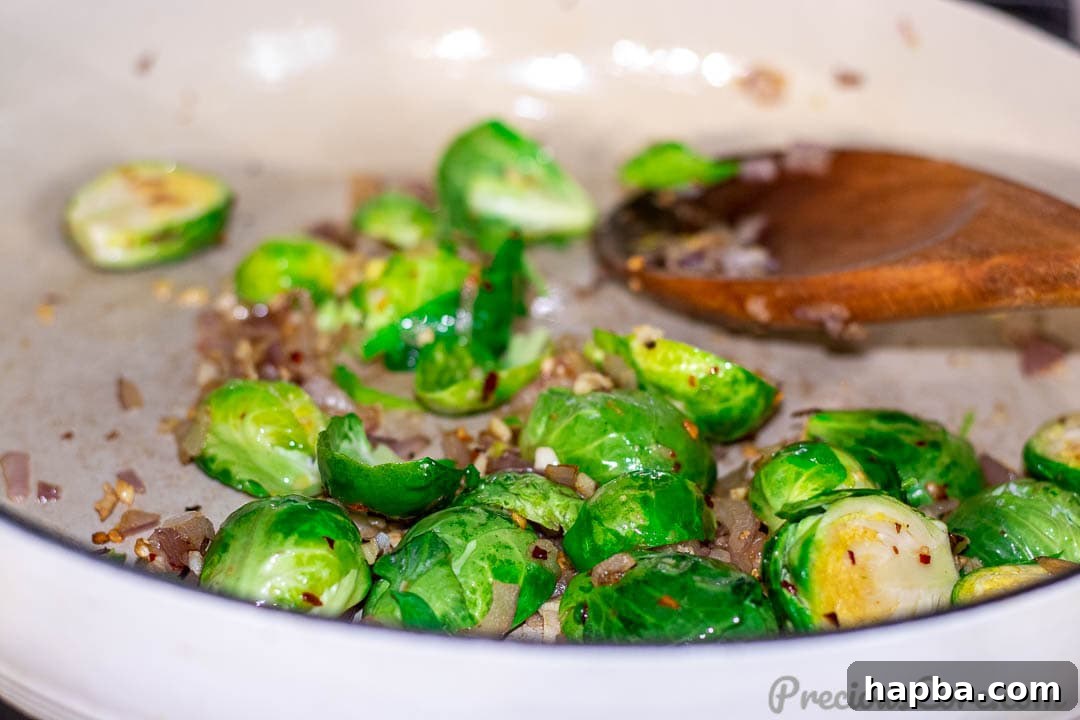
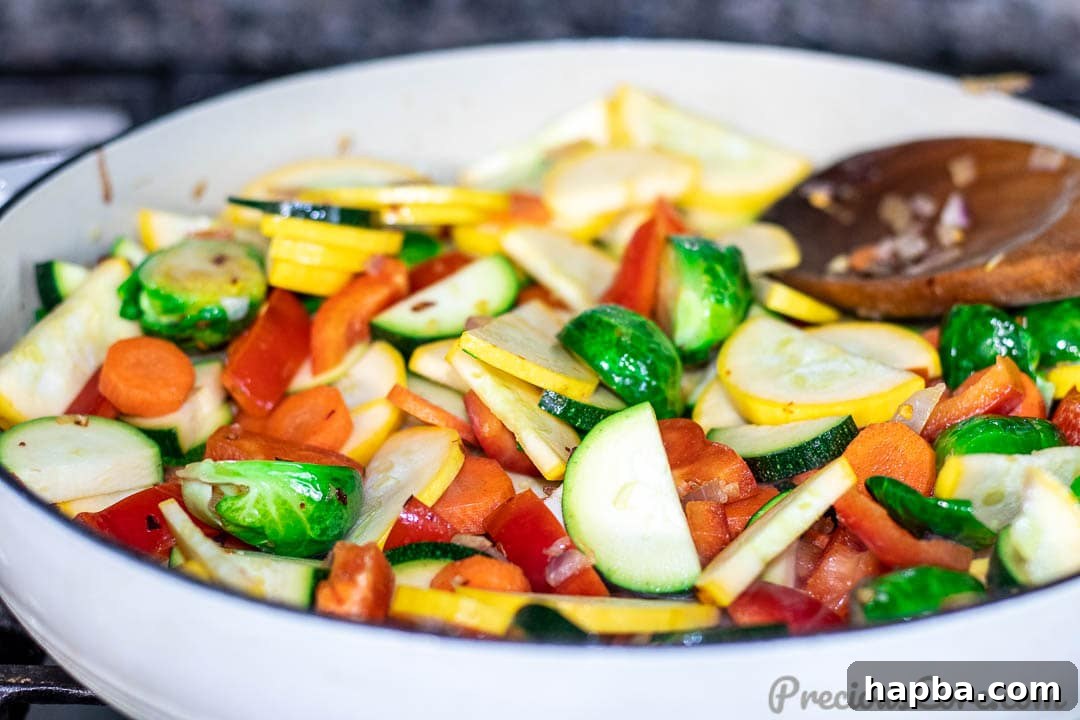
- Add Vegetables by Hardness: This is a critical step for achieving even doneness. Start by adding the harder vegetables, those with longer cooking times, to the pan first. For this recipe, add the Brussels sprouts and stir, letting them cook for one minute. Then, add the carrots and stir, cooking for another 30 seconds. Following this, incorporate the bell peppers and stir, cooking for 30 seconds. Finally, add the zucchini and yellow squash. This staggered approach ensures that all vegetables, regardless of their initial density, reach a similar tender-crisp texture by the end of the cooking process. Continue to stir and sauté all the vegetables until they reach your desired level of doneness.
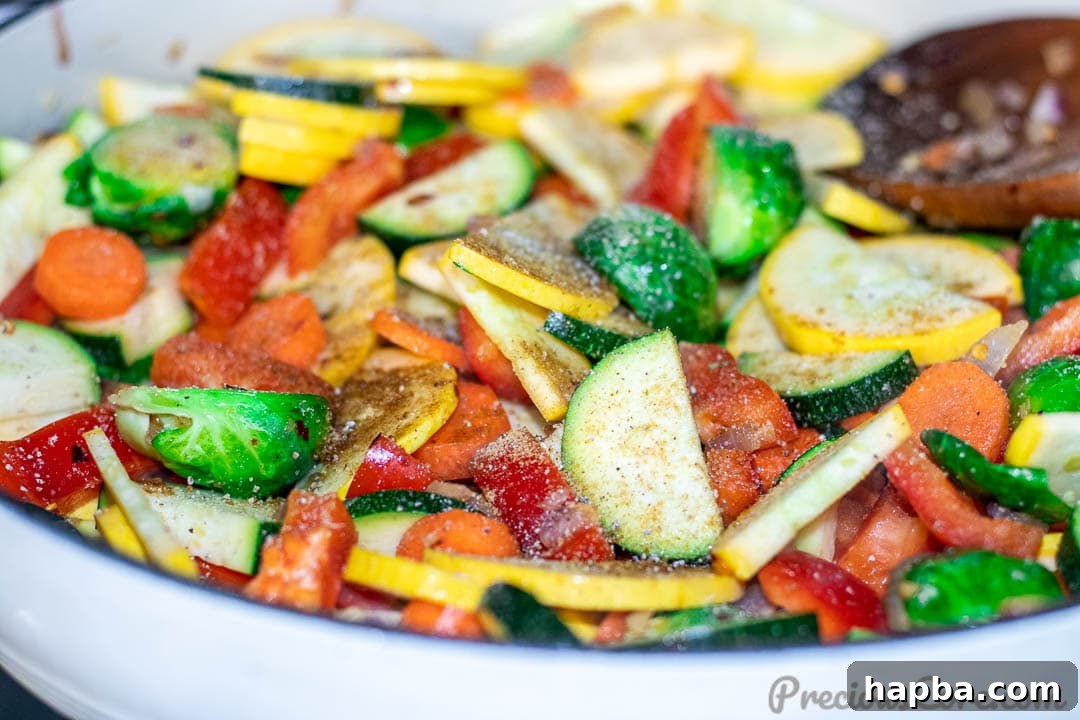
- Season and Serve: Once all the vegetables are in the pan and have begun to soften, sprinkle them evenly with salt, pepper, and bouillon powder. Toss everything thoroughly to ensure the seasonings are well distributed. Continue cooking for another two minutes, allowing the flavors to meld beautifully. Towards the very last minute of cooking, taste the sautéed vegetables and make any necessary adjustments to the seasoning. The vegetables should still retain a pleasant crispness. Serve your perfectly sautéed vegetables immediately while they are warm, to enjoy their optimal flavor and texture.
Expert Tips for Perfect Sautéed Vegetables Every Time
Transforming simple vegetables into a spectacular side dish is easier than you think with these expert tips:
- Use the Right Tools: A good quality, heavy-bottomed non-stick skillet or cast iron braiser and enough oil are crucial. These prevent sticking and ensure even heat distribution, which is key for proper caramelization and cooking without burning.
- Don’t Overcrowd the Pan: This is perhaps the most important tip. If you add too many vegetables to your skillet, the temperature will drop significantly, causing the vegetables to steam rather than sauté. This results in soggy, rather than crisp-tender, vegetables. Cook in batches if necessary, or use a larger pan.
- Uniform Chopping is Key: For even cooking, ensure all your vegetables are cut into roughly similar-sized pieces. This way, they will cook at a similar rate, and you won’t end up with some pieces raw and others overcooked.
- Add Other Ingredients: Feel free to get creative! Leafy greens like spinach or kale can be added towards the end. Grape tomatoes or diced fresh tomatoes introduce a burst of acidity and freshness. A handful of fresh green beans or mushrooms can also elevate the dish. If you add more ingredients, you might need to slightly increase the amount of oil.
- Elevate with Umami: For a deeper, more complex umami taste, consider a splash of soy sauce, tamari (for gluten-free), or coconut aminos. These ingredients are potent, so a little goes a long way. Add them towards the end of cooking and taste as you go.
- Garnish for Flair: A simple way to dress up your dish when serving is to sprinkle on fresh herbs like chopped parsley or chives, and a bit of freshly grated Parmesan cheese. The herbs add brightness, and the cheese lends a savory, salty kick that perfectly highlights the vegetables’ best qualities.
- Batch Cooking & Storage: This recipe doubles or triples easily if you’re cooking for a crowd or want leftovers for meal prep. Just ensure your skillet is large enough to accommodate the increased volume without overcrowding. Store any extra sautéed vegetables in an airtight container in the refrigerator for up to 3-4 days.
- Reheating Leftovers: Reheat leftovers gently. You can use the microwave, a non-stick pan on the stovetop (adding a tiny bit of oil or water if dry), or even an air fryer for a few minutes to bring back some crispness.
- Deglaze for Flavor: If bits of flavor get stuck to the bottom of your pan (which is a good thing!), deglaze with a splash of vegetable broth or water. This helps release those caramelized flavors, enriching your dish. Using broth adds an extra layer of savory taste.
- Consider a Touch of Acidity: A squeeze of fresh lemon juice or a dash of apple cider vinegar at the very end of cooking can brighten the flavors and add a refreshing zing.
The Best Vegetables To Sauté for Maximum Flavor and Texture
The beauty of sautéing is its adaptability to a wide range of vegetables. While almost any vegetable can be sautéed, some varieties truly shine with this cooking method, developing incredible flavor and texture. Here’s a list of excellent choices, categorized for easier understanding:
- Hardy Root Vegetables & Brassicas:
- Carrots: Sweet and slightly crunchy, they develop a deeper sweetness when sautéed.
- Brussels Sprouts: When cut in half, they get beautifully caramelized edges and a tender interior.
- Broccoli & Cauliflower Florets: Break these into small, bite-sized pieces for quick cooking. They develop a nutty flavor and retain a nice bite.
- Cabbage: Shredded or thinly sliced, cabbage becomes tender-crisp with a mild sweetness.
- Tender & Quick-Cooking Vegetables:
- Bell Peppers: Red, yellow, orange, or green – they soften beautifully and become sweet.
- Zucchini & Yellow Squash: These cook very quickly, offering a tender texture and mild flavor. Cut them into uniform slices or half-moons.
- Mushrooms: Sliced mushrooms release their moisture and brown, developing a rich, earthy flavor.
- Asparagus: Snappy and vibrant, they only need a few minutes to become tender-crisp.
- Snow Peas & Snap Peas: These legumes retain their crunch and bright green color with quick sautéing.
- Fresh Green Beans: Cook until tender-crisp, offering a satisfying bite.
- Aromatics (Essential Flavor Builders):
- Onions: (Red, yellow, or white) form the base of flavor.
- Garlic: Adds pungent depth.
When selecting your vegetables, consider a mix of textures and colors for a more appealing and balanced dish. Remember to adjust cooking times based on the hardness and size of the vegetables, adding the tougher ones first.
How Long To Sauté Vegetables: Achieving Crisp-Tender Perfection
The ideal cooking time for sautéed vegetables is generally 3 to 5 minutes on medium-high heat. This relatively high heat is crucial for successful sautéing for a few key reasons:
- Caramelization (Maillard Reaction): High heat promotes the Maillard reaction, a chemical process that creates delicious browning and complex flavors on the surface of the vegetables. This adds a depth of flavor that lower heat cooking can’t achieve.
- Moisture Lock-In: Quick cooking at high heat helps to sear the exterior of the vegetables, trapping their natural moisture inside. This prevents them from becoming soggy and ensures they remain crisp-tender.
- Retained Nutrients: The shorter cooking time also means less exposure to heat, which helps in preserving more of the vegetables’ heat-sensitive vitamins and nutrients.
The goal is to achieve crisp vegetables with a tender interior—a perfect balance that signifies optimal doneness. Avoid overcooking, which can cause vegetables to lose their vibrant color, desirable crunch, and valuable nutrients. Pay attention to the size of your vegetable cuts; smaller pieces will cook faster, while larger chunks will require slightly more time. A quick test with a fork can help you determine if they’ve reached your preferred level of tenderness.
Can You Sauté Frozen Vegetables? Tips and Tricks
Absolutely, you can sauté frozen vegetables! It’s a fantastic time-saver and a convenient option for busy weeknights when fresh produce might not be readily available. While frozen vegetables won’t retain the exact same crisp crunch as their fresh counterparts due to the freezing and thawing process, they can still be incredibly flavorful and make a delicious, healthy addition to your meal.
I often stock up on giant frozen vegetable packs from warehouses like Costco, keeping them in my freezer specifically for quick sautés. This ensures I always have a healthy side dish option on hand, even when time is tight or the fridge is looking sparse.
Here are some tips for successful sautéing frozen vegetables:
- Don’t Thaw First: It’s generally best to add frozen vegetables directly to the hot pan without thawing. Thawing can make them watery and soggy.
- High Heat is Crucial: Use medium-high to high heat. The goal is to evaporate the excess moisture released by the frozen vegetables as quickly as possible, allowing them to brown rather than steam.
- Don’t Overcrowd: This is even more important with frozen vegetables than with fresh ones, as they release a lot of water. Cook in smaller batches if necessary to ensure good browning.
- Initial Sauté Only Oil: Start by sautéing the frozen vegetables in oil only for the first few minutes, stirring frequently, to allow most of the ice to melt and evaporate. Once the liquid has mostly cooked off and the vegetables start to sizzle, you can add aromatics and seasonings.
- Adjust Cooking Time: Frozen vegetables may take slightly longer to cook through than fresh ones. Monitor them closely and cook until they are tender and have some color.
What To Serve With Sautéed Vegetables: Complete Your Meal
Sautéed vegetables are incredibly versatile and pair beautifully with a wide variety of main courses, enhancing any meal with their fresh flavors and vibrant colors. Here are some fantastic suggestions to help you build a complete and satisfying meal:
- Seafood Entrees: The light, fresh taste of sautéed vegetables makes them a perfect match for fish and shellfish.
- Pan Grilled Salmon
- Lemon Butter Tilapia
- Cajun Salmon
- Pan Seared Tilapia
- Lemon Butter Salmon
- Poultry & Meat Dishes: They provide a refreshing contrast to richer meats.
- Herb Roasted Chicken
- Pan Seared Ribeye Steak
- Juicy Roast Turkey
- Grains & Starches: To round out your plate and add satisfying carbohydrates.
- Easy Coconut Rice or other grains like brown rice, couscous, or quinoa.
- Creamy mashed potatoes or crispy roasted potatoes.
- As a Light Main Course: For a lighter meal, you can even turn these sautéed vegetables into a main dish by adding a protein source directly to the pan, such as grilled chicken strips, tofu, or chickpeas.
More Delicious Side Dishes You’ll Love
If you’re looking to expand your repertoire of easy and flavorful side dishes, these recipes are sure to become new favorites:
- Sautéed Peppers and Onions
- Oven Roasted Baby Potatoes
- 3-Ingredient Biscuits
- Chicken Macaroni Salad
If you make this recipe, please consider leaving a comment and a star rating below. I love hearing from you!
Sautéed Vegetables
Print Recipe
Ingredients
- 5 oz Brussel sprouts, about 10 Brussel sprouts stalk trimmed and cut lengthwise in half
- 2 medium carrots peeled and sliced into circles
- 1 red bell pepper sliced into chunks, seeds removed
- 1 zucchini cut into quarter inch thick circles or half moons
- 1 yellow squash cut into quarter inch thick circles or half moons
- 2 tablespoons olive oil or other neutral oil
- 1/2 cup diced red onion
- 1 tablespoon minced garlic
- 1/2 teaspoon salt
- 1/2 teaspoon ground white pepper or black pepper
- 1/2 teaspoon beef bouillon powder other kinds of bouillon powder would work as well
Instructions
- Prep the Veggies. Rinse all vegetables and chop them into uniform pieces.
- Place a large skillet or cast iron braiser pan on medium-high heat. Add the oil and let it heat up until shimmering.
- Add the diced onion and stir. Sauté for one minute until translucent. Add the minced garlic and stir. Let the garlic cook in the oil for 30 seconds so its flavor can bloom.
- Sauté the Veggies. Add the Brussels sprouts to the pan and stir, cooking for one minute. Add in the carrots and stir. Let it cook for 30 seconds. Then add in the bell peppers and stir. Let it cook for 30 seconds. Add in the zucchini and yellow squash and stir. If you are using other kinds of vegetables, always start by adding the hardest vegetables first. Let all the vegetables cook to your desired doneness, ensuring they remain crisp-tender.
- Add in the salt, pepper, and bouillon powder. Mix everything well to combine. Let them cook together for 2 minutes. Vegetables should still be crisp.
- Serve warm and enjoy!
Notes
1. When sautéing vegetables, always start by adding the tougher, harder vegetables to the pan first, then add the softer ones. This ensures even cooking.
2. You can customize this recipe by adding other kinds of vegetables you like. Vegetables like broccoli, cauliflower, mushrooms, asparagus, green beans, peas, and more would work well here. A good rule of thumb is to go for vegetables with varying colors for a great pop of color! Making this recipe is also a great way to clean out the fridge; use any leftover vegetables you have!
Nutrition
Carbohydrates: 15g |
Protein: 3g |
Fat: 6g |
Saturated Fat: 1g |
Polyunsaturated Fat: 1g |
Monounsaturated Fat: 4g |
Cholesterol: 0.03mg |
Sodium: 397mg |
Potassium: 593mg |
Fiber: 4g |
Sugar: 7g |
Vitamin A: 6491IU |
Vitamin C: 89mg |
Calcium: 51mg |
Iron: 1mg
Additional Info
Tried this recipe?
Mention @preciouscore or tag #PreciousCore!
Note: This post was first published on February 3, 2021. It has been significantly updated with clearer instructions, expanded content, and more valuable tips to enhance your cooking experience.