
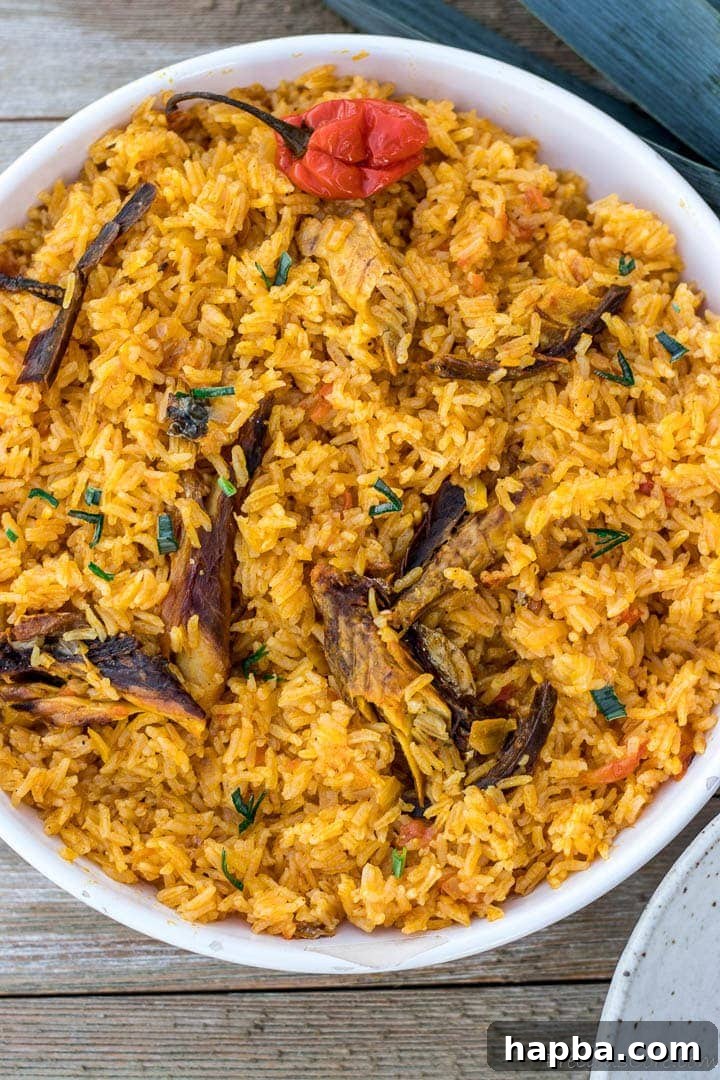
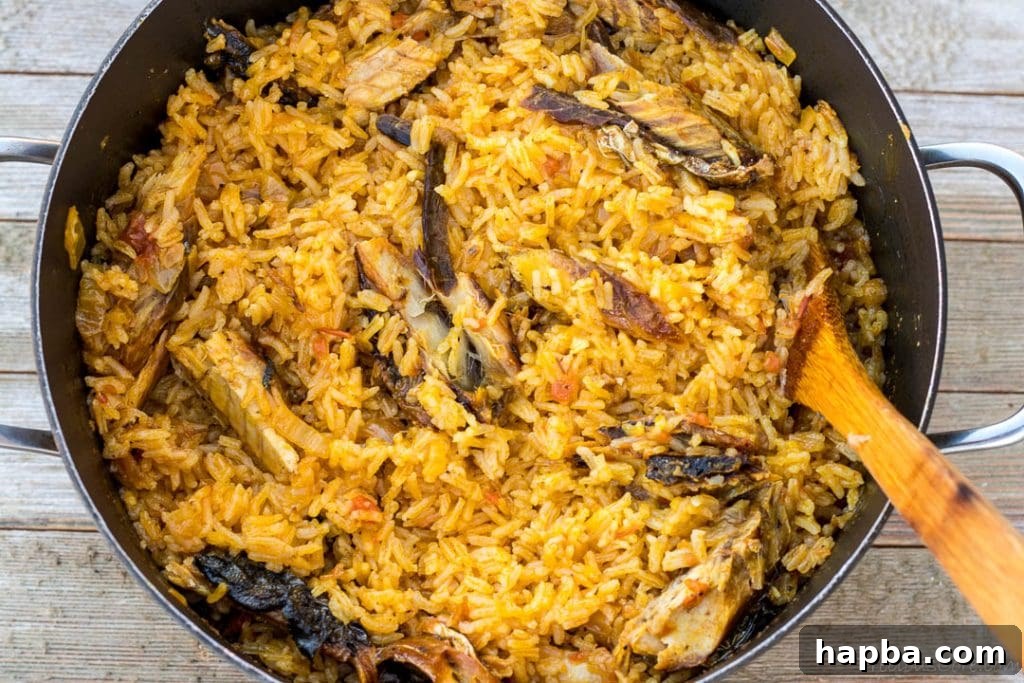
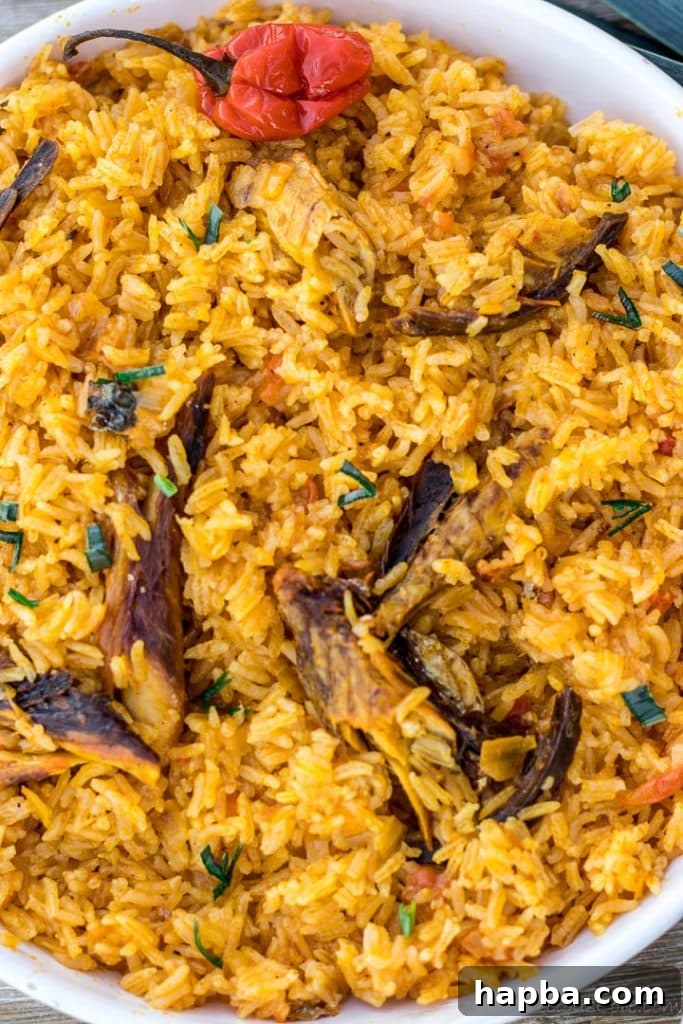
Njanga Rice, also widely known as Crayfish Rice, Palm Oil Jollof Rice, or Native Jollof Rice, is a beloved West African delicacy. This unique rice dish is celebrated for its distinctive smoky aroma, spicy kick, and rich, earthy flavor, primarily derived from its key ingredients: crayfish and red palm oil. It’s a culinary experience that promises to transport your taste buds straight to the heart of traditional African kitchens.
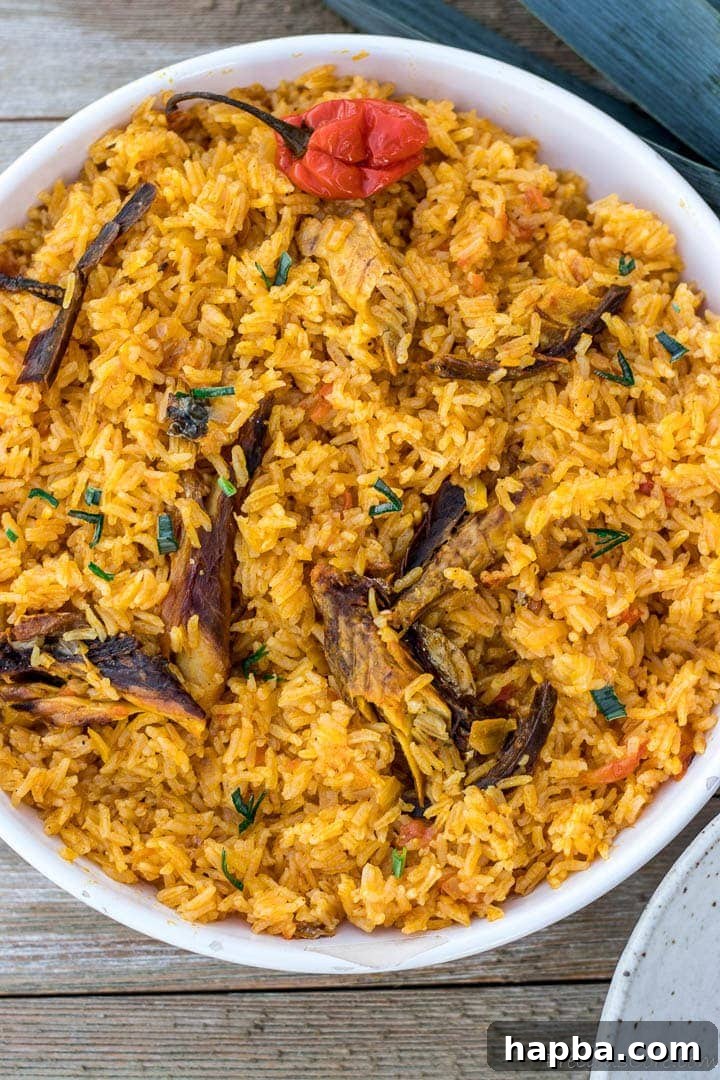
My journey with this recipe began quite spontaneously. I remember waking up one morning with an intense craving for something truly comforting and flavorful. Without much planning, I combined some readily available ingredients, and the result was so incredibly delicious that I felt compelled to share this culinary gem with others. It was a simple preparation of Njanga Rice using pre-cooked white rice, and it tasted phenomenal. The beauty of starting with cooked rice, similar to a fried rice technique, is that the fresh ingredients are not overcooked, allowing their vibrant flavors to truly shine through. This is also how I often achieve the incredible depth of flavor in my Cameroon Jollof Rice.
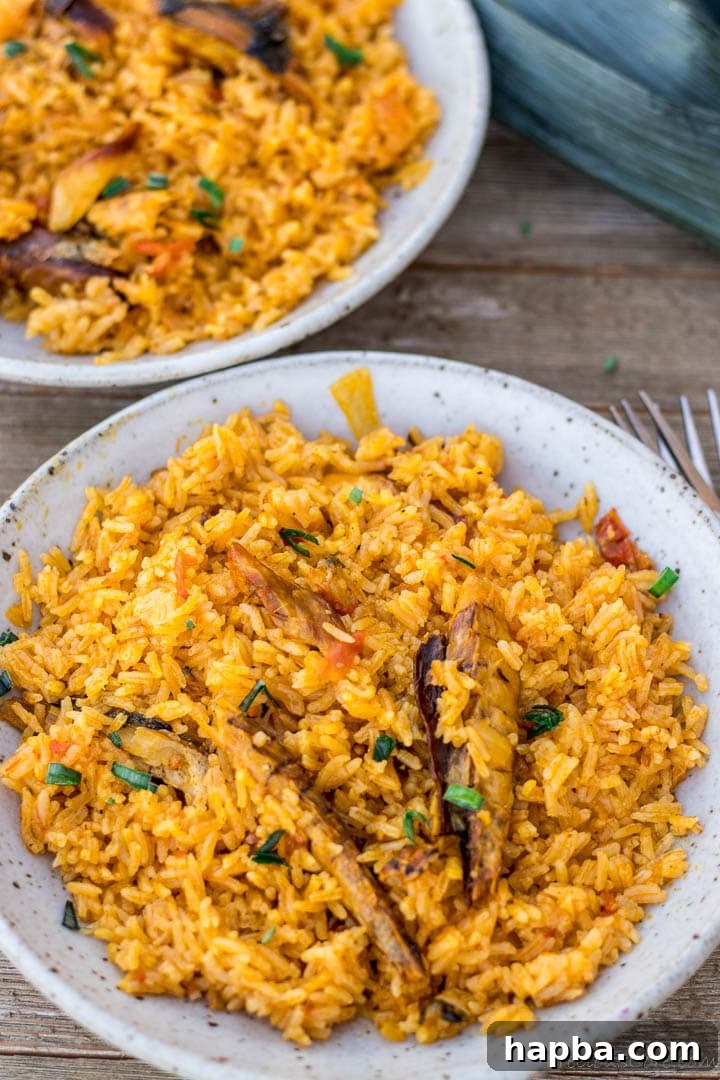
Since that initial spontaneous creation, I have meticulously developed an even more streamlined and equally delicious version: a one-pot Njanga Rice recipe. This method is incredibly easy to follow and yields an epically flavorful dish. My husband, a true connoisseur, simply couldn’t get enough of it, which is always the ultimate seal of approval in my kitchen!
For those days when you have leftover white rice and are looking to transform it into something extraordinarily tasty, I have also included my original recipe for making Njanga Rice with pre-cooked white rice. This ensures you can always enjoy the rich flavors of crayfish or palm oil rice, no matter your starting point.
Discover Njanga Rice: The Soulful Symphony of Palm Oil and Crayfish
Njanga Rice is more than just a meal; it’s a celebration of rich West African flavors and culinary traditions. Known by various names such as Palm Oil Jollof Rice, Crayfish Rice, or simply Native Jollof Rice, this dish holds a special place in the hearts and homes of many, particularly in Cameroon and Nigeria. It stands out from typical Jollof Rice preparations due to the generous use of red palm oil and the unmistakable umami punch of dried crayfish, lending it a truly authentic and earthy character.
The beauty of Njanga Rice lies in its simplicity and the depth of flavor achieved through a few potent ingredients. Imagine fluffy rice infused with a golden-red hue from the palm oil, speckled with savory crayfish, and punctuated by the gentle heat of habanero pepper. Each spoonful offers a complex profile—smoky, spicy, and incredibly satisfying. Whether prepared as a comforting weeknight meal or a festive dish for gatherings, Njanga Rice consistently delivers a memorable dining experience.
What is Njanga? Unveiling the Essence of Crayfish
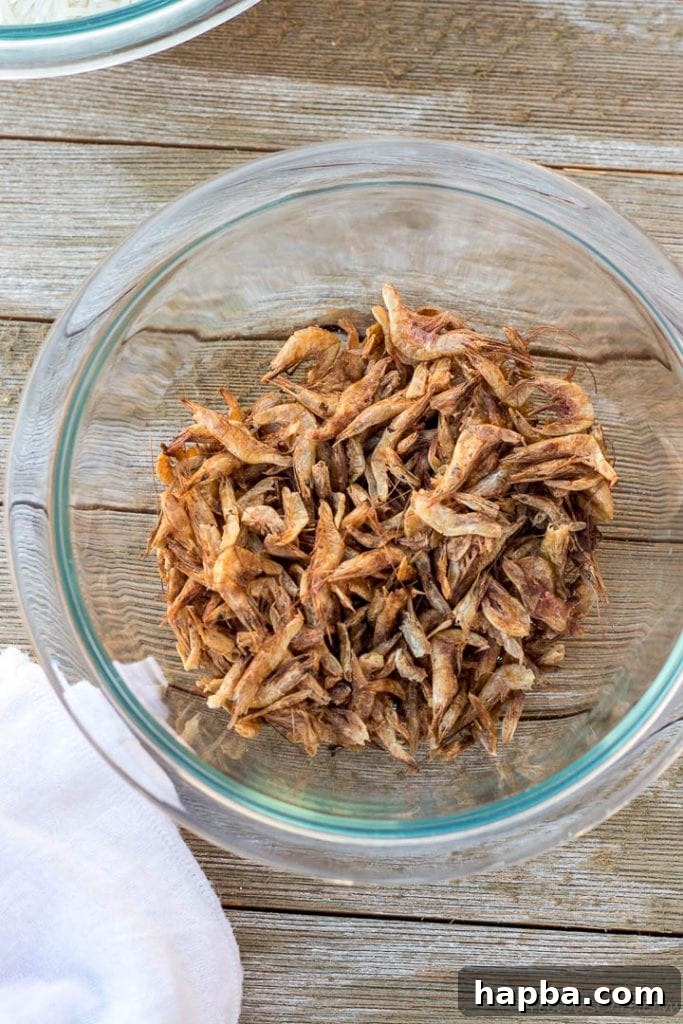
In Cameroon, “Njanga” is the local term for crayfish, which are essentially small dried shrimp or prawns. These humble crustaceans are a cornerstone of West African cuisine, revered for their ability to impart an intense, earthy, and salty flavor that is irreplaceable. Unlike fresh shrimp, dried crayfish offers a concentrated essence, a deep umami that elevates any dish it graces.
When combined with the vibrant red palm oil, fiery chili or habanero pepper, and a touch of crayfish seasoning (like Maggi crevette), Njanga transforms ordinary rice into an extraordinary culinary masterpiece. The interaction of these ingredients creates a symphony of flavors that is truly captivating. The drying process concentrates the natural flavors of the shrimp, giving them a robustness that fresh seafood simply cannot match. This makes Njanga not just an ingredient, but a flavor powerhouse in its own right.
The Distinctive Allure of Palm Oil in African Cuisine
Red palm oil is not merely a cooking fat; it’s a vital ingredient that defines the character and taste of many West African dishes, including Njanga Rice. This natural oil, extracted from the fruit of the oil palm tree, is distinguished by its vibrant reddish-orange hue and its rich, slightly earthy flavor. Beyond its culinary contributions, red palm oil is also celebrated for its nutritional benefits, being a rich source of antioxidants, particularly beta-carotene and Vitamin E.
In Njanga Rice, palm oil plays multiple crucial roles. It provides the dish with its signature color, making it visually appealing. More importantly, it acts as a flavor carrier, binding together the spices, crayfish, and aromatics, and infusing the rice with its unique depth. The subtle sweetness and earthy notes of red palm oil harmonize perfectly with the savory crayfish and spicy peppers, creating a truly authentic taste that is deeply rooted in African culinary heritage. Sourcing good quality red palm oil from African specialty stores or reputable online vendors is key to achieving the authentic flavor profile of this dish.
Essential Ingredients for Authentic Njanga Rice
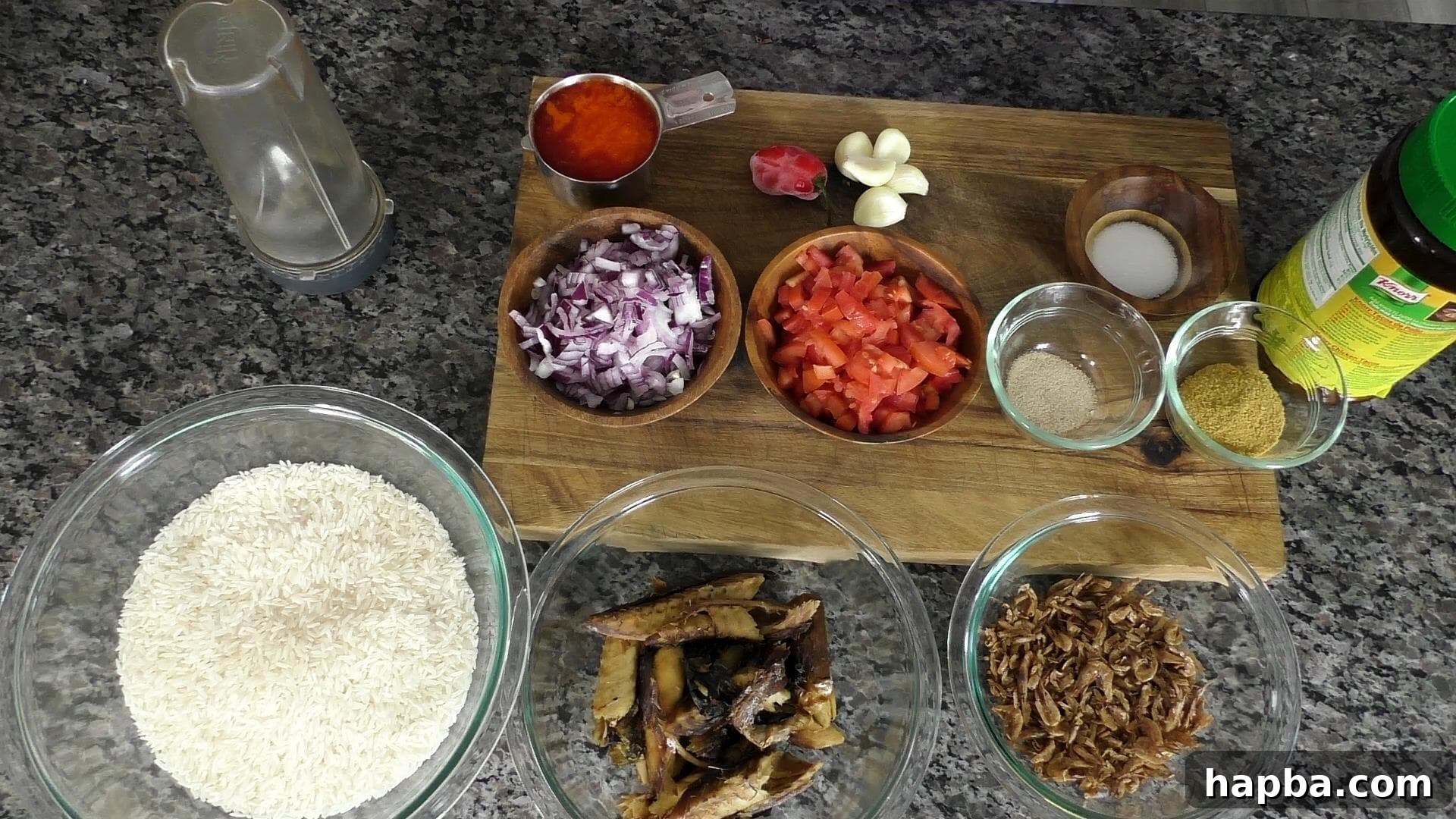
Creating an authentic Njanga Rice requires a careful selection of ingredients that complement each other to build a complex flavor profile. Here’s a closer look at the key components:
- Rice Type: Long-grain rice varieties like Jasmine rice are preferred for their fragrant aroma and tendency to cook into separate, fluffy grains, preventing stickiness. Basmati or other quality long-grain options can also work well.
- Aromatics: Fresh onions and garlic form the aromatic base, providing a foundational layer of flavor that is essential for any good rice dish.
- Spices & Seasoning: Salt, white pepper, and chicken bouillon powder (or crayfish-specific seasoning cubes like Maggi crevette) enhance the overall taste, adding savory notes and depth.
- Smoked Fish: This ingredient is a game-changer, introducing a subtle smokiness and another layer of umami that elevates the dish. Commonly, a firm white fish like tilapia or mackerel is smoked and then deboned.
- Habanero Pepper: For those who love a bit of heat, habanero peppers provide a fiery kick. They can be added whole for a milder warmth or sliced for a more intense spice.
- Tomatoes: Fresh tomatoes add a slight tang and sweetness, balancing the richness of the palm oil and crayfish. Cooking them down thoroughly helps reduce acidity and deepens their flavor.
Mastering Njanga Rice: Two Delicious Methods
Whether you prefer the traditional depth of a one-pot meal or the swift convenience of using pre-cooked rice, Njanga Rice offers versatile preparation methods. Both promise an explosion of flavor, but cater to different cooking preferences and time constraints.
Method 1: The Flavorful One-Pot Njanga Rice
This method allows all the flavors to meld together beautifully, as the rice cooks directly in the rich palm oil and crayfish sauce. It’s ideal for achieving maximum flavor infusion and a wonderfully tender rice texture. The key is to build a robust flavor base before introducing the rice, ensuring every grain is coated in the aromatic goodness.
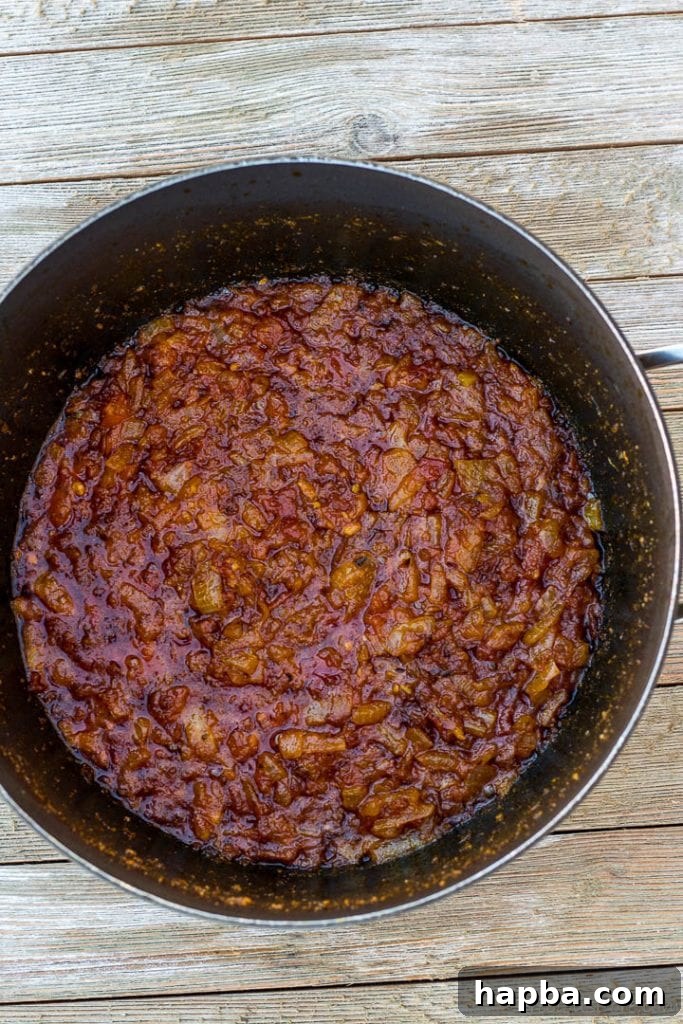
Step-by-Step One-Pot Instructions:
- Prepare Aromatics: Heat red palm oil in a pot. Add chopped onions and sauté until they become translucent and fragrant.
- Build the Sauce Base: Introduce chopped tomatoes and cook them down until they soften and shrink, concentrating their flavor and reducing acidity. Then, add blended garlic and stir, allowing its aroma to fill the kitchen.
- Infuse with Crayfish: Stir in the coarsely blended crayfish. The hot oil helps to release its unique, earthy flavor, forming a fantastic base for the rice.
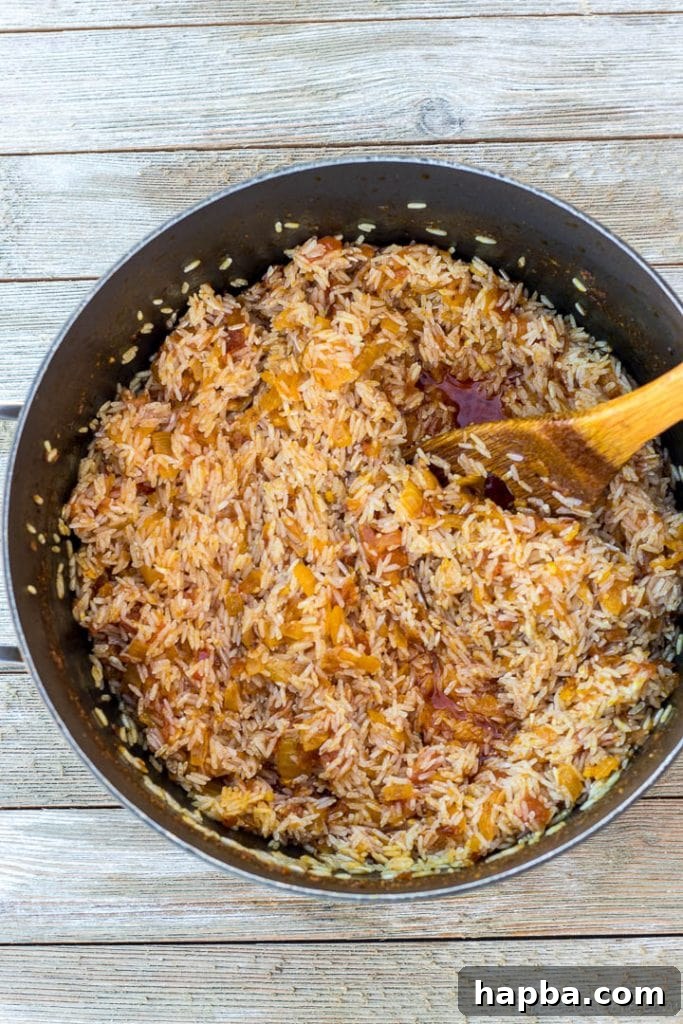
- Incorporate Rice: Add the thoroughly washed rice to the pot, stirring well to ensure each grain is coated in the rich sauce. This step is crucial for flavor absorption.
- Add Liquids & Seasonings: Pour in water, then season with salt, chicken bouillon powder (or Maggi cubes), and ground white pepper. Stir gently to combine all ingredients.
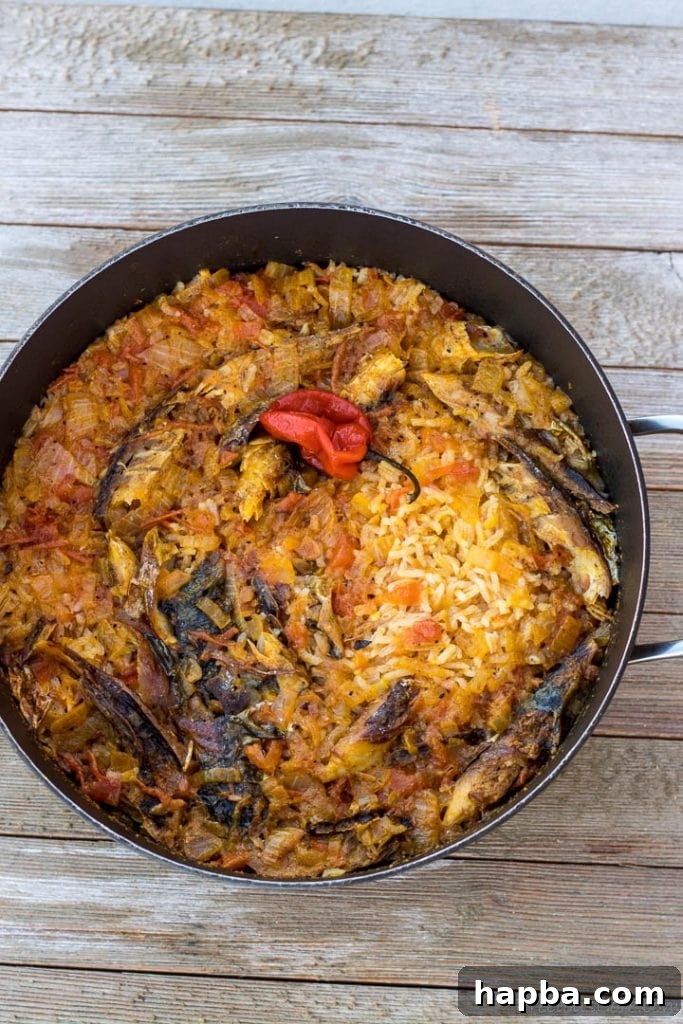
- Introduce Smoked Fish & Pepper: Carefully add the deboned smoked fish and the whole habanero pepper (cut it if you desire more heat).
- Simmer to Perfection: Cover the pot tightly and reduce the heat to low. Allow the rice to cook undisturbed until all the liquid is absorbed and the rice is tender. This typically takes around 40 minutes.
- Rest and Fluff: Once cooked, turn off the heat and let the pot rest, still covered, for an additional 5 minutes. This steaming period ensures the rice is perfectly fluffy. Finally, open the pot and fluff the rice with a fork before serving.
Method 2: Quick & Easy Njanga Rice with Pre-Cooked Rice
This method is a fantastic option for busy days or when you have leftover white rice that you want to transform into a vibrant, flavorful meal. By starting with already cooked rice, the preparation time is significantly reduced, and the ingredients remain fresh and lively, delivering robust flavors without being overcooked. It’s a vibrant, quick “fried rice” approach to this classic dish.
Prep time: 5 mins
Cook time: 30 mins
Total time: 35 mins
Serves: 4
Ingredients for Pre-cooked Method:
- 4 cups of boiled white rice
- 2 medium tomatoes, chopped
- 1 medium onion, chopped
- 1/2 cup of red palm oil
- 1 crayfish seasoning cube (Maggi crevette)
- 2 chili peppers (or 1 habanero pepper), chopped
- 1 stem green onion, chopped
- 1 finely chopped garlic clove
- 1/4 cup coarsely blended crayfish
Step-by-Step Pre-Cooked Instructions:
- Prepare Ingredients: Finely chop the onions, tomatoes, chili peppers (or habanero), and green onion. Have your finely chopped garlic clove and coarsely blended crayfish ready.
- Sauté Aromatics: Pour red palm oil into a clean pot and heat it gently. Add the chopped onions and fry until they are soft and translucent, releasing their sweet aroma.
- Cook Down Tomatoes: Add the chopped tomatoes to the pot. Fry them, stirring occasionally, until they shrink significantly and their acidity mellows. This usually takes about 7 minutes.
- Infuse Flavors: Add the blended crayfish, chopped garlic, chili pepper, and green onion to the hot oil mixture. The intense heat will instantly unleash a wonderfully fragrant and savory aroma from the crayfish and garlic, creating the heart of the dish’s flavor.
- Combine with Rice: Gently fold in the pre-cooked white rice. Mix everything thoroughly but carefully, ensuring the rice grains are well coated with the vibrant sauce and not mashed. Continue to stir-fry for a few more minutes until the rice is heated through and flavors are fully integrated.
What to Expect: The Unforgettable Taste of Njanga Rice
Njanga Rice offers an unparalleled sensory experience. The moment it’s served, a fragrant steam rises, carrying the earthy scent of palm oil, the deep savoriness of crayfish, and a hint of smoky spice. On the palate, it delivers a complex array of flavors: the robust, almost nutty taste of red palm oil, the intense umami and slightly salty notes from the crayfish, and a comforting warmth from the chili pepper.
For me, the taste of Palm Oil Rice evokes a profound sense of home. It’s a meal I cherished growing up, and the very act of preparing it and inhaling its distinctive aroma instantly connects me to my roots and cherished memories. This dish isn’t just food; it’s a comforting embrace, a culinary journey back to simpler times and authentic flavors.
Serving Suggestions for a Complete Meal
Njanga Rice is wonderfully satisfying on its own, but it truly shines when paired with simple, fresh accompaniments. I particularly enjoy savoring crayfish rice with slices of ripe avocado on the side. The creamy coolness of the avocado provides a delightful contrast to the spicy, savory rice. Another excellent pairing is with perfectly fried ripe plantains, which add a touch of sweetness and a soft texture. For a heartier meal, consider serving it with grilled fish, such as tilapia or mackerel, or alongside a fresh green salad to lighten the plate. The versatility of Njanga Rice makes it a fantastic canvas for various side dishes, allowing you to customize your meal to your preference.
Tips for the Perfect Njanga Rice
- Quality of Ingredients: The success of Njanga Rice heavily relies on the quality of its core ingredients. Use fresh, vibrant red palm oil and high-quality dried crayfish for the best flavor.
- Adjusting Spice Level: If you prefer less heat, add the habanero pepper whole and remove it before serving. For a spicier dish, slice or crush the pepper to release its capsaicin. Always taste and adjust seasoning cubes and salt according to your preference.
- Preventing Burnt Rice: A non-stick pot is highly recommended for the one-pot method. Ensure the heat is low once the rice is covered, and avoid opening the pot frequently, as this releases steam essential for even cooking.
- Fluffing Technique: After the rice has rested, use a fork to gently fluff it. This separates the grains and prevents them from becoming clumpy. Avoid using a spoon, which might mash the rice.
- Storage: Leftover Njanga Rice can be stored in an airtight container in the refrigerator for up to 3-4 days. Reheat gently on the stovetop or in the microwave, adding a splash of water if needed to prevent drying out.
- Variations: Feel free to experiment! Add some chopped bell peppers for extra color and sweetness, or include other proteins like boiled eggs or grilled chicken for a richer meal. For a vegetarian version, omit the smoked fish and use vegetable bouillon powder.
Watch the Recipe Video: Bringing Njanga Rice to Life
To truly grasp the essence and technique of preparing this incredible dish, I highly recommend watching the full recipe video. Seeing the process unfold can be incredibly helpful, especially for those new to West African cooking. The video below guides you through each step, ensuring you master the art of making Njanga Rice with Palm Oil.
If you’ve enjoyed creating this flavorful dish, please consider leaving a star rating below. Your feedback helps other home cooks discover and enjoy this wonderful recipe, and I always love hearing about your culinary experiences! Thank you for embarking on this delicious journey with me!
Njanga Rice – Jollof Rice with Palm Oil Recipe
Njanga Rice is a vibrant, smoky, and spicy dish made with rice, red palm oil, and crayfish (dried shrimp). This beloved West African staple is known by many names, including Palm Oil Jollof Rice and Native Jollof Rice. Follow this recipe to create the perfect palm oil rice that will transport your taste buds to the heart of Cameroon.
Prep Time: 10 minutes
Cook Time: 50 minutes
Total Time: 1 hour
Servings: 6 servings
Ingredients
- ¾ cup crayfish (loosely packed, coarsely blended)
- 5-7 cloves garlic (peeled, blended into a paste)
- ¾ cup red palm oil
- 1 cup chopped onion (from about a medium onion)
- 2 roma tomatoes (chopped)
- 3 cups jasmine rice (or other long-grain rice)
- 5 cups water
- 1 teaspoon salt
- 3 teaspoons chicken bouillon powder (or 3 small Maggi seasoning cubes, or 1 large Maggi crevette/crayfish Maggi)
- ½ teaspoon ground white pepper
- 2 cups smoked fish (bones removed, or dried fish)
- 1 habanero pepper (whole or cut for heat)
Instructions
- Prepare Crayfish & Garlic: Place the crayfish into a blender and pulse until coarsely broken down (do not grind into a fine powder). Blend the peeled garlic cloves into a smooth paste.
- Sauté Aromatics: Heat the palm oil in a pot (preferably non-stick) over high heat for about 3 minutes. Add the chopped onions and sauté until translucent, approximately 2 minutes.
- Cook Tomatoes: Add the chopped tomatoes to the pot. Cook, stirring occasionally, until the tomatoes shrink and their acidity is reduced, about 7 minutes. (While the tomatoes cook, wash the rice thoroughly and set aside).
- Infuse Flavors: Add the blended garlic to the pot and stir to release its fragrant aroma. Immediately add the coarsely blended crayfish and stir for about 30 seconds to infuse the oil.
- Combine with Rice: Add the washed rice into the pot and stir thoroughly, ensuring all ingredients are well incorporated and the rice is coated.
- Add Liquids & Seasonings: Pour in 5 cups of water. Add the salt, chicken bouillon powder (or Maggi cubes), and ground white pepper. Stir everything to combine.
- Incorporate Fish & Pepper: Gently add the smoked fish and the whole habanero pepper. (For a spicier rice, cut the habanero pepper in half before adding. If you prefer less heat, add it whole and press it into your plate of rice later).
- Cook the Rice: Cover the pot tightly and reduce the heat to low. Let the rice cook undisturbed for 40 minutes. After 40 minutes, turn off the heat and let the rice rest, still covered, for another 5 minutes. This steaming period helps the rice finish cooking evenly and become fluffy.
- Fluff and Serve: Open the pot, fluff the rice with a fork, and serve warm.
Notes
- Crayfish: Dried shrimp from West Africa. Available whole or ground at African stores. Buying whole ensures quality.
- Red Palm Oil: A natural, highly nutritious oil from palm nuts, integral to West African cooking. Found in African stores or online.
- Rice: Jasmine rice is recommended for its flavor, but any long-grain rice works. Adjust water quantity based on rice type.
- Spicy Preference: For extra heat, break the habanero pepper. For mild flavor, keep it whole and remove before serving.
- Smoked Fish: If smoked fish is unavailable, dried fish can be a suitable substitute. Ensure bones are removed.
- Nutritional information provided is an estimate.
Nutrition (Estimated Per Serving)
Calories: 442kcal | Carbohydrates: 27g | Protein: 16g | Fat: 30g | Saturated Fat: 14g | Polyunsaturated Fat: 3g | Monounsaturated Fat: 11g | Cholesterol: 51mg | Sodium: 1024mg | Potassium: 284mg | Fiber: 1g | Sugar: 2g | Vitamin A: 243IU | Vitamin C: 8mg | Calcium: 49mg | Iron: 1mg
Additional Info
- Course: Dinner
- Cuisine: African, Cameroonian, Nigerian
Tried this recipe? Share your creation on social media! Mention @preciouscore or tag #PreciousCore. Your culinary adventures inspire us all!