
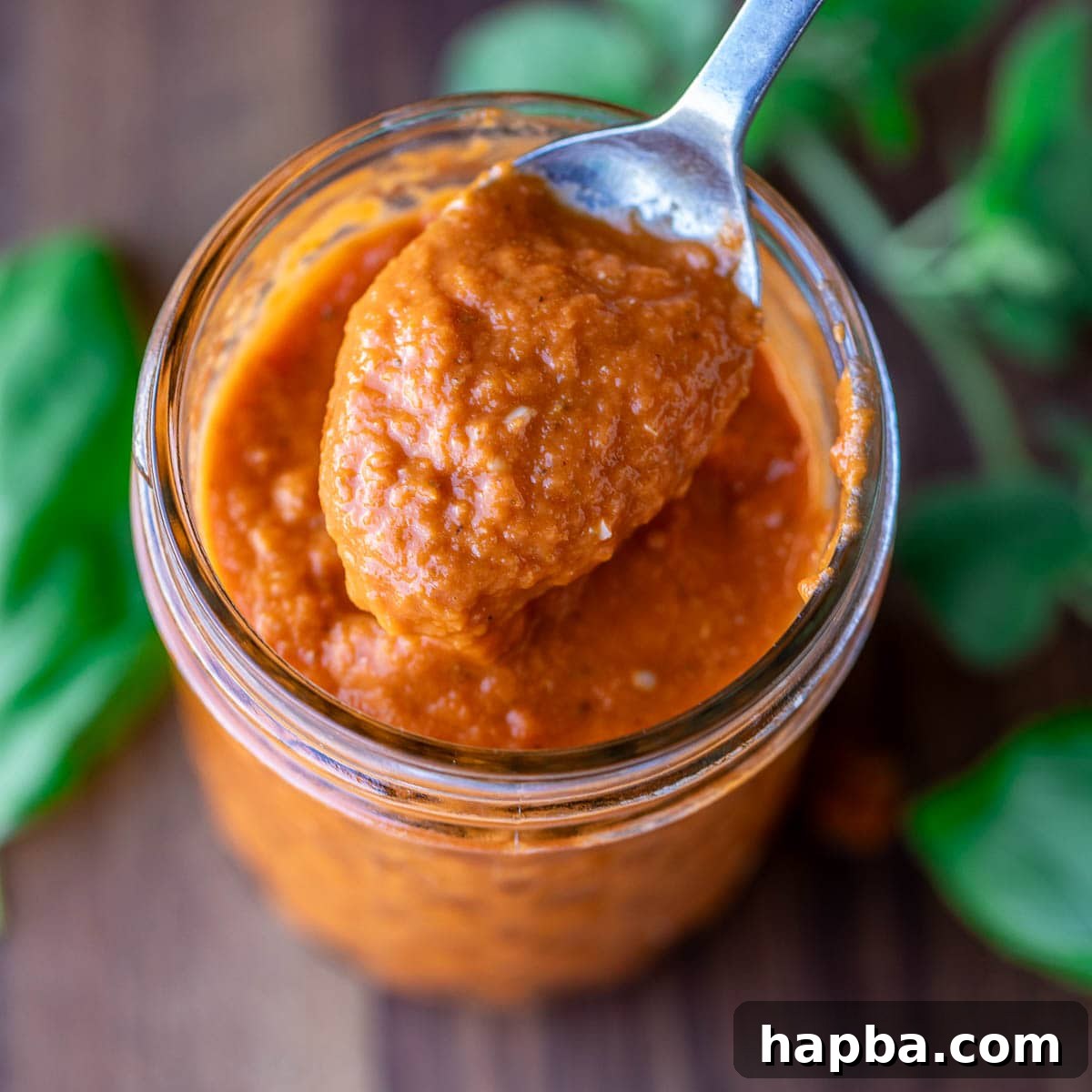
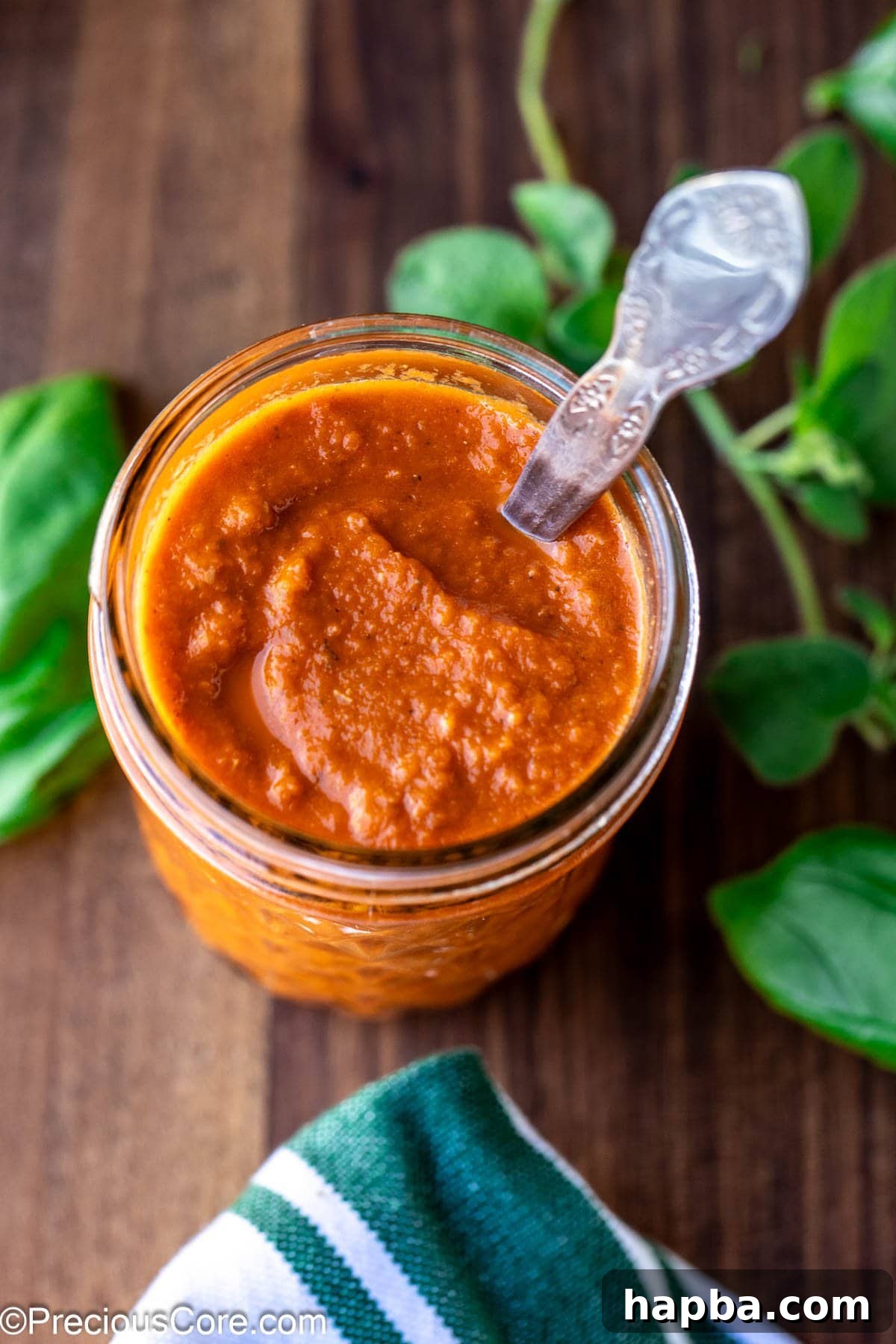
This Roasted Tomato Pizza Sauce is so exceptionally delicious, it’s not uncommon for my own children to enjoy it by the spoonful straight from the bowl. If you’re ready to transform your homemade pizza nights from ordinary to extraordinary, it’s time to ditch those generic jarred sauces and embrace the vibrant, rich flavors of this easy-to-make roasted tomato sauce. Crafted with simple pantry staples and fresh, ripe tomatoes, this recipe promises an unparalleled taste experience.
Creating your own pizza sauce from scratch might seem like a daunting task, a culinary challenge best left to professional pizzerias. Many believe it’s too complicated or time-consuming for the home cook. However, nothing could be further from the truth, especially with this incredibly straightforward recipe. In just about 30 minutes, you can conjure up a wholesome, deeply flavorful sauce that will redefine your perception of homemade pizza. This isn’t just a recipe; it’s a game-changer for anyone who appreciates authentic, high-quality ingredients.
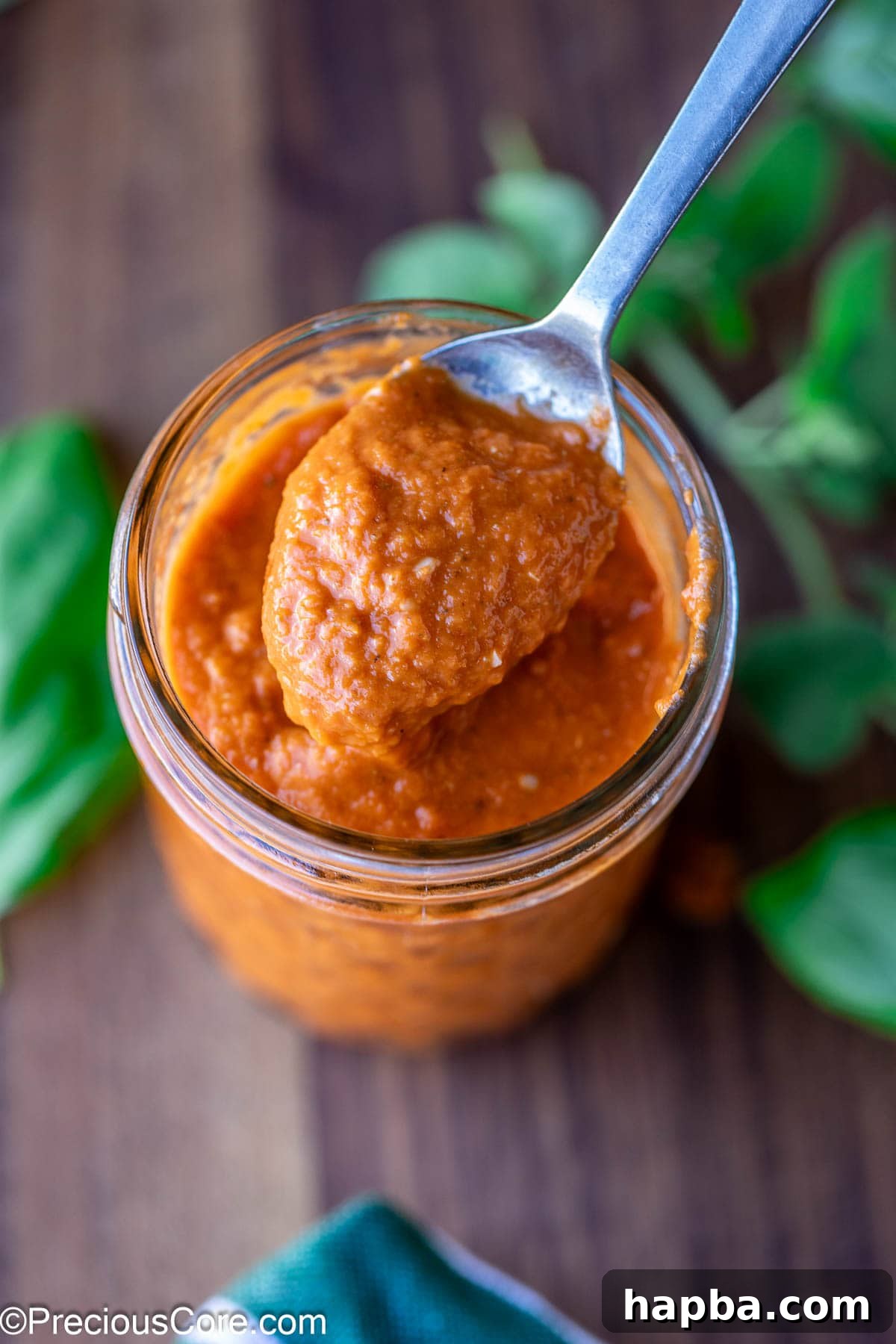
The beauty of this roasted tomato pizza sauce lies in its flexibility. Prepare a batch ahead of time and store it for those busy weeknights, ensuring you always have a gourmet base ready for your pizza creations. Alternatively, whip it up fresh right before your next pizza endeavor, enjoying the full aroma and peak flavor. Whether you’re hosting a lively pizza party, planning a cozy family movie night, or simply craving a comforting homemade meal, this sauce is guaranteed to be a sensational hit. Once you experience its rich, robust taste, you’ll undoubtedly bid farewell to store-bought varieties forever.
The versatility of this sauce extends far beyond traditional pizza. Use it as the star component for Easy Homemade Pizza, One Hour Homemade Pizza, quick Pizza Toast, or creative Sliced Bread Pizza. Each of these applications offers a unique and satisfying culinary experience. But why stop there? This robust sauce is also perfect for filling calzones, crafting delectable homemade pizza rolls, or even as a flavorful dip. The culinary possibilities are truly endless when you have such a versatile and delicious base at your fingertips!
Table of Contents
- Why You’ll Love This Roasted Tomato Pizza Sauce
- Essential Ingredients for Your Sauce
- Step-by-Step: How To Make Roasted Tomato Pizza Sauce
- Creative Substitutions and Flavor Variations
- Expert Tips for the Perfect Pizza Sauce
- Recipe Frequently Asked Questions
- More Easy Homemade Recipes to Explore
- Roasted Tomato Pizza Sauce Recipe Card
Why You’ll Love This Roasted Tomato Pizza Sauce
Once you try this roasted tomato pizza sauce, you’ll understand why it quickly becomes a household favorite. It offers a multitude of benefits that elevate your home cooking and bring authentic flavor to your table:
- Effortlessly Simple & Accessible: Forget long ingredient lists or complex techniques. With just a handful of primary ingredients – typically no more than six – you can craft the most flavorful pizza sauce you’ve ever tasted. The best part? Most of the seasonings and the essential olive oil are likely already waiting in your pantry. While fresh tomatoes are highly recommended for optimal flavor, this recipe embraces simplicity, making gourmet pizza sauce achievable for anyone, regardless of their cooking expertise. It’s a testament to how humble ingredients can create something truly extraordinary.
- Naturally Healthy & Wholesome: Say goodbye to the hidden sugars, artificial flavors, and preservatives often found in jarred pizza sauces. This recipe champions fresh, whole ingredients, giving you complete control over what goes into your family’s meals. You’ll enjoy a sauce that is not only bursting with natural goodness but also free from unnecessary additives, making it a healthier choice for everyone. It’s a delicious way to incorporate more fresh vegetables into your diet without compromising on taste.
- Unbeatably Authentic Pizzeria Flavor: The secret to an outstanding pizza begins with a high-quality crust and an exceptional sauce. When you take the time to prepare your sauce from scratch, you’ll instantly recognize and appreciate the profound difference in taste and quality. Roasting the tomatoes deepens their natural sweetness and acidity, creating a complex, savory base that store-bought sauces simply cannot replicate. The rich flavor and perfect texture will transport your taste buds straight to an authentic Italian pizzeria, right from the comfort of your own kitchen. This homemade approach ensures a truly genuine and delightful pizza experience.
- Cost-Effective & Economical: Making your own pizza sauce is surprisingly economical. Fresh tomatoes, especially when in season, are often inexpensive, and the additional seasonings are common pantry items. You’ll find that a large batch of homemade sauce costs significantly less than purchasing multiple jars of store-bought alternatives, especially premium brands. This allows you to enjoy gourmet quality without the gourmet price tag, making it a smart choice for budget-conscious cooks.
- Customizable to Your Palate: Unlike pre-made sauces, this recipe offers endless opportunities for customization. Want it spicier? Add a pinch of red pepper flakes. Prefer more herbal notes? Adjust the Italian seasoning or add fresh basil. This adaptability means you can tailor the sauce perfectly to your family’s preferences, ensuring everyone gets exactly what they love. It’s an opportunity to experiment and make the recipe truly your own.
Essential Ingredients for Your Sauce
This recipe boasts a remarkably short and accessible ingredient list, focusing on quality over quantity. While the detailed measurements are provided in the comprehensive recipe card below, here’s a closer look at each component and why it’s crucial for the perfect roasted tomato pizza sauce:
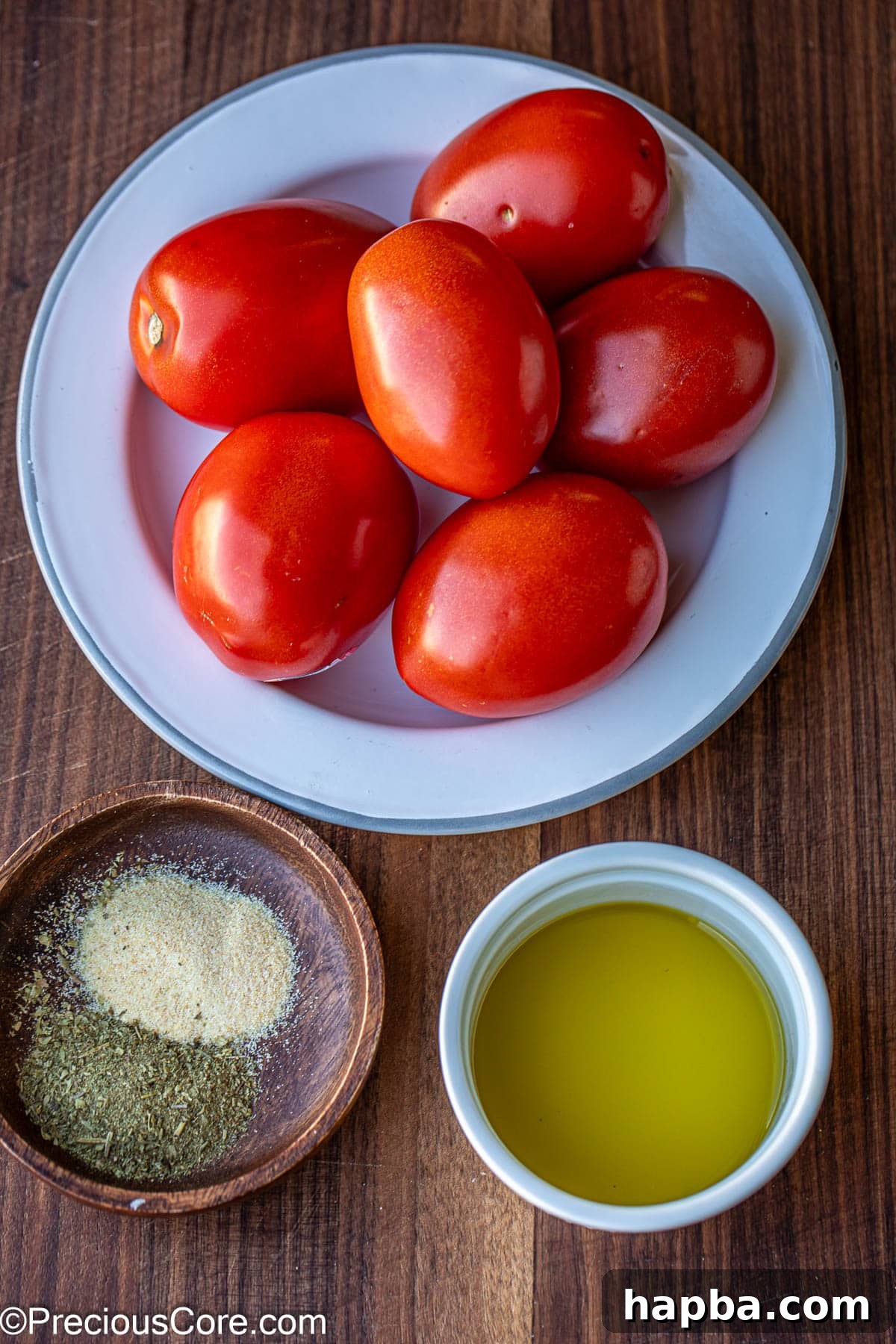
- Roma Tomatoes (Plum Tomatoes): These tomatoes are truly a top-tier choice for pizza sauce, and for good reason. Their dense, meaty flesh contains significantly less water content compared to other tomato varieties, which is essential for preventing your sauce from becoming watery or thin. Furthermore, Roma tomatoes offer a beautifully balanced flavor profile, with a pleasant natural sweetness that perfectly counteracts their mild acidity. Roasting them further concentrates these flavors, deepening their richness and creating a robust foundation for your sauce. If you grow your own, garden-fresh Romas will yield an even more spectacular result.
- Italian Seasoning: This aromatic blend is the heart of your pizza sauce’s distinctive flavor. Typically a mix of dried basil, oregano, rosemary, thyme, and sometimes marjoram or sage, Italian seasoning infuses the sauce with classic Mediterranean notes. If you don’t have a pre-made blend on hand, you can easily create your own by combining equal parts of dried basil, oregano, rosemary, and thyme. Ensure your spices are fresh for the most vibrant flavor.
- Olive Oil: A good quality extra virgin olive oil is indispensable for this recipe. Drizzling it over the tomatoes before roasting not only helps them caramelize beautifully but also enriches their flavor, encouraging them to release their delicious juices. These concentrated juices become a vital part of the sauce, adding depth and a silky texture. Olive oil also contributes a subtle fruity and peppery note that complements the tomatoes perfectly.
- Garlic Powder: Tomatoes and garlic are a truly dynamic duo in Italian cuisine, and garlic powder offers a quick and potent way to incorporate this essential flavor. The savory, pungent qualities of garlic expertly balance the sweet and acidic undertones of the tomatoes, creating a harmonious and addictive sauce. While fresh garlic cloves can certainly be used (about 2-3 minced cloves per 2 pounds of tomatoes), garlic powder provides convenience without sacrificing flavor, melting seamlessly into the sauce during blending.
- Salt: A simple yet essential ingredient, salt enhances all the other flavors in the sauce. It helps draw out moisture from the tomatoes during roasting, promoting better caramelization, and brightens the overall taste. Always taste and adjust salt levels to your preference after blending.
Step-by-Step: How To Make Roasted Tomato Pizza Sauce
Creating this irresistible roasted tomato pizza sauce is a straightforward process, breaking down into a few simple steps. Follow these instructions for a perfect batch every time:
- Prepare Your Oven: Begin by preheating your oven to 400°F (200°C). This ensures the oven is at the optimal temperature for roasting the tomatoes evenly and effectively. While the oven preheats, line a large baking sheet with parchment paper. Parchment paper is key here, as it prevents the tomatoes from sticking and makes cleanup a breeze, especially after the natural sugars start to caramelize.
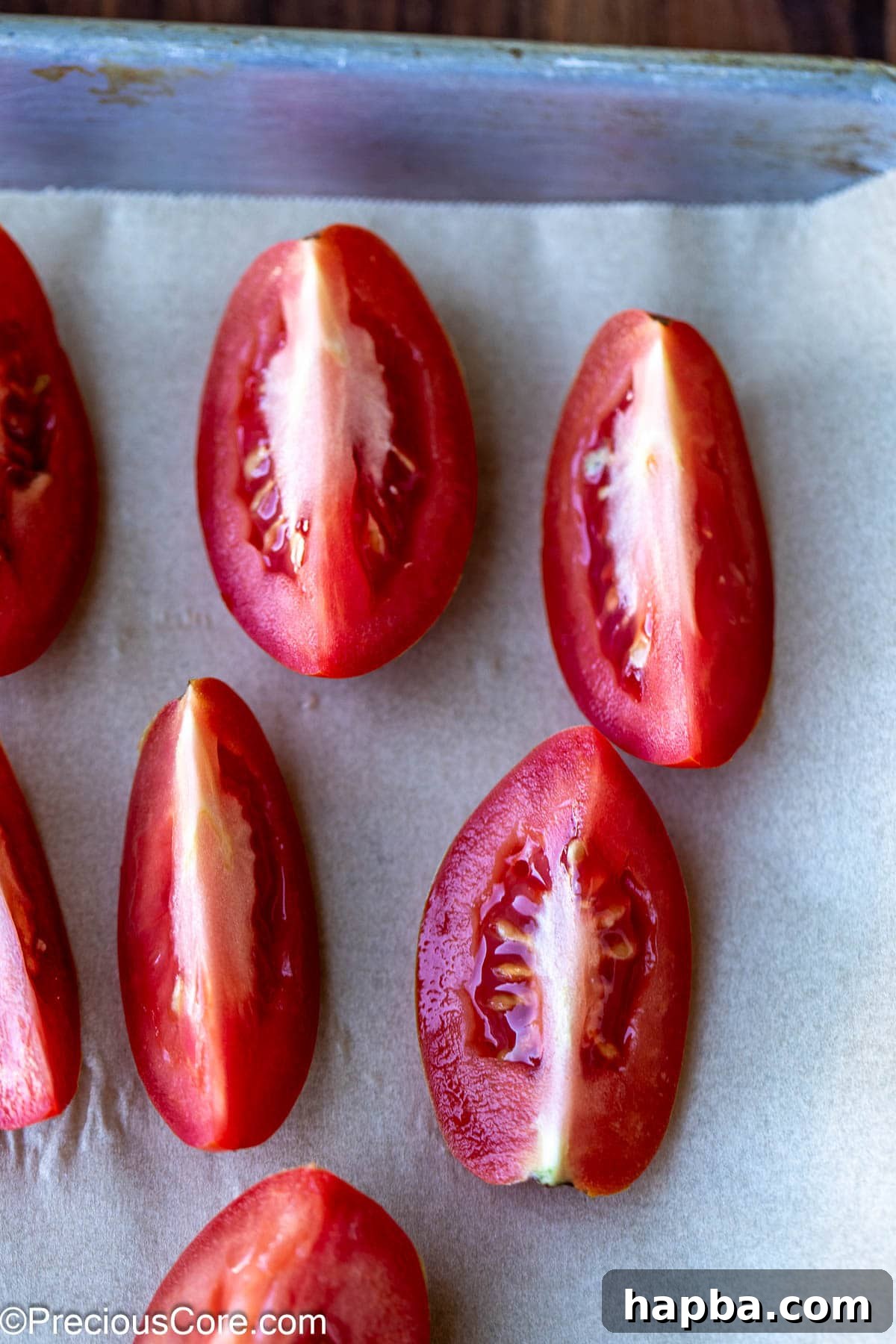
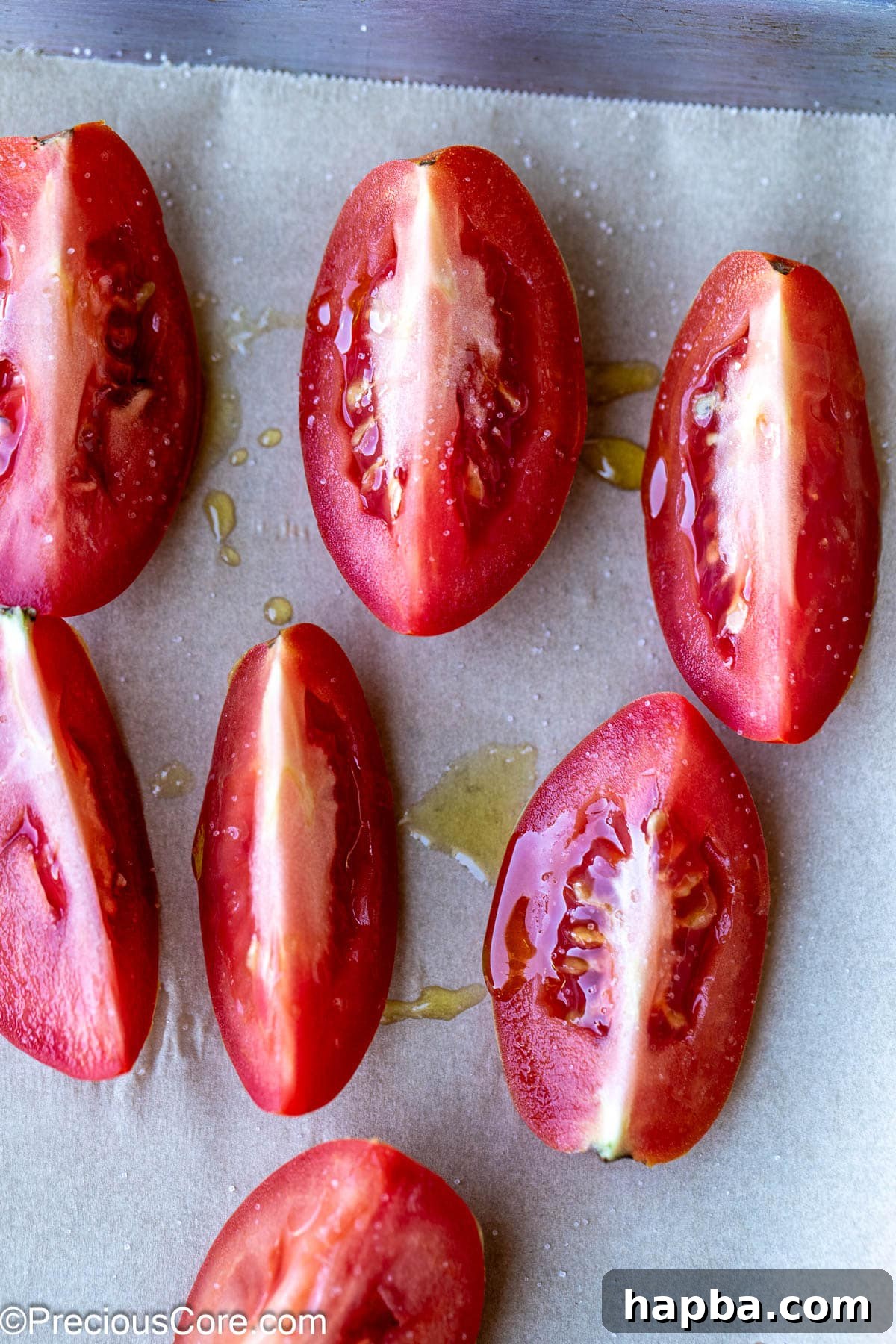
- Prepare the Tomatoes: Thoroughly rinse your Roma tomatoes under cool water to remove any dirt or debris. Pat them completely dry with a clean kitchen towel or paper towels. This step is important because excess moisture can hinder proper roasting and caramelization. Once dry, chop the tomatoes into quarters. This size is ideal for maximizing surface area for roasting, allowing them to soften and develop deep flavor.
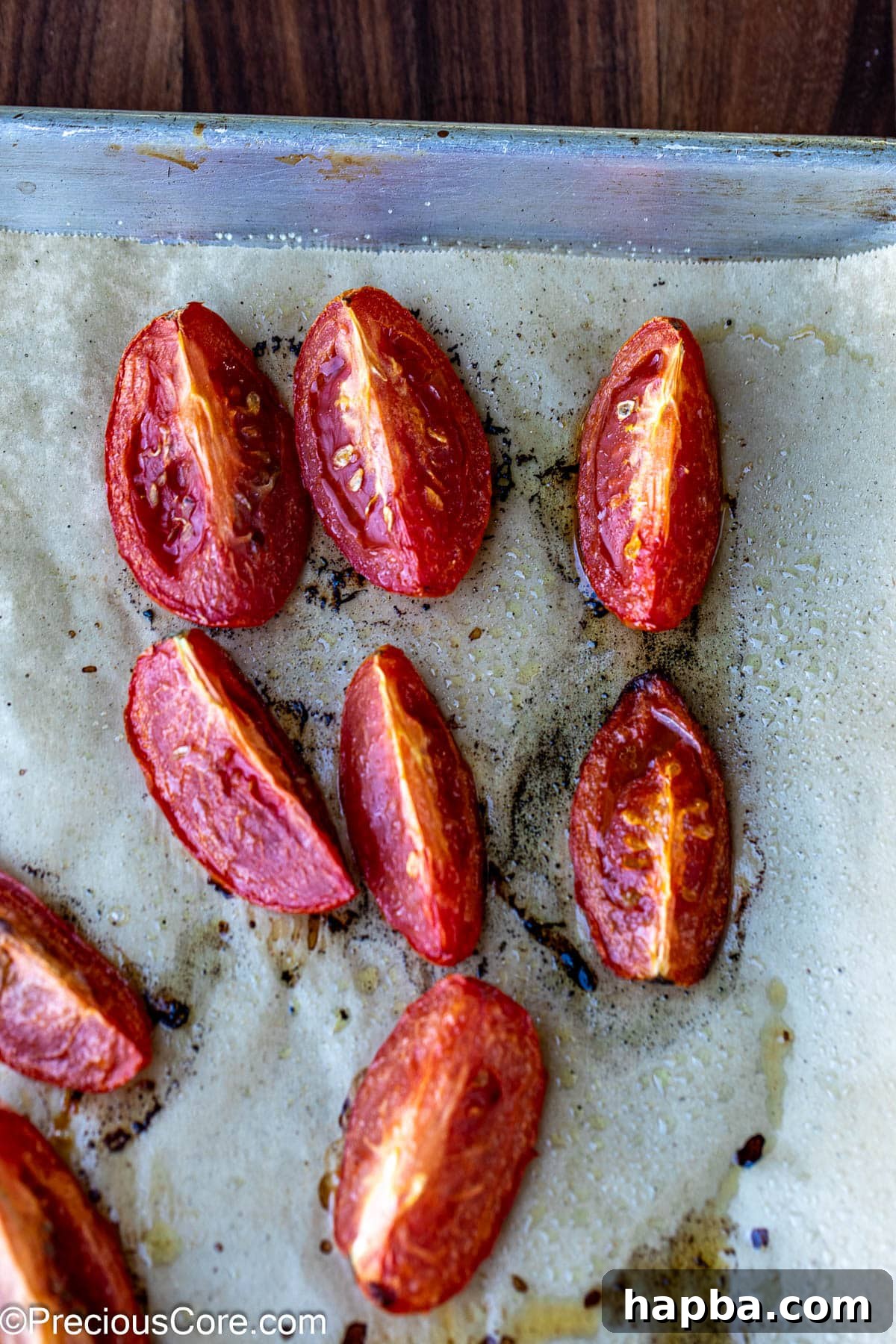
- Season and Roast: Arrange the quartered tomatoes in a single layer on the prepared baking sheet. Ensure they are not overcrowded, as this can steam them instead of roasting. Evenly sprinkle the chopped tomatoes with salt, and then drizzle them generously with olive oil. The salt will draw out moisture and enhance flavor, while the olive oil aids in browning and adds richness. Place the baking sheet into the preheated oven and roast for approximately 25-30 minutes, or until the tomatoes are tender, slightly shriveled, and have developed beautiful golden-brown, caramelized edges.
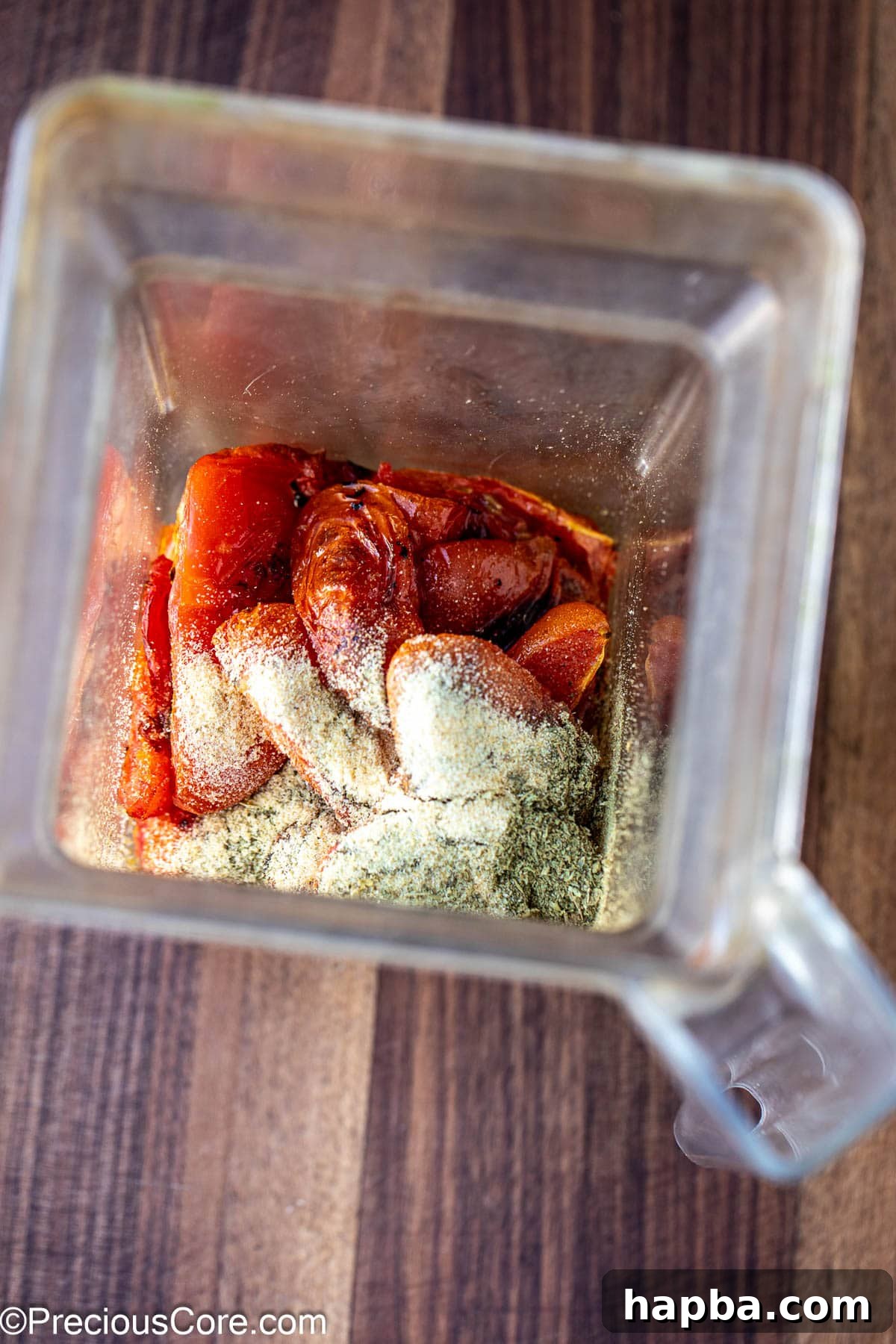
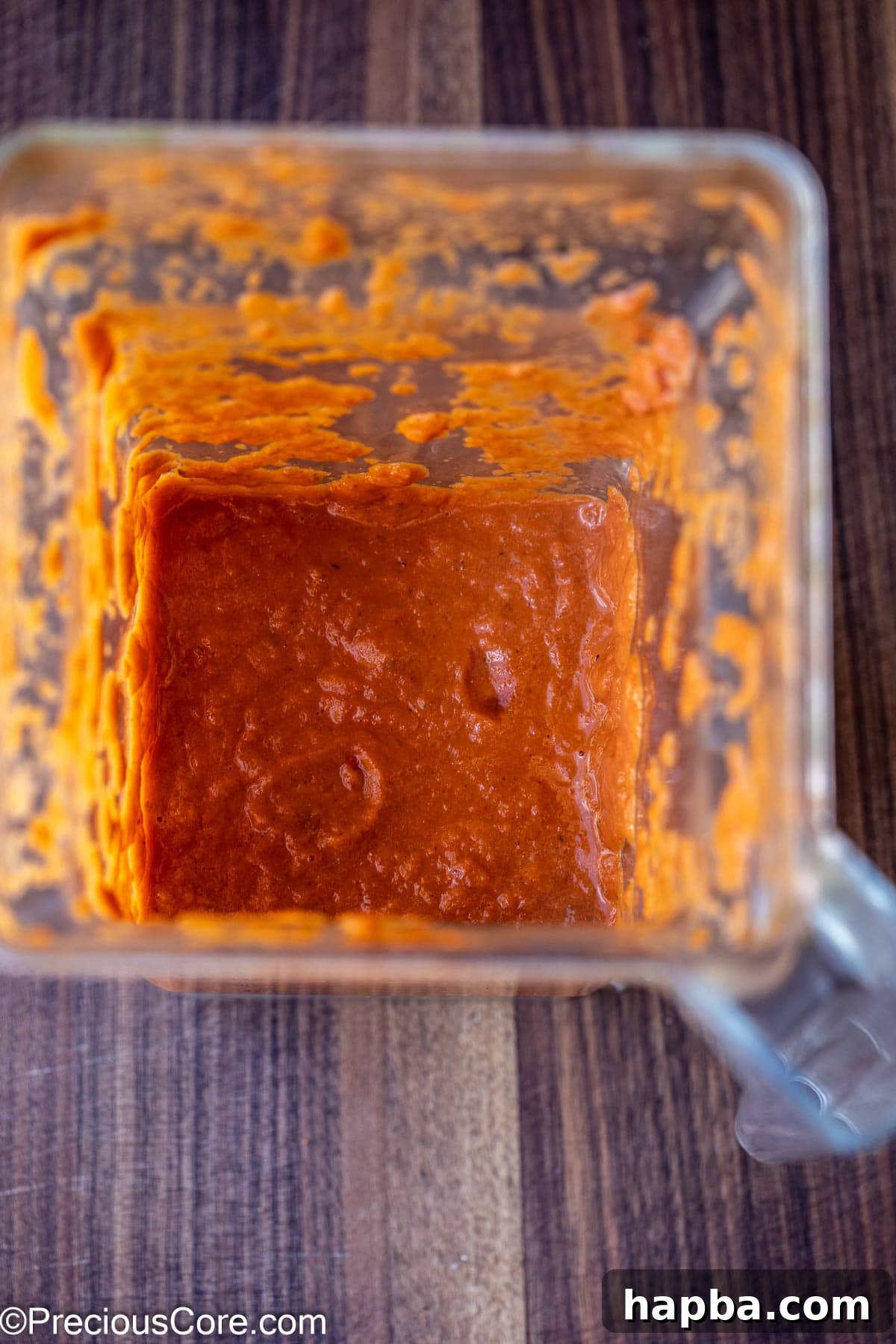
- Blend for Smoothness: Carefully remove the roasted tomatoes from the oven and transfer them to a high-speed blender or a food processor. Add the Italian seasoning and garlic powder to the blender with the warm tomatoes. Blend the mixture until it reaches your desired consistency – smooth for a classic pizzeria-style sauce, or blend for less time if you prefer a chunkier, rustic texture with small pieces of tomato remaining. Taste the sauce and adjust seasonings as needed, adding more salt, Italian seasoning, or a pinch of sugar if your tomatoes were particularly acidic.
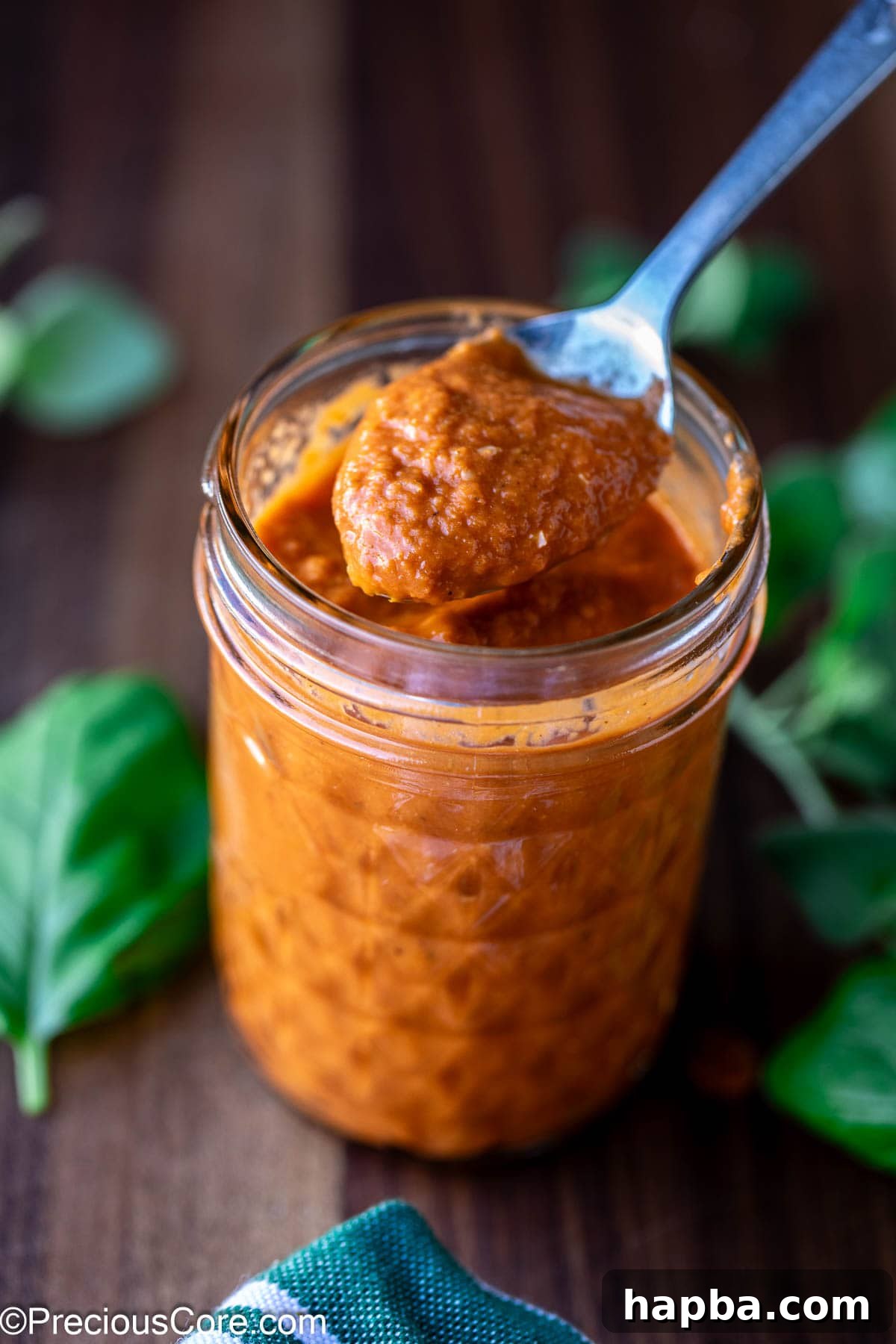
- Serve or Store: Your vibrant and flavorful roasted tomato pizza sauce is now ready to use! Spread it generously over your homemade pizza crusts, dollop it onto pizza toast, or incorporate it into calzones and rolls immediately. If you’ve made a larger batch (which is highly recommended!), allow the sauce to cool completely before transferring it to an airtight container or a clean glass jar with a tight-fitting lid. It can be stored in the refrigerator for up to one week or frozen for longer-term enjoyment.
Creative Substitutions and Flavor Variations
This roasted tomato pizza sauce recipe is wonderfully adaptable, allowing for endless creative twists to suit your personal preferences. Don’t hesitate to experiment with these delicious substitutions and variations:
- Parmesan Cheese for a Cheesy Kick: If you plan to use your sauce immediately, a delightful addition is some freshly grated Parmesan cheese. Gently fold it into the sauce after blending, while it’s still warm. While it might make the texture slightly less smooth, it imparts a wonderful savory, nutty, and cheesy flavor that cheese lovers will adore. This is an excellent trick for those who crave extra cheesy goodness on their pizza!
- Infuse Some Heat with Spices: For those who appreciate a fiery kick, introduce some heat with red pepper flakes, a pinch of cayenne pepper, or a smoky flavor with smoked paprika. The key is to add these potent spices alongside the Italian seasoning and garlic powder when you blend the roasted tomatoes, rather than before roasting. This ensures their flavors are fully integrated without burning during the roasting process. Start with a small amount and add more to taste.
- Sweeten Things Up with Cherry Tomatoes: If your palate leans towards a sweeter sauce, consider using cherry tomatoes instead of Roma tomatoes. Cherry tomatoes naturally boast a higher sugar content, resulting in a distinctly sweeter sauce. Keep in mind that their smaller size means they will roast much faster, so be sure to monitor them closely in the oven to prevent burning. Adjust roasting time accordingly, typically 15-20 minutes.
- Fresh Herbs for Brighter Notes: While dried Italian seasoning is convenient and flavorful, fresh herbs can provide a brighter, more vibrant dimension. Substitute dried Italian seasoning with a combination of fresh basil and oregano. Remember that fresh herbs are generally less potent than their dried counterparts, so you’ll need to use a higher quantity (typically a 3:1 ratio of fresh to dried). Chop the fresh herbs finely before blending, or stir them in after blending for a fresh garnish. Taste and adjust to achieve your desired herbal intensity.
- Roasted Red Peppers for Depth: For a different layer of flavor and a beautiful reddish hue, add some red bell peppers to the baking sheet alongside your tomatoes before roasting. The peppers will soften and sweeten in the oven, imparting a lovely roasted vegetable note to the sauce. Ensure they are cut into similar-sized pieces as the tomatoes for even roasting.
- Onion Power: A quarter of a medium onion, roughly chopped and roasted with the tomatoes, can add a foundational sweetness and aromatic depth to your sauce. Roasting mellows the onion’s sharp bite, turning it into a sweet, caramelized component that enhances the overall complexity of the sauce.
- Vinegar for Brightness: A tiny splash (1-2 teaspoons) of red wine vinegar or balsamic vinegar added after blending can brighten the flavors and cut through the richness, especially if your tomatoes were on the sweeter side. Add incrementally and taste as you go.
Want to learn how to make the perfect homemade pizza crust? Check out my recipe for Easy Homemade Pizza Dough.
Expert Tips for the Perfect Pizza Sauce
To truly master this roasted tomato pizza sauce and ensure exceptional results every time, keep these expert tips in mind:
- Canning for Extended Shelf Life: For those who love to preserve their homemade goodness, this roasted tomato pizza sauce is an excellent candidate for canning, significantly extending its shelf life. Since this recipe does not contain dairy, it’s suitable for water bath canning with proper precautions. However, canning tomatoes requires specific guidelines to ensure safety, primarily regarding acidity levels. It is crucial to add a small amount of acid, such as lemon juice or citric acid, to each jar to bring the pH down to a safe level for canning. Always refer to a trusted, up-to-date canning guide (like this guide from Penn State Extension) for detailed instructions and precise measurements to ensure safe preservation.
- Achieving Your Desired Consistency: The beauty of homemade sauce is that you control the texture. If you prefer a more rustic, chunkier pizza sauce with visible pieces of tomato and herbs, simply blend the roasted tomatoes for a shorter period. A few pulses might be all you need. Just be sure to blend enough to thoroughly distribute all the seasonings throughout the mixture, ensuring every bite is flavorful. For a silky-smooth, classic pizzeria-style sauce, blend until completely pureed.
- Batch Cooking and Freezing: This pizza sauce holds up exceptionally well in the freezer, making it perfect for meal prepping. Consider making a double or even triple batch when you have fresh tomatoes in abundance. After blending, allow the sauce to cool completely before portioning it into freezer-safe airtight containers or heavy-duty freezer bags. Lay freezer bags flat to freeze, which saves space. Stored properly, the sauce will maintain its freshness and flavor for up to three months, ensuring you always have delicious homemade pizza sauce ready at a moment’s notice, free from freezer burn.
- Adjusting Seasoning to Taste: Always taste your sauce before and after blending. Tomatoes can vary significantly in sweetness and acidity depending on the variety and ripeness. If your sauce tastes a little flat, it might need more salt. If it’s too acidic, a tiny pinch of sugar can help balance it (though good quality Roma tomatoes often don’t need it). A dash more Italian seasoning or garlic powder can also deepen the savory notes.
- Selecting the Right Blender: While a high-speed blender will give you the smoothest consistency, a standard blender or even a food processor will work well. If using a less powerful appliance, you might need to blend in smaller batches and pause to scrape down the sides, ensuring everything is incorporated. For a truly rustic sauce, you could even hand-mash the roasted tomatoes with a fork or potato masher for a very chunky texture.
- Cooling Before Storing: Always allow the sauce to cool completely to room temperature before transferring it to the refrigerator or freezer. Putting hot sauce into cold storage can raise the temperature of your fridge/freezer, affecting other foods, and can also lead to condensation which might impact the sauce’s quality.
Recipe Frequently Asked Questions
The primary distinction between pizza sauce and regular tomato sauce often lies in their preparation methods and intended use. Traditional tomato sauce, like marinara or pasta sauce, is typically cooked on the stovetop for an extended period, allowing all the ingredients to simmer together and develop a complex, deeper flavor over time. This slow cooking process extracts and melds the flavors, creating a rich base often served hot with pasta or other dishes.
Pizza sauce, on the other hand, is generally designed to be made much quicker and often uncooked or minimally cooked before being spread on pizza. With this roasted tomato recipe, for instance, there’s no need for stovetop simmering. You simply roast the tomatoes to concentrate their flavors, combine them with seasonings, and blend them into a perfect sauce. The inherent genius of pizza sauce is that its flavors continue to cook and meld beautifully as your pizza bakes in the oven, evolving into its final, delicious form right on your crust.
For an unparalleled homemade pizza sauce, Roma (also known as plum) or San Marzano tomatoes are widely considered excellent choices. These varieties are favored for their firm, meaty flesh, which means they have lower water content and fewer seeds, leading to a thicker, richer sauce. Their flavor profile is refreshingly bold, with a perfect balance of sweetness and acidity, especially when their natural sugars are concentrated through roasting. This process deepens their inherent umami, creating a robust base.
However, if you prefer a sauce with a noticeably sweeter flavor, cherry tomatoes are a wonderful alternative. Their naturally higher sugar content yields a delightful sweetness. Ultimately, the “best” tomato often comes down to personal preference for sweetness and texture, but Roma and San Marzano consistently deliver exceptional results for a classic pizza sauce.
When you select the right kind of tomatoes, such as ripe Roma or San Marzano varieties, there is generally no need to add sugar to your pizza sauce. These tomatoes possess a natural sweetness that is amplified during the roasting process, creating a perfectly balanced flavor without any artificial enhancers. This approach keeps the recipe healthier and simpler, allowing the inherent deliciousness of the tomatoes to shine through.
However, some home cooks might choose to add a small amount of sugar (usually a teaspoon or two) to their sauce. This is typically done to counteract or “cut” the acidity if they are using a tomato variety that is particularly tart or if their tomatoes aren’t fully ripe. It’s a matter of preference and adjusting to the specific characteristics of your ingredients, but with quality tomatoes, sugar is often an unnecessary addition.
While this recipe emphasizes fresh tomatoes for their superior flavor when roasted, you can absolutely use high-quality canned whole peeled tomatoes in a pinch. If using canned, look for San Marzano DOP certified tomatoes for the best flavor. Drain them well, then roast them as directed, or simply simmer them on the stovetop with a little olive oil and seasonings if you’re short on time for roasting. The roasting step still adds a depth of flavor that can’t be achieved otherwise, even with canned tomatoes, so it’s recommended if possible.
When stored properly in an airtight container in the refrigerator, your homemade roasted tomato pizza sauce will stay fresh and delicious for up to 5-7 days. For longer storage, it freezes beautifully. Simply portion the cooled sauce into freezer-safe containers or bags, leaving a little headspace for expansion, and freeze for up to 3 months. Thaw overnight in the refrigerator before use.
More Easy Homemade Recipes to Explore
Homemade Mayonnaise Recipe
Homemade Vanilla Ice Cream
Easy Sandwich Bread Recipe
How To Make Shortbread Cookies
If you make this recipe, please leave a star rating below. Your rating helps others find the recipe, plus I love hearing from you! Thank you!
Roasted Tomato Pizza Sauce
5 mins
27 mins
32 mins
8 servings
Rate
Print Recipe
Ingredients
- 2 pounds roma tomatoes medium-sized
- ½ teaspoon salt
- 2 Tablespoons olive oil
- 1 teaspoon Italian seasoning
- 1 teaspoon garlic powder
Instructions
-
Preheat oven to 400℉. Line a baking sheet with parchment paper.
-
Rinse the tomatoes and pat dry. Cut them into quarters and place on the prepared baking sheet. Sprinkle on the salt and drizzle on the olive oil. Place in the preheated oven to roast for 30 minutes.
-
Add the roasted tomatoes to a blender, then add the Italian seasoning and garlic powder. Blend into a smooth paste.
-
Use the sauce immediately on pizza or store it in a jar with a tight-fitting lid for up to 1 week. Freeze for up to 3 months.
Notes
Nutrition
Additional Info

Tried this recipe?
Mention @preciouscore or tag #PreciousCore!