
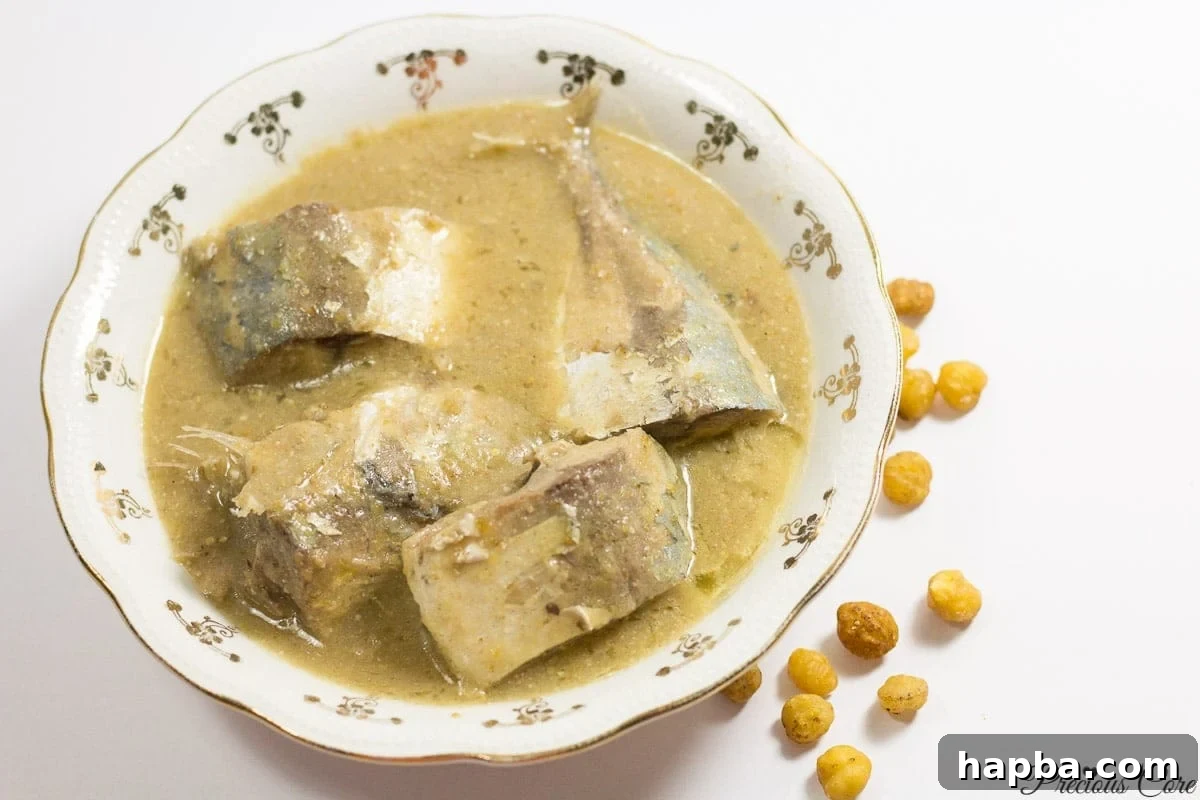
Mpuh Fish Recipe: Authentic Cameroonian White Sauce
My culinary journey began at a young age, perhaps around eight or nine, standing by my mother’s side in the kitchen. Those early memories are filled with the aroma of spices and the joy of creating delicious meals together. One particular dish that stands out from those formative years is a rich, creamy white sauce, a staple in our Cameroonian home. I remember making it often, my small hands eager to assist with every step.
Years later, a request from a YouTube viewer brought those cherished memories flooding back, prompting me to recreate this beloved dish. Naturally, my first call was to the source of all my culinary wisdom: my mother.
“Mommy,” I began, “I want to make Mpuh fish. How exactly do I go about it?”
Her response was immediate and clear, highlighting the essence of the dish: “You need Njangsa! A lot of Njangsa! We usually make it with ground plantains, but…” She paused, assuming I wouldn’t have access to fresh ground plantains.
“I’ve already dried some plantains in the oven,” I interjected, eager to show I was prepared. “I just need to grind them.”
“Good!” she approved, her voice warming. “So, you’ll mix the plantain powder and Njangsa with water and some spices. Bush pepper… then you rub it all over the fish. MAKE SURE IT ENTERS THE HEAD OF THE FISH!” Her emphasis on this detail underscored its importance in truly infusing the fish with flavor.
“Then you place it on the fire to cook. If you like, drizzle some palm or groundnut oil on top. That’s it,” she concluded, making it sound deceptively simple, as only a seasoned cook can.
My mother also shared a delightful variation: instead of preparing it as a sauce in a pot, Mpuh fish can be made into a pudding. For this method, you wrap the fish mixture in banana leaves (or foil paper for convenience) and steam it until tender and flavorful.
I diligently followed her instructions, making a slight substitution for the bush pepper, a unique twisted black pepper common in Cameroon, as I didn’t have it on hand. White pepper served as a suitable alternative, maintaining a similar peppery essence without overpowering the other delicate flavors.
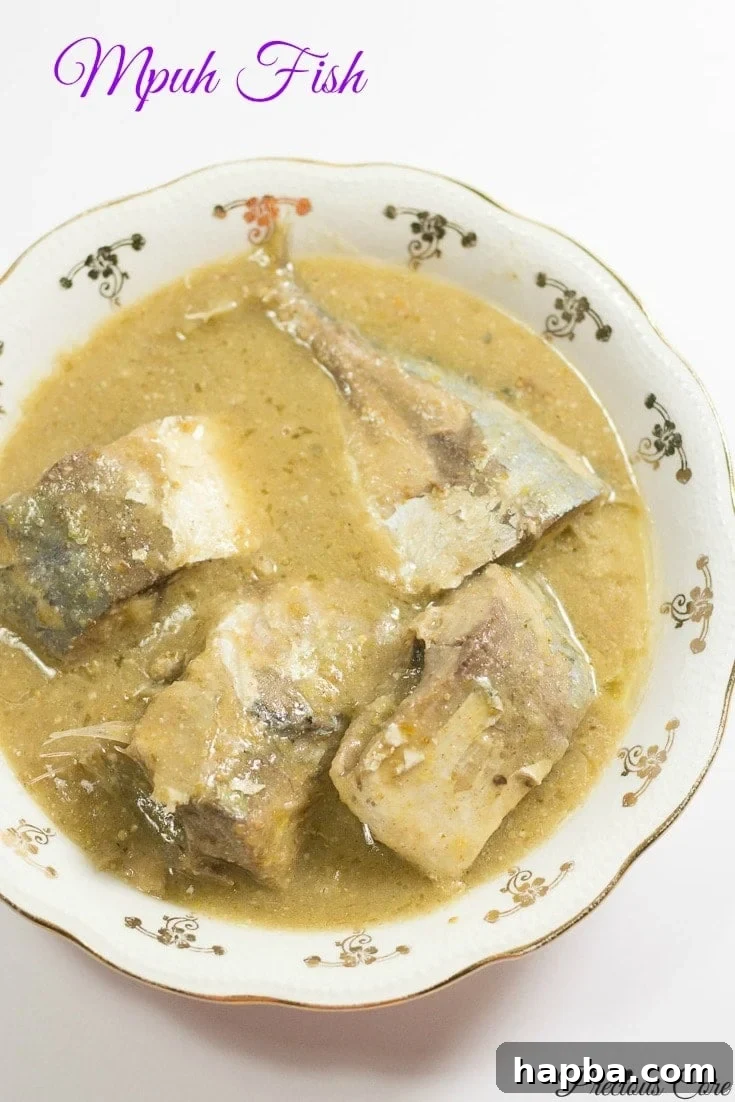
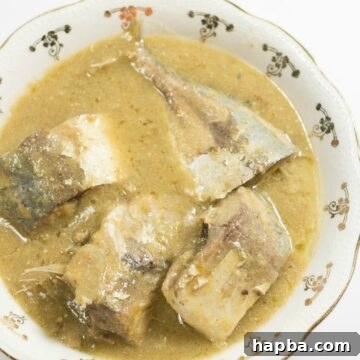
A little update from Mama herself: she insists that authentic Mpuh fish should be thicker than what my initial picture showed. She believes it should be more about the fish, generously coated in the rich, flavorful paste, and less about a thin sauce. Her advice always serves as a valuable reminder of the traditional way, and I strive to capture that perfect balance.
Before diving into the detailed recipe, you can watch a video demonstration of me preparing this delectable sauce below. For those who wish to delve deeper into the origins and nuances of Mpuh fish, continue reading for an comprehensive guide.
What is Mpuh Fish: A Taste of Cameroonian Heritage
Mpuh fish, also known as Mpu fish or Mpouh fish, is a treasured culinary gem from the South West region of Cameroon. This distinctive white, flavorful sauce is more than just a meal; it’s a celebration of indigenous ingredients and traditional cooking techniques. The dish stands out for its unique creamy texture and a delightful balance of earthy, spicy, and nutty notes. It’s truly a “dump and go” recipe, remarkably easy to prepare yet delivering profoundly complex flavors.
At its heart, Mpuh fish combines fresh fish, homemade plantain flour, and Njangsa, a remarkable nutty seed that imparts much of the dish’s signature taste. Traditionally served with boiled plantains or fluffy white rice, it offers a comforting and satisfying experience that speaks volumes of Cameroonian hospitality and culinary ingenuity. This dish is not just food; it’s a narrative of cultural identity, passed down through generations, embodying the spirit of home and community.
The Essential Ingredients Unveiled
Understanding the core components of Mpuh fish is key to appreciating its unique character:
1. The Fish
While any firm white fish can be used, freshwater fish varieties are often preferred for their delicate flavor that harmonizes beautifully with the rich sauce. The fish is typically cut into steaks, allowing each piece to absorb the robust flavors of the spices and Njangsa paste. Ensuring the spice mixture deeply penetrates the fish, especially the head, is a crucial step for maximum flavor infusion.
2. Njangsa Seeds (Ricinodendron heudelotii)
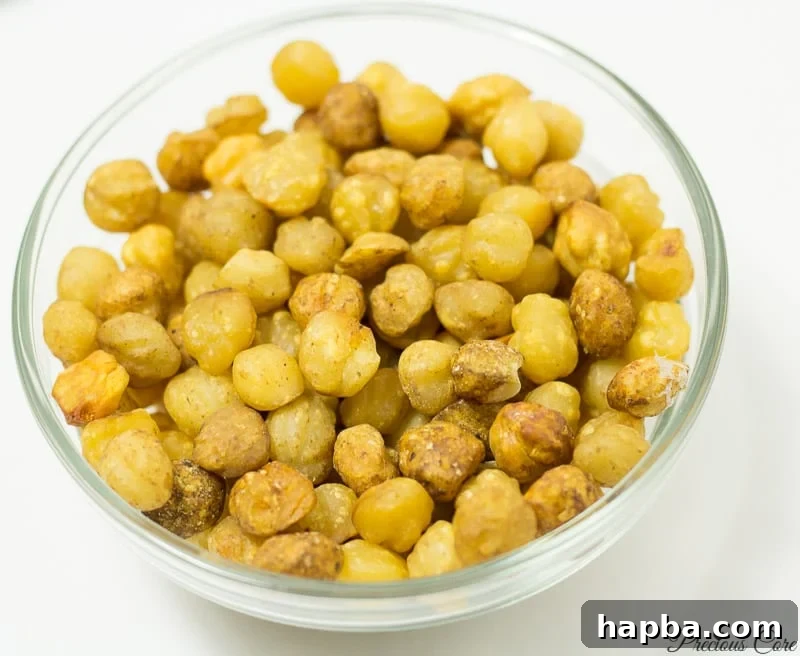
Njangsa, botanically known as Ricinodendron heudelotii, is perhaps the most distinctive ingredient in Mpuh fish. These nutty seeds are widely used in West African cuisine, celebrated for their ability to thicken sauces and impart a rich, earthy, and slightly bitter flavor. Ground Njangsa forms the creamy base of the sauce, distinguishing it from many other African stews. It’s the secret weapon behind the irresistible depth of flavor and luscious texture of dishes like pepper soup and, of course, Mpuh fish. While finding fresh Njangsa outside of Africa might require a visit to an African specialty store, its unique contribution to this dish makes the search worthwhile.
3. Homemade Plantain Flour
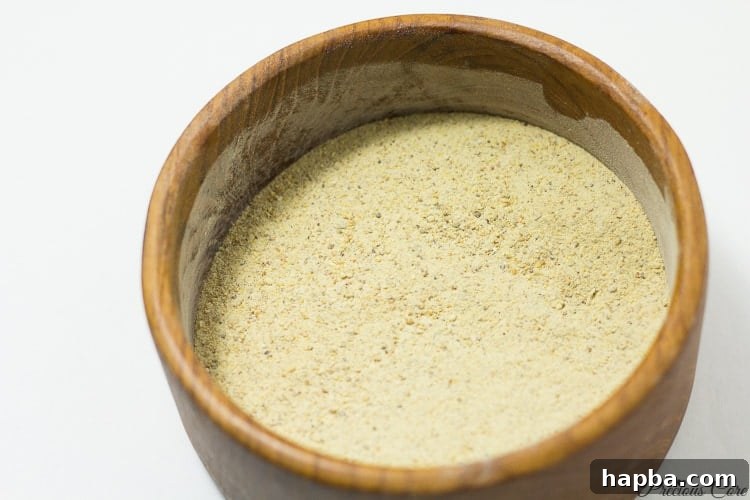
As my mom emphasized, plantain flour is indispensable for Mpuh fish. In Cameroon, it’s common to buy ready-made flour from local markets or sun-dry plantains at home. However, you don’t need a special trip or even sunshine to make your own plantain flour. The process is incredibly simple and offers a healthier, gluten-free alternative to yam or corn flour. For fellow fufu enthusiasts, plantain fufu is a delightful experience you must try!
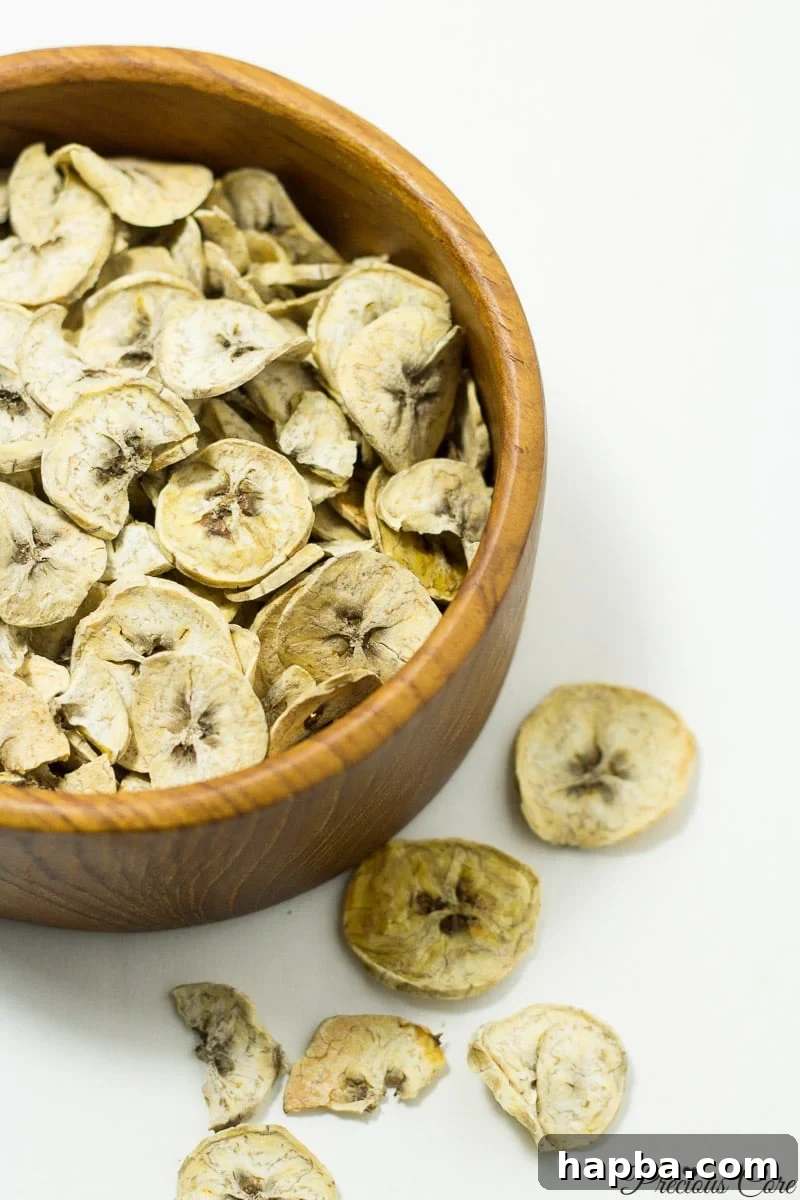
To make plantain flour at home, simply select unripe plantains. Their high starch content makes them ideal for drying and grinding into a fine flour. Peel and slice the plantains into very thin strips. Arrange them on an oven tray and bake them on a very low heat—typically less than 200 degrees Fahrenheit (around 90-100 degrees Celsius)—until they are completely dry and brittle. This usually takes about two hours, but timing can vary depending on your oven. Midway through, it’s a good idea to flip the slices to ensure even drying. Once dry, allow them to cool completely before grinding them into a fine powder using a blender or a coffee grinder. This homemade flour is not only fresh but also allows you to control the quality of your ingredients, ensuring the best Mpuh fish possible.
4. Spices and Aromatics
The flavor base of Mpuh fish relies on a blend of garlic, onion, seasoning cubes (like Maggi), and pepper. While traditional “bush pepper” offers a distinctive, slightly twisted black pepper flavor, readily available ground white pepper makes an excellent substitute, providing a gentle heat and aromatic quality. These ingredients are blended to create a fragrant paste that enhances the fish and complements the nutty Njangsa. The careful combination of these spices ensures a well-rounded and deeply satisfying flavor profile that is both complex and comforting.
Mpuh Fish
Rate
Print Recipe
Ingredients
- 2-3 pounds fish cut into steaks (about 1-1 1/2 kg)
- 2 unripe plantains (for homemade flour)
- 1 cup njangsa seeds – ground
- 2 cloves garlic
- 1/2 medium onion – chopped
- 3 small seasoning cubes – Maggi (or similar bouillon)
- 1/2 teaspoon ground white pepper (or bush pepper if available)
- 1 teaspoon salt (or to taste)
- 1/2 cup vegetable/canola/palm oil (for drizzling, optional)
Instructions
To make the Plantain Flour
-
Peel the unripe plantains and cut them into very thin, uniform strips. Arrange these strips in a single layer on an oven tray. Bake in a preheated oven on very low heat (approximately 200 degrees F or 100 degrees C) until the plantain slices are completely dry and brittle, breaking easily when touched. Depending on your oven’s efficiency, you may need to flip the slices halfway through the drying process to ensure even dehydration. This usually takes around 2 hours.
-
Once dried, remove the plantain slices from the oven and allow them to cool completely to room temperature. Transfer the cooled, dried plantains into the small cup of a blender or a coffee grinder. Grind them into a fine, consistent powder. Store any unused plantain flour in an airtight container for future use.
To make the Mpuh Fish Sauce
-
In a blender, combine the chopped onion and garlic cloves and blend until a smooth paste is formed. In a large pot, combine the prepared plantain flour, ground Njangsa, the blended onion and garlic paste, ground white pepper (or bush pepper), salt, and Maggi seasoning cubes. Gradually add three cups of water, stirring continuously to create a smooth, lump-free mixture. Ensure all ingredients are well incorporated.
-
Carefully add the fish steaks into the mixture in the pot. Gently move the fish around to ensure that the thick sauce generously coats every surface, including inside the head if using whole fish. Cover the pot and bring the mixture to a simmer over medium heat. Let it cook for approximately twenty minutes. Check halfway through cooking; if the sauce becomes too thick or sticks to the bottom, add a little more water as needed. You can adjust the consistency to your preference – thicker for a more traditional paste-like sauce, or slightly thinner. Once the fish is cooked through and the sauce has reached your desired consistency, it’s ready! Serve hot and enjoy!
To make the Pudding Variation (Steamed Mpuh Fish)
-
Prepare the fish and spice mixture as described in step 1-0 above. Instead of cooking in a pot, scoop individual portions of the fish and mixture onto large, softened banana leaves or sheets of aluminum foil. Fold and wrap them securely to form neat parcels. Place these parcels in a large steamer basket set over simmering water in a pot. Ensure the water level is about halfway up the steamer. Cover the pot tightly and steam for approximately one hour, or until the fish is tender and the mixture is firm.
Notes
Nutrition
Carbohydrates: 22g |
Protein: 35g |
Fat: 26g |
Saturated Fat: 5g |
Polyunsaturated Fat: 13g |
Monounsaturated Fat: 7g |
Trans Fat: 0.1g |
Cholesterol: 76mg |
Sodium: 947mg |
Potassium: 857mg |
Fiber: 2g |
Sugar: 11g |
Vitamin A: 674IU |
Vitamin C: 12mg |
Calcium: 30mg |
Iron: 2mg
Additional Info
Serving Suggestions and Perfect Pairings
Mpuh fish, with its rich and creamy texture, is incredibly versatile when it comes to serving. The traditional accompaniment is boiled plantains, which perfectly soak up the delectable sauce and offer a delightful contrast in texture. However, it’s equally delicious with fluffy white rice, creating a hearty and satisfying meal. For those who enjoy starchy side dishes, Mpuh fish can also be served with fufu made from yam, corn, or even the homemade plantain flour itself. Experiment with different staples to find your favorite combination!
Tips for Success
- Fish Selection: While any firm white fish works, consider types like Hake, Tilapia, or Red Snapper for authentic flavor. Ensure the fish is fresh for the best taste.
- Consistency Control: The thickness of your Mpuh sauce is a matter of personal preference. If you prefer a thinner sauce, simply add a bit more water during cooking. For a thicker, more paste-like consistency, as my mom prefers, cook it down a bit longer or use slightly less water initially.
- Flavor Adjustment: Always taste and adjust seasonings. Maggi cubes and salt contribute significantly, so start with the recommended amount and add more if necessary. If you like a spicier kick, a pinch of cayenne pepper can be added alongside the white pepper.
- Njangsa Quality: The quality of your ground Njangsa can dramatically impact the flavor. If buying pre-ground, ensure it’s fresh. If grinding whole seeds, toast them lightly before grinding to enhance their nutty aroma.
Why You Should Try Mpuh Fish
Mpuh fish offers a unique culinary adventure, a true taste of Cameroon that is both exotic and comforting. Its creamy texture, combined with the earthy notes of Njangsa and the subtle spice, makes for an unforgettable meal. Whether you’re an experienced cook looking to expand your international repertoire or a curious food enthusiast seeking new flavors, this recipe is a must-try. It’s not just food; it’s a connection to a vibrant culture and a loving tradition.
I can personally attest: Mpuh fish is absolutely amazing. Ahbsolutely ahmazinggg! It’s a dish that embodies the warmth of home and the richness of Cameroonian cuisine.
If you embark on this delicious journey and create your own Mpuh fish, I would absolutely love to see your creations! Please share a photo on Instagram and tag me @preciouscore and use the hashtag #PreciousCore. Your culinary adventures inspire me, and I can’t wait to celebrate your success!