
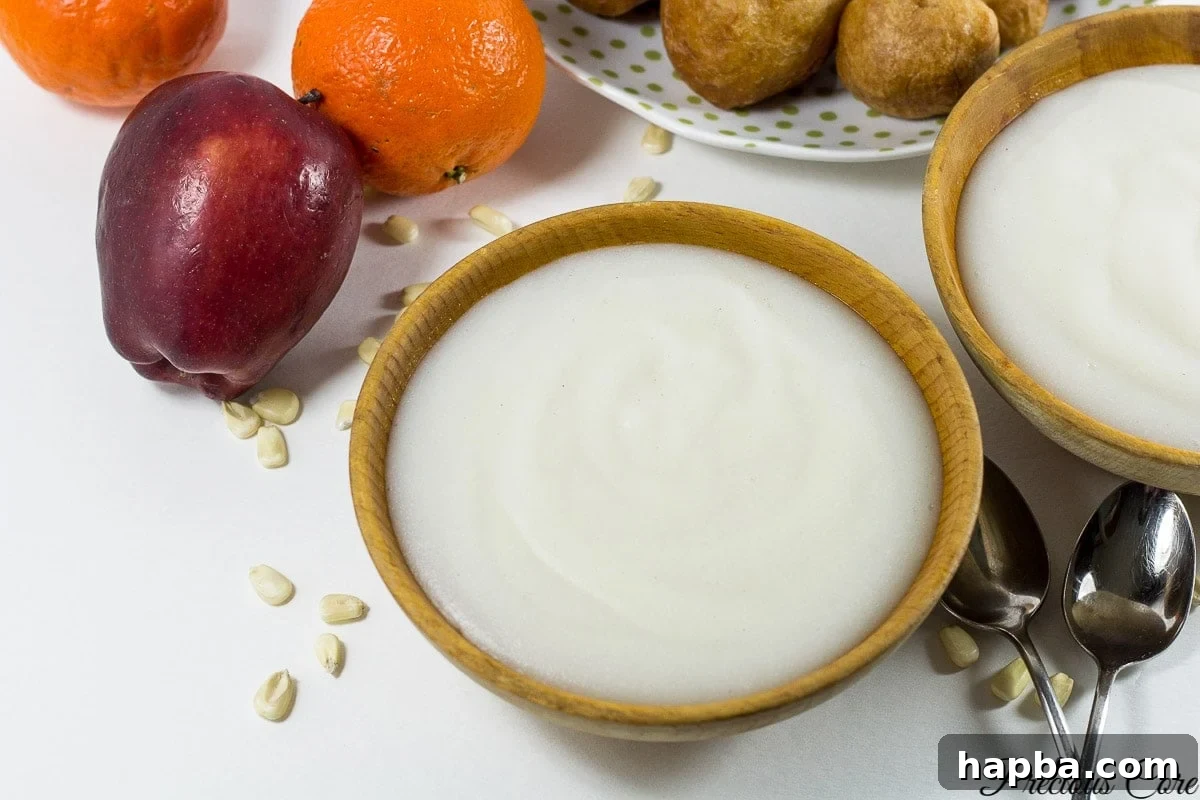
How to Make Authentic Fermented Corn Porridge (Pap, Akamu, Ogi) from Scratch
Embark on a culinary journey to West Africa with this incredibly authentic and comforting recipe for Pap, a beloved fermented corn porridge. Known across Cameroon and Nigeria as a staple breakfast or light meal, Pap – also called Akamu, Ogi, or Bouillie – offers a unique, slightly tangy flavor that is both refreshing and deeply satisfying. Traditionally prepared by soaking and grinding whole corn, this simplified recipe uses corn flour, making the process much more accessible without compromising on the rich, comforting taste that generations have cherished. Get ready to create a truly epic dish that will transport your senses straight to the heart of African culinary traditions, perfect for a hearty breakfast or a quick, soul-warming dinner.
A Glimpse into West African Mornings: The Story of Mami Makala and Her Pap
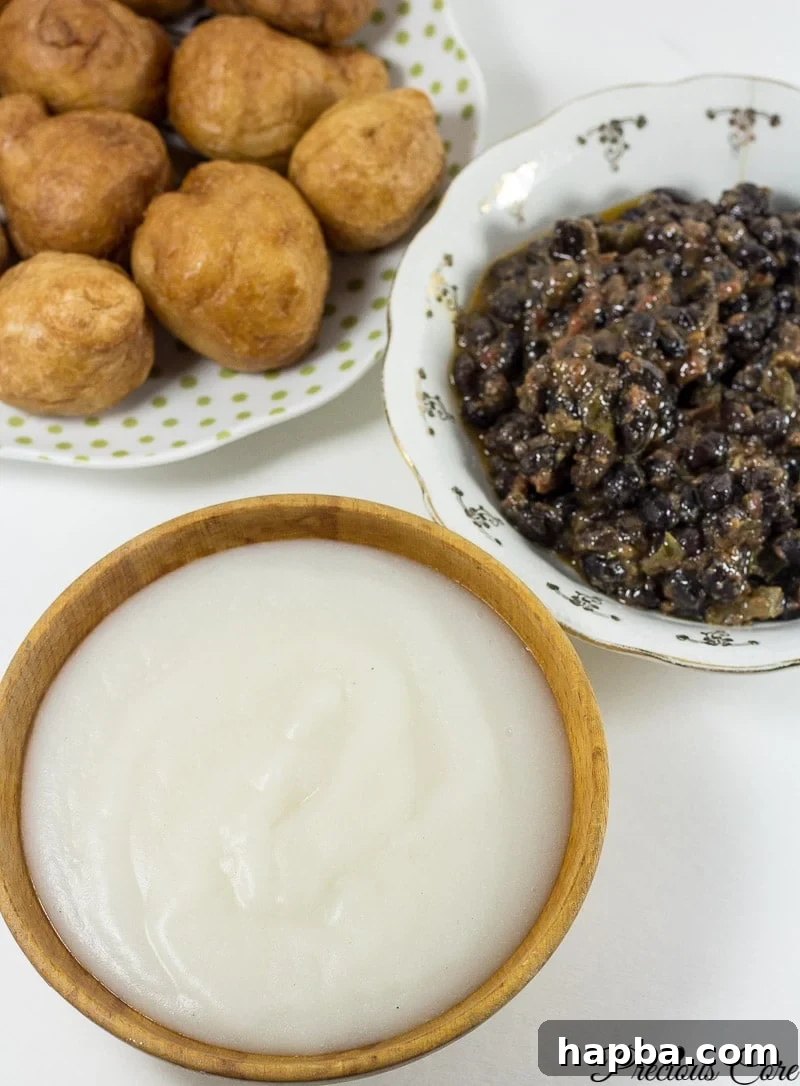
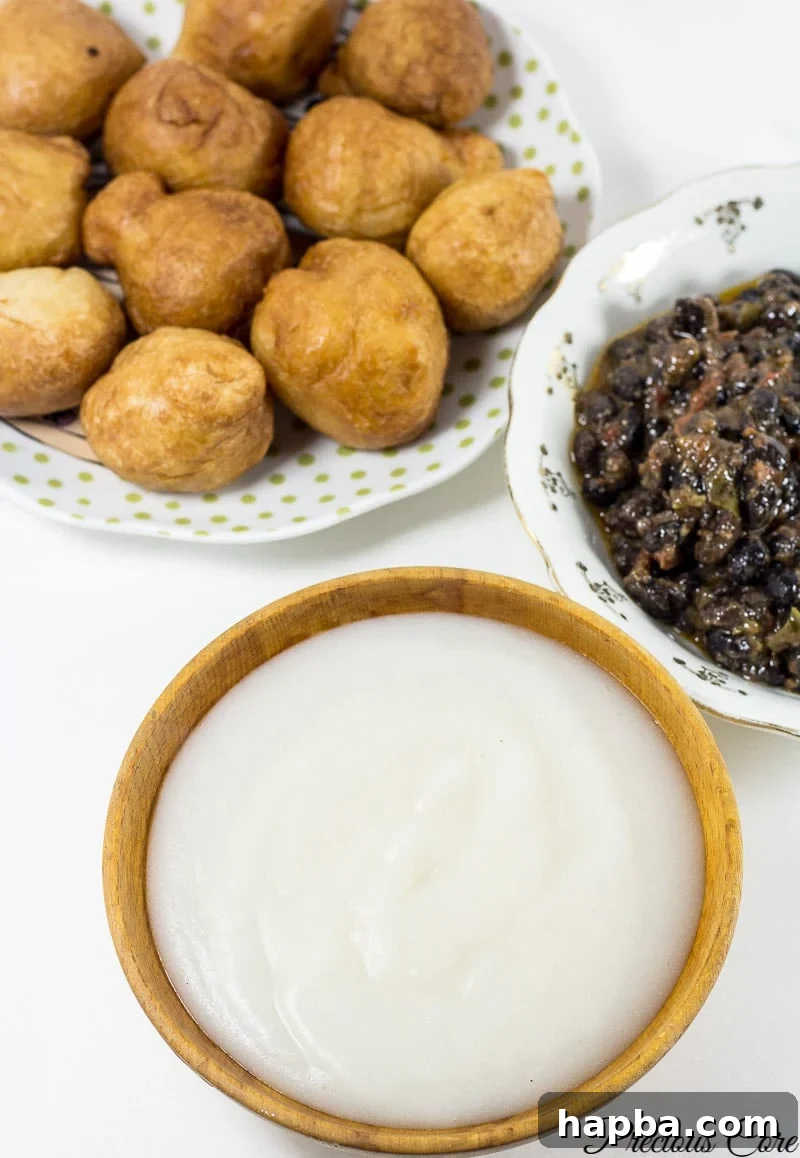
Imagine a bustling Monday morning in Douala, Cameroon. The vibrant city hums with the symphony of car horns and lively chatter as the streets awaken to another day. At a prominent intersection, amidst the flurry of daily life, stands Mami Makala, a familiar and cherished street vendor. Her stall is a beacon for hungry passersby, offering a trio of delightful morning treats that form the backbone of a true West African breakfast: golden Puff Puff, hearty beans, and, of course, her legendary fermented corn porridge, pap.
With practiced grace, Mami Makala scoops a generous portion of stretchy batter from a large bowl, her hands moving swiftly and expertly. She drops dollops of this magical mixture into a sizzling wok of hot oil. Almost instantly, these humble dollops transform into perfectly round, golden-brown balls, dancing merrily in the oil until they reach crispy perfection – her famous Puff Puff. The sweet, yeasty aroma wafts through the air, mingling with the savory scents of the city, promising a delicious start to the day.
An immaculately dressed gentleman in a crisp suit approaches, his anticipation palpable, a common scene in any vibrant African city. Mami Makala expertly wraps a couple of the steaming hot Puff Puff in an old newspaper, a traditional and wonderfully eco-friendly way of serving street food, creating a neat parcel. Next, she reaches for a simmering pot, its lid radiating warmth, and ladles out a spoonful or two of rich, flavorful beans, which she also adds to his parcel. The gentleman’s mouth waters in eager anticipation, a silent testament to Mami Makala’s culinary prowess.
Finally, the moment he’s been waiting for. From yet another pot, carefully kept warm, she scoops out a generous, creamy serving of corn porridge, the pap, completing his order and, indeed, his joy. With a grateful smile and a few coins exchanged, he departs, his breakfast dreams realized, ready to face the day fueled by a taste of home. Mami Makala’s line of customers stretches long, a testament to her consistent quality and the enduring popularity of her offerings. Some seek the irresistible Puff Puff, others crave her savory beans, many desire the comforting pap, and some, like our gentleman, simply must have all three to kickstart their day.
The Enduring Legacy of Pap: A West African Staple and Comfort Food
This fermented corn porridge, universally known as “pap” (and not to be confused with any other type of pap or gruel!), holds an indispensable place in the culinary landscape of Cameroon and Nigeria. Whether enjoyed under the comforting shade of a Mami Makala’s stall or lovingly prepared within the sanctity of homes, it’s a rare individual from these nations who hasn’t savored its unique taste. Pap transcends mere food; it’s a cultural cornerstone, a symbol of warmth, and often the first solid food introduced to infants, signifying its vital role in sustenance, healing, and general well-being across all ages.
Throughout my own childhood, pap, also affectionately known by its other regional names such as *le bouillie* (in French-speaking regions), *akamu*, or *ogi*, was a constant presence at our table. We often prepared it from scratch, engaging in the labor of love that traditional fermentation and grinding entailed. On other occasions, we would purchase the raw, pre-fermented paste from bustling local markets, a convenient option ready for cooking at home. And for those truly special, rare moments, a visit to a Mami Makala – or a “Mami Achombo,” depending on the local dialect and region – for a pre-cooked bowl was a delightful treat, a taste of convenience mixed with cherished tradition, a memory I hold dear.
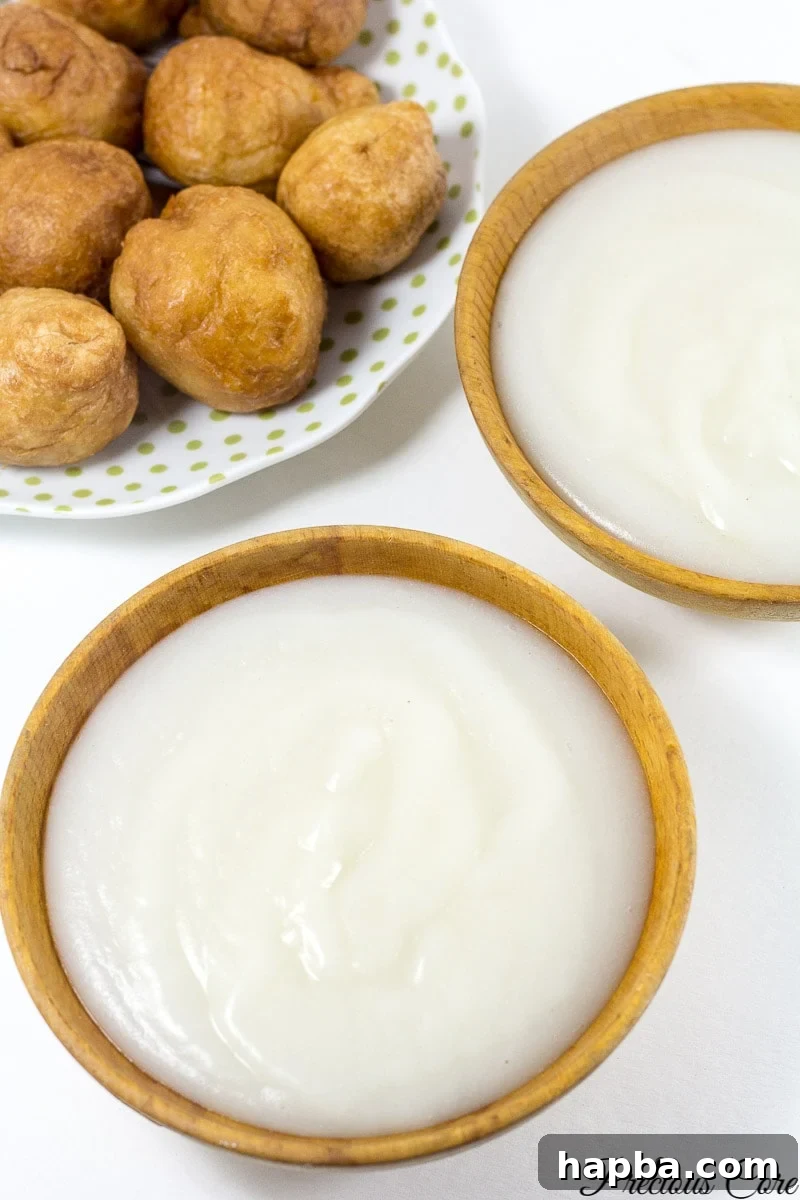
The cravings for pap can be incredibly potent, especially during certain life stages. I distinctly recall my first pregnancy, when an unyielding desire for this comforting porridge became a daily ritual. After every antenatal class at the clinic, my route home invariably included a necessary stop at my favorite Mami Makala’s stall, where I would indulge in a soul-satisfying, warm bowl before heading back. It was more than just a meal; it was a profound connection to home, a source of solace, and a delightful ritual during a precious and demanding time.
With the colder weather upon us, prompting a natural desire for warm, comforting foods, there’s no better time to share this timeless recipe. This comprehensive guide will walk you through making this authentic fermented corn porridge from scratch, revealing a method that is far simpler and quicker than you might imagine, yet delivers all the traditional flavors and comforting qualities you remember and love.
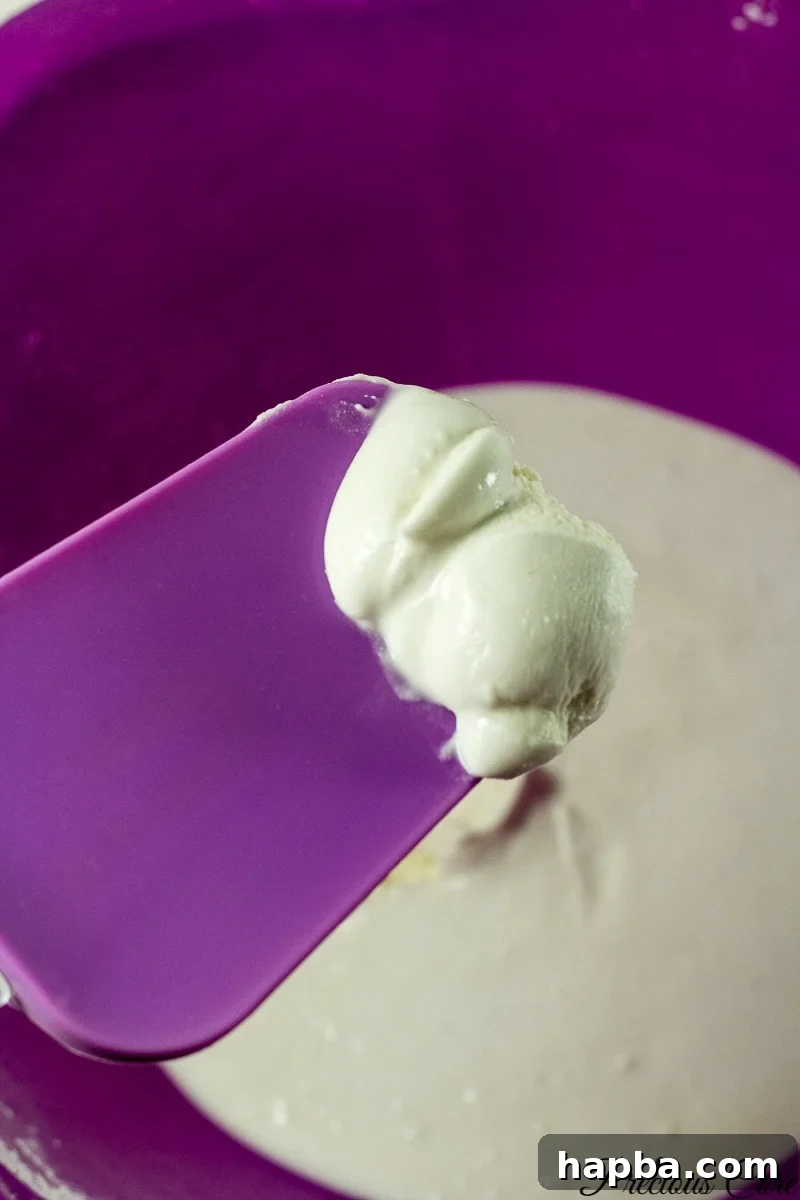
Traditional Pap Making vs. The Modern Corn Flour Shortcut
Traditionally, the journey to making authentic pap begins with whole corn kernels, either fresh from the cob or dried. These kernels are first thoroughly washed and then soaked for several days, typically three to five, allowing them to ferment naturally and develop their characteristic tangy flavor. This fermentation process is crucial, as it not only enhances the unique taste but also breaks down the starches, making the porridge more digestible and increasing the bioavailability of certain nutrients. After soaking, the fermented corn is meticulously ground, usually into a fine paste using traditional milling stones or modern blenders, and then carefully passed through a fine mesh sieve to separate the coarse fibrous chaff from the smooth, rich, starchy liquid. This liquid is then left to settle, and the resulting purified corn starch is what eventually becomes the base for cooked pap.
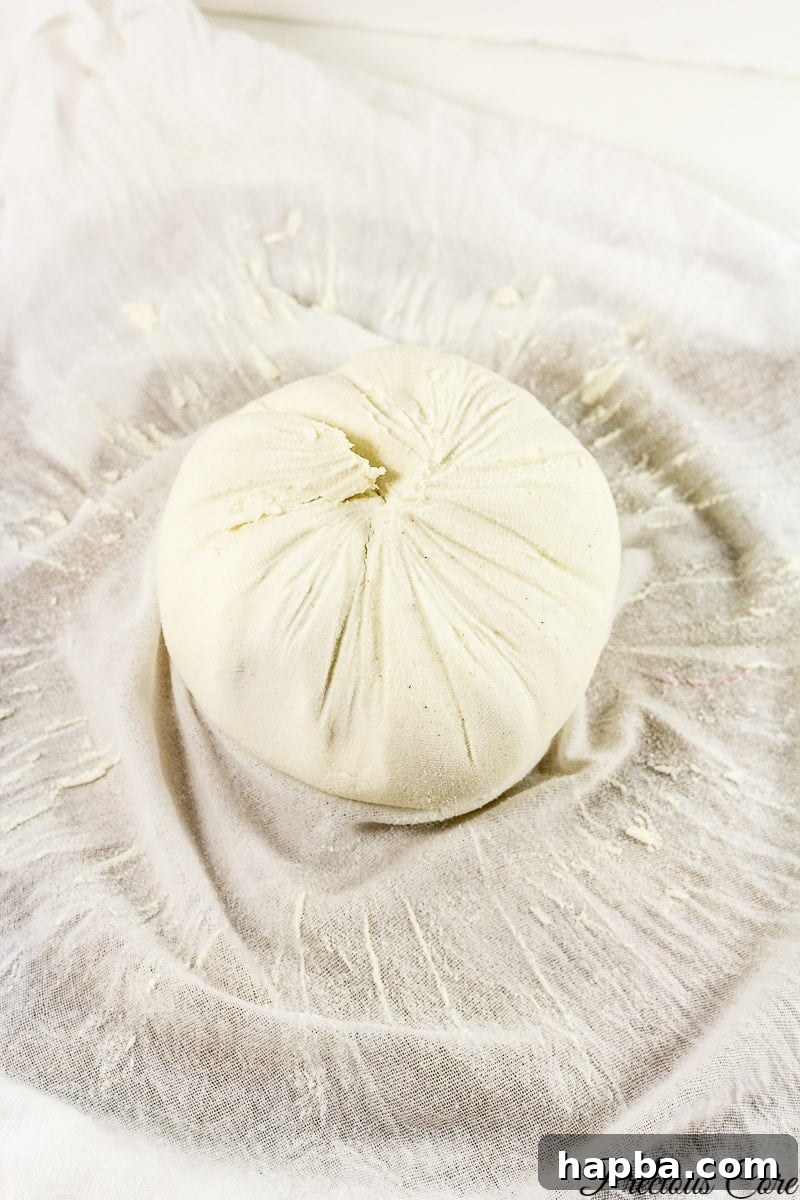
However, in this recipe, we embrace a revolutionary shortcut that drastically simplifies the process without sacrificing authenticity: we use readily available corn flour! Yes, you heard that right – simple corn flour. This ingenious adaptation completely bypasses the labor-intensive and time-consuming steps of grinding whole corn, making pap preparation incredibly easy, clean, and accessible for anyone, anywhere in the world, regardless of access to specialized grinding equipment. The result is so remarkably authentic that with every spoonful, I find myself closing my eyes, momentarily transported back to Mami Makala’s vibrant stall, savoring the unmistakable taste of home and tradition.
The Distinctive Taste and Texture of Fermented Corn Porridge
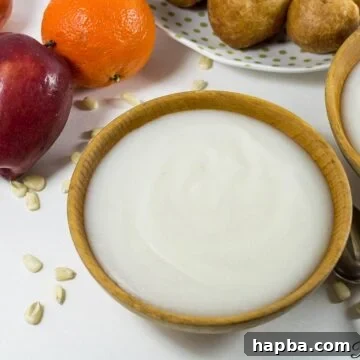
So, what exactly does this exquisite fermented corn porridge taste like? The flavor profile of pap is truly unique and remarkably addictive, a testament to the magic of fermentation. It’s characterized by a delightful, subtle tanginess, a direct result of the meticulous fermentation process, which infuses the corn starch with a complex sour note that sets it apart from ordinary cornmeal porridges. Beyond this refreshing tang, it possesses a wonderfully smooth, slightly bland quality that acts as a perfect, versatile canvas for whatever accompaniments or sweeteners you choose to add.
It might seem paradoxical to describe something as both “bland” and “delicious” in the same breath, but trust me, it is *exceptionally* good. The smoothness on the palate, combined with that gentle tartness and warmth, creates a deeply comforting and surprisingly complex experience. This unique blend of flavors and textures is precisely why pap is so beloved and has endured for centuries as a staple food.
The simplified method for achieving this deliciousness involves just a few key steps: First, you’ll soak corn flour, covered, in a warm environment for about three days, allowing the crucial fermentation to occur, developing that signature tang. Next, this fermented mixture is passed through a fine mesh sieve to separate the refined starch from any remaining fibrous components, ensuring a silky-smooth texture. Finally, a portion of this pure starch is cooked in boiling water, thickening into the creamy, soul-soothing porridge we adore. The outcome is pure epicness in a bowl – the ultimate comfort food for any season, bringing warmth and profound satisfaction with every spoonful, evoking cherished memories or creating new ones.
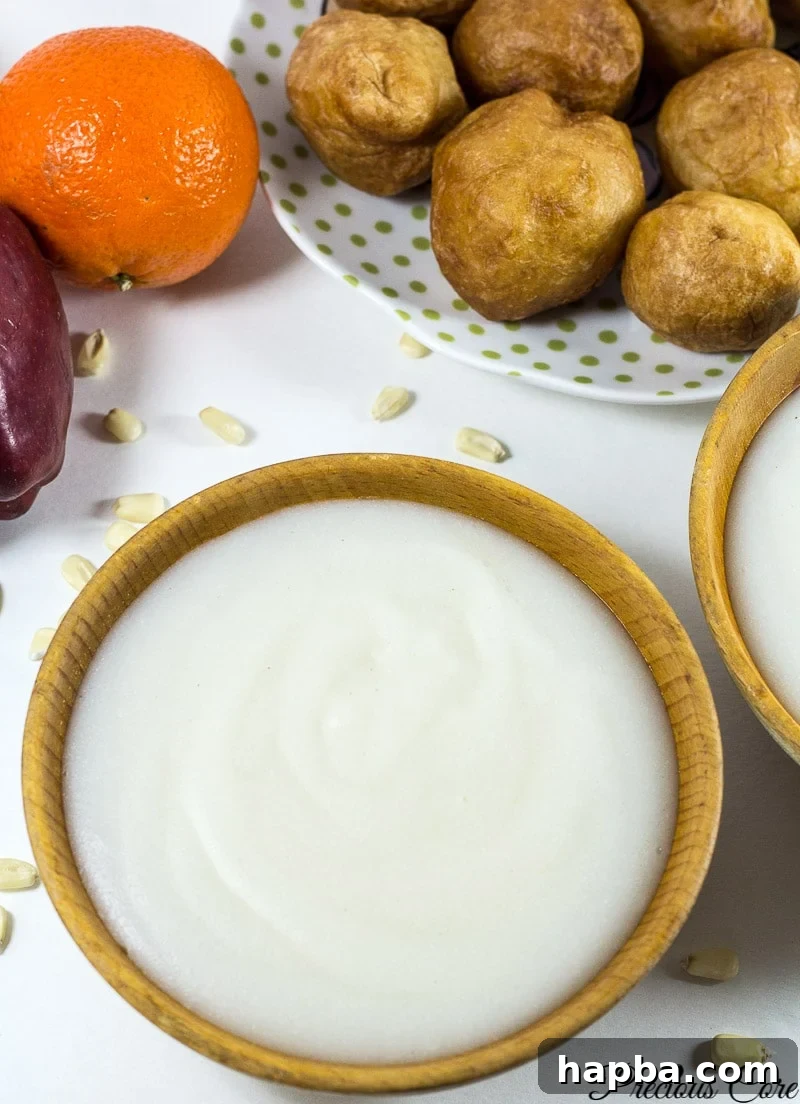
Your New Favorite Comfort Food: Perfect for Any Meal
Pap is truly what breakfast dreams are made of – a nourishing and delightful way to begin your day. Its warm, smooth, and gently tangy qualities make it an ideal start, especially when sweetened to your liking with sugar or honey and perhaps topped with a luxurious drizzle of evaporated milk. But its versatility doesn’t end at breakfast. I often prepare it as a quick, wholesome, and incredibly easy dinner for my children, who absolutely adore its comforting simplicity. It’s a meal that caters to all ages, providing gentle yet satisfying nourishment that makes it perfect for winding down after a long day or simply enjoying a light, fulfilling meal.
To ensure you master this recipe and bring the authentic taste of West Africa into your kitchen, I’ve also created a comprehensive video guide. This video walks you through every step of the process, from the initial fermentation of the corn flour to the final creamy consistency of the cooked pap. Watch me make some pap from start to finish, then gather your ingredients, follow along carefully, and prepare to weep for joy as you create your own perfect bowl of this West African delicacy, a true comfort food for body and soul!
Watch the Full Pap Making Process Here:
How To Make Pap (Fermented Corn Porridge) From Scratch
Rating: 5 out of 5 stars from 1 vote
Discover how to make authentic pap, a cherished corn porridge typically eaten in Cameroon and Nigeria. This recipe utilizes corn flour, simplifying the traditional method to deliver an epic, authentic, slightly tangy, and incredibly comforting meal. Perfect for breakfast or a light dinner, it’s simply divine!
Prep Time: 30 mins | Cook Time: 5 mins | Total Time: 35 mins
Servings: 6 cups of raw pap
Rate This Recipe
Print Recipe
Ingredients
- 2 pounds corn flour – white or yellow (about 1 kg)
- Water (as needed for soaking and cooking)
Instructions: Making the Raw Pap Paste
- Place the corn flour in a large container with a tight-fitting lid (a plastic container is often preferred as it helps retain heat for fermentation). Add enough water to generously cover the corn flour. Mix thoroughly with a wooden spoon or whisk until all lumps are dissolved and you have a smooth slurry.
- Cover the container tightly and place it in a warm area to ferment for 3 days. After this period, you will notice a distinct, pungent smell – this is perfectly normal and a sign of successful fermentation. There might also be bubbles forming at the top, which is also completely acceptable.
- Carefully pour out the water that has settled at the top of the fermented corn paste. Then, add fresh water into the corn paste and whisk well to form a light, creamy mixture, aiming for a consistency similar to whole liquid milk.
- Place a fine mesh sieve over a large bowl. Pass the liquid corn mixture through the sieve to separate the fine starch from any remaining coarse chaff. You may need to do this in small batches, depending on the size of your sieve. Collect the separated chaff in a separate bowl.
- Once all the starch liquid has been passed, add more fresh water into the collected chaff and mix again to form another light creamy mixture (again, like liquid milk). Pass this mixture through the sieve once more, pressing the chaff with a spoon against the sieve to squeeze out any remaining liquid starch.
- Repeat this process of adding water to the chaff, mixing, and sieving as needed until the chaff no longer yields a creamy liquid, indicating all usable starch has been extracted.
- Allow the collected corn starch liquid to rest for 1-2 hours. During this time, the clear water will rise to the top, and the pure corn starch will settle firmly at the bottom. Carefully pour out the excess water from the top. You can now proceed to cook the corn starch immediately or preserve it for future use.
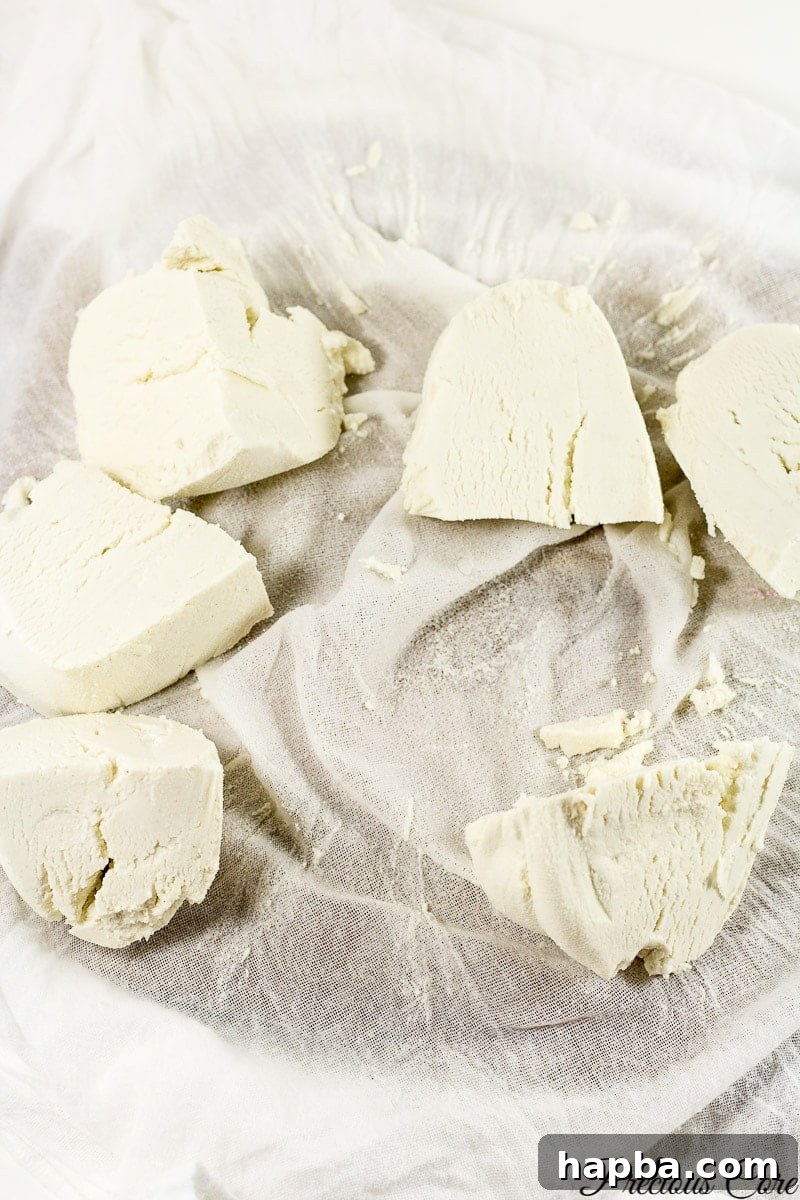
- To preserve: Place the thick corn paste into a clean, plain (preferably white) kitchen towel or cheesecloth. Squeeze out as much excess water as possible. The corn starch will become quite hard and solid. Cut the solidified pap into desired sizes, then transfer them into ziploc bags or airtight containers and store in the fridge for up to a week, or in the freezer for several months.
Instructions: How to Cook Pap
- To cook the pap (using the soft, unprocessed fermented corn paste): Mix 1 and a half cups of the fermented corn paste with a quarter cup of cold water to create a smooth, pourable slurry. (For clarity on consistency, please refer to the video.)
- Note: If you are using the hard, preserved version of pap (from step 8), use half a cup of the hard pap, broken into pieces, and mix it thoroughly with half a cup of cold water to form a smooth paste before adding to boiling water.
- Bring four cups of water to a rolling boil in a saucepan. Once boiling, gradually add the prepared corn paste mixture to the boiling water, stirring rapidly and continuously with a wooden spoon or whisk as you pour. The mixture will thicken rapidly. Continue to cook for 2-3 minutes while stirring constantly to prevent lumps and ensure even cooking. If you prefer a lighter consistency, you can add a little more hot water at this point. Sweeten with sugar to taste (I typically use about half a cup, but adjust to your preference) then turn off the heat. Serve hot, traditionally with a generous pour of evaporated milk on top, or accompanied by savory sides like akara/accra beans or fluffy puff puff.
- Alternate cooking method: You can also cook your pap by adding the boiling water directly to the corn paste mixture in a heat-proof bowl, away from the stove. If using this method, it is crucial to stir simultaneously and vigorously as you pour in the hot water to prevent any lumps from forming, ensuring a perfectly smooth porridge.
Notes
- Traditionally, pap is made by fermenting whole corn kernels, then grinding and sieving them. If you opt for this traditional method, be aware that you will need a powerful blender or a corn mill to achieve a fine grind.
- For an extra zing, feel free to flavor the cooked pap with some fresh lemon juice or lime juice just before serving. This enhances its natural tanginess beautifully.
- A fine mesh sieve is essential for this recipe to achieve the desired smooth consistency by separating the starch from the chaff effectively. This is different from a regular kitchen strainer. You can often purchase one online from Amazon here (affiliate link).
Nutrition Facts (per serving)
Calories: 552 kcal | Carbohydrates: 115g | Protein: 14g | Fat: 6g | Saturated Fat: 1g | Polyunsaturated Fat: 3g | Monounsaturated Fat: 2g | Sodium: 8mg | Potassium: 398mg | Fiber: 10g | Sugar: 2g | Vitamin A: 8 IU | Calcium: 206mg | Iron: 2mg
Additional Info
Course: Breakfast
Cuisine: African
Calories: 552
Tried this recipe?
Mention @preciouscore or tag #PreciousCore on Instagram!
Why Pap is More Than Just a Porridge: Cultural Significance and Health Benefits
Beyond its simple ingredients and delicious taste, pap embodies comfort, tradition, and ingenuity. It represents an age-old wisdom of preserving food through fermentation, a natural process that not only enhances flavor but also offers potential digestive benefits. The subtle tanginess is a hallmark of this natural transformation, making each spoonful a delightful connection to generations of culinary heritage. For many West Africans, pap evokes profound feelings of nostalgia, recalling childhood mornings, the nurturing care of mothers and grandmothers, and community gatherings.
Moreover, pap’s role extends beyond mere sustenance. It is often prescribed for new mothers, individuals recovering from illness, and is a beloved first food for babies due to its ease of digestion and comforting nature. The fermentation process itself can increase the bioavailability of certain nutrients and introduce beneficial probiotics, which are vital for a healthy gut microbiome. While not a medicinal cure, incorporating fermented foods like pap into one’s diet can contribute significantly to overall well-being. Its versatility is also a key factor in its enduring popularity; it’s easily customized with different levels of sweetness, various types of milk, or even a squeeze of fresh citrus to brighten its profile. Its ability to be preserved in solid blocks also speaks to its practicality, allowing families to have a ready supply of this nourishing staple.
Serving Suggestions and Variations for Your Homemade Pap
While often enjoyed plain or with a simple dash of evaporated milk and sugar, pap truly shines when paired with its traditional West African breakfast companions. The most popular accompaniments include crispy Puff Puff (a light, airy fried dough), savory Akara (bean fritters), or a hearty side of a rich bean stew. These pairings create a balanced and deeply satisfying meal that offers a wonderful interplay of textures and flavors – the smooth, tangy pap contrasting beautifully with the crispy, savory elements.
For those who prefer a different flavor profile or wish to experiment, consider adding a touch of fresh ginger during the cooking process for a warm, invigorating kick. A squeeze of fresh lime or lemon juice added to the cooked pap can also amplify its natural tanginess, offering a refreshing twist that awakens the palate. Don’t shy away from experimenting with different sweeteners; honey, maple syrup, or even a sprinkle of cinnamon can offer delightful variations to the classic sugar. Whether you enjoy your pap thick and hearty, spooned with a robust texture, or light and smooth, almost drinkable, this versatile porridge is endlessly adaptable to your personal taste preferences, making it a perfect canvas for your culinary creativity.
Storing Your Homemade Pap for Convenience
One of the most practical advantages of making pap from scratch, particularly using the corn flour method, is its excellent shelf life, especially in its raw, fermented paste form. Once you’ve successfully separated the starch from the liquid and squeezed out the excess water to form firm blocks, these can be stored with remarkable ease. For short-term convenience, the blocks of raw pap can be placed in an airtight container or ziploc bags and kept in the refrigerator, where they will remain fresh for up to a week. This allows for quick, on-demand preparation throughout your week.
For longer preservation, these versatile blocks can be frozen for several months without any significant loss of quality or flavor. This means you can prepare a large batch of raw pap and have a ready supply whenever a craving strikes, or for busy mornings when time is of the essence. Simply thaw a block in the refrigerator overnight or at room temperature for a few hours, then reconstitute it with a little water to form a paste before cooking according to the instructions. This makes homemade pap a truly convenient and economical staple to have on hand, ensuring you can always enjoy this comforting African delicacy.
Conclusion: Embrace the Comfort of Homemade Pap
Making pap from scratch, especially with our simplified corn flour method, is a truly rewarding experience that connects you with a rich and vibrant culinary heritage. It’s more than just a recipe; it’s an invitation to explore the comforting and distinctive flavors of West Africa, to bring a piece of Mami Makala’s bustling, vibrant stall into your own home, no matter where you are in the world. Whether you’re seeking a wholesome and nourishing breakfast, a light and satisfying dinner, or simply a taste of authentic tradition, this fermented corn porridge offers a unique blend of tang, smoothness, and profound satisfaction.
The ease of preparation combined with the deep, comforting flavors makes this recipe a must-try for anyone interested in African cuisine or simply looking for a new, healthy, and delicious meal idea. So, roll up your sleeves, gather your ingredients, and prepare to delight your taste buds with this age-old, yet remarkably accessible, African comfort food. Enjoy the process, savor the authentic flavors, and share the joy of homemade pap with your family and friends!