
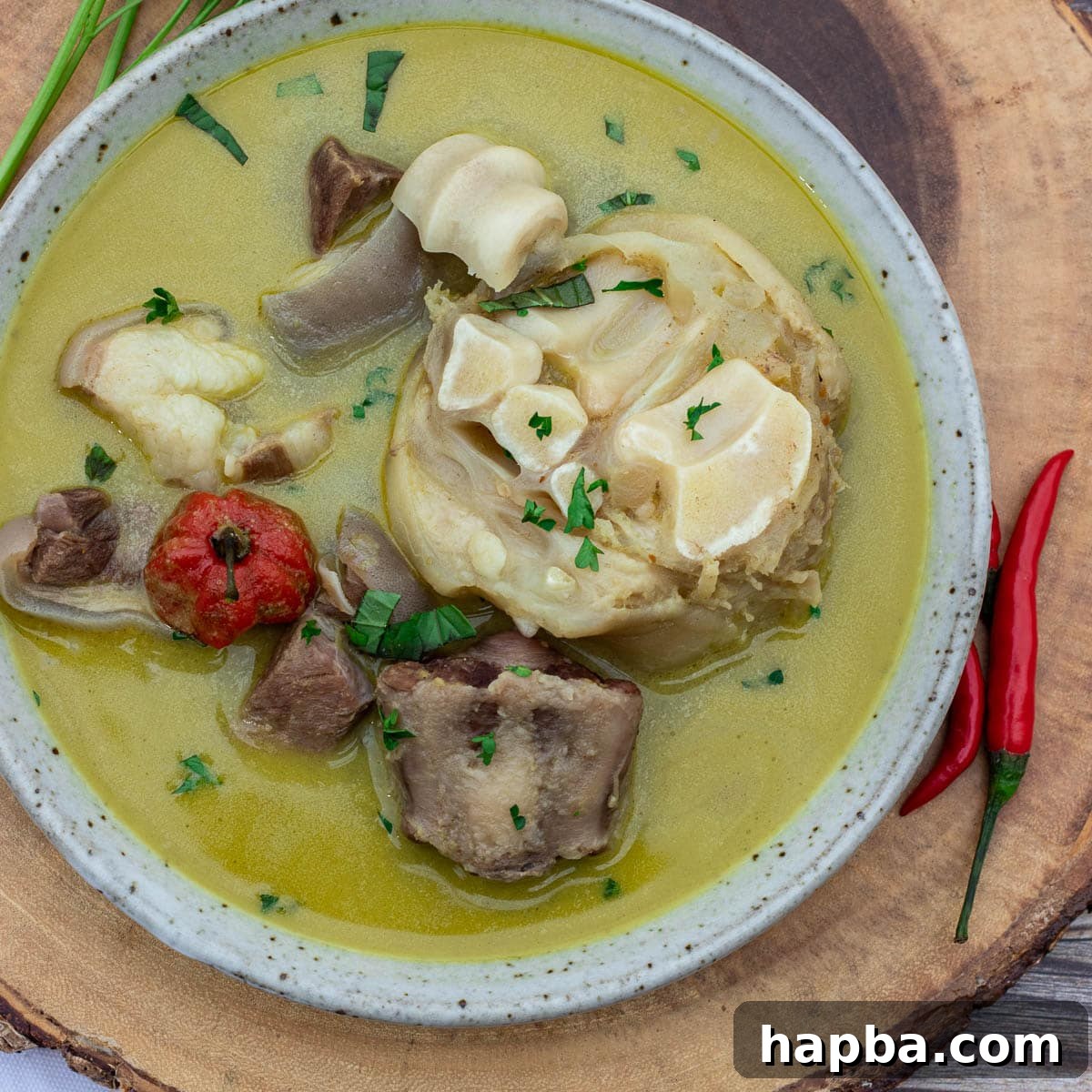
There’s nothing quite like a steaming bowl of homemade soup to bring warmth and comfort, especially on a chilly day. Here in Southern California, recent rainy weather has perfectly set the scene for indulging in comforting, flavorful dishes. And when it comes to soul-soothing cuisine, Cameroonian Pepper Soup consistently tops the list. This isn’t just any soup; it’s a culinary journey, a vibrant reflection of Cameroonian heritage, and a dish I grew up savoring. Its rich, aromatic broth, brimming with tender chunks of meat and infused with exotic spices, is so deeply satisfying, you’ll want to drink every last drop. Best of all, this incredible recipe requires only about 15 minutes of active preparation time, making it an accessible and rewarding cooking experience for everyone.
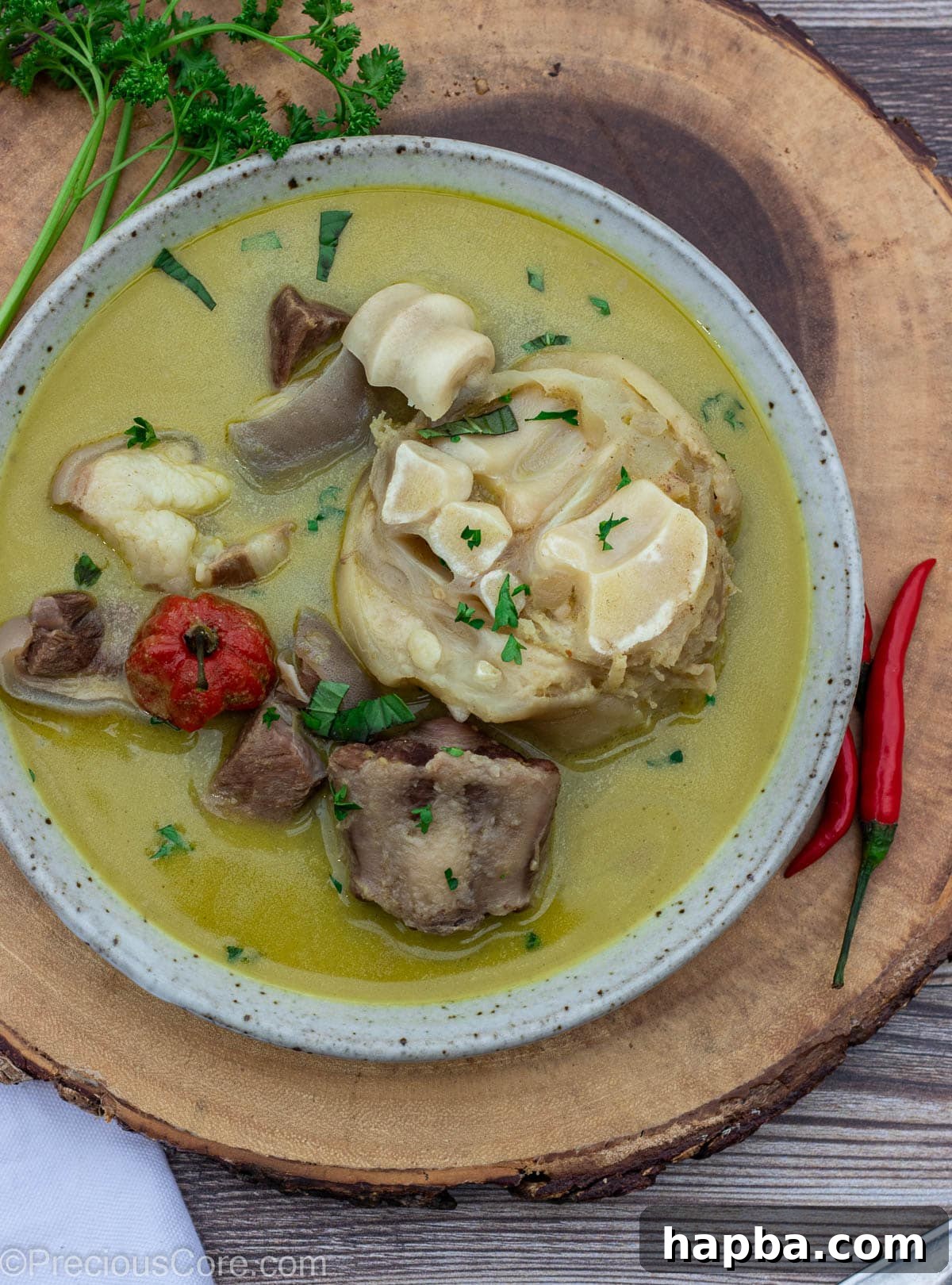
Pepper soup is a beloved staple across West and Central Africa, celebrated for its robust flavors and the distinctive warmth it brings. While many variations exist—from Fish Pepper Soup to Chicken Pepper Soup, and classic Meat Pepper Soup—the Cameroonian rendition holds a special place in my heart. It’s more than just a meal; it’s a comforting embrace, a cure for the common cold, and a centerpiece for family gatherings. This article will guide you through crafting the perfect Cameroonian Pepper Soup, revealing the secrets to its unforgettable flavor and versatile nature.
Table of Contents
- Pepper Soup: A Cornerstone of African Cuisine
- Crafting Cameroonian Meat Pepper Soup
- The Secret Ingredient: Njangsa in Cameroonian Pepper Soup
- Why This Cameroonian Pepper Soup Recipe Will Captivate You
- Exploring Organ Meats in Pepper Soup
- Expert Tips for an Unforgettable Cameroonian Pepper Soup
- Serving Your Cameroonian Pepper Soup
- More African Pepper Soup Recipes to Explore
- Delightful Cameroonian Recipes You’ll Adore
- Cameroonian Pepper Soup Recipe Card
Pepper Soup: A Cornerstone of African Cuisine
Across the diverse culinary landscape of West and Central Africa, pepper soup stands out as a unique and cherished dish. Far from being a heavy, creamy stew, it is characterized by its brothy consistency, yet it possesses a depth of flavor that is remarkably satisfying. This isn’t just about heat; it’s about a symphony of carefully selected spices and herbs that create an invigorating and deeply aromatic experience. The name “pepper soup” hints at the presence of potent chili peppers, such as habaneros or scotch bonnets, which provide its signature kick. However, the level of spiciness is entirely adjustable to your preference; you can enjoy a milder version that still bursts with flavor, proving that the essence of pepper soup goes beyond just its fiery elements.
Each African country, and often each region within a country, boasts its distinct interpretation of pepper soup. While the ingredients may vary, the core principles remain constant: a spicy, hot broth, a choice of protein (typically fish, various meats, or chicken), and a generous infusion of local spices. This adaptability is part of its charm, allowing for endless regional creativity while maintaining its comforting and restorative qualities. Whether it’s the aromatic richness of a Nigerian Pepper Soup or the unique spice blend of a Ghanaian version, the shared heritage of this light yet profoundly flavorful soup unites communities through taste.
Crafting Cameroonian Meat Pepper Soup
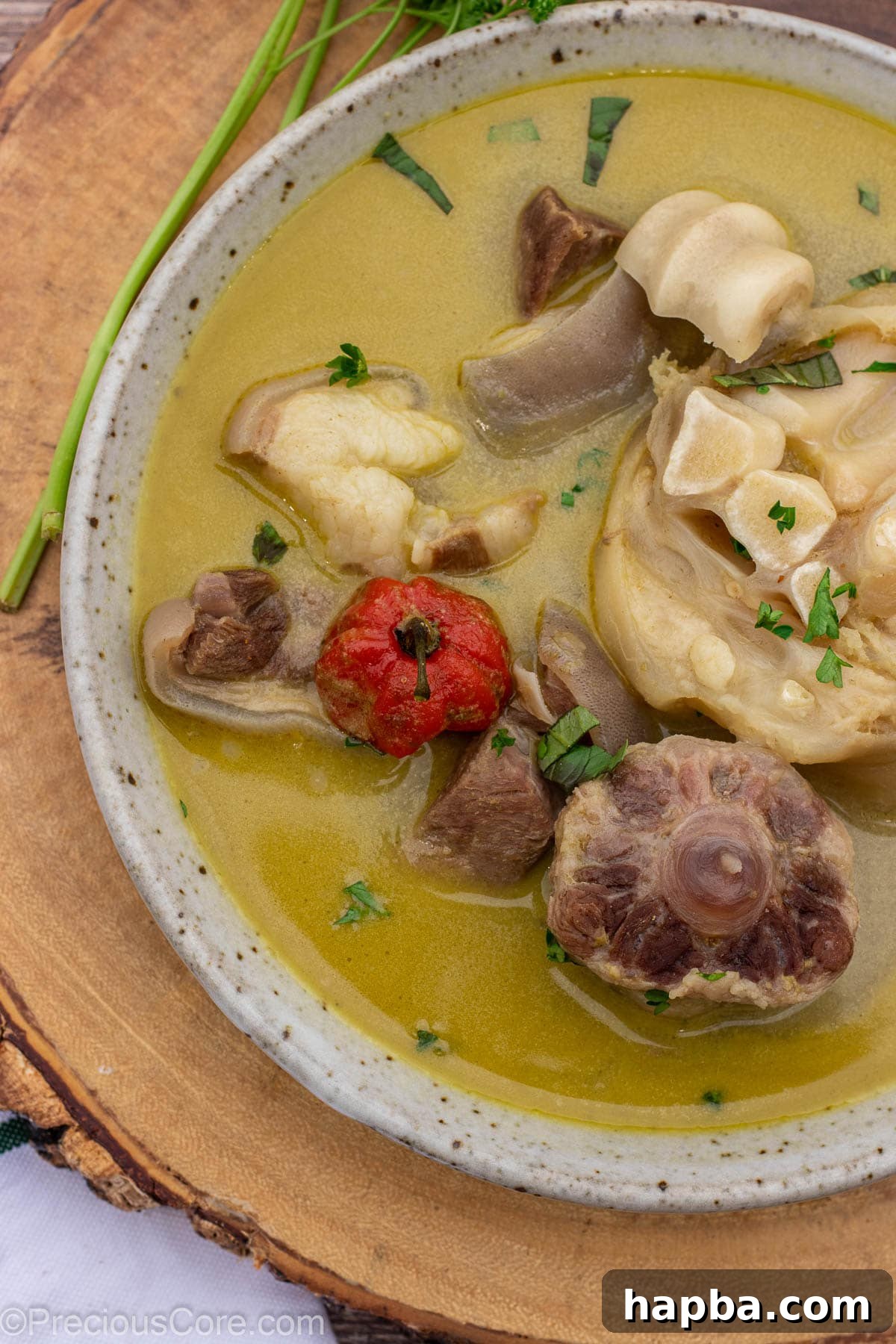
The beauty of Cameroonian meat pepper soup lies in its incredible versatility, particularly when it comes to the choice of protein. While some prefer a single type of meat, a truly authentic and decadent experience often involves a medley of different cuts, each contributing its unique texture and depth of flavor to the broth. For this specific recipe, I opted for a combination of three distinct meats, believing that variety truly enhances the culinary journey. Why settle for just one when you can enjoy the complexity of several?
However, the specific cuts I chose are by no means prescriptive. Feel free to explore and use any meats you have readily available or those that appeal most to your palate. Common choices include succulent beef chunks, tender goat meat (a highly prized ingredient in African cuisine), robust beef feet, or even various organ meats like beef tripe or intestines. Each adds a distinct character to the soup, from the gelatinous richness of beef feet to the earthy chewiness of tripe. I recently had the pleasure of tasting pork pepper soup at a Cameroonian celebration, and it was an absolutely remarkable revelation!
This inherent adaptability is what makes pepper soup a household favorite. It empowers you to tailor the dish to your preferences, dietary needs, or simply whatever ingredients are at hand. Whether you’re using traditional cuts or experimenting with something new, the core essence of this delicious, warming soup remains its ability to transform simple ingredients into an extraordinary meal.
The Secret Ingredient: Njangsa in Cameroonian Pepper Soup
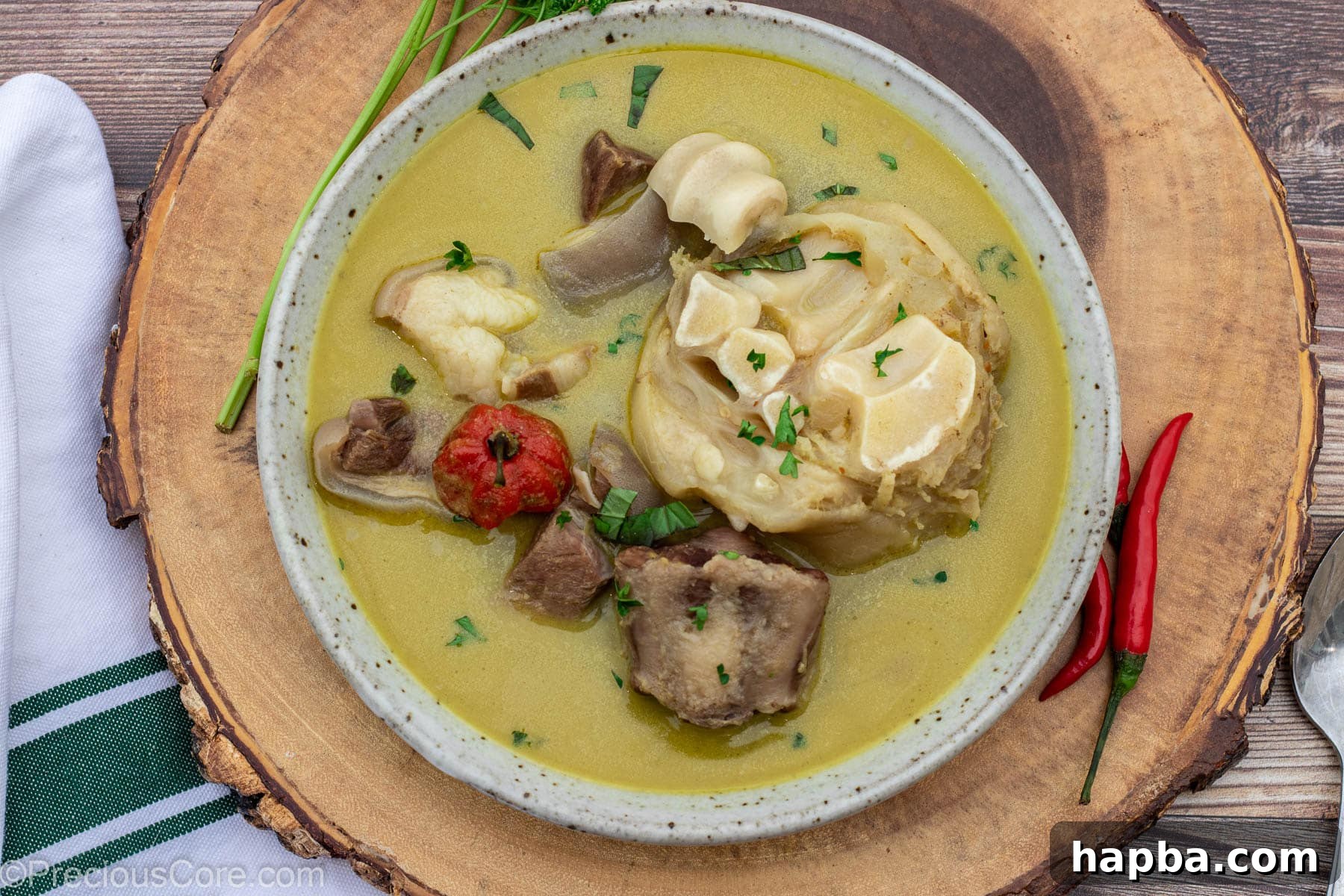
One of the true hallmarks that gives Cameroonian Pepper Soup its distinctive and unforgettable character is the inclusion of Njangsa, also known as Njansa. These intriguing seed-like spices, which bear a striking resemblance to chickpeas, are the secret behind the soup’s unique flavor profile and slight creaminess. Njangsa contributes an earthy, nutty depth that is truly unparalleled, elevating the broth from merely spicy to profoundly complex and aromatic.
However, I want to emphasize that if Njangsa is not readily available to you, please do not let that deter you from attempting this fantastic recipe. While it certainly adds a special touch, you can absolutely create an incredibly delicious and authentic-tasting pepper soup without it! The rich blend of other herbs and spices (detailed in the recipe card below) will still yield a profoundly flavorful and comforting broth that embodies the spirit of Cameroonian cuisine.
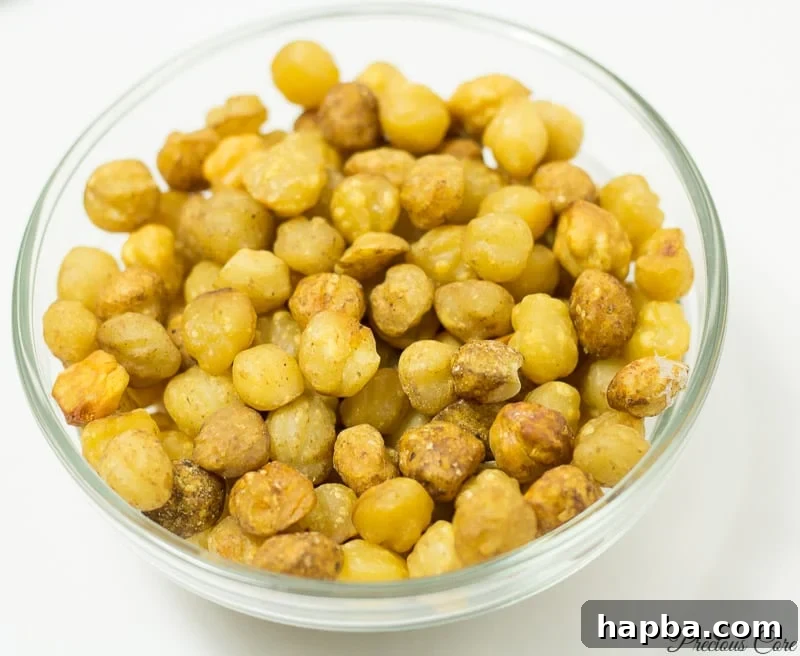
Beyond Njangsa, I personally always incorporate white pepper into my pepper soup. Its subtle heat and distinct aroma add another layer of special flavor that complements the other spices beautifully. When combined with fresh ginger, garlic, onions, basil, and parsley, along with other traditional seasonings, you achieve a harmonious and deeply aromatic broth. This careful balance of ingredients is what transforms simple components into a truly comforting and invigorating meal, capable of soothing both body and soul.
For the complete list of ingredients with precise measurements and detailed instructions, scroll down to the comprehensive recipe card below.
Why This Cameroonian Pepper Soup Recipe Will Captivate You
Regardless of where you come from, this Cameroonian Pepper Soup, a culinary jewel of West and Central African cuisines, is a recipe designed to delight everyone. From the very first spoonful, you’ll understand why it’s so cherished. There are numerous compelling reasons why this particular recipe will quickly become a favorite in your kitchen:
- Unmatched Adaptability: This recipe is incredibly forgiving and flexible. Feel free to use any combination of meats you prefer or have on hand—beef, goat, chicken, or even fish. If Njangsa is unavailable, don’t fret; the soup will still be wonderfully flavorful. For those who are sensitive to heat, simply omit or reduce the habanero or scotch bonnet peppers to suit your spice tolerance. It’s a dish that truly caters to your individual taste and pantry.
- Effortless Preparation: Don’t let the complex flavors intimidate you; preparing this soup is surprisingly straightforward. The main work involves blending a few key ingredients into a fragrant paste and letting your stove do the rest. Once everything is combined in the pot, the flavors meld beautifully as the meats tenderize, requiring minimal hands-on effort from your side. It’s a perfect dish for both novice and experienced cooks.
- Exquisitely Flavorful: Prepare to be amazed by the depth of flavor in this soup! The broth is a fragrant concoction of fresh herbs, earthy spices, and savory meat juices, creating an intoxicating aroma and taste that is truly addictive. Each spoonful delivers a burst of warmth and satisfaction, making it nearly impossible to resist going back for more.
- Renowned Healing Properties: Beyond its delicious taste, Cameroonian Pepper Soup is widely regarded for its restorative and healing qualities. The synergistic blend of warming spices like ginger, garlic, and hot peppers, combined with nourishing broth, is traditionally believed to soothe the body and mind. It’s often the go-to remedy for fighting off a cold, easing congestion, or simply comforting you when you feel under the weather.
Exploring Organ Meats in Pepper Soup
In many cultures around the world, particularly in Cameroon where I grew up, nose-to-tail eating is a long-standing tradition—not just for sustainability, but for the incredible flavors and nutritional benefits that organ meats offer. When we refer to organ meats (or offal) in the context of beef, we’re talking about all the other delicious parts of the cow beyond the conventional red muscle meat. This can include beef tongue, kidneys, hearty beef tripe, nutrient-dense beef liver, intestines, and even beef skin, each bringing its own unique texture and taste to a dish.
Growing up in Cameroon, every single part of the beef was utilized and celebrated in cooking. I can attest that when prepared properly, these parts are not only palatable but truly delicious. What’s more, beef organs are a powerhouse of essential nutrients, often surpassing muscle meat in vitamin and mineral content. For instance, check out my recipe for epic liver sauce for another way to enjoy these nutritious ingredients.
If you’re new to cooking with organ meats, pepper soup provides an excellent introduction. Their robust flavors and textures integrate seamlessly into the spicy, aromatic broth. For pepper soup, I highly recommend starting with beef feet for their gelatinous richness, beef tripe for its unique chew, and beef intestines for their distinct savory notes. The key is to cook these meats until they are perfectly tender, allowing them to release their full spectrum of flavors and benefits into the broth. Embrace this culinary adventure and discover a new dimension of taste and nutrition!
Expert Tips for an Unforgettable Cameroonian Pepper Soup
After countless batches of perfecting Cameroonian Pepper Soup, I’ve gathered some invaluable insights that will help you achieve the most authentic and deeply flavorful results. These expert tips, honed over years of cooking, will guide you to elevate your soup from good to truly exceptional:
- Embrace Bone-In Meats: This is perhaps the most crucial tip for a rich broth. Bone-in cuts, such as short ribs or oxtails, contribute an unparalleled depth of flavor and body to the soup. The marrow and collagen released from the bones infuse the broth with a natural richness that plain muscle meat simply cannot replicate. For an even more intense flavor, consider using bone-in goat meat, which is a traditional choice for many African pepper soups.
- Strategic Cooking of Meats: When using a variety of meats, especially those with different textures and cooking times, it’s essential to add them to the pot in stages. Begin by cooking the toughest cuts first (like beef feet or oxtails), allowing them to tenderize significantly before introducing softer meats. This ensures all your meats are perfectly cooked and tender without any becoming overdone.
- Prioritize Organ Meats: Incorporating organ meats into your Cameroonian pepper soup not only adds traditional authenticity but also significantly boosts the nutritional profile of your dish. As mentioned, they are packed with vitamins and minerals, and their unique textures create a more dynamic and interesting eating experience. Don’t shy away from beef tripe, intestines, or even cow skin for their health benefits and delicious contribution.
- Transform into a One-Pot Meal: For a truly convenient and satisfying meal, consider adding some peeled, halved plantains directly into the soup during the cooking process. As they simmer, the plantains absorb the incredible flavors of the broth and become wonderfully tender, offering a delightful starchy contrast to the savory meat. This creates a wholesome, complete meal all in one pot, minimizing fuss and maximizing flavor.
- Opt for Thai Basil for Intense Flavor: While Italian basil works, for a truly authentic and more potent basil flavor that stands up to the robust spices of pepper soup, I highly recommend using Thai basil. Its slightly peppery, anise-like notes bring an aromatic complexity that truly elevates the overall taste profile of the soup.
Serving Your Cameroonian Pepper Soup
Cameroonian Pepper Soup is wonderfully versatile when it comes to serving. It can be enjoyed simply on its own as a light yet satisfying appetizer, allowing its intricate flavors to truly shine. However, it also pairs beautifully with a range of traditional African side dishes, transforming it into a hearty and complete meal:
- Boiled Yam: Specifically, African white yam (true yam) is a classic accompaniment. Its mild, starchy flavor perfectly complements the spicy, rich broth.
- Boiled Plantains: Whether semi-ripe for a hint of sweetness or unripe for a firmer, more savory starch, boiled plantains are an excellent choice.
- Boiled Potatoes: Simple boiled potatoes offer a familiar and comforting side that soaks up the delicious soup flavors.
- Boiled Rice: A bowl of fluffy white rice is always a welcome partner, providing a neutral base for the vibrant soup.
Bonus Tip: My husband has a personal favorite way to enjoy pepper soup: with warm, crusty bread! The bread is perfect for soaking up every last drop of that incredibly flavorful, spicy broth, ensuring no deliciousness goes to waste. Choose a fluffy baguette or a rustic, crusty loaf for the best experience.
I hope you’ve enjoyed this culinary journey into my cultural heritage! Below, you’ll find the full, detailed recipe card to guide you, and for a visual walkthrough, don’t forget to check out my dedicated pepper soup video on my YouTube channel. Should any questions arise as you prepare this delightful dish, please feel free to leave them in the comments section below. Happy cooking!
More African Pepper Soup Recipes to Explore
Catfish Pepper Soup
Goat Meat Pepper Soup Recipe
Chicken Pepper Soup
Delightful Cameroonian Recipes You’ll Adore
Cameroon Jollof Rice Recipe: Easy Method
Cameroonian Soya Without Skewers
How To Make Puff Puff
How To Make Chin Chin
If you try this recipe, please consider leaving a star rating below. Your feedback helps others discover and enjoy this recipe, and I always love hearing from you! Thank you!
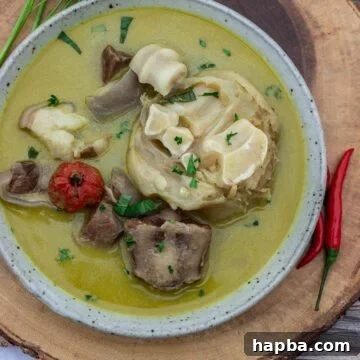
Cameroonian Pepper Soup
15 minutes
1 hour
15 minutes
1 hour
30 minutes
10
servings
Pin Recipe
Rate
Print Recipe
Ingredients
-
10 pounds goat meat, beef feet and oxtails -
2 teaspoons salt -
4 teaspoons chicken bouillon powder -
1 medium onion -
1 head of garlic about 10 cloves -
4 inches ginger root -
5 sprigs fresh basil I used Thai basil -
4 sprigs parsley -
1 celery stalk -
1/2 cup njangsa -
2 habanero or scotch bonnet peppers -
1 teaspoon ground white pepper
Instructions
-
Rinse all the meats thoroughly under cold water and transfer them to a large, heavy-bottomed pot. Add enough water to the pot to ensure the meats are completely submerged.
-
Place the pot over high heat and cover it with a lid, slightly tilted to allow steam to escape and prevent boiling over. Bring the water to a rolling boil and let it boil for approximately 10 minutes. During this initial boil, use a spoon or ladle to skim off any scum or impurities that rise to the surface.
-
While the meat is parboiling, prepare your aromatic paste. In a blender, combine the roughly chopped onion, peeled garlic cloves, sliced ginger root, fresh basil sprigs, parsley, celery stalk, and Njangsa seeds. Add a small amount of water (just enough to facilitate blending) and process until you achieve a completely smooth and uniform paste. If you desire a spicier soup, now is the time to add one or two habanero or scotch bonnet peppers to the blender with the other ingredients.
-
Add the freshly blended seasoning paste to the pot with the parboiled meats. Stir in the salt and chicken bouillon powder. If you prefer a milder spice but still want the essence of habanero, you can add whole habanero peppers to the pot at this stage (they will infuse flavor without releasing too much heat unless punctured). Let the soup simmer gently until all the meats are wonderfully tender. This typically takes about an hour, depending on the cuts of meat used. If you added whole habanero peppers, remove them after about 30 minutes of simmering to prevent them from bursting and making the soup overly spicy.
-
Taste the broth carefully and adjust the salt seasoning as needed to your preference. Finally, stir in the ground white pepper, allowing it to simmer for another 2 minutes to fully integrate its subtle, distinct flavor.
-
For an extra touch of freshness and aroma, garnish your hot pepper soup with a sprinkle of freshly chopped basil or parsley just before serving.
-
Serve your authentic Cameroonian Pepper Soup piping hot. It pairs beautifully with boiled plantains (either semi-ripe or unripe), traditional African white yam, or plain boiled rice. Enjoy!
Video
Notes
Different Protein: While this recipe focuses on meat, pepper soup can also be made with chicken or fish for lighter variations. Remember that cooking times will significantly vary depending on the protein chosen; fish, for example, cooks much faster.
Njangsa replacement: Njangsa contributes a unique earthy and nutty flavor, along with a slight thickening property. Unfortunately, there isn’t a direct substitute that perfectly replicates its distinct profile. If you can’t find it locally (check African grocery stores or online retailers like Amazon), don’t worry! You can still make a delicious pepper soup without Njangsa; it will simply have a slightly different, but still wonderful, flavor profile.
Additional Spices: Feel free to experiment with other complementary herbs and spices such as a pinch of thyme, a bay leaf, a dash of cumin, or a few whole cloves to further customize the aroma and taste of your pepper soup.
Nutrition
Carbohydrates: 2g |
Protein: 60g |
Fat: 11g |
Saturated Fat: 4g |
Polyunsaturated Fat: 0.5g |
Monounsaturated Fat: 5g |
Cholesterol: 106mg |
Sodium: 829mg |
Potassium: 1097mg |
Fiber: 0.4g |
Sugar: 1g |
Vitamin A: 108IU |
Vitamin C: 5mg |
Calcium: 63mg |
Iron: 6mg
Additional Info
359
Tried this recipe?
Mention @preciouscore or tag #PreciousCore!