
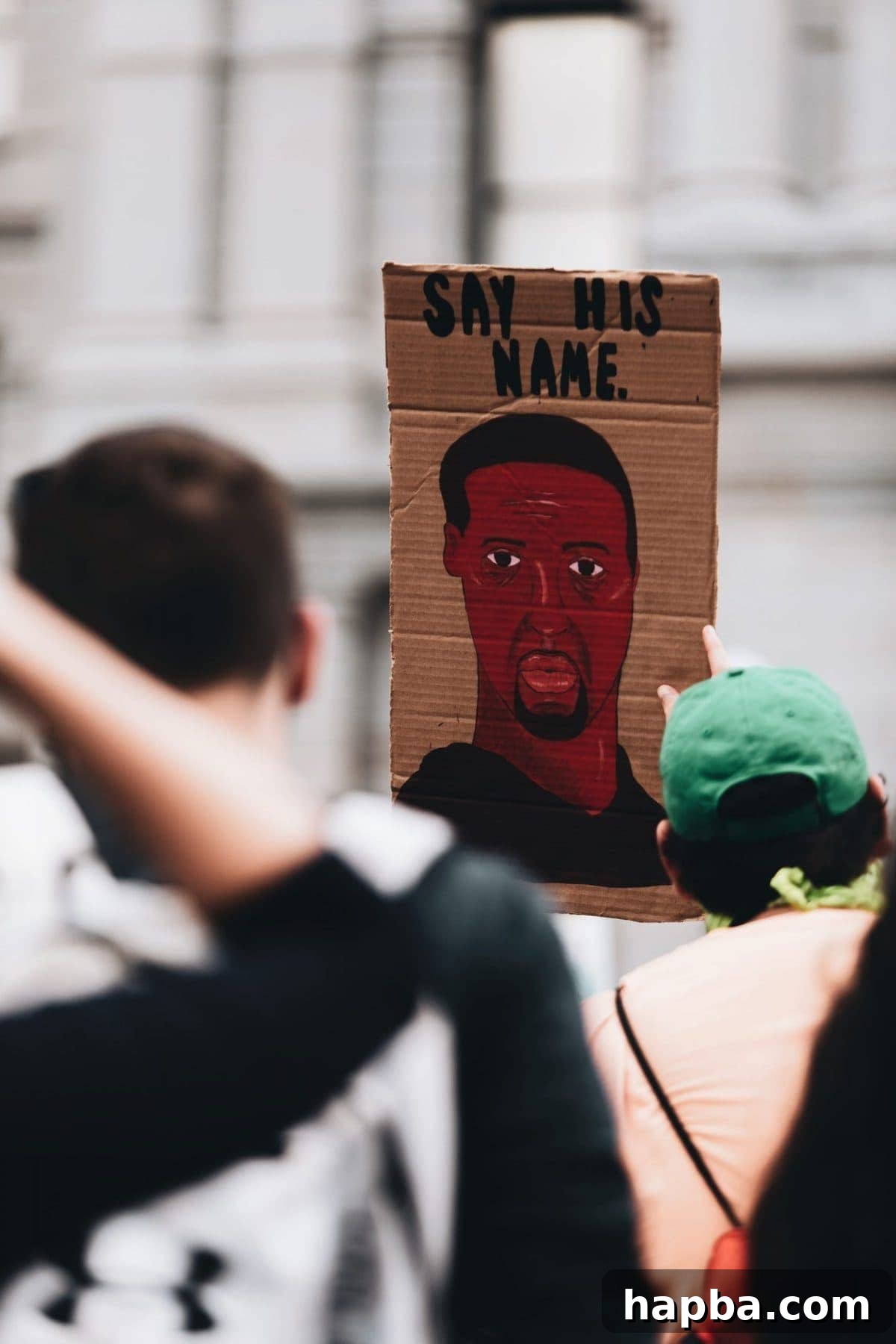
The indelible image of George Floyd – a Black man, his face pressed against cold concrete, his body prone, while a white police officer’s knee brutally pinned his neck for approximately eight agonizing minutes – has etched itself into the collective consciousness, a haunting testament to systemic injustice.
In those prolonged moments, as breath was stolen, George Floyd, a father, a brother, a son, uttered the desperate plea, “I can’t breathe.” Yet, the pressure remained, merciless and unyielding, until his life was extinguished. His name reverberates not just as a victim, but as a tragic symbol for countless others.
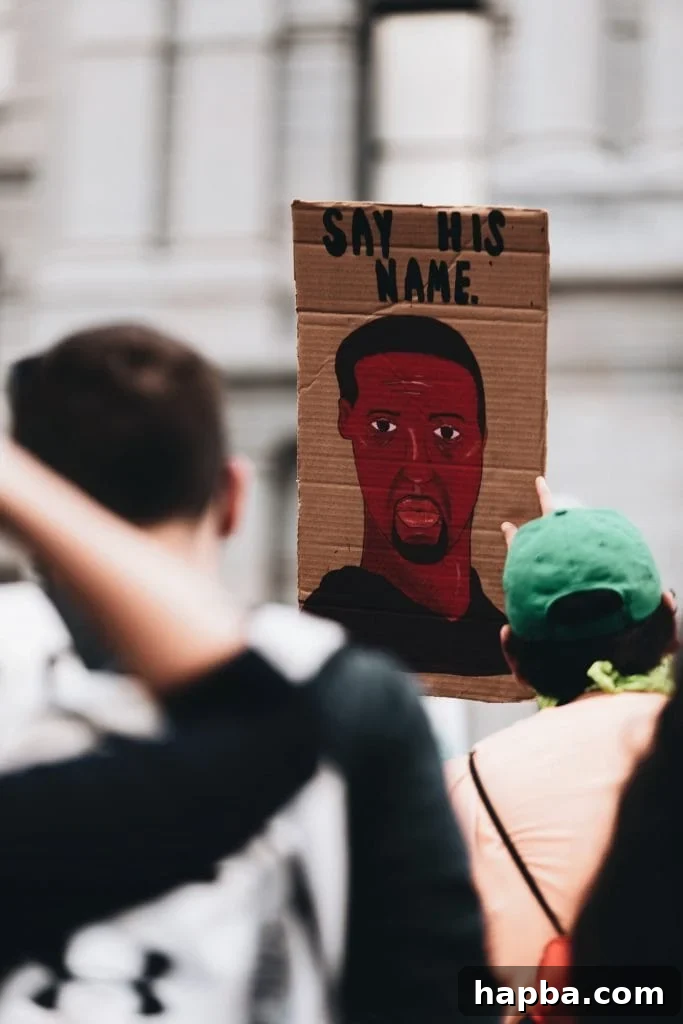
Having resided in America for six years, I have heard far too many harrowing accounts of police brutality targeting individuals who share my skin color, who resemble my husband, who are part of the vibrant tapestry of people of color. These individuals have been subjected to disproportionate violence and, in some cases, tragically killed by law enforcement simply because of their race. This pervasive reality is a profound and intolerable evil.
The stark irony is undeniable: in a nation proclaimed as the “land of the free,” people of color often find themselves anything but free from fear, discrimination, and violence. This is a painful, undeniable truth that demands our attention and action.
However, amidst the despair and indignation, a powerful current of hope and resolve emerges. We possess the collective agency to actively become anti-racist, to unequivocally name racism for the deadly societal virus it is, and to confront it with every fiber of our collective being. This fight is not merely for tolerance, but for genuine equity, justice, and the fundamental recognition of every human’s worth.
So, how do we contribute to this vital struggle? How can each of us play a meaningful role in dismantling the structures of racism and fostering a truly inclusive society? Here are seven powerful ways we can become part of the enduring solution:
7 Ways We Can Actively Combat Racism and Build a Just Society
1. Seek To Understand: The Foundation of Anti-Racism
A significant barrier to overcoming racism is a lack of deep understanding regarding its multifaceted nature. For those who have never experienced racial discrimination firsthand, the systemic impact of racism can be difficult to grasp. However, ignorance is not an excuse for inaction. The journey toward anti-racism begins with a committed effort to educate oneself comprehensively.
This commitment involves immersing yourself in knowledge. Read seminal books on the history and sociology of racism, from its origins to its contemporary manifestations. Explore critical race theory and the lived experiences of marginalized communities. Watch compelling and educative documentaries that illuminate the narratives of racial injustice and resilience. Thought-provoking films such as “13th” and “When They See Us,” both readily available on streaming platforms like Netflix, offer vital starting points. Furthermore, dedicated online platforms and organizations provide extensive anti-racism resources that can guide your learning journey. Understanding the historical context, the systemic nature, and the personal impact of racism is not a passive exercise; it’s an active, ongoing commitment that equips you to engage effectively in the fight for justice.
2. Treat Every Human With Unwavering Dignity and Respect
At the core of any just society lies the fundamental principle that all humans possess inherent worth and deserve unconditional dignity and respect. This truth transcends all superficial distinctions of language, skin color, ethnicity, or national origin. Every individual, regardless of their background, is equally valuable and merits the highest regard.
This principle extends beyond mere politeness; it demands an active recognition of the equal importance of every life. Whether individuals are Black, Brown, Yellow, White, or any other hue, their lives matter profoundly. To be anti-racist is to treat others not just as you would wish to be treated, but as they deserve to be treated – as full, complex, and invaluable human beings. It means actively challenging any notion that one race is superior or inferior to another, and consciously rejecting any action or thought that diminishes the humanity of another person. It’s about celebrating diversity while upholding the universal standard of human worth.
3. Teach Your Children About the Realities of Racism and Justice
The future of a truly equitable society rests on the shoulders of the next generation. It is our solemn responsibility to educate children about the realities of racism, instilling in them not only an understanding of its history but also the moral courage to actively combat it. This education must be honest, age-appropriate, and unwavering.
Share with them the compelling stories of resilience and defiance from America’s history, highlighting figures like Rosa Parks, whose refusal to give up her seat sparked a movement, and Dr. Martin Luther King Jr., whose visionary leadership rallied a nation against segregation and oppression. Beyond these iconic figures, introduce them to countless others who fought for justice, from Harriet Tubman leading enslaved people to freedom to Ruby Bridges integrating schools. Teach them, regardless of their own racial background, that racism is a grave injustice, a societal affliction that must be actively confronted. Empower them with empathy, critical thinking skills, and the conviction that they can and must be agents of positive change, standing up against prejudice and advocating for equality in their own lives and communities.
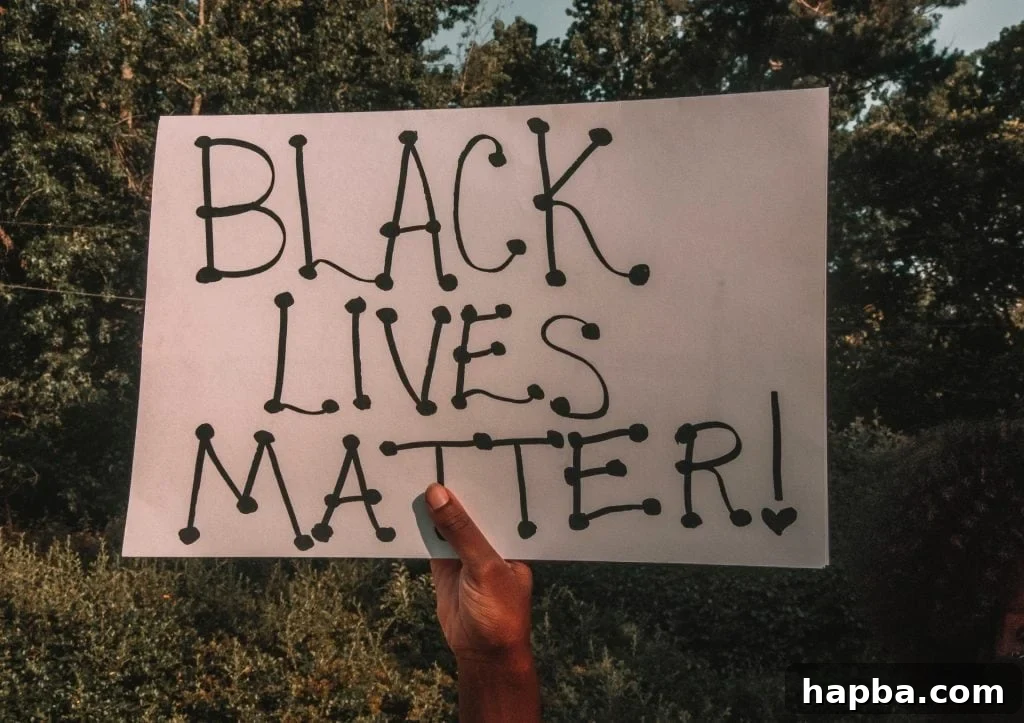
4. Speak Up: Breaking the Silence of Injustice
Silence in the face of racism is complicity. Whether you are witnessing an overt act of discrimination in your community, encountering casual prejudice among friends, or observing hateful rhetoric on social media, remaining silent allows injustice to fester. Every individual has the power and the moral imperative to speak up against the evils of racism.
This doesn’t always require grand gestures. It can be as simple as challenging a racist joke, correcting misinformation, or advocating for inclusive practices in your workplace. Share resources and messages that resonate with the principles of equality and justice. Remember the profound impact of figures like Dr. Martin Luther King Jr., whose unwavering voice against segregation and racism transformed a nation. His legacy reminds us that one person’s voice, amplified by others, can instigate monumental change. Your voice, in whatever capacity you choose to use it, is a powerful tool in the fight for a more equitable world. Do not underestimate its potential to educate, challenge, and inspire.
5. Love And Do Not Hate: The Transformative Power of Empathy
While the pain and anger caused by racism are legitimate, responding to hate with hate only perpetuates a destructive cycle. Harboring animosity towards an entire racial group because of the prejudiced actions of a few individuals within that group will not advance the cause of justice or heal societal wounds. As the adage warns, “Hate begets hate,” creating an endless spiral of resentment and division.
Instead, we must cultivate love – a profound, active love for our fellow human beings, irrespective of their race or background. This does not mean condoning harmful actions, but rather choosing empathy and understanding as guiding principles. It means striving to understand motivations, seeking common ground, and working towards restorative justice rather than punitive cycles of blame. Genuine love is a revolutionary force that seeks the flourishing of all, breaking down barriers and fostering an environment where every “brother and sister” from all races can coexist in harmony, even when confronted with the imperfections and wrongs of individuals. Love, in its most expansive form, is the ultimate antidote to prejudice and the most powerful catalyst for unity.
6. Build Tables: Fostering Connection and Understanding
Often, fear stems from the unknown. If you harbor anxieties or preconceived notions about people from another race, the solution is not to nourish that fear, but to actively dismantle it through genuine connection. “Building tables” is a metaphor for creating inclusive spaces where people from diverse racial and cultural backgrounds can come together, share their experiences, and forge authentic relationships.
Make a conscious effort to broaden your social circle. Invite individuals from different racial backgrounds into your home, share meals, and engage in meaningful conversations. Seek out diverse community groups, volunteer opportunities, and social gatherings that naturally bring people together. Through these interactions, you will discover that beneath the surface differences, we share a common humanity: we breathe the same air, laugh at the same joys, grieve the same losses, and bleed the same color. These shared experiences and personal connections are incredibly powerful in breaking down stereotypes, fostering empathy, and building a foundation of mutual respect that is essential for a truly anti-racist society.
7. Pray: A Call to Spiritual Action and Collective Healing
Then if my people who are called by my name will humble themselves and pray and seek my face and turn from their wicked ways, I will hear from heaven and will forgive their sins and restore their land.
As quoted from 2 Chronicles 7:14 (NLT), this ancient scripture offers a profound perspective on the role of faith and prayer in societal healing. Our land, scarred by the deeply entrenched virus of racism, is indeed sick and in desperate need of spiritual and moral restoration. Prayer, in this context, is not a passive act but an active, heartfelt supplication to a higher power for guidance, courage, and transformative change.
Let us collectively turn to the divine, calling upon God to infuse our communities and our nation with an abundance of love, peace, and understanding. Pray for the wisdom of leaders, the strength of activists, and the healing of those who have suffered from racial injustice. Pray for the hearts and minds of all people to be softened, to shed prejudice, and to embrace the inherent worth of every individual. May all of us – God’s children, whether brown, black, white, or any other hue – come to recognize our shared humanity and strive to dwell together in profound peace, unity, and an unshakeable commitment to justice for all. Our spiritual conviction can be a powerful catalyst for the societal change we so desperately seek.