

The Indispensable Power of Forgiveness: Unlocking Lasting Happiness in Your Marriage
Every love story begins with a dream of perfect harmony, a vision of two souls intertwining seamlessly. For Marilyn, this dream found its embodiment in George. When they first started courting, George seemed like the epitome of the ideal partner. He was dynamic, charismatic, and deeply spiritual. He showered her with affection, offering unwavering support and gracefully overlooking her minor imperfections. This profound acceptance only deepened Marilyn’s attraction to him. In her eyes, if there was such a thing as a ‘perfect husband,’ George was undoubtedly the living definition.
Marilyn eagerly anticipated their wedding day, longing to forever bask in the warmth, joy, and profound love that enveloped her whenever George was near. His gentle corrections and forgiving smiles regarding her flaws made her feel incredibly secure and blessed to be his future wife. As wedding preparations unfolded swiftly, they soon became Mr. and Mrs., and for a time, he was everything Marilyn had ever desired. She truly believed she couldn’t ask for more from life.
Yet, as with all human relationships, the pristine canvas of their ‘perfect marriage’ gradually began to show lines of imperfection. The man who once overlooked her shortcomings started to raise his voice, sometimes recalling mistakes she had made weeks prior. A subtle bitterness began to creep into Marilyn’s heart, mirrored by a similar shift in George’s demeanor. The minor faults they once seemed oblivious to suddenly became glaring, casting shadows on their once radiant union.
This common marital dilemma highlights a profound truth. As the late Nigerian minister, Pastor Bimbo Odukoya (RIP), wisely defined, “marriage is a union between two forgivers.” This simple yet powerful statement encapsulates a fundamental principle: if you cannot forgive, you cannot fully experience the rich, enduring benefits of a truly fulfilling marriage.
Why Forgiveness is the Cornerstone of Every Marriage
The concept of marriage as a union of two forgivers is not merely a poetic ideal; it’s a practical necessity for several compelling reasons:
-
The Inevitability of Hurt and Imperfection
Your spouse, regardless of how much they love you, will inevitably cause you hurt or disappointment at some point. This isn’t usually born of malice but from the simple reality that no two human beings are perfectly alike. We all come from different backgrounds, carry unique expectations, and possess our own blind spots and flaws. The person with whom you share the most intimate aspects of your life cannot possibly satisfy your every need or expectation perfectly. Misunderstandings will arise, unintentional slights will occur, and human fallibility will manifest. Hurt is, in essence, guaranteed in any close relationship, especially one as intertwined as marriage.
-
Preventing Bitterness and Resentment
Unaddressed hurts and unforgiveness accumulate over time, like emotional dust bunnies under the bed of your relationship. They breed bitterness, resentment, and a creeping distance between partners. These unresolved issues can poison the marital atmosphere, turning love into a grudging obligation. Forgiveness acts as a cleansing agent, preventing this toxic build-up and preserving the emotional health of the union.
-
Building and Rebuilding Trust
While forgiveness doesn’t necessarily mean forgetting, it does mean letting go of the right to punish your partner for their missteps. This act of grace is crucial for building and rebuilding trust. When a spouse knows they can be forgiven for their mistakes, it fosters a sense of psychological safety, encouraging vulnerability and open communication rather than defensiveness.
-
Fostering Empathy and Understanding
The act of forgiving often requires stepping into your partner’s shoes, trying to understand their perspective, and acknowledging their own struggles and imperfections. This process cultivates empathy, a vital ingredient for a compassionate and understanding marriage. When both partners practice forgiveness, they learn to extend grace, just as they hope to receive it.
The Biblical Mandate for Limitless Forgiveness
The importance of forgiveness is deeply rooted in spiritual teachings. Jesus Himself emphasized its boundless nature when Peter asked how many times he should forgive his brother. Jesus replied, “I tell you, not seven times, but seventy-seven times” (Matthew 18:22). This wasn’t a literal count but a powerful metaphor signifying that there should be no limit to our willingness to forgive. It implies a continuous, ongoing readiness to extend grace, echoing divine compassion.
Beyond this specific teaching, the Bible consistently commands believers to love, and true love inherently entails forgiveness. Colossians 3:13 urges, “Bear with each other and forgive one another if any of you has a grievance against someone. Forgive as the Lord forgave you.” Similarly, Ephesians 4:32 reminds us to “Be kind and compassionate to one another, forgiving each other, just as in Christ God forgave you.” These verses highlight that our capacity to forgive others should mirror the immense forgiveness we have received from God through Christ.
Embracing Divine Assistance: The Role of the Holy Spirit in Forgiveness
Acknowledging the command to forgive is one thing; actually doing it, especially when the hurt is deep, is another. This is never easy for our human nature. On our own, our capacity for true, heartfelt forgiveness can be limited, often giving way to stubbornness, pride, or prolonged anger. This is precisely where divine help becomes indispensable.
The Holy Spirit plays a pivotal role in empowering us to forgive beyond our natural abilities. The Bible teaches us, “If we are living by the Spirit, by the Spirit let us be guided” (Galatians 5:25 BBE). This guidance extends to every facet of our lives, including our relationships and our ability to extend grace.
I can personally attest to this truth. Sometimes, when my husband has hurt me, and the natural human reaction of ‘unforgiveness’ attempts to grip my heart, I consciously close my eyes and offer a simple prayer, asking the Holy Spirit for help. And He truly does help. He enables me to release the hurt, to choose forgiveness, and to move past the immediate pain, transforming what feels impossible into a pathway towards healing.
Cultivating an attitude of forgiveness, therefore, becomes the gateway to profound happiness and enduring stability in your marriage. It means making a conscious decision to forgive, sometimes even proactively, before your spouse has had the chance to hurt you. It means choosing to forgive, and then choosing to forgive again, understanding that forgiveness is often a process, not a one-time event.
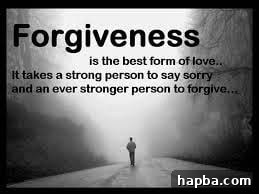
Practical Steps to Cultivate a Forgiving Heart in Marriage
While the Holy Spirit is our ultimate helper, there are also practical steps we can take to nurture a forgiving spirit in our marriages:
- **Acknowledge the Hurt:** Don’t suppress your feelings. Acknowledge the pain you’re experiencing, whether it’s frustration, sadness, or anger. Validating your own emotions is the first step towards healing and eventually, forgiveness.
- **Make a Conscious Choice to Forgive:** Forgiveness is not merely a feeling; it is primarily a decision. It’s choosing to release your spouse from the debt you feel they owe you for their transgression. This decision can be made even when the emotions haven’t caught up yet.
- **Communicate with Kindness and Honesty:** Once you’ve processed your feelings, find a calm moment to communicate your hurt to your spouse. Do so with kindness and an aim for understanding, rather than accusation. Explain how their actions affected you, but avoid attacking their character.
- **Practice Empathy:** Try to understand your spouse’s perspective. What might have led to their actions? Were they under stress? Did they have different intentions? Empathy doesn’t excuse the behavior, but it helps you see your partner as a fellow flawed human being.
- **Let Go of the Need for Retribution:** Forgiveness means releasing your desire for revenge or to make your spouse “pay” for their mistake. It means giving up your right to punish them, allowing both of you to move forward.
- **Focus on the Future, Not Just the Past:** While acknowledging past hurts is important, dwelling on them endlessly can hinder healing. Choose to focus on rebuilding and strengthening your relationship, looking forward to a healthier future together.
- **Pray for Your Spouse and for Yourself:** Prayer is a powerful tool. Pray for your spouse’s growth and understanding, and pray for your own heart to be softened and filled with the grace needed to forgive.
- **Seek Reconciliation (where appropriate):** Forgiveness is internal; reconciliation is relational. While forgiveness can be given unilaterally, reconciliation requires mutual effort, repentance from the offending party, and a commitment to change.
Overcoming Misconceptions About Forgiveness
It’s important to clarify what forgiveness is not, to avoid common misunderstandings:
- **Forgiveness is NOT Forgetting:** Forgiveness is not about erasing the memory of the offense. It’s about disarming its power to control your emotions and dictate your future interactions.
- **Forgiveness is NOT Condoning the Behavior:** Forgiving someone does not mean you are saying their actions were acceptable or justified. It means you are choosing to release yourself and them from the burden of the wrongdoing, while still acknowledging that the act itself was wrong.
- **Forgiveness is NOT a Guarantee of Reconciliation:** You can forgive someone without fully reconciling with them, especially if the behavior is repeatedly harmful or abusive. Forgiveness frees *you*, while reconciliation requires effort from both sides to rebuild trust and safety.
- **Forgiveness is NOT Always a One-Time Event:** For deep wounds, forgiveness can be a process you revisit multiple times. You might choose to forgive, only to find old feelings resurfacing. In such cases, choose to forgive again and again, until healing takes root.
Conclusion: The Path to Enduring Marital Joy
Marriage is a beautiful, sacred journey, but it is also one filled with challenges, misunderstandings, and moments of hurt. The fairy-tale ideal of a flawless union quickly gives way to the reality of two imperfect individuals striving to build a life together. In this journey, forgiveness is not merely an option; it is an essential ingredient, the very glue that holds the relationship together through its trials.
By embracing the understanding that marriage is indeed a “union between two forgivers,” and by actively cultivating a spirit of grace, compassion, and divine reliance, couples can navigate the inevitable storms of life. This powerful act of forgiveness paves the way for emotional healing, strengthens bonds, fosters deeper understanding, and ultimately unlocks the lasting joy and profound happiness that every married couple truly desires. Choose forgiveness today, and watch your marriage transform into a resilient sanctuary of love.